
Vanuatu offers a raw, adventurous experience characterized by active volcanoes, world-class wreck diving, and deep-rooted tribal culture, making it ideal for thrill-seekers. In contrast, Fiji provides a polished, resort-centric vacation with pristine white sand beaches, luxury infrastructure, and family-friendly amenities, making it the superior choice for relaxation and classic tropical tourism.
Choosing between Vanuatu vs Fiji is often the first dilemma for travelers planning a South Pacific getaway. While both archipelagos offer warm hospitality, turquoise waters, and stunning coral reefs, they cater to fundamentally different travel styles. Fiji is the heavyweight of Pacific tourism, renowned for its seamless luxury and soft coral diving. Vanuatu, its rugged neighbor to the west, remains an untamed frontier, offering accessible active volcanoes and some of the world’s best wreck diving sites.
Vanuatu vs Fiji: The Core Differences
When analyzing Vanuatu vs Fiji, the distinction lies in the “vibe” and infrastructure. Fiji is highly developed for tourism. From the moment you land in Nadi, the path to your island resort is well-paved, often involving organized boat transfers or seaplanes. It is a destination where you can easily spend a week without leaving your resort, enjoying all-inclusive packages and curated activities.
Vanuatu requires a spirit of adventure. The infrastructure is less developed outside of Port Vila and Espiritu Santo. Getting to the best sights—like Mount Yasur on Tanna Island or the land divers of Pentecost—often involves small planes, 4×4 truck rides over unpaved roads, and a willingness to embrace the unexpected. However, the reward is an authenticity that is becoming increasingly rare in global tourism.
Deep Dive: Vanuatu’s Unique Selling Points
Vanuatu is not just a beach destination; it is a geological and cultural powerhouse. If your commercial intent is to book an experience that changes your perspective on nature, Vanuatu holds the cards.
Active Volcanoes: Mount Yasur
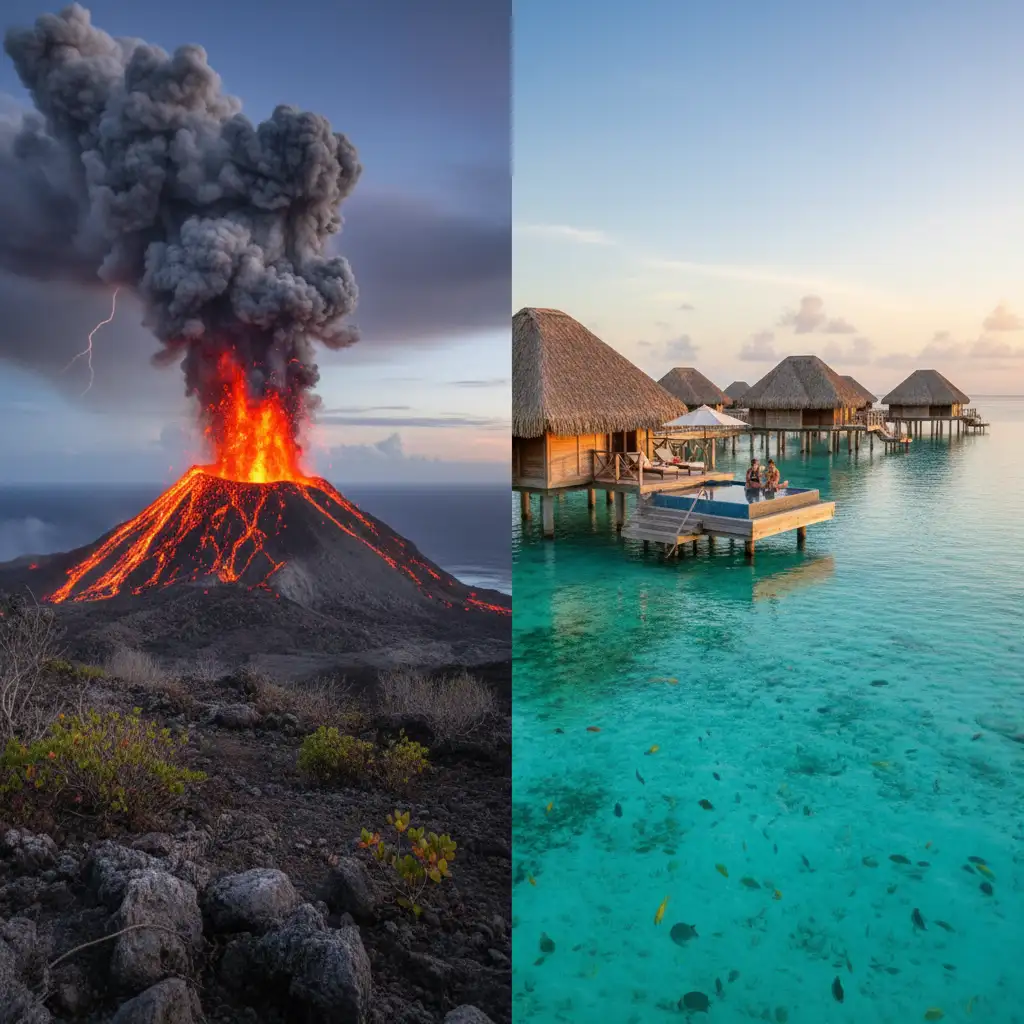
The primary draw for many is Mount Yasur on Tanna Island. Unlike most volcanoes where you view the crater from miles away, Yasur is known as the world’s most accessible active volcano. You can stand on the rim and look directly into the churning lava lake. The ground rumbles beneath your feet, and magma explodes into the air just hundreds of meters away. This is a visceral experience that Fiji simply cannot replicate.
World-Class Wreck Diving: The SS President Coolidge
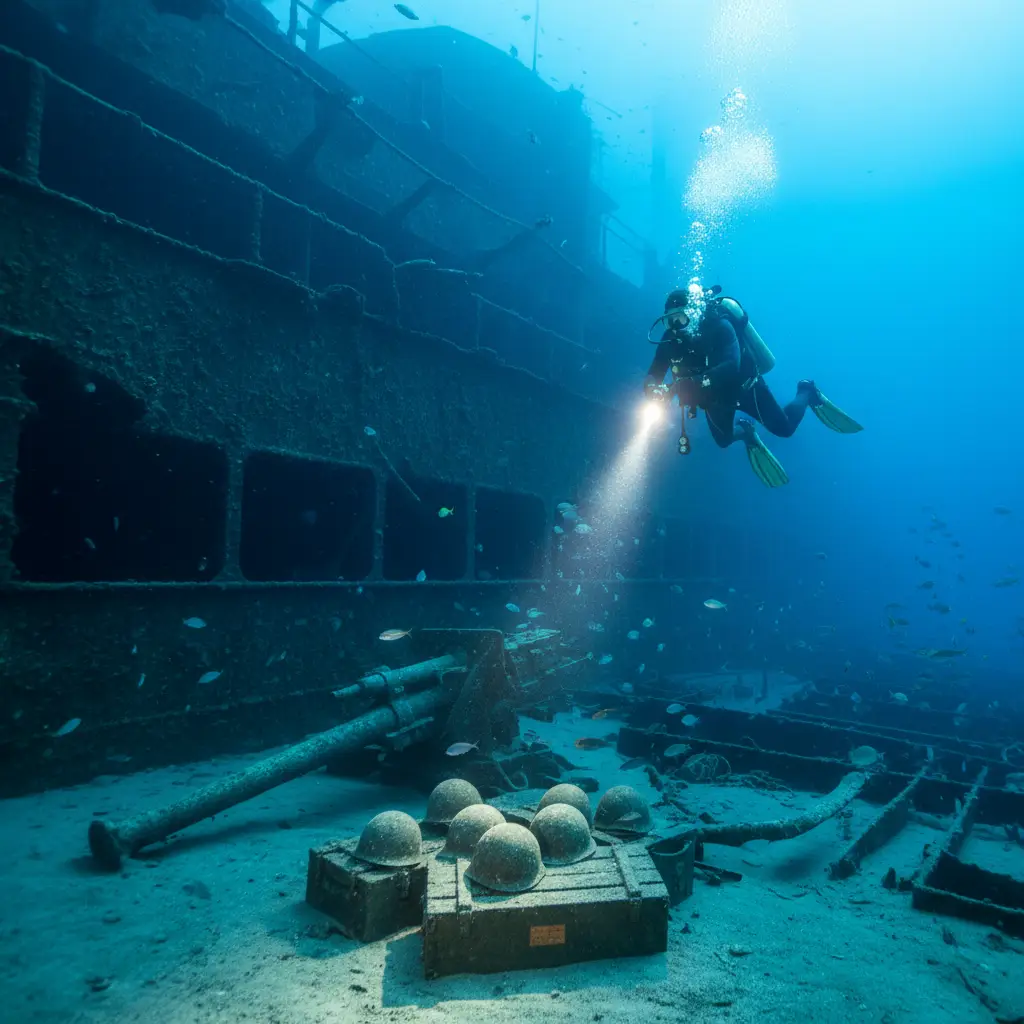
For scuba divers, the comparison of Vanuatu vs Fiji often ends here. Espiritu Santo is home to the SS President Coolidge, a 22,000-ton luxury liner turned troopship that sank during WWII. It is the largest accessible wreck dive in the world. Divers can swim through the cargo holds, see military jeeps, and even find the famous “Lady” porcelain statue. While Fiji is the “Soft Coral Capital of the World,” Vanuatu owns the wreck diving niche.
Kastom and Culture
Vanuatu’s culture, known as Kastom, is visibly preserved. On Pentecost Island, the Naghol land diving ritual (the precursor to bungee jumping) takes place between April and June. Men jump from tall wooden towers with only vines wrapped around their ankles. This is not a staged show for tourists; it is a harvest ritual that has been performed for centuries.
Deep Dive: Fiji’s Unique Selling Points
Fiji excels in delivering the quintessential South Pacific dream. It defines the standard for tropical luxury and family travel.
The Resort Experience
Fiji has perfected the private island resort model. The Mamanuca and Yasawa island chains are dotted with resorts that range from backpacker chic to ultra-luxury. If you are looking for overwater bungalows (though rarer than in Tahiti, they exist here), infinity pools, and kids’ clubs that allow parents to relax, Fiji is the winner. The hospitality is legendary; the Fijian greeting “Bula!” is infectious and sets a tone of utter relaxation.
Soft Coral Diving and Snorkeling
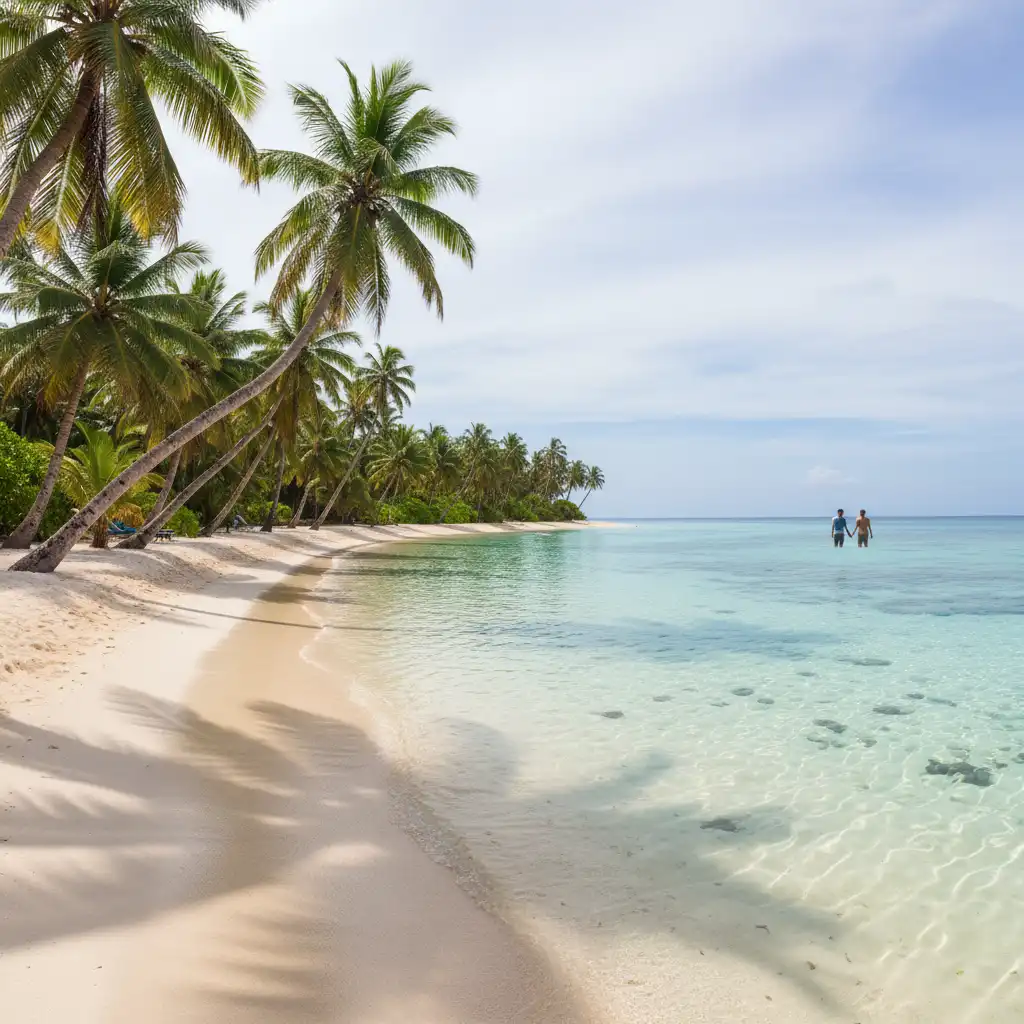
While Vanuatu has the wrecks, Fiji has the color. The Somosomo Strait and the Great Astrolabe Reef offer nutrient-rich waters that feed vibrant soft corals. For snorkelers who want to see a kaleidoscope of fish just steps from the beach, Fiji offers easier accessibility than Vanuatu, where the best reefs often require boat trips.
Decision Making Matrix for Travelers
To assist in your commercial decision-making, we have compiled a matrix based on common traveler profiles. This breakdown helps clarify which destination aligns with your specific needs.
For Honeymooners
Verdict: Tie (Depends on Style).
If your honeymoon vision involves spa treatments, sunset cruises, and fine dining, choose Fiji. The infrastructure supports romantic seclusion with high-end service. However, if you are an adventurous couple who bonds over hiking craters or kayaking into blue holes, Vanuatu offers a unique narrative that you will talk about for decades.
For Families
Verdict: Fiji.
Fiji is arguably the best family destination in the South Pacific. Fijian culture adores children, and almost every resort has a “Bula Club” (kids’ club) with extensive nannies and activities. Vanuatu can be family-friendly, but the travel logistics (internal flights, rough roads) can be taxing for younger children.
For Solo Travelers and Backpackers
Verdict: Vanuatu.
While Fiji has a strong backpacker circuit (the “Bula Pass” for island hopping), Vanuatu feels more like true exploration. It is easier to interact with locals outside of the tourism industry, and the cost of local markets and transport can be lower if you live like a local. The sense of safety is high in both, but Vanuatu offers a rawer edge for the solo explorer.
Seasonal Advantages and Weather
Both nations share a similar tropical climate, but there are nuances that affect booking decisions.
When to Visit Vanuatu
The best time to visit Vanuatu is from April to October. The weather is cooler and drier, with temperatures averaging 23°C to 28°C (73°F – 82°F). Crucially, if you want to witness the Land Diving on Pentecost Island, you must visit between April and June. This is a strict seasonal window that does not exist for Fiji’s main attractions.
When to Visit Fiji
Fiji is a year-round destination, but the dry season (May to October) is optimal for water clarity and low humidity. The wet season (November to April) is hotter and brings a risk of cyclones, but it is also when the waterfalls are most spectacular and the landscape is lush green. Prices in Fiji drop significantly during the wet season (excluding the Christmas holiday), offering a commercial advantage for budget travelers.
Cost Comparison: Budgeting Your Trip
Is Vanuatu cheaper than Fiji? Generally, Vanuatu is slightly more affordable on the ground, but Fiji offers a wider range of package deals due to the higher volume of tourism.
Flight Accessibility
Fiji (Nadi International Airport) is the hub of the South Pacific. Flights from Australia, New Zealand, and the US (LAX) are frequent and competitive. Vanuatu (Port Vila) has fewer direct connections, often making airfare slightly more expensive or requiring a transit through Fiji or Brisbane.
Accommodation Costs
- Budget: Both offer dorms and budget bungalows for $30-$60 USD per night.
- Mid-Range: Fiji has more options in the $150-$300 USD range. In Vanuatu, mid-range options can sometimes feel overpriced for the quality provided compared to Fiji’s polished standards.
- Luxury: Fiji’s ceiling is higher. You can spend $3,000+ per night on private islands. Vanuatu’s luxury sector is growing but generally tops out at a lower price point, offering great value for “rustic luxury.”
People Also Ask (PAA)
Which is safer, Fiji or Vanuatu?
Both Fiji and Vanuatu are generally very safe for tourists. Violent crime against travelers is rare in both nations. Petty theft can occur in urban areas like Suva or Port Vila, but common sense prevails. Vanuatu is often cited as one of the happiest places on earth, and locals are extremely helpful. The main safety concern in Vanuatu is actually environmental (volcanoes, earthquakes) rather than criminal.
Is the water clearer in Fiji or Vanuatu?
Both destinations offer incredible water clarity, but they excel in different environments. Fiji is famous for its crystal-clear lagoons and soft coral reefs, particularly in the Yasawas. Vanuatu boasts the incredible “Blue Holes” of Espiritu Santo—freshwater springs that filter through limestone to create water so clear and blue it looks artificial. For ocean clarity, Fiji generally wins; for unique freshwater swimming, Vanuatu wins.
Do I need a visa for Vanuatu or Fiji?
Most travelers from Commonwealth countries, the EU, and the USA do not need a visa for short tourist stays (usually up to 30 or 90 days) in either Fiji or Vanuatu. However, you must have a return ticket and a passport valid for at least six months beyond your intended stay. Always check the latest entry requirements before booking.
Which island has better food?
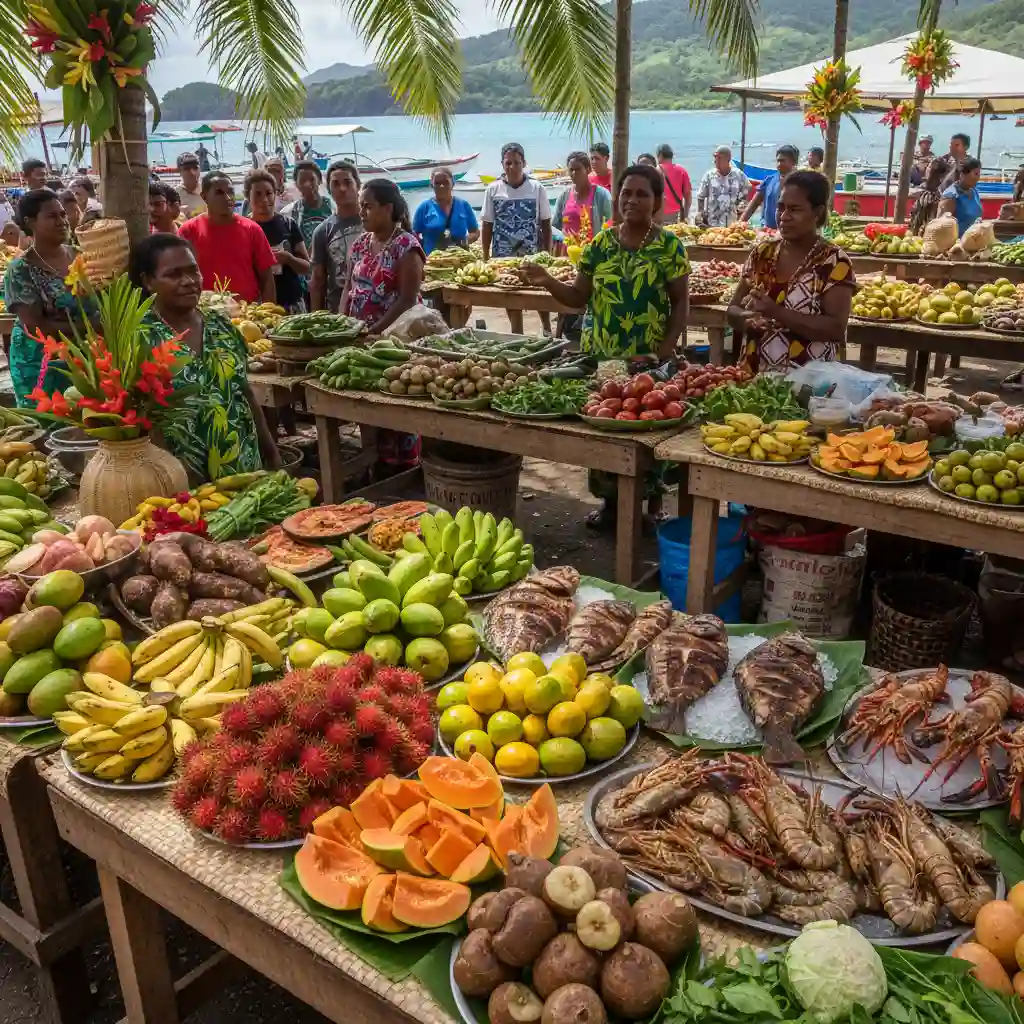
Vanuatu is widely considered the food capital of the South Pacific, particularly Port Vila. The French colonial influence mixed with fresh island produce results in high-quality beef (Santo Beef is world-famous) and excellent pastries. Fiji offers delicious curries due to its large Indo-Fijian population and fresh seafood (Kokoda), but Vanuatu generally edges ahead in terms of fine dining variety.
Can you surf in Vanuatu?
Yes, but it is not as world-renowned as Fiji. Fiji is home to Cloudbreak and other world-class waves that attract pros. Vanuatu has decent surf, particularly around Efate and Pango Point, but it is less consistent and the infrastructure for surf tourism is less developed. If the primary purpose of your trip is surfing, choose Fiji.
How many days do I need for Vanuatu vs Fiji?
For Fiji, a 7-day trip is sufficient to relax at a resort and do an island-hopping tour. For Vanuatu, because the attractions are spread across different islands (Tanna for the volcano, Santo for diving, Efate for the capital), you ideally need 10 to 14 days to truly experience the diversity of the archipelago without rushing.