
Vanuatu travel planning requires coordinating international flights into Port Vila (VLI), verifying visa-on-arrival eligibility, and arranging crucial domestic inter-island transport early. A successful itinerary balances logistics between the main hubs of Efate, Espiritu Santo, and Tanna, while accounting for tropical seasonality, health preparations like malaria prophylaxis, and budgeting for the local Vatu currency.
Vanuatu is an archipelago of 83 islands that offers an untouched, raw beauty rarely found in modern tourism. However, because it is less commercialized than neighbors like Fiji, planning a trip here requires meticulous attention to logistics. From timing your visit to witness the awe-inspiring Mount Yasur volcano to navigating the erratic schedules of inter-island flights, preparation is the key to unlocking the magic of this Melanesian nation.
Visa Requirements & Entry Formalities
Understanding entry requirements is the foundational step of your Vanuatu travel guide planning. The Republic of Vanuatu maintains a relatively open border policy to encourage tourism, but strict documentation rules apply to ensure smooth entry.
Who Needs a Visa for Vanuatu?
For citizens of many countries, traveling to Vanuatu is straightforward. The government grants a Visitor Visa on Arrival for stays of up to 30 days for passport holders from over 120 jurisdictions. This includes citizens of:
- Commonwealth countries (including Australia, New Zealand, UK, and Canada)
- European Union member states
- United States of America
- Select Asian and Pacific nations
If you are from a non-exempt country, you must apply for a visa prior to your departure through the nearest Vanuatu Immigration office or consulate. Always verify the latest lists on the official Vanuatu Department of Immigration website before booking flights.
Essential Passport & Document Rules
Even if you qualify for a visa on arrival, you must meet specific criteria at the border control in Port Vila or Luganville:
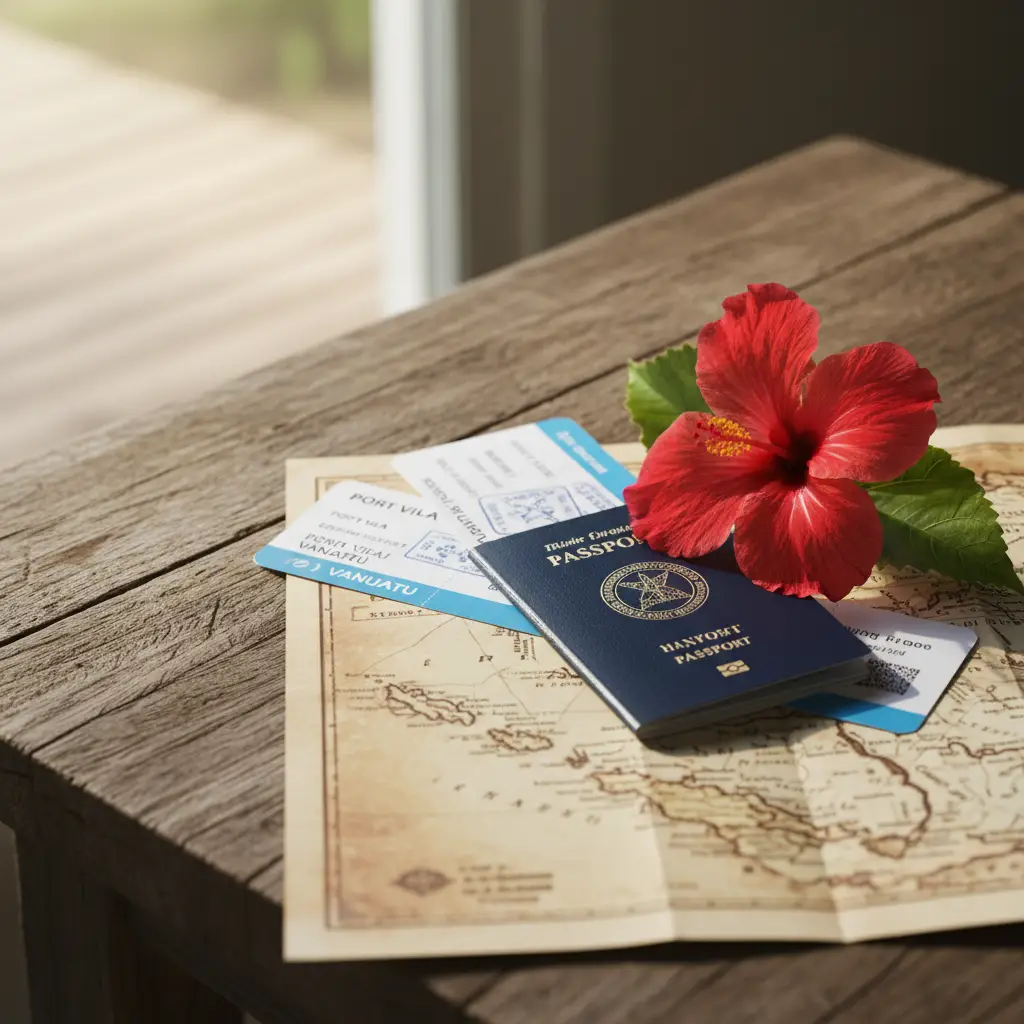
- Passport Validity: Your passport must be valid for at least six months beyond your intended date of departure. This is strictly enforced; travelers have been denied boarding at their origin airports for having only five months of validity left.
- Onward Ticket: You must present a confirmed return ticket or an onward ticket to a third country. One-way tickets generally trigger scrutiny and potential entry denial unless you hold a residency permit.
- Proof of Funds: While rarely checked for standard tourists, immigration officers reserve the right to ask for proof of sufficient funds to support your stay.
Best Time to Visit Vanuatu
Vanuatu generally enjoys a sub-tropical climate, but weather patterns can significantly impact travel logistics, particularly regarding boat crossings and small aircraft flights. The year is distinctively divided into two seasons.
The Dry Season (April to October)
This is widely considered the optimal window for Vanuatu travel planning. During these months, the humidity drops, trade winds provide a cooling breeze, and rainfall is minimal. Temperatures average between 20°C to 28°C (68°F – 82°F).
- Pros: Ideal for hiking volcanoes, diving (visibility is excellent), and attending the famous Naghol Land Diving festivals on Pentecost Island (April–June).
- Cons: This is peak season. Accommodation prices in Port Vila and Espiritu Santo are higher, and domestic flights to popular islands like Tanna book out weeks in advance.
The Wet Season (November to March)
The wet season brings higher temperatures, high humidity, and frequent tropical downpours. It is also the cyclone season. While travel is still possible and the islands are lush and green, logistics become riskier.
- Pros: Fewer crowds, lower accommodation rates, and warmer water temperatures for swimming.
- Cons: High risk of flight cancellations due to storms. Cyclones can disrupt travel plans for days. Some remote bungalows may close for maintenance.
International & Domestic Travel Logistics
Vanuatu is an archipelago, meaning that once you arrive, your travel planning shifts to island-hopping logistics. The infrastructure is developing, so patience and buffer days are essential components of your itinerary.
International Flights
Most international travelers arrive at Bauerfield International Airport (VLI) in Port Vila on the island of Efate. A secondary international gateway exists at Pekoa International Airport (SON) in Espiritu Santo, though it handles fewer flights.
Key carriers include:
- Air Vanuatu: The national carrier (schedules subject to change due to operational restructuring).
- Virgin Australia: Regular flights from Brisbane.
- Fiji Airways: Connects via Nadi, offering good options for North American travelers.
- Aircalin: Connects via Noumea.
Inter-Island Domestic Travel
To truly experience Vanuatu, you must leave Efate. Domestic travel is primarily handled by air due to the distances between islands.
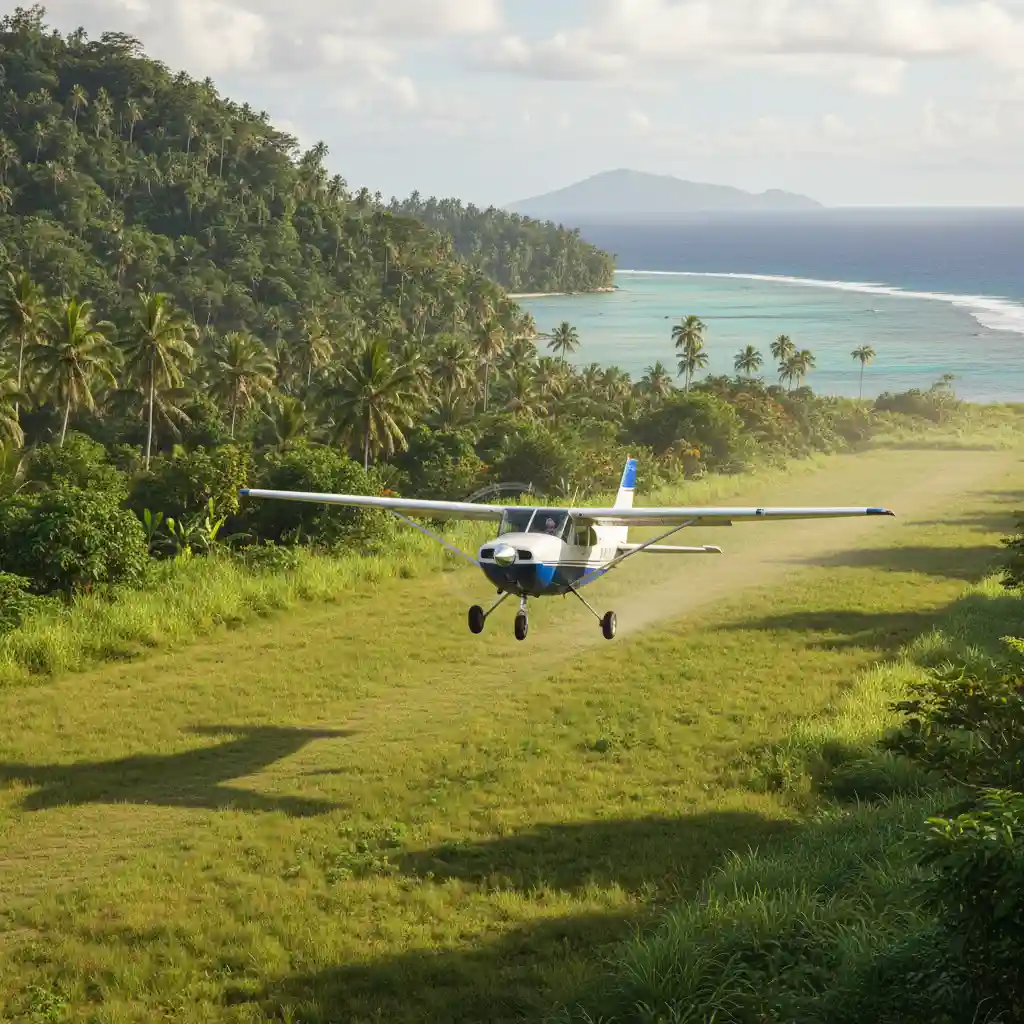
Air Travel: Domestic flights are the lifeline of the archipelago. Aircraft range from ATR-72s to small Twin Otters and Islanders. Crucial Tip: Baggage allowances on domestic flights are often stricter (usually 10kg or 20kg depending on the ticket class) than international flights. Excess baggage fees can be steep, or luggage may be left behind if the plane is overweight. Book your inter-island flights at least two months in advance if traveling during peak season.
Sea Transport: For the adventurous and budget-conscious, cargo ships and inter-island ferries operate between the islands. These schedules are notoriously unreliable (“island time” is a real factor here) and safety standards vary. This option is recommended only for travelers with flexible schedules who want a deeply immersive local experience.
Ground Transport
Buses: In Port Vila and Luganville, privately owned mini-buses are the primary mode of transport. They have a “B” on their license plate. There are no fixed routes; you simply flag one down and tell the driver your destination. It is an affordable and efficient way to get around.
Taxis: Taxis have a “T” on the license plate. They are unmetered, so you must agree on a fare before starting the journey. Most standard trips within town limits have a set standard rate, but longer trips require negotiation.
Accommodation: From Resorts to Bungalows
Vanuatu offers a spectrum of accommodation that dictates the style of your trip. Your choice of lodging should align with your logistical capabilities and comfort levels.
Luxury Resorts & Hotels
Concentrated primarily in Port Vila (Efate) and Luganville (Espiritu Santo), these establishments offer western amenities, air conditioning, Wi-Fi, and swimming pools. They are the easiest to book online and accept credit cards. This is the best option for families or those requiring reliable connectivity.
Island Bungalows
For a genuine experience, staying in a locally owned island bungalow is unmatched. These are often made of traditional materials (natangura thatch roofs and bamboo walls) and are located in villages or on secluded beaches.
Logistics for Bungalows:
- Booking: Many do not have websites. You may need to book via local tourism offices or Facebook pages.
- Facilities: Expect cold water showers (or bucket showers), shared toilets, and electricity limited to generator hours (usually sunset to 9 PM).
- Payment: Almost exclusively cash (Vatu).

Health, Safety, and Connectivity
Proper preparation regarding health and safety is non-negotiable for a remote archipelago destination.
Medical Preparation
Malaria: Vanuatu is a malaria-risk zone, particularly in the outer islands (Malampa, Torba, Sanma provinces). Port Vila has a lower risk, but prophylaxis is highly recommended for all travelers. Consult a tropical medicine specialist before travel.
Dengue Fever: There is no vaccine for Dengue, which is transmitted by mosquitoes. Vigorous application of insect repellent containing DEET, wearing long sleeves at dusk, and sleeping under mosquito nets are your best defenses.
Water: Tap water in Port Vila is generally considered safe, but outside the capital, you should strictly stick to bottled water, boiled water, or use purification tablets.
Travel Insurance
Do not travel to Vanuatu without comprehensive travel insurance. Medical facilities in Port Vila are basic. Serious injuries or illnesses will require medical evacuation to Australia or New Zealand, which can cost upwards of $50,000 USD. Ensure your policy covers “medical evacuation” and adventure activities if you plan on diving or hiking volcanoes.
Connectivity
Two main telecommunication providers operate in Vanuatu: Vodafone and Digicel. Upon arrival at Port Vila airport, you can purchase a local SIM card. Digicel generally offers superior coverage in the outer islands. However, expect dead zones in remote areas of Tanna or Santo. Download offline maps (Google Maps or Maps.me) before you leave Wi-Fi zones.
Budgeting & Financial Planning
Vanuatu is not a cheap destination compared to Southeast Asia. Because most goods are imported, prices can be comparable to Australia or New Zealand.
Currency
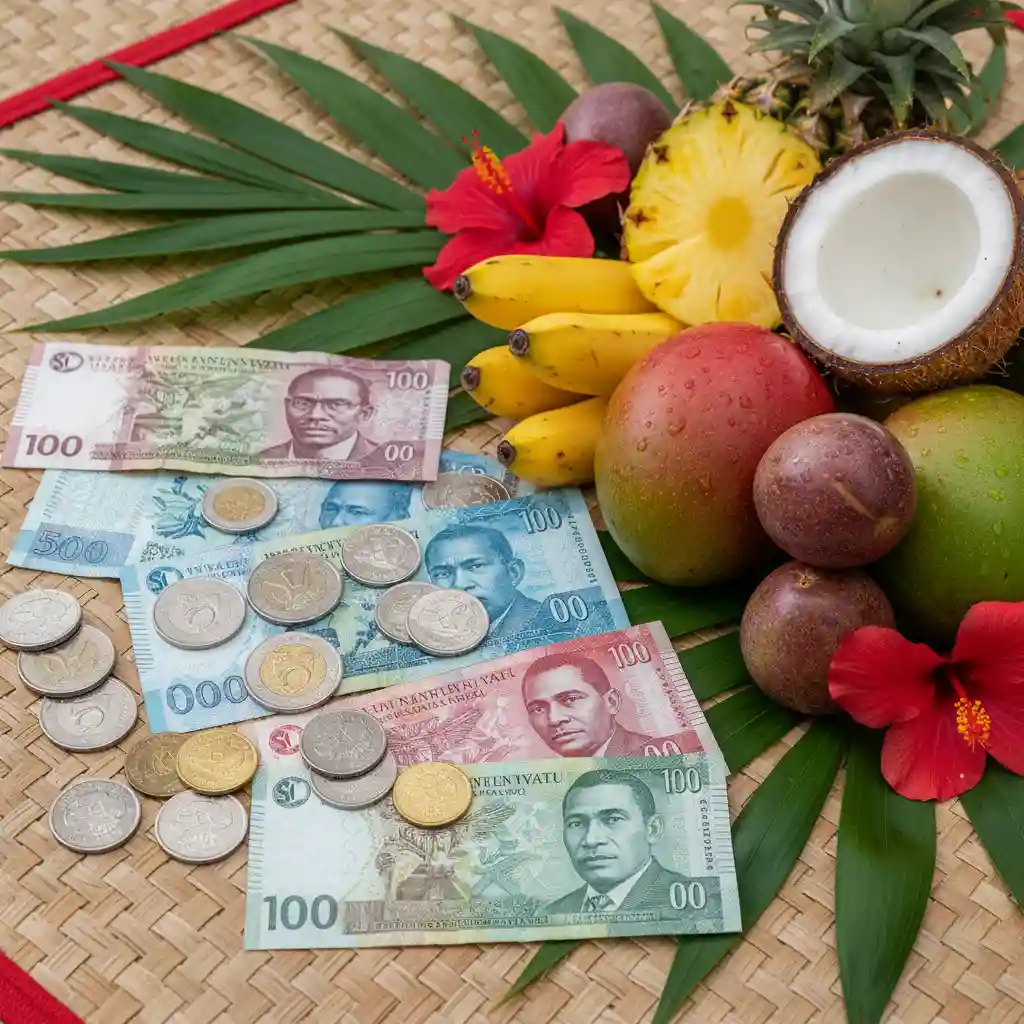
The local currency is the Vatu (VT). While Australian Dollars are accepted in some tourist shops in Port Vila, you must use Vatu for almost everything else.
Accessing Cash
ATMs: ATMs are available in Port Vila and Luganville. There are virtually no ATMs on the outer islands. You must withdraw sufficient cash in the main cities before flying to places like Tanna, Pentecost, or Malekula. Carry small denominations (200VT, 500VT, 1000VT coins and notes) as village shops and market vendors rarely have change for large bills.
Estimated Costs (Per Person, Per Day)
- Budget (Backpacker): 5,000 – 8,000 VT ($40 – $65 USD). Staying in village bungalows, eating at local markets, using local buses.
- Mid-Range: 15,000 – 25,000 VT ($125 – $210 USD). Staying in 3-star hotels, mix of restaurant and market food, guided tours.
- Luxury: 40,000+ VT ($330+ USD). Boutique resorts, private transfers, fine dining, charter flights.
Tipping Culture
Tipping is not a Melanesian custom and is generally not expected. In fact, traditional culture operates on a system of exchange, and tipping can sometimes cause confusion. However, a smile and a sincere “Tankyu Tumas” (Thank you very much) are always appreciated. In high-end resorts, tipping practices are becoming more common, but it is never mandatory.
Frequently Asked Questions
Do I need a visa to visit Vanuatu?
Citizens of the Commonwealth, EU, USA, and many other nations generally receive a Visitor Visa on Arrival valid for 30 days. You must have a passport valid for 6 months and a return ticket. Check the official immigration website for your specific country.
Is it safe to travel to Vanuatu?
Yes, Vanuatu is generally very safe with low crime rates. The biggest risks are natural hazards (earthquakes, volcanoes, cyclones) and health issues like malaria. Always exercise common sense regarding personal belongings in Port Vila.
What is the best way to get between islands in Vanuatu?
Domestic flights via Air Vanuatu are the most efficient way to travel between islands. Ferries exist but are slow and unreliable. It is best to book domestic flights well in advance, especially for Tanna and Santo.
Can I use my credit card in Vanuatu?
Credit cards (Visa/Mastercard) are widely accepted in hotels and restaurants in Port Vila and Luganville. However, cash (Vatu) is absolutely essential for markets, transport, and accommodation on the outer islands.
Is the water safe to drink in Vanuatu?
Tap water is generally safe in Port Vila, but it is recommended to drink bottled or boiled water to avoid stomach upsets. On outer islands, always drink bottled or purified water.
What language do they speak in Vanuatu?
Vanuatu has three official languages: Bislama (an English-based creole), English, and French. Bislama is the common tongue used by locals, but English is widely spoken in tourism areas.