
Vanuatu inter-island travel primarily relies on domestic flights operated by Air Vanuatu for speed and comfort, connecting major hubs like Port Vila and Santo. For a more immersive and budget-friendly experience, inter-island ferries like Vanuatu Ferry and Big Sista offer scheduled services between main islands, while small banana boats handle short coastal transfers.
Navigating the archipelago of Vanuatu requires a blend of planning and patience. With 83 islands scattered across the South Pacific, moving from the capital of Port Vila to the volcanic ash plains of Tanna or the blue holes of Espiritu Santo involves distinct logistical choices. Whether you choose the aerial route for efficiency or the maritime route for cultural immersion, understanding the nuances of Vanuatu inter-island travel is essential for a seamless journey.
Domestic Flights: The Fastest Way to Hop
For the vast majority of international visitors, domestic flights are the primary method of transport. Given the distances between the northernmost Torres Islands and the southernmost island of Anatom, air travel turns days of ocean travel into mere hours. The domestic aviation sector is the lifeline of Vanuatu tourism and commerce.
Air Vanuatu Services
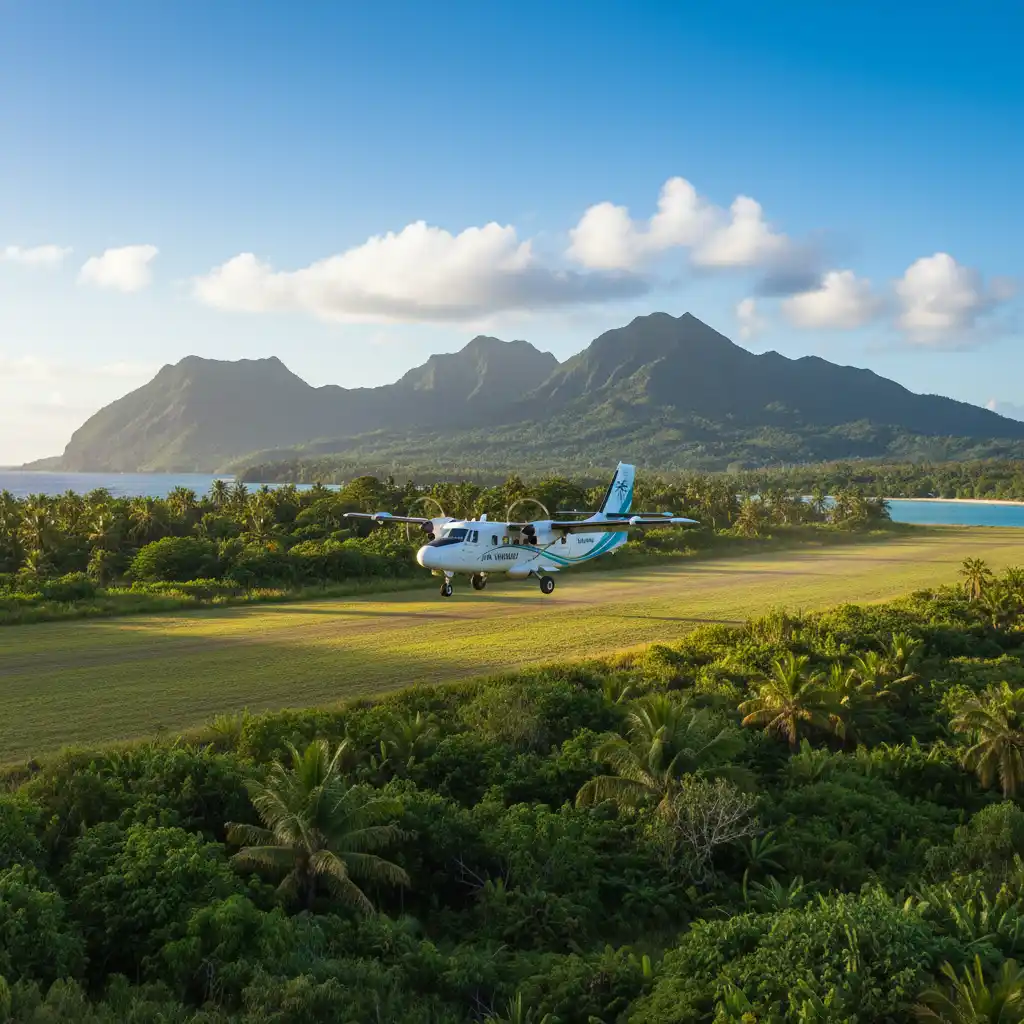
As the national carrier, Air Vanuatu operates the most extensive network of domestic routes. Their fleet typically consists of ATR-72 aircraft for major routes (such as Port Vila to Santo or Tanna) and smaller De Havilland Twin Otters for servicing remote grass airstrips on outer islands.
The ATR-72 offers a pressurized cabin and flight attendant service, similar to international standards. However, the Twin Otter experience is distinctly adventurous. These non-pressurized aircraft fly lower, offering spectacular aerial views of the reefs and volcanoes, but they are also more susceptible to weather delays.
Key Routes and Frequencies:
- Port Vila (VLI) to Espiritu Santo (SON): Usually multiple flights daily. This is the busiest domestic route, connecting the two largest urban centers.
- Port Vila (VLI) to Tanna (TAH): Daily flights are common, specifically catering to tourists visiting Mount Yasur volcano.
- Outer Islands (Malekula, Ambrym, Pentecost): These routes may run only a few times a week and often involve “milk runs” where the plane lands on several islands to drop off and pick up passengers before returning to base.
Booking and Baggage Allowances
Booking domestic flights can be done online via the Air Vanuatu website, but travelers should be aware that the digital infrastructure can sometimes be intermittent. For complex itineraries involving multiple remote islands, visiting a local Air Vanuatu sales office in Port Vila or Luganville is often more reliable.
Baggage Constraints: Weight limits are strictly enforced on domestic flights due to the size of the aircraft. On the Twin Otter, the checked allowance is often capped at 10kg (22lbs), with very limited carry-on allowance. If you are traveling with heavy dive gear or extensive luggage, you may need to pay for excess baggage or, in some cases, freight it separately if the flight is full.
Inter-Island Ferries: The Local Experience
If you have time on your side and wish to travel as the locals do, the inter-island ferry network provides a fascinating, albeit slower, alternative. Ferries are the cargo lifelines of the nation, transporting everything from 4×4 trucks and construction materials to livestock and market produce.

Major Operators: Vanuatu Ferry & Big Sista
Two main operators dominate the scheduled ferry market: Vanuatu Ferry and Big Sista. These are large, seaworthy vessels capable of handling the open ocean swells between islands.
Big Sista: Known for being slightly faster and offering a “Business Class” (air-conditioned indoor seating), Big Sista typically services the route from Port Vila to Santo, stopping at Malekula along the way. The vessel usually has a canteen serving basic food and drinks.
Vanuatu Ferry: This operator runs a similar route but also services other ports depending on demand and schedule. The vessels are large roll-on/roll-off ferries. Sleeping arrangements often involve open-plan areas where passengers lay out straw mats. It is a communal, noisy, and vibrant experience.
Schedules and Routes
Ferry schedules in Vanuatu are notoriously fluid. While published timetables exist, departure times are frequently dictated by cargo loading times, weather conditions, and mechanical checks. A ferry scheduled to leave at 2:00 PM might depart at 6:00 PM—or the following morning.
Typical Duration:
- Port Vila to Malekula: Approximately 12 to 15 hours.
- Port Vila to Santo: Approximately 20 to 24 hours.
Tickets are generally purchased in person at the wharf offices in Port Vila or Luganville. It is advisable to buy tickets a few days in advance, especially during school holidays or major festivals like the Land Diving (Nagol) on Pentecost.
Charter Flights & Private Aviation
For travelers with higher budgets or tight schedules, charter flights offer the ultimate flexibility. Unlike scheduled services, charters fly on your timeline and can access airfields that might not have regular commercial service.
Operators and Aircraft
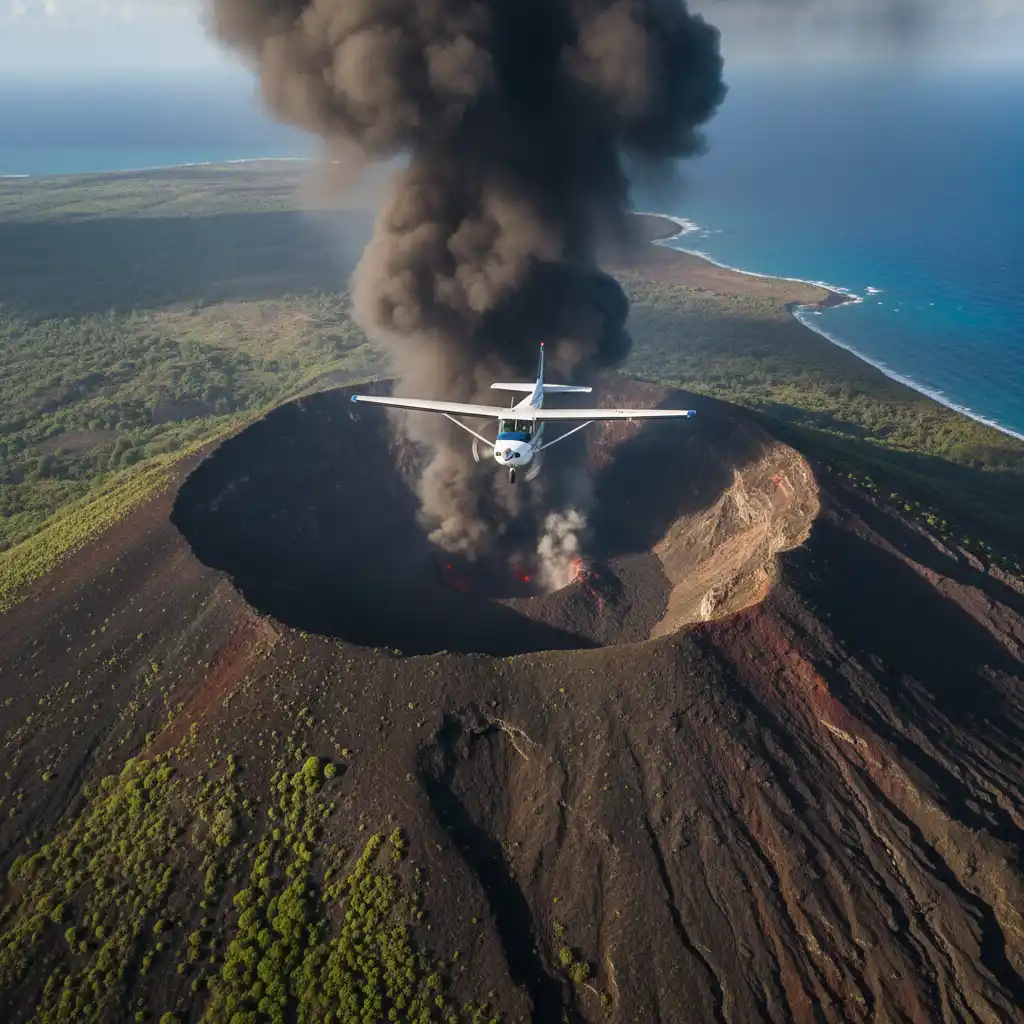
Companies like Air Taxi Vanuatu and Belair specialize in charter operations. They utilize smaller aircraft like the Cessna 172 or Britten-Norman Islander. These planes are perfect for scenic transfers, day trips to the volcano, or reaching luxury resorts on private islands.
When to Choose a Charter
1. Day Trips: If you are in Port Vila and want to see the Tanna volcano but don’t want to stay overnight, a charter is the only way to guarantee a late return after the twilight eruptions.
2. Luggage Capacity: If you are a photographer or diver with excess gear that Air Vanuatu cannot guarantee on a scheduled flight, a charter allows you to buy the payload of the entire aircraft.
3. Island Hopping: Creating a custom itinerary (e.g., Vila -> Epi -> Ambrym -> Vila) is significantly easier with a charter, avoiding the need to return to the main hub for every leg.
Short-Distance Water Taxis
Not all inter-island travel involves large ferries or planes. Many of Vanuatu’s islands are clustered closely together, separated by narrow channels. Here, the “banana boat” reigns supreme.
The Banana Boat Network
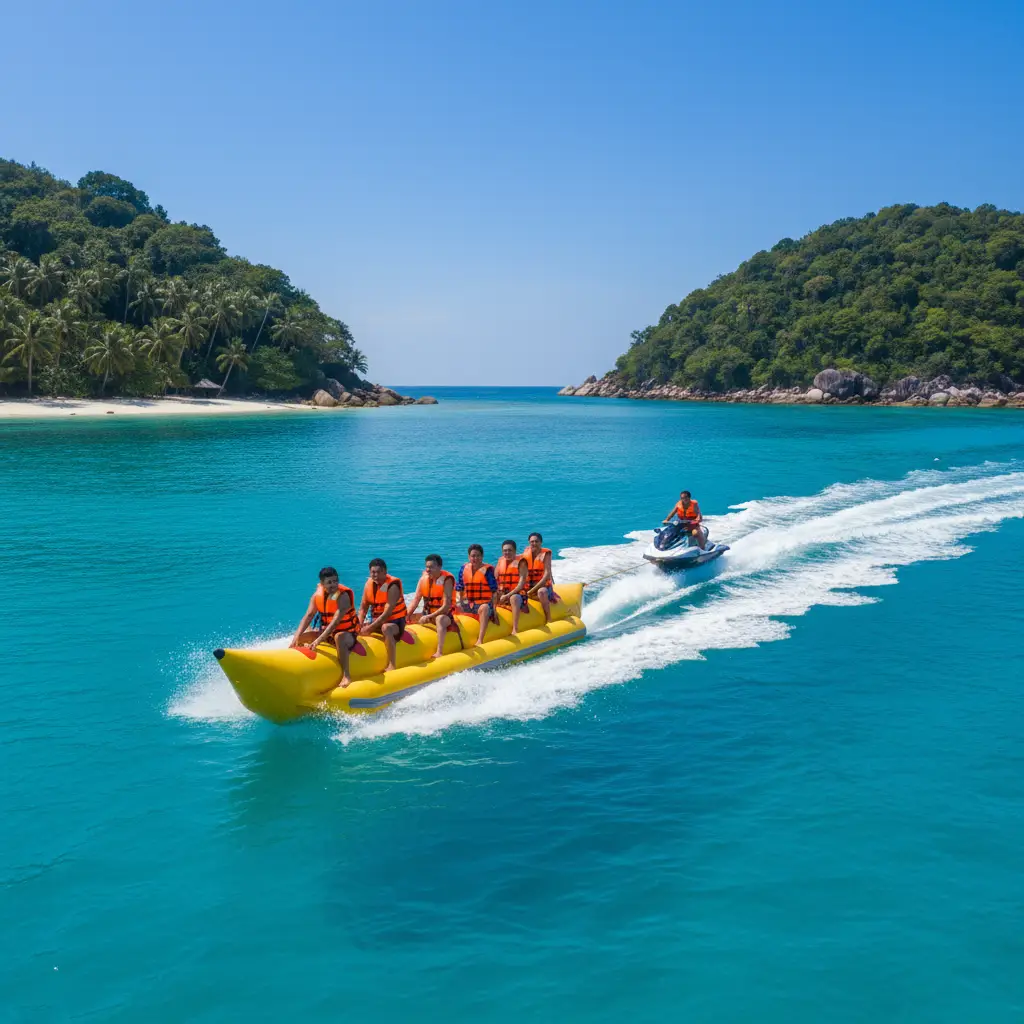
These are small, fiberglass skiffs powered by outboard motors. They are the standard taxi service for short crossings, such as:
- Efate to Nguna/Pele: A 20-30 minute ride from Emua Wharf.
- Santo to Aore Island: A quick 10-minute hop across the Segond Channel.
- Malekula to the Maskelyne Islands: Essential for accessing the remote southern archipelagos.
Safety Note: Banana boats can be rough. Always look for boats that carry life jackets and avoid traveling in poor weather or after dark. Prices are usually fixed for locals but may be higher for tourists; it is acceptable to ask a local or your accommodation host for the standard rate beforehand.
Essential Tips for Inter-Island Travel
Traveling between islands in Vanuatu is an adventure that requires preparation. The infrastructure is developing, and Western standards of punctuality rarely apply. Here is how to ensure a smooth journey.
1. Embrace “Island Time”
Delays are inevitable. A flight might be delayed due to a rainstorm, or a ferry might wait for a final truckload of taro. Approach your itinerary with flexibility. Avoid booking tight international connections on the same day you return from an outer island. Always leave a buffer day in Port Vila before flying home.
2. Pack Smart and Light
If you are flying, stick to soft-sided bags. They are easier to fit into the small cargo holds of Twin Otters. Hard-shell suitcases are often prone to damage or may be refused if they are too bulky. Ensure your electronics and medication are in your carry-on.
3. Cash is King
While Port Vila and Luganville have ATMs and credit card facilities, most outer islands operate entirely on cash. You will need Vatu for banana boat transfers, market snacks, and transport from the airstrip to your bungalow. Carry small denominations, as change for large notes is often unavailable in villages.
4. Reconfirm Your Bookings
In the outer islands, communication systems can be down. It is good practice to ask your accommodation host to call the airline or ferry operator 24 hours in advance to reconfirm your departure time. Schedules can change without digital notification.
5. Airport Transfers
On outer islands, the “airport shuttle” is often a 4WD utility truck. You may be riding in the back tray with other passengers and cargo. This is standard practice and part of the authentic Ni-Vanuatu experience. Arrange these transfers through your accommodation when you book your stay.
Frequently Asked Questions
How much does a flight from Port Vila to Santo cost?
Prices fluctuate based on season and availability, but a one-way ticket typically ranges from 15,000 VT to 25,000 VT (approx. $130 – $220 USD). Booking in advance usually secures better rates than last-minute purchases.
Is it safe to take the ferry in Vanuatu?
Yes, the major operators like Vanuatu Ferry and Big Sista operate large, seaworthy vessels that are generally safe. However, the journey can be rough in open water. It is not recommended for those prone to severe seasickness. Always monitor weather reports during cyclone season (November to April).
Do I need a passport for domestic travel in Vanuatu?
Technically, a passport is not strictly required for domestic check-in if you have other valid photo ID, but carrying your passport is highly recommended for international visitors as it is the most recognized form of identification.
Can I rent a car on the outer islands?
Car rentals are readily available in Port Vila (Efate) and Luganville (Santo). On other islands like Tanna or Malekula, formal car rental agencies do not exist. instead, you hire a vehicle with a driver for the day or for specific transfers.
What is the baggage limit on Air Vanuatu domestic flights?
On the ATR-72 aircraft, the allowance is typically 20kg. However, on the smaller Twin Otter aircraft used for remote islands, the checked baggage allowance is often restricted to 10kg. Excess baggage is charged per kilogram and is subject to space availability.
How long is the ferry ride from Port Vila to Tanna?
The ferry journey from Port Vila to Tanna is a long haul, typically taking between 14 to 18 hours depending on sea conditions and cargo operations. It is an overnight journey, so bringing food, water, and sleeping comfort items is essential.