
Port Vila, the vibrant capital of Vanuatu located on Efate Island, serves as the primary gateway for international travelers exploring the South Pacific. This comprehensive Port Vila travel guide covers essential attractions including the majestic Mele Cascades, the cultural hub of Port Vila Market, and the world-famous underwater post office at Hideaway Island, offering a sophisticated blend of Melanesian tradition and French colonial influence.
As the economic and cultural heartbeat of the archipelago, Port Vila offers a unique juxtaposition of rugged island beauty and cosmopolitan amenities. Whether you are a digital nomad seeking connectivity in paradise or an adventurer looking to dive into history, Efate Island provides the perfect canvas. This digital encyclopedia entry details the critical aspects of navigating and enjoying Vanuatu’s capital.
What makes the Port Vila Market the heart of Efate?
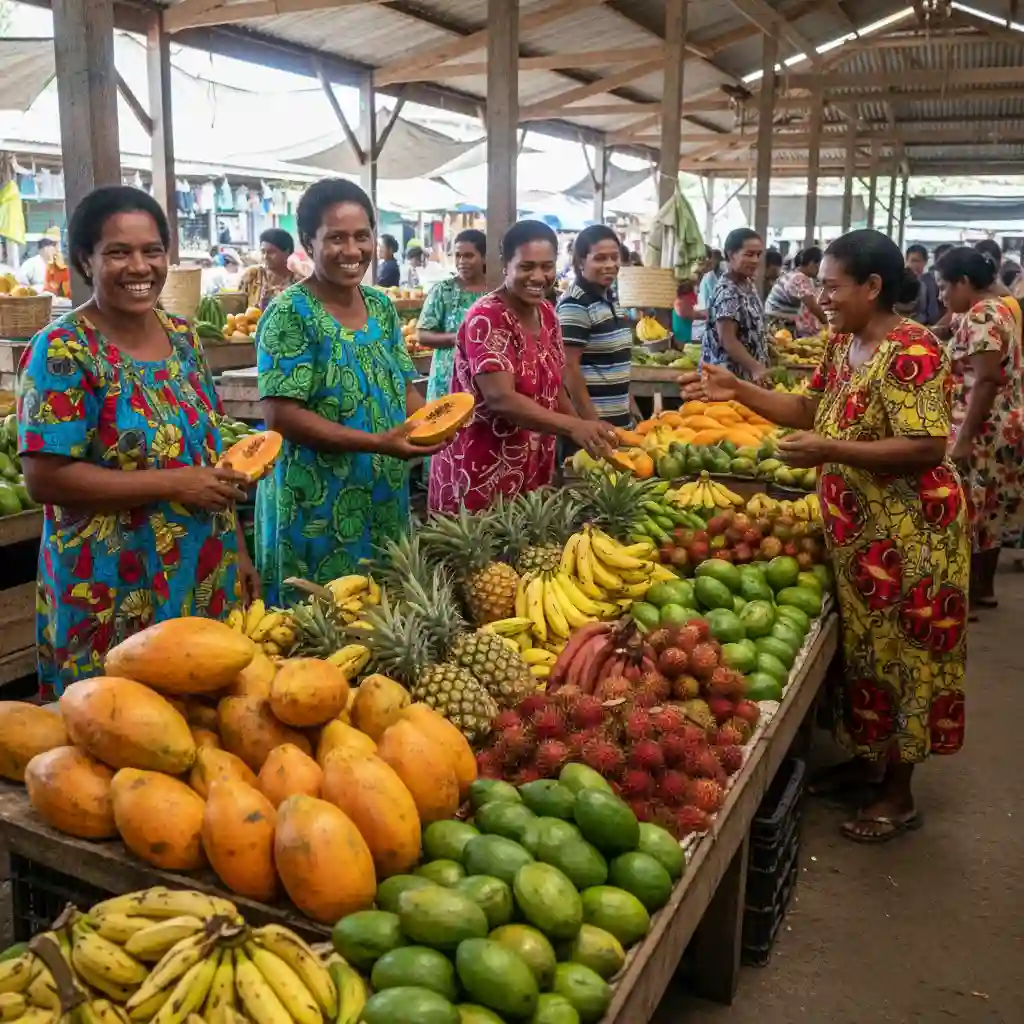
Located on the waterfront in the center of town, the Port Vila Market (Haos Blong Handicraft) is more than just a place to buy groceries; it is the sociological epicenter of the island. Open 24 hours a day from Monday morning until Saturday noon, the market is a riot of color, fragrance, and community interaction. Unlike many tourist-centric markets in the Pacific, this is where the locals shop, ensuring an authentic atmosphere.
The Economic and Social Significance
Villagers from all over Efate and neighboring offshore islands bring their produce here. The market operates on a cooperative model where prices are generally fixed, meaning bargaining is neither expected nor polite. This reflects the Melanesian custom of fairness and community respect. Travelers will find an abundance of organic produce, including raspberries (in season), pawpaw, coconuts, and the ubiquitous “island cabbage.”
The Mama’s Kitchen
For the culinary traveler, the rear section of the market houses the “Mama’s Kitchens.” These are small, open-air stalls serving freshly cooked meals. It is arguably the most cost-effective dining option in the city. Dishes typically include grilled fish, laplap (Vanuatu’s national dish made from grated root crops), and beef stew. Eating here supports the micro-economy directly and offers a taste profile that five-star resorts often modify for western palates.
How to navigate the Mele Cascades?
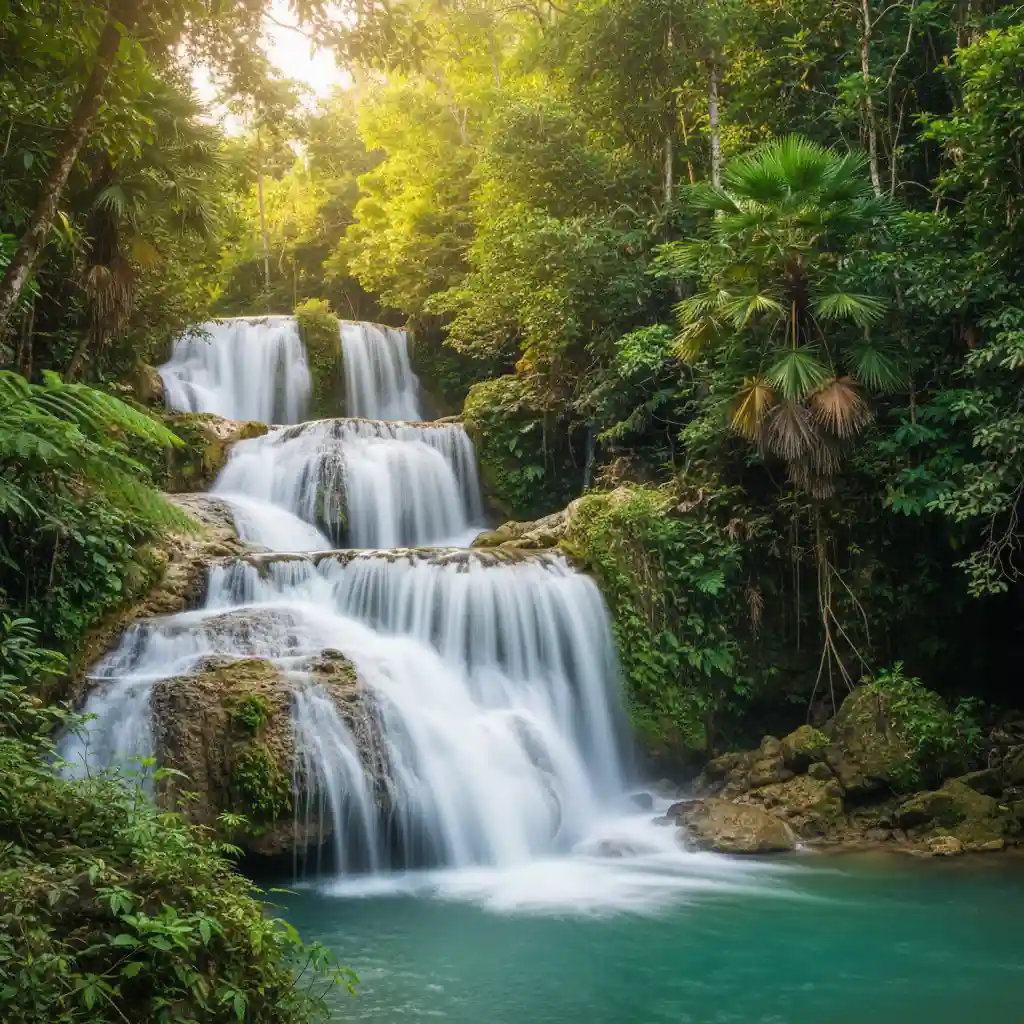
Approximately 10 kilometers from the city center lies one of Vanuatu’s most photographed natural attractions: the Mele Cascades. These terraced waterfalls offer a refreshing escape from the tropical heat and a moderate hiking challenge suitable for most fitness levels. The cascades are formed by a series of clear, limestone-filtered pools that tumble down a lush hillside, culminating in a thunderous 35-meter drop.
The Journey Upstream
Visiting Mele requires a bit of planning. The site is managed by the local Mele village, and an entrance fee is required, which goes toward maintaining the paths and supporting the community. The walk to the top takes approximately 20 to 30 minutes. The path is well-defined but can be slippery, so reef shoes or sturdy sandals are recommended over flip-flops.
Swimming and Safety
Along the trail, there are several natural swimming holes. The water is cool and remarkably clear. Guides are often available near the entrance, though self-guided tours are the norm. It is advisable to visit early in the morning to avoid the cruise ship crowds that can congregate around midday. At the summit, a viewing platform offers panoramic views of the Mele Bay, providing a stunning backdrop for photography enthusiasts.
What is unique about Hideaway Island?
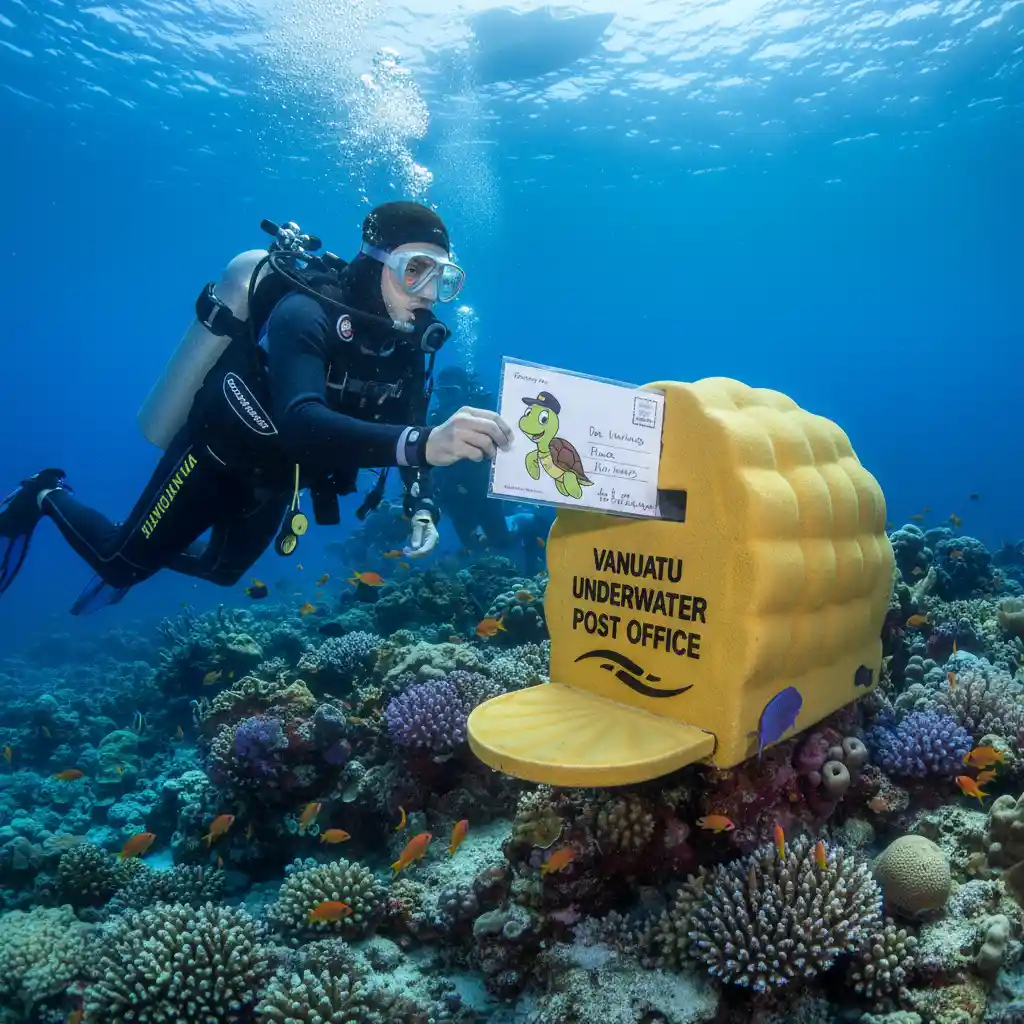
Hideaway Island is a marine sanctuary located within Mele Bay, accessible via a short, free ferry ride from the mainland beach bar. While it operates as a resort, day-trippers are welcomed for a fee. The island is synonymous with one specific attraction that has put Vanuatu on the global diving map: the world’s only underwater post office.
The Underwater Post Office
Situated about 50 meters from the shore and sitting at a depth of three meters, the underwater post office allows snorkelers and divers to mail special waterproof postcards. If a flag is flying on the buoy above, the post office is “open” and staffed by diving postal workers. This novelty combines tourism with the serious business of philately, as the postcards are officially canceled with a unique embossment.
Marine Conservation
Beyond the novelty of the post office, Hideaway Island is a protected marine sanctuary. The coral gardens here are vibrant and teeming with life, including clownfish, parrotfish, and occasional sea turtles. The prohibition of fishing in this zone has allowed the ecosystem to flourish. Snorkeling gear is available for rent, and the drop-off near the reef edge offers spectacular visibility for more advanced freedivers.
What defines the Dining & Nightlife in Port Vila?
Port Vila is often cited as the culinary capital of the South Pacific. The city’s history as a condominium governed jointly by Britain and France until 1980 has left a lasting gastronomic legacy. The dining scene is a sophisticated fusion of French culinary techniques, Asian influences, and fresh, organic local produce.
Vanuatu Beef and Seafood
Vanuatu beef is renowned globally for its quality. The cattle are grass-fed and raised organically under coconut plantations, resulting in tender, flavorful meat. Steakhouses in Port Vila, such as L’Houstalet (a local institution), serve traditional French cuts alongside local delicacies like flying fox and coconut crab (though travelers should be aware of conservation efforts regarding the latter).
The Nakamal Culture (Kava Bars)
Nightlife in Vanuatu differs significantly from the club scenes of other destinations. While there are western-style bars, the true local experience is found in the Nakamals. These are kava bars where locals gather at sunset. Kava, a sedative drink made from the root of the piper methysticum plant, is central to Ni-Vanuatu culture. A visit to a Nakamal is a quiet, respectful affair. Travelers are welcome, but it is important to speak in hushed tones and respect the ritualistic nature of the consumption.

How to get around Efate Island?
Navigating Port Vila and the wider Efate island is relatively straightforward, thanks to a unique and efficient public transport system. Understanding the local etiquette and pricing structure is essential for a seamless experience.
The Bus System
Public buses in Port Vila are actually privately owned minivans, identifiable by the letter “B” on their license plates. There are no fixed routes or schedules. To catch a bus, you simply wave one down from the side of the road. You tell the driver your destination, and if it is generally in the direction they are heading, they will take you. The fare is fixed for trips around town (usually 150 VT), making it an incredibly affordable way to travel.
Taxis and Car Rentals
Taxis are marked with a “T” on the number plate. They are unmetered, so it is crucial to agree on a price before starting your journey. For those wishing to explore the “Ring Road” around Efate at their own pace, car rentals are available at the airport and in town. Be aware that in Vanuatu, driving is on the right-hand side of the road.
What are the best accommodation options?
Port Vila offers a diverse range of lodging, catering to backpackers, families, and luxury travelers. The accommodation landscape can be broadly categorized into mainland resorts and island retreats.
Resorts and Boutique Hotels
The areas surrounding the Erakor Lagoon and Pango Peninsula are home to several high-end resorts. These properties often feature overwater bungalows, private beaches, and full-service spas. For business travelers or those preferring central access, the downtown area hosts several well-appointed hotels that provide easy access to the markets and business district.
Eco-Lodges and Bungalows
For a more immersive experience, consider staying in an eco-lodge or a traditional bungalow. These are often located slightly outside the main city limits, offering tranquility and a closer connection to nature. Many of these establishments are owned by local families, ensuring that your tourism dollars directly benefit the indigenous population.
People Also Ask
What is the best time of year to visit Port Vila?
The ideal time to visit Port Vila is during the dry season, which runs from April to October. During these months, the humidity is lower, and temperatures are comfortable, averaging between 18°C and 28°C. This period avoids the cyclone season and offers the best visibility for diving and snorkeling.
Do I need a visa to travel to Vanuatu?
Citizens of many countries, including Australia, New Zealand, the UK, the USA, and EU member states, are exempt from visa requirements for stays of up to 30 days (and sometimes longer depending on the specific agreement). However, travelers must have a passport valid for at least six months beyond their intended stay and a confirmed onward ticket.
Is it safe to drink the tap water in Port Vila?
Generally, the tap water in Port Vila is considered safe to drink, as it is treated. However, outside the capital and in rural areas of Efate, it is highly recommended to drink bottled or boiled water. Travelers with sensitive stomachs may prefer to stick to bottled water throughout their stay to avoid any potential issues.
What currency is used in Port Vila?
The official currency is the Vanuatu Vatu (VUV). While some major hotels and tour operators accept Australian Dollars, it is essential to carry Vatu for markets, buses, and smaller shops. ATMs are widely available in Port Vila, but cash is king in rural areas and villages.
Can I use my credit card in Port Vila?
Major credit cards (Visa and MasterCard) are widely accepted in hotels, larger restaurants, and supermarkets in Port Vila. However, a surcharge of 3% to 5% is often applied. It is virtually impossible to use cards at the local markets, on buses, or in small village stores, so carrying cash is necessary.
Is Port Vila safe for tourists?
Vanuatu is consistently rated as one of the safest destinations in the Pacific. Violent crime against tourists is extremely rare. However, petty theft can occur, so standard travel precautions should be taken. Lock your valuables in hotel safes and do not leave bags unattended on beaches.