
Erromango island travel offers a profound journey into Vanuatu’s Tafea Province, featuring the archipelago’s largest island known for its historic sandalwood forests and the spectacular Blue Cave. Paired with the nearby Aniwa Island, a coral atoll inhabited by Polynesian speakers, this region provides intrepid travelers with authentic cultural encounters, untouched marine environments, and a rugged, off-the-grid adventure far removed from commercial tourism.
The Untamed South: An Introduction to Erromango and Aniwa
Vanuatu is an archipelago of contrast, and nowhere is this more evident than in the southern province of Tafea. While Tanna attracts the majority of visitors due to Mount Yasur, the neighboring islands of Erromango and Aniwa remain largely enigmatic to the outside world. Erromango, the largest island in the province and the fourth largest in the country, is a verdant, mountainous landmass shrouded in history and dense vegetation. In stark contrast, Aniwa is a flat, raised coral atoll, a small speck in the Pacific Ocean that houses a unique cultural demographic.
For the modern traveler, Erromango island travel represents the frontier of Pacific exploration. It is not a destination for resort-goers seeking poolside cocktails; rather, it is a haven for trekkers, history buffs, and those seeking to understand the deep, often turbulent roots of Melanesian interaction with the West. Similarly, Aniwa offers a rare glimpse into a “Polynesian Outlier”—a community geographically within Melanesia but culturally and linguistically Polynesian.
The Historical Significance of Erromango
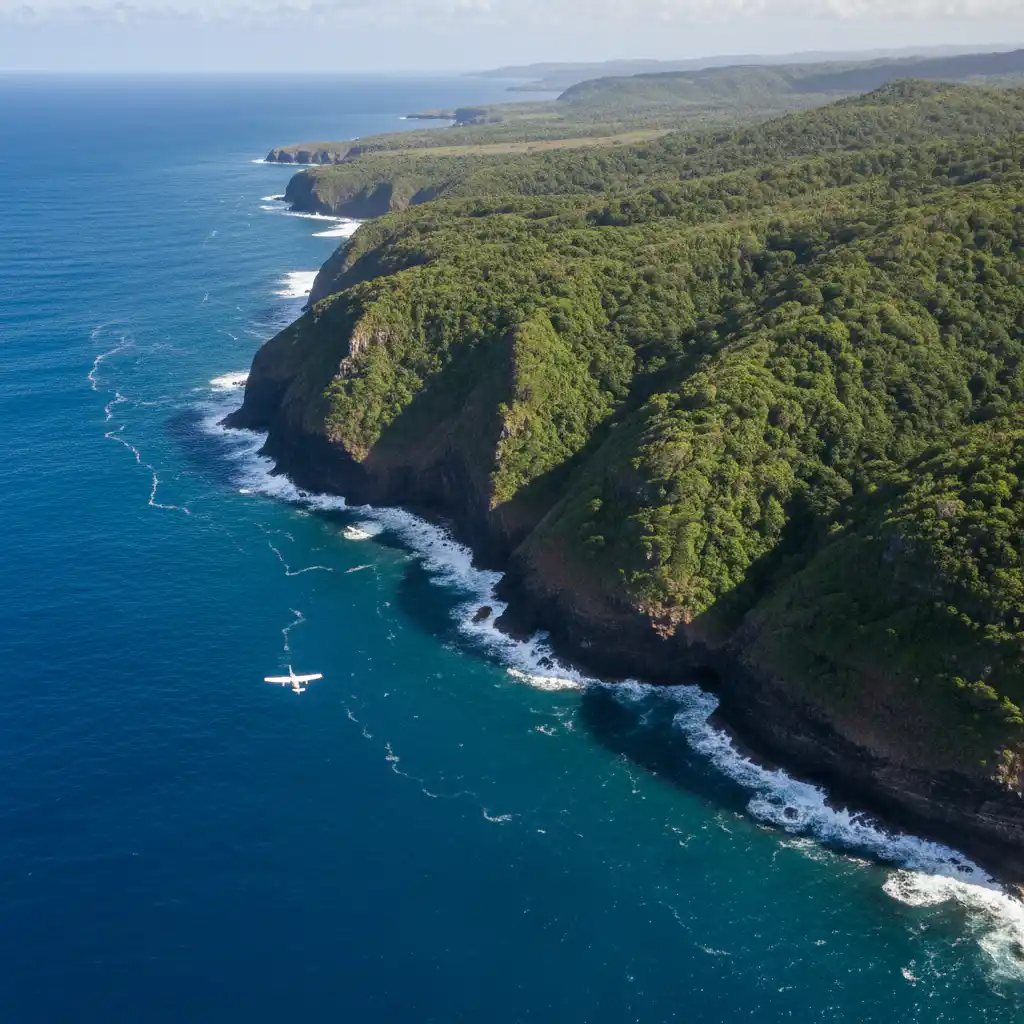
To understand Erromango is to grapple with a history defined by conflict, commerce, and eventual reconciliation. Known historically as “Martyr’s Isle,” Erromango was the site of significant early contact between the indigenous population and European missionaries and traders. This history shapes the contemporary travel experience, as many villages still hold oral histories regarding these encounters.
The Missionary Era and the Williams Tragedy
In 1839, the London Missionary Society sent John Williams and James Harris to Erromango. Within minutes of landing at Dillon’s Bay, both were killed. This event sent shockwaves through the British Empire and cemented the island’s fearsome reputation for decades. Today, the local community at Dillon’s Bay (now Unpongkor) has performed multiple reconciliation ceremonies with descendants of the Williams family, transforming a site of tragedy into one of peace and historical reflection. Visitors can view the memorial stones and hear the local perspective on these events, providing a balanced narrative that honors both the missionaries and the indigenous defense of their territory.
The Legacy of the Sandalwood Trade
While missionaries sought souls, traders sought “fragrant gold.” Erromango was once home to vast stands of white sandalwood (Santalum austrocaledonicum), a resource that sparked a rush in the mid-19th century comparable to the gold rushes of California or Victoria.
Ecological Impact and Modern Regeneration
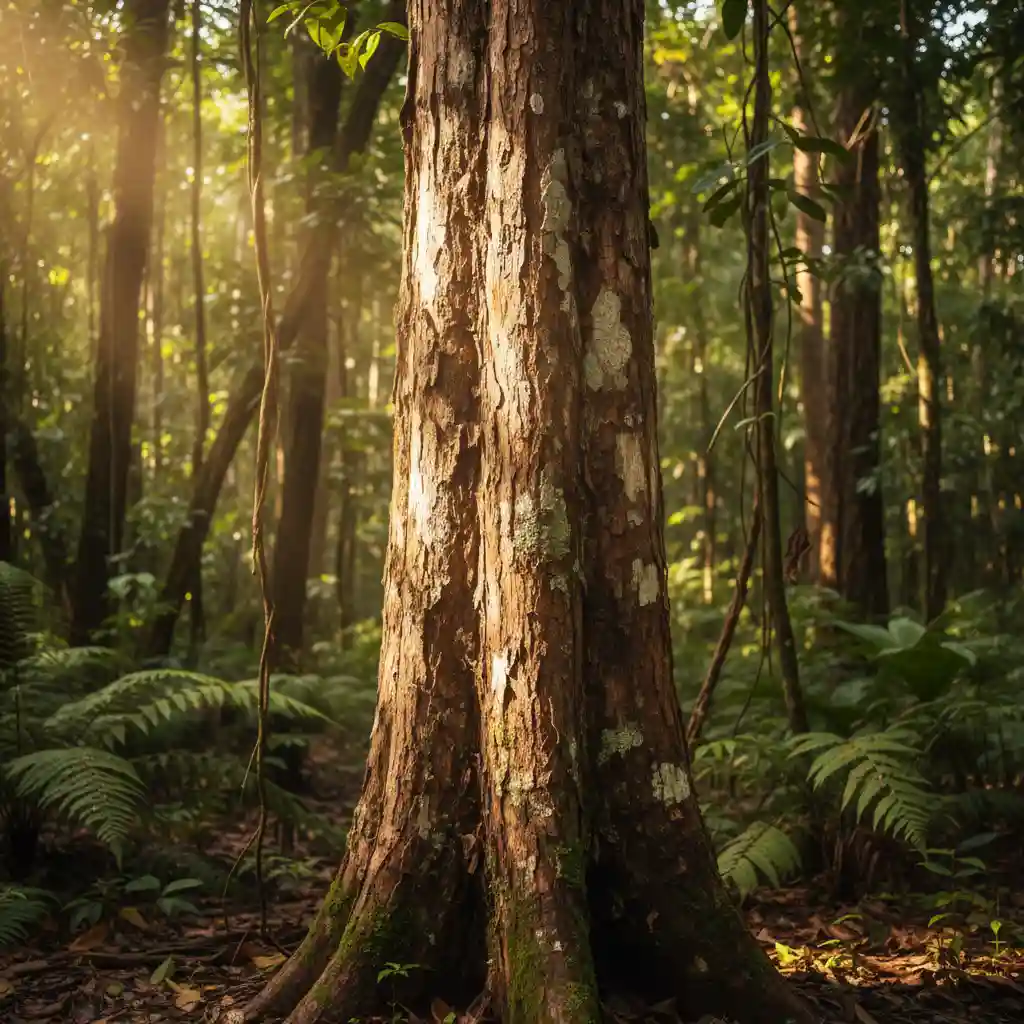
The sandalwood trade was ruthless. Traders exploited local rivalries, leading to the “Sandalwood Wars.” By the early 20th century, the island’s natural stocks were decimated. However, Erromango island travel today includes a focus on eco-tourism and forestry. There are significant efforts to replant and manage sandalwood sustainably. Trekking through the interior, specifically around the Happy Lands area, allows visitors to see these regenerating forests. The scent of sandalwood is still a defining characteristic of the island’s economy, with oil extraction providing vital income for remote villages.
Exploring the Blue Cave and Natural Wonders
Beyond its history, Erromango is geographically stunning. The island is volcanic in origin, resulting in high peaks, deep valleys, and dramatic limestone karst formations along the coast. The crown jewel of Erromango’s natural attractions is undoubtedly the Blue Cave.
What is the Erromango Blue Cave?
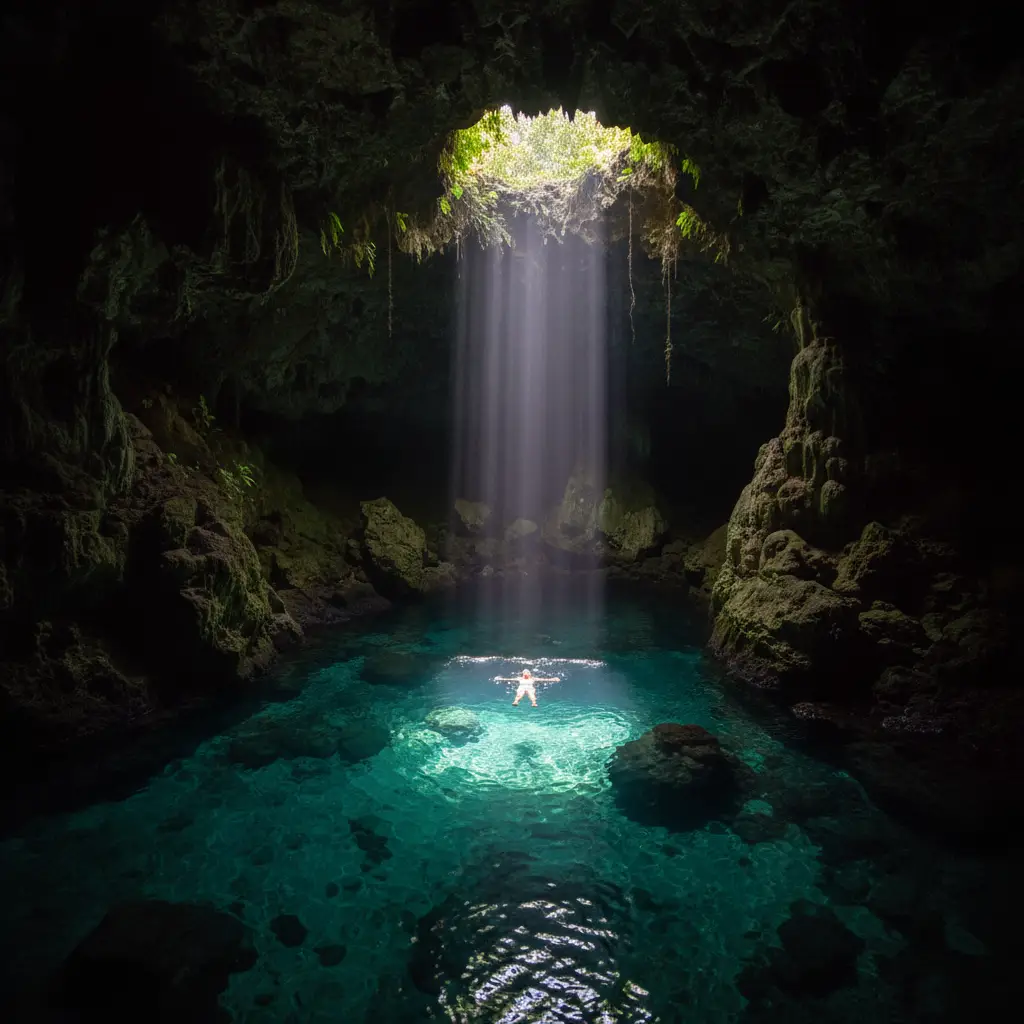
The Blue Cave is a large, semi-submerged sea cave located on the western side of the island. It is accessible only by boat, typically a 20 to 40-minute ride from Dillon’s Bay depending on sea conditions. The entrance requires visitors to swim underwater for a brief moment (or swim through a wider opening at low tide) to enter the main cavern. Once inside, a hole in the cave ceiling allows a shaft of sunlight to pierce the darkness, illuminating the water in an ethereal, glowing turquoise hue. The acoustics and visual spectacle make it a cathedral of nature.
Hiking Opportunities: Suvu Beach and Happy Lands
For those who prefer terra firma, the hike from Dillon’s Bay to Suvu Beach offers a moderate challenge with rewarding coastal views. More ambitious trekkers can head inland toward Happy Lands. This trek takes you through changing ecosystems, from coastal scrub to dense rainforests, offering opportunities to spot endemic birdlife, including the Vanuatu megapode and the royal parrotfinch.
Aniwa: The Polynesian Outlier
Situated roughly 24 kilometers northeast of Tanna, Aniwa presents a completely different environment. Geologically, it is a raised coral atoll, reaching only about 40 meters above sea level at its highest point. This lack of elevation means no rivers; the island relies on rain catchment and freshwater springs that bubble up near the shoreline.
A Cultural Enclave
Aniwa is distinct because its inhabitants are not Melanesian by linguistic heritage but Polynesian. They speak a language known as Futunan, related to the languages of Futuna and Wallis. This “Polynesian Outlier” status is the result of reverse migration voyages from Polynesia centuries ago. Travelers to Aniwa will notice differences in physical stature, traditional housing styles, and social customs compared to Erromango or Tanna.
The Orange Island
Aniwa is famous throughout Vanuatu for its oranges. The volcanic soil deposited by ashfall from Tanna’s Mt. Yasur, combined with the coral base, creates perfect conditions for citrus. The harvest season (typically June to August) is the best time to visit, as the island is laden with sweet, juicy oranges. The “Itchy Craig” lagoon (Isawi) offers pristine swimming conditions in crystal clear water, protected by the reef, making it ideal for snorkeling away from the rougher open ocean swells found on other southern islands.

Logistics: How to Travel to the Southern Islands
Traveling to Erromango and Aniwa requires patience and flexibility. These are not high-traffic tourist zones, and infrastructure is basic.
Flights and Transport
Air Vanuatu operates domestic flights to both islands from Port Vila and Tanna (Whitegrass Airport).
Erromango: There are two airfields, Dillon’s Bay (DLY) in the west and Ipota (IPA) in the east. Most travelers aim for Dillon’s Bay as it is closer to the Blue Cave and main guesthouses. Flights typically run twice a week.
Aniwa: Aniwa Airport (AWD) is a grass strip on the north of the island. Flights are less frequent, often once or twice a week, usually connecting through Tanna.
Accommodation Expectations
Do not expect resorts. Accommodation consists almost exclusively of island bungalows run by local families.
On Erromango: There are a few basic guesthouses in Dillon’s Bay. Facilities usually include shared bathrooms, cold bucket showers, and solar power for charging devices. Meals are prepared by host families using local organic produce (laplap, simboro, fresh fish).
On Aniwa: Options are even more limited, often involving homestays or very basic bungalows near the lagoon. You must arrange this in advance, often via the Tafea Tourism Office or a specialized travel agent in Port Vila.
Remote Island Experiences and Preparation
The primary allure of Erromango island travel is the disconnection from the modern world. However, this requires preparation.
What to Pack
- Cash (Vatu): There are no ATMs on Erromango or Aniwa. You must bring enough cash for your entire stay, including boat transfers to the Blue Cave, accommodation, and food. Bring small notes.
- Solar Chargers: Electricity is scarce. A power bank and a solar charger are essential for cameras and phones.
- Malaria Prophylaxis: These islands are in the malaria zone. Consult a travel doctor before departure and bring strong insect repellent.
- Reef Shoes: Essential for walking on sharp coral at Aniwa and entering the caves at Erromango.
Respecting Kastom
Both islands are deeply traditional. “Kastom” (traditional culture and law) governs daily life. Always ask permission before taking photos of people. Dress modestly (shoulders and knees covered) when in villages. On Erromango, be aware that land ownership is a serious matter; never hike without a local guide, as you will likely be crossing customary land boundaries.
Frequently Asked Questions
How do I get to the Blue Cave on Erromango?
The Blue Cave is accessed via a small boat from Dillon’s Bay. The boat ride takes approximately 30 to 40 minutes. Once there, you must swim underwater for a few seconds to enter the cavern. It is best to arrange a boatman through your guesthouse host in Dillon’s Bay.
Is Erromango safe for tourists?
Yes, Erromango is generally very safe for tourists. The historical violence of the 19th century is long past, and locals are welcoming. However, due to its remoteness, safety lies in preparation—bring first aid, sufficient cash, and always use local guides for hiking to avoid getting lost or trespassing.
What is the best time to visit Erromango and Aniwa?
The best time to visit is during the dry season, from May to October. This period offers cooler temperatures and less humidity. For Aniwa specifically, visiting between June and August aligns with the orange harvest season.
Are there hotels on Aniwa Island?
No, there are no standard hotels on Aniwa. Accommodation is limited to basic bungalows and homestays. These provide a bed, mosquito net, and meals, but amenities are rustic (often pit toilets and bucket showers).
Can I combine Tanna, Erromango, and Aniwa in one trip?
Yes, this is a popular itinerary for adventure travelers. It is often referred to as the “Southern Loop.” You can fly from Port Vila to Erromango, then to Tanna, and take a side trip to Aniwa, before returning to Port Vila. Flight schedules require careful planning.
What language is spoken on Erromango and Aniwa?
On Erromango, several Melanesian dialects are spoken, with Sie being the most common. On Aniwa, the language is Futunan (a Polynesian language). However, Bislama (Vanuatu Pidgin) is widely spoken on both islands, and English is understood by many, especially those involved in tourism.