
Pentecost land diving, known locally as Nagol, is an ancient, sacred ritual performed annually by men on Vanuatu’s Pentecost Island. It involves diving headfirst from a tall wooden tower with vines tied to their ankles, a traditional precursor to modern bungee jumping. This awe-inspiring ceremony, steeped in agricultural fertility and coming-of-age symbolism, ensures a bountiful yam harvest and demonstrates male bravery.
What is Nagol? The Sacred Tradition of Pentecost Land Diving
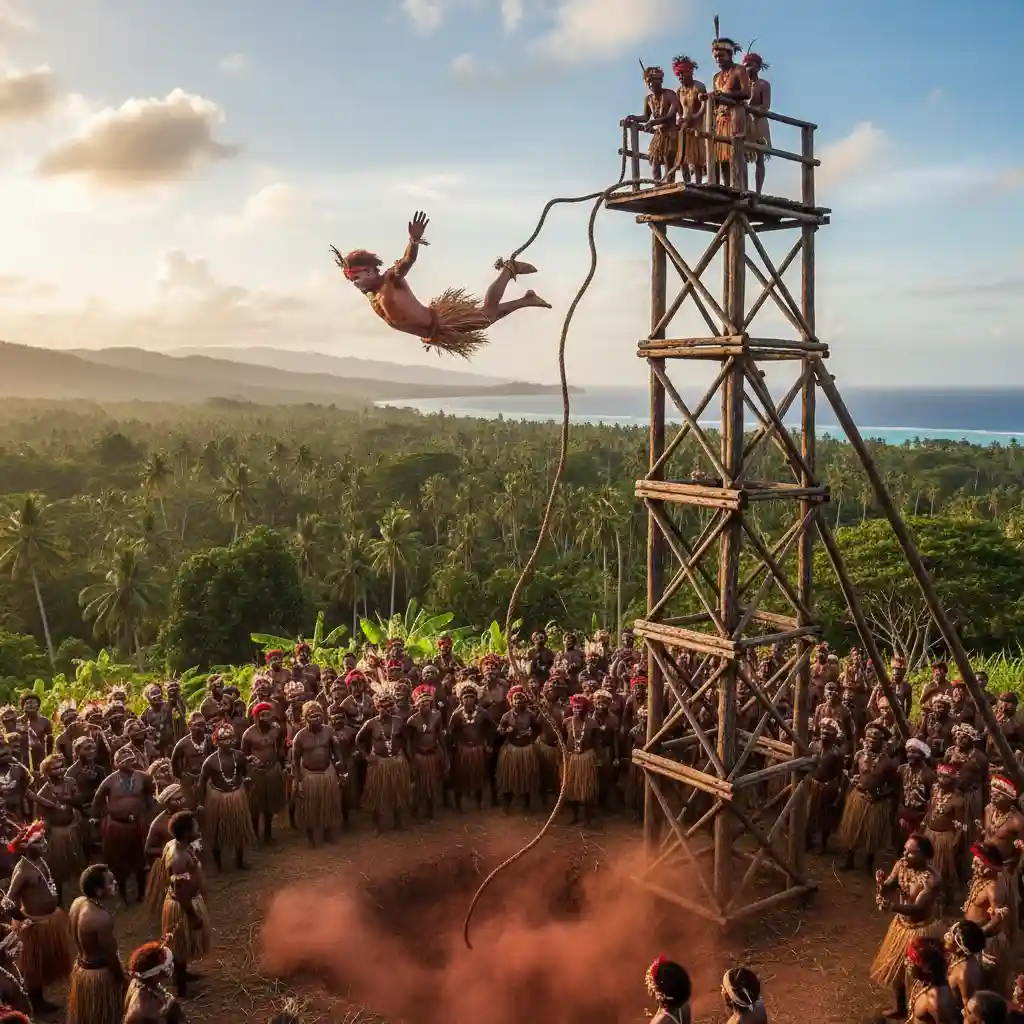
Nagol, often referred to as Pentecost land diving, is a profoundly significant and ancient ceremony performed exclusively on Pentecost Island in Vanuatu. This ritual, a direct ancestor to modern bungee jumping, sees men leap from colossal wooden towers, sometimes reaching heights of 30 meters, with only two specially selected vines tethering their ankles. It is not merely a test of courage but a deeply spiritual act intertwined with the annual yam harvest and a rite of passage for young men transitioning into adulthood.
The cultural importance of Nagol cannot be overstated. It is believed that the land dive ensures the fertility of the soil and guarantees a successful yam harvest in the coming season. The higher the diver leaps and the closer his head brushes the earth upon impact, the more prosperous the harvest is predicted to be. For the community, it represents a profound connection to the land, their ancestors, and the cyclical nature of life. Each dive is a living prayer, a demonstration of faith, and a vibrant expression of identity for the people of southern Pentecost.
The Origins and Spiritual Significance of Nagol
The origins of Nagol are steeped in local legend, most notably the tale of a woman who, escaping an abusive husband, climbed a banyan tree and tied vines to her ankles. When her husband followed, she jumped, and he, unaware of her precautions, jumped after her and died. Upon witnessing this, the men of the village, shamed by her bravery and cunning, began performing similar jumps to demonstrate their own courage. Over time, this evolved into the highly ritualized ceremony seen today, moving from banyan trees to intricately constructed towers.
Spiritually, Nagol is a powerful invocation of fertility and a symbolic act of renewal. The act of touching the earth with the hair or shoulders of the diver is believed to transfer the spirit of growth and abundance into the soil, energizing it for the next yam crop. The entire process, from the meticulous construction of the tower to the final leap, is imbued with spiritual meaning, guided by elders and performed with immense reverence. It is a spectacle that transcends mere entertainment, offering a profound glimpse into the animist beliefs and deep cultural heritage of the Ni-Vanuatu people.
When Can You Witness the Spectacle? Nagol Festival Dates
For those planning to witness the awe-inspiring Nagol land diving festival, timing is paramount. The ceremony is not a fixed annual event on a calendar date but rather a seasonal ritual tied directly to the yam harvest cycle. Understanding these traditional timings is crucial for New Zealand travellers seeking to experience this unique cultural phenomenon.
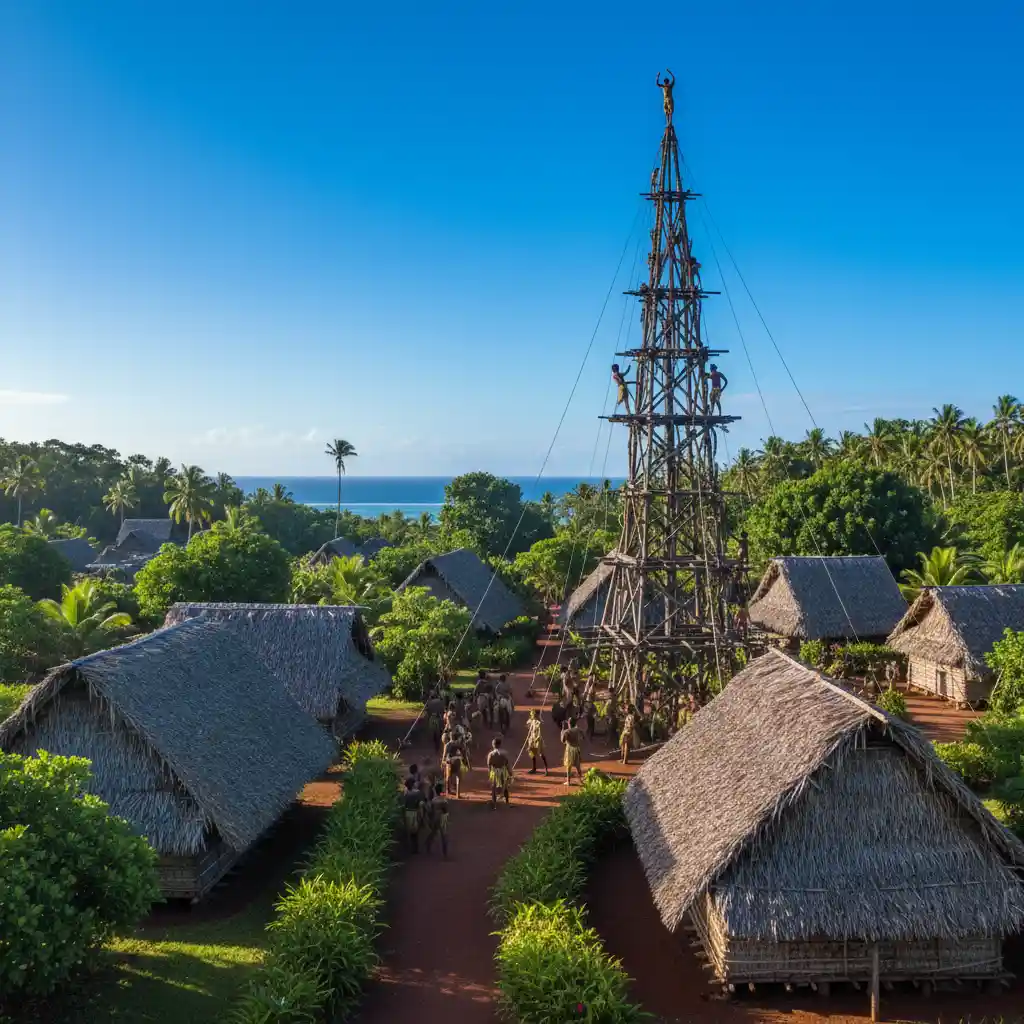
The Nagol festival typically commences in April and continues until early June each year. This period coincides with the start of the yam harvest season, a time of crucial agricultural importance for the islanders. The exact dates of the dives vary from village to village and are decided by local custom chiefs based on a complex interplay of environmental factors, yam growth, and ancestral omens. There is no central booking office or published calendar in the Western sense; rather, the decision is organic and deeply rooted in community tradition.
Understanding the Nagol Season
To maximise your chances of witnessing a dive, it is generally recommended to plan your visit between late April and May. During this peak period, dives are more frequently organised, especially in the southern regions of Pentecost Island where the tradition is most strongly preserved. By early June, as the harvest progresses, the ceremonies become less frequent and eventually cease until the following year.
Given the fluid nature of the dates, flexibility in travel plans is highly advisable. Travellers from New Zealand should consider booking a tour package through a reputable Vanuatu-based operator who has established connections with the local communities on Pentecost. These operators often receive advance notice from chiefs regarding potential dive dates, allowing them to coordinate visits effectively. Relying on local insights and experienced guides is the most reliable way to navigate the intricacies of the Nagol season and ensure you arrive at the right place at the right time.
Planning Your Journey: Pentecost Island Travel for Kiwis
Embarking on a journey to Pentecost Island from New Zealand to witness the Nagol land diving is an adventure into one of the world’s most authentic cultural experiences. Careful planning is essential to ensure a smooth and respectful visit to this relatively remote part of Vanuatu.
Getting to Pentecost Island from New Zealand
Travel from New Zealand typically involves a multi-leg journey. First, direct flights are available from Auckland (AKL) to Port Vila (VLI), Vanuatu’s capital, taking approximately three hours. From Port Vila, you will need to take a domestic flight to Pentecost Island. Air Vanuatu operates scheduled flights to three airfields on Pentecost: Lonorore (LNO) in the south, Sara (SSR) in the central region, and Laone (LNE) in the north. Lonorore is the most convenient airport for accessing the villages where Nagol dives typically occur. These domestic flights are on smaller aircraft and can be subject to delays or changes, so building in some buffer time is always a good idea.
Booking domestic flights in advance is highly recommended, especially during the Nagol season, as seats are limited. It’s also wise to confirm flight schedules shortly before your departure. Consider travel insurance that covers domestic flight disruptions and medical emergencies, as facilities on Pentecost are basic.
Accommodation and Local Transport on Pentecost
Accommodation options on Pentecost Island are rustic and simple, reflecting the authentic village experience. There are no large resorts; instead, visitors can expect guesthouses, bungalows, or homestays operated by local families. These provide a unique opportunity to immerse yourself in the local culture, often including traditional meals. Amenities are basic, with limited electricity (often generator-powered for a few hours a day) and shared bathroom facilities. It’s crucial to manage expectations and appreciate the simplicity.
Local transport primarily consists of 4WD vehicles (utes) that serve as shared taxis. These can be arranged through your accommodation host or tour operator. Roads are unsealed and can be challenging, particularly after rain. Walking is also a common mode of transport for shorter distances. For those travelling independently, pre-arranging transport with a local guide or your accommodation provider before arrival is highly advisable, as public transport is infrequent.
Experiencing Pentecost: Cultural Tours and Community Immersion
Engaging with the local culture on Pentecost Island extends far beyond witnessing the land dive itself. Cultural tours and opportunities for community immersion offer a deeper understanding of the Ni-Vanuatu way of life, enriching your travel experience significantly. For New Zealand travellers, choosing the right approach to these interactions is key to fostering respectful and meaningful exchanges.
Choosing the Right Cultural Tour
Several tour operators, both based in Port Vila and locally on Pentecost, offer packages that include land dive viewing and cultural experiences. When selecting a tour, prioritise those that emphasize ethical tourism and direct community benefit. Look for operators who clearly outline how local communities are compensated and involved. A good tour will often include:
- Guided village visits: Opportunities to interact with villagers, learn about traditional daily life, and observe crafts.
- Kastom (custom) presentations: Demonstrations of local dances, music, and ceremonies (excluding the Nagol itself, which is sacred).
- Traditional food experiences: Sharing meals prepared with local ingredients, perhaps including a ‘laplap’ (a traditional Vanuatu dish cooked in an underground oven).
- Local guides: Guides from Pentecost Island offer invaluable insights into local customs, language, and the significance of various rituals. Their presence ensures authentic interpretation and helps bridge cultural gaps.
These immersive experiences provide context for the Nagol, helping visitors appreciate the dive not as an isolated spectacle but as an integral part of a vibrant, living culture.
Ethical Tourism and Community Engagement
When participating in Pentecost cultural tours, it’s vital to remember that you are a guest in a deeply traditional society. Respect for local customs, known as ‘kastom,’ is paramount. Here are some guidelines:
- Dress modestly: Especially in villages, women should cover their knees and shoulders. Men should avoid sleeveless tops.
- Ask permission before photographing: Always seek consent before taking photos of people, particularly children or during sacred ceremonies. Some areas or individuals may prefer not to be photographed.
- Support local economy: Purchase local handicrafts directly from the artisans. Bargaining is generally not customary.
- Cultural sensitivity: Be open to different ways of life and avoid making comparisons to Western standards. Be mindful of your actions and words.
- Learn basic Bislama: Even a few words like ‘Halo’ (hello), ‘Tangkyu’ (thank you), and ‘Gud Nait’ (good night) can go a long way in showing respect and fostering connection.
By engaging respectfully and ethically, New Zealand travellers can ensure their visit contributes positively to the communities of Pentecost Island and leaves them with unforgettable memories of genuine cultural exchange.
How to Witness the Land Diving Festival Respectfully and Safely
Witnessing the Nagol land diving festival is a privilege that demands adherence to specific protocols to ensure both your safety and respect for the sacredness of the event. For New Zealand visitors, approaching this experience with humility and an understanding of local customs is crucial.
Best Practices for Viewing the Nagol
- Arrive early: Dives often begin in the morning and can conclude by early afternoon. Arriving well before the main events begin allows you to settle in and absorb the atmosphere.
- Follow your guide’s instructions: If you are part of a tour, your guide will provide crucial information on where to stand, what to do, and what to avoid. Their knowledge is indispensable.
- Maintain a respectful distance: There will be designated viewing areas for spectators. Do not attempt to cross barriers or approach the tower without explicit permission. The area around the tower is considered sacred.
- Dress modestly: As with all village visits, conservative attire is expected. Women should wear skirts or long shorts and cover their shoulders. Men should also dress respectfully.
- Photography: While photography is generally permitted from designated spectator areas, always be discreet. Avoid flash photography and never interrupt a ceremony for a better shot. Some communities may have specific rules regarding video recording or drone usage, so inquire with your guide.
- Silence and observation: During the actual dives, maintain respectful silence. The Nagol is not a performance but a deeply spiritual ceremony. Observe with reverence.
Safety Considerations for Spectators
While the land divers themselves undertake significant risks, spectator safety is also important:
- Uneven terrain: The viewing areas are often on natural, uneven ground. Wear sturdy, closed-toe shoes.
- Sun protection: Pentecost is a tropical island. Bring a wide-brimmed hat, sunglasses, and high-SPF sunscreen. Stay hydrated by drinking plenty of bottled water.
- Emergency services: Medical facilities on Pentecost are very basic. In case of an emergency, evacuation to Port Vila would be necessary, which can be time-consuming. Ensure your travel insurance covers medical emergencies and potential evacuations.
- Respect the heat: The combination of tropical heat and long periods of standing can be draining. Pace yourself and seek shade when possible.
By adhering to these guidelines, New Zealand travellers can ensure a safe, respectful, and truly memorable experience of the Pentecost land diving festival.
Understanding the Custom Ceremonies and Protocols
The Nagol land diving festival is far more than just the spectacular leap; it is an intricate tapestry of custom ceremonies and protocols that govern every aspect of its execution. These rituals are deeply embedded in the spiritual and social fabric of Pentecost Island, and understanding them enriches the visitor’s appreciation of the event.
Preparations and Rituals Leading to the Jump
The entire process of Nagol begins weeks, if not months, before the first dive. This preparatory phase involves a series of significant rituals:
- Tower Construction: The most visible preparation is the meticulous construction of the diving tower. This is a communal effort, overseen by skilled elders, using only locally sourced timber and traditional lashing techniques. The tower’s height and structural integrity are crucial, and its construction is itself a ritual, often accompanied by chants and offerings.
- Vine Selection: The selection of the banyan vines used for the dive is perhaps the most critical and delicate task. Elders carefully choose vines of the correct length and elasticity, ensuring they are neither too long (leading to impact injury) nor too short (causing the diver to swing back into the tower). Each diver’s vines are custom-measured to their height and the platform they will jump from.
- Spiritual Cleansing and Blessing: Before the dives, the ground beneath the tower is ritually cleared and blessed. The divers themselves undergo spiritual cleansing ceremonies and adhere to specific dietary restrictions to purify their bodies and minds, ensuring they are in a state of grace for the sacred act.
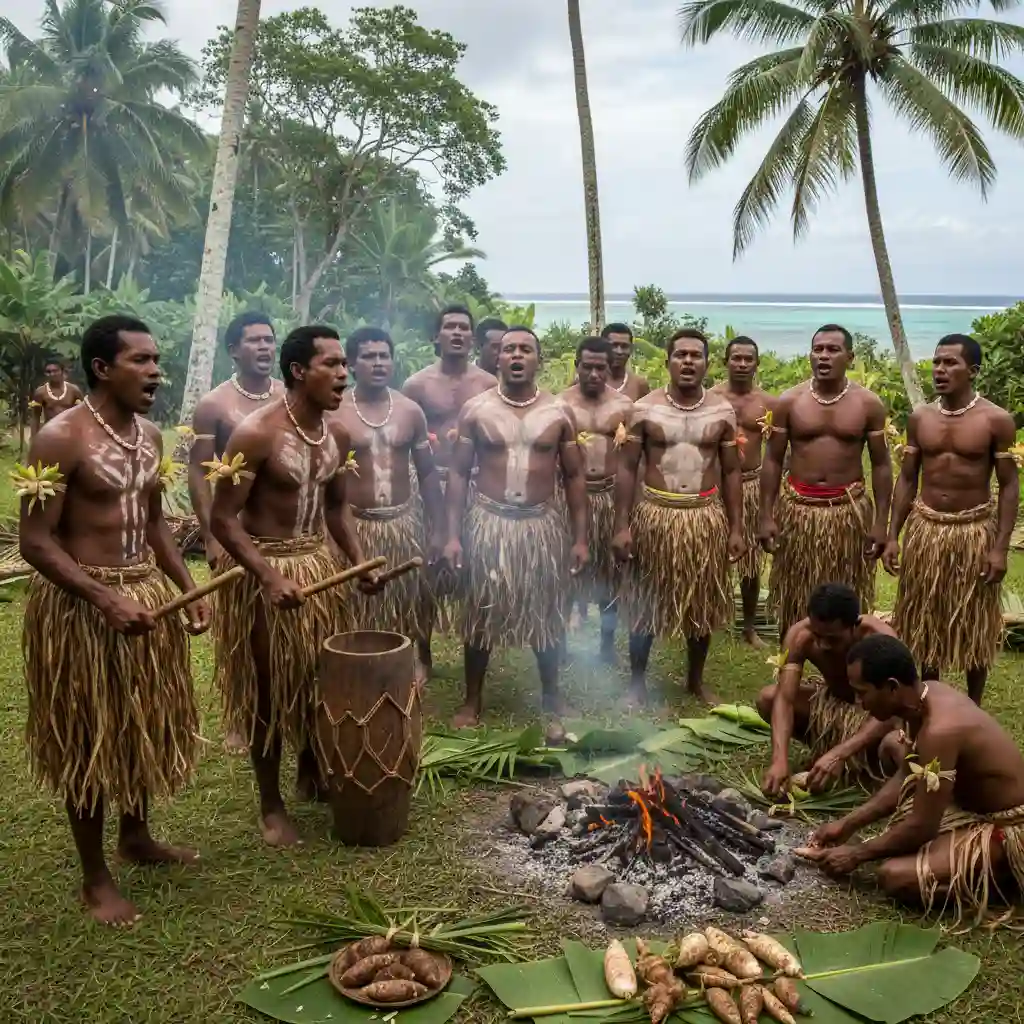
- Traditional Dances and Chants: On the day of the dive, and in the days leading up to it, the air is filled with traditional dances (often led by women) and hypnotic chants. These performances are not just entertainment; they are an integral part of the ceremony, invoking ancestral spirits, encouraging the divers, and contributing to the spiritual energy of the event.
These preparations highlight the deep community involvement and the sacred nature of every element contributing to the Nagol. It underscores that the dive is not an individual feat but a collective spiritual endeavour.
The Significance of the Tower and Vines
The diving tower, typically built from forest timber such as Banyan wood, is not merely a structure; it is a sacred edifice. Its construction is a testament to communal strength and engineering prowess, passed down through generations. Each platform on the tower represents a different height, corresponding to the age and experience of the diver. Younger boys start on lower platforms, gradually ascending to higher ones as they gain experience and courage, symbolizing their progression into manhood.
The vines are the lifeblood of the dive. They represent the connection between the diver and the earth, embodying both the danger and the life-giving force of the ritual. The precision in their selection and measurement is a profound act of trust and faith, with the community relying on the wisdom of the elders to ensure the divers’ safety. The snap of the vine as it reaches its tension point is a critical moment, and the slight brush of the diver’s hair against the softened earth below is the ultimate validation of a successful jump, signifying the blessing of the yam harvest.
Understanding these intricate custom ceremonies and protocols allows visitors to view the Nagol not just as a thrilling spectacle, but as a profound expression of a culture deeply connected to its land, its history, and its spiritual beliefs.
Beyond the Dive: Exploring the Natural and Cultural Richness of Pentecost Island
While the Nagol land diving festival is undoubtedly the primary draw, Pentecost Island offers a wealth of other natural and cultural attractions that enrich any visit. For New Zealand travellers, extending your stay beyond the dive day allows for deeper immersion into the island’s serene beauty and vibrant local life.
Discovering Pentecost’s Hidden Gems
Pentecost Island is characterized by its rugged, mountainous interior, lush rainforests, and pristine coastline. Beyond the land dive, visitors can explore:
- Waterfalls and Swimming Holes: The island boasts several beautiful, often secluded, waterfalls and freshwater swimming holes. Local guides can lead you on treks through the jungle to discover these refreshing oases, offering a chance to cool off in nature’s embrace.
- Traditional Villages: Take the opportunity to visit other traditional villages. Each community has its own unique customs and crafts. Engage with local artisans, witness traditional weaving, mat making, or carving, and learn about the sustainable practices that define island life.
- Canoeing and Coastal Exploration: The calm coastal waters offer opportunities for traditional outrigger canoe trips. Explore the coastline, discover hidden coves, or simply enjoy the peaceful rhythm of island life from the water.
- Walking and Hiking: For the adventurous, guided walks through the interior of the island can reveal stunning panoramic views, diverse flora and fauna, and offer a glimpse into the island’s untouched wilderness. Always go with a local guide who knows the terrain and can share insights into the local ecosystem.
- Agricultural Insights: Learn about the staple crops of Vanuatu, particularly yams and taro, which are central to the Nagol ceremony. Many villages welcome visitors to see their gardens and understand traditional farming methods.
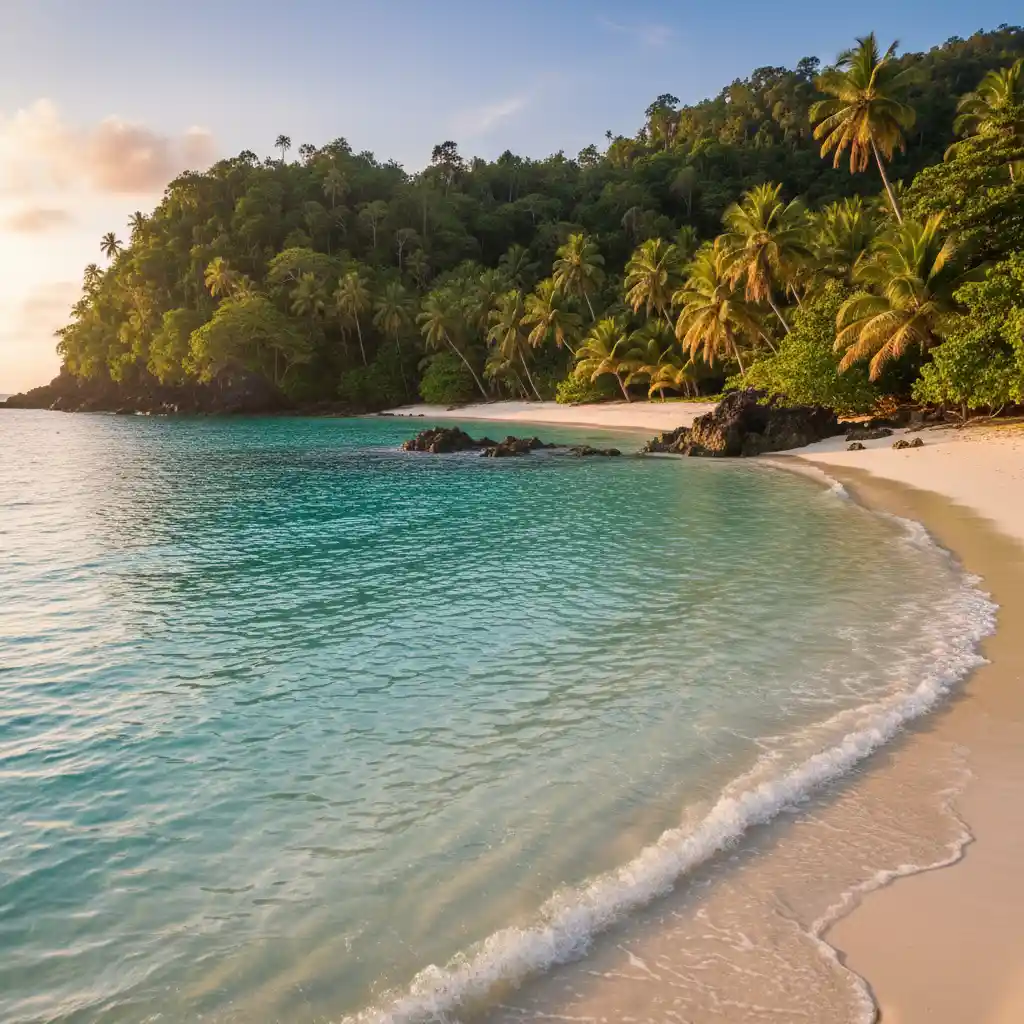
Embracing these additional experiences provides a holistic understanding of Pentecost. It reveals an island where tradition thrives amidst natural splendor, offering New Zealand travellers a comprehensive cultural adventure that extends far beyond the exhilaration of the land dive itself. Always remember to respect local customs, ask permission for photography, and contribute to the local economy where possible, ensuring a positive impact on the communities you visit.
People Also Ask About Pentecost Land Diving
Is land diving real?
Yes, land diving, known as Nagol, is a very real and ancient ritual performed annually on Pentecost Island in Vanuatu. It is not a show, but a sacred ceremony.
How often does Pentecost land diving happen?
The Nagol land diving ceremony takes place annually during the yam harvest season, typically from April to early June. The exact dates vary each year and are decided by local custom chiefs.
What is the purpose of land diving on Pentecost Island?
The primary purpose of land diving is to ensure a bountiful yam harvest and to transfer the spiritual energy of growth to the soil. It also serves as a rite of passage for young men, demonstrating their bravery.
What is the difference between land diving and bungee jumping?
While land diving is considered a precursor to bungee jumping, the key differences are in purpose and equipment. Land diving is a sacred, ritualistic act using natural vines, whereas bungee jumping is a modern recreational sport using elastic cords.
Can tourists watch the Pentecost land diving?
Yes, tourists can witness the Nagol land diving ceremony. However, it requires careful planning, adherence to local customs, and often involves booking through a reputable tour operator due to its traditional and remote nature.
What should I wear when visiting a village on Pentecost Island?
When visiting villages on Pentecost Island, it is respectful to dress modestly. For women, this means covering knees and shoulders, typically with a long skirt or sarong. Men should avoid sleeveless tops and wear shorts or trousers.