
Vanuatu off the beaten path involves exploring remote archipelagos beyond the main hubs of Efate and Espiritu Santo. Adventurers seek islands like Malekula for tribal history, Ambrym for active volcanoes, and the Banks Islands for untouched tropical wilderness, offering authentic “Kustom” culture and rugged landscapes distinct from resort tourism.
What defines an off the beaten path experience in Vanuatu?
For many New Zealand travelers, Vanuatu is synonymous with the pristine white sands of Champagne Beach or the bustling markets of Port Vila. However, the true essence of this Melanesian archipelago lies deep within its 83 islands, far removed from the cruise ship itineraries. Going Vanuatu off the beaten path means trading air-conditioned shuttles for the back of a ute, swapping resort buffets for laplap cooked in earth ovens, and engaging with communities where “Kustom” (traditional law and culture) reigns supreme.
The appeal of remote Vanuatu is not just in its visual splendor, but in its raw authenticity. Here, adventure is not manufactured; it is inherent in the landscape. Whether it is trekking across ash plains that resemble the moon or diving into blue holes known only to local villagers, these experiences require effort, patience, and a spirit of resilience. For the Kiwi adventurer looking to disconnect from the modern world and reconnect with nature in its most primal form, the outer islands offer a sanctuary of untouched beauty.
How can travelers experience authentic culture on Malekula?
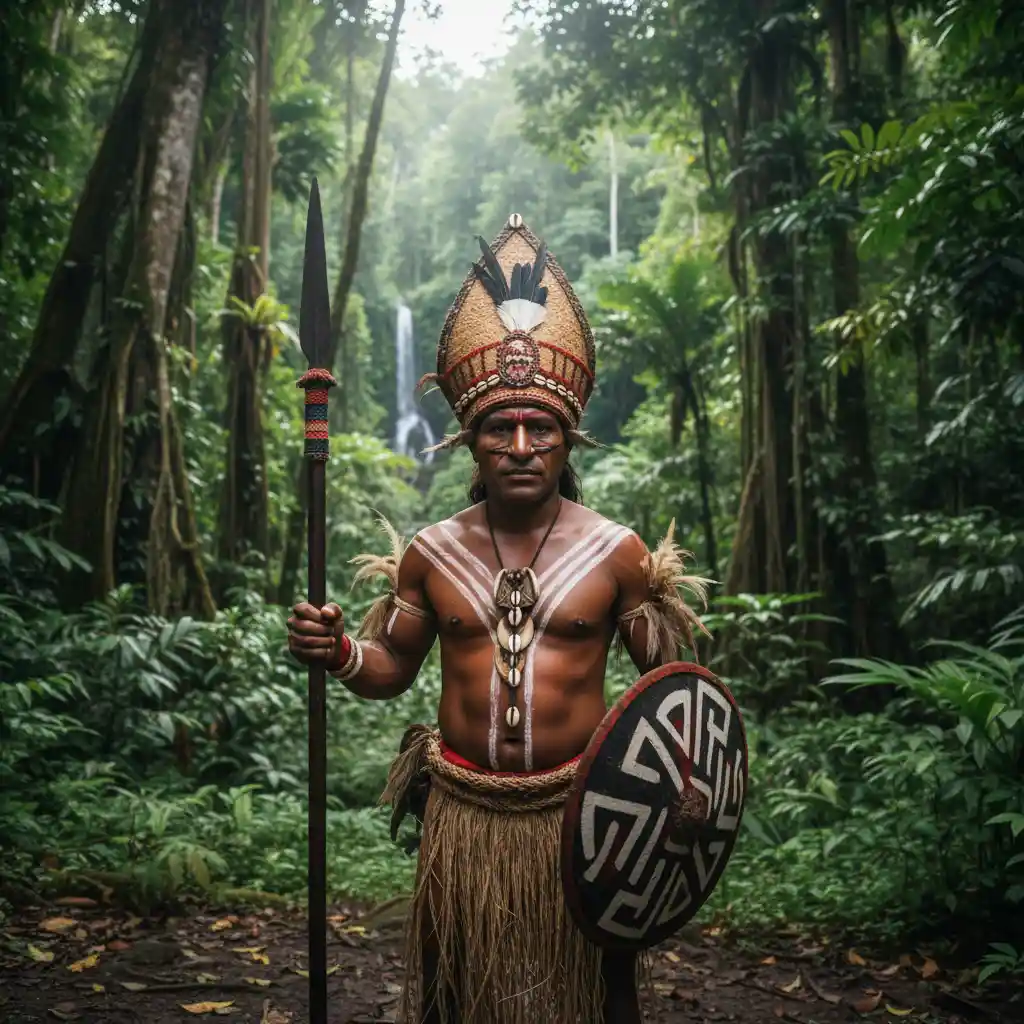
Malekula, the second-largest island in the archipelago, is often referred to as the “Island of Custom.” It is a place where ancient traditions have been fiercely protected against the encroachment of modernity. Geographically, the island is shaped like a sitting dog, and culturally, it is divided between the Small Nambas in the south and the Big Nambas in the north—named after the size of the namba (penis sheath) worn by the men.
The Dog’s Head Trek
For hikers, the Dog’s Head Trek is a premier challenge. This multi-day hike traverses the northern part of the island, taking adventurers through dense rainforests, across river valleys, and into villages that are rarely visited by outsiders. Unlike the manicured trails of New Zealand’s Great Walks, these tracks are rugged and muddy, often requiring a local guide to navigate safely. The reward is an intimate glimpse into village life, where you might witness the preparation of ceremonial kava or hear stories of the island’s not-so-distant cannibalistic past.
Cannibal Sites and Spirit Caves
Malekula is historically significant for its anthropological sites. Guided tours to the Amelbati Cannibal Site allow visitors to see the stone tables where enemies were once prepared. While confronting, this history is shared by locals with a sense of educational preservation rather than sensationalism. Furthermore, the island is dotted with spirit caves containing skeletal remains, strictly tapu (sacred) areas that can only be visited with the permission of the tribal chief. Visiting these sites offers a profound respect for the complexity of Melanesian history.
Is trekking Ambrym’s volcanoes safe for adventurers?
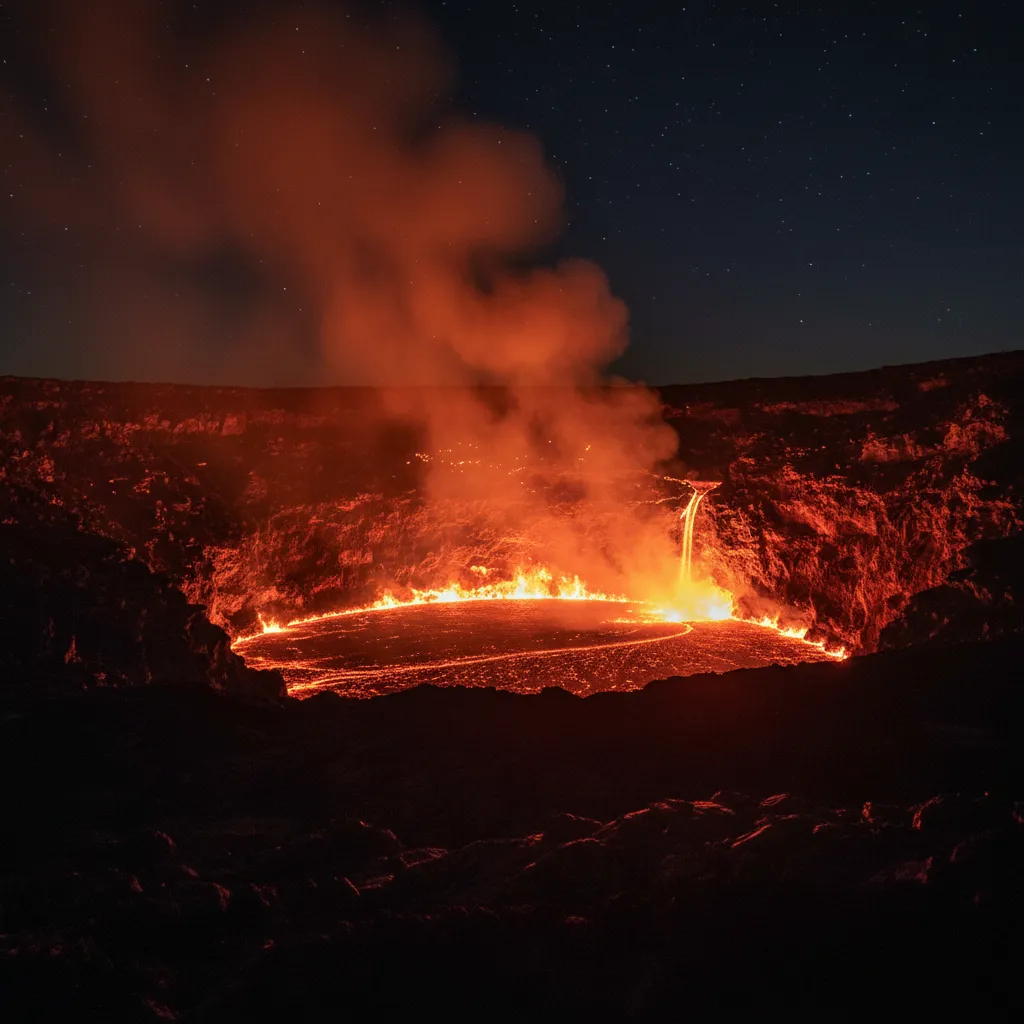
Ambrym is known as the “Black Island” due to its dark volcanic soil and its reputation as the center of black magic in Vanuatu. Dominated by a massive caldera, the island hosts two active volcanic cones: Mount Marum and Mount Benbow. For the intrepid traveler, Ambrym offers one of the most accessible yet intense volcanic experiences in the South Pacific.
The Ash Plain Crossing
To reach the crater rim, adventurers must cross a vast ash plain that stretches for kilometers. The landscape is stark, devoid of vegetation, and eerily silent—a dramatic contrast to the lush jungle that rings the island’s coast. The trek is physically demanding, usually requiring an overnight camp on the ash plain. Standing on the rim of Marum, staring down into a churning lava lake, is a visceral reminder of the earth’s power. It is crucial to engage experienced local guides, as the weather can change rapidly, obscuring visibility on the rim.
Rom Dance and Sand Drawing
Beyond the volcanoes, Ambrym is famous for the Rom dance, a secretive and spiritual ceremony involving elaborate conical masks made of banana leaves and vibrant natural dyes. The dance represents the spirits of the ancestors and is a powerful display of the island’s mystical heritage. Additionally, the UNESCO-recognized tradition of sand drawing—where complex geometric patterns are drawn in the earth with a single continuous finger movement—is a must-see cultural expression, functioning as a form of communication and storytelling.
Why are the Banks and Torres Islands considered the final frontier?
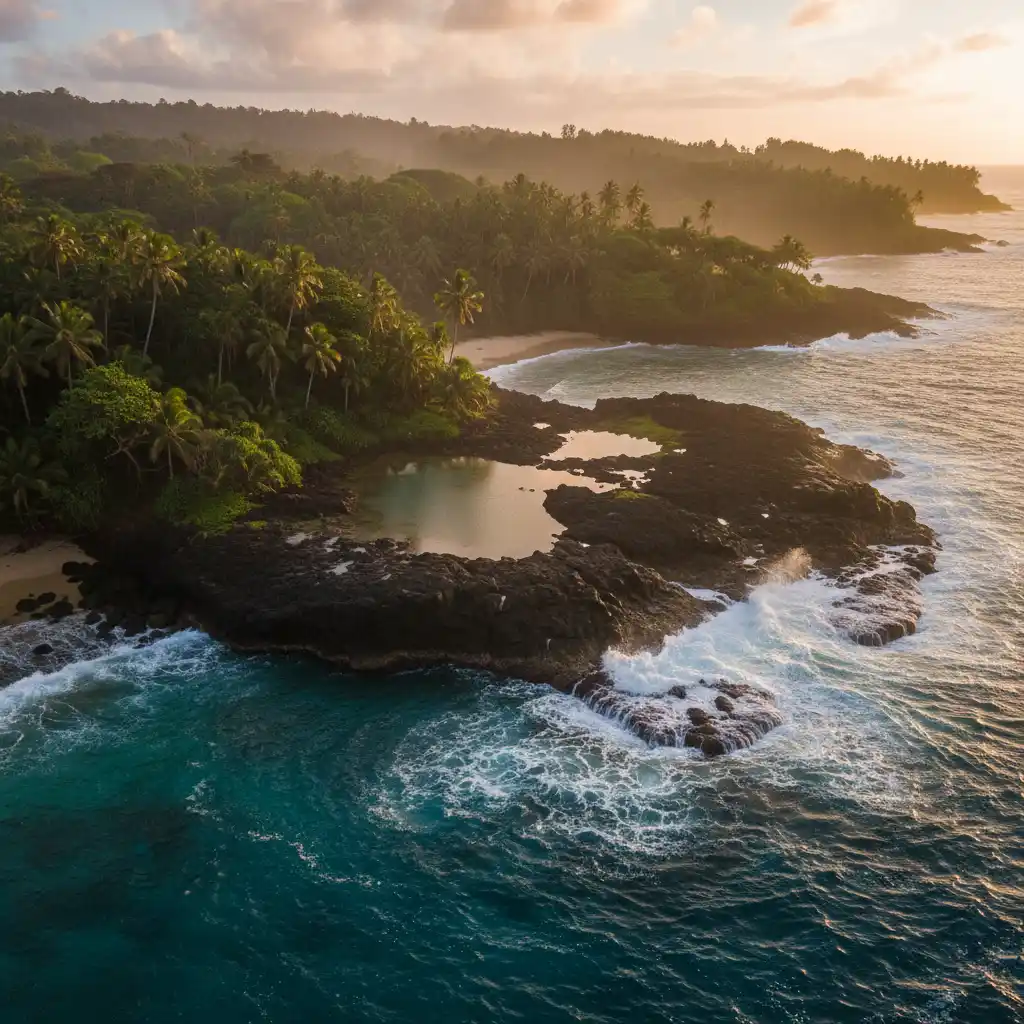
Located in the far north of Vanuatu, the Banks and Torres groups are the most remote and least visited islands in the country. Reaching these islands requires commitment, often involving unreliable flight schedules or long boat journeys, but the payoff is an experience of the Pacific as it was decades ago.
Rah Island and the Snake Dance
Within the Banks group, Rah Island is a highlight. Accessible by wading across a lagoon from Mota Lava at low tide, Rah offers spectacular views from the Rock of Rah, a massive boulder fortification. The region is famous for the Snake Dance, where men painted in black and white mimic the movements of the sea snake. This performance is unique to the Banks Islands and is a hypnotic spectacle of rhythm and coordination.
Vanua Lava and Waterfalls
Vanua Lava, the largest island in the Banks group, is home to the twin waterfalls of Siri, which cascade directly into the ocean. Trekking to the falls involves navigating slippery riverbeds and dense bush, but swimming in the pool beneath the falls, with the ocean crashing nearby, is an unparalleled experience. The island also hosts saltwater crocodiles in its rivers, adding an edge of danger that demands local knowledge for safe exploration.
What else is there to do on Tanna besides the volcano?
While Mount Yasur is the primary draw for tourists on Tanna, the island offers exceptional off the beaten path adventures for those willing to look further. Tanna is steeped in “Kustom” and offers geographical wonders that rival the volcano.
The Blue Cave
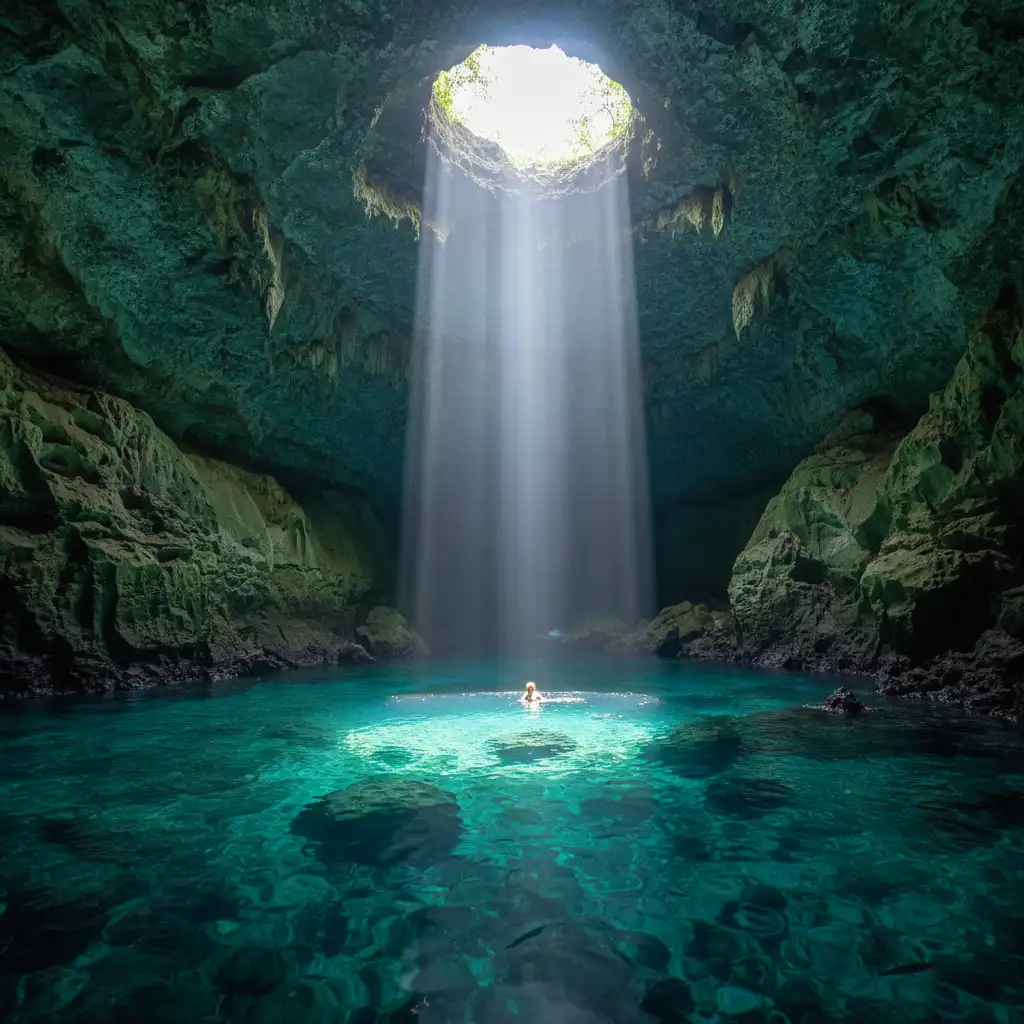
Located on the northwest coast, the Blue Cave is a large sea cavern accessible only by swimming underwater through a short tunnel at low tide. Once inside, a hole in the cave ceiling allows a shaft of sunlight to pierce the water, illuminating the grotto in an iridescent blue. It is a magical, cathedral-like space that feels entirely otherworldly. Access is typically via a small boat from the nearest resort or village, followed by a swim into the entrance.
The Giant Banyan Network
Tanna boasts one of the world’s largest Banyan trees. This is not merely a tree but a complex ecosystem of aerial roots and trunks that covers an area the size of a football field. Walking through the labyrinth of roots feels like entering a fantasy novel. Local guides often share stories of how these trees served as hiding places during tribal wars or cyclones.
The John Frum Cult
For a unique cultural insight, visitors can travel to Sulphur Bay to learn about the John Frum movement. This cargo cult, which originated in the 1930s, reveres an American serviceman named John Frum who they believe will return with wealth and prosperity. Observing their Friday night ceremonial gatherings, featuring guitar music and dancing under the stars near the volcano, provides a fascinating look at how WWII impacted local belief systems.
How to plan a remote Vanuatu trip from New Zealand?
Traveling to the outer islands requires more logistical preparation than a standard holiday. The infrastructure is basic, and schedules can be fluid.
Flights and Transport
Air Vanuatu is the primary domestic carrier (subject to operational status), connecting Port Vila to smaller airfields on Malekula (Norsup, Lamap), Tanna (Whitegrass), and the Banks (Mota Lava). Flights are often small Twin Otters. Delays are common, so always build a buffer day into your itinerary before your international flight back to Auckland. Between islands, banana boats (small fiberglass skiffs) are the main mode of transport. Always negotiate the price beforehand and be prepared for wet, bumpy rides.
Currency and Supplies
Cash is king in the outer islands. Credit card facilities are virtually non-existent outside of the main towns. Withdraw sufficient Vatu in Port Vila or Luganville before departing. Bring small denominations, as change is often unavailable in villages. Essential supplies for the adventurer include:
- Water Purification: Tablets or a filtering bottle (like LifeStraw) are essential as bottled water is not always available.
- Solar Power: Electricity is sporadic or non-existent. Bring a high-capacity solar power bank for cameras and phones.
- First Aid: Remote clinics are basic. Carry a comprehensive kit including antiseptics, antibiotics (consult your GP), and malaria prophylaxis.
Respecting Local Custom
When entering a village, you are entering someone’s home. Modest dress is required; swimsuits are for the beach only. Women should wear shorts or sarongs rather than bikinis when not swimming. Always ask permission before taking photos of people. In many areas, you may be asked to pay a “custom fee” to the chief for access to beaches, caves, or trails. This is a standard contribution to the community economy and should be paid respectfully.
People Also Ask
Is Vanuatu safe for solo adventure travelers?
Yes, Vanuatu is generally very safe for solo travelers. The crime rate in outer islands is extremely low. The main risks are environmental (tropical diseases, infection from cuts, isolation). However, solo female travelers should dress modestly to respect local culture and avoid walking alone at night in urban areas like Port Vila.
What is the best time of year to visit Vanuatu for hiking?
The best time for hiking and trekking is during the dry season, from May to October. The temperatures are milder (20°C – 26°C), and there is less rainfall, making trails on Malekula and Ambrym less muddy and safer to navigate. The wet season (November to April) can bring cyclones and high humidity.
Do I need a guide for trekking volcanoes in Vanuatu?
Yes, hiring a local guide is mandatory for almost all volcano treks, including Mt Yasur (Tanna) and Mt Marum (Ambrym). Guides provide safety against changing volcanic activity, navigate unmarked paths, and facilitate permission from local land-owning tribes.
Is malaria a risk in Vanuatu’s outer islands?
Yes, malaria is present in Vanuatu, particularly in the outer islands like Malekula and Santo. It is highly recommended to consult a travel doctor in New Zealand before departure to get appropriate prophylaxis (anti-malaria medication) and to use strong insect repellent containing DEET.
How do I get to the Banks Islands from Port Vila?
To reach the Banks Islands, you typically fly from Port Vila to Santo (Pekoa Airport), and then take a connecting flight to Mota Lava or Vanua Lava. Flights are less frequent than other routes, often operating only a few times a week, so advance booking is essential.
What accommodation options exist in remote Vanuatu?
Accommodation in remote areas consists primarily of bungalows run by local families. These are basic structures, often built with traditional materials, offering a bed, mosquito net, and shared bathroom facilities (sometimes cold water only). They offer an authentic experience and direct support to the local economy.