
Vanuatu cultural village tours offer an unparalleled opportunity for authentic immersion into the rich Melanesian heritage, allowing visitors to respectfully engage with local traditions, customs, and daily life. These guided experiences provide insights into ancient practices, kastom ceremonies, and sustainable living, creating unforgettable memories while fostering genuine connections with the ni-Vanuatu people.
What Are Vanuatu Cultural Village Tours and Why Are They Unique?
Vanuatu cultural village tours are curated experiences designed to introduce visitors to the traditional way of life, history, and customs of the ni-Vanuatu people. Unlike typical tourist attractions, these tours often take place in authentic, living villages where residents continue to practice their ancestral customs. The uniqueness stems from the genuine interaction offered, allowing travellers to step beyond observation and into active, respectful engagement with indigenous communities. These tours are not merely performances but windows into a vibrant cultural heritage that has been passed down through generations, largely untouched by Western influence. For travellers from New Zealand seeking an enriching and profound cultural journey, Vanuatu offers an unparalleled opportunity to connect with a different world.
The Significance of Kastom in Ni-Vanuatu Life
At the heart of every Vanuatu cultural village tour lies the concept of ‘kastom’. Kastom encompasses the traditional beliefs, laws, customs, and rituals that govern ni-Vanuatu society. It’s a living, breathing framework that dictates everything from land ownership and marriage ceremonies to social hierarchy and daily practices. When visiting a kastom village, you’re not just observing historical relics; you’re witnessing kastom in action, maintained and revered by the community. Understanding kastom is crucial for appreciating the depth and authenticity of these experiences. It’s a testament to the resilience and preservation efforts of the ni-Vanuatu people, who consciously choose to uphold their heritage in a rapidly modernising world. These tours provide invaluable context to this intricate social fabric.
The Benefits of Authentic Cultural Engagement
Engaging authentically with Vanuatu’s cultures offers profound benefits, extending far beyond a typical holiday experience. For travellers, it fosters a deeper understanding of human diversity, promotes empathy, and challenges preconceptions. It provides opportunities for personal growth and unforgettable memories, often described as life-changing by those who participate. For the local communities, these tours provide a sustainable source of income, empowering them to maintain their traditions and livelihoods without relying on less sustainable economic activities. Furthermore, responsible tourism encourages the preservation of kastom, as communities recognise the value visitors place on their heritage. It’s a reciprocal relationship where both parties gain immense value, making Vanuatu cultural village tours a truly meaningful choice for conscious travellers.
How Can Travellers Ensure Respectful Engagement in Vanuatu Villages?
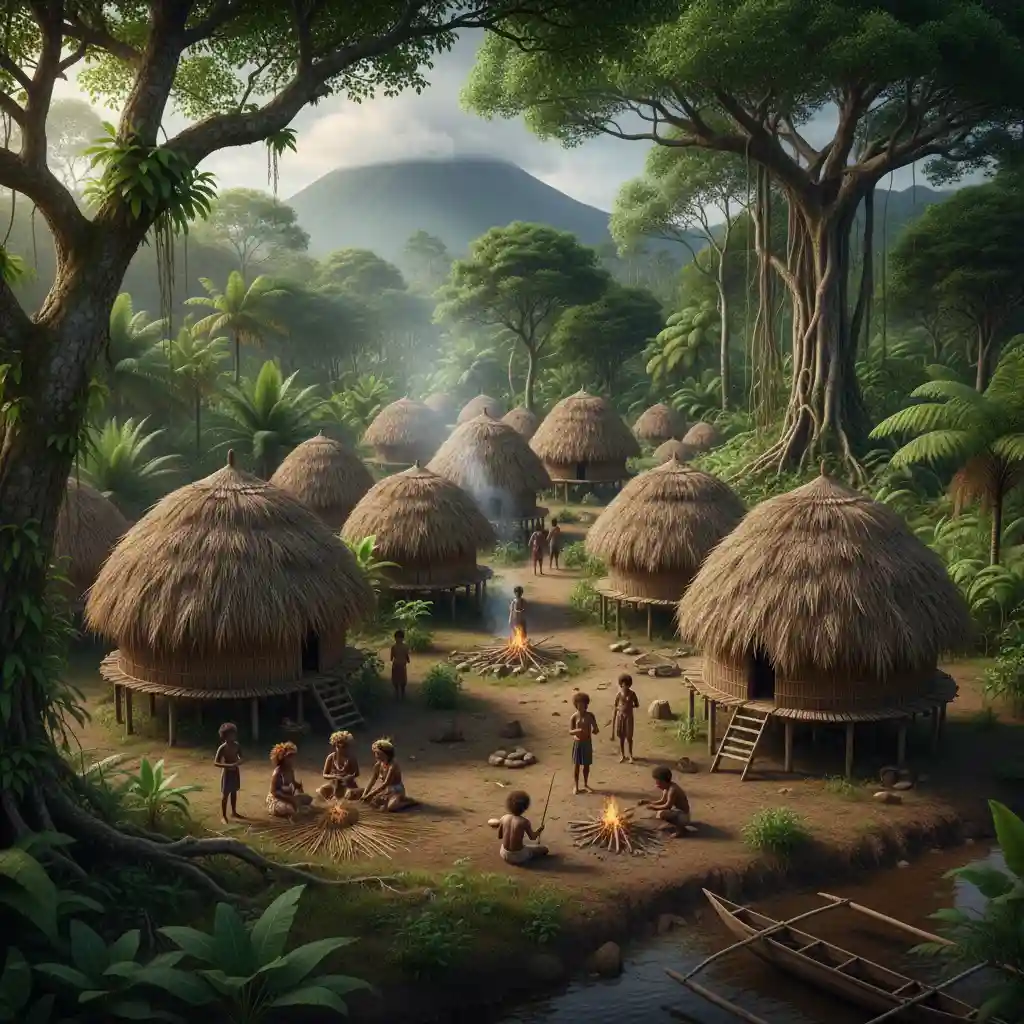
Ensuring respectful engagement is paramount for any visitor embarking on Vanuatu cultural village tours. It starts with an open mind and a willingness to learn, adapt, and honour local customs. The ni-Vanuatu people are renowned for their warmth and hospitality, but visitors must reciprocate this by adhering to a code of conduct that respects their way of life, beliefs, and privacy. This extends to understanding unspoken rules, dressing appropriately, and being mindful of personal space and property. By prioritising respect, travellers not only enhance their own experience but also contribute positively to the sustainability of these vital cultural exchanges, safeguarding them for future generations. Education on local etiquette before arrival is key to a meaningful visit.
Pre-Visit Preparations and Etiquette
Before visiting a kastom village, it is highly recommended to engage with a reputable tour operator or local guide who can provide essential context and guidance. They will inform you about specific village protocols, which can vary from island to island and even between communities on the same island. Learning a few basic Bislama phrases, such as ‘Halo’ (Hello), ‘Tank yu’ (Thank you), and ‘Gud moning’ (Good morning), will be greatly appreciated and can help bridge cultural gaps. Additionally, inquire about appropriate gifts or contributions, as some villages may welcome specific items like school supplies, while others prefer monetary donations that directly support community projects. Always ask your guide for advice on this sensitive topic. Being prepared mentally and practically will set the stage for a positive interaction.
Appropriate Dress and Behaviour
Dress codes in Vanuatu villages are generally conservative, reflecting traditional values. For both men and women, shoulders and knees should be covered. Lightweight, loose-fitting clothing like long shorts, skirts (sulus), or trousers are ideal. Avoid revealing swimwear or overly casual attire outside of resort areas. Behaviourally, modesty and humility are highly valued. Loud talking, boisterous laughter, or overly assertive gestures should be avoided. When interacting with elders or chiefs, it is customary to lower your gaze slightly as a sign of respect. Always wait to be invited into homes or communal spaces. Remember, you are a guest in their home, and deference to local customs will always be well-received and appreciated by your hosts, ensuring a harmonious exchange.
The Art of Asking Permission and Photography
Photography requires particular sensitivity in Vanuatu. While many ni-Vanuatu are happy to be photographed, it is absolutely essential to always ask for permission first. A simple ‘Yu save tekem piksa?’ (May I take a photo?) in Bislama, accompanied by a polite gesture, can go a long way. Respect any refusal gracefully. Certain ceremonies, sacred sites, or individuals might be off-limits for photography due to kastom beliefs, and this must be respected without question. Never take photos of children without the explicit consent of their parents or guardians. If permission is granted, a small thank you (often a monetary donation or gift, as advised by your guide) may be appropriate, especially if people have posed for you or if the interaction was extended. Your guide will be invaluable in navigating these nuanced situations.

Which Vanuatu Villages Offer the Most Authentic Cultural Immersion?
Vanuatu boasts a diverse array of cultural villages, each offering a unique window into different facets of ni-Vanuatu life. The authenticity of the experience often correlates with the level of community involvement and the commitment to preserving kastom. While many islands host villages welcoming visitors, certain locations are particularly renowned for their deep cultural immersion. These villages are not staged for tourists but are vibrant, living communities that choose to share their heritage. From the ceremonial dances of Efate to the ancient rituals of Tanna and the unique traditions of Malekula, choosing the right village depends on the specific cultural experiences you seek, but all promise a profound connection to Vanuatu’s rich past and present.
Efate: Ekasup Cultural Village and Iarofa Village
For visitors staying near Port Vila on Efate, Ekasup Cultural Village offers one of the most accessible and well-established cultural experiences. This village provides a comprehensive tour showcasing ancient hunting techniques, traditional medicine, food preparation, and kastom dances. The guides, often descendants of the original inhabitants, share stories and demonstrations that bring the island’s history to life. Another notable option on Efate is Iarofa Village, known for its vibrant performances and engaging storytelling, often featuring fire walking and a fascinating glimpse into cannibalistic history (presented in a theatrical and respectful manner). Both provide excellent introductions to Melanesian culture for those with limited time or as a first step into deeper cultural exploration.
Tanna: Yakel Village and the John Frum Movement
Tanna Island is often regarded as the heartland of Vanuatu’s kastom, home to some of the most traditional villages, including Yakel. Here, villagers still live without modern amenities, adhering strictly to ancient ways, dressing in traditional nambas (penis sheaths) for men and grass skirts for women. A visit to Yakel is an unparalleled journey back in time, offering raw, unfiltered insight into ancestral life. Tanna is also famously associated with the John Frum cargo cult, particularly active in villages like Sulphur Bay. Observing a John Frum ceremony, with its unique blend of kastom and a reverence for a prophesied American benefactor, is a truly unique cultural phenomenon that draws visitors from around the globe. These experiences are profoundly immersive and require the utmost respect.
Pentecost: Land Diving (Nagol) and Traditional Lifestyle
Pentecost Island is globally famous for Nagol, the land diving ritual that inspired bungee jumping. Performed annually between April and June by men who dive from tall wooden towers with vines tied to their ankles, Nagol is a deeply spiritual ceremony vital for yam harvest fertility. While witnessing Nagol is a profound experience, the entire island offers a glimpse into a traditional lifestyle largely untouched by external influences, beyond this specific event. Many villages on Pentecost maintain a subsistence lifestyle, practicing ancient agricultural methods, traditional crafts, and kastom ceremonies. Visits here offer a chance to understand the intricate relationship between people, land, and spiritual beliefs that define ni-Vanuatu culture. Access can be more challenging, requiring careful planning with specialist tour operators.
Malekula: The Big Nambas and Small Nambas
Malekula, Vanuatu’s second-largest island, is a cultural mosaic, home to over 30 distinct language groups and two prominent cultural groups: the Big Nambas and the Small Nambas. Historically known for their fierce warrior traditions and once practicing cannibalism, these groups maintain distinct kastom practices. A visit to a Big Nambas village offers insight into their unique societal structures, intricate ceremonies, and impressive traditional attire (the large nambas worn by men). The Small Nambas, living in the island’s interior, are equally fascinating, with different customs and rituals. Exploring Malekula requires a sense of adventure and a willingness to trek into remote areas, but the reward is an incredibly authentic encounter with some of Vanuatu’s most preserved and vibrant cultural heritage. It’s a journey into the heart of Melanesian diversity.
What Experiences Await Visitors on a Vanuatu Cultural Tour?
On a Vanuatu cultural tour, visitors can anticipate a multi-sensory journey designed to immerse them in the daily rhythms and ceremonial highlights of ni-Vanuatu life. Far from passive observation, these tours often involve active participation and direct interaction, fostering genuine connections. Expect to be welcomed with warmth, witness captivating demonstrations, and gain insights into a self-sufficient lifestyle rooted in centuries of tradition. From the sounds of ancient instruments to the aromas of traditional cooking and the taste of kava, every aspect is crafted to provide an authentic, educational, and deeply memorable experience. The structure of these tours is thoughtfully planned to showcase the richness of kastom in an engaging and respectful manner, ensuring visitors leave with a profound appreciation for Vanuatu’s heritage.
Traditional Welcome Ceremonies and Dances
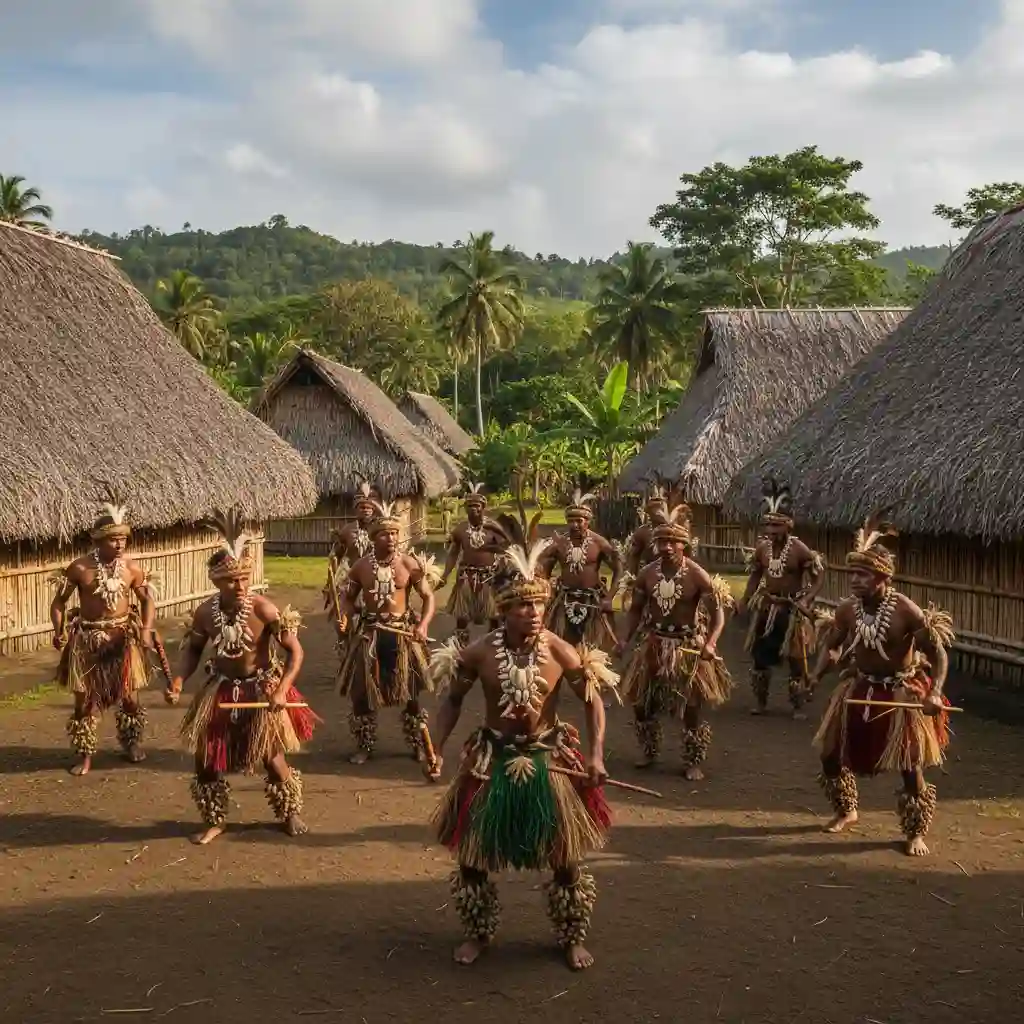
Upon arrival at a cultural village, visitors are typically greeted with a traditional welcome ceremony. This often involves rhythmic drumming, singing, and captivating kastom dances performed by villagers in elaborate traditional attire. These dances are not merely entertainment but carry deep cultural significance, telling stories of ancestral heroes, daily life, or important community events. The energy and artistry are mesmerising, offering a powerful introduction to the village’s spirit. Depending on the village and the specific tour, visitors might even be invited to participate in a simpler dance, fostering a sense of camaraderie and shared experience. These ceremonies are a vital part of showing respect to guests and establishing a positive cultural exchange.
Demonstrations of Ancient Skills and Crafts
Cultural tours frequently include demonstrations of ancient skills that are still integral to village life. You might witness men demonstrating traditional hunting techniques using bows and arrows, or women showcasing the intricate art of weaving mats, baskets, and clothing from local fibres. Other common demonstrations include fire-making using friction sticks, the preparation of traditional medicines from forest plants, and the construction of traditional leaf houses. These demonstrations highlight the ingenuity and self-sufficiency of the ni-Vanuatu people and provide a tangible connection to their past. Visitors often have the opportunity to try their hand at some of these crafts or purchase authentic, handmade items directly from the artisans, supporting local economies.
Sampling Local Cuisine and Kava Ceremonies
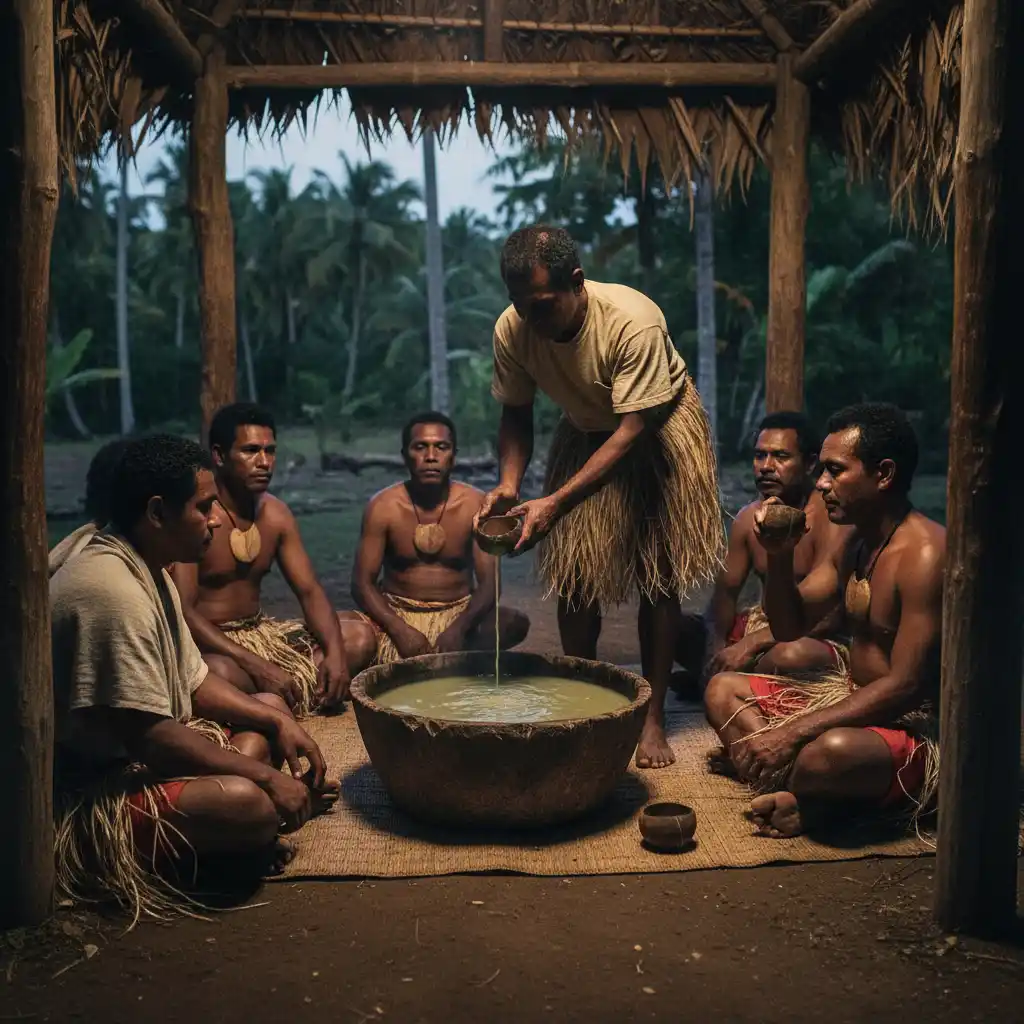
Food is a central component of culture, and Vanuatu tours often feature tastings of traditional cuisine. Expect to sample ‘laplap’, Vanuatu’s national dish, a pudding-like dish made from grated root vegetables (taro, yam, manioc) or banana, mixed with coconut cream and cooked in an earth oven (hangi). Other staples include fresh tropical fruits, fish, and local vegetables. A significant cultural experience is the kava ceremony. Kava, a traditional drink made from the root of the kava plant, is consumed throughout the Pacific for its mild sedative effects and its role in social and ceremonial gatherings. Visitors may be invited to participate in a kava ceremony, where they will learn about the strict etiquette surrounding its preparation and consumption, offering a deep insight into ni-Vanuatu social customs and community bonding.
Insights into Traditional Governance and Education
Beyond the visible aspects of kastom, cultural tours also offer insights into the less tangible but equally important elements of ni-Vanuatu society, such as traditional governance and education. Guides and elders may explain the role of the chief (or ‘na-melu’) in maintaining peace, resolving disputes, and upholding kastom law within the village. You might learn about the traditional ways children are educated, not through formal schooling in the Western sense, but through storytelling, practical demonstrations, and participation in community tasks from a young age. This informal yet highly effective system ensures that cultural knowledge, skills, and values are seamlessly transmitted from one generation to the next, reinforcing the continuity of kastom and the strength of community ties.
What Are Key Ni-Vanuatu Customs Travellers Should Be Aware Of?
Navigating the rich tapestry of ni-Vanuatu customs with confidence requires a degree of prior awareness and sensitivity. Beyond general politeness, understanding specific cultural nuances can significantly enhance your experience and demonstrate genuine respect for your hosts. The ni-Vanuatu people operate within a social framework deeply rooted in ‘kastom,’ which dictates almost every aspect of interaction, from greetings to gift-giving and behaviour in sacred spaces. Being mindful of these traditional practices not only prevents unintentional offence but also opens doors to deeper, more authentic connections with local communities. Your guide will be an invaluable resource, but a foundational understanding empowers you to engage more meaningfully.
Understanding ‘Kastom’ and its Role
As mentioned, ‘kastom’ is the overarching term for Vanuatu’s traditional laws, beliefs, and practices. It’s a holistic system that encompasses spiritual, social, political, and economic life. When you visit a kastom village, you are entering a space where these ancient ways are paramount. This means that decisions, activities, and even the pace of life are dictated by traditions that may seem unfamiliar to Western visitors. It’s important to approach kastom with an attitude of reverence and curiosity, rather than judgment. Recognise that these customs have sustained communities for millennia and continue to provide meaning and structure. Asking respectful questions through your guide about the ‘why’ behind certain practices can offer profound insights into this living heritage.
The Importance of Chiefs and Community Elders
Chiefs and community elders hold significant authority and respect within ni-Vanuatu society. They are the custodians of kastom, responsible for upholding traditions, mediating disputes, and guiding their communities. When visiting a village, it’s customary to show particular deference to these figures. This might involve greetings specific to their status, allowing them to speak first, or refraining from interrupting them. Your guide will facilitate any formal introductions. Respecting the hierarchy and wisdom of chiefs and elders is a fundamental aspect of demonstrating good manners and cultural sensitivity in Vanuatu. Their decisions and pronouncements are central to village life, and understanding their role is key to comprehending the social dynamics at play.
Gift-Giving Etiquette (When and How)
Gift-giving in Vanuatu is a nuanced practice. While a small token of appreciation is often welcome, it should be done thoughtfully and without expectation. It’s generally best to consult with your tour guide beforehand about what, if anything, would be appropriate for a specific village. Items like school supplies, stationery, or basic medical supplies can be beneficial, especially if a village has a school or clinic. If giving money, it’s often preferable to contribute to a communal fund or project rather than giving directly to individuals, to avoid creating imbalances or fostering a begging culture. Always present gifts with both hands as a sign of respect and avoid overly elaborate or expensive items, which can sometimes cause discomfort. The gesture of giving, when done respectfully, is what truly matters.
Communication and Social Interactions
Ni-Vanuatu communication style is generally soft-spoken and indirect. Direct confrontation or overly assertive behaviour is frowned upon. Politeness and patience are highly valued. When speaking, maintain a respectful tone and avoid raising your voice. Silence can sometimes be a part of communication, allowing time for reflection and consideration. While handshakes are common, observe local cues. Public displays of affection, even between couples, are generally considered inappropriate. If you have questions or concerns, it’s often best to address them through your guide rather than directly, especially if the topic is sensitive. Engaging with a calm, humble, and open demeanour will facilitate much smoother and more meaningful social interactions.
Taboos and Sacred Sites
Each village and region in Vanuatu may have specific taboos (referred to as ‘tambu’ in Bislama) and sacred sites that visitors must respect. These can relate to specific areas, objects, actions, or even times of the day. For instance, certain areas of a village, specific trees, or burial sites might be ‘tambu’ and off-limits to outsiders. Your guide will always inform you of these restrictions. Ignoring a ‘tambu’ can be deeply offensive to the local community and may carry traditional consequences. Always heed warnings and instructions from your guide and village elders regarding these sensitive matters. Respecting ‘tambu’ demonstrates your understanding and appreciation for the spiritual and cultural beliefs that are deeply ingrained in ni-Vanuatu society, ensuring a harmonious and safe visit for all.
How Can Tourists Positively Contribute to Vanuatu’s Local Communities?
Beyond simply visiting, tourists have a powerful opportunity to make a tangible and positive contribution to Vanuatu’s local communities, ensuring the sustainability of their culture and livelihoods. Responsible tourism practices extend far beyond just being polite; they involve making conscious choices that directly benefit the people and places you visit. By choosing ethical operators, supporting local businesses, and actively engaging in environmental stewardship, travellers can help foster a resilient and thriving Vanuatu. These contributions not only enhance the well-being of the ni-Vanuatu people but also ensure that authentic cultural experiences remain vibrant and accessible for future generations, strengthening the bonds between visitors and hosts.
Direct Financial Contributions and Fair Trade
One of the most direct ways to contribute is through fair financial compensation for tours and purchases. When booking a cultural village tour, choose operators that ensure a significant portion of the fee goes directly back to the community. When purchasing handicrafts or local produce, pay the asking price without bargaining excessively, as these items represent the livelihood of the artisans. Look for opportunities to buy directly from villagers, cutting out middlemen. Some villages may have designated donation boxes for community projects (like schools or health clinics), which is an excellent way to provide direct support. These financial injections empower communities, allowing them to fund essential services, maintain their infrastructure, and continue to preserve their kastom without external dependencies.
Choosing Locally Owned and Operated Tours
Opting for tours and accommodations that are locally owned and operated maximises the economic benefit for Vanuatu. These businesses are often deeply invested in the well-being of their communities and are more likely to employ local staff, source local products, and re-invest profits within the country. Research tour operators to ensure they have strong ties to the communities they visit and a demonstrated commitment to ethical tourism practices. This not only ensures a more authentic and enriching experience for you but also strengthens local economies and provides sustainable employment opportunities for ni-Vanuatu people, fostering economic independence and pride in their cultural offerings. Your choices directly influence who benefits from your travel.
Environmental Stewardship and Sustainability
Respecting the environment is crucial, as many village livelihoods are directly dependent on the health of their natural surroundings. Practise responsible waste management by taking all your rubbish with you, especially plastics, as many remote villages have limited waste disposal facilities. Be mindful of water usage, especially in areas with scarce resources. Avoid disturbing local flora and fauna. If visiting coastal villages, be cautious not to damage coral reefs or marine life. Supporting eco-tourism initiatives and tour operators committed to environmental protection helps preserve Vanuatu’s pristine natural beauty, which is intrinsically linked to its cultural heritage and the well-being of its people. Your actions, no matter how small, contribute to the larger picture of sustainability.
Engaging in Cultural Exchange
Beyond monetary contributions, engaging in genuine cultural exchange is invaluable. Be open to learning, ask respectful questions (through your guide), and share aspects of your own culture if invited. This reciprocal interaction fosters mutual understanding and respect. Participating in activities, trying local foods, and making an effort to communicate (even with basic Bislama phrases) shows genuine interest and appreciation. The stories and knowledge you gain, and the stories you share, contribute to a global understanding and appreciation of diverse cultures. This form of exchange builds bridges, breaks down stereotypes, and leaves a lasting positive impression on both visitors and hosts, making your Vanuatu cultural village tour a truly enriching experience for everyone involved.
People Also Ask
Are Vanuatu cultural villages authentic?
Yes, many Vanuatu cultural villages, particularly on islands like Tanna, Malekula, and Pentecost, are genuinely authentic. Villagers continue to live according to ancient customs (kastom), often without modern amenities, sharing their traditional way of life with visitors as a means of cultural preservation and sustainable income. Reputable tours focus on providing respectful, un-staged experiences.
What should I wear when visiting a village in Vanuatu?
When visiting a traditional village in Vanuatu, it is essential to dress modestly. For both men and women, shoulders and knees should be covered. Lightweight, loose-fitting clothing like long shorts, skirts (sulus), or trousers and t-shirts are appropriate. Avoid wearing swimwear or overly revealing attire out of respect for local customs.
Is it safe to visit villages in Vanuatu?
Yes, it is generally very safe to visit villages in Vanuatu. The ni-Vanuatu people are known for their hospitality and friendly nature. However, it’s always advisable to go with a reputable local guide or tour operator who understands local protocols and can facilitate respectful interactions, ensuring a safe and enriching experience for everyone.
Can I take photos in a Vanuatu cultural village?
Always ask for permission before taking photos of people or specific sites in a Vanuatu cultural village. While many villagers are happy to be photographed, some areas or ceremonies might be considered sacred or ‘tambu’, and photography may be prohibited. Your guide will advise on specific permissions and etiquette.
How much does a cultural village tour cost in Vanuatu?
The cost of a cultural village tour in Vanuatu can vary widely depending on the island, the length of the tour, the village visited, and whether transport and meals are included. Prices can range from approximately NZD $50-$200+ per person. It’s best to check with local tour operators for current pricing, and remember that paying a fair price supports the local community directly.
What is kava, and will I be offered it?
Kava is a traditional ceremonial drink made from the roots of the kava plant, known for its mild sedative and relaxing properties. It plays a significant role in social and ceremonial gatherings in Vanuatu. Visitors on cultural tours may often be offered kava as part of a welcome or ceremonial experience. It’s customary to accept if offered, but there’s no pressure to consume a large quantity.