
Vanuatu offers some of the world’s most spectacular and historically significant dive sites, notably the SS President Coolidge and Million Dollar Point, both located on Espiritu Santo. These unique underwater experiences combine pristine coral reefs with incredible wreck and historical dives, attracting divers globally for their rich marine life and fascinating wartime relics. Beyond Santo, vibrant reefs around Efate also provide accessible and beautiful diving opportunities for all skill levels.
As a premier destination for underwater exploration, Vanuatu, particularly for those travelling from New Zealand, presents an unparalleled opportunity to delve into a submerged world teeming with history and biodiversity. From colossal wrecks to colourful coral gardens, the archipelago caters to every diver’s dream, offering an adventure that transcends mere sightseeing. This guide explores the must-visit dive sites, essential planning tips, and the unique allure that cements Vanuatu’s reputation as a world-class diving haven.
What Makes Scuba Diving in Vanuatu Unforgettable?
Vanuatu’s allure for divers stems from its extraordinary combination of historical significance, pristine natural beauty, and remarkable accessibility. Unlike many other dive destinations that specialize in either wrecks or reefs, Vanuatu masterfully blends both, offering an incredibly diverse underwater portfolio. The warm, clear waters of the South Pacific provide ideal conditions almost year-round, with visibility often exceeding 30 metres, allowing for unparalleled views of its submerged treasures. The archipelago’s volcanic origins have also sculpted dramatic underwater landscapes, featuring intricate caverns, drop-offs, and vibrant walls that house an astonishing array of marine life.
For New Zealand divers, Vanuatu offers a relatively short travel time to a truly exotic and world-class destination. The local culture, known for its friendliness and welcoming spirit, adds another layer to the overall experience, making land excursions as enriching as the dives themselves. This blend of accessibility, diverse diving, and cultural immersion ensures that a scuba diving trip to Vanuatu is not just a holiday, but an unforgettable adventure that etches itself into the memory of every explorer.
Exploring the Majestic SS President Coolidge Wreck: A World-Class Dive Site
The SS President Coolidge is not merely a shipwreck; it is an underwater monument, a poignant reminder of World War II, and undeniably one of the world’s most accessible and fascinating large wreck dives. Originally a luxury ocean liner, the Coolidge was converted into a troopship during the war. On October 26, 1942, while entering Luganville Harbour in Espiritu Santo, it struck two American mines. In a heroic effort, nearly all 5,340 men onboard were safely evacuated, but the ship sank and came to rest on its port side, sliding down the reef slope from a depth of 20 to 70 metres.
Today, the Coolidge offers an extraordinary opportunity for divers to explore a virtually intact vessel adorned with decades of marine growth and an incredible array of marine life. Its sheer size and the multitude of artifacts still preserved within its holds make it a multi-day diving expedition in itself. From the deck guns at shallower depths to the engine room and cargo holds deeper down, every dive reveals new secrets and awe-inspiring vistas. It represents a living museum, where history is literally at your fingertips, encased in a vibrant ecosystem.

Diving the Coolidge: Depths, Penetrations, and Marine Life
Diving the SS President Coolidge requires experience, as its depths range significantly and many of its most iconic features are found within its interior. Divers typically start at the bow, which sits at around 20 metres, and progressively explore deeper sections. Advanced Open Water certification is usually a prerequisite, with many operators recommending or requiring PADI Wreck Diver or Deep Diver specialties for extensive penetrations. The sheer scale of the ship means divers often return for multiple dives to truly appreciate its vastness and intricate details.
Key highlights within the Coolidge include ‘The Lady’, a ceramic relief of a lady riding a unicorn, located in the first-class dining saloon at around 43 metres, and ‘The Binnacle’, the ship’s navigation instrument, found closer to the bridge. Other fascinating areas include the cargo holds, where jeeps, trucks, and medical supplies like intact bottles of iodine and military boots can still be seen. The engine room, with its massive machinery, offers a truly industrial dive experience. Outside the wreck, massive schools of trevally, barracuda, and resident reef sharks frequently patrol its structure, while vibrant soft corals have colonized much of the exterior, creating a stunning habitat for smaller reef fish, nudibranchs, and crustaceans. The combination of historical artifacts and thriving marine life makes every Coolidge dive a profound journey through time and nature.
The Unique History and Underwater Landscape of Million Dollar Point
Just a short distance from the SS President Coolidge lies another unique dive site, Million Dollar Point, which tells a very different, yet equally compelling, story of World War II. At the end of the war, the American forces stationed in Espiritu Santo had an immense amount of equipment – including jeeps, bulldozers, trucks, and even Coca-Cola bottles – which they no longer needed. Faced with exorbitant costs to ship it back to the US, and unwilling to sell it to the local British and French authorities for a fraction of its value, the Americans decided to simply dump it into the ocean. Over several days, they constructed a jetty and systematically pushed millions of dollars worth of machinery and supplies into the sea, creating an artificial reef unlike any other on Earth.
Today, Million Dollar Point is a fascinating example of how nature reclaims and transforms human waste. The site, accessible directly from the shore, provides a shallower and less challenging dive than the Coolidge, making it suitable for divers of all levels, including those with Open Water certification. It offers a unique perspective on military history and environmental transformation, showcasing an abundance of items that range from entire vehicles to countless bottles and medical supplies, all slowly being absorbed by the marine environment. It’s a surreal experience to swim amongst these relics, wondering about the past they represent.
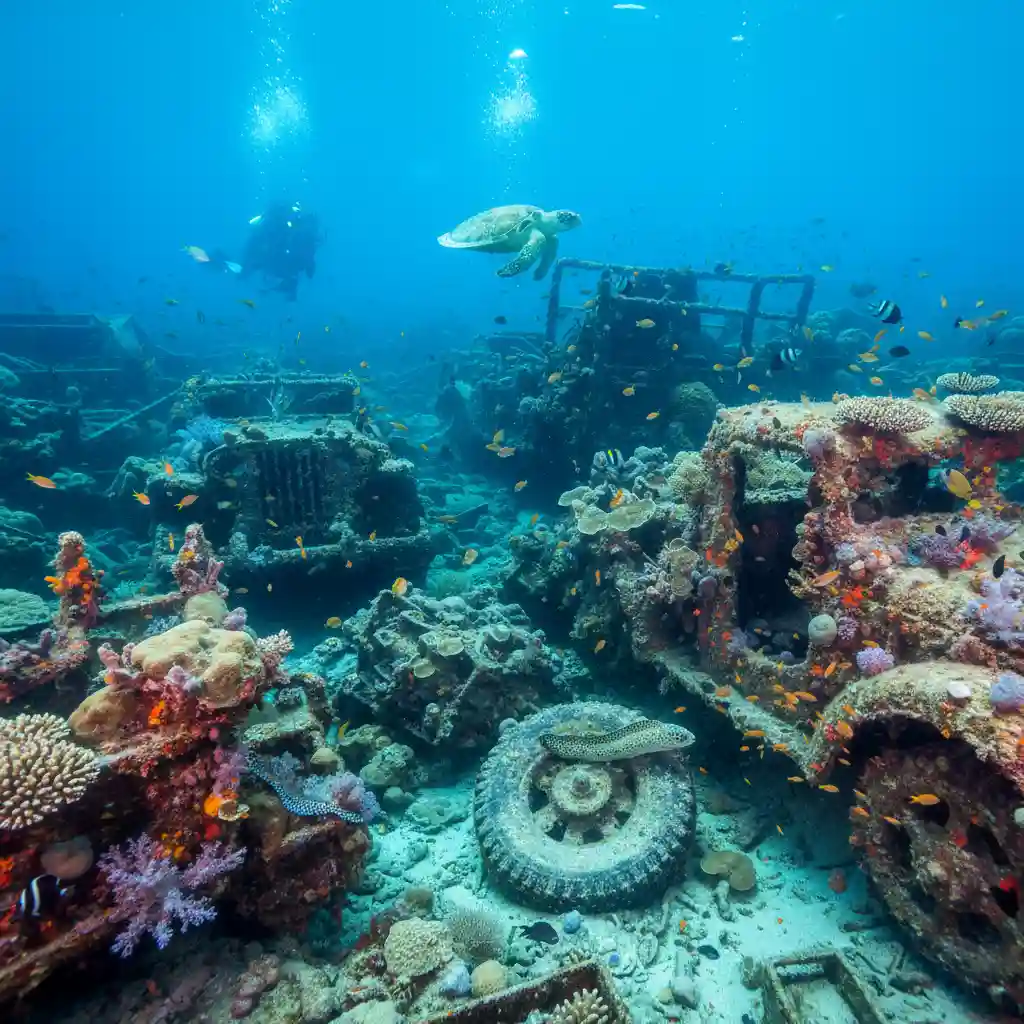
From War Salvage to Marine Haven: Diving Million Dollar Point
Diving Million Dollar Point is an extraordinary journey through an underwater junkyard turned vibrant ecosystem. The entry is typically from the beach, making it an easy and accessible dive for individuals or groups. As you descend, the landscape quickly transforms into a sprawling field of wartime remnants, with layers of machinery piled upon each other. Jeeps and trucks are easily identifiable, their chassis now serving as foundations for burgeoning coral colonies. Bottles and crates lie scattered amongst larger items, each holding a piece of history.
Over the decades, hard and soft corals have extensively colonized the metal structures, transforming rusting machinery into colourful, living sculptures. This site is particularly rich in macro life; divers often spot pipefish, various species of nudibranchs, crabs, and a multitude of small reef fish hiding amongst the relics. Larger fish, such as groupers and snappers, also patrol the area, attracted by the abundant smaller prey. The ever-present historical context, combined with the site’s thriving biodiversity, makes Million Dollar Point a captivating dive that appeals to both history enthusiasts and marine life observers. It serves as a powerful testament to the ocean’s ability to repurpose and integrate even the most unusual of human intrusions, creating new habitats and fostering life where none was intended.
Choosing the Right Dive Operator in Santo: Your Gateway to Adventure
Selecting a reputable and experienced dive operator in Espiritu Santo is paramount for a safe and enjoyable Vanuatu diving experience, especially when planning to explore complex sites like the SS President Coolidge. Given the depths and penetration opportunities of the Coolidge, having a knowledgeable guide who understands the wreck’s intricacies and safety protocols is essential. For Million Dollar Point, while less challenging, a good operator enhances the experience by providing historical context and pointing out key features.
When choosing an operator, consider their safety record, the quality and maintenance of their equipment, and the experience and certifications of their dive guides. Look for PADI or SSI affiliated centres that offer a range of courses, demonstrating their commitment to professional standards. Enquire about their group sizes; smaller groups often mean more personalized attention. Also, check reviews from other divers, particularly those from New Zealand, to gauge their reputation and service quality. A good operator will also provide comprehensive briefings, ensure proper buddy checks, and prioritize diver comfort and enjoyment. They can also assist with logistics, such as transportation to dive sites and equipment rental. Ensure they are well-versed in local marine conditions and can adapt plans if necessary due to weather or currents. Your chosen operator will be your primary link to the underwater wonders of Santo, so choose wisely to maximize your adventure.
Beyond Wrecks: Discovering the Vibrant Coral Reefs of Efate and Beyond
While Espiritu Santo is famous for its historical wrecks, Vanuatu’s capital island, Efate, and its surrounding waters offer equally captivating, albeit different, underwater experiences focusing on vibrant coral reefs. Easily accessible from Port Vila, Efate’s dive sites boast healthy hard and soft coral gardens, teeming with a diverse array of tropical fish. These sites are generally shallower and less current-prone than many wreck dives, making them perfect for less experienced divers, snorkelers, and those seeking a more relaxed reef exploration.
Efate’s reefs are characterized by dramatic underwater topography, including walls, swim-throughs, and sandy patches that create varied habitats. The clarity of the water around Efate is consistently excellent, providing superb visibility for observing marine life in its natural environment. Divers can expect to encounter colourful reef fish such as anemonefish, parrotfish, angelfish, and various species of butterflyfish. Keep an eye out for moray eels peering from crevices, graceful sea turtles gliding by, and the occasional reef shark patrolling the outer edges of the reefs. The healthy ecosystem also supports a rich macro life, including numerous nudibranchs and crustaceans, adding another layer of discovery to each dive. Efate serves as a perfect complement to the wreck diving of Santo, showcasing the broader spectrum of Vanuatu’s underwater biodiversity.
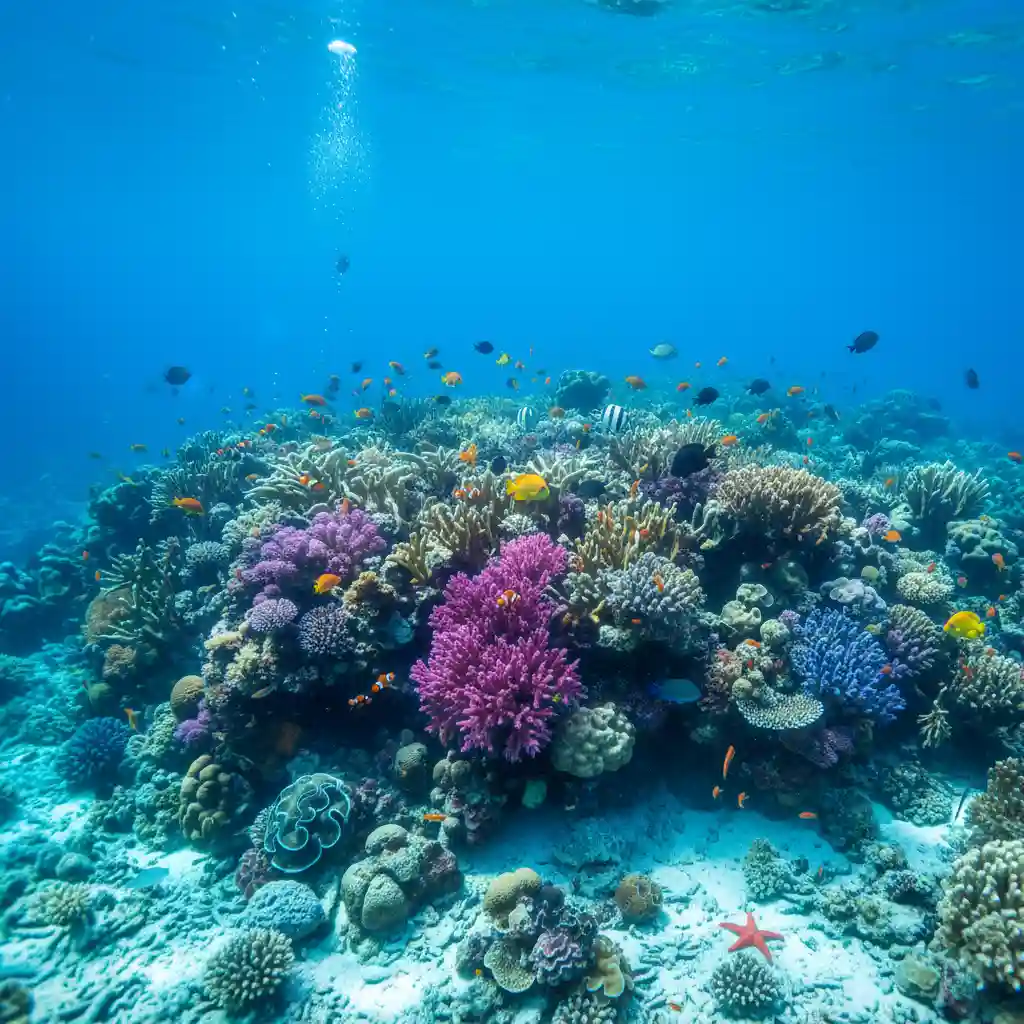
Port Vila’s Underwater Wonders: Accessible Reefs and Macro Life
Port Vila, Efate’s bustling capital, serves as a convenient base for exploring a variety of accessible and beautiful dive sites. Many operators are located directly in or near Port Vila, offering short boat trips to fantastic reefs. Sites like ‘Starfish Reef’ and ‘Twin Bommies’ are renowned for their abundant hard and soft corals and schools of resident reef fish. ‘Fungus Reef’ is another popular spot, offering a chance to see small sharks, turtles, and barracudas, along with its namesake mushroom corals.
For those interested in unique macro photography opportunities, Efate’s reefs often reveal fascinating smaller creatures. Nudibranchs in a kaleidoscope of colours are frequently spotted, as are various types of crabs, shrimps, and pipefish tucked away in the coral branches. The easy access and relatively calm conditions make these sites ideal for multiple dives in a day, allowing divers to relax and thoroughly enjoy the beauty of the South Pacific’s coral ecosystems. Furthermore, some sites around Port Vila also feature small, shallower wrecks, providing a gentle introduction to wreck diving in a less demanding environment, such as the MV Semle Federsen, offering another layer of exploration just minutes from the city.
Embarking on Your Underwater Journey: Scuba Diving Courses in Vanuatu
Vanuatu isn’t just for experienced divers; it’s an exceptional place to learn to dive or to advance your existing certifications. With its warm, clear waters, diverse marine environments, and professional dive operators, the archipelago provides an ideal classroom for all levels of scuba education. Whether you’re a complete beginner eager to take your first breath underwater or an experienced diver looking to master advanced techniques like wreck penetration, Vanuatu has a course tailored for you.
Numerous PADI and SSI certified dive centres are spread across the main islands, particularly in Espiritu Santo and Efate. These centres offer a full spectrum of courses, from introductory ‘Discover Scuba Diving’ experiences, which don’t require certification, to Open Water Diver courses that provide your first full certification. The advantage of learning in Vanuatu is the immediate access to incredible dive sites, meaning your training dives often occur in environments that other divers travel the world to see. Imagine completing your Open Water certification dives on a vibrant reef teeming with tropical fish, or even having your first introduction to wreck diving on a smaller, shallower vessel before tackling the mighty Coolidge.
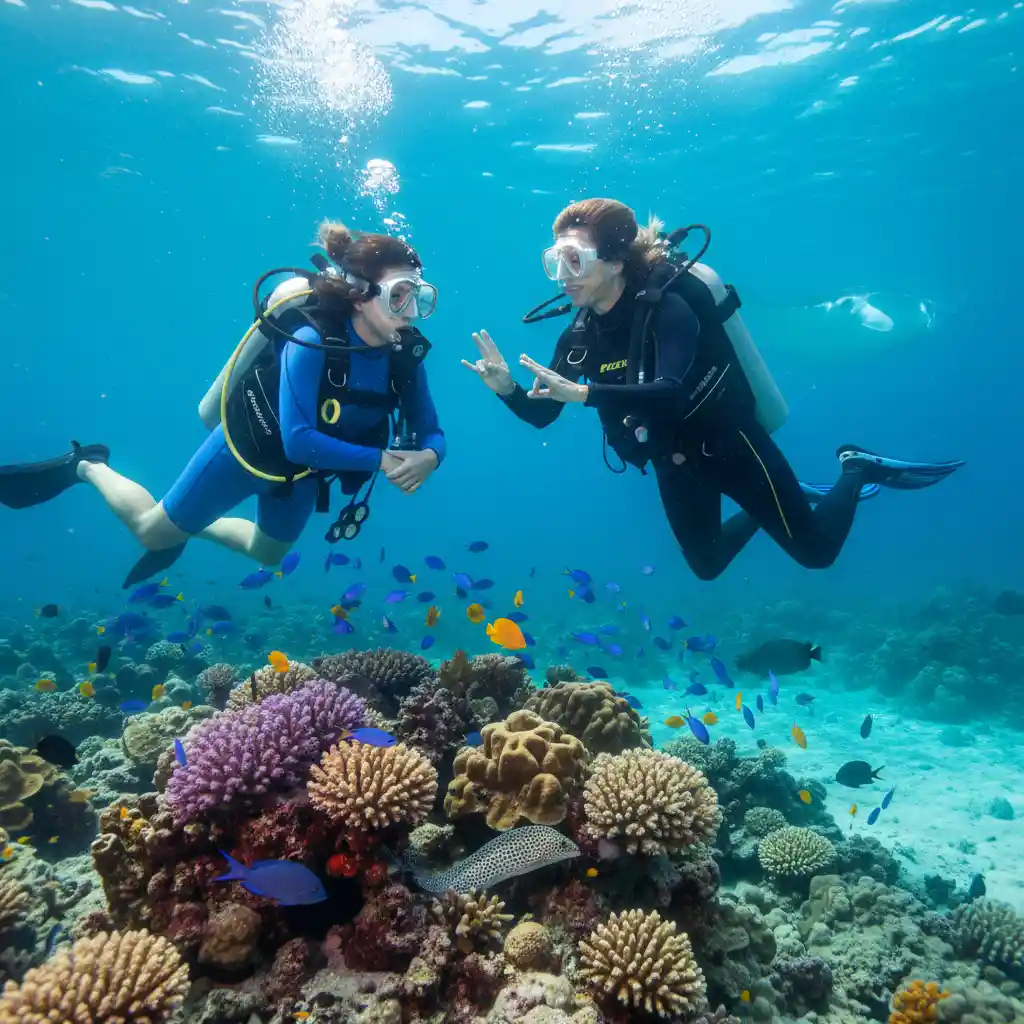
From Open Water to Advanced Wreck Diving: Certifications Available
For beginners, the **Open Water Diver** course typically takes 3-4 days and provides the fundamental skills and knowledge to dive safely and independently. Upon completion, you’ll be certified to dive to 18 metres. For those looking to explore deeper and gain more experience, the **Advanced Open Water Diver** course is the next step, expanding your depth limit to 30 metres and introducing you to specialty dives such as deep diving, navigation, and night diving. This course is particularly beneficial for those eyeing the deeper sections of the SS President Coolidge.
Vanuatu truly excels in offering specialized courses. Given the iconic wrecks, the **PADI Wreck Diver Specialty** is highly sought after here. This course teaches the skills and knowledge required to safely explore wrecks, including planning, equipment considerations, and penetration techniques. For the ultimate Coolidge experience, many divers also pursue the **Deep Diver Specialty** or even technical diving certifications, allowing them to explore the deepest reaches of the ship. Other popular specialties include Underwater Photography, Enriched Air Diver (Nitrox) for extended bottom times, and Coral Reef Conservation, allowing divers to not only enjoy but also contribute to the protection of Vanuatu’s marine ecosystems. Learning in Vanuatu provides hands-on experience in truly world-class environments, making your certification journey an adventure in itself.
Planning Your Vanuatu Dive Trip from New Zealand
For New Zealand divers, planning a trip to Vanuatu is a straightforward and rewarding endeavour. Direct flights are available from Auckland to Port Vila (Efate), typically taking around three hours. From Port Vila, domestic flights to Luganville on Espiritu Santo are frequent and short, making it easy to access the famous wreck diving sites. It’s advisable to book these domestic transfers in conjunction with your international flights, especially during peak season, which generally runs from April to October, offering cooler, drier weather and excellent visibility.
Accommodation options in Vanuatu range from luxury resorts to budget-friendly guesthouses on both Efate and Santo. Many dive operators also partner with accommodations, or offer packages that include both diving and lodging. When packing, remember light, breathable clothing, reef-safe sunscreen, insect repellent, and your essential dive gear (though rental gear is readily available). Ensure your dive insurance is up to date, and consider travel insurance that covers diving activities, including potential medical emergencies or evacuation. Local currency is the Vatu (VUV), but Australian Dollars are often accepted in tourist areas. It’s also wise to check the latest entry requirements and health guidelines for Vanuatu well in advance of your departure. By planning ahead, New Zealand divers can ensure a seamless and unforgettable journey to one of the Pacific’s most spectacular underwater destinations.
Vanuatu truly offers a dive experience unlike any other, merging historical exploration with vibrant marine biodiversity. From the monumental SS President Coolidge to the unique Million Dollar Point and the healthy coral reefs of Efate, the archipelago promises an unforgettable adventure for every level of diver. Start planning your journey now to discover the submerged wonders of Vanuatu.
People Also Ask (PAA)
What is the best time of year to dive in Vanuatu?
The best time to dive in Vanuatu is generally during the dry season, from April to October. During these months, the weather is cooler and drier, and the water visibility is typically at its best, often exceeding 30 metres. Water temperatures remain warm, usually between 24-28°C, making for comfortable diving conditions.
Is the SS President Coolidge suitable for all levels of divers?
While experienced Open Water divers can explore the shallower parts of the SS President Coolidge, the wreck generally requires Advanced Open Water certification due to its depth (20-70m) and the potential for penetration. Many operators recommend or require Wreck Diver and/or Deep Diver specialties for comprehensive exploration.
What kind of marine life can I expect to see in Vanuatu?
Vanuatu’s dive sites are home to a diverse array of marine life, including large schools of trevally, barracuda, and reef sharks around wrecks. Reefs teem with colourful tropical fish like parrotfish, angelfish, anemonefish, as well as moray eels, sea turtles, nudibranchs, and various crustaceans.
Do I need to bring my own dive gear to Vanuatu?
While many divers prefer to bring their own mask, fins, and wetsuit for comfort, reputable dive operators in Vanuatu offer high-quality rental gear, including BCDs, regulators, and tanks. It’s advisable to check with your chosen dive centre in advance regarding rental options and costs.
Can I learn to scuba dive in Vanuatu?
Yes, Vanuatu is an excellent place to learn to scuba dive. Many PADI and SSI certified dive centres on Espiritu Santo and Efate offer ‘Discover Scuba Diving’ experiences and full Open Water Diver certification courses, conducted in beautiful, clear waters with professional instructors.
How do I get to Espiritu Santo from Port Vila?
To get to Espiritu Santo from Port Vila (Efate), you can take a domestic flight from Port Vila’s Bauerfield International Airport (VLI) to Luganville’s Pekoa International Airport (SON) on Espiritu Santo. Flights are frequent and typically take around 45-60 minutes.