
Vanuatu food markets are vibrant hubs of local commerce, culture, and cuisine, offering visitors an immersive experience into the heart of Ni-Vanuatu life. These bustling marketplaces, particularly in Port Vila and Luganville, are renowned for their abundant fresh tropical produce, traditional street food, and unique artisan crafts, providing an unparalleled glimpse into the islands’ agricultural richness and culinary traditions and supporting local communities.
What are Vanuatu’s Premier Food Markets?
Vanuatu’s food markets are more than just places to buy provisions; they are vibrant social institutions where local culture, commerce, and community converge. These markets are typically run by women, known affectionately as ‘mamas,’ who bring produce and prepared foods from their villages to sell. The two most prominent markets are found in the country’s main urban centres: Port Vila on Efate Island and Luganville on Espiritu Santo Island. Each offers a distinct flavour of Ni-Vanuatu life, yet both share a common thread of warmth, authenticity, and an abundance of fresh, organic offerings.
Port Vila’s Mama’s Market: A Daily Deluge of Delights
What is Port Vila’s Mama’s Market known for? Port Vila’s Central Market, affectionately known as ‘Mama’s Market,’ is the largest and most famous of Vanuatu’s food markets, operating daily from early morning until late afternoon, even overnight on Fridays. Located conveniently on the waterfront, it is an indispensable part of any visit to the capital. The market is a sensory feast, with vibrant colours, earthy aromas, and the lively chatter of vendors and shoppers. Here, you’ll find an astonishing array of fresh tropical fruits, organic vegetables, and staple root crops displayed with meticulous care. Beyond produce, various stalls offer freshly caught seafood, colourful flowers, and an increasing selection of ready-to-eat local dishes and baked goods. It’s not just a shopping destination; it’s a dynamic cultural experience, providing insight into the daily rhythm of life in Vanuatu and the tireless efforts of the ‘mamas’ who sustain their communities through these sales.

Luganville’s Market: Santo’s Culinary Heartbeat
How does Luganville’s Market compare to Port Vila’s? While smaller and perhaps less frenetic than its Port Vila counterpart, Luganville’s Market on Espiritu Santo offers an equally authentic and captivating experience. This market is a vital economic and social hub for the northern islands of Vanuatu, reflecting Santo’s rich agricultural diversity and slightly more laid-back pace. It is also open daily, though Saturdays tend to be the busiest and most vibrant days, with villagers travelling from across the island to sell their wares. Here, the focus remains firmly on fresh, local produce, often featuring unique varieties specific to Espiritu Santo. You’ll discover a bountiful selection of root crops, tropical fruits, and freshly harvested greens, along with local spices and sometimes unique artisanal crafts. The atmosphere is warm and welcoming, providing an intimate glimpse into the rhythms of rural Ni-Vanuatu life and the strong community bonds that define the island.
What Fresh Produce Can You Find at Vanuatu Food Markets?
The abundance of fresh produce available at Vanuatu food markets is a testament to the islands’ fertile volcanic soil and traditional farming practices, which are largely organic by default. Visitors can expect a colourful and nutritious bounty, much of which is harvested fresh from small family plots on the same day it’s sold. Exploring the produce section is an adventure in itself, allowing you to discover new flavours and appreciate the foundation of Ni-Vanuatu cuisine.
Staple Root Crops: The Foundation of Ni-Vanuatu Cuisine
What are the essential root crops in Vanuatu cuisine? Root crops form the backbone of the Ni-Vanuatu diet, providing essential carbohydrates and sustenance. At the markets, you’ll encounter a fascinating variety of these starchy staples. Taro (Colocasia esculenta), with its distinctive purplish veins and nutty flavour, is incredibly versatile and often mashed or boiled. Yam (Dioscorea spp.) comes in numerous varieties, from the smooth and white to the rougher, darker-skinned types, all prized for their dense texture and earthy taste. Cassava (Manihot esculenta), also known as manioc, is a hardy root often grated and used in dishes like laplap. Finally, Kumala (Ipomoea batatas), the local sweet potato, is a sweeter alternative, roasted or boiled. These crops are not merely food items; they are culturally significant, often exchanged in traditional ceremonies and central to communal meals, representing the deep connection between the land and its people.
Exotic Fruits: A Tropical Feast for the Senses
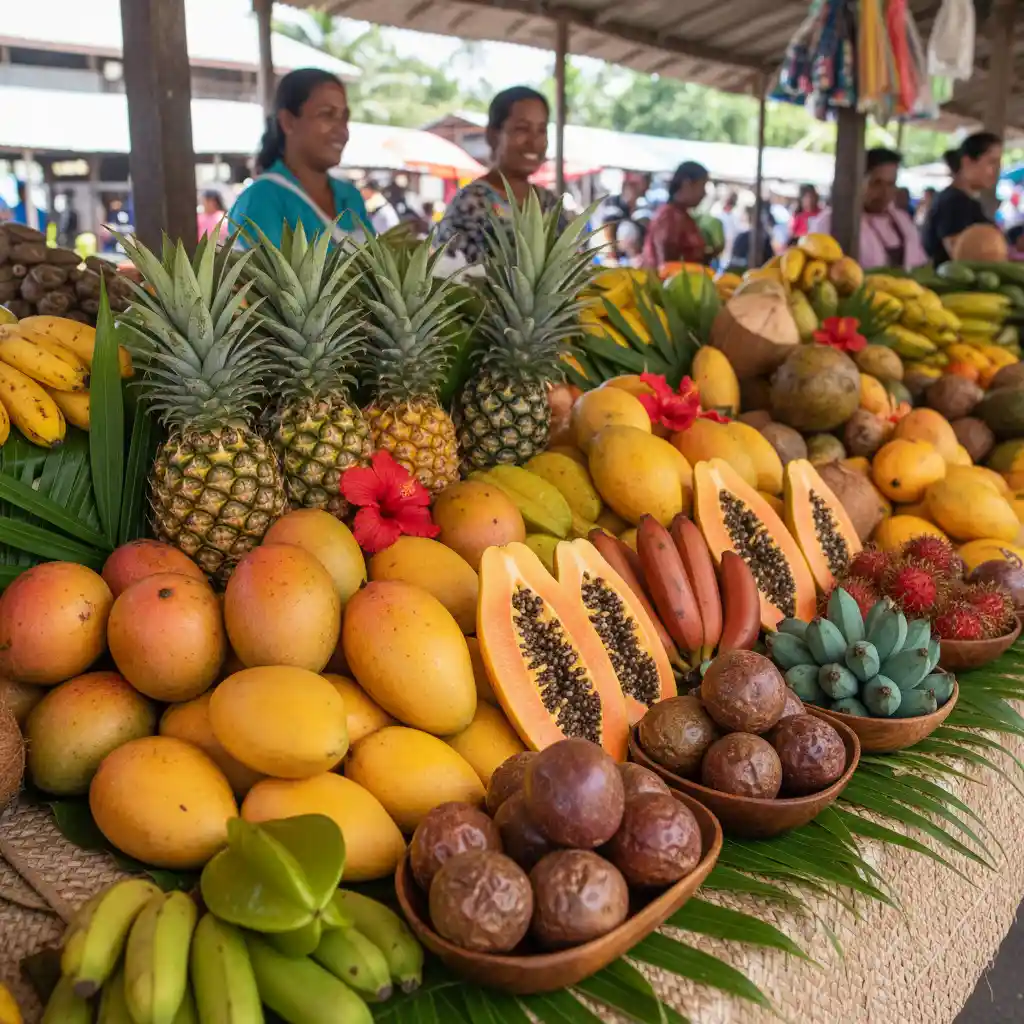
What tropical fruits are abundant in Vanuatu’s markets? Vanuatu’s tropical climate ensures a year-round supply of exotic fruits, though specific varieties might be seasonal. You’ll find ripe, succulent papaya and golden pineapples, often sweeter and juicier than those found in temperate climates. Lush mangoes are a seasonal highlight, as are tart passionfruit and the unique, slightly custard-like soursop. Breadfruit, a starchy fruit often cooked like a vegetable, is also common. Various types of bananas, from small, sweet ladyfingers to larger cooking varieties, are always available. And, of course, fresh coconuts are ubiquitous, sold both for their refreshing water and their rich, versatile flesh. Don’t miss the opportunity to try lesser-known local fruits, often with intriguing flavours and textures, offered directly from the producers.
Leafy Greens and Local Vegetables: Fresh from the Garden
Which leafy greens and vegetables are common at Vanuatu markets? Beyond the staples, Vanuatu food markets offer a diverse selection of leafy greens and local vegetables. A standout is island cabbage, locally known as ‘bele’ (Abelmoschus manihot), a highly nutritious green often cooked in coconut milk. You’ll also find fresh kangkong (water spinach), various local spinach varieties, and common vegetables like eggplants, tomatoes, cucumbers, and spring onions. The emphasis here is on freshness and natural cultivation, with most produce grown without chemical pesticides or fertilisers, making it a healthy and sustainable choice. This direct farm-to-table model ensures that you’re getting the freshest possible ingredients, bursting with flavour and natural goodness.
What Local Snacks and Street Food Are Available?
While the primary focus of Vanuatu food markets is fresh produce, many stalls also offer a tantalising array of local snacks and street food, providing a convenient way to sample authentic Ni-Vanuatu cuisine. These prepared foods are often cooked using traditional methods and ingredients, offering a true taste of the islands. For travellers interested in cultural immersion, trying these local delicacies is an absolute must, bridging the gap between raw ingredients and cooked culinary heritage.
Taste of Tradition: Savory Delights
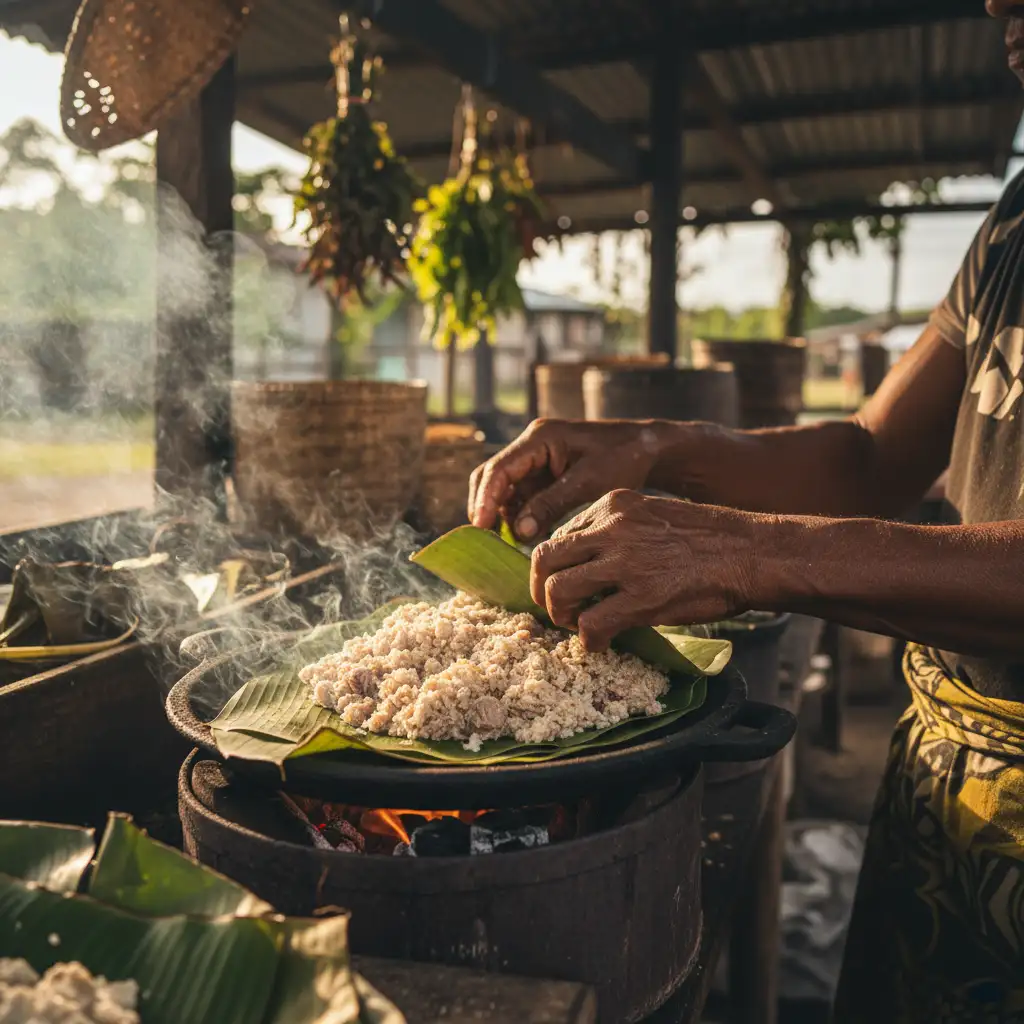
What are Vanuatu’s traditional savory street food options? The quintessential Ni-Vanuatu dish, laplap, is often available at markets, particularly on busier days. Laplap is a rich, dense pudding made from grated root crops (taro, yam, or cassava) mixed with coconut cream, wrapped in large leaves, and cooked for hours in an earth oven (hangi or lovo). It typically includes pieces of meat (chicken, pork, or beef) or fish, offering a complex, earthy flavour. Another popular savoury snack is tuluk, a smaller, often individual-sized parcel similar to laplap but usually with a more distinct meat filling, often pork, and wrapped in banana leaves. You might also find stalls selling barbecued fish, chicken pieces, or boiled root crops, sometimes served with a simple relish or coconut dressing. These options provide a hearty and authentic meal on the go, showcasing the rich, comforting flavours of the islands.
Sweet Treats: Indulging in Island Flavors
Are there any sweet treats or desserts available at Vanuatu food markets? For those with a sweet tooth, Vanuatu food markets also offer a selection of delightful island treats. Freshly squeezed tropical fruit juices, particularly pineapple, orange, or passionfruit, are incredibly refreshing in the humid climate. You’ll often find stalls selling various coconut-based sweets, ranging from simple grated coconut mixed with sugar and sometimes a hint of ginger, to more elaborate puddings or cakes incorporating local fruits. Small, often individually wrapped portions of steamed or baked sweet potato or banana might also be available, providing a natural and wholesome sugary snack. These treats offer a lighter counterpoint to the savoury staples and highlight the versatility of local ingredients, particularly the ubiquitous coconut and the abundant tropical fruits, providing a satisfying conclusion to your culinary market exploration.
Are There Handicrafts and Souvenirs at Vanuatu Food Markets?
While the primary draw of Vanuatu food markets is undoubtedly the fresh produce and local cuisine, many also feature dedicated sections or individual stalls selling a charming array of handicrafts and souvenirs. These items are often produced by local artisans and provide an excellent opportunity to purchase unique, authentic mementos while directly supporting the communities that create them. The integration of crafts alongside food highlights the markets as true centres of community life, offering more than just culinary delights.
Artisan Crafts: Beyond the Culinary
What types of artisan crafts can be found at Vanuatu food markets? At the major Vanuatu food markets, particularly Port Vila’s, you’ll discover a variety of artisan crafts that reflect the rich cultural heritage of the islands. Hand-woven baskets and mats, meticulously crafted from pandanus or coconut leaves, are both beautiful and practical. Intricately carved wooden artifacts, often depicting traditional figures, animals, or tribal symbols, showcase the Ni-Vanuatu skill in woodworking. Shell jewellery, from delicate necklaces to larger statement pieces, utilises the natural bounty of the surrounding ocean. Traditional clothing items, such as brightly coloured sarongs or smaller woven accessories, are also popular. Each piece tells a story of local traditions and craftsmanship, making them meaningful souvenirs. These crafts are not mass-produced; they are often made by hand within the villages, ensuring their authenticity and unique character.

Practical Souvenirs: Bringing Vanuatu Home
What practical souvenirs or local products are available at Vanuatu markets? Beyond decorative crafts, Vanuatu food markets are also excellent places to find practical souvenirs and local products that you can enjoy long after your trip. High-quality vanilla pods, often grown organically on the islands, are a popular purchase for their intense aroma and flavour. You might also find local spices, such as turmeric or ginger, sold fresh. Pure, cold-pressed coconut oil, made locally, is highly sought after for its culinary and cosmetic uses. For those interested in traditional beverages, some stalls may sell ceremonial kava powder, though visitors should exercise caution and research its consumption and import regulations. These items offer a tangible taste or touch of Vanuatu to bring back, allowing you to incorporate a piece of the island’s natural bounty into your daily life.
Tips for Visiting Vanuatu Food Markets
To fully enjoy and appreciate the vibrant atmosphere and rich offerings of Vanuatu food markets, a little planning and cultural awareness can go a long way. These markets are deeply ingrained in local life, and understanding their rhythms and etiquette will enhance your experience, allowing for more meaningful interactions and discoveries. Respecting local customs and embracing the unique island pace are key to a rewarding visit.
When to Visit for the Best Experience
What is the best time to visit Vanuatu food markets? For the freshest produce and the most bustling atmosphere, aim to visit the Vanuatu food markets early in the morning, especially on Saturdays. In Port Vila, Friday night through Saturday morning is particularly lively, as many vendors come from outer villages and stay overnight. While the markets are open daily, the selection might diminish later in the afternoon, particularly for popular items. Weekday mornings still offer a good variety but with fewer crowds, providing a more relaxed shopping experience. For Luganville, Saturday is also the peak day, offering the widest range of goods and the most vibrant community feel. Arriving early ensures you get the pick of the crops and can observe the market waking up.
Haggling and Etiquette
Is haggling customary at Vanuatu food markets? Unlike some other markets around the world, haggling is generally not expected or customary for fresh produce at Vanuatu food markets. Prices for fruits, vegetables, and root crops are typically fixed and very reasonable, reflecting the local economy and the hard work of the ‘mamas.’ Vendors set fair prices, and attempting to bargain aggressively can be seen as disrespectful. However, for handicrafts or larger artisanal items, polite negotiation might be acceptable, but always approach with a friendly smile and a respectful tone. Always ask permission before taking photographs, especially of people, and be prepared for a warm ‘yes’ or a polite ‘no.’ Dress modestly, especially in more rural market settings, to show respect for local customs.
Sustainability and Supporting Local
How can visitors support sustainability and local communities at Vanuatu markets? Visiting Vanuatu food markets is inherently a way to support local communities and sustainable practices. Most produce is grown organically in small village gardens, reducing carbon footprints and promoting biodiversity. To further enhance your positive impact, consider bringing your own reusable shopping bags to minimise plastic waste, as plastic bags are still common. Choose to purchase from a variety of stalls to spread your support among different vendors. Engage with the ‘mamas’ – even a simple ‘halo’ (hello) or ‘tank yu tumas’ (thank you very much) in Bislama can go a long way in fostering positive interactions. By consciously buying local and being mindful of your waste, you contribute directly to the economic well-being and environmental health of these beautiful islands.
People Also Ask
What is the main food in Vanuatu?
The main food in Vanuatu revolves around staple root crops like taro, yam, cassava, and kumala (sweet potato), often accompanied by local greens, fresh seafood, and coconut milk. Laplap, a dense pudding made from grated root crops and coconut cream, is considered the national dish.
What is laplap made of?
Laplap is typically made from grated root crops such as taro, yam, or cassava, mixed with coconut cream. It often contains pieces of meat (pork, chicken, or beef) or fish, all wrapped in large leaves (like banana or taro leaves) and cooked in a traditional earth oven (lovo or hangi).
Are there supermarkets in Port Vila?
Yes, Port Vila has several modern supermarkets, including Au Bon Marché stores, which offer a wide range of local and imported groceries, fresh produce, and household items. While convenient, the local food markets provide a more authentic and often fresher selection of local produce.
What is the best market in Vanuatu?
The Port Vila Central Market, often called ‘Mama’s Market,’ is widely considered the best and most vibrant market in Vanuatu. It operates daily, offers the widest selection of fresh produce, street food, and handicrafts, and provides an immersive cultural experience for visitors.
Is it safe to eat street food in Vanuatu?
Eating street food in Vanuatu markets is generally considered safe, as many vendors prepare food fresh daily with local ingredients. However, as with any travel, it’s advisable to choose stalls that appear clean, have a high turnover of customers, and where food is visibly cooked fresh and kept hot. Trust your judgment.
What spices are grown in Vanuatu?
Vanuatu grows several spices, with vanilla being one of the most significant and widely available in local markets. Other spices that can be found include ginger, turmeric, and occasionally chili, often grown on smallholder farms for local consumption and sale.