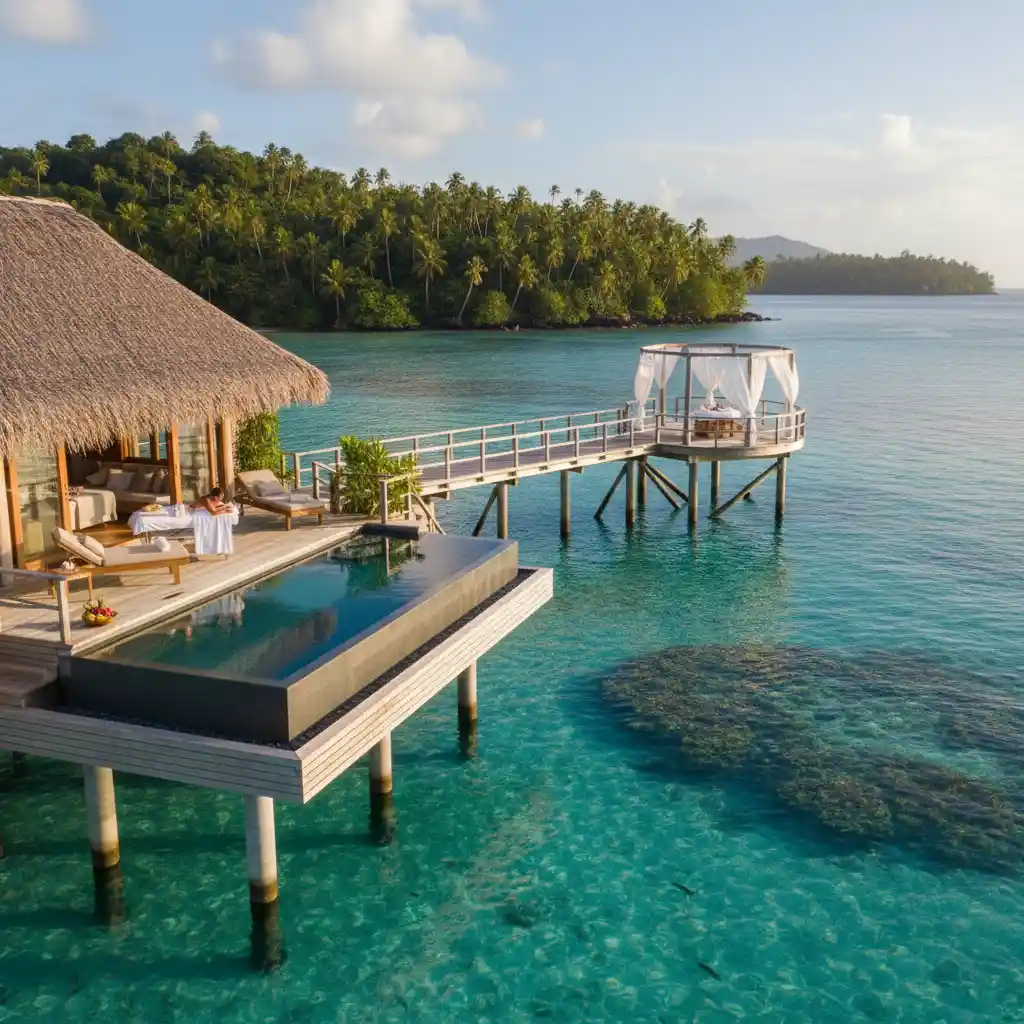
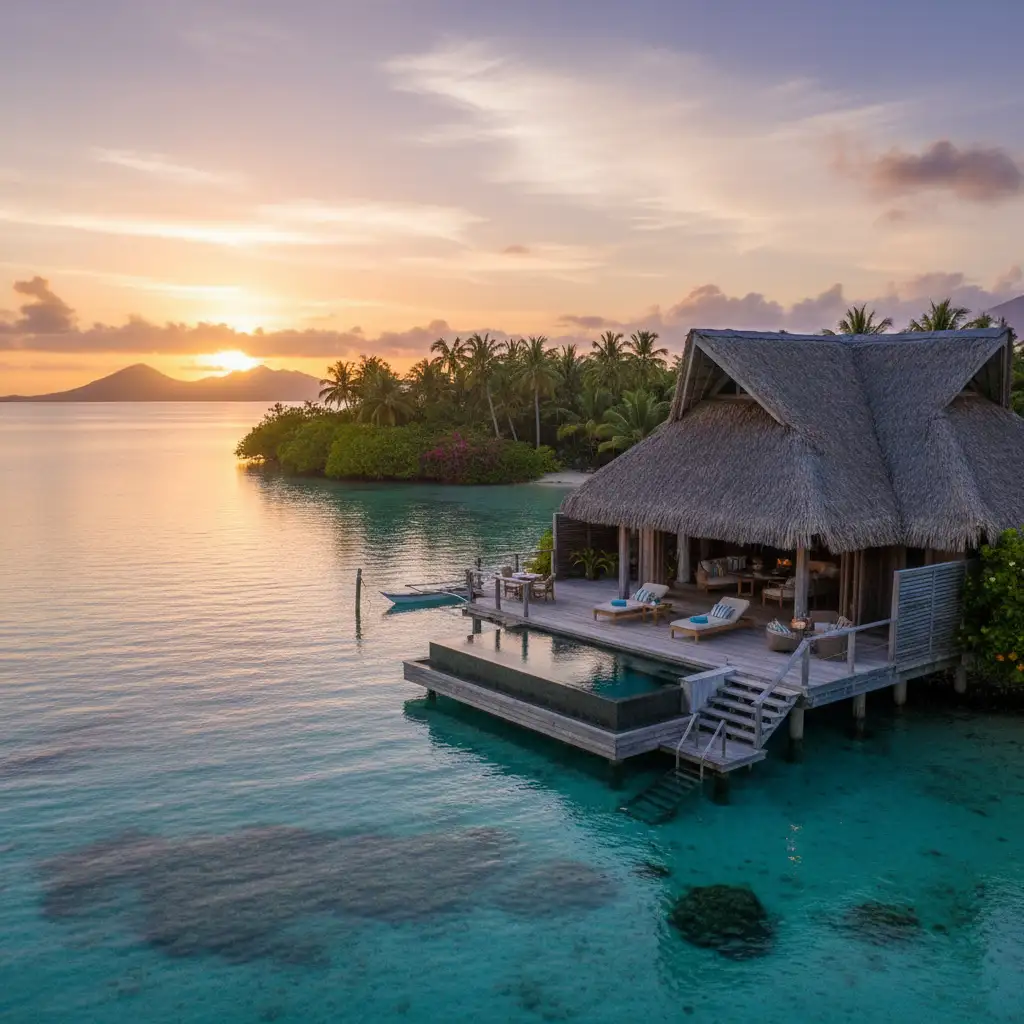
Overwater bungalows Vanuatu offer a secluded, luxury escape characterized by direct lagoon access, panoramic ocean views, and traditional Melanesian architecture. Primarily located on Efate Island near Port Vila, these accommodations provide high-value travelers from Australia and New Zealand an accessible alternative to the Maldives with authentic island hospitality and world-class snorkeling.
Top Overwater Resorts in Vanuatu
Vanuatu’s selection of overwater bungalows is curated and exclusive, focusing on quality and immersion rather than mass-market volume. For travelers seeking the quintessential experience of waking up to the sound of water lapping beneath their floorboards, several key properties stand out as the gold standard in the region.
Holiday Inn Resort Vanuatu: The Icon of Erakor Lagoon
The Holiday Inn Resort Vanuatu is perhaps the most famous provider of overwater accommodation in the country. Located on its own private island within Erakor Lagoon, the resort features a dedicated wing of overwater villas designed specifically for couples and honeymooners. These bungalows are positioned to maximize privacy while offering sweeping views of the turquoise lagoon. Each unit is built with high vaulted ceilings and natural materials that reflect the local Ni-Vanuatu culture. The direct balcony access allows guests to slip into the warm waters for a morning swim without ever leaving their suite. For Australian and New Zealander travelers, this resort offers a familiar brand of service with a distinctly tropical twist.
Warwick Le Lagon – Vanuatu: Luxury and Tradition
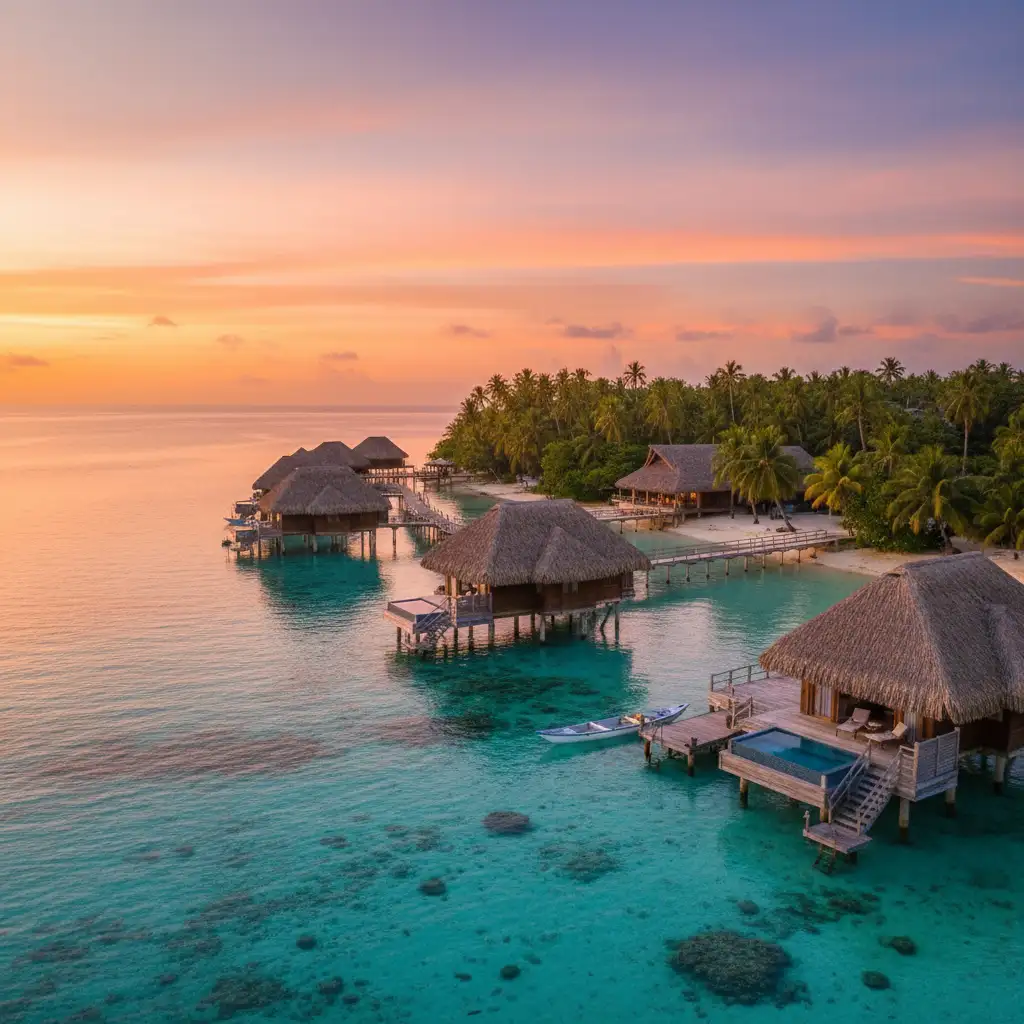
Warwick Le Lagon is a sprawling estate that has long been a favorite for high-value segments. While the resort offers various room types, its overwater villas are the crown jewels. These villas are situated at the edge of the lagoon, offering a sense of floating on the Pacific. The architecture incorporates intricate woodwork and thatched roofing, providing an organic feel that contrasts beautifully with the modern luxury found inside. Guests here often highlight the ‘Overwater Island Palms’ villas, which provide an unobstructed view of the horizon. The resort’s proximity to Port Vila makes it an ideal choice for those who want seclusion without being disconnected from the island’s culinary and cultural heart.
Ramada Resort by Wyndham Akiriki
While primarily known for its high-end apartments, the Ramada Resort features unique waterfront and overwater structures that cater to the modern traveler. These units are designed with a more contemporary aesthetic, utilizing sleek lines and glass to emphasize the connection to the sea. The ‘Akiriki’ experience focuses on wellness and relaxation, making it a top choice for those looking to decompress. The overwater elements here are often integrated with private plunge pools, bridging the gap between a traditional bungalow and a modern luxury villa.
Luxury Amenities and Unique Features
What distinguishes overwater bungalows in Vanuatu from standard hotel rooms is the integration of the marine environment into the living space. Developers in Vanuatu have leaned into the ‘Blue Economy’ of tourism, ensuring that the structures enhance rather than detract from the natural beauty.
Glass Floor Panels and Marine Observation
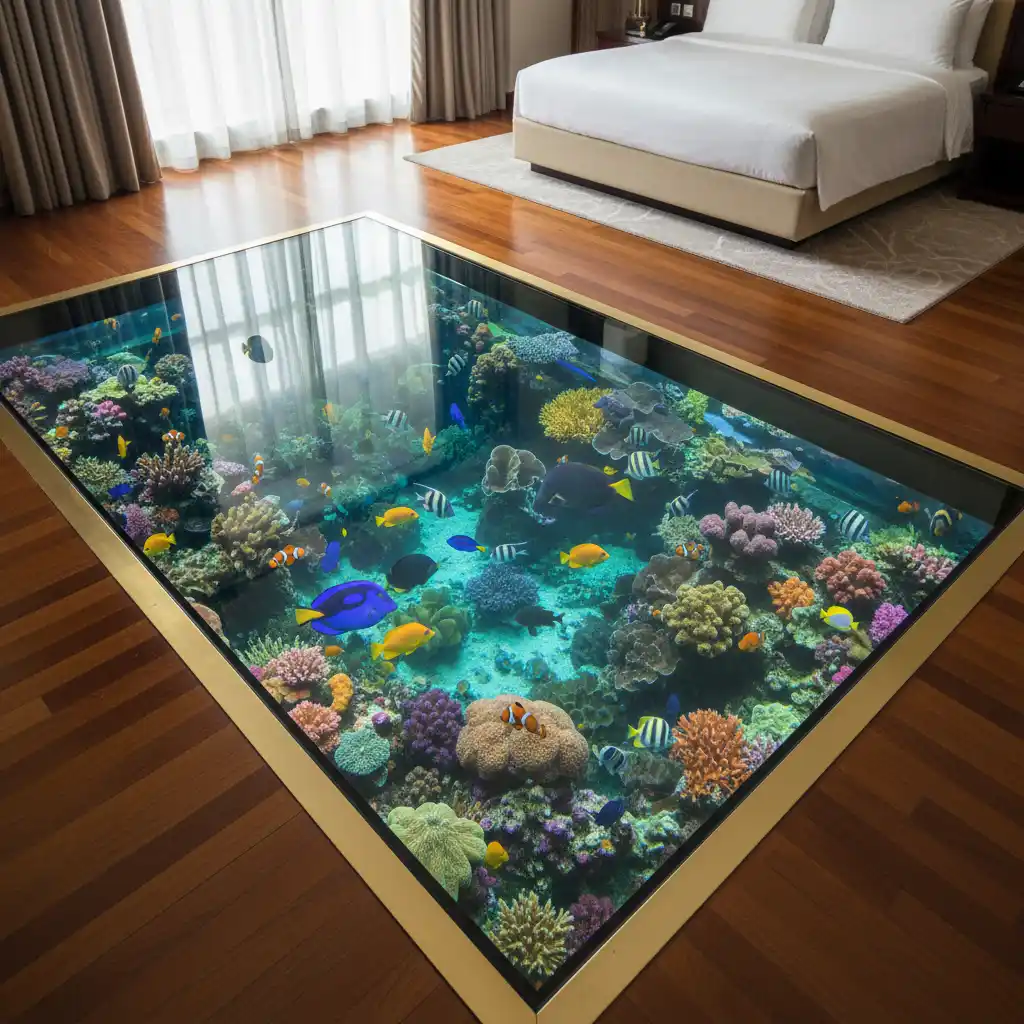
Many overwater villas in Vanuatu feature reinforced glass floor panels. These ‘windows to the sea’ allow guests to observe the vibrant reef life beneath them at all hours. During the day, you might see schools of parrotfish or the occasional sea turtle; at night, the lights from the bungalow attract nocturnal marine species, providing a living aquarium experience in your living room.
Private Decks and Direct Lagoon Access
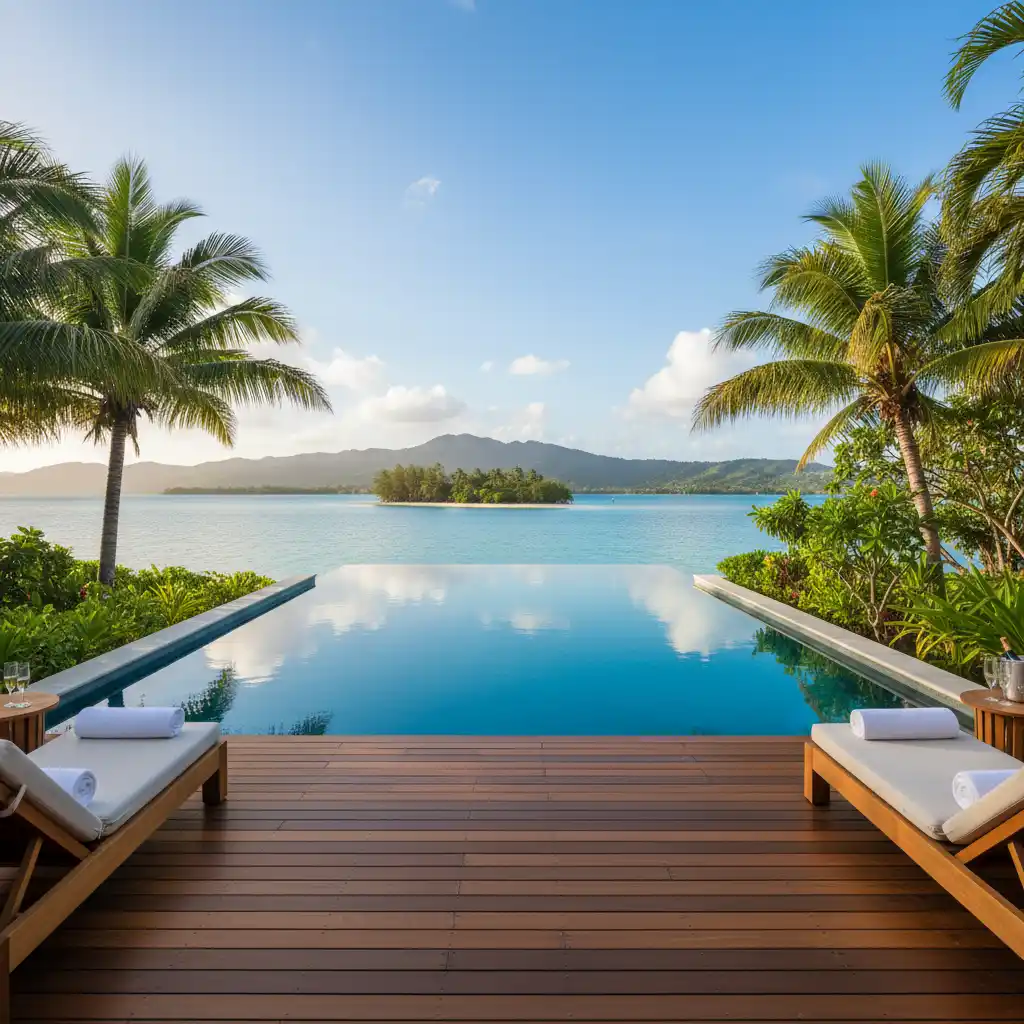
The hallmark of the overwater experience is the private deck. In Vanuatu, these are typically oversized and equipped with sun loungers, outdoor showers, and ladders that lead directly into the lagoon. The water depth around these bungalows is usually managed to be safe for swimming and snorkeling while remaining deep enough to maintain the overwater sensation during low tide. This feature is particularly popular with AU/NZ travelers who value the ability to engage with the ocean spontaneously.
Authentic Melanesian Design Elements
Unlike the homogenized luxury of some Caribbean resorts, Vanuatu’s overwater bungalows celebrate local craftsmanship. Expect to find hand-woven ‘natangura’ leaf roofs, local hardwood flooring, and artwork sourced from nearby villages. This commitment to authenticity ensures that guests feel a sense of place, connecting them to the 80+ islands and diverse cultures of the archipelago.
Pricing and Booking Strategies
Booking an overwater bungalow in Vanuatu requires a strategic approach, as inventory is limited and demand from the Australian and New Zealand markets is consistently high. Pricing typically reflects the exclusivity of the accommodation type.
Average Nightly Rates
For a premium overwater bungalow, prices generally range from $600 to $1,200 AUD per night, depending on the season and the specific resort. This pricing often includes value-added services such as airport transfers, daily breakfast, and non-motorized water sports. Compared to the Maldives, where similar villas can exceed $2,000 AUD per night, Vanuatu offers significant value for money without sacrificing the ‘bucket list’ experience.
When to Book
To secure an overwater villa, it is recommended to book at least 6 to 9 months in advance, especially if your travel dates coincide with Australian school holidays or the peak dry season. Last-minute deals on overwater bungalows are rare due to the limited number of units available at each resort. Using a specialized travel agent or booking directly through the resort’s ‘Stay 5, Pay 4’ offers can often yield the best results.
Best Time to Stay for Optimal Weather
The climate in Vanuatu is tropical, but there are distinct seasons that can significantly impact your overwater experience. Choosing the right time to visit ensures that you can make the most of your private deck and the surrounding waters.
The Dry Season (May to October)
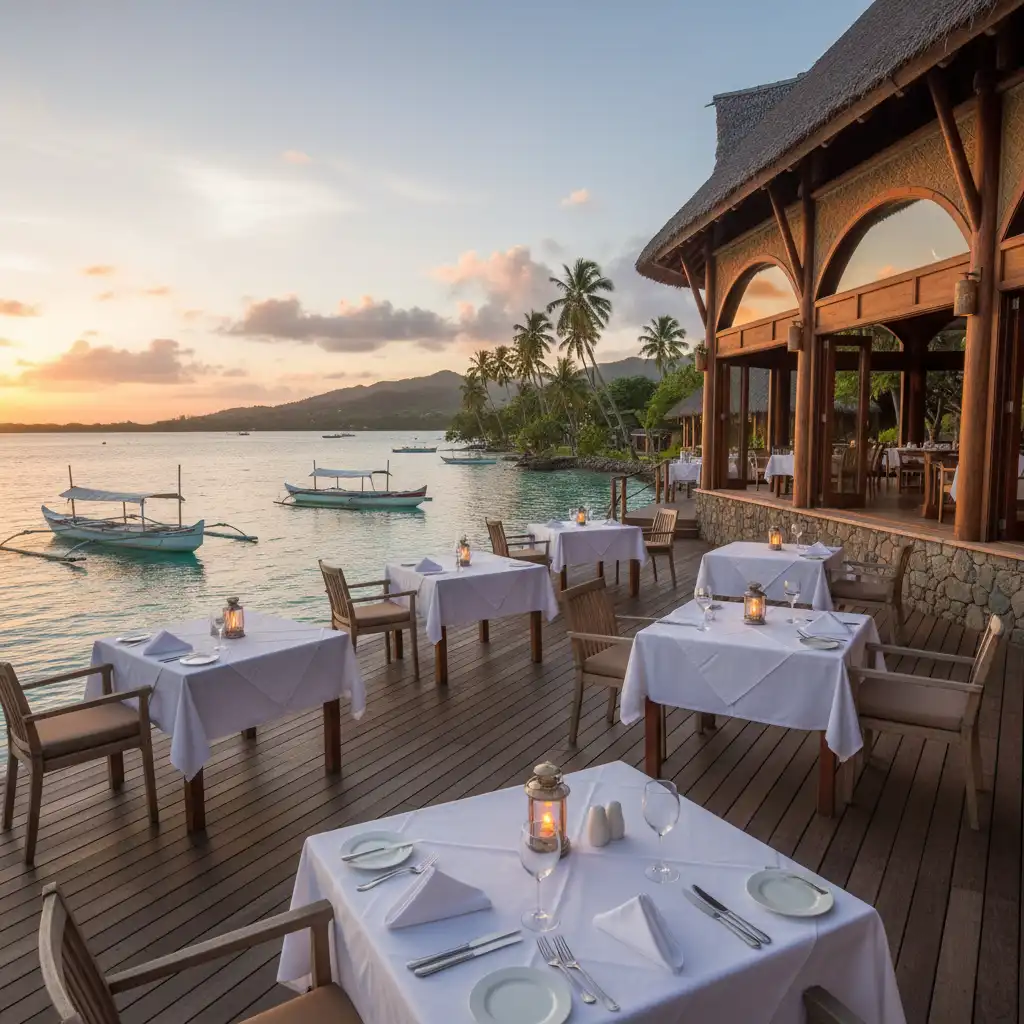
This is widely considered the best time to visit Vanuatu. The weather is cooler and less humid, with temperatures averaging between 22°C and 28°C. This period offers the clearest water visibility, which is essential for those who want to take advantage of the snorkeling opportunities directly from their bungalow. The trade winds also provide a pleasant breeze, keeping the insects at bay and making outdoor dining on your deck a delight.
The Shoulder Seasons (April and November)
For travelers looking for a balance between price and weather, the shoulder seasons are ideal. You may encounter occasional tropical showers, but they are usually brief and followed by sunshine. During these months, resorts are less crowded, and you may find more flexibility in bungalow availability. It is a perfect window for high-value segments seeking a quieter, more intimate experience.
Vanuatu vs. Other South Pacific Destinations
When weighing up ‘overwater bungalows Vanuatu’ against options in Fiji or French Polynesia, several factors come into play. Vanuatu is often perceived as the more ‘rugged’ and ‘authentic’ choice. While Moorea and Bora Bora offer a high-gloss, ultra-luxury experience, Vanuatu provides a more grounded connection to the local community and environment.
Proximity to Australia and New Zealand
One of the biggest advantages for the AU/NZ market is the flight time. A direct flight from Brisbane to Port Vila is less than 3 hours, and from Sydney, it is under 4 hours. This makes a luxury overwater stay feasible even for a long weekend, whereas the Maldives or even parts of French Polynesia require significantly more travel time and logistical planning.
Essential Travel Tips for AU/NZ Travelers
Before you depart for your overwater escape, keep these practical tips in mind to ensure a seamless trip. Vanuatu uses the Vatu (VUV) as its currency, although major resorts and shops in Port Vila accept credit cards. Tipping is not expected and is contrary to local custom, though a smile and a ‘tankyu tumas’ (thank you very much) go a long way.
Pack light, breathable clothing, but include a light jacket for the cooler evenings during the dry season. Most importantly, bring high-quality reef-safe sunscreen to protect the delicate ecosystems that make overwater living so spectacular. Whether you are celebrating a milestone or simply seeking the ultimate in relaxation, the overwater bungalows of Vanuatu offer an experience that is both world-class and uniquely South Pacific.
People Also Ask
Does Vanuatu have overwater bungalows?
p>Yes, Vanuatu has several resorts offering overwater bungalows, primarily located on Efate Island near Port Vila. Notable properties include the Holiday Inn Resort Vanuatu and Warwick Le Lagon, which feature villas built directly over the lagoon waters.
Which is the best overwater resort in Vanuatu?
The Holiday Inn Resort Vanuatu is often cited as the best for a traditional overwater experience due to its dedicated overwater island wing. However, Warwick Le Lagon is highly rated for its luxury villas and traditional Melanesian design.
How much do overwater bungalows in Vanuatu cost?
Prices typically range from $600 to $1,200 AUD per night. Costs vary based on the season, the resort’s luxury level, and the inclusions such as meals and activities.
Is Vanuatu better than Fiji for overwater stays?
Vanuatu offers a more authentic and less commercialized experience compared to Fiji. While Fiji has more resorts, Vanuatu’s overwater bungalows are often more accessible from the mainland and offer a unique blend of French and Melanesian culture.
What is the best time of year to visit Vanuatu?
The best time to visit is during the dry season, from May to October. During this time, the weather is mild, humidity is low, and water clarity is at its peak for snorkeling and diving.
Do I need a visa for Vanuatu from Australia?
Australian and New Zealand passport holders typically do not need a visa for short-term tourism stays in Vanuatu. You will be granted a visitor visa on arrival, provided you have a return ticket and a passport valid for at least six months.