
Vanuatu indigenous knowledge, widely known as Kastom, encompasses the traditional political, social, economic, and religious structures of the Ni-Vanuatu people. It is a holistic system integrating sustainable agriculture, traditional medicine, celestial navigation, and customary law to maintain harmony between communities and the natural environment.
What is the Foundation of Vanuatu Indigenous Knowledge?
To understand Vanuatu indigenous knowledge, one must first grasp the concept of Kastom. In Vanuatu, Kastom is not merely a collection of folklore or museum artifacts; it is the living, breathing constitution of the archipelago’s 83 islands. It dictates how land is managed, how disputes are settled, and how individuals interact with the spirit world and the ecosystem.
This indigenous knowledge system has evolved over 3,000 years, dating back to the Lapita people. It is characterized by its adaptability and its deep reverence for the interconnectedness of life. Unlike Western compartmentalization, Ni-Vanuatu knowledge sees no separation between the physical environment and the spiritual realm. A tree is not just timber; it is a resource, a potential medicine, a seasonal calendar marker, and often a dwelling for spirits.
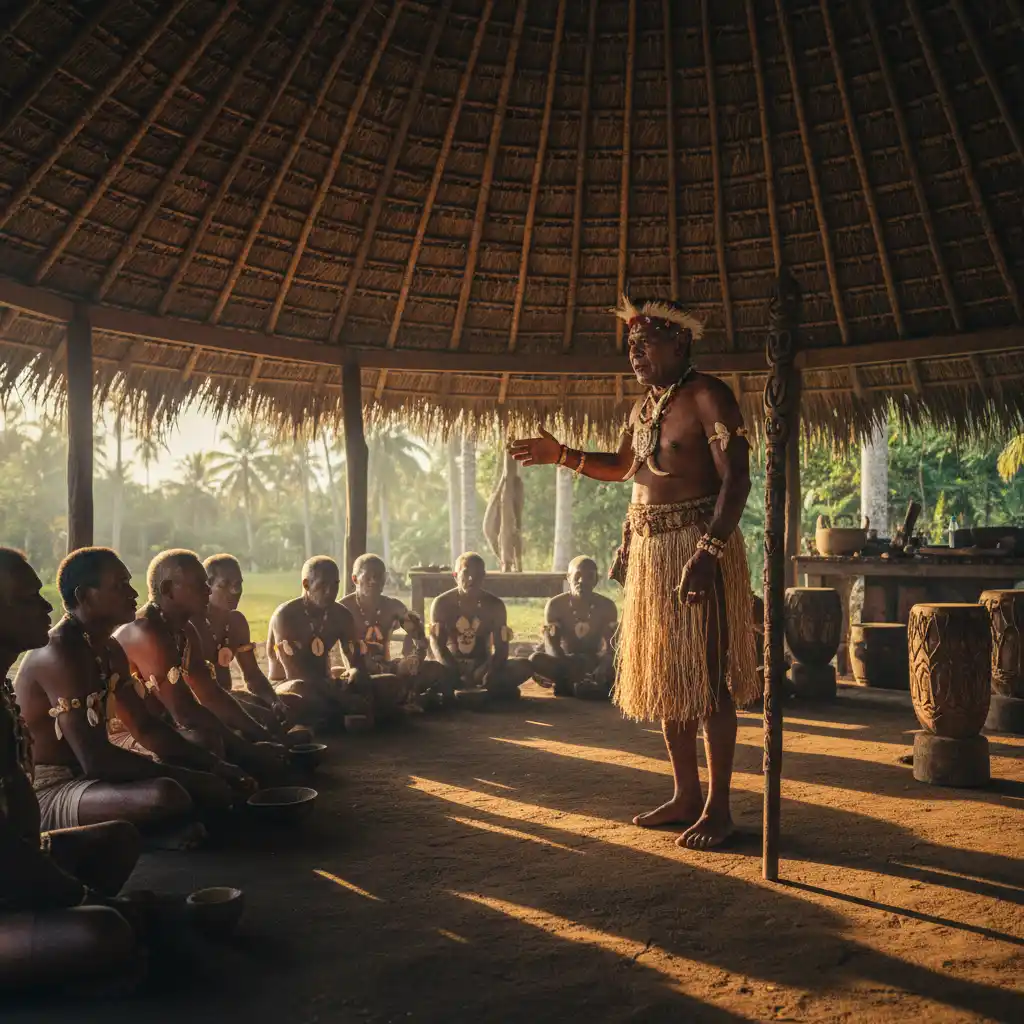
The resilience of this knowledge is evident in how it governs social cohesion. The Nakamal (meeting house) serves as the center of governance where chiefs utilize customary laws to maintain peace. This system has proven so effective that it is formally recognized alongside the state’s judicial system, particularly in matters regarding land ownership and minor criminal offenses.
Traditional Healing and Medicinal Practices
The medical heritage of Vanuatu is one of the most biologically diverse in the Pacific. Traditional healers, often known as Kleva, possess encyclopedic knowledge of the archipelago’s flora. This indigenous knowledge is not static; it is an experimental science refined over millennia of trial and observation.
How do Traditional Healers Operate?
Healing in Vanuatu is a dualistic practice involving both the physical application of plant medicine and the spiritual remediation of the ailment’s root cause. A Kleva does not simply treat a symptom; they investigate the patient’s relationships, recent behaviors, and spiritual standing. Illness is often viewed as a manifestation of social or spiritual disharmony.
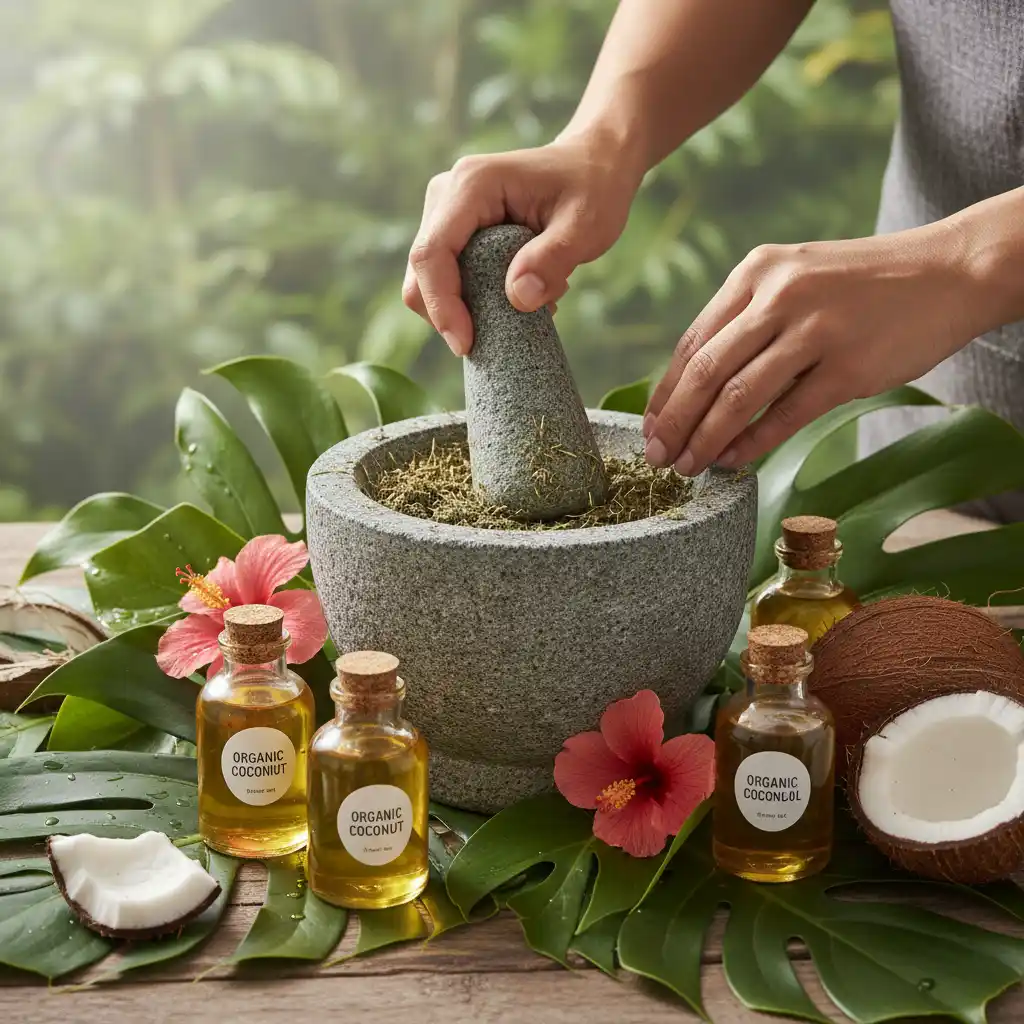
Botanical treatments are sophisticated. For example, the Nangai tree is used not just for its nuts but for its oil, which treats joint pain and inflammation. The Noni fruit, now famous globally, has been a staple in Vanuatu for centuries to boost immunity and treat skin infections. Healers prepare these remedies using specific protocols—harvesting bark from the east side of a tree at dawn, for instance—which modern science suggests may correlate with peak active compound concentrations in plants.
Furthermore, the knowledge of bone setting and massage (known locally as “rub-rub”) is highly advanced. Practitioners can manipulate muscles and align fractures using coconut oils infused with specific heating herbs, facilitating recovery speeds that often rival modern orthopedic interventions.
Sustainable Farming and Food Security
Vanuatu’s indigenous agricultural practices serve as a model for global food security and climate resilience. The Ni-Vanuatu people are master horticulturists who have developed complex agroforestry systems that mimic natural forest structures, ensuring soil fertility and biodiversity.
What is the Significance of the Yam Cycle?
The cultivation of Yams (Dioscorea) is the central pillar of Vanuatu’s agricultural calendar. The yam is more than a crop; it is a cultural icon representing masculinity, wealth, and life itself. The annual cycle of clearing, planting, and harvesting dictates the timing of social events, marriages, and truces.
Indigenous farming utilizes a sophisticated form of shifting cultivation. Unlike destructive slash-and-burn methods seen elsewhere, the Vanuatu method involves long fallow periods where land is allowed to rest for 5 to 10 years. During this time, fast-growing nitrogen-fixing trees are encouraged to regenerate the soil. When the land is cleared again, the ash provides potash, and the soil structure remains intact.
Intercropping is another key feature. Farmers plant taro, bananas, island cabbage, and kava alongside yams. This diversity prevents pest outbreaks and ensures that if one crop fails due to weather anomalies, others will thrive. This resilience is crucial in a nation prone to cyclones and volcanic activity.
Ancient Navigational Skills and Oceanography
Long before European explorers ventured into the Pacific, the ancestors of the Ni-Vanuatu people were traversing thousands of miles of open ocean. This indigenous knowledge of navigation is an impressive feat of cognitive mapping and environmental observation.
How Did Ancestors Navigate Without Instruments?
Traditional navigation relies on reading the “signs” of the ocean and sky. Navigators memorize the rising and setting points of hundreds of stars, creating a mental star compass. However, celestial bodies are only half the equation. During the day, or under cloud cover, navigators read the ocean swells.
Experienced seafarers can distinguish between primary swells generated by distant trade winds and secondary swells reflected off nearby islands. By feeling the rhythm of the canoe as it pitches and rolls, a navigator can detect the presence of land long before it is visible. They also observe the flight patterns of seabirds; seeing a Noddy or a White Tern usually indicates land is within a specific radius, as these birds roost on land at night.
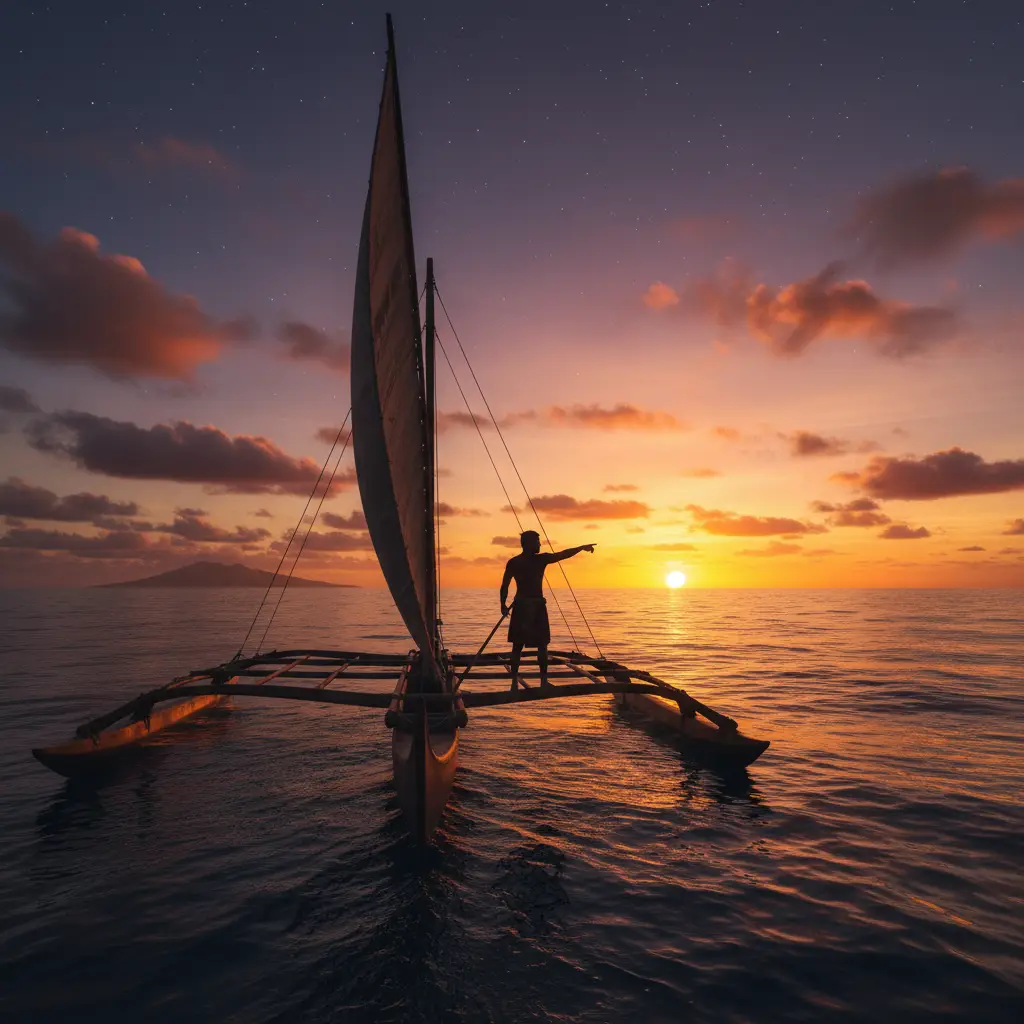
Canoe building itself is a sacred science. The selection of timber, the hollowing of the hull, and the lashing of the outrigger are done according to strict customary protocols that ensure the vessel’s seaworthiness and spiritual protection.
Environmental Stewardship and Conservation
Perhaps the most critical aspect of Vanuatu indigenous knowledge for the modern world is its approach to environmental conservation. Long before the concept of “Marine Protected Areas” existed in Western science, Vanuatu communities practiced Tabu (Taboo).
What is the Role of ‘Tabu’ in Conservation?
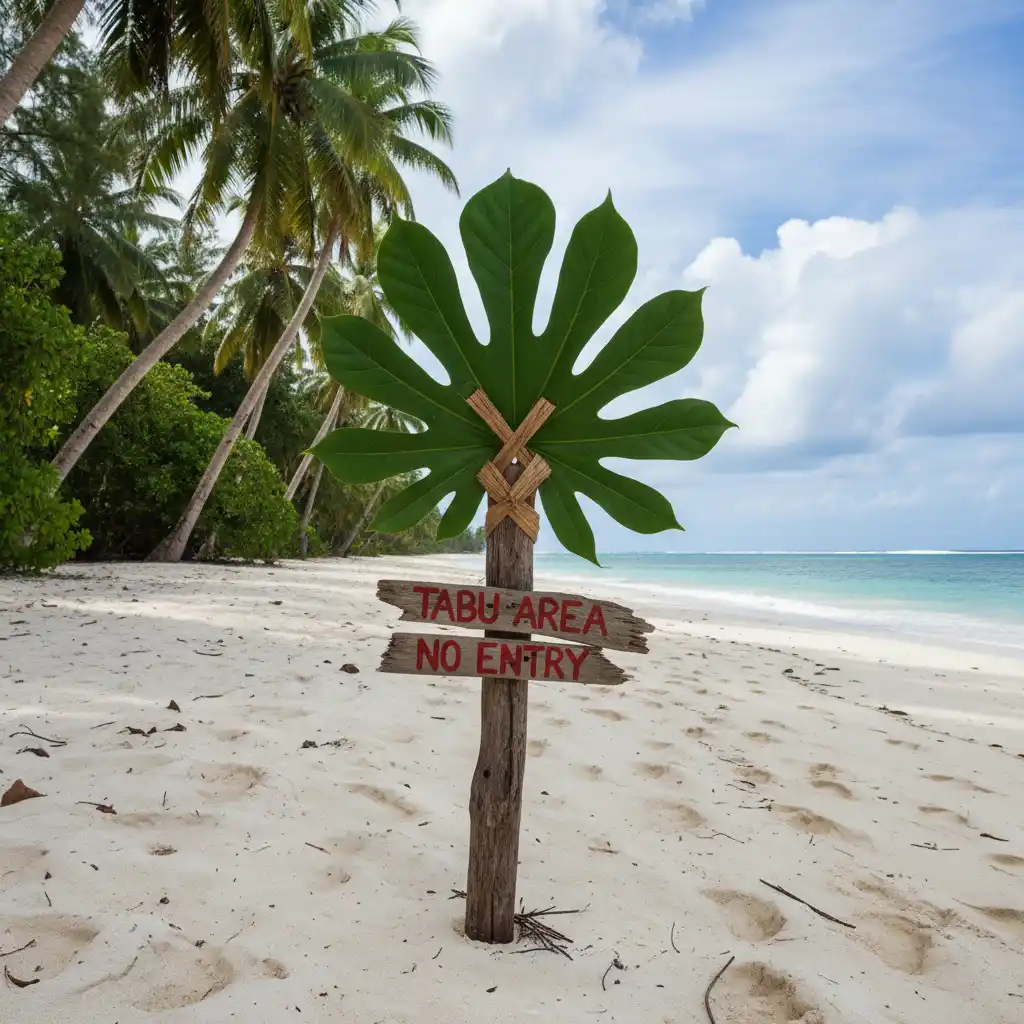
A Chief has the authority to place a Tabu on a specific area of the reef, a forest, or a specific species. This is often marked by placing a namele leaf (Cycas seemannii) at the boundary. Once a Tabu is declared, harvesting from that area is strictly forbidden. This prohibition can last for months or years.
This practice allows ecosystems to recover. If a reef is overfished, a Tabu is placed, allowing fish stocks to replenish and coral to regenerate. When the Tabu is lifted, usually for a special feast or ceremony, the abundance is shared among the community. This cyclical management ensures resources are never depleted to the point of no return.
This indigenous stewardship extends to the land as well. Sacred sites are protected from deforestation and development, acting as de facto nature reserves that protect watersheds and biodiversity hotspots. The effectiveness of these customary conservation methods is now being recognized by international NGOs, who are partnering with local chiefs to formalize these Tabu areas into community conservation areas.
The Transmission of Oral History and Sand Drawing
Vanuatu indigenous knowledge is primarily oral. It is passed down through stories, songs, dances, and the unique UNESCO-recognized tradition of Sand Drawing (Sroing). This is not merely art; it is a communication system and a mnemonic device.
Sand drawings are complex geometric patterns traced into the earth with a single continuous finger movement. They function as maps, historical records, and illustrations of philosophical concepts. Mastery of sand drawing requires years of training and is a key vehicle for transmitting knowledge about kinship, farming cycles, and history to the younger generation.
In a world increasingly dominated by digital media, the preservation of these oral and visual traditions is vital. They contain the genetic code of the culture—the wisdom of survival and harmony that defines the Ni-Vanuatu identity.
People Also Ask
What is the traditional knowledge of Vanuatu?
Traditional knowledge in Vanuatu, known as Kastom, covers all aspects of life including governance, agriculture, medicine, canoe building, and land management. It relies on oral history and customary laws to maintain social order and environmental balance.
How do Ni-Vanuatu people protect their environment?
They use a system called “Tabu,” where chiefs place a ban on fishing or harvesting in specific areas using a namele leaf. This allows ecosystems to regenerate and ensures sustainable resource management.
What is the significance of sand drawing in Vanuatu?
Vanuatu Sand Drawing (Sroing) is a UNESCO Intangible Cultural Heritage. It is a complex form of communication used to record history, share knowledge, and illustrate cultural rituals through continuous geometric patterns.
What are the traditional healing practices in Vanuatu?
Traditional healing involves “Kleva” (healers) who use local plants like Noni and Nangai, along with massage and spiritual interventions, to treat physical ailments and restore social harmony.
What crops are central to Vanuatu indigenous farming?
Yams are the most culturally significant crop, dictating the seasonal calendar. Other staples include taro, manioc (cassava), island cabbage, and kava, grown using agroforestry and intercropping methods.
Is customary law recognized in Vanuatu?
Yes, the Constitution of Vanuatu recognizes customary law. It is particularly powerful in land disputes and village-level governance, where chiefs adjudicate based on traditional principles rather than state statutes.