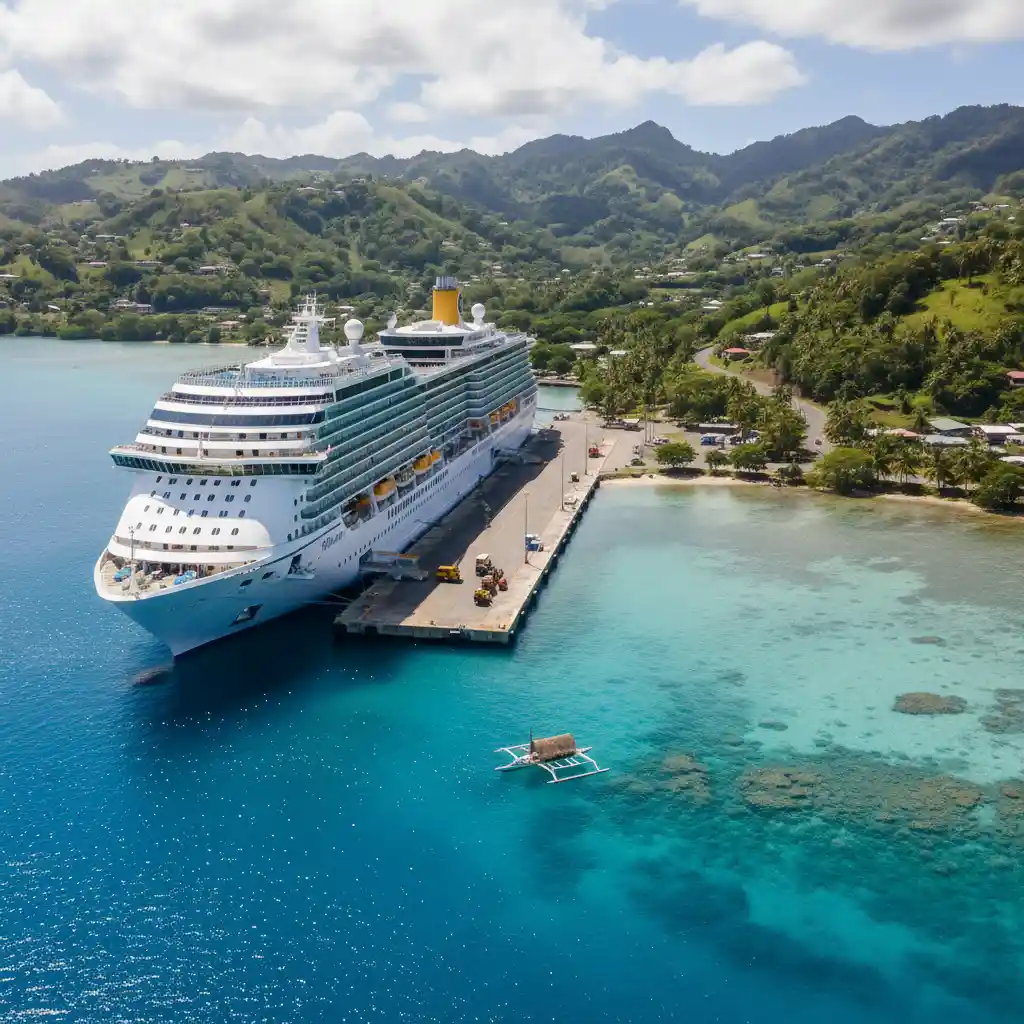
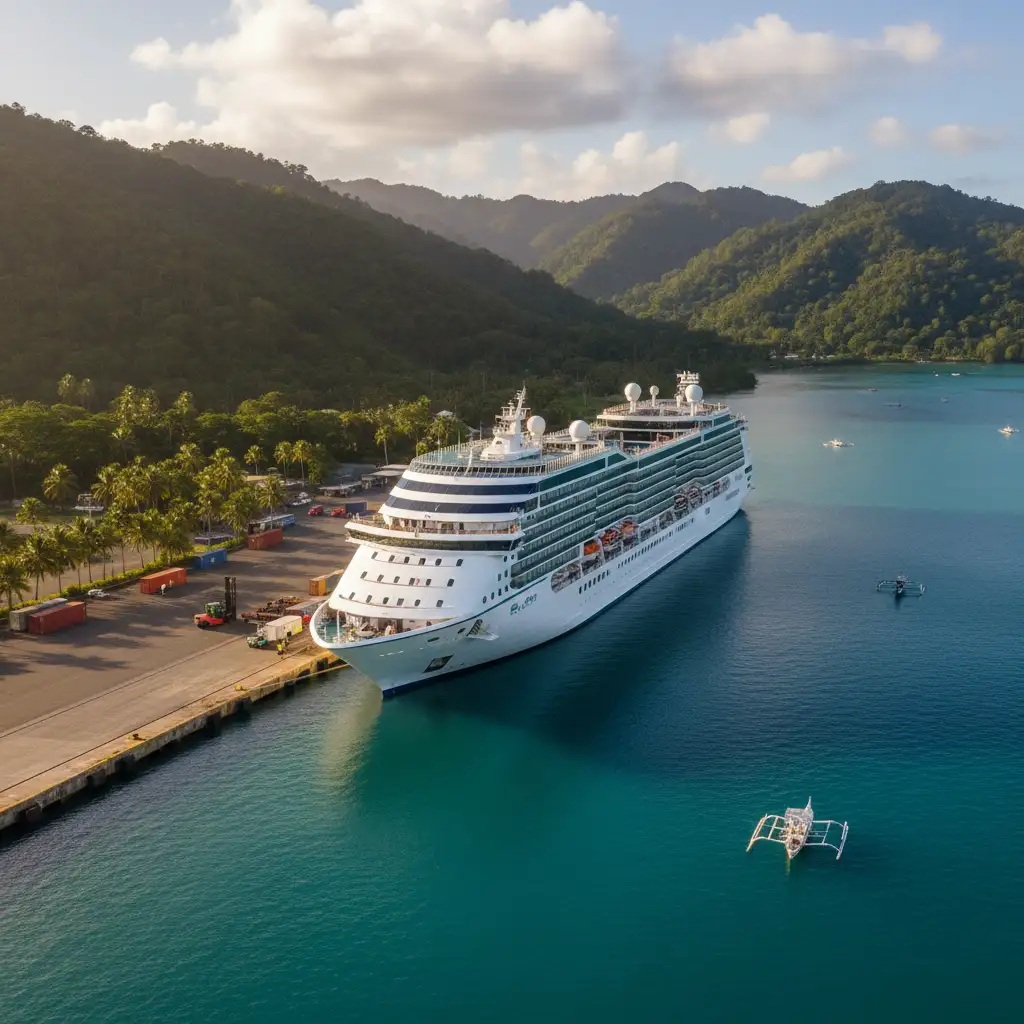
Vanuatu excursion safety refers to the protocols and precautions taken to ensure traveler well-being during shore-based activities. It encompasses choosing accredited operators, maintaining comprehensive health and travel insurance, and understanding local environmental risks. For AU/NZ visitors, prioritizing licensed providers ensures adherence to international safety benchmarks while exploring Vanuatu’s unique volcanic and marine landscapes.
How do I identify licensed operators for Vanuatu excursion safety?
Identifying a licensed operator is the single most important step in ensuring your safety during a shore excursion in Vanuatu. The Vanuatu Tourism Office (VTO) maintains a rigorous accreditation system designed to protect international travelers. When booking an excursion, whether through a cruise line or independently, you should look for the VTO accreditation seal. This seal signifies that the operator has met specific safety standards, holds necessary public liability insurance, and adheres to local regulations regarding equipment maintenance and staff training.
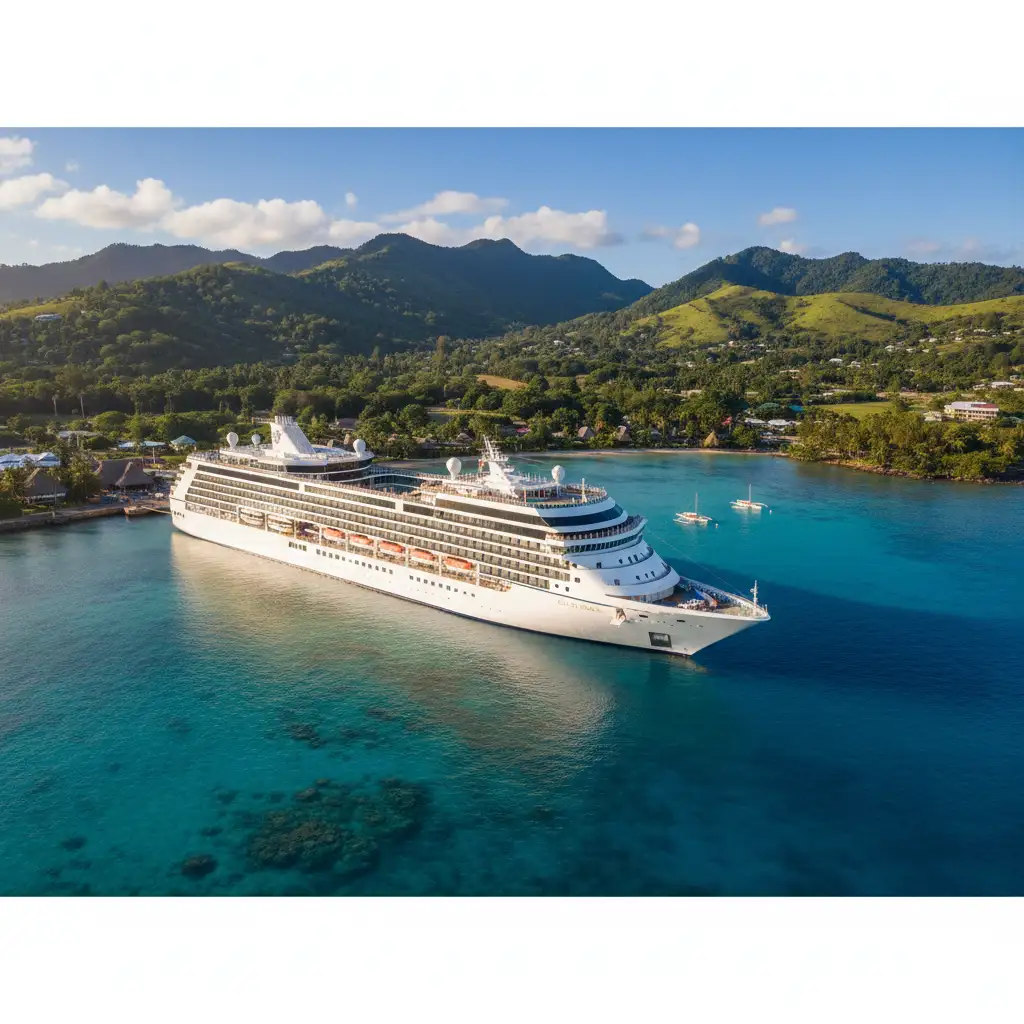
For high-value travelers from Australia and New Zealand, booking through the cruise line often provides an additional layer of security. Cruise lines like P&O, Princess, and Royal Caribbean conduct their own independent audits of local providers. These audits cover everything from the structural integrity of transport vehicles to the certifications of snorkeling guides. If an operator fails to meet these stringent criteria, they are removed from the cruise line’s preferred list. If you choose to book independently, always ask for proof of VTO certification and check recent reviews on reputable travel platforms to ensure the operator maintains high safety standards.
The Role of the Vanuatu Tourism Office (VTO)
The VTO acts as the regulatory backbone for the nation’s tourism industry. Their accreditation program is not merely a formality; it involves regular inspections and mandatory workshops for tour guides. These workshops focus on first aid, emergency response, and customer care. By choosing a VTO-accredited operator, you are supporting businesses that invest in the safety and professional development of their Ni-Vanuatu staff, ensuring a higher quality of service and a safer environment for your family.
What kind of travel insurance is needed for Vanuatu excursions?
Standard travel insurance is often insufficient for the unique risks associated with South Pacific travel. When visiting Vanuatu, your policy must specifically include high-limit medical evacuation (medevac) coverage. Vanuatu’s medical facilities, while competent for minor issues, are limited when it comes to critical care or complex surgeries. In the event of a serious injury or illness, you may require an emergency flight to Brisbane, Auckland, or Sydney, which can cost upwards of $50,000 AUD if not covered by insurance.
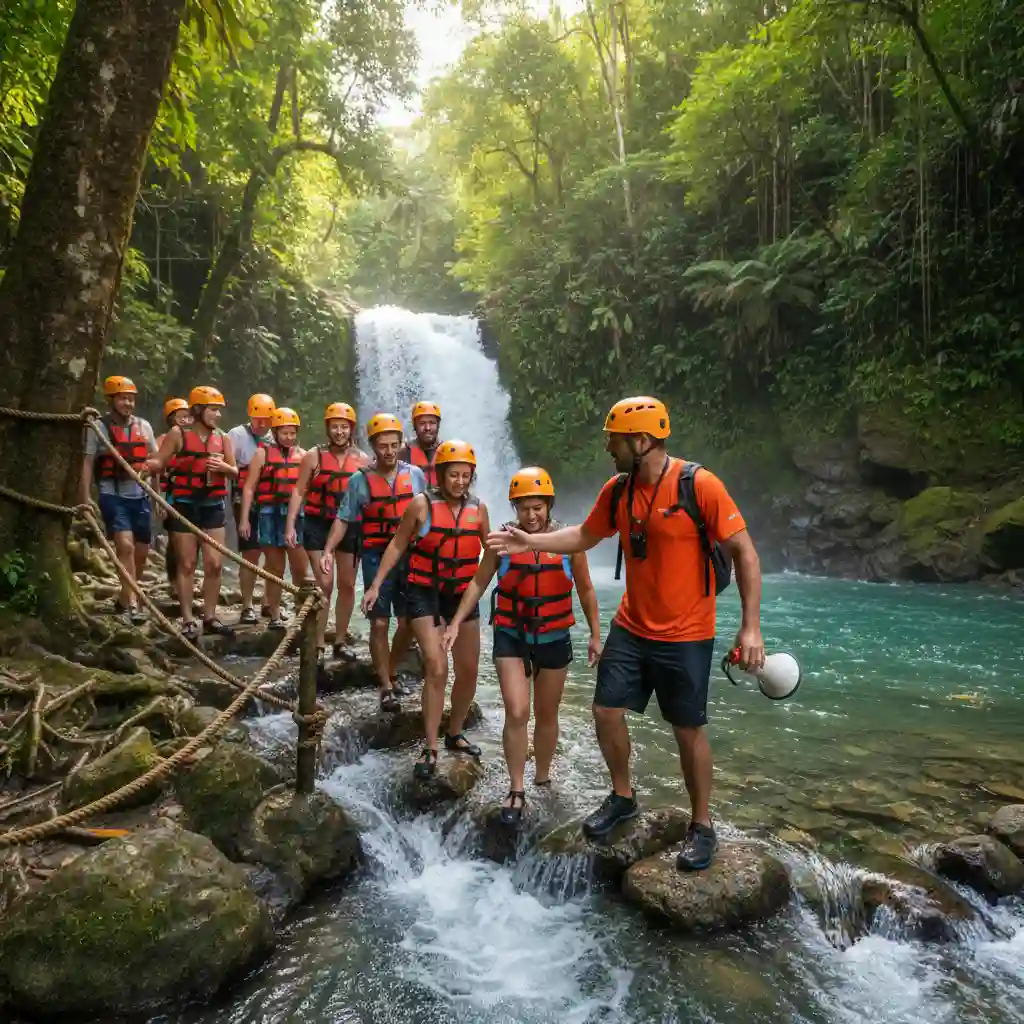
Furthermore, ensure your policy covers the specific activities you plan to undertake. Many standard policies exclude ‘adventure activities’ such as scuba diving, zip-lining, or quad biking. If you intend to explore the Blue Holes of Santo or the Mele Cascades in Efate, verify that these are listed under your covered activities. Australian and New Zealand travelers should also check if their policy includes ‘Cruise Cover,’ which specifically addresses missed port departures and cabin confinement due to illness, both of which are relevant to the shore excursion experience.
Understanding Medical Evacuation Logistics
Medical evacuation from remote islands like Tanna or Espiritu Santo to Port Vila, and subsequently to Australia or New Zealand, involves complex logistics. Reputable insurance providers work with international assistance companies that coordinate with local charter flights and specialized air ambulance services like CareFlight. Confirming that your insurer has a 24/7 emergency assistance line is vital, as time is often of the essence in tropical medical emergencies.
What health precautions should I take for a Vanuatu excursion?
Vanuatu is a tropical environment, which brings specific health considerations that AU/NZ travelers may not encounter at home. Sun protection is paramount; the tropical sun is significantly stronger than in southern latitudes. Use high-SPF, reef-safe sunscreen, wear UV-protective clothing, and stay hydrated with bottled water. Heat exhaustion can occur quickly, especially during physically demanding excursions like the Millennium Cave trek or hiking Mt. Yasur.
Vector-borne diseases, such as Dengue fever, are present in the South Pacific. While the risk varies by season, it is wise to use insect repellent containing DEET or Picaridin, particularly when heading into lush jungle areas or visiting villages. Additionally, be mindful of food and water safety. While major resorts and cruise-sanctioned excursions provide safe drinking water and high-quality food, independent travelers should stick to bottled water and ensure that hot food is served steaming hot to avoid ‘Bali Belly’ style gastrointestinal issues.
Marine Life and Reef Safety
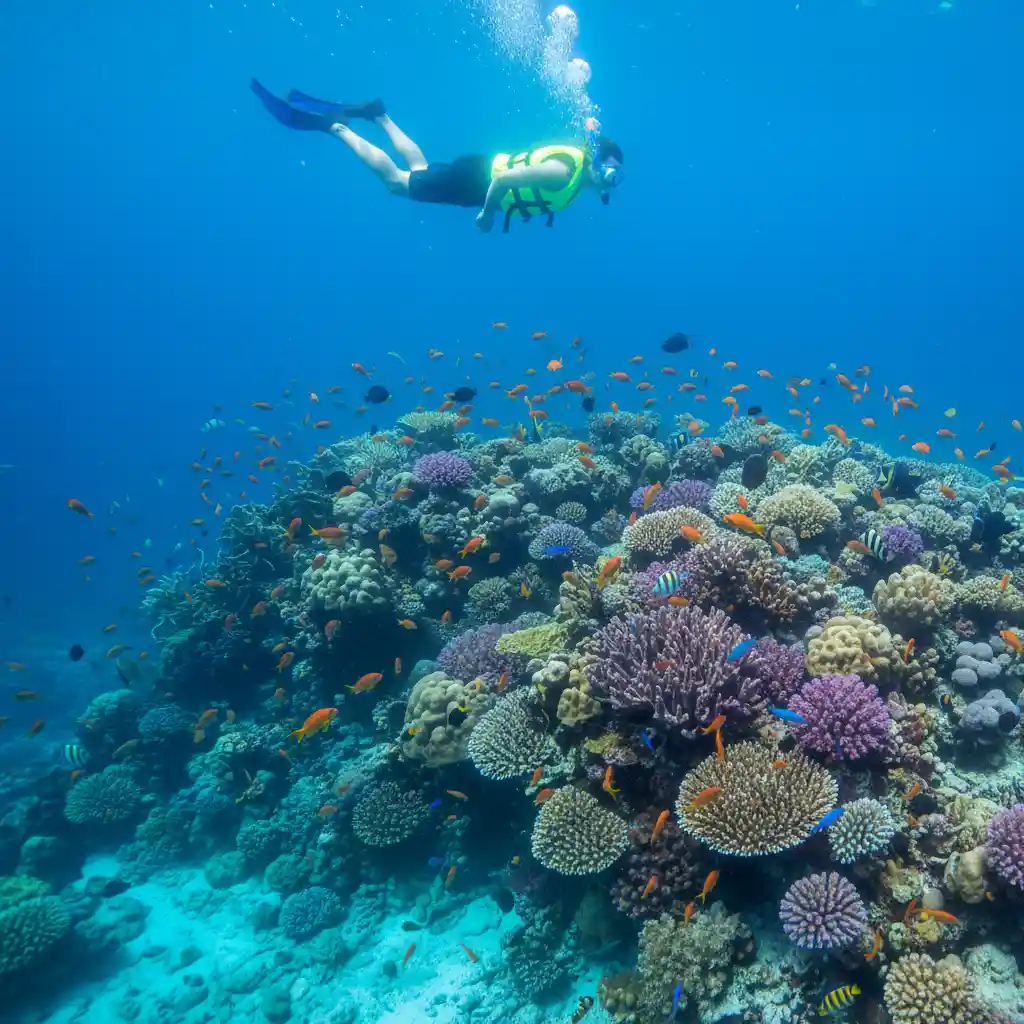
Vanuatu’s reefs are spectacular but require respect. To ensure your safety and the health of the ecosystem, never touch the coral or marine life. Some species, such as stonefish or cone shells, can be hazardous if stepped on or handled. Wearing sturdy reef shoes is highly recommended for all water-based excursions. Furthermore, be aware of ‘Ciguatera’—a toxin found in some reef fish. It is generally safer to consume fish served in reputable restaurants that source from deep-sea catches rather than local reef fish if you are concerned about food-borne toxins.
Who do I contact in an emergency during a Vanuatu excursion?
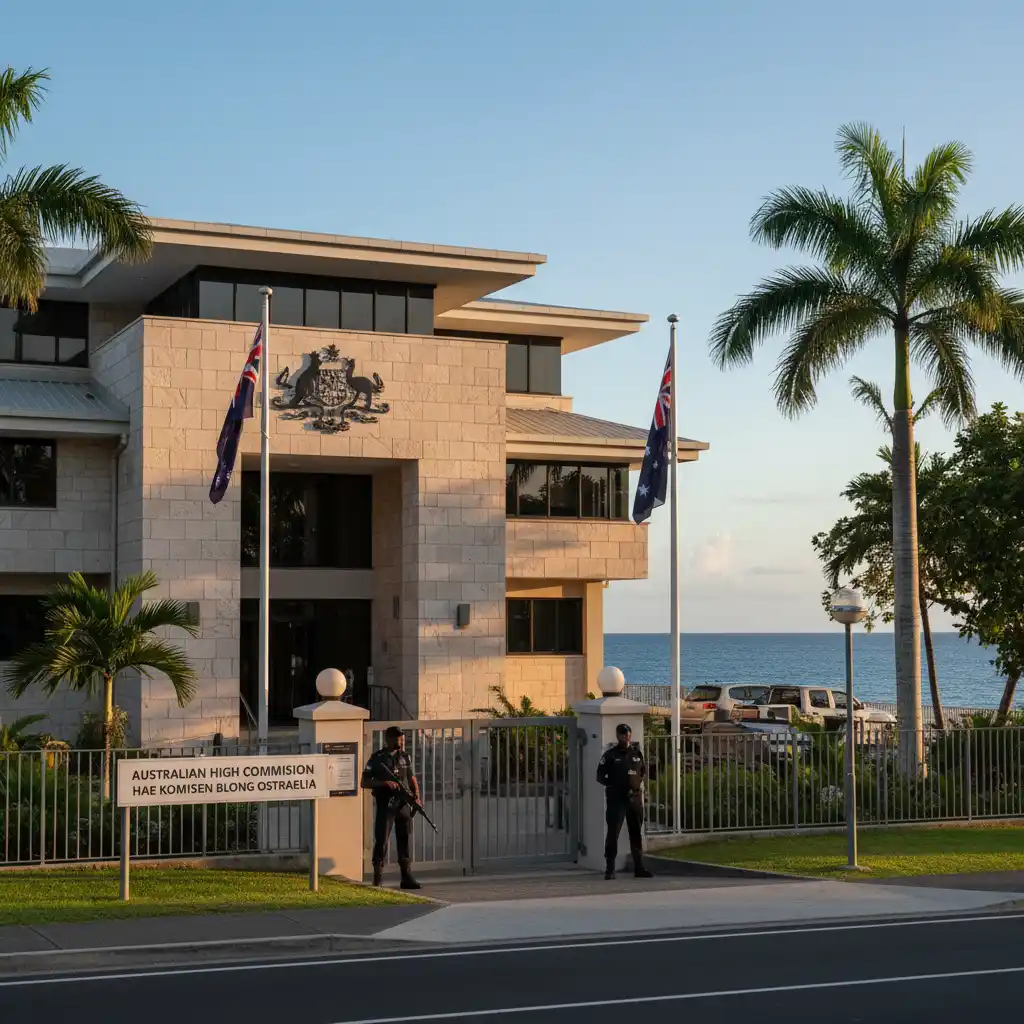
In the event of an emergency, knowing the local contact numbers is essential. The general emergency number in Vanuatu for police is 111, and for an ambulance, it is 112. However, for AU/NZ citizens, the respective High Commissions in Port Vila should be your secondary point of contact for serious consular assistance. They can provide guidance on legal issues, lost passports, or coordinating with family back home during a medical crisis.
It is also advisable to have the contact details of your cruise ship’s port agent. This information is typically provided in the ship’s daily newsletter. The port agent is the local liaison between the ship and the shore and can assist if you are delayed and risk missing the ship’s departure. Carrying a physical card with these numbers, in addition to saving them in your phone, ensures you have access to help even if your device’s battery fails or you lack cellular reception in remote areas.
Consular Support for AU/NZ Travelers
The Australian High Commission and the New Zealand High Commission in Port Vila are well-equipped to assist their nationals. They maintain close ties with local authorities and can facilitate communication in complex situations. Before you depart, register your travel plans on the Smartraveller (AU) or SafeTravel (NZ) websites. This allows the government to contact you or your family in the event of a natural disaster or national emergency while you are on the islands.
Is public transport safe for Vanuatu excursions?
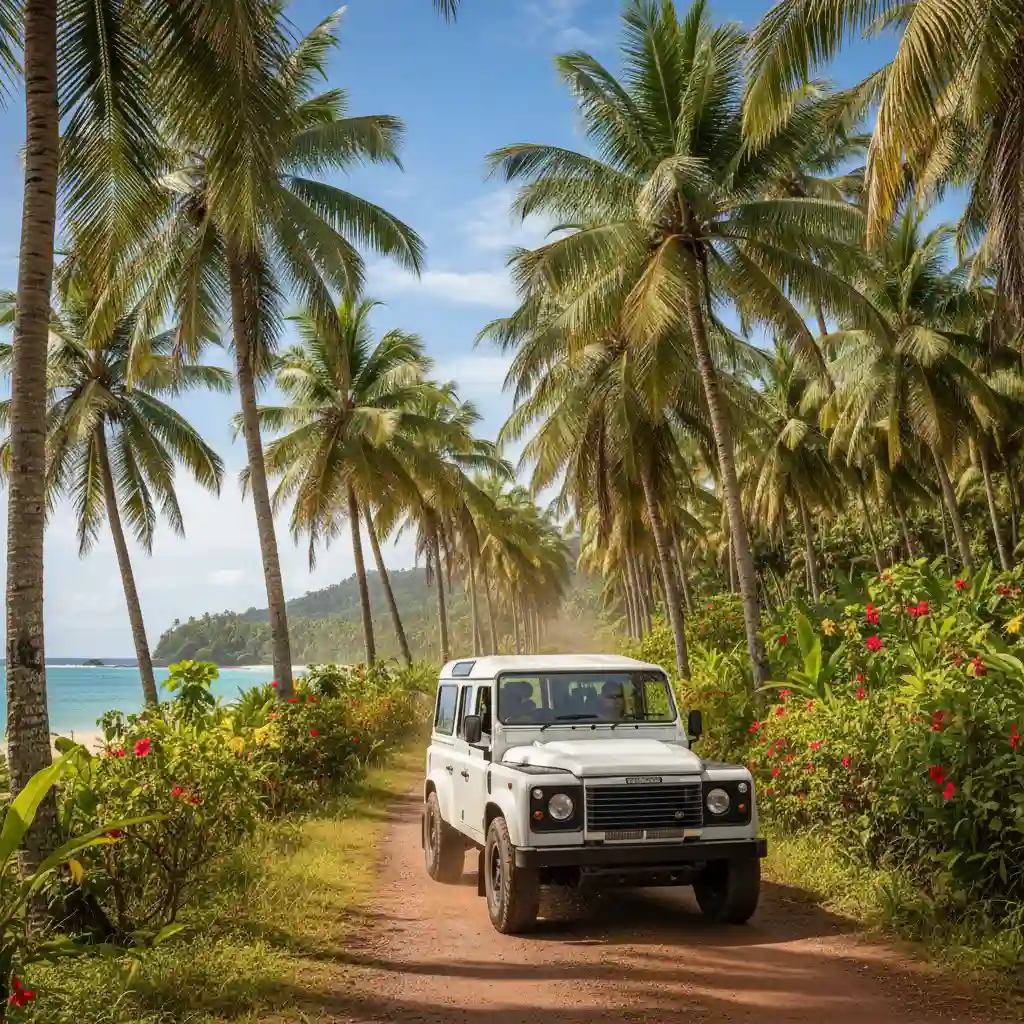
Transportation safety in Vanuatu varies depending on the mode of travel. The most common form of transport for tourists in Port Vila is the ‘B’ plate bus system—privately owned minivans identified by a ‘B’ at the start of their license plate. These are generally safe and affordable. However, they do not follow fixed routes; you simply hail one and tell the driver your destination. For a more secure and predictable experience, many high-value travelers prefer to hire a private car or use the transport provided by their VTO-accredited tour operator.
If you are considering renting a quad bike or a buggy, exercise extreme caution. While these are popular for exploring the rugged terrain of Efate, they come with higher risks. Ensure the rental company provides helmets and a thorough safety briefing. Check the condition of the tires and brakes before departing. Vanuatu’s roads can be narrow, unpaved, and shared with pedestrians and livestock, requiring a high level of driver alertness and reduced speeds.
How does cultural awareness impact excursion safety?
In Vanuatu, safety also involves respecting ‘Custom’ (traditional laws and land ownership). Almost all land in Vanuatu, including beaches and waterfalls, is owned by local families or tribes. Accessing these areas without permission or a guide is not only disrespectful but can lead to confrontations. By booking through a licensed excursion, you ensure that the necessary ‘kastom’ fees have been paid and that you have the permission of the landowners to be there.
Cultural safety also means dressing modestly when visiting local villages. While swimwear is appropriate for the beach or the ship, wearing a sarong or t-shirt when walking through a village shows respect for local sensitivities. The Ni-Vanuatu people are incredibly friendly and welcoming, but adhering to these cultural norms ensures a harmonious interaction and prevents any misunderstandings that could mar your travel experience.
Safety Tips for Specific Vanuatu Adventures
Each type of excursion in Vanuatu carries its own set of safety considerations. For those visiting the active Mt. Yasur volcano on Tanna, safety is managed by the local authorities who monitor volcanic activity levels. Always follow the instructions of your guide and stay within the designated viewing areas. The volcanic ash and gas can be irritants, so those with respiratory conditions should take extra care.
For water-based activities like visiting the Blue Holes in Espiritu Santo, the primary safety concern is water depth and hidden submerged objects. While the water is crystal clear, always enter the water feet-first unless you are certain of the depth. In the Mele Cascades, the rocks can be extremely slippery; using the provided guide ropes and wearing high-grip water shoes is essential to prevent falls. By approaching each activity with a safety-first mindset and using the appropriate gear, you can enjoy the breathtaking beauty of Vanuatu with peace of mind.
People Also Ask
Is Vanuatu safe for solo female travelers on excursions?
Yes, Vanuatu is generally very safe for solo female travelers. However, it is recommended to join group excursions through VTO-accredited operators rather than exploring remote areas alone. Standard travel precautions apply, such as avoiding walking in unlit areas at night and being mindful of local cultural norms regarding dress.
Do I need a specific visa for shore excursions in Vanuatu?
Australian and New Zealand passport holders typically receive a visitor visa on arrival for stays up to 30 days. For cruise passengers, this is handled as part of the ship’s manifest, and no prior application is usually required for short shore excursions. Always check current requirements before travel.
What should I do if I am injured during a Vanuatu tour?
Immediately notify your tour guide, who should have basic first aid training and a communication device. For serious injuries, contact your travel insurance provider’s emergency line and the nearest medical clinic. If you are a cruise passenger, notify the ship’s medical team as soon as possible.
Are the local buses in Port Vila safe for tourists?
The ‘B’ plate buses are a safe and common way for tourists to get around Port Vila. They are affordable and drivers are generally helpful. For added safety, ensure the vehicle appears well-maintained and agree on the fare with the driver before beginning your journey.
Is the water safe to drink during Vanuatu shore excursions?
While tap water in Port Vila is treated, it is generally recommended that travelers stick to bottled or filtered water during excursions to avoid any risk of stomach upset. Most reputable tour operators provide bottled water as part of the excursion package.
What is the best travel insurance for Vanuatu adventure activities?
The best insurance is a policy that specifically includes ‘Cruise Cover’ and ‘Adventure Sports’ riders, along with high-limit medical evacuation. Providers like Cover-More, Allianz, and Southern Cross often have specific plans tailored for the needs of AU/NZ travelers in the South Pacific.