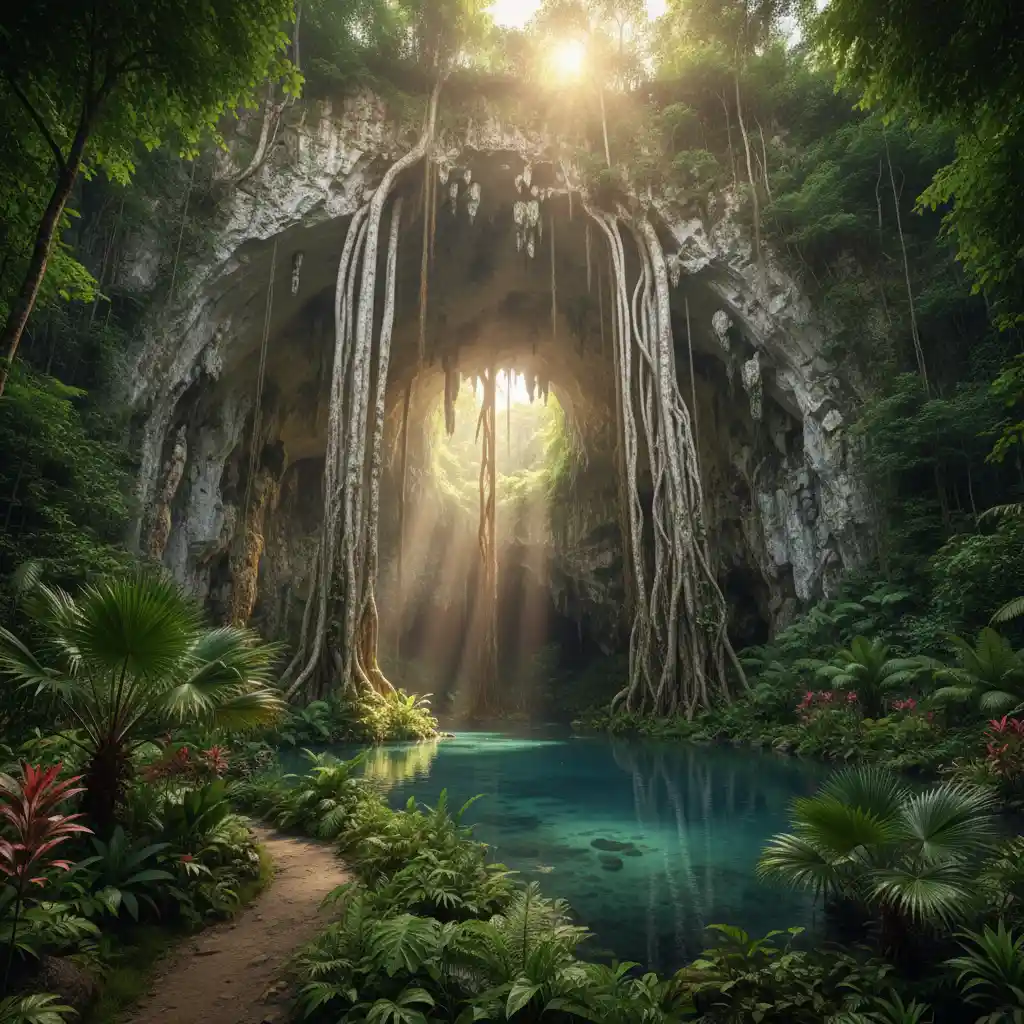
Vanuatu blue holes are natural freshwater springs filtered through underground limestone caves, resulting in crystal-clear, sapphire-colored swimming pools. Located primarily on the island of Espiritu Santo, these geological wonders offer a unique swimming experience surrounded by lush tropical rainforest, featuring high visibility and refreshing temperatures for travelers seeking natural beauty.
What makes Vanuatu blue holes so unique?
The blue holes of Vanuatu, particularly those on the island of Espiritu Santo, are world-renowned for their incredible clarity and vibrant hues. These pools are formed through a geological process involving karst topography. Rainwater falls on the island’s central highlands and seeps through layers of volcanic rock and limestone. As the water travels underground, the limestone acts as a natural filter, removing impurities and enriching the water with minerals. This subterranean journey eventually leads the water to surface in deep, circular basins nestled within the jungle. The intense blue color is a result of the water’s purity and depth; the clear water absorbs other colors in the spectrum, reflecting back only the most brilliant blues. For Australian and New Zealand travelers, these sites represent some of the most accessible and pristine natural swimming spots in the South Pacific.
Nanda Blue Hole: The Pristine Jewel of Santo
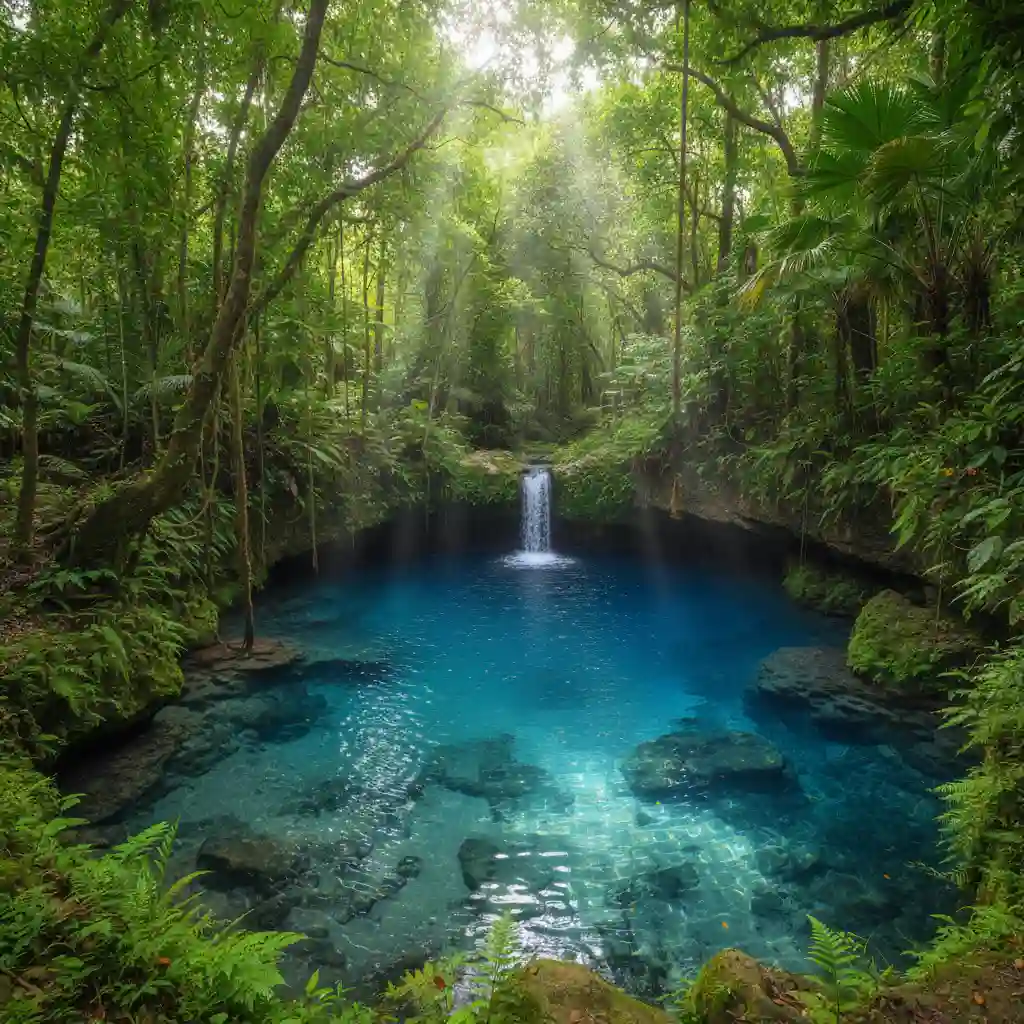
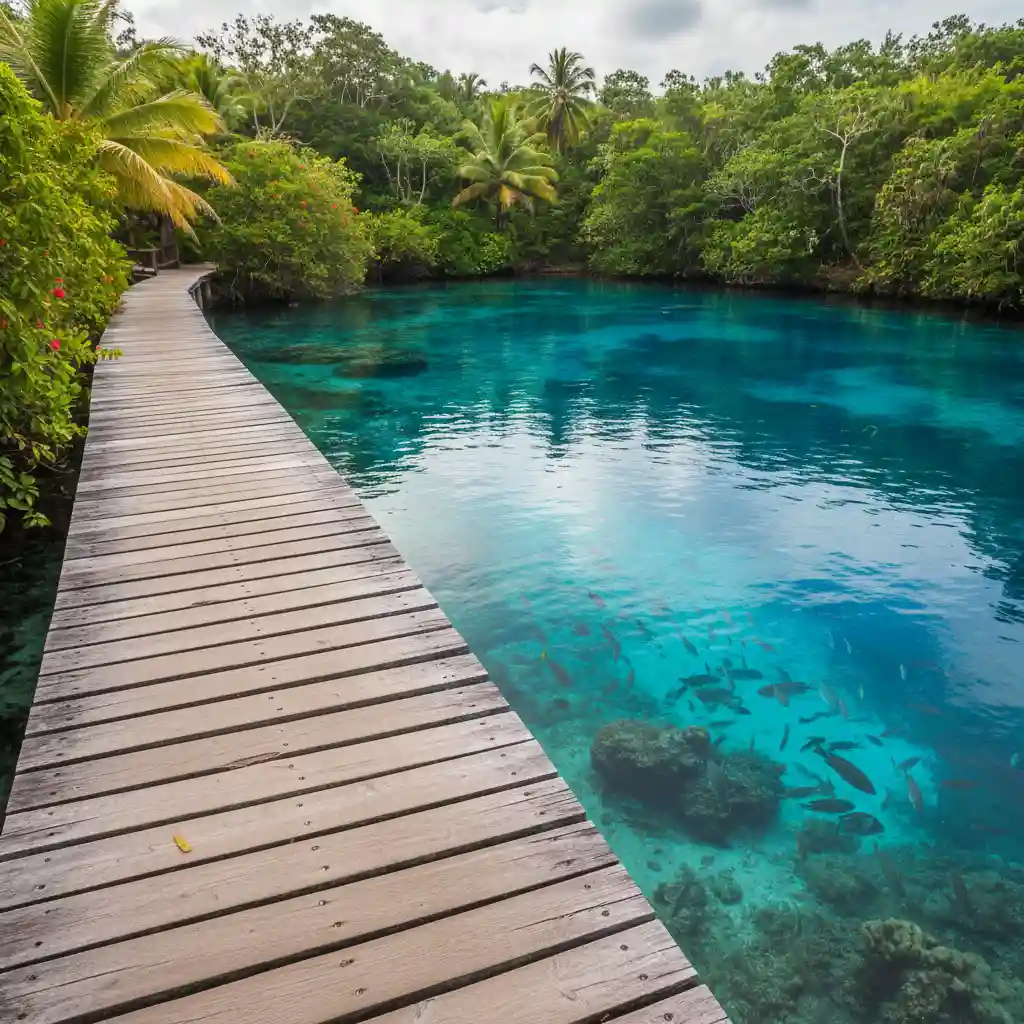
Nanda Blue Hole, also frequently referred to as Jackie’s Blue Hole, is often cited by travelers as the most visually stunning of all the blue holes on Espiritu Santo. Located on the east coast of the island, Nanda is a testament to the meticulous care provided by the local landowners. The water here is a deep, electric blue that remains remarkably clear even at significant depths. Unlike some of the more rugged spots, Nanda has been developed with high-quality facilities that cater to premium travelers. A large wooden boardwalk circles part of the hole, providing easy access for swimming and perfect platforms for photography. There is also a sheltered cafe and bar area where visitors can enjoy a drink while overlooking the water.
Why choose Nanda Blue Hole?
Nanda is ideal for those who prioritize clarity and comfort. The site is exceptionally well-maintained, and the underwater visibility is often compared to looking through glass. Snorkeling here is a must; as you glide over the surface, you can see the intricate limestone formations on the floor and small freshwater fish darting through the aquatic plants. The depth reaches approximately 13 meters in the center, making it a favorite for free-divers. Because it is privately owned and managed, the experience feels exclusive and serene, particularly if you arrive early in the morning before the tour buses from Luganville appear. The entry fee at Nanda typically includes a small refreshment, adding to the high-value feel of the visit.
Matevulu Blue Hole: The Adventurer’s Choice
If you are looking for a more raw and adventurous experience, Matevulu Blue Hole is the quintessential choice. Located a short drive from the East Coast Road, Matevulu is famous for its massive Banyan tree that leans over the water. This tree serves as the base for one of the most iconic rope swings in the South Pacific. The atmosphere at Matevulu is often more social and energetic than at Nanda, attracting a mix of locals and international tourists. The pool itself is vast, surrounded by towering jungle canopy that echoes with the sounds of tropical birds. The water has a slightly more turquoise tint compared to the deep sapphire of Nanda, but the clarity remains exceptional.
The Matevulu Rope Swing and Access
The highlight for many at Matevulu is the multi-tiered rope swing. Climbing the wooden slats nailed into the ancient Banyan tree to launch yourself into the cool water is a rite of passage for visitors to Santo. For those who prefer a more relaxed entry, there is a small jetty and a shallow bank. Matevulu is also accessible by kayak. Many travelers choose to rent a kayak from the nearby Oyster Island Resort and paddle up the Matevulu River. This 30-45 minute journey is a highlight in itself, as you navigate through calm, clear waters flanked by dense mangroves and jungle. It provides a sense of discovery that driving directly to the hole cannot match.
Riri Blue Hole: The Traditional Experience
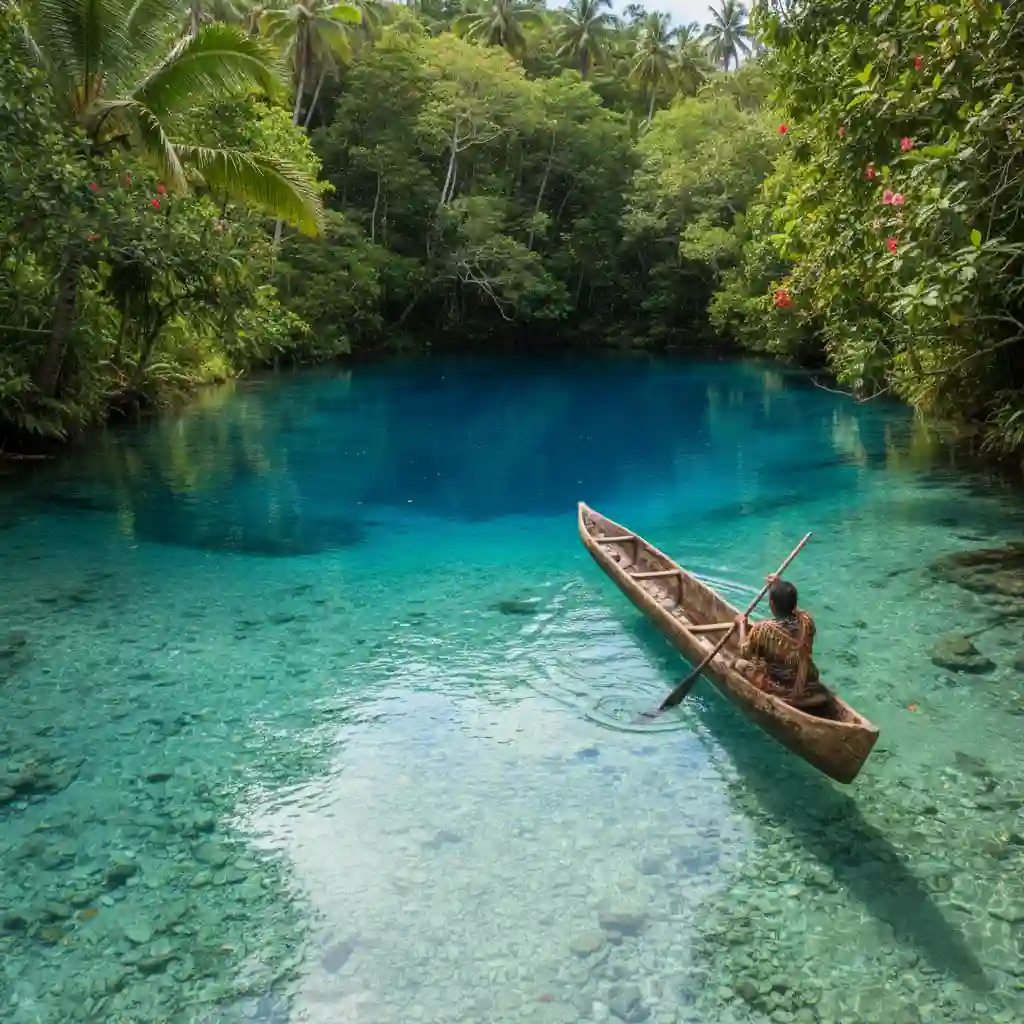
Riri Blue Hole offers a blend of natural beauty and cultural charm. What sets Riri apart is the traditional approach to the site. While you can drive to the entrance, the most popular way to experience Riri is by taking a traditional dugout canoe from the bridge on the main road. A local guide will paddle you up the crystal-clear river, surrounded by lush vegetation, until the river opens up into the stunning blue basin. This slow-paced journey allows you to fully appreciate the silence and the vibrant biodiversity of the area. The water at Riri is often described as having a glowing, ethereal quality, especially when the sun is directly overhead.
Comparing Riri and Matevulu
Riri and Matevulu are located quite close to one another, and many travelers visit both in a single afternoon. While Matevulu is known for its size and the rope swing, Riri is often preferred for its aesthetic appeal and the canoe experience. Riri features a picturesque wooden bridge and several platforms for jumping. The water temperature is consistently refreshing, providing a welcome relief from the tropical humidity. For photographers, the contrast between the dark green jungle and the bright blue water at Riri provides some of the best shots on the island. It is a slightly more intimate experience than Matevulu, making it popular for couples and those seeking a quieter retreat.
Entry Fees and Visitor Logistics
Visiting the blue holes is one of the most affordable luxury experiences in Vanuatu, but it is important to understand the kastom (customary) land system. All blue holes are located on private land owned by local families. The entry fees you pay go directly toward the maintenance of the sites and support the local community. As of late 2023 and early 2024, entry fees generally range from 500 Vatu to 1,000 Vatu per person (approximately $6 to $12 AUD/NZD). Nanda Blue Hole is typically at the higher end of this scale due to its superior facilities, while Matevulu and Riri are slightly cheaper. It is essential to carry cash in local currency (Vatu), as credit card facilities are non-existent at these remote locations.
How to get there from Luganville
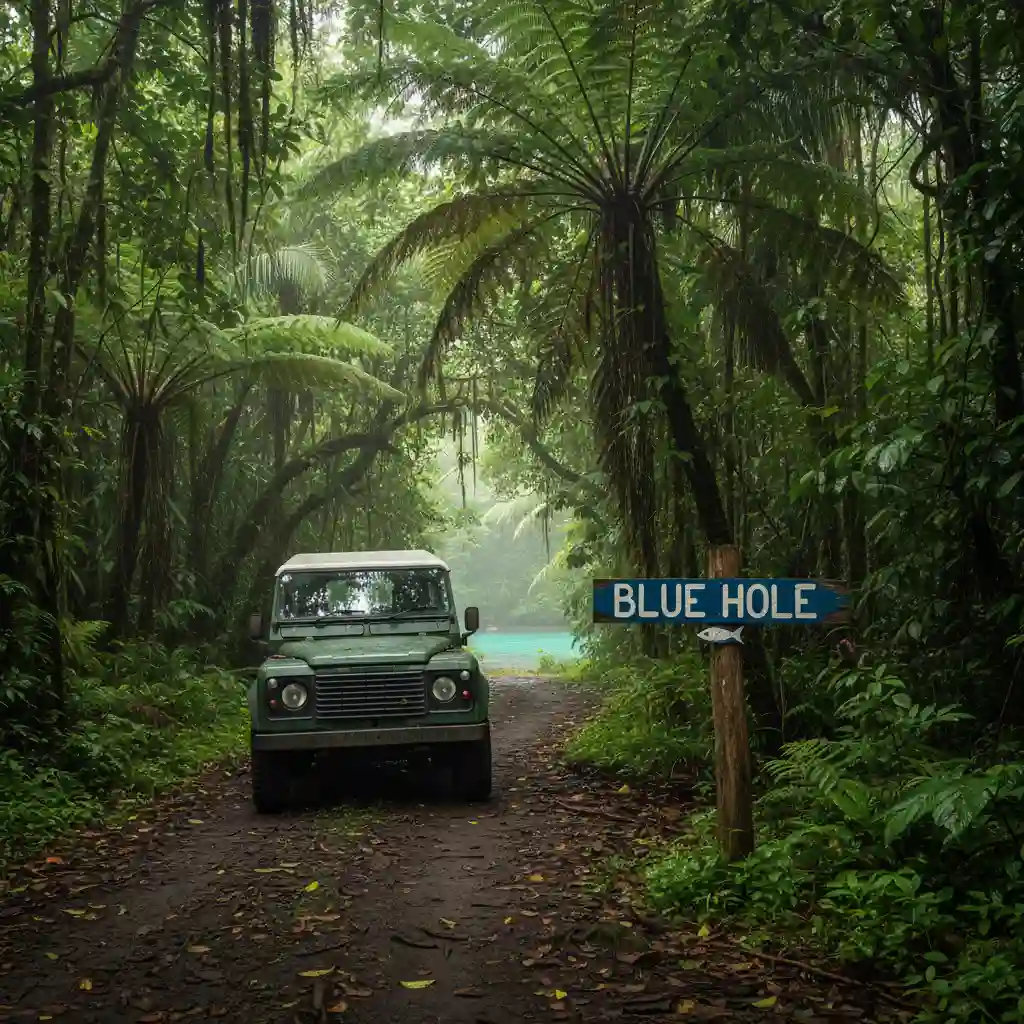
Most travelers base themselves in Luganville, the second-largest city in Vanuatu. From Luganville, you have several options for reaching the blue holes. The most convenient method is hiring a local taxi driver for the day. This allows you to set your own pace and visit multiple holes in one trip. Expect to pay between 5,000 and 8,000 Vatu for a full-day hire. Alternatively, many resorts offer organized tours that include transport, entry fees, and often a lunch stop at a nearby beach like Champagne Beach. For the more independent traveler, renting a 4WD vehicle is an option, though the roads leading off the main highway to the blue holes can be rough and muddy after rain.
Best Time to Visit and Travel Tips
To see the blue holes at their most vibrant, timing is everything. The colors are most intense on bright, sunny days when the sun is high in the sky (between 10:00 AM and 2:00 PM). During this window, the light penetrates deep into the water, illuminating the limestone floor and creating that signature sapphire glow. In terms of seasons, the dry season (May to October) is the ideal time to visit Vanuatu. During the wet season (November to April), heavy rains can occasionally cause run-off that temporarily clouds the water, though the blue holes usually clear up much faster than the coastal ocean waters.
What to pack for your Blue Hole adventure
When preparing for a day at the blue holes, consider the following essentials: 1. Reef-safe sunscreen: To protect the delicate freshwater ecosystem. 2. Insect repellent: The jungle environment means mosquitoes can be active, especially in the shade. 3. Snorkel gear: While some sites offer rentals, having your own mask and snorkel ensures a better fit and allows you to see the underwater beauty clearly. 4. Water shoes: The limestone and submerged logs can be slippery. 5. Quick-dry towel and a change of clothes: The humidity is high, so things stay damp for a long time. Finally, always remember to ask permission before taking photos of local people and respect the kastom rules posted at the entrance of each site.
Sustainability and Respect
The blue holes are precious natural resources for the people of Vanuatu. As a visitor, it is vital to practice leave-no-trace principles. Avoid using soaps or detergents in the water, and ensure all trash is taken back to Luganville. By paying the entry fees and respecting the local guidelines, you are contributing to the preservation of these sites for future generations. The high-value tourism segment from Australia and New Zealand plays a crucial role in the local economy, and mindful visitation ensures that the relationship between tourists and landowners remains positive and sustainable.
Where are the blue holes in Vanuatu?
The most famous blue holes are located on the island of Espiritu Santo, primarily along the east coast between Luganville and Port Olry. Some smaller blue holes can also be found on the islands of Efate and Tanna, but they do not match the scale and clarity of those on Santo.
How much does it cost to visit a blue hole?
Entry fees generally range from 500 to 1,000 Vatu per person (approx. $6-$12 AUD). These fees are paid in cash to the local landowners and cover the maintenance of the facilities and access to the site.
Can you swim in the blue holes?
Yes, swimming is the primary activity at the blue holes. The water is fresh, clean, and very safe. Most blue holes have platforms, jetties, or rope swings to facilitate easy entry into the water.
What is the best time to visit?
The best time is during the dry season (May to October) on a sunny day. Arriving between 10 AM and 2 PM provides the best light for seeing the intense blue colors of the water.
Why is the water so blue?
The water is filtered through underground limestone, which removes sediment and adds minerals. The depth and extreme purity of the water cause it to absorb other light frequencies and reflect a brilliant blue color.
Do I need a guide?
You do not strictly need a guide to swim in the blue holes, as they are easy to access. However, taking a guided canoe tour (especially at Riri Blue Hole) enhances the experience and provides valuable local insight.