An ss president coolidge dive is a world-class scuba experience on the largest shore-accessible shipwreck globally. Located off Espiritu Santo, Vanuatu, this 200-meter luxury liner-turned-troopship offers divers depths from 20 to 70 meters, showcasing wartime artifacts, the iconic Lady ceramic relief, and diverse marine life within a complex, historical underwater museum.
What are the SS President Coolidge Dive Requirements?
Diving the SS President Coolidge is not a monolithic experience; rather, it is a series of dives that range from relatively straightforward recreational depths to highly technical penetrations. Because the wreck begins at roughly 20 meters and descends to nearly 70 meters at the stern, the requirements for divers are strictly enforced to ensure safety and enjoyment. For Australian and New Zealand divers accustomed to high safety standards, the local operators in Luganville maintain rigorous protocols that align with international PADI, SSI, and TDI standards.
At a minimum, divers should hold an Open Water certification to view the bow and the 10-inch guns. However, to truly experience the heart of the ship—including the famous ‘Lady’ statue and the internal cargo holds—an Advanced Open Water certification with a Deep Diver specialty is highly recommended. Many of the most iconic sections of the ship lie between 33 and 45 meters. For those wishing to explore the engine room or the deeper stern sections, technical diving certifications such as Decompression Procedures or Extended Range are necessary.
Beyond certification cards, physical fitness and air consumption management are critical. The Coolidge is a shore dive, but it involves a walk across a rocky entry point and a swim out to the descent line. Divers must be comfortable with the physical exertion of shore entries and the potential for mild currents. Furthermore, because many dives involve planned decompression stops, a calm demeanor and excellent buoyancy control are non-negotiable requirements for anyone venturing inside the hull.
What are the SS President Coolidge Wreck Highlights?
The sheer scale of the SS President Coolidge is difficult to grasp until you are hovering alongside its massive hull. Originally a luxury ocean liner for the American President Lines, it was converted into a troopship during World War II. When it hit two ‘friendly’ mines in 1942, the captain ran it aground to allow nearly 5,000 men to evacuate. Consequently, the ship is filled with an incredible array of both luxury fittings and military hardware.
The Lady and the Unicorn
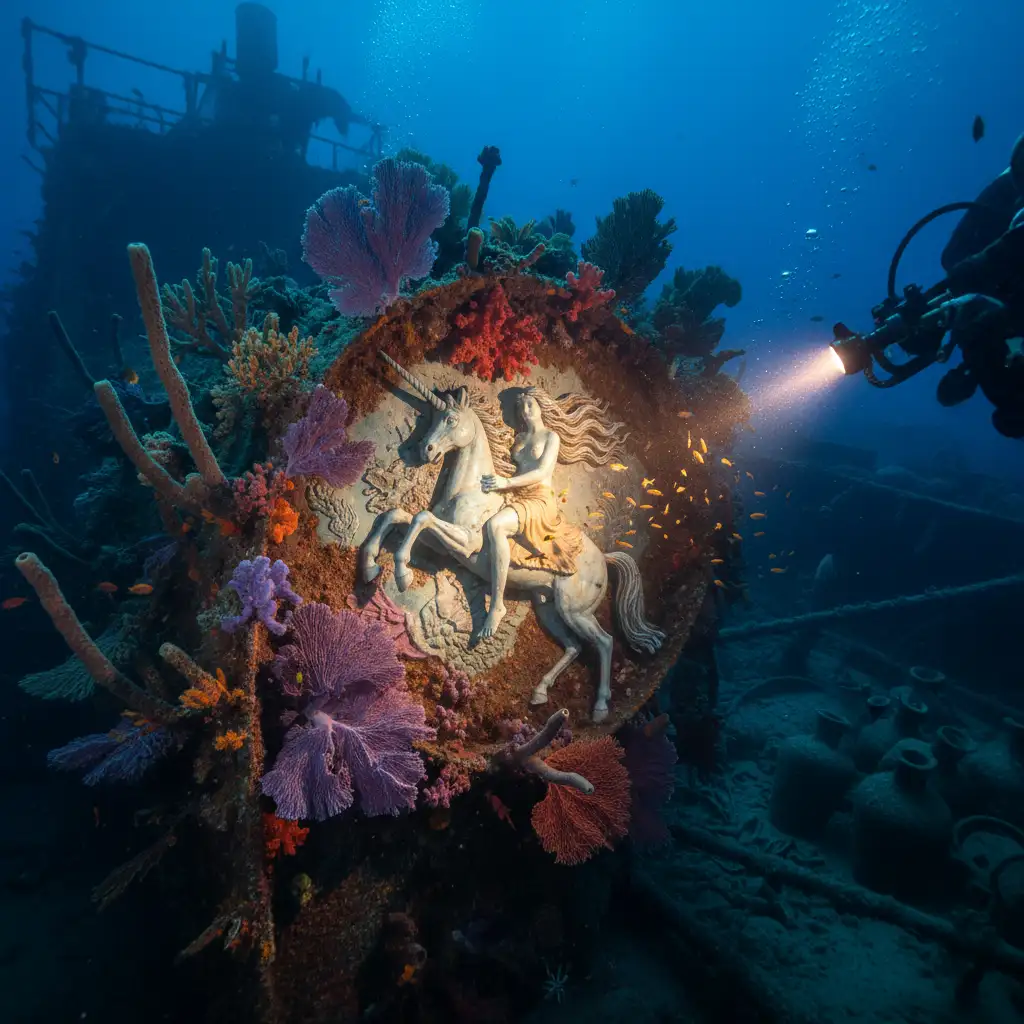
The absolute ‘must-see’ highlight of any ss president coolidge dive is ‘The Lady.’ This is a beautiful ceramic relief of a lady riding a unicorn, located in the first-class dining saloon. Originally located high on a wall, it now sits at an angle at a depth of about 39 meters. It is a tradition for divers to give the Lady a kiss for good luck. The preservation of the ceramic colors against the dark, rusted steel of the ship is a hauntingly beautiful sight that serves as the centerpiece of most dive itineraries.
Cargo Holds and Military Hardware
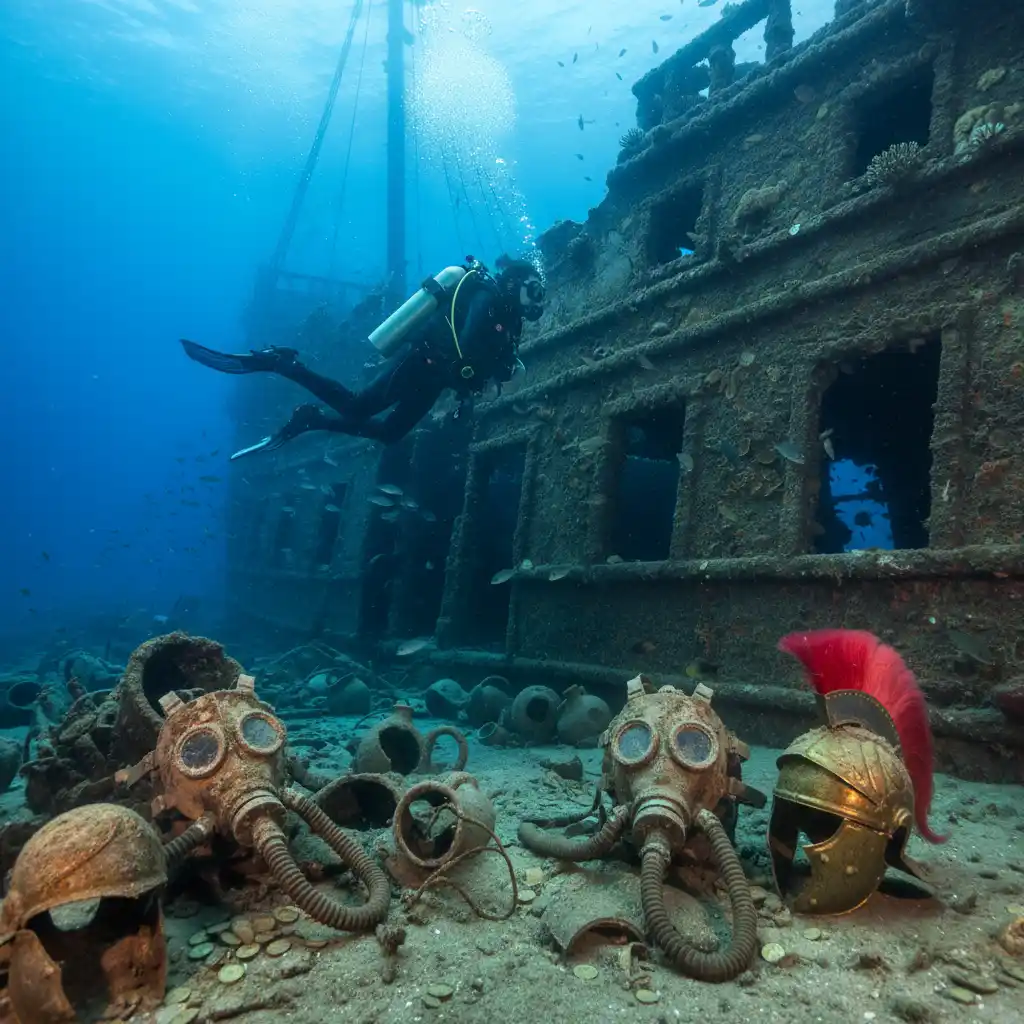
Because the ship sank so quickly, it remains a time capsule of 1940s military life. In Cargo Hold 1 and 2, divers can see stacks of Jeeps, GMC trucks, and even a ‘Easy’ tank. The holds also contain crates of ammunition, gas masks, and personal effects like shaving kits and boots. Exploring these holds feels like walking through an underwater museum. The 10-inch guns on the bow and the 3-inch guns on the stern provide excellent photo opportunities and demonstrate the ship’s transition from a civilian vessel to a weapon of war.
The Engine Room and Medical Supplies
For more experienced divers, the engine room offers a look at the massive machinery that once powered this 20,000-ton vessel. The scale of the boilers and turbines is immense. Nearby, the medical supplies area is another fascinating stop, where rows of glass medicine bottles, syringes, and surgical equipment remain neatly arranged on shelves, now covered in a fine layer of silt and marine growth.
How to Choose the Best SS President Coolidge Dive Operators?
Selecting the right dive operator in Luganville is the most important decision for your Vanuatu trip. For high-value travelers from Australia and New Zealand, the focus should be on operators that offer small group sizes, high-quality rental equipment, and experienced local guides who have thousands of dives on the wreck. The ‘Coolidge’ is a complex maze, and having a guide who knows every rivet and shortcut is essential for safety and for finding the best artifacts.
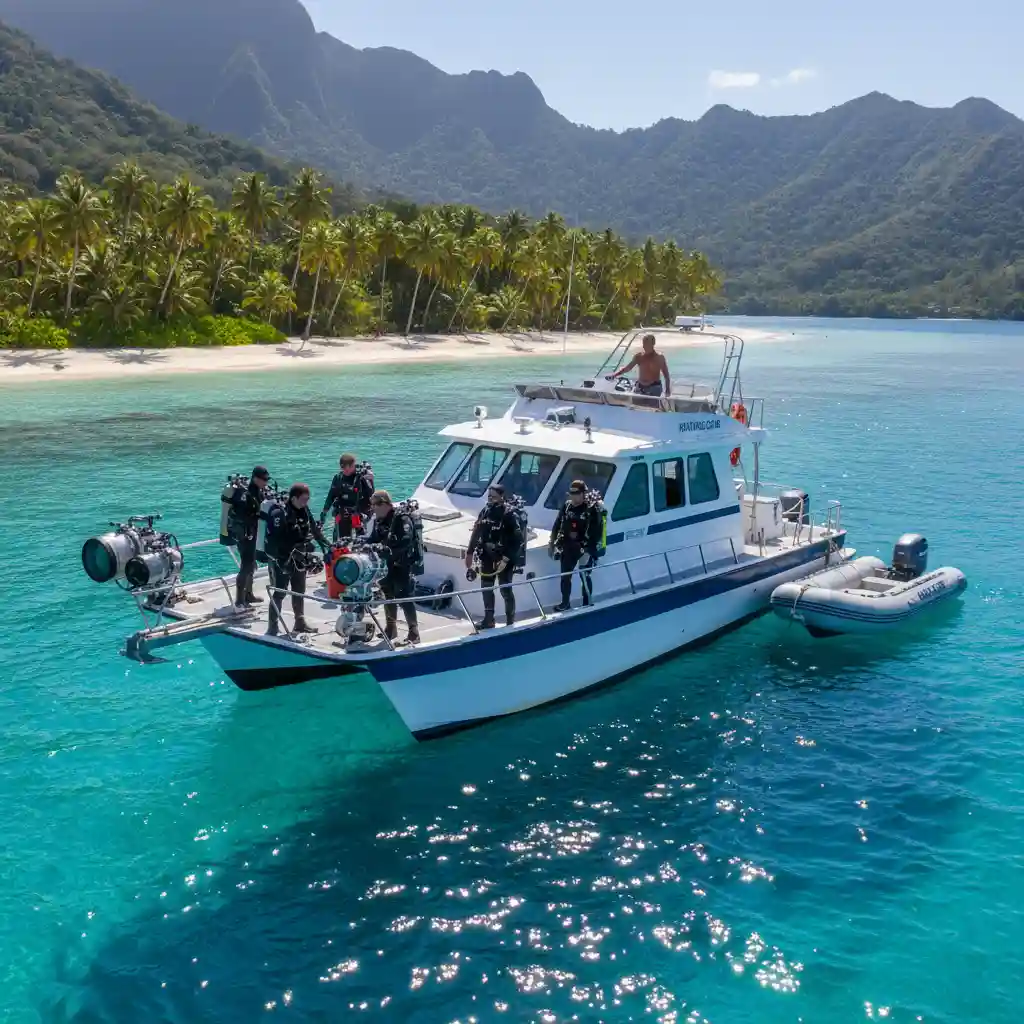
Top-tier operators provide a comprehensive service that includes transport from your resort to the dive site, detailed briefings on the history and layout of the ship, and a structured progression of dives. Most divers spend 5 to 10 days in Santo, performing two dives a day. A good operator will plan these dives to gradually increase in depth and complexity, allowing your body to acclimate to the nitrogen load and your mind to acclimate to the overhead environment.
Look for operators that prioritize environmental conservation and wreck preservation. The Coolidge is a protected site, and responsible operators will ensure that divers do not touch the artifacts or disturb the silt. Additionally, check if the operator provides specialized gases like Nitrox or Trimix, which are highly beneficial for extending bottom time or increasing safety margins on the deeper sections of the wreck.
What are the Safety Protocols for Diving the Coolidge?
Safety is the paramount concern when diving a wreck of this magnitude. The SS President Coolidge is a ‘no-decompression’ limit-breaking dive for almost everyone who visits. Because of the depths involved, almost every dive concludes with a mandatory decompression schedule. Local operators have refined a system over decades to manage this safely for recreational divers.
Shore-Based Decompression and Oxygen
One of the unique aspects of the Coolidge dive is the decompression area known as the ‘Coral Garden.’ After exiting the wreck, divers spend their deco time in a shallow, sunlit reef area at 3 to 6 meters. Most operators hang cylinders of pure oxygen at these stops to accelerate the off-gassing process. This not only increases the safety margin but also leaves divers feeling much less fatigued after a week of deep diving. It is a standard protocol that has made the Coolidge one of the safest deep-dive destinations in the world.
Guide-to-Diver Ratios and Penetration Safety
Reputable operators maintain a low guide-to-diver ratio, often 1:4 or 1:2 for technical penetrations. When entering the ship, guides use established lines and markers to ensure easy egress. Silt-out management is a key part of the safety briefing; divers are taught to move with ‘frog kicks’ to avoid stirring up the fine sediment that can reduce visibility to zero in seconds. Furthermore, every diver is required to carry at least two light sources and a dive computer that is capable of handling decompression calculations.
Planning Your Trip from Australia and New Zealand
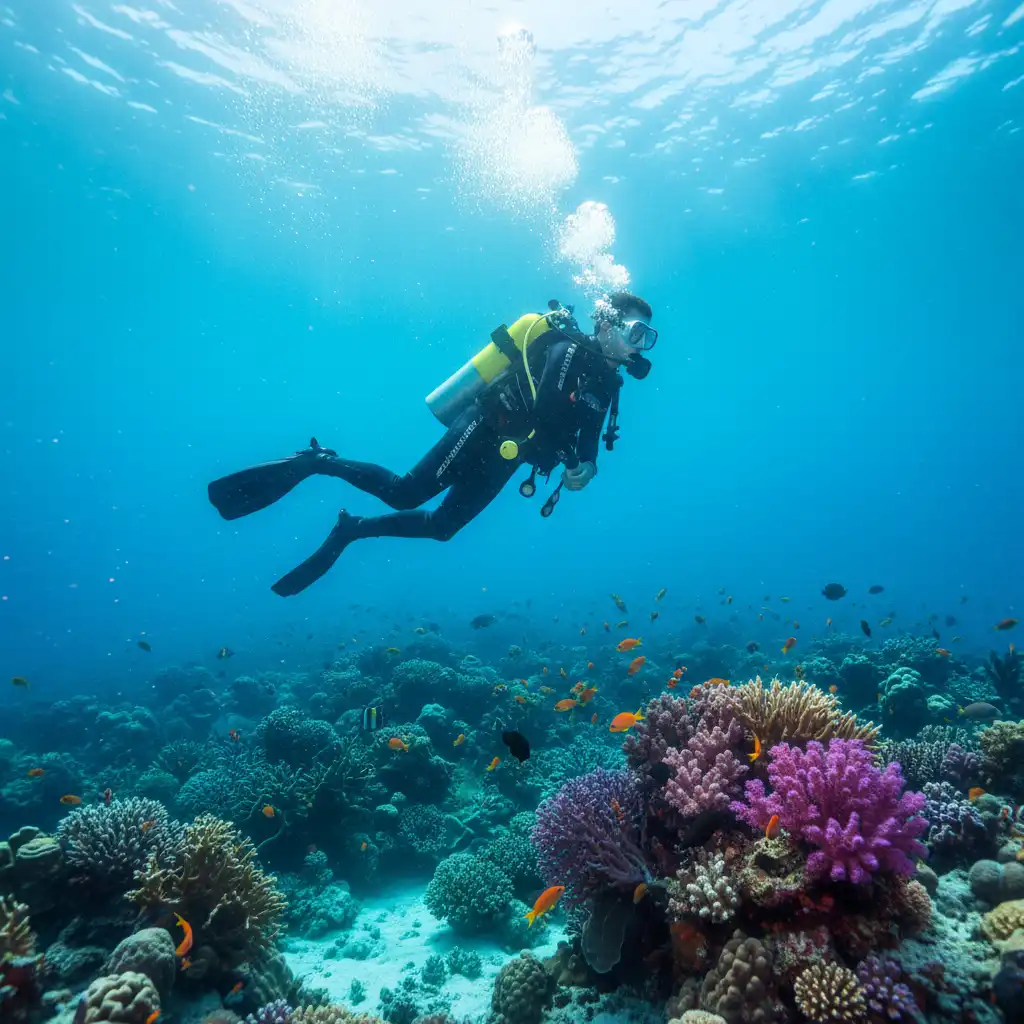
For AU and NZ travelers, Espiritu Santo is remarkably accessible. Direct flights from Brisbane to Santo are the most convenient route, while travelers from Sydney, Melbourne, or Auckland typically fly into Port Vila and take a short 45-minute domestic hop to Luganville. The proximity makes it an ideal destination for a 7-to-10-day dive holiday.
Accommodation options in Santo range from boutique beachfront resorts to dedicated dive lodges. For the high-value segment, staying at a resort that offers ‘dive valet’ services—where your gear is washed, dried, and transported for you—adds a layer of luxury to the rugged adventure of wreck diving. The best time to visit is during the dry season from May to October, though diving is possible year-round with water temperatures hovering between 26°C and 30°C. A 3mm or 5mm wetsuit is usually sufficient for most divers, especially considering the long decompression stops where you are relatively stationary.
Finally, ensure your travel insurance specifically covers scuba diving to depths of 40 meters or more and includes emergency evacuation. While there is a hyperbaric chamber in Luganville, having comprehensive insurance is a standard requirement for all international dive expeditions. By following these guidelines, your ss president coolidge dive will be a safe, awe-inspiring journey into one of the most significant maritime heritage sites in the Southern Hemisphere.
People Also Ask (PAA)
How deep is the SS President Coolidge dive?
The wreck lies on a slope. The bow is at 20 meters, while the stern sits at nearly 70 meters. Most recreational dives occur between 30 and 45 meters.
Can beginners dive the SS President Coolidge?
Beginners with an Open Water certification can dive the exterior of the bow and the shallowest artifacts, but an Advanced certification is required to see the most famous parts of the ship.
Is the SS President Coolidge dive safe?
Yes, provided you dive with a reputable operator. The use of shore-based oxygen for decompression and strict guide protocols make it a very managed experience.
What is the ‘Lady’ on the SS President Coolidge?
The ‘Lady’ is a famous ceramic relief of a lady and a unicorn that was part of the ship’s first-class dining saloon decor. It is the most photographed feature of the wreck.
How many days do I need to dive the Coolidge?
To see the main highlights, a minimum of 5 diving days (10 dives) is recommended. Many enthusiasts stay for 10 days to explore the deeper engine rooms and stern.
What is the water temperature in Vanuatu for diving?
Water temperatures range from 26°C in the winter (July/August) to 30°C in the summer (January/February). A 3mm wetsuit is typically perfect for most divers.