Vanuatu village tours offer travelers a chance to immerse themselves in authentic Melanesian culture. To ensure these visits are ethical, travelers should prioritize community-led initiatives that respect local customs, provide fair compensation to residents, and preserve the Kastom way of life through sustainable tourism practices and respectful personal conduct during their visit.
Understanding Cultural Protocol (Kastom)
In Vanuatu, the term “Kastom” refers to the traditional culture, religion, and law that governs life in the archipelago. When embarking on Vanuatu village tours, understanding Kastom is not merely an academic exercise; it is a prerequisite for respectful engagement. Every village operates under the leadership of a Chief, who serves as the ultimate authority on land use, social disputes, and cultural preservation. When you enter a village, you are entering private land that has been held by specific lineages for thousands of years.
Respecting local protocols begins with the concept of “tabu” (sacred). Certain areas, objects, or even stories are considered tabu and are restricted to specific members of the community. As a visitor, it is imperative to wait for your guide to indicate where you can walk and what you can touch. Never wander off the designated paths, as you might inadvertently step onto a sacred burial ground or a site reserved for male-only rituals. The social fabric of Vanuatu is built on consensus and respect; therefore, a quiet, observant approach is always preferred over an assertive or intrusive one.

The Role of the Chief and Local Hierarchy
The Chief is the guardian of the village’s spiritual and social well-being. In many ethical Vanuatu village tours, a portion of your entrance fee or a formal greeting involves acknowledging the Chief. While you may not always meet the high Chief personally, your presence is always vetted through his authority. This hierarchical structure ensures that the community remains cohesive despite the pressures of modern tourism. Understanding this helps travelers appreciate that they are guests in a living home, not spectators in a museum.
How to Choose Ethical Tour Operators
Selecting the right operator is the most critical decision a traveler makes regarding ethical tourism. For the high-value Australian and New Zealand markets, the preference should always be for community-owned and operated ventures. These models ensure that the financial benefits of tourism stay within the village, rather than being siphoned off by foreign-owned agencies or large-scale resorts. When researching Vanuatu village tours, ask if the village receives the majority of the tour price and if the guides are residents of that specific community.
Ethical operators are transparent about their impact. They will often have a clear policy on environmental conservation and cultural integrity. Look for operators who limit group sizes to minimize the social footprint on the village. Large groups can overwhelm the daily life of a Ni-Vanuatu community, turning an authentic exchange into a performance. Smaller, more intimate tours allow for genuine conversation and a deeper understanding of the local way of life without disrupting the village’s internal rhythm.
Certifications and Community Endorsements
While formal certification programs are still developing in Vanuatu, the Vanuatu Department of Tourism has made significant strides with the “Vanuatu Tourism Crisis Response and Recovery Plan,” which emphasizes sustainability. Check if the operator is a member of the Vanuatu Tour Operators Association (VTOA). Furthermore, reading reviews from other high-value travelers can provide insights into whether the tour felt exploitative or empowering for the locals involved.
Supporting the Local Economy Directly
The economic benefits of Vanuatu village tours are profound when managed correctly. In many rural areas, tourism is the primary source of cash income, which is used to pay for school fees, medical supplies, and solar infrastructure. To maximize your positive impact, seek out opportunities to purchase local handicrafts directly from the artisans. Vanuatu is famous for its intricate carvings, woven mats, and volcanic ash pottery. Buying these items at the source ensures the artist receives 100% of the profit.
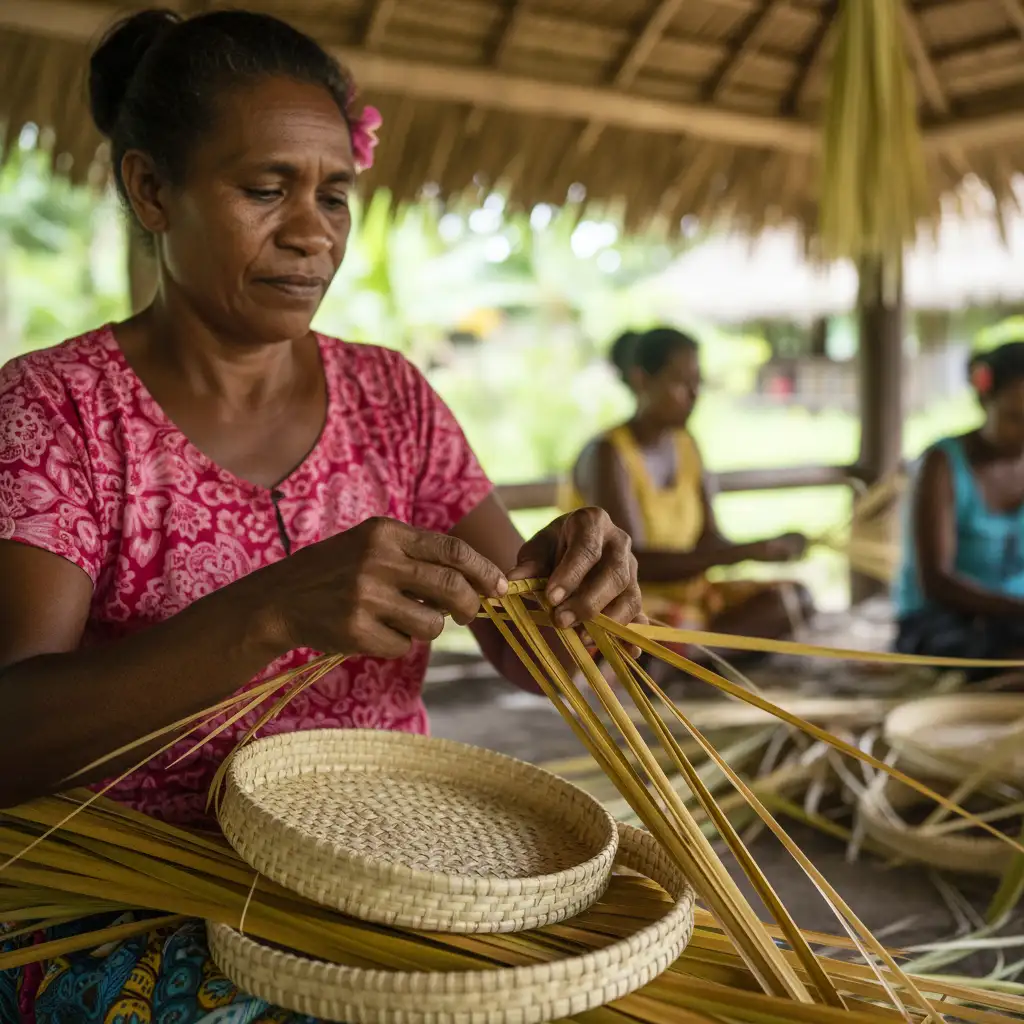
Beyond handicrafts, consider the “multiplier effect” of your visit. Does the tour include a meal prepared with local ingredients? Supporting food sovereignty by consuming local root crops like taro and yam, rather than imported goods, strengthens the local agricultural economy. Ethical travelers should also be wary of bargaining too aggressively. While in some cultures haggling is expected, in Vanuatu, the price quoted for a tour or a craft is usually fair and reflects the labor and cultural value of the item. Paying the asking price is a sign of respect for the artisan’s skill.
What to Expect During Your Village Visit
An authentic village visit is a sensory experience that differs significantly from a resort environment. Upon arrival, you may be greeted with a traditional welcome ceremony, which often involves rhythmic drumming on slit-gongs (tam-tams) and dancers adorned in custom attire made of pandanus fibers and feathers. These dances are not merely performances; they are oral histories passed down through generations. You might be invited to taste Laplap, the national dish made of grated root vegetables, coconut cream, and sometimes meat, cooked in an underground oven.
Expect a slower pace of life, often referred to as “Island Time.” Conversations may involve long pauses, and the atmosphere is generally one of peaceful observation. You will likely see children playing with natural toys, women tending to gardens, and men preparing kava in the evening. The architecture is a marvel of sustainable engineering, with huts designed to withstand tropical heat and cyclones using only natural materials. This immersion provides a stark, beautiful contrast to the high-speed digital lives of most visitors from AU and NZ.

The Kava Experience
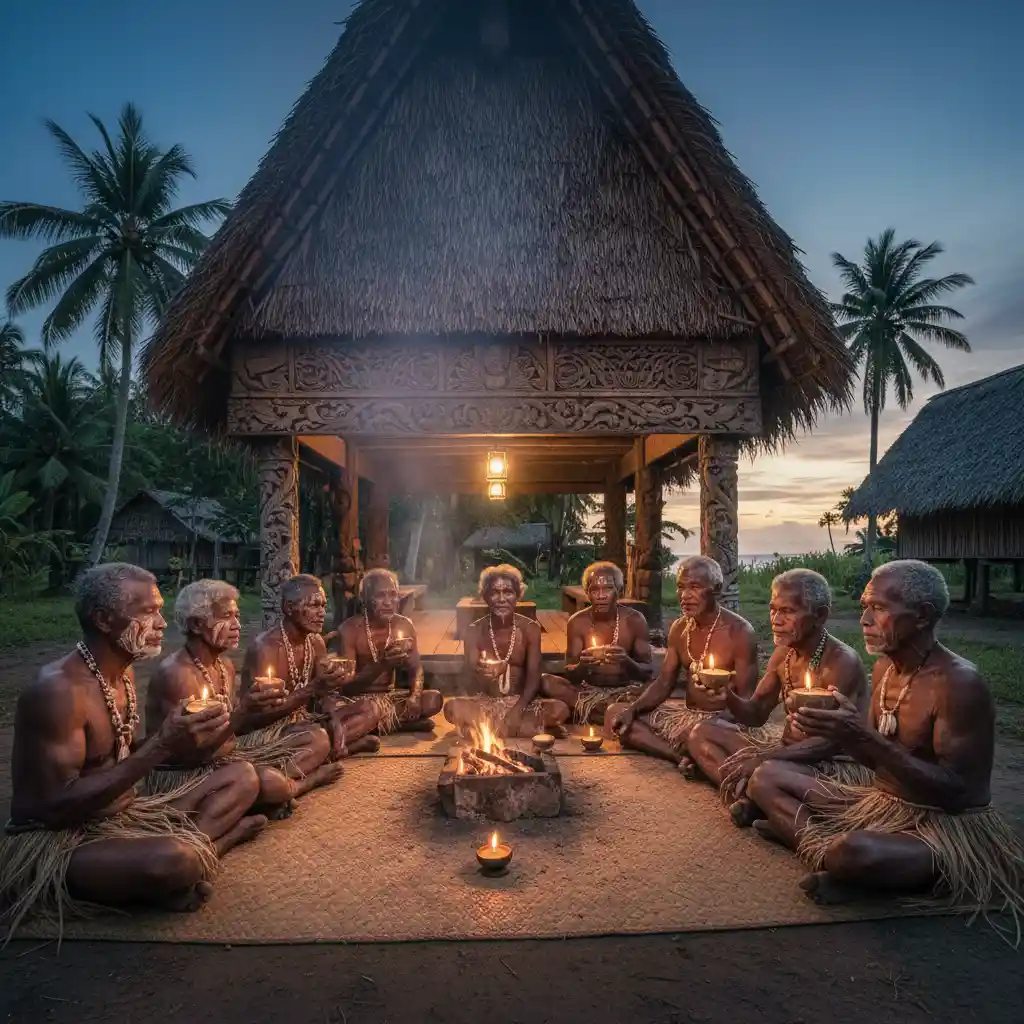
Kava is central to Ni-Vanuatu social life, particularly for men, though in many tourist-friendly villages, women are also welcome to observe or participate. Unlike the kava found in Fiji, Vanuatu kava is known for its potency and is prepared from fresh green roots. If offered a shell of kava, it is a significant gesture of hospitality. While you are not strictly required to drink it, accepting it or politely declining with a clear explanation is important for maintaining rapport with your hosts.
Dress Codes and Photography Etiquette
Modesty is highly valued in Ni-Vanuatu culture. While the tropical heat might tempt you to wear swimwear or short shorts, these are inappropriate for village visits. Both men and women should ensure their shoulders and knees are covered. A lightweight sarong (locally known as an island dress for women or a lava-lava for men) is a practical and culturally respectful choice. Wearing modest clothing demonstrates that you value the village’s standards over your own comfort.
Photography is a sensitive subject. Always ask for permission before taking a photo of a person, especially children or elders. Some villages may charge a small fee for photography, or they may have specific areas where cameras are prohibited. If you do take photos, consider how you will use them. Sharing them on social media with respectful, educational captions is a great way to promote ethical tourism, but avoid using images that portray the community in a way that strips them of their dignity or privacy.
Responsible Gifting and Donations
Many travelers feel a natural urge to bring gifts for village children, such as sweets or plastic toys. However, this can inadvertently create a culture of begging and lead to dental issues in areas with limited healthcare access. A more ethical approach is to bring useful supplies like books, pens, or medical kits and hand them to the village Chief or the local school teacher. This ensures the gifts are distributed equitably and reinforces the community’s existing leadership structures.
Financial donations to specific village projects, such as water tank installations or school roof repairs, are also highly effective. If you wish to make a larger contribution, consult with your tour operator or a local NGO to ensure your money is going where it is most needed. By focusing on systemic support rather than individual handouts, you contribute to the long-term resilience and independence of the community.
Environmental Stewardship
Finally, ethical village visits require a “leave no trace” mentality. Remote villages often lack formal waste management systems. Any plastic waste you bring in—such as water bottles or snack wrappers—should be taken back to the main town for proper disposal. Respect the natural environment as much as the cultural one; avoid picking flowers or disturbing wildlife, as many plants have specific Kastom uses or are protected under local environmental tabus.
By following these guidelines, your visit to a Vanuatu village becomes more than just a tour; it becomes a meaningful exchange that supports the preservation of one of the world’s most vibrant living cultures. For Australian and New Zealand travelers, this is an opportunity to be a conscious ambassador and a partner in sustainable development.
People Also Ask
What should I wear to a Vanuatu village?
Visitors should dress modestly. For women, this means covering shoulders and knees, often with a skirt or sarong. Men should avoid going shirtless and wear shorts that reach the knee. Modesty is a sign of respect for local Kastom values.
Is it okay to give gifts to children in Vanuatu?
It is better to avoid giving gifts directly to children to prevent the development of a begging culture. Instead, donate school supplies or medical items to the village Chief or school headmaster for fair distribution among the community.
How much should I tip on a Vanuatu village tour?
Tipping is not a traditional practice in Vanuatu and is generally not expected. The best way to show appreciation is to pay the full asking price for tours and crafts, or to make a donation to a community project through the Chief.
Can I take photos during a custom village visit?
Always ask for permission before taking photos of people or private property. Some villages have specific rules regarding photography, especially during sacred ceremonies. Respectful photography is usually welcomed if you ask first.
What is ‘Kastom’ in Vanuatu?
Kastom refers to the traditional culture, law, and spirituality of Vanuatu. It governs everything from land ownership to social hierarchy and is the foundation of identity for the Ni-Vanuatu people.
Are village tours in Vanuatu authentic?
Yes, many village tours are highly authentic, especially those that are community-owned. These villages are living communities where residents maintain traditional lifestyles while sharing their heritage with visitors in a controlled and respectful manner.