Camping in Vanuatu is an immersive off-grid adventure characterized by staying on customary land (Kastom) rather than commercial holiday parks. It involves negotiating access with local village chiefs, experiencing raw volcanic landscapes on Tanna, or pristine white sands on Espiritu Santo, all while remaining self-sufficient in a tropical, remote environment.
Where are the Best Places for Camping in Vanuatu?
Vanuatu does not have a network of commercial caravan parks like Australia or New Zealand. Instead, camping in Vanuatu is a deeply personal and culturally integrated experience. Most opportunities exist on the larger islands where the terrain varies from lush rainforests to volcanic ash plains.
Espiritu Santo: The Blue Hole and Beach Frontier
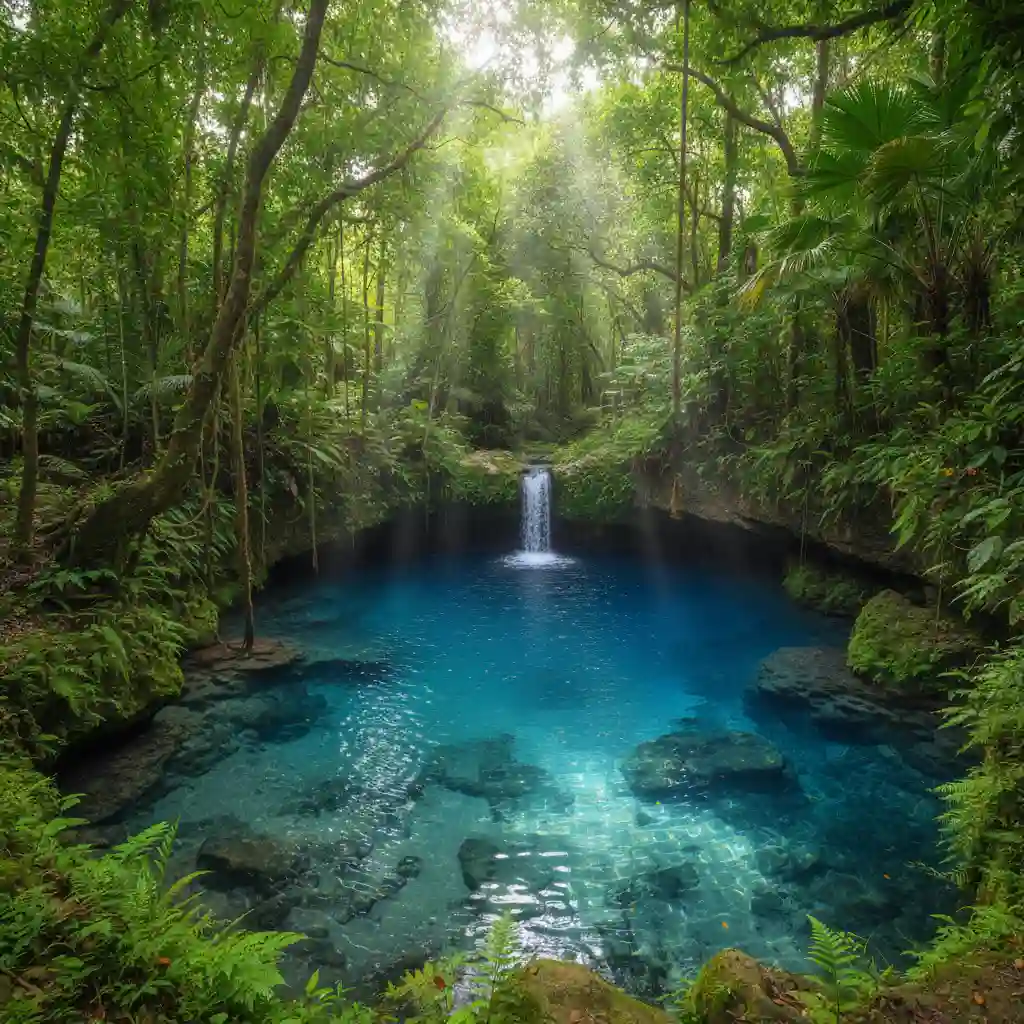
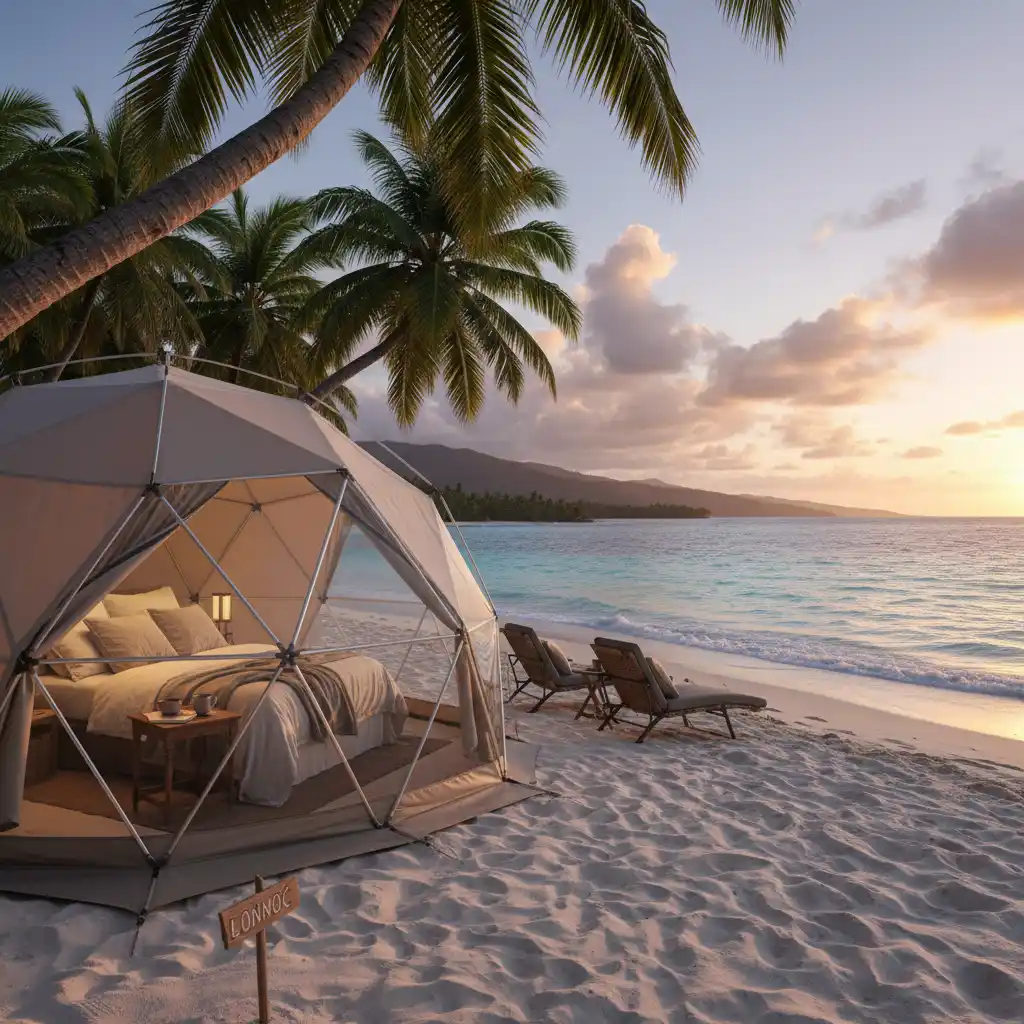
Espiritu Santo, the largest island, is the crown jewel for those seeking the classic tropical camping experience. Areas around Lonnoc Beach and Champagne Beach offer unofficial camping spots where, for a small fee paid to the local family, you can pitch a tent under coconut palms. The proximity to the famous Blue Holes—natural freshwater springs of intense sapphire color—makes this a prime location for those who enjoy kayaking and swimming right from their tent door.
Tanna Island: Volcanic Ash Plains
For the more adventurous, Tanna offers a landscape unlike any other. Camping near the base of Mount Yasur, one of the world’s most accessible active volcanoes, allows you to hear the roar of the earth throughout the night. The ash plains surrounding the volcano provide a surreal, lunar-like environment for off-grid enthusiasts. It is essential to coordinate with local guides here, as the land is strictly managed by the nearby villages.
Malekula: The Rugged Heart
Malekula is the destination for those wanting to disappear into the wild. Known for its complex cultural history and the Small Nambas and Big Nambas tribes, camping here often involves trekking between villages. You might find yourself camping on the shores of the Maskelyne Islands or deep within the jungle near ancient cannibal sites. This is high-level adventure tramping that requires a high degree of fitness and cultural sensitivity.
What Gear is Required for Off-Grid Camping in Vanuatu?
The tropical climate of Vanuatu presents unique challenges for gear selection. Humidity, sudden torrential rain, and heat mean that your standard AU/NZ alpine gear may not be suitable. High-value travelers should focus on lightweight, breathable, and highly durable equipment.
Shelter: Ventilation is Key
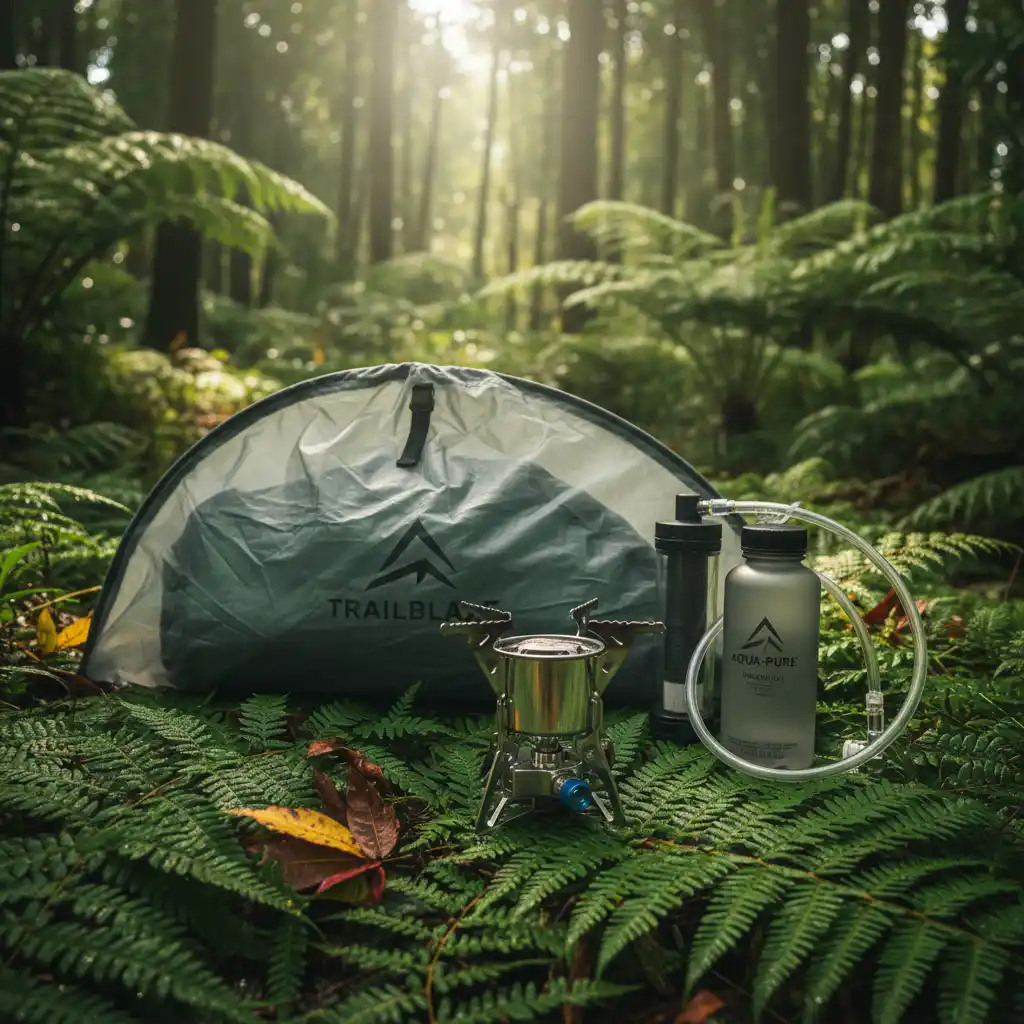
A four-season tent is unnecessary and will likely be too hot. Look for a high-quality three-season tent with a significant amount of mesh for airflow. Brands like MSR or Big Agnes offer ultralight options that keep insects out while allowing the breeze to circulate. A dedicated footprint is essential to protect the tent floor from sharp coral or volcanic rock.
Sleep Systems
Forget heavy sleeping bags. A lightweight silk or cotton liner, perhaps paired with a light quilt (rated for 15°C+), is usually sufficient. An insulated sleeping pad is still recommended, not for warmth, but for comfort on uneven, hard ground. Sea to Summit’s Ether Light series is a favorite for its balance of weight and cushion.
Water and Cooking
Water safety is paramount. While some villages have bore water, it is safest to treat all water. A Sawyer Squeeze or a Grayl Geopress filter is indispensable. For cooking, lightweight multi-fuel stoves (like the MSR WhisperLite) are better than canister stoves, as finding specific butane/propane canisters outside of Port Vila can be nearly impossible. However, most campers will find themselves cooking over small wood fires or enjoying meals prepared by their host villages.
Do You Need Permits for Camping in Vanuatu?
In Vanuatu, there is no such thing as “public land” in the Western sense. Every square inch of the islands is owned by a family or a clan under the “Kastom” (customary) land system. This makes the concept of “wild camping” or “stealth camping” both illegal and deeply disrespectful.
Negotiating Access
Permission is granted by the custom landowners. If you see a beautiful spot where you’d like to camp, you must find the nearest village and ask for the “Chief” or the landowner. Usually, a small fee (between 500 to 1,500 Vatu per night) is expected. This fee often includes access to basic amenities if they exist, or simply the right to be on the land. It is a vital part of the local economy and ensures your safety as the village then takes responsibility for your well-being.
Organized Trekking Permits
For specific high-traffic adventure areas, such as the Millennium Cave on Santo or the Lake Letas trek on Gaua, formal permits and local guides are mandatory. These are usually arranged through the provincial tourism offices or local bungalows that act as hubs for adventure travelers.
Safety Tips for Remote Island Camping
While Vanuatu is generally very safe, the remote nature of off-grid camping requires a proactive approach to health and personal security. Emergency services are limited once you leave the main hubs of Port Vila and Luganville.
Tropical Health and Malaria
Vanuatu is a malaria-risk zone, particularly in the outer islands like Malekula and Pentecost. Consult your travel doctor regarding prophylaxis. Furthermore, skin infections can escalate rapidly in the humidity. A robust first-aid kit with antiseptic creams, antibiotics (if prescribed), and plenty of waterproof bandages is a necessity. Even a small coral scratch can become a tropical ulcer if not treated immediately.
Natural Hazards
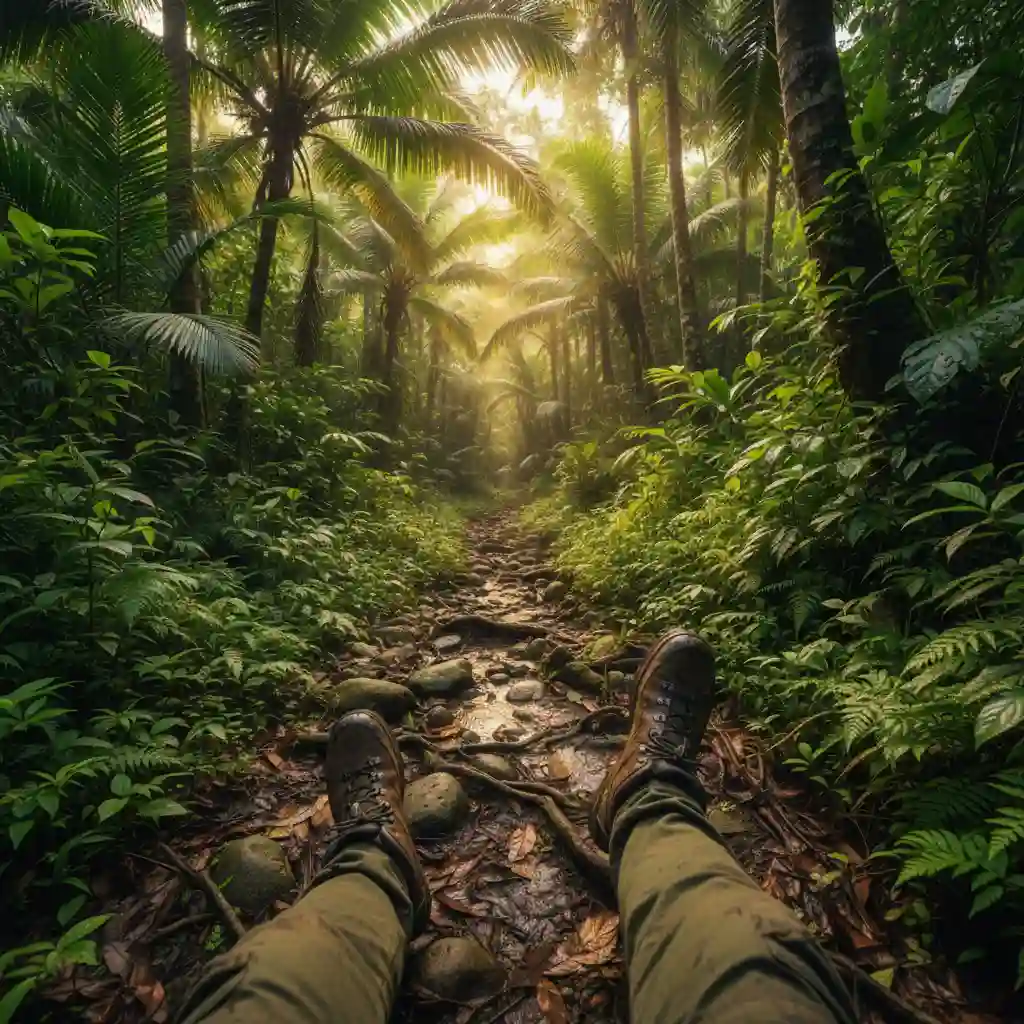
Be aware of your surroundings. Avoid camping directly under coconut trees (falling coconuts are a genuine hazard) and stay clear of dry riverbeds, which can flash flood during a tropical downpour. When camping near the coast, be mindful of tidal ranges, which can be significant. On Tanna, always check the volcanic activity level with the Vanuatu Geohazards Department before heading toward the ash plains.
Cultural Etiquette: Respecting Kastom
For the high-value traveler, the greatest luxury in Vanuatu is the depth of the local culture. Respecting this culture is the key to a successful trip. The Ni-Vanuatu people are incredibly hospitable, but they value their traditions and privacy.
Dress and Behavior
When walking through villages to reach a campsite, dress modestly. For both men and women, covering the shoulders and knees is appreciated. Avoid loud behavior or public displays of affection, which are considered inappropriate in many traditional settings. Always ask before taking photos of people or their homes.
The Gift of Kava
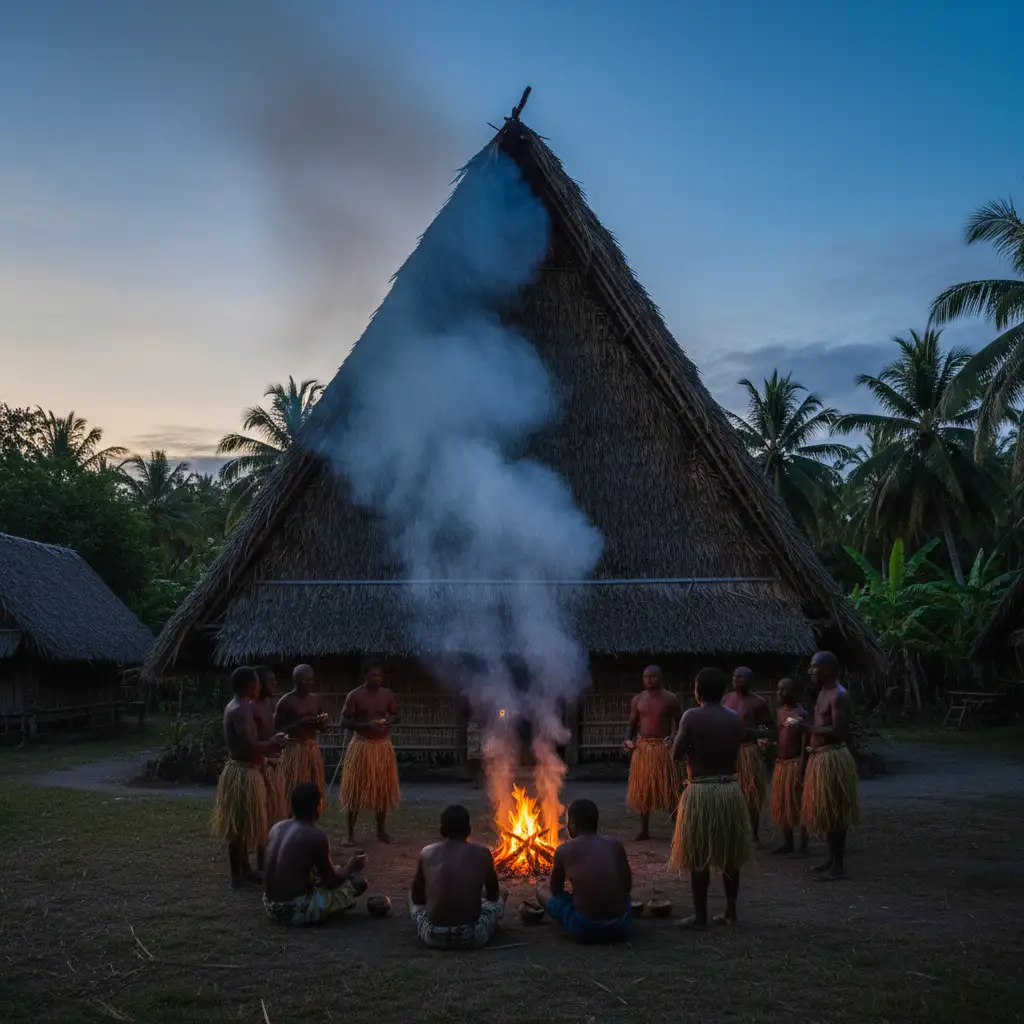
If you are staying for an extended period in a village area, bringing a small gift or offering to share in a kava ceremony is a powerful way to build rapport. While not strictly required for a one-night camp, it demonstrates a level of cultural awareness that is highly respected. Note that kava in Vanuatu is much stronger than the varieties found in Fiji or Australia.
Logistics: How to Manage Your Gear
Getting your camping gear to Vanuatu requires some planning. Air Vanuatu and other regional carriers have strict weight limits on domestic flights (often 10kg to 15kg for outer island hops). This necessitates a lightweight, minimalist approach to packing.
Buying Supplies Locally
Port Vila and Luganville have well-stocked supermarkets (Au Bon Marché is the primary chain) where you can buy bulk staples like rice, tinned fish, and crackers. However, specialized dehydrated trekking meals are not available locally; you should bring these from Australia or New Zealand, ensuring they meet biosecurity requirements upon entry into Vanuatu.
The Role of Local Guides
Even for experienced campers, hiring a local guide is highly recommended. They act as translators, cultural liaisons, and experts on the terrain. They can also help carry gear if you are doing long-distance traverses. Supporting the local guide economy is the most direct way to ensure your travel dollars benefit the communities you are visiting.
People Also Ask
Is it legal to wild camp in Vanuatu?
No, true wild camping does not exist in Vanuatu because all land is privately owned under the Kastom system. You must always seek permission from the local landowner or village chief before pitching a tent.
Do I need a permit to camp on Tanna?
While there is no official government permit, you must pay Kastom fees to the local villages near Mount Yasur or other attractions. It is best to organize this through a local tour operator or your accommodation on the island.
What is the best time of year to camp in Vanuatu?
The dry season, from May to October, is the best time for camping. The humidity is lower, temperatures are milder (20-28°C), and there is significantly less rainfall and risk of cyclones.
Are there dangerous animals in Vanuatu?
Vanuatu is remarkably free of dangerous land animals. There are no venomous snakes or large predators. The main concerns are mosquitoes (malaria/dengue), centipedes (painful bite), and wasps.
Can I rent camping gear in Port Vila?
Camping gear rentals are extremely limited and often non-existent. It is highly recommended that you bring all your own high-quality gear from home to ensure reliability and comfort.
How do I pay Kastom fees for camping?
Fees are typically paid in cash (Vatu) directly to the landowner or the village chief. It is helpful to carry small denominations of Vatu, as villages will rarely have change for large 5,000 Vt notes.