A custom village in Vanuatu is a traditional settlement where the local Ni-Vanuatu people live according to “Kastom”—a complex system of ancestral beliefs, social structures, and cultural practices. These villages offer visitors a rare opportunity to experience authentic Melanesian life, including traditional architecture, ancient rituals, and sustainable subsistence farming techniques.
What is a Custom Village in Vanuatu?
To understand the custom village in Vanuatu, one must first grasp the concept of “Kastom.” This Bislama word encompasses the entirety of traditional culture, including religion, economics, art, and magic. Unlike many Western cultures where tradition is relegated to museums, Kastom in Vanuatu is a living, breathing reality. A custom village is not a performance set for tourists; it is a functioning community where the rhythms of life are dictated by the seasons, the spirits of ancestors, and the wisdom of the village chief.
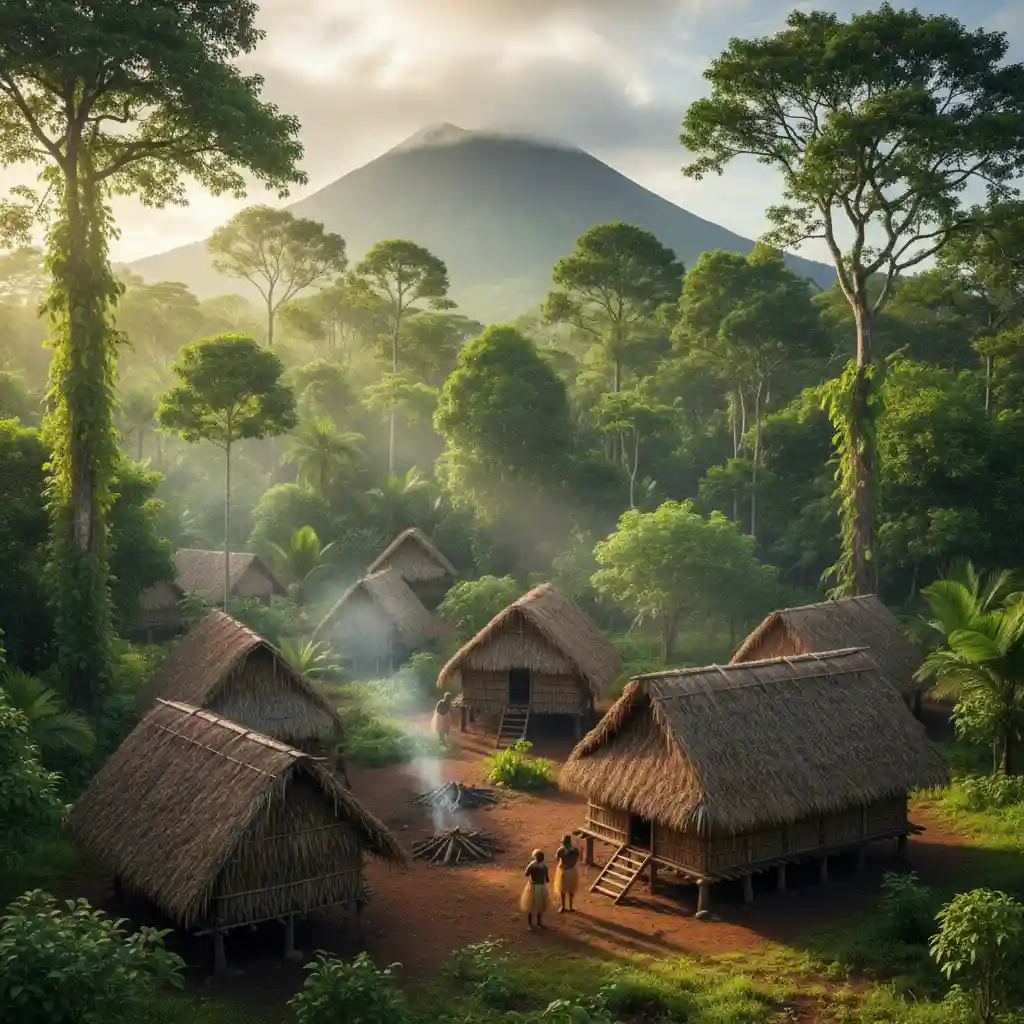
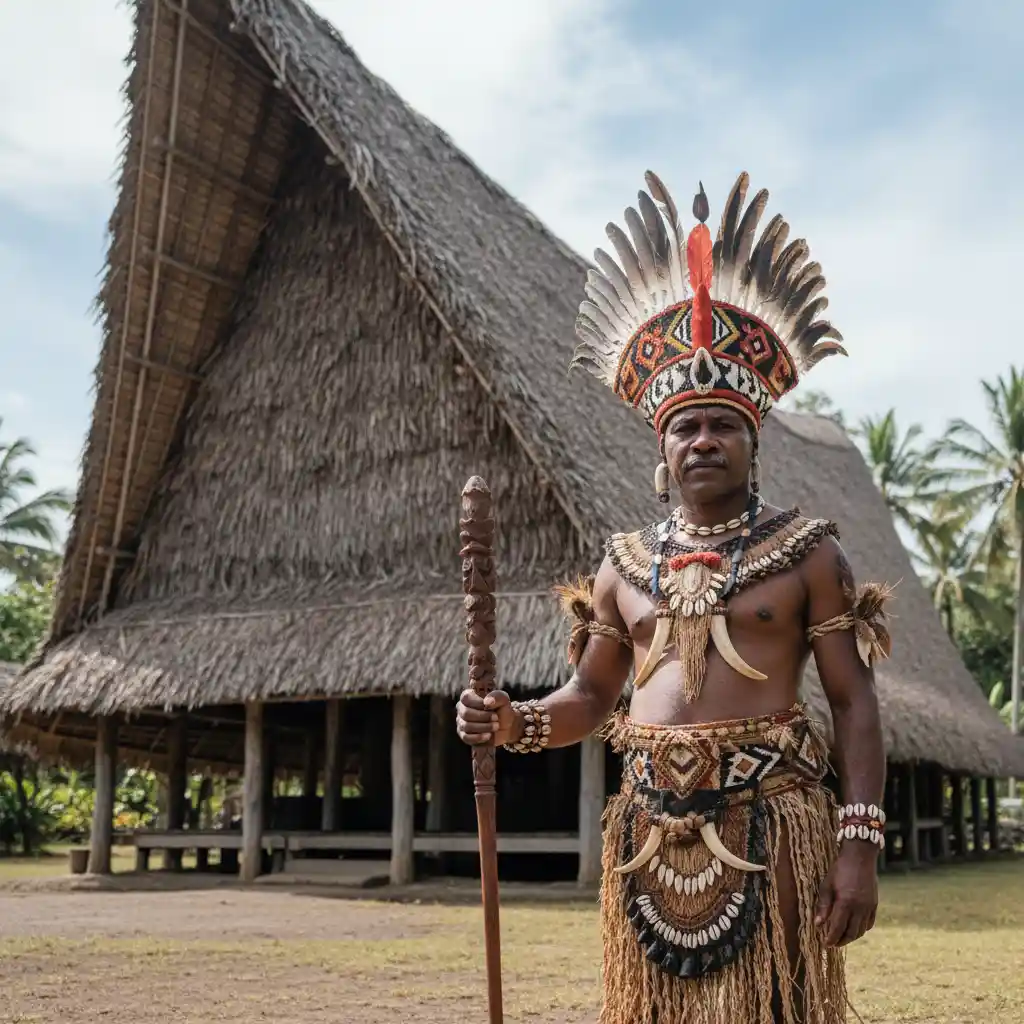
For high-value travelers from Australia and New Zealand, these villages represent one of the last frontiers of authentic cultural immersion. In these spaces, modern technology is often eschewed in favor of age-old techniques. Houses are constructed from local materials like bamboo, wild cane, and natangura palm leaves. The social hierarchy is strictly maintained, with the Chief (or Jif) holding the highest authority, responsible for maintaining peace and adjudicating disputes according to traditional law. Visiting such a village is a profound experience that challenges modern perceptions of progress and wealth.
Tanna Custom Villages: The Spiritual Heartland
Tanna Island is arguably the most culturally significant destination in the archipelago. It is home to some of the most traditional custom villages in Vanuatu, such as Yakel and Lowinio. These communities gained international fame through the film ‘Tanna,’ but their reality is far more complex and captivating than any cinematic portrayal. In Tanna, the adherence to Kastom is a form of resistance against the homogenization of the modern world.
The Yakel Experience
Yakel is perhaps the most famous custom village on Tanna. Here, the villagers wear traditional attire—nambas (penis sheaths) for men and grass skirts for women. There is no electricity, no running water, and very little influence from the outside world. Visitors to Yakel are greeted with a warmth that is both humbling and exhilarating. You are invited to sit under the Banyan tree, the traditional meeting place or ‘Nakamal,’ and listen to stories of the ancestors. The connection between the people and the land is visceral, especially given the proximity to the active volcano, Mount Yasur, which is considered a powerful spirit in local lore.
Lowinio and the Prince Philip Movement
Another fascinating aspect of Tanna’s custom villages is the presence of unique belief systems, such as the Prince Philip Movement in villages like Yaohnanen and Lowinio. This cult-like veneration of the late Duke of Edinburgh as a returned mountain spirit is a testament to the islanders’ ability to integrate global events into their own spiritual framework. For the sophisticated traveler, exploring these nuances provides a deep psychological insight into the resilience of Melanesian culture.
Ekasup Cultural Village: Gateway to Efate History
For those staying in Port Vila on the island of Efate, Ekasup Cultural Village offers a highly educational and accessible entry point into Vanuatu’s heritage. While more structured for tourism than the remote villages of Tanna, Ekasup is meticulously authentic in its demonstrations and historical accuracy. It serves as an outdoor museum where the secrets of the ancestors are shared with reverence.
The journey through Ekasup is led by guides who explain the multifaceted aspects of daily life. You will learn about the “primitive” but highly effective medicinal practices using forest plants, the intricate traps used for catching wild game, and the traditional methods of food preservation that allowed the Ni-Vanuatu to survive through cyclones and droughts. For Australian and New Zealander families, Ekasup provides a safe yet profound educational experience that often becomes the highlight of their holiday.
The Art of Cultural Demonstrations: More Than a Performance
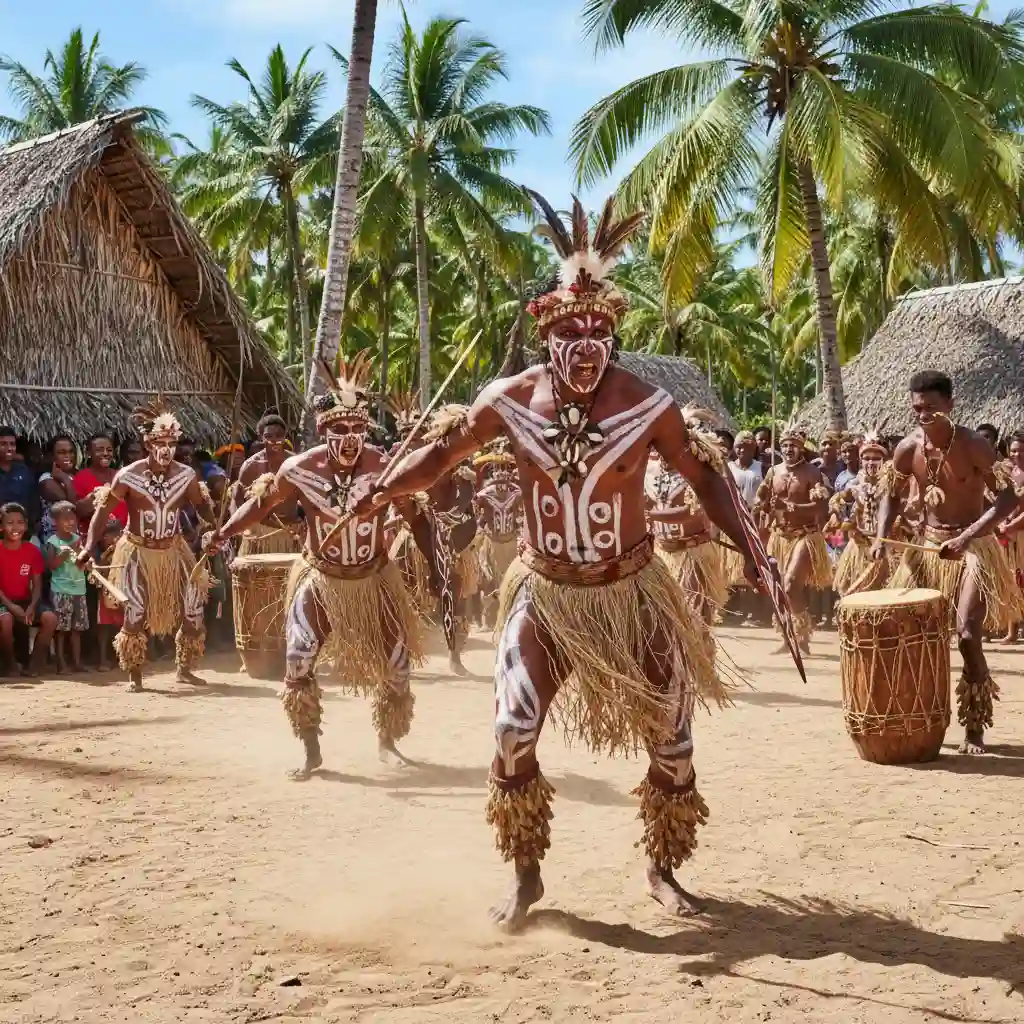
When you visit a custom village in Vanuatu, the demonstrations are not merely for show; they are a transmission of knowledge. Each movement and chant carries a specific meaning, often tied to the survival of the community or the honoring of spirits.
Sand Drawing: A UNESCO Masterpiece
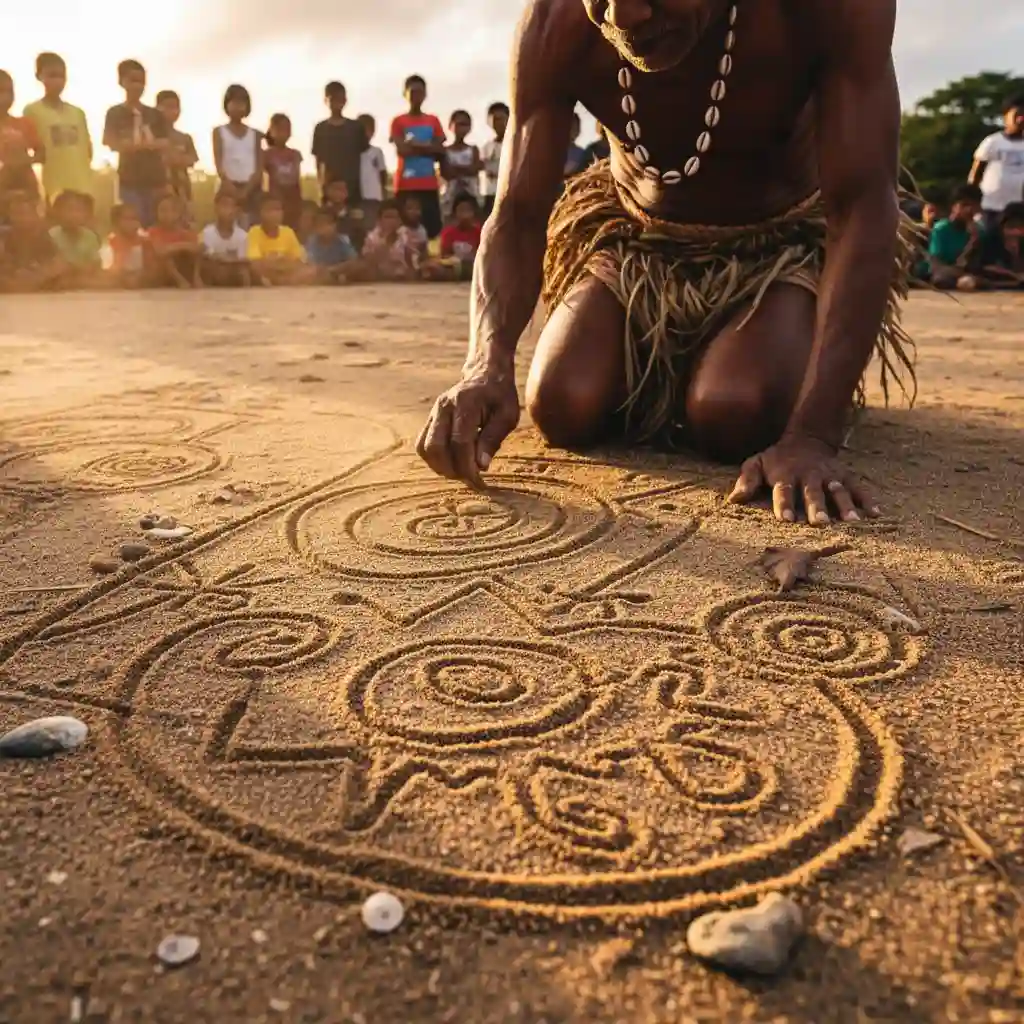
One of the most mesmerizing demonstrations is sand drawing. Recognized by UNESCO as a Masterpiece of the Oral and Intangible Heritage of Humanity, this practice involves drawing complex, continuous geometric patterns in the sand with a single finger. These drawings are more than art; they are a form of writing used to communicate across different language groups, record history, and share moral fables. Watching an elder effortlessly weave a story into the earth is a meditative experience that highlights the intellectual depth of Vanuatu’s culture.
The Kava Ceremony
No visit to a custom village is complete without understanding the significance of Kava. Unlike the social kava drinking found in urban bars, the kava ceremony in a custom village is a sacred ritual. The preparation involves grinding the root of the Piper methysticum plant and mixing it with water. It is consumed in the Nakamal, typically at dusk, to facilitate communication with the spirit world and to resolve conflicts within the village. The “kava culture” is the glue that holds the social fabric of Vanuatu together.
Essential Visitor Tips for AU/NZ Travelers
Visiting a custom village requires a level of cultural sensitivity that goes beyond standard tourism. As guests in a living community, travelers should adhere to specific protocols to ensure their presence is respectful and beneficial.
- Dress Modestly: While villagers may wear traditional attire, visitors should dress conservatively. For women, this means covering the shoulders and knees. A sarong (locally known as an island dress or lava-lava) is a versatile and respectful choice.
- Ask Permission for Photos: Most villagers are happy to be photographed, but it is essential to ask the Chief or your guide first. Some areas of the village may be taboo (forbidden) for photography.
- Bring Small Gifts or Cash: Most custom villages charge an entry fee which goes directly to the community’s school or medical funds. If you wish to bring gifts, think practically: school supplies, solar lights, or reusable water containers are highly valued.
- Respect Taboo Areas: You may notice certain areas marked with namele leaves (a type of palm). These signify a taboo area where entry is forbidden to outsiders or specific genders. Always follow your guide’s instructions.
- Manage Your Expectations: These are authentic villages. Infrastructure is minimal, and the experience can be raw. Embrace the humidity, the dirt, and the lack of air conditioning as part of the journey.
The Sustainable Impact of Cultural Tourism
For the high-value traveler, the choice to visit a custom village in Vanuatu is a vote for cultural preservation. In an era where globalization threatens to erase unique identities, the income generated from cultural tourism provides a powerful incentive for younger generations to stay in their villages and learn the old ways. Instead of moving to Port Vila for menial work, they can find pride and livelihood in maintaining their ancestral traditions.
By choosing reputable tour operators who have established long-term partnerships with these villages, travelers ensure that their money reaches the community directly. This supports the construction of schools, the purchase of medicine, and the protection of the environment. In Vanuatu, tourism and tradition are not mutually exclusive; they are partners in the survival of one of the world’s most vibrant cultures.
People Also Ask
Can you visit a custom village in Vanuatu?
Yes, many custom villages across the islands of Efate, Tanna, and Malekula are open to visitors. It is highly recommended to visit as part of a guided tour to ensure you follow correct cultural protocols and support the local community directly.
What is the most famous custom village in Tanna?
Yakel Village is the most famous, largely due to its starring role in the Academy Award-nominated film ‘Tanna.’ It remains one of the most authentic examples of traditional Ni-Vanuatu life in the archipelago.
What should I wear to a Vanuatu custom village?
Visitors should wear modest clothing. For both men and women, it is respectful to keep shoulders and knees covered. Light, breathable fabrics are best suited for the tropical climate.
Is Ekasup Cultural Village authentic?
While Ekasup is a curated cultural experience designed for education, the practices, stories, and demonstrations are deeply authentic. It is run by local Ni-Vanuatu who are passionate about preserving and sharing their heritage with visitors.
How do custom villages differ from modern villages?
Custom villages (Kastom villages) strictly adhere to traditional laws, architecture, and dress, often eschewing modern technology and Christianity. Modern villages may have electricity, modern housing materials, and churches, though they still maintain many traditional social structures.
Do I need a guide to visit a custom village?
Yes, a guide is essential. They act as a cultural liaison, translating languages, explaining complex traditions, and ensuring you do not inadvertently break any taboo rules within the village.