
Ambrym Island, often called ‘The Black Island,’ is a captivating volcanic island in Vanuatu renowned for its potent black magic, active lava lakes within Marum and Benbow volcanoes, and vibrant custom dances. This unique combination offers visitors an unparalleled journey into ancient traditions, raw natural power, and a deeply spiritual indigenous culture, making it a compelling destination for those seeking profound cultural immersion and adventure.
Ambrym Island, an island of dramatic contrasts within the Republic of Vanuatu, offers an experience unlike any other in the South Pacific. This rugged, ash-covered land is home to some of the world’s most accessible active lava lakes and a culture deeply interwoven with ancient beliefs, particularly the famed Ambrym magic. For the discerning traveller from New Zealand and beyond, Ambrym presents an unparalleled opportunity for adventure, cultural discovery, and a connection with traditions that have endured for centuries. Far from the well-trodden tourist paths, Ambrym invites you to step into a realm where the raw power of nature meets the profound mystery of human spirit, promising an unforgettable journey.
Unveiling Ambrym Black Magic
Ambrym Island holds a formidable reputation throughout Vanuatu and internationally for its potent black magic, locally known as kastom magic. This isn’t merely folklore; it’s a deeply integrated aspect of daily life, influencing social order, health, agriculture, and community relations. While the term ‘black magic’ might evoke images of malevolence, it’s crucial to understand it within its cultural context. For the people of Ambrym, magic encompasses a spectrum of practices, from healing ailments and ensuring good harvests to, in some instances, bringing misfortune upon rivals. The island’s isolated nature and the resilience of its traditional belief systems have allowed these practices to thrive, maintaining a tangible presence that fascinates and sometimes mystifies outsiders.
The Roots of Ambrym Magic
The origins of Ambrym magic are intertwined with the island’s ancient history and its spiritual connection to the land and ancestral spirits. It is believed that the power emanates from specific geographical locations, ancestral lines, and profound knowledge passed down through generations. Unlike Western interpretations of magic, Ambrym’s kastom magic is not separate from religion or daily life; it is a fundamental aspect of their worldview. Knowledge of spells, rituals, and the creation of magical artifacts (such as carved masks or effigies) is often a closely guarded secret, held by specific families or individuals known as man blong majik (men of magic) or sorcerers. Their influence can be significant, acting as arbitrators, healers, or even enforcers of traditional law. Understanding this deep-seated belief system is key to appreciating the complex cultural fabric of Ambrym.
Practitioners and Power
Those who practice Ambrym magic are highly respected figures within their communities, often holding significant social power. They are consulted for a myriad of reasons: to cure sicknesses unexplained by Western medicine, to identify thieves, to bless crops, or to protect individuals and villages from harm. Conversely, the fear of malevolent magic, often referred to as poison, also plays a substantial role in maintaining social harmony. While tourists are unlikely to witness explicit ‘black magic’ rituals directly, the pervasive belief in its power is palpable. Visitors may encounter taboos, sacred sites, or specific customs that are observed to respect the spiritual forces at play. Engaging with local guides who understand these nuances is invaluable for gaining insight into this profound aspect of Ambrymese culture without intruding upon sacred practices.
Safeguarding Cultural Heritage
Despite external influences, the tradition of Ambrym magic continues to be a cornerstone of the island’s cultural identity. Efforts by local communities and cultural institutions focus on preserving this invaluable heritage, ensuring that ancient knowledge and rituals are passed on responsibly to future generations. For travellers, the opportunity lies in respectfully observing and learning about these traditions from a distance, appreciating their significance to the Ambrymese people. It’s a privilege to visit a place where such powerful beliefs remain so vibrant and alive. The sheer existence of this enduring tradition speaks volumes about the islanders’ connection to their past and their environment, making the exploration of Ambrym’s magical heritage a truly enriching experience for any visitor.

Conquering the Fiery Peaks: Marum and Benbow Volcanoes
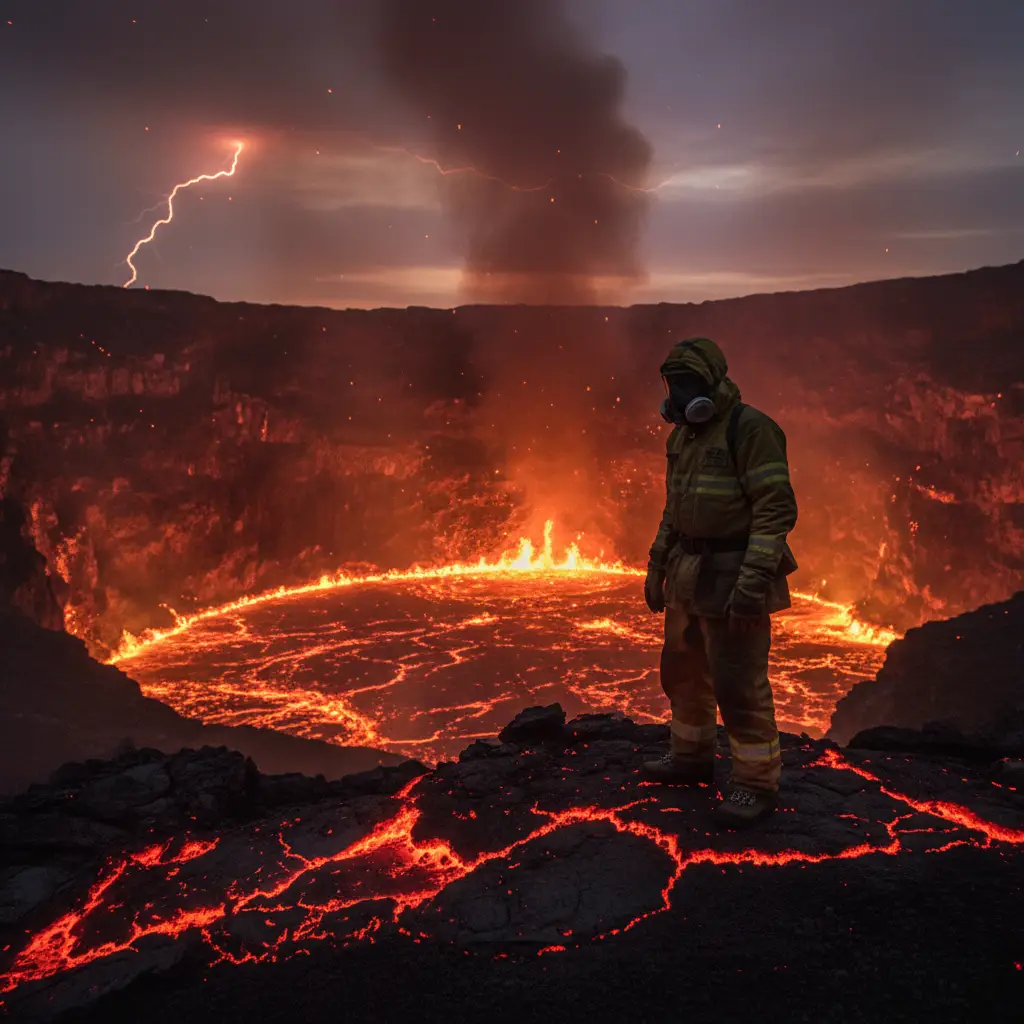
Ambrym Island is dominated by a vast, ash-filled caldera, within which two of the world’s most active volcanoes, Marum and Benbow, continually churn with molten lava. These twin giants offer an extraordinary and challenging trekking experience, culminating in the awe-inspiring sight of active lava lakes. The journey to their rims is not for the faint of heart, requiring physical stamina and a spirit of adventure, but the reward of witnessing the Earth’s raw power up close is an unforgettable spectacle. For those planning a trip from New Zealand, the volcanic treks are often the primary draw, promising an experience that transcends typical adventure tourism.
Trekking to Marum Volcano
Marum is perhaps the more frequently visited of the two, renowned for its spectacular, often circular, lava lake. The trek typically begins from one of the island’s many small villages, such as Port Vato or Endu, and involves a multi-day hike across varied terrain. The initial ascent through lush jungle eventually gives way to a barren, ash-covered lunar landscape within the caldera. The final approach to Marum’s crater rim can be steep and arduous, navigating loose ash and volcanic rock. However, arriving at the edge and gazing down into the bubbling, incandescent lake, particularly at night when its glow is most vibrant, is a truly transformative experience. The sheer scale and power of the active volcano are humbling, offering a rare glimpse into the geological forces shaping our planet.
The Enigma of Benbow Volcano
Benbow, Marum’s equally active sibling, often presents a slightly different challenge and character. While Marum’s lava lake is frequently visible, Benbow’s activity can be more varied, sometimes featuring multiple vents or a more turbulent, fuming crater. The trek to Benbow is often considered marginally more strenuous due to terrain or path variations, but it offers a similarly profound encounter with a living volcano. Due to the dynamic nature of these volcanoes, local conditions, including gas emissions and visibility, can change rapidly. This unpredictability adds to the raw, untamed allure of Ambrym, ensuring that no two visits are ever quite the same. Experienced local guides are absolutely essential for navigating the caldera safely and understanding the current conditions of both volcanoes.
Safety and Preparedness for Volcano Expeditions
Undertaking a volcano trek on Ambrym demands careful preparation. Travellers should be in good physical condition and come equipped with sturdy hiking boots, rain gear, warm clothing (it gets cold at the crater rim), plenty of water, and headlamps. Local guides are mandatory and provide invaluable expertise, not only in navigation but also in understanding the volcano’s behaviour and adhering to safety protocols. Respecting their guidance is paramount. Furthermore, it’s advisable to check with local authorities or your tour operator for the latest volcano activity reports and any restrictions before planning your ascent. The journey is an expedition, not just a hike, promising an adventure that truly pushes the boundaries of conventional tourism and rewards with unparalleled natural wonders.
The Rhythmic Heart of Ambrym: Custom Dances
Beyond its volcanic peaks and mystical magic, Ambrym Island pulsates with the vibrant energy of its custom dances. These traditional performances are not merely entertainment but profound cultural expressions, deeply embedded in the island’s social and spiritual fabric. They tell stories of ancestors, celebrate initiations, mark significant life events, and often invoke spiritual power. For visitors, witnessing these dances offers an extraordinary window into the heart and soul of Ambrymese culture, providing a colourful contrast to the island’s often stark volcanic landscape. The rhythm, costumes, and sheer passion of the performers are unforgettable.
Rom Dances and Traditional Ceremonies
Among the most famous and visually spectacular are the Rom dances. These are highly sacred and elaborate ceremonies, often associated with men’s secret societies and grade-taking rituals. Dancers adorn themselves with intricately woven costumes made from banana leaves and other natural materials, topped with towering, grotesque masks carved from wood and painted with natural pigments. These masks, imbued with spiritual significance, are considered sacred and are typically burned or destroyed after the performance to prevent their power from being misused. The Rom dance is performed to the hypnotic beat of wooden slit gongs (tams-tams) and rhythmic chanting, creating an otherworldly atmosphere. Attending a Rom dance is a privilege and requires adherence to strict local customs, including prohibitions on photography in certain areas. It’s an immersive experience that transports observers to an ancient world, rich in symbolism and spiritual depth.
The Significance of Tams-Tams
Central to Ambrym’s custom dances and indeed its entire cultural soundscape are the tams-tams, or slit gongs. These magnificent instruments, carved from large tree trunks, stand tall in village dancing grounds, some reaching several metres in height. Each tam-tam typically features a carved face at its top, often depicting ancestral spirits or totemic figures, with a slit running down its length. Struck with wooden mallets, they produce a deep, resonant sound that carries across the jungle, communicating messages, summoning villagers, and setting the rhythm for dances. The complexity of the beats can convey intricate meanings, forming a sophisticated language understood by the community. Witnessing the skill and power of the drummers as they bring these ancient instruments to life is an integral part of the Ambrym cultural experience, showcasing the islanders’ profound connection to music and their heritage.

Exploring Port Vato and Local Life
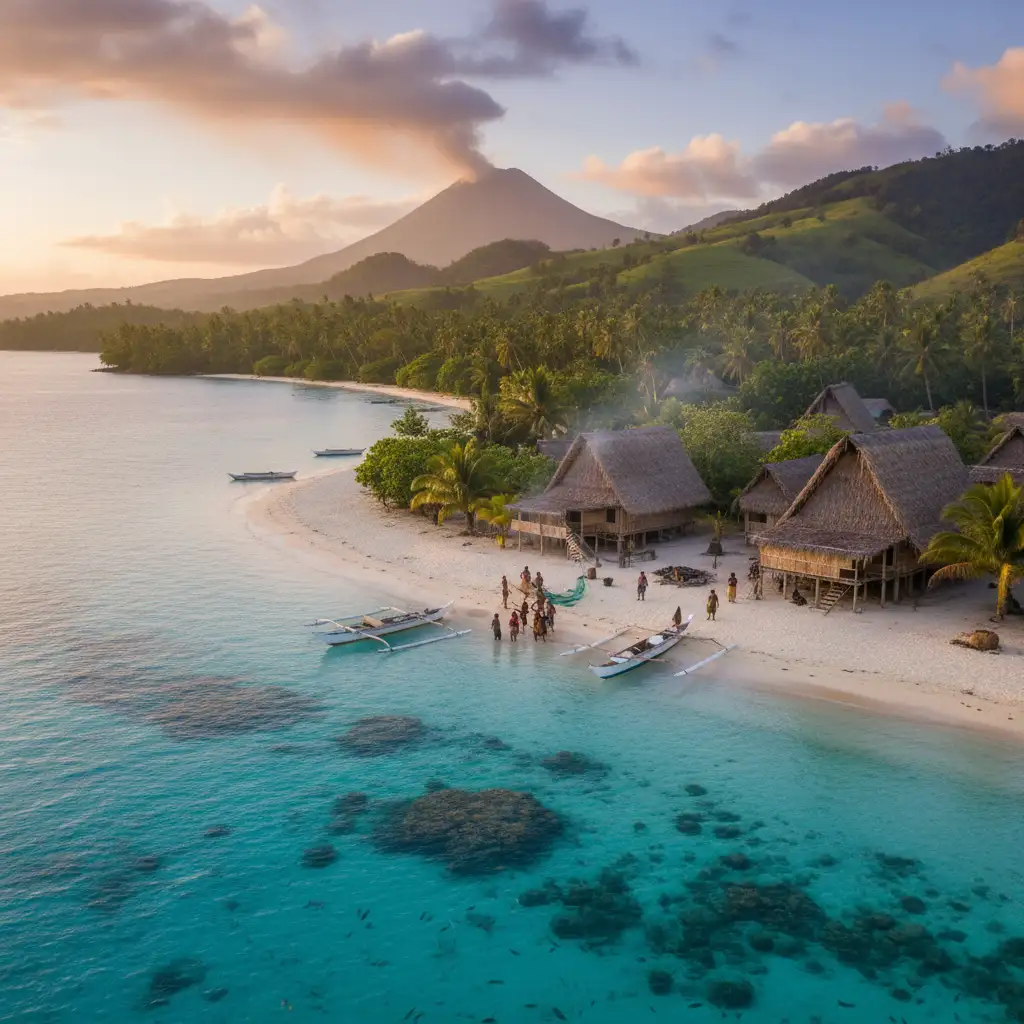
While the volcanoes draw adventurers and the magic captivates cultural enthusiasts, experiencing the everyday life of Ambrym Islanders provides an equally rich and authentic travel dimension. Port Vato, located on the island’s western coast, serves as one of the primary entry points and a vibrant hub for interaction with local communities. It offers a glimpse into traditional village life, where modern conveniences are few, and the rhythm of existence is dictated by ancient customs and the natural environment. For visitors from countries like New Zealand, used to urban comforts, Port Vato offers a refreshing contrast and a deep dive into genuine Pacific island living.
Daily Life and Community Spirit
In Port Vato and surrounding villages, life unfolds much as it has for generations. Houses are often traditional thatch and bamboo structures, and daily activities revolve around subsistence farming, fishing, and community gatherings. Children play freely, women tend to gardens and weave mats, and men often engage in community projects or prepare for ceremonies. The concept of kastom, or traditional law and custom, underpins all social interactions, emphasizing communal welfare and respect for elders. Visitors have the unique opportunity to observe this harmonious way of life, perhaps sharing a meal with a local family or attending a local market. The warmth and hospitality of the Ambrymese people are legendary, and genuine interactions can become the most memorable part of a visit.
Accommodation and Amenities
Accommodation options in Port Vato are basic but offer a truly authentic experience. Guesthouses or bungalows, often managed by local families, provide simple bedding, mosquito nets, and shared facilities. These are not luxury resorts but rather an immersion into local living, offering a chance to disconnect from the digital world and embrace simplicity. Amenities are limited; electricity might be generated by solar panels for a few hours a day, and running water is a luxury. Travellers should be prepared for rustic conditions, carrying their own toiletries, a torch, and any personal necessities. Essential food items can often be purchased locally, but dietary requirements might be challenging to meet. Embrace the simplicity, and you will find a profound connection to the land and its people, a far cry from the commercialised tourist centres found elsewhere.
Planning Your Journey to Ambrym Island
Embarking on a journey to Ambrym Island requires careful planning and a spirit of flexibility. As a destination that remains largely untouched by mass tourism, its charms lie in its authenticity and rugged beauty. For travellers coming from New Zealand, reaching Ambrym involves several steps, and understanding the logistics and local customs beforehand will ensure a smoother and more respectful visit to this extraordinary corner of Vanuatu.
Getting There
The journey to Ambrym typically begins with an international flight to Vanuatu’s capital, Port Vila (on Efate Island), or Luganville (on Espiritu Santo). From either of these hubs, domestic flights operate to Ambrym’s small airstrips, such as Craig Cove (West Ambrym) or Ulei (South East Ambrym). Air Vanuatu operates these flights, but schedules can be infrequent and subject to change, especially during adverse weather. It is highly recommended to book domestic flights well in advance and build in buffer time in your itinerary. Upon arrival at Ambrym’s airstrips, local transport – usually a 4×4 vehicle – will be arranged to take you to your chosen village or guesthouse. This often involves navigating rough, unpaved tracks, adding to the adventure.
Best Time to Visit
The dry season, from April to October, is generally considered the best time to visit Ambrym Island. During these months, rainfall is lower, making trekking conditions to the volcanoes more manageable and reducing the likelihood of travel disruptions. The humidity is also lower, making for more comfortable exploration. The wet season, from November to March, brings higher humidity, increased rainfall, and the risk of cyclones, which can severely impact travel plans and access to remote areas. However, some traditional ceremonies and dances might be more prevalent during certain times of the year, so if a specific cultural event is a priority, research the timing carefully.
Respecting Local Customs
Ambrym is a deeply traditional island, and respecting local customs (kastom) is paramount. Dress modestly, especially when visiting villages or attending ceremonies; shoulders and knees should ideally be covered. Always ask for permission before taking photographs of people or traditional sites, and accept that some requests may be declined. Offering a small gift (known as kastom present) to chiefs or elders upon arrival in a village can be a respectful gesture. English and Bislama are commonly spoken, but a few words of local dialect will always be appreciated. Embracing the pace of island life, showing genuine interest in their culture, and being mindful of your impact will ensure a positive experience for both you and your Ambrymese hosts, fostering a true exchange rather than just a tourist transaction.
People Also Ask
What is the significance of black magic on Ambrym Island?
Black magic, or kastom magic, on Ambrym Island is a fundamental aspect of daily life, influencing social order, health, agriculture, and community relations. It encompasses practices for healing, ensuring good harvests, and in some cases, causing misfortune, deeply intertwined with the island’s history, spiritual beliefs, and ancestral connections.
How challenging is the trek to Marum volcano on Ambrym?
The trek to Marum volcano is considered challenging, requiring good physical stamina. It often involves a multi-day hike across varied terrain, including lush jungle and barren, ash-covered landscapes, with a steep final ascent. Local guides are essential for safety and navigation.
What are the traditional dances unique to Ambrym Island?
Ambrym Island is renowned for its vibrant custom dances, particularly the Rom dances. These sacred ceremonies involve elaborate costumes made from natural materials, towering carved masks, and rhythmic performances accompanied by wooden slit gongs (tams-tams) and chanting, often linked to men’s secret societies and initiation rituals.
Is Ambrym Island safe for tourists to visit?
Ambrym Island is generally safe for tourists, provided visitors respect local customs and adhere to safety guidelines, especially concerning volcano treks. The local communities are welcoming, but it’s crucial to travel with reputable local guides and be prepared for basic amenities and rustic conditions.
How do I get to Ambrym Island from Port Vila, Vanuatu?
To get to Ambrym Island from Port Vila, you’ll need to take a domestic flight with Air Vanuatu to one of Ambrym’s small airstrips, such as Craig Cove or Ulei. It’s advisable to book these flights in advance and allow for potential schedule changes. From the airstrip, local 4×4 transport will take you to your destination.
What cultural experiences can I expect in Port Vato, Ambrym?
In Port Vato, you can expect an authentic glimpse into traditional Ambrymese village life, including subsistence farming, fishing, and community gatherings governed by kastom. You may interact with locals, observe daily routines, and experience profound hospitality, immersing yourself in a way of life deeply connected to ancestral traditions and the natural environment.