
Vanuatu offers an unparalleled snorkelling experience, renowned for its crystal-clear waters, vibrant coral reefs, and abundant marine life. From the protected sanctuaries of Efate to the historic underwater treasures of Espiritu Santo, the archipelago boasts diverse sites suitable for all skill levels, promising unforgettable encounters with tropical fish and pristine underwater landscapes.
A Journey into Vanuatu’s Underwater Paradise
Vanuatu, an archipelago nation nestled in the South Pacific, is a dream destination for anyone seeking to explore the vibrant world beneath the waves. Renowned for its pristine, warm waters and extraordinary marine biodiversity, snorkelling in Vanuatu offers an immersive experience into an untouched aquatic realm. From kaleidoscopic coral gardens teeming with tropical fish to unique historical underwater sites, the islands provide a diverse array of spots that cater to every level of snorkeller, from eager novices to seasoned enthusiasts. The clarity of the water here is often exceptional, providing visibility that frequently exceeds 20 meters, making every flutter of a fin a window into a spectacular underwater tableau.
For travellers from New Zealand, Vanuatu presents an accessible tropical escape, offering a blend of cultural richness and natural splendour. The focus of this guide is to unveil the absolute best snorkelling locations across this captivating nation, ensuring your underwater adventures are nothing short of breathtaking. We’ll delve into what makes each spot unique, what marine life you can expect to encounter, and practical advice to help you plan your perfect trip. Prepare to discover why Vanuatu is consistently hailed as one of the Pacific’s premier snorkelling destinations, promising memories that will last a lifetime.
Hideaway Island Marine Sanctuary, Efate
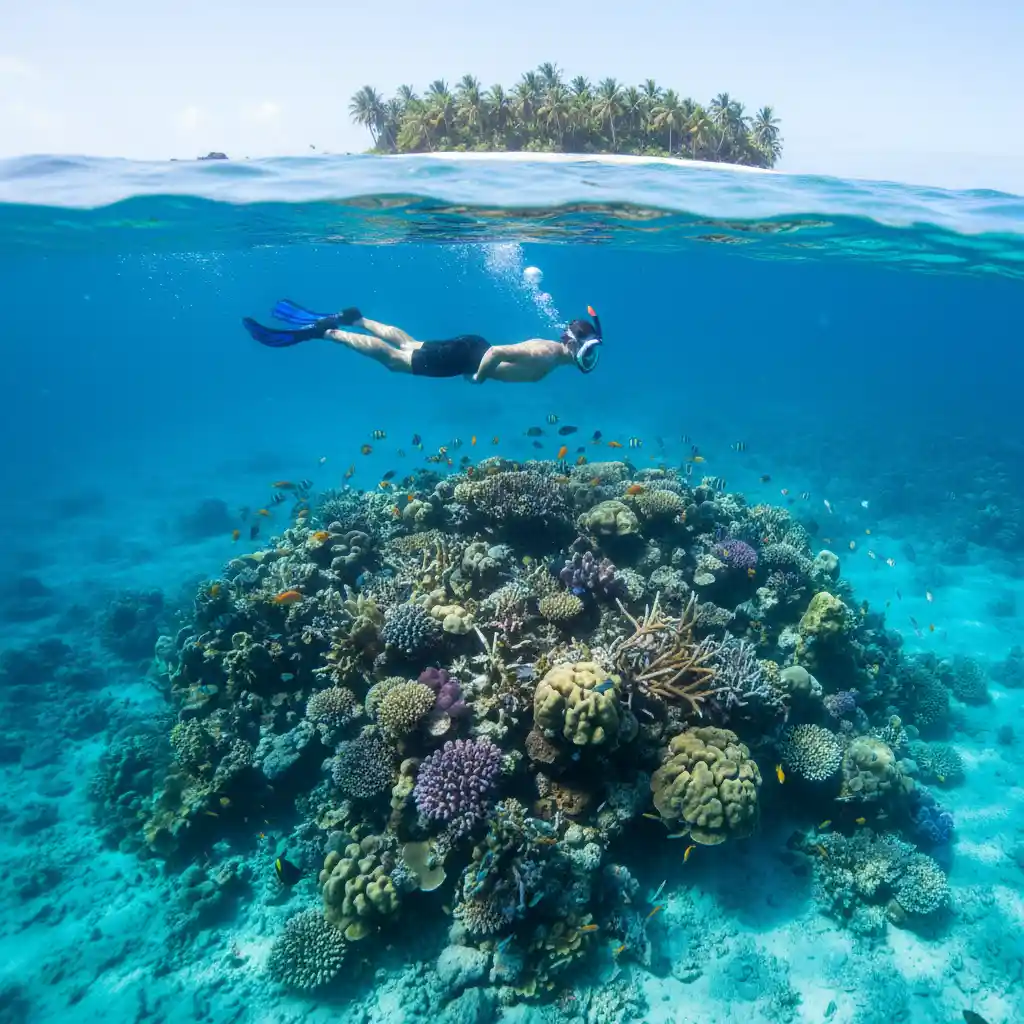
Just a short boat ride from Port Vila, Efate, Hideaway Island Marine Sanctuary stands out as one of Vanuatu’s most accessible and rewarding snorkelling locations. This small private island, encircled by a protected marine park, is a haven for an incredible diversity of marine life and pristine coral formations. Its proximity to the capital makes it an ideal day trip, offering immediate immersion into Vanuatu’s renowned underwater beauty without extensive travel.
Upon arrival, visitors are greeted by crystal-clear, calm waters, perfect for both beginners and experienced snorkellers. The sanctuary status means the marine ecosystem is flourishing, presenting an abundance of colourful hard and soft corals that provide shelter and sustenance for countless species of fish. Expect to encounter schools of vibrant parrotfish, iridescent surgeonfish, playful clownfish darting among anemones, and even graceful sea turtles gliding through the currents. The reef here is healthy and extensive, stretching directly from the shore into deeper waters, ensuring there’s always something new to discover just a few fin strokes away.
The Underwater Post Office and Vibrant Reefs
A unique attraction at Hideaway Island is its famous underwater post office. Situated several meters below the surface, snorkellers can send waterproof postcards to friends and family around the world, adding a whimsical touch to their marine adventure. This novelty provides a fun objective for younger snorkellers and a memorable anecdote for all. Surrounding the post office, the coral gardens are particularly dense and healthy, showcasing an impressive array of brain corals, plate corals, and delicate fan corals in shades of purple, green, and orange. The symbiotic relationship between the coral and the myriad of fish species creates a dynamic and ever-changing spectacle.
Beyond the novelty, the true magic lies in the sheer volume and variety of marine inhabitants. Keep an eye out for moray eels peeking from rocky crevices, graceful stingrays gliding over sandy patches, and if you’re lucky, even a reef shark cruising in the distance. The shallow depths near the shore are perfect for getting accustomed to the gear and observing juvenile fish, while a short swim further out reveals more intricate coral formations and larger pelagic species. The calm conditions within the sanctuary make it a safe and enjoyable environment for extended snorkelling sessions.
Practical Tips for Visiting Hideaway Island
Access to Hideaway Island is straightforward. From Port Vila, you can take a local bus or taxi to Mele Beach, where a small ferry (a short, free ride) regularly transports visitors to the island. There is an entrance fee to the marine park, which often includes boat transfers and access to the island’s facilities. Snorkelling gear is available for rent on the island, though many prefer to bring their own for optimal comfort and fit. Facilities include a restaurant, bar, and restrooms, allowing for a full day of relaxation and exploration. It’s advisable to visit during Vanuatu’s dry season (May to October) for the best weather and visibility, though the sheltered nature of the sanctuary often provides good conditions year-round. Remember to use reef-safe sunscreen to protect the delicate marine environment.
Champagne Beach Snorkelling, Espiritu Santo

On the northern coast of Espiritu Santo, Vanuatu’s largest island, lies Champagne Beach – often cited as one of the world’s most beautiful beaches. Its name is derived from the effervescent bubbles that appear at the shore during low tide, caused by volcanic gas escaping through the sand. While the beach itself is a breathtaking spectacle of impossibly fine white sand and stunning turquoise waters, the snorkelling opportunities just offshore are equally captivating and make it a must-visit for any underwater enthusiast.
The calm, shallow waters here are incredibly clear, offering excellent visibility. The fringing coral reefs located a short swim from the beach are vibrant and healthy, teeming with a rich variety of marine life. Snorkellers can expect to glide over expansive coral gardens, observing a spectacular array of hard and soft corals in an explosion of colours. The gentle slope of the seabed makes for an easy entry, ideal for families and those less confident in deeper waters. The absence of strong currents adds to the relaxed snorkelling experience, allowing for leisurely exploration.
Pristine Waters and Gentle Currents
What sets Champagne Beach apart for snorkelling is the combination of its serene environment and the untouched quality of its reefs. The water’s clarity is phenomenal, allowing for detailed observation of the intricate coral structures and the countless fish species that call them home. You’ll likely encounter schools of damselfish, clownfish guarding their anemones, colourful wrasse, and vibrant butterflyfish. Larger species such as blue-spotted rays can sometimes be seen gracefully moving across the sandy patches between coral bommies.
The reef system here acts as a natural breakwater, ensuring consistently calm conditions, even on windier days. This makes it an excellent spot for prolonged snorkelling sessions, allowing you to truly immerse yourself in the underwater world. The shallow areas close to the beach are perfect for children and beginners, offering immediate gratification with plenty of small fish and young corals to discover. As you venture slightly further out, the reef becomes more developed, revealing larger coral formations and a greater diversity of marine creatures.
Beyond the Snorkelling at Champagne Beach
While snorkelling is a primary draw, the overall experience at Champagne Beach is equally enchanting. The lush tropical rainforest fringes the beach, providing a dramatic backdrop to the dazzling white sand and blue sea. Basic facilities are usually available, including picnic areas and sometimes local vendors selling refreshing drinks and fresh fruit. There is typically a small entrance fee collected by the local landowners, which contributes to the maintenance of the area. It is recommended to combine a visit to Champagne Beach with other attractions on Espiritu Santo, such as the renowned blue holes (e.g., Matevulu Blue Hole), which offer a different, yet equally captivating, swimming experience in freshwater. Remember to bring your own snorkelling gear if you prefer, as rental options might be limited, and always practice responsible tourism by not touching or standing on corals.
Blue Lagoon and Efate’s Coastal Snorkelling Gems

While Vanuatu’s Blue Lagoon on Efate is globally celebrated for its breathtaking sapphire-blue freshwater and incredible rope swings, offering an unforgettable swimming experience, its immediate surroundings also offer access to some delightful coastal snorkelling opportunities. The lagoon itself is more suited for swimming and relaxing in its mineral-rich waters. However, for those seeking marine encounters, Efate’s coastline, particularly in proximity to popular tourist routes, provides excellent spots that complement a visit to the Blue Lagoon or other inland attractions.
Efate, being the most developed island, boasts several accessible marine areas perfect for snorkelling. The island’s fringing reefs are home to a healthy population of coral and fish. These spots are often characterized by calm, clear waters and a good variety of reef inhabitants, making them ideal for a relaxed day of exploration. Many resorts and local tour operators can guide you to the best coastal areas for snorkelling, ensuring you experience the best of Efate’s marine offerings.
The Allure of Blue Lagoon
The Blue Lagoon itself, while primarily a freshwater swimming hole, is a natural marvel. Its vivid blue hue is created by the interaction of limestone with the water, giving it a luminous quality. While you won’t find coral reefs here, the clarity allows you to see small freshwater fish if you peer closely, and the sensation of snorkelling in the cool, invigorating freshwater is unique. It’s an excellent spot to cool off and relax between marine snorkelling excursions. The lush tropical vegetation surrounding the lagoon adds to its idyllic charm, making it a picturesque stop on any Efate itinerary.
Exploring Efate’s Marine Wonders
For genuine marine snorkelling near the Blue Lagoon area, you would typically venture to the coastal fringes. Areas along the eastern and southern coast of Efate, such as those near Port Havannah, Eton Beach, or even further south towards Pango, offer superb underwater visibility and vibrant reef ecosystems. These locations provide easy access from the shore and often feature gentle currents, making them suitable for all ages and skill levels.
Expect to see a wide array of colourful reef fish, including angelfish, clownfish, parrotfish, and various species of wrasse. The coral formations range from branching staghorn corals to massive brain corals, providing intricate habitats for the diverse marine life. Keep an eye out for small reef sharks, friendly sea snakes, and various species of sea cucumbers and starfish that inhabit the sandy seafloor patches. Many local tour operators offer guided snorkelling trips that can take you to these lesser-known, pristine spots, often combining it with other Efate attractions. It’s always a good idea to inquire locally about the best current conditions and specific hidden gems.
Million Dollar Point Snorkelling, Espiritu Santo
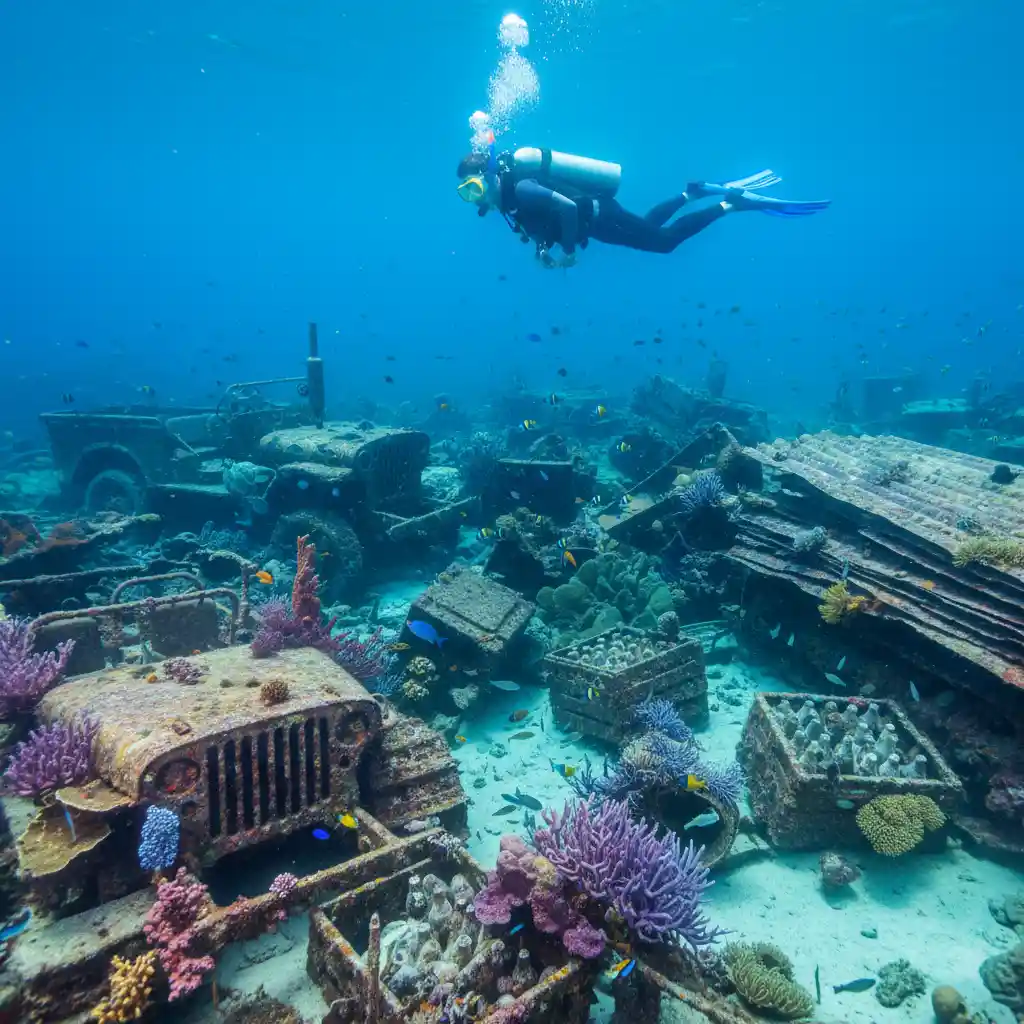
Million Dollar Point, located on the southeastern tip of Espiritu Santo, offers a truly unique snorkelling experience unlike any other in Vanuatu. This site is not just about vibrant coral and fish; it’s a fascinating underwater museum, a testament to a bygone era, where history and nature have intertwined to create an extraordinary ecosystem. During World War II, this was a massive US military base. When the war ended, rather than giving or selling their excess equipment to the local population at what they considered a fair price, the US military simply pushed millions of dollars worth of jeeps, bulldozers, trucks, and other military hardware into the ocean from a purpose-built jetty.
Today, these relics lie submerged just offshore, ranging from mere metres to deeper sections accessible to divers. For snorkellers, the shallower areas provide an incredible view of this submerged junk pile, now transformed into an artificial reef. The machinery, long corroded, is slowly being reclaimed by the ocean, becoming encrusted with coral and providing shelter for a plethora of marine life. It’s an eerie yet beautiful sight, offering a poignant reminder of human history alongside the vibrant spectacle of nature.
A Dive into History
Snorkelling at Million Dollar Point is a journey through time. As you float above the remnants, you can clearly distinguish the shapes of military vehicles, crates, and other equipment, now softened by layers of coral growth and adorned with colourful algae. The sheer quantity of discarded machinery is astounding, extending quite a distance from the shore. The site provides a captivating narrative of post-war events, illustrating an unparalleled example of waste on an epic scale, which has ironically become an ecological boon.
The historical significance of the site adds a layer of depth to the snorkelling experience. It’s not just about seeing beautiful fish; it’s about witnessing how nature adapts and thrives even in the most unusual circumstances. The water here is typically calm and offers excellent visibility, allowing for clear views of the historical artifacts. Entry is easy from the shore, making it accessible for all levels of snorkellers, including families. While there’s a small fee to access the beach, it’s a small price for such a unique adventure.
Marine Life Amidst the Wreckage
Despite its origins, Million Dollar Point is far from a desolate junkyard underwater. The submerged equipment has created a complex habitat, attracting a diverse range of marine species. The metal structures provide ideal surfaces for coral polyps to attach and grow, leading to a flourishing artificial reef. Snorkellers will discover a multitude of tropical fish, including schools of fusiliers, snapper, sweetlips, and various species of angelfish and butterflyfish, all navigating through the nooks and crannies of the underwater machinery.
You might spot moray eels hiding in the larger vehicle frames, crabs scuttling across the metal, and vibrant nudibranchs clinging to the coral. The contrast between the rusted military hardware and the delicate, colourful marine life is striking and endlessly fascinating. Keep an eye out for larger fish that patrol the area, often attracted by the abundance of smaller prey. This site truly offers a blend of historical intrigue and natural beauty, making it one of Vanuatu’s most distinctive and memorable snorkelling locations.
Family-Friendly Snorkelling in Vanuatu
Vanuatu is an exceptional destination for families, and its commitment to providing safe and engaging activities extends wonderfully to its snorkelling spots. When travelling with children, safety, accessibility, and the promise of immediate gratification are key, and Vanuatu delivers on all fronts. Many of its premier snorkelling locations are perfectly suited for younger explorers and those new to the underwater world, offering calm, shallow waters and plenty of marine life close to shore.
Choosing the right spot ensures that everyone, from toddlers splashing in the shallows to teenagers exploring deeper reefs, has an enjoyable and memorable experience. The warm, clear waters are inviting, and the gentle pace of island life makes for a relaxed holiday. Vanuatu’s focus on sustainable tourism also means that the marine environments are generally well-preserved, offering abundant opportunities for spectacular family encounters with nature.
Safe and Accessible Spots for All Ages
Several locations in Vanuatu stand out for their family-friendly attributes:
- Hideaway Island Marine Sanctuary, Efate: As highlighted earlier, Hideaway Island is a top choice for families. Its protected status ensures calm waters, and the reef starts very close to shore, making it easy for little ones to wade in and start exploring. The Underwater Post Office adds an element of fun and wonder that children adore. Snorkel gear rental is readily available in various sizes.
- Champagne Beach, Espiritu Santo: This iconic beach offers exceptionally calm and clear shallow waters, ideal for young children. The pristine white sand provides a soft entry point, and the gentle slope of the seabed means kids can enjoy the initial reef formations without venturing into deeper areas. The sheer beauty of the beach itself is also a major draw for families looking to relax after their snorkelling adventure.
- Local Beaches on Efate (e.g., Eton Beach): Many of Efate’s beautiful public beaches offer excellent, protected coves with calm waters suitable for beginners. While they may not be designated marine sanctuaries, the fringing reefs often hold a good variety of fish in shallow depths. These spots are often less crowded, allowing for a more intimate family experience.
- Resort-Based Snorkelling: Many resorts in Vanuatu, particularly on Efate, offer direct access to their own house reefs or arrange dedicated snorkelling tours. These often come with amenities like equipment rental, guided tours, and immediate assistance, providing a convenient and safe option for families.
These locations typically feature easy shore entry, minimal currents, and sufficient facilities, making them stress-free for parents and exciting for children.
Ensuring a Fun and Safe Family Experience
To maximize your family’s snorkelling enjoyment, consider these tips:
- Gear Fit: Ensure snorkelling masks and fins fit children properly to prevent discomfort and water leakage. Smaller sizes are often available.
- Flotation Devices: For younger or less confident swimmers, provide life vests or buoyancy aids. Many tour operators and resorts offer these.
- Sun Protection: The tropical sun is intense. Use reef-safe sunscreen, rash guards, and hats. Snorkelling T-shirts are excellent for protecting backs.
- Briefings: Teach children basic snorkelling etiquette, such as not touching coral or marine life, and how to clear their masks.
- Patience: Allow children to explore at their own pace. The joy is often in the discovery of small wonders rather than grand dives.
- Hydration: Bring plenty of water to stay hydrated, especially during longer sessions in the sun.
By choosing appropriate locations and taking these precautions, families can create lasting memories of Vanuatu’s enchanting underwater world, fostering a love for marine environments in the next generation.
Essential Tips for an Unforgettable Vanuatu Snorkelling Adventure
To truly make the most of your snorkelling journey in Vanuatu, a little preparation goes a long way. Beyond selecting the perfect spots, understanding the local conditions and adopting responsible tourism practices will enhance your experience and contribute to the preservation of these magnificent underwater ecosystems. Vanuatu’s unique blend of cultural authenticity and natural beauty demands respect and mindfulness from its visitors, ensuring that the magic endures for future generations of snorkellers.
Best Time to Visit and What to Pack
The best time for snorkelling in Vanuatu is generally during the dry season, from **May to October**. During these months, the weather is cooler and less humid, with lower rainfall, which translates to calmer seas and optimal underwater visibility. The water temperature remains pleasantly warm year-round, typically ranging from 22°C to 28°C (72°F to 82°F), making it comfortable for extended periods in the water.
When packing for your snorkelling adventure, consider the following:
- Snorkelling Gear: While rentals are available at popular sites, bringing your own mask, snorkel, and fins ensures a comfortable fit and familiarity. A good quality mask is crucial for clear vision.
- Reef-Safe Sunscreen: This is paramount. Chemical sunscreens contain ingredients harmful to coral reefs. Opt for mineral-based, zinc oxide, or titanium dioxide formulas.
- Rash Guard/UV Shirt: Provides excellent sun protection while in the water, reducing the need for excessive sunscreen.
- Waterproof Camera: To capture the stunning underwater moments. Ensure it’s rated for the depth you’ll be snorkelling.
- Dry Bag: To keep your valuables, phone, and towel dry while you’re in the water or on a boat.
- Water Shoes/Reef Shoes: Essential for rocky or coral-strewn shorelines and protecting your feet from sharp objects or sea urchins.
- Lightweight Towel: Quick-drying microfibre towels are ideal for travel.
- Reusable Water Bottle: Stay hydrated and reduce plastic waste.
- First-Aid Kit: For minor scrapes or stings, though guides are usually equipped.
Responsible Tourism and Marine Conservation
Vanuatu’s vibrant reefs are precious and fragile. Adhering to responsible tourism practices is vital to protect them:
- Look, Don’t Touch: Never touch, stand on, or collect corals or marine life. Even a gentle touch can damage delicate polyps and stress animals.
- Maintain Buoyancy: Practice good buoyancy control to avoid accidentally kicking or scraping the reef with your fins.
- Respect Marine Life: Observe animals from a distance. Do not chase, harass, or feed fish. Feeding can disrupt their natural behaviours and diets.
- Take Only Photos: Leave everything as you found it. Do not remove shells, rocks, or any marine artifacts.
- Support Local: Choose local tour operators and businesses that demonstrate a commitment to environmental sustainability and community benefit.
- Dispose of Waste Properly: Carry out everything you carry in. Avoid single-use plastics wherever possible.
By following these guidelines, you not only ensure your own safety and enjoyment but also play a crucial role in preserving Vanuatu’s breathtaking underwater world for generations to come. Your adventure here is more than just a holiday; it’s an opportunity to connect with nature and contribute to its protection.
Frequently Asked Questions About Snorkelling in Vanuatu
What is the best time of year to go snorkelling in Vanuatu?
The optimal time for snorkelling in Vanuatu is during the dry season, from May to October. These months offer the best conditions with lower humidity, minimal rainfall, calmer seas, and excellent underwater visibility, though water temperatures remain pleasantly warm year-round.
Do I need to bring my own snorkelling gear to Vanuatu?
While snorkelling gear is available for rent at most popular sites like Hideaway Island and through many tour operators, bringing your own mask, snorkel, and fins is recommended. This ensures a comfortable fit, better hygiene, and familiarity, enhancing your overall experience.
Is snorkelling in Vanuatu suitable for beginners and children?
Absolutely! Many snorkelling spots in Vanuatu, such as Hideaway Island Marine Sanctuary and Champagne Beach, feature calm, clear, and shallow waters with easy shore entry, making them ideal for beginners and children. Always ensure proper fitting gear and supervision for younger participants.
What kind of marine life can I expect to see while snorkelling in Vanuatu?
Vanuatu’s reefs are teeming with diversity. You can expect to see a colourful array of tropical fish like parrotfish, clownfish, angelfish, and surgeonfish. You might also encounter sea turtles, reef sharks, stingrays, moray eels, and vibrant soft and hard corals.
Are there any unique snorkelling experiences in Vanuatu?
Yes, Vanuatu offers unique experiences like snorkelling through the Underwater Post Office at Hideaway Island, where you can mail waterproof postcards, and exploring the WWII relics at Million Dollar Point, a fascinating historical site now transformed into an artificial reef.
How can I ensure my snorkelling is environmentally responsible in Vanuatu?
Practice responsible tourism by using reef-safe sunscreen, avoiding touching or standing on corals, not feeding marine life, taking only photos and leaving no trace behind, and supporting local businesses committed to conservation. These actions help preserve Vanuatu’s fragile marine ecosystems.