
The best time to visit Vanuatu from New Zealand is during the dry season, spanning from May to October. This period offers consistently pleasant weather with cooler temperatures, lower humidity, and minimal rainfall, creating ideal conditions for exploring Vanuatu’s stunning beaches, vibrant marine life, and lush interior landscapes, ensuring a comfortable and memorable travel experience.
What is the Best Time to Visit Vanuatu from NZ?
For New Zealand travellers seeking the ultimate Vanuatu experience, timing is paramount. The archipelago nation, renowned for its pristine beaches, active volcanoes, and rich cultural heritage, offers distinct experiences across its two main seasons. Understanding these seasonal variations in weather, tourist numbers, and available activities is key to planning a trip that aligns perfectly with your holiday aspirations.
The Ideal Dry Season: May to October
The period from May to October is overwhelmingly considered the best time to visit Vanuatu for most New Zealanders. During these months, Vanuatu experiences its dry season, characterized by lower humidity, less rainfall, and pleasant average temperatures. This translates into consistently clear skies, calm seas, and comfortable conditions perfect for a wide array of outdoor activities. Whether your ideal holiday involves basking on a sun-drenched beach, exploring vibrant coral reefs, trekking through lush rainforests, or immersing yourself in local customs, the dry season provides the optimal backdrop. The gentle trade winds during this time also help to keep temperatures agreeable, making it an excellent escape from the cooler New Zealand winter months. For families and those sensitive to heat and humidity, this window offers unparalleled comfort and enjoyment, making it a highly sought-after travel period.
Understanding Vanuatu’s Two Main Seasons
Vanuatu, like many tropical destinations, operates on a two-season calendar: the dry season and the wet season. Each brings its own unique characteristics and opportunities for travellers. A detailed understanding of these seasons will enable New Zealanders to make an informed decision that suits their preferences and travel style.
The Dry Season (May to October): A Deeper Dive
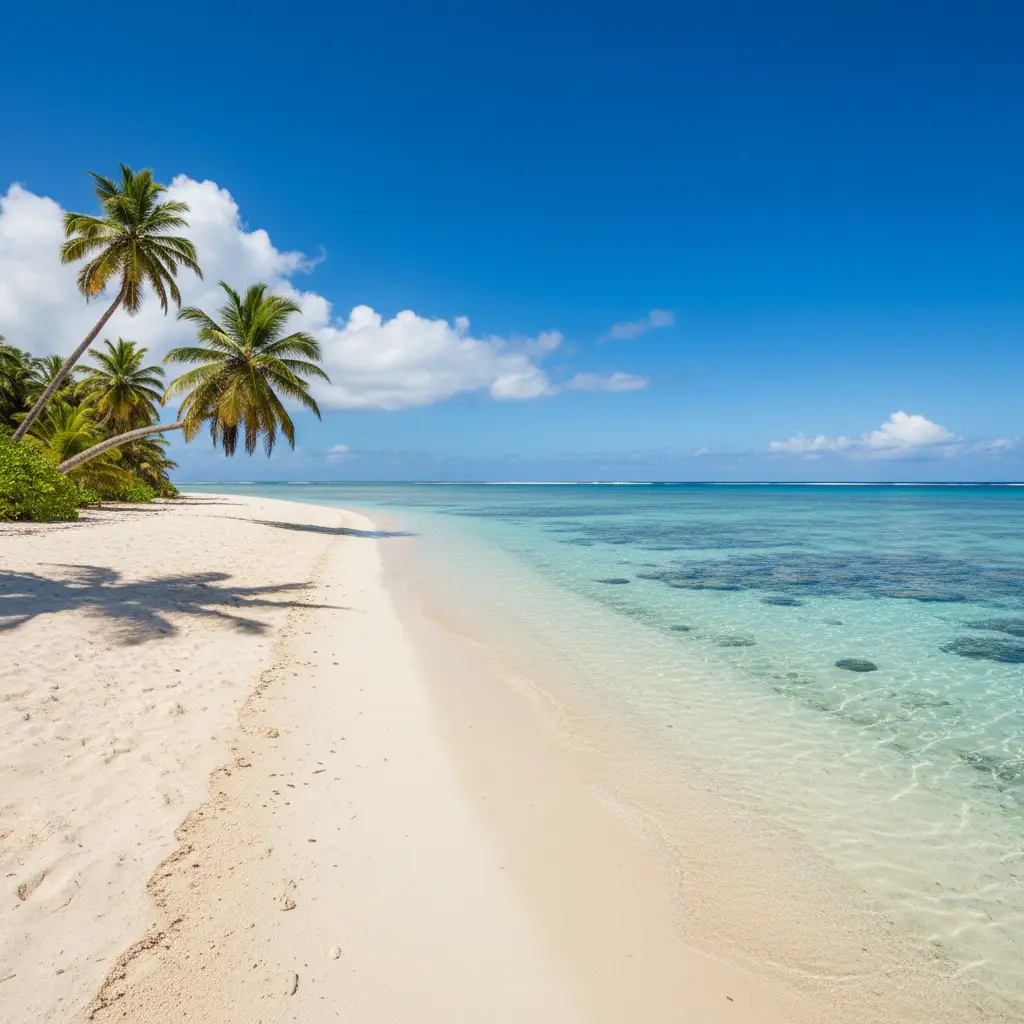
The dry season, from May to October, represents Vanuatu at its most inviting. Average daily temperatures typically hover between 22°C and 27°C, with evenings often feeling refreshingly cool, especially in the southern islands. Humidity levels are significantly lower than in the wet season, making for a much more comfortable environment. Rainfall is minimal and usually confined to short, infrequent showers, ensuring long stretches of sunshine. This stable weather pattern is perfect for exploring Vanuatu’s diverse landscapes and engaging in water-based activities. The calmer seas offer excellent visibility for diving and snorkelling in places like the SS President Coolidge wreck or Million Dollar Point off Espiritu Santo. Hiking to waterfalls or volcanoes, such as Mount Yasur on Tanna, is also more comfortable without the intense humidity or slippery trails. For New Zealanders seeking a hassle-free, sun-filled escape, the dry season offers reliable conditions for a quintessential South Pacific holiday.
The Wet Season (November to April): What to Expect
Conversely, the wet season, running from November to April, presents a different side of Vanuatu. During these months, temperatures range from 25°C to 30°C, often coupled with high humidity, making the air feel considerably warmer. Rainfall is more frequent and heavier, typically occurring in tropical downpours that can last from a few minutes to several hours. Despite the name, it’s not always raining; there are still plenty of sunny periods. However, the wet season also coincides with the official cyclone season, which poses a risk (more on this below). On the upside, this period sees the landscape transform into incredibly lush, vibrant green scenery, and waterfalls are at their most spectacular. Fewer tourists mean lower prices for flights and accommodation, offering a more budget-friendly option for New Zealanders. For those who don’t mind the heat and occasional rain, or who are keen on cultural immersion and saving money, the wet season can still be a rewarding time to visit. Activities might shift towards cultural tours, exploring local villages, or enjoying resort amenities during downpours, with water activities still possible on clear days, though sea conditions can be less predictable.
Navigating Vanuatu’s Cyclone Season
Understanding and preparing for cyclone season is a critical aspect of planning any trip to Vanuatu, particularly for New Zealanders travelling during the wet season. While cyclones are not an annual certainty, their potential impact warrants careful consideration.
When is Cyclone Season in Vanuatu?
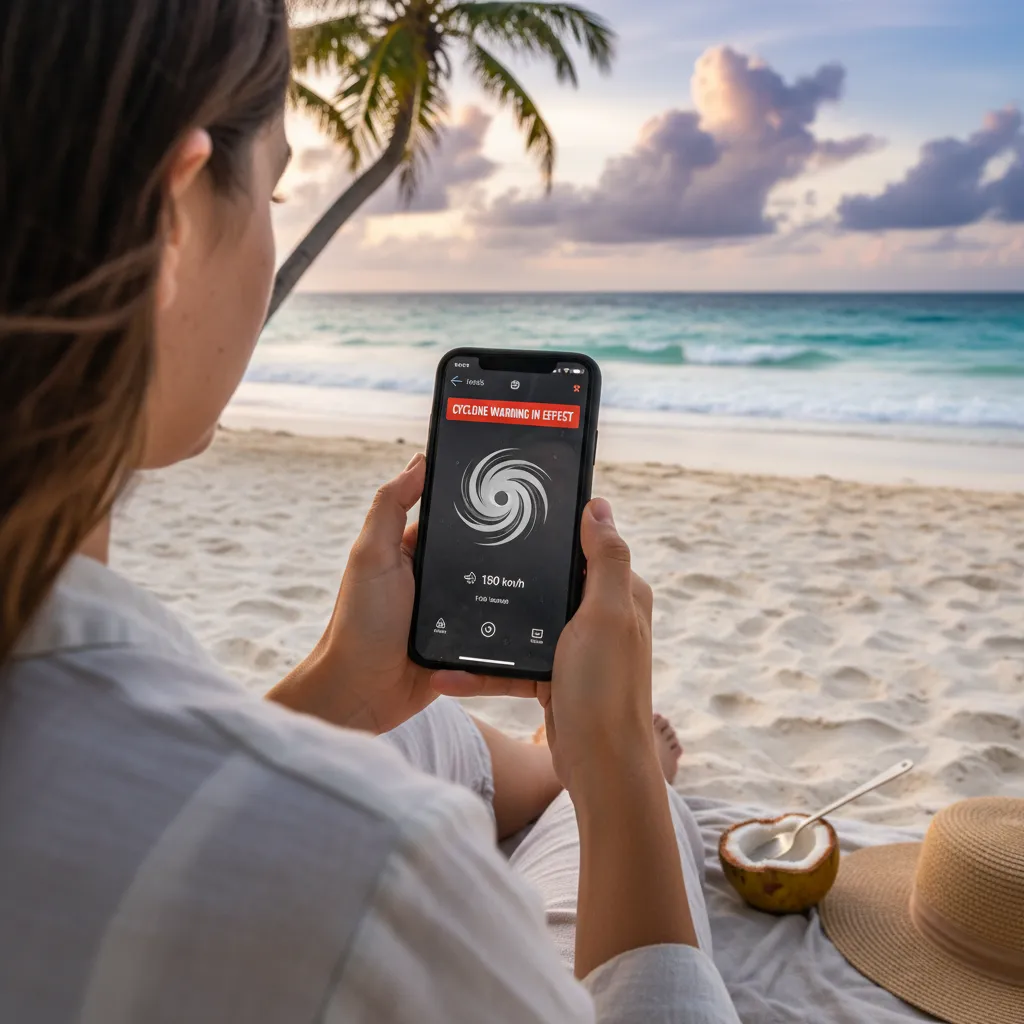
Vanuatu’s official cyclone season generally runs from November to April, aligning precisely with the wet season. This period is when tropical depressions are most likely to form and potentially develop into cyclones (known as hurricanes or typhoons in other parts of the world). The peak months for cyclone activity are typically January, February, and March. While the risk of a direct hit from a severe cyclone is relatively low for any single trip, it’s a factor that travellers from New Zealand must acknowledge. Vanuatu has a robust system for monitoring weather patterns and issuing warnings, and local authorities are well-versed in emergency procedures. However, travellers should always remain vigilant, monitor local weather updates, and be prepared for potential disruptions to travel plans, including flight delays or cancellations.
Planning Travel During Cyclone Season: Is It Advisable?
Deciding whether to travel during cyclone season requires a careful assessment of risk versus reward. For New Zealanders seeking a quiet holiday with fewer crowds and lower costs, the wet season (including cyclone season) can be appealing. The landscapes are verdant, and the cultural experiences can be very authentic without the hustle and bustle of peak tourist times. However, the trade-off is the increased humidity, more frequent rain, and the inherent risk of a cyclone disrupting your holiday. If you choose to travel during this time, flexibility is key. Opt for accommodation with good cancellation policies and ensure your travel insurance explicitly covers cyclone-related disruptions, including flights and accommodation. It’s also wise to keep an eye on weather forecasts from reputable sources like the Vanuatu Meteorology and Geo-Hazards Department (VMGD) and New Zealand’s MetService before and during your trip. While many wet season visits pass without incident, being prepared can mitigate stress and ensure safety should adverse weather occur.
Peak Travel Times and Shoulder Seasons for NZ Visitors
Understanding when other travellers, particularly New Zealanders, visit Vanuatu can influence your booking decisions, budget, and overall experience. Both peak and shoulder seasons offer distinct advantages and disadvantages.
When are the Busiest Times to Visit Vanuatu?
For New Zealanders, the busiest times to visit Vanuatu predominantly align with school holidays and public holidays. This typically includes the mid-winter break (July), the spring holidays (late September/early October), and the extended Christmas/New Year period (late December/January). During these peak times, demand for flights from New Zealand to Vanuatu, as well as accommodation and popular tours, significantly increases. Consequently, prices tend to be higher, and bookings need to be made much further in advance to secure preferred options. While the atmosphere can be more lively with more families and groups, some popular spots might feel more crowded. If your travel dates are restricted to these periods, be prepared for a competitive booking environment and factor in higher costs. Despite the crowds, the dry season (which largely overlaps with July and September/October school holidays) still offers fantastic weather, making it a popular choice for families seeking a tropical escape from the cooler NZ climate.
Exploring the Shoulder Seasons: April/May and October/November
The shoulder seasons, specifically April/May and October/November, offer an excellent balance for New Zealand travellers. These months sit just outside the peak dry season and the full intensity of the wet/cyclone season, often providing a sweet spot of good weather, fewer crowds, and more competitive pricing. In April and May, you’re transitioning out of the wet season, meaning the humidity starts to drop, and rainfall lessens, but the landscape is still incredibly lush. Water temperatures are still very warm, perfect for swimming and snorkelling, and the likelihood of a cyclone is greatly reduced. Similarly, October and November mark the transition from the dry to the wet season. Early October often extends the pleasant dry conditions, while late October and November might see the occasional shower and a gradual increase in humidity. However, you’ll generally find fewer tourists, potentially better deals on flights and accommodation, and a more relaxed atmosphere. For those with flexible travel dates, aiming for these shoulder months can provide a fantastic value-for-money experience without compromising too much on ideal weather conditions, offering a comfortable bridge between the seasons.
Detailed Monthly Weather Forecast and Activity Guide
A month-by-month breakdown helps New Zealanders understand what to expect and plan specific activities. Vanuatu’s climate, while tropical, has subtle shifts throughout the year that can impact your holiday.
May to August: Coolest and Driest Months
This period represents the heart of the dry season and is arguably the most pleasant time for New Zealanders to visit. Temperatures are mild, typically ranging from 20-26°C, with significantly lower humidity. Rainfall is infrequent and light. The seas are calm, offering excellent visibility for diving and snorkelling. This is prime time for almost all activities: exploring the vibrant capital of Port Vila, relaxing on Erakor Island, discovering the underwater wonders around Efate and Espiritu Santo, or embarking on a trek to Mount Yasur volcano on Tanna, which is particularly comfortable without the intense heat and humidity. These months align well with NZ’s winter, offering a warm escape. Whale watching tours also become popular as humpbacks migrate through Vanuatu’s waters, offering a unique wildlife experience.
September to November: Warming Up and Transition
September continues the dry season’s excellent weather, often considered one of the last best months before the heat and humidity begin to increase. Temperatures start to climb gradually, reaching 23-28°C. October sees a more noticeable rise in humidity and the occasional afternoon shower as the transition to the wet season begins. By November, you’re firmly in the shoulder season, with temperatures around 25-30°C and more frequent, heavier downpours. However, these are often short-lived, leaving plenty of sunshine. This period is great for those looking to avoid peak crowds and potentially find better deals. Activities like cultural village tours, exploring local markets, and enjoying resort facilities are still highly enjoyable. Diving and snorkelling remain good, but visibility might occasionally be affected by rain runoff towards late November. The warming waters are delightful for swimming.

December to April: Hottest, Wettest, and Cyclone Risk
These months fall squarely within Vanuatu’s wet and cyclone season. Temperatures are consistently high, ranging from 26-32°C, with very high humidity levels that can make it feel even hotter. Daily heavy rainfall is common, often in intense tropical downpours. The risk of cyclones is also at its peak, particularly from January to March. While some travellers from New Zealand might avoid this period, it’s not without its merits. The islands are incredibly lush and green, offering stunning photographic opportunities. Waterfalls are at their fullest. Fewer tourists mean a more authentic, uncrowded experience, and significant discounts can often be found on flights and accommodation. For those who enjoy hot, tropical weather and don’t mind the rain, and who are adequately insured and flexible, activities can include exploring Port Vila’s indoor attractions, enjoying resort spas, engaging in cultural workshops, or snorkelling/diving on calm days. Early December and late April can still offer relatively good windows before the full intensity of the wet season or as it winds down.

Practical Tips for New Zealanders Planning a Vanuatu Trip
Preparing for your Vanuatu adventure from New Zealand involves more than just picking a season; smart planning can significantly enhance your trip.
Booking Flights and Accommodation
For New Zealanders, direct flights to Port Vila (VLI) are available from Auckland. During the peak dry season (May-October), especially coinciding with NZ school holidays, flights and popular resorts can book out months in advance. Aim to book at least 6-9 months ahead for peak periods. For shoulder seasons (April/May, Oct/Nov) or the wet season, 3-4 months in advance should suffice, and you might find more flexible pricing. Consider flying mid-week for potentially cheaper fares. Research accommodation options ranging from luxury resorts to boutique bungalows and guesthouses, ensuring they align with your chosen travel style and budget. Many resorts offer packages that can simplify planning.
Packing Essentials for Each Season
- Dry Season (May-Oct): Lightweight, breathable clothing (cotton, linen), swimwear, reef shoes, sun hat, sunglasses, high SPF sunscreen, insect repellent (especially for evenings), light jacket or sarong for cooler evenings, sturdy walking shoes for excursions.
- Wet Season (Nov-Apr): Similar to dry season, but add a lightweight waterproof jacket or poncho, quick-dry clothing, and waterproof bags for electronics. Insect repellent is even more crucial due to increased mosquito activity.
Regardless of the season, bring a universal travel adapter (Vanuatu uses Type I sockets, same as NZ/Australia), a basic first-aid kit, and any personal medications.
Travel Insurance Considerations
Travel insurance is non-negotiable for any international trip, but particularly for Vanuatu, especially if travelling during the wet/cyclone season. Ensure your policy provides comprehensive coverage for medical emergencies, trip cancellations or interruptions, lost luggage, and, critically, natural disasters. Read the fine print carefully regarding cyclone coverage, as some policies have specific clauses or exclusion periods. For peace of mind, choose a reputable insurer and understand what you are covered for before departure.
Cultural Etiquette and Local Customs
Vanuatu is known for its friendly