
Vanuatu offers an exceptional array of bushwalking and trekking trails, inviting adventurers to explore its pristine rainforests, volcanic landscapes, and coastal paths. These diverse trails cater to various fitness levels, providing unique opportunities for cultural immersion, wildlife spotting, and access to breathtaking natural wonders like hidden waterfalls and ancient kauri forests, making it a prime destination for intrepid hikers from New Zealand.
What Makes Vanuatu a Premier Destination for Hiking and Trekking?
Vanuatu stands out as a top-tier destination for hiking and trekking due to its unparalleled natural beauty, diverse topography, and rich cultural tapestry. The archipelago’s volcanic origins have sculpted dramatic landscapes, from towering peaks and active volcanoes to lush valleys carved by rivers, all juxtaposed against a backdrop of sapphire seas and white sandy beaches. Unlike more commercialized hiking destinations, Vanuatu offers a raw, authentic experience, allowing trekkers to connect deeply with nature and local traditions. The trails often lead through dense jungle, past cascading waterfalls, and into remote villages where ancient customs are still vibrantly alive. This blend of geological marvels, ecological richness, and genuine cultural encounters provides a profound and memorable adventure for anyone seeking more than just a scenic walk.
The Allure of Vanuatu’s Untouched Landscapes
The pristine quality of Vanuatu’s natural environment is a major draw for bushwalkers. Much of the land remains undeveloped, preserving vast expanses of primary rainforest, ancient kauri forests, and untouched coastal ecosystems. Hikers can traverse paths that feel truly remote, encountering diverse flora and fauna that thrive in these undisturbed habitats. The volcanic islands, such as Tanna with its active Mount Yasur, offer unique opportunities to trek across ash plains and witness geological forces firsthand. The serenity and solitude found on many trails provide a meditative experience, a rare commodity in today’s fast-paced world. This commitment to preserving its natural heritage ensures that every hike is an immersion into an extraordinarily beautiful and vibrant ecosystem.
Cultural Immersion on Foot
Trekking in Vanuatu is not just about the scenery; it’s a journey into the heart of Melanesian culture. Many trails are ancient pathways connecting villages, used by locals for generations. As you walk, you often pass through traditional communities, offering unique opportunities for interaction. Villagers, known for their warmth and hospitality, may invite you to share a meal, observe their daily life, or even participate in a kava ceremony. This direct engagement provides invaluable insights into the ‘kastom’ (customary law and traditions) that govern life in Vanuatu. Guided walks, in particular, often include cultural components, with local guides sharing stories, pointing out medicinal plants, and explaining the significance of landmarks. This cultural exchange elevates the hiking experience from a physical challenge to a deeply enriching and educational adventure.

Discovering the Best Efate Walking Tracks
Efate, Vanuatu’s main island and home to the capital Port Vila, offers a variety of accessible and rewarding walking tracks, making it an excellent starting point for those new to Vanuatu hiking trails. While some trails are well-known and easily reachable, others require a bit more effort to discover, promising a rewarding sense of exploration. The tracks on Efate often blend stunning natural beauty with cultural touchpoints, providing a comprehensive experience without venturing too far from modern amenities. From refreshing waterfall walks to tranquil coastal strolls, Efate showcases the island’s diverse landscapes and allows for both leisurely excursions and more challenging day hikes. These trails are typically well-maintained, but local guidance is always recommended for deeper exploration.
Cascades Waterfall Walk (Mele Cascades)
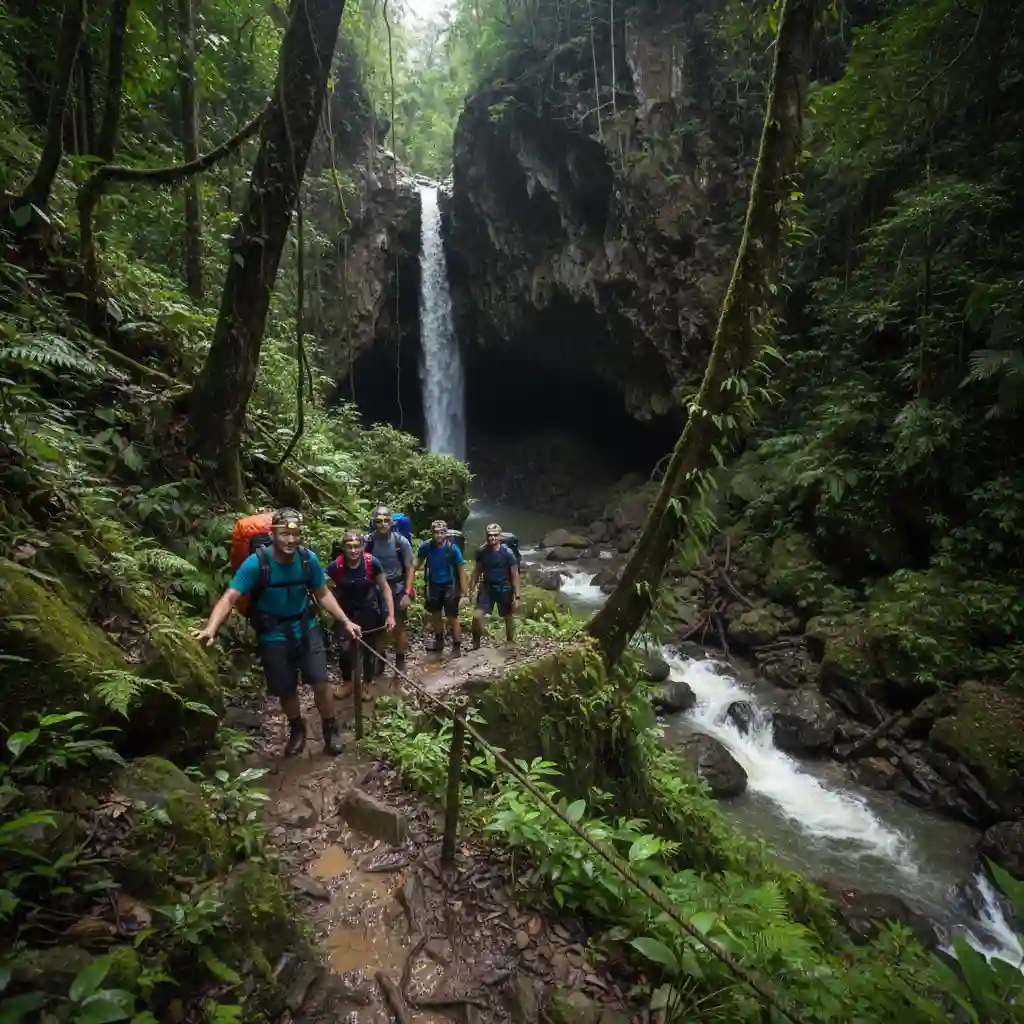
One of Efate’s most iconic and popular walking tracks is the path to Mele Cascades. This relatively easy, yet incredibly scenic, hike leads visitors along a well-defined trail through lush tropical gardens, crossing several small streams, until it reaches a series of multi-tiered waterfalls. The main cascade features natural rock pools perfect for swimming, offering a refreshing reward after the walk. The path is generally well-maintained with ropes for assistance on steeper sections, making it suitable for families. While not a challenging trek, the beauty of the emerald pools and the surrounding vibrant foliage makes it a must-do for anyone visiting Efate. It’s an excellent introduction to Vanuatu’s natural beauty and a prime example of accessible bushwalking.
Blue Lagoon Trail
The Blue Lagoon, famous for its impossibly vivid turquoise waters, is not just a swimming spot but also offers pleasant walking opportunities around its perimeter and into the surrounding area. While not a long, strenuous trek, the informal trails around the lagoon allow visitors to explore the rich tropical vegetation, discover hidden coves, and find tranquil spots for relaxation. These walks provide different perspectives of the lagoon’s stunning colour and the dense jungle that frames it. For those looking for a slightly longer excursion, local guides can often lead visitors on extended walks into the nearby bush, revealing more of Efate’s interior beauty and perhaps even a local village or two. It’s a gentle walk, ideal for soaking in the natural ambiance.
Exploring the Eastern Efate Coastline
Beyond the well-trodden paths, the eastern coastline of Efate offers opportunities for more adventurous bushwalking, particularly around areas like Eton Beach and the less developed sections of the island. While not always marked trails, locals can often guide visitors along coastal paths that weave through coconut plantations, past traditional fishing villages, and alongside secluded beaches. These walks provide breathtaking ocean views, a chance to collect seashells, and a glimpse into rural Efate life. Depending on the tide, sections might involve walking on sand, coral, or through light bush. It’s a wonderful way to experience the quieter side of Efate, observe local customs, and enjoy the pristine beauty of Vanuatu’s Pacific shores, often with the sound of the waves as your constant companion.
Embarking on Unforgettable Santo Trekking Adventures
Espiritu Santo, often simply called Santo, is Vanuatu’s largest island and a true paradise for serious trekkers seeking more challenging and immersive adventures. Known for its rugged interior, ancient kauri forests, and the formidable Mount Tabwemasana, Santo offers some of the most remote and rewarding Vanuatu hiking trails. The trekking here is often multi-day, requiring good physical fitness and a spirit of adventure. These expeditions take you deep into pristine wilderness, far from the conveniences of modern life, and into the heart of traditional kastom villages. Santo’s trails are characterized by dense jungle, river crossings, and significant elevation changes, promising an unforgettable journey for those willing to embrace the challenge. Guided tours are highly recommended, if not essential, for safety and cultural insight.
The Millennium Cave Trek: A World-Class Experience
The Millennium Cave Trek is arguably Santo’s most famous and exhilarating bushwalking experience, recognized internationally for its unique blend of adventure. This full-day trek begins with a challenging walk through the jungle, involving scrambling over roots and navigating muddy paths, often requiring local guides to cut through the vegetation. The highlight is the descent into the massive, cathedral-like Millennium Cave, followed by a unique caving experience that includes swimming through underground rivers in complete darkness (with headlamps). The adventure culminates in an exhilarating river walk and float back to the starting point. It’s an intense, physically demanding, and utterly unforgettable journey that epitomizes the raw, untouched beauty and adventurous spirit of Santo trekking. Participants must be comfortable with heights, water, and confined spaces.
Mount Tabwemasana Expedition
For the ultimate challenge in Vanuatu hiking, the expedition to Mount Tabwemasana, Vanuatu’s highest peak, is a truly epic undertaking. Standing at 1879 meters, this multi-day trek (typically 4-5 days) takes adventurers deep into Santo’s remote interior, through ancient kauri forests and across challenging terrain. The journey is not just about reaching the summit; it’s an immersive experience into the untouched wilderness and the traditional life of the local communities who serve as guides and porters. Hikers pass through villages where outside contact is rare, offering a profound cultural exchange. The ascent is demanding, involving steep climbs and river crossings, but the panoramic views from the summit, often shrouded in mist, are an unparalleled reward. This expedition requires careful planning, excellent fitness, and experienced local guidance.
Exploring the Interior Rivers and Villages
Beyond the major peaks and caves, Santo’s interior is crisscrossed by numerous rivers and dotted with traditional villages, offering countless opportunities for multi-day bushwalks. Trails often follow riverbeds, providing refreshing breaks with swims in crystal-clear pools. These treks are less about conquering a specific landmark and more about experiencing the rhythm of rural Vanuatu life. Guides lead trekkers through diverse ecosystems, pointing out edible plants, local wildlife, and sharing stories of the land. Overnight stays in local villages offer a chance to engage with communities, learn about their customs, and share simple meals. These journeys provide a deep, authentic connection to Santo, revealing its hidden beauty and the enduring spirit of its people. They are ideal for those seeking true off-the-beaten-path exploration and cultural immersion.
Why Choose Guided Bushwalks in Vanuatu?
Opting for guided bushwalks in Vanuatu is not just a convenience; it is often an essential element for a safe, enriching, and culturally immersive trekking experience, especially for visitors exploring Vanuatu hiking trails for the first time or venturing into remote areas. Local guides possess invaluable knowledge of the terrain, weather patterns, and potential hazards, ensuring your safety. More importantly, they act as cultural bridges, providing context, facilitating interactions with local communities, and sharing the rich history and traditions of the land. Their expertise transforms a simple walk into a profound journey of discovery, offering insights that would be impossible to gain independently. For anyone considering serious trekking in Vanuatu, a good guide is an indispensable asset.
Local Knowledge and Safety
Vanuatu’s wilderness, while beautiful, can be challenging and unpredictable. Trails are often unmaintained, poorly marked, or non-existent in remote areas. Local guides, having grown up in these environments, possess an intimate understanding of the landscape, including safe routes, river crossing points, and areas to avoid. They are also adept at navigating sudden weather changes and can provide immediate assistance in case of minor injuries or unforeseen challenges. Beyond practical navigation, their knowledge extends to identifying dangerous plants or animals, ensuring trekkers remain safe. For peace of mind and to mitigate risks in unfamiliar terrain, the guidance of a local expert is paramount, allowing you to focus on the beauty around you rather than worrying about getting lost.
Cultural Insights and Storytelling
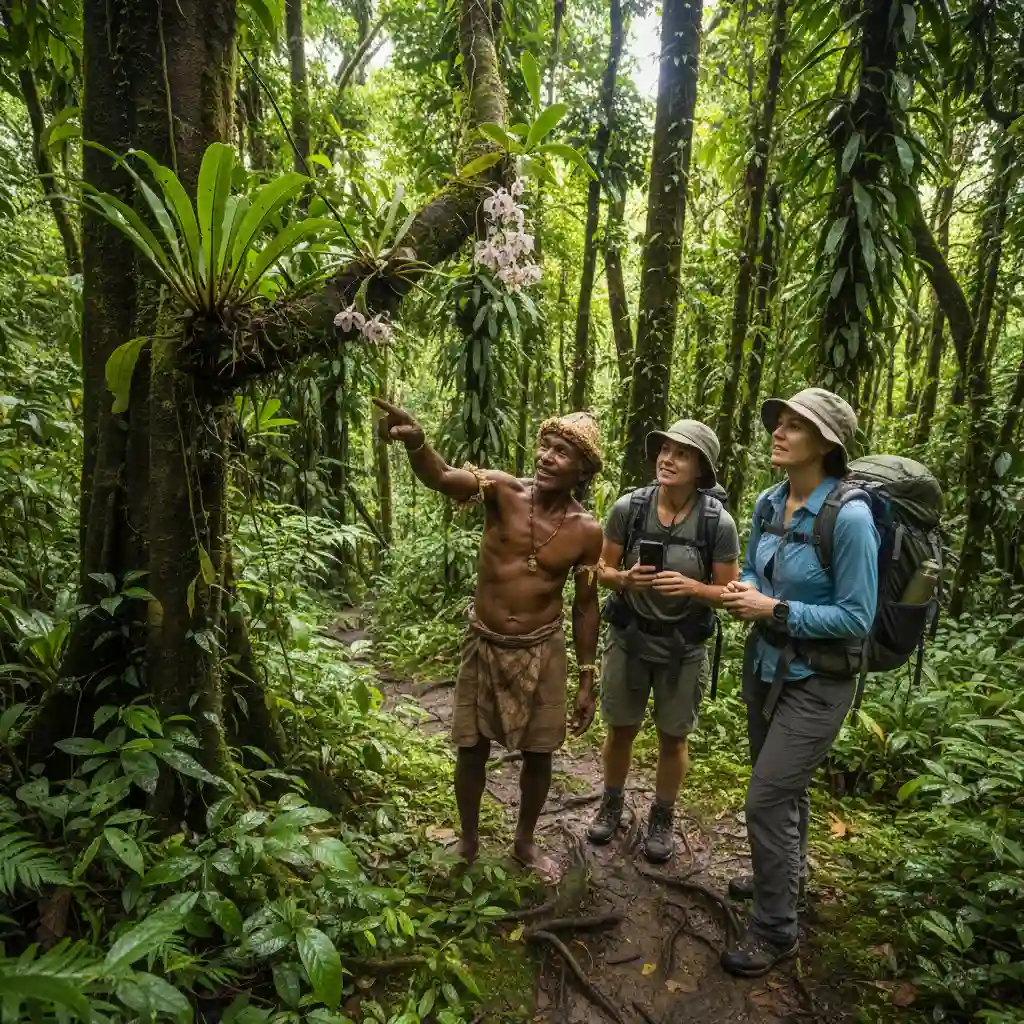
One of the most profound benefits of a guided bushwalk is the cultural immersion it offers. Local guides are living encyclopedias of their heritage, eager to share stories, legends, and the significance of various landmarks. They can point out traditional medicinal plants, explain local customs, and facilitate respectful interactions with village communities encountered along the way. This storytelling aspect enriches the entire experience, transforming physical landscapes into vibrant tapestries of history and belief. Without a guide, you might walk past ancient kauri trees or sacred sites without understanding their importance, missing a crucial layer of the Vanuatu experience. They provide a window into the ‘kastom’ that defines Vanuatu, offering a depth of understanding unparalleled by any guidebook.
Accessing Remote and Sacred Sites
Many of Vanuatu’s most spectacular natural wonders and culturally significant sites are located in remote areas, often on land owned by local communities or considered sacred. Without a local guide, gaining access to these places can be difficult, if not impossible, due to customary land ownership and respect for traditional protocols. Guides act as intermediaries, understanding the proper channels for permission and ensuring that visitors show appropriate respect for local customs and beliefs. This not only opens doors to breathtaking landscapes but also fosters positive relationships between visitors and local communities. For treks like the Millennium Cave or Mount Tabwemasana, a guide is not just recommended but absolutely essential for both access and ensuring a respectful journey through these protected and revered areas.
Essential Packing for Vanuatu Hiking Trails
Proper packing is crucial for a comfortable and safe experience when exploring Vanuatu hiking trails, given the tropical climate, varied terrain, and potential for remote conditions. While lightweight gear is often preferred due to humidity, durability and functionality should not be compromised. Beyond the standard hiking essentials, specific considerations for Vanuatu include items for hot, humid weather, rain protection, insect repellent, and cultural sensitivity. Thinking through your packing list ensures you are prepared for everything from unexpected downpours to river crossings and potential encounters with local wildlife. A well-packed bag contributes significantly to the enjoyment and success of your bushwalking adventure in this South Pacific paradise.
Footwear and Apparel Considerations
For footwear, waterproof hiking boots with good ankle support are ideal for rugged, muddy, and uneven trails, especially on multi-day treks. For shorter, less challenging walks or river crossings, sturdy water shoes or sandals with good grip are invaluable. Avoid open-toed shoes for jungle trails due to potential hazards. Apparel should focus on lightweight, breathable, quick-drying fabrics. Long-sleeved shirts and trousers, despite the heat, offer protection against sun, insects, and scratches from vegetation. A lightweight rain jacket or poncho is essential for sudden tropical downpours. Don’t forget swimwear for refreshing dips in waterfalls or blue lagoons, and a wide-brimmed hat for sun protection. Culturally, modest clothing is appreciated, especially when passing through villages.
Navigation and Safety Gear
Even with a guide, carrying basic navigation and safety gear is prudent. A waterproof map of your trekking area, a compass, and a fully charged power bank for your phone (with downloaded offline maps like Maps.me) are advisable. A headlamp or flashlight is essential for early morning starts, late finishes, or exploring caves. A comprehensive first-aid kit, including antiseptic wipes, bandages, pain relievers, and any personal medications, is non-negotiable. Insect repellent (preferably with DEET) is vital to ward off mosquitoes and other biting insects. A whistle for emergencies and a small personal locator beacon (PLB) or satellite messenger could be considered for very remote, multi-day expeditions where phone signal is non-existent.
Hydration and Nutrition
Staying hydrated in Vanuatu’s humid tropical climate is paramount. Carry significantly more water than you think you’ll need, or bring a reliable water filter/purification tablets if you plan to refill from streams (always verify water sources with your guide). Electrolyte tablets or powders can help replenish salts lost through sweat. For nutrition, pack lightweight, energy-dense snacks such as nuts, dried fruit, energy bars, and chocolate. On longer treks, consider bringing some non-perishable food items, although guides often arrange for local meals in villages, which can be a cultural highlight. Always carry out all your rubbish, leaving no trace behind, to preserve the pristine environment.
Spotting Vanuatu’s Unique Wildlife While Bushwalking
Bushwalking in Vanuatu provides an excellent opportunity to encounter the archipelago’s unique and often endemic wildlife. While large, dangerous mammals are absent, the islands are teeming with fascinating birds, reptiles, insects, and amphibians, many of which are found nowhere else on Earth. The dense rainforests, coastal fringes, and even volcanic landscapes offer diverse habitats for these creatures. Successful wildlife spotting requires patience, keen observation, and often the keen eyes and knowledge of a local guide who can identify calls or tracks. From vibrant birdlife to camouflaged geckos, every trek offers a chance to connect with Vanuatu’s incredible biodiversity, making the journey even more captivating for nature enthusiasts and photographers alike.
Avian Wonders and Endemic Birds
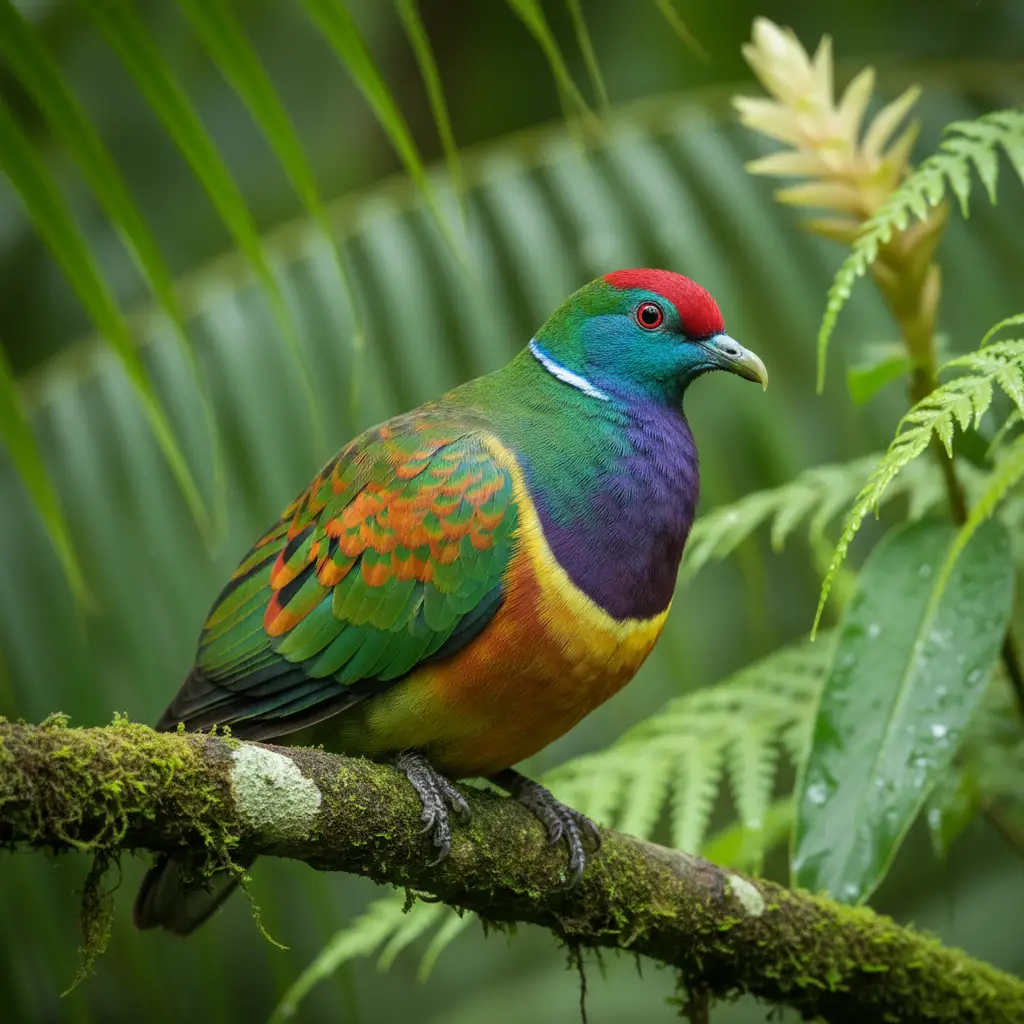
Vanuatu is a birdwatcher’s paradise, boasting over 120 species of birds, including several endemics. Keep an eye out for the Vanuatu White-eye, the Tanna Fruit Dove with its vibrant plumage, or the striking Royal Parrotfinch. The forests echo with various bird calls, from the melodious to the raucous. The Megapode (Namalao) is another fascinating bird, known for laying its eggs in warm volcanic soil or mounds of decaying vegetation. Early morning and late afternoon are generally the best times for bird spotting. Carrying a pair of binoculars will greatly enhance your chances of observing these beautiful creatures from a respectful distance. Local guides can often identify species by their calls, adding another layer to your wildlife experience.
Reptiles, Insects, and Marine Life Proximity
While hiking, you might encounter a variety of reptiles, including several species of geckos and skinks, which are masters of camouflage. The harmless Coconut Crab, the largest land crab in the world, can sometimes be spotted in coastal areas or near plantations, especially at night. Vanuatu also hosts a diverse array of insects, from colourful butterflies and moths to fascinating beetles. While not strictly wildlife spotting during a bushwalk, many trails on coastal islands lead to pristine beaches or snorkeling spots, allowing for an easy transition to observing vibrant marine life like tropical fish, sea turtles, and coral reefs, particularly after a refreshing dip. The overlap of terrestrial and marine ecosystems adds another dimension to Vanuatu’s natural attractions.
Responsible Wildlife Observation
When observing Vanuatu’s wildlife, always adhere to responsible and ethical practices. Maintain a respectful distance and avoid disturbing animals or their habitats. Refrain from feeding wildlife, as it can alter their natural behaviour and dependency. Do not touch or attempt to capture any creatures. Keep noise levels to a minimum to avoid scaring animals away. Stick to marked trails where possible to prevent trampling delicate vegetation or disturbing ground-dwelling species. Remember that you are a visitor in their home, and your presence should have the least possible impact. By practicing responsible wildlife observation, you contribute to the conservation of Vanuatu’s precious biodiversity for future generations of trekkers and local communities.
Planning Your Vanuatu Hiking Expedition from New Zealand
For New Zealanders keen to explore Vanuatu hiking trails, careful planning is essential to ensure a smooth and enjoyable trip. Direct flights from Auckland make Vanuatu relatively accessible, but understanding the best time to visit, logistical considerations, and health precautions will greatly enhance your adventure. Vanuatu offers a distinctly different environment from New Zealand’s temperate hiking, requiring specific preparations for tropical conditions. By addressing these key planning aspects, you can fully immerse yourself in the unique beauty and culture of Vanuatu’s bushwalking experiences, creating memories that will last a lifetime.
Best Time to Visit
The best time for bushwalking and trekking in Vanuatu is during the cooler, drier season, typically from May to October. During these months, temperatures are milder (around 22-28°C), humidity is lower, and there is less rainfall, making trail conditions more favourable and reducing the risk of muddy, slippery paths. The wet season, from November to April, brings higher humidity, increased rainfall, and a greater risk of tropical cyclones, which can make trekking challenging or even unsafe. While the wet season brings lush greenery, it also means more mosquitoes and potentially impassable rivers. For optimal comfort and safety, planning your trip within the dry season is highly recommended for serious hiking.
Accommodation and Logistics
Accommodation options in Vanuatu range from resorts and hotels in Port Vila (Efate) to more rustic bungalows and guesthouses on outer islands. For trekking, especially on Santo, you might stay in traditional village bungalows, offering a truly authentic experience. It’s crucial to book guided tours and accommodation well in advance, particularly for popular treks or during peak season. Inter-island travel typically involves domestic flights (Air Vanuatu) or local passenger boats. Be prepared for potential delays and flexible with your itinerary. For supplies, Port Vila has supermarkets, but on outer islands, provisions are limited, so carry essentials. Ensure you have sufficient local currency (Vatu) as ATMs are scarce outside Port Vila and Luganville (Santo).
Health and Safety Precautions
Before departing New Zealand, consult your doctor regarding necessary vaccinations (e.g., Hepatitis A & B, Typhoid) and malaria prevention, especially if you plan to visit remote islands. Ensure your travel insurance covers trekking and any adventure activities you intend to undertake. Drink only bottled or purified water to avoid stomach upsets. Be aware of tropical diseases like dengue fever and take precautions against mosquito bites (repellent, long clothing). Carry a comprehensive first-aid kit. While Vanuatu is generally safe, always be aware of your surroundings, especially in urban areas at night. Inform someone of your trekking plans, especially if venturing off-grid. Respect local customs and ask for permission before taking photos of people or sacred sites.
Frequently Asked Questions About Vanuatu Hiking
Is Vanuatu safe for hiking?
Vanuatu is generally safe for hiking, especially with a local guide. The main risks are environmental (challenging terrain, tropical weather, insects) rather than human. Always take precautions, inform others of your plans, and consider travel insurance.
Do I need a guide for Vanuatu hiking trails?
For most challenging or remote Vanuatu hiking trails, a local guide is highly recommended, and often essential. They provide safety, navigation, cultural insights, and access to traditional lands that would otherwise be off-limits. For popular, well-marked paths like Mele Cascades, a guide isn’t strictly necessary but can enhance the experience.
What is the best time of year to go bushwalking in Vanuatu?
The best time to go bushwalking in Vanuatu is during the dry season, from May to October. This period offers cooler temperatures, lower humidity, and less rainfall, resulting in more comfortable and safer trail conditions.
What kind of wildlife can I expect to see while hiking in Vanuatu?
While hiking in Vanuatu, you can expect to see diverse birdlife (including endemic species like the Tanna Fruit Dove), various geckos and skinks, colourful insects, and potentially the impressive Coconut Crab in coastal areas. Large dangerous mammals are absent.
Are there any multi-day treks available in Vanuatu?
Yes, Vanuatu offers several multi-day treks, most notably the Mount Tabwemasana expedition on Santo, which typically takes 4-5 days. Other islands like Malekula also offer multi-day cultural treks through traditional villages.
What should I pack for a hiking trip to Vanuatu?
Essential packing for Vanuatu hiking includes waterproof hiking boots, lightweight quick-drying clothing (long sleeves for protection), a rain jacket, plenty of water/purification tablets, high-energy snacks, a comprehensive first-aid kit, insect repellent, sun protection (hat, sunscreen), and a headlamp. Modest clothing for cultural sensitivity is also advisable.