
Catering for dietary needs in Vanuatu, especially for those seeking gluten-free options, is entirely manageable with thoughtful preparation and clear communication. While specific dietary menus might be less common than in Western countries, Vanuatu’s reliance on fresh, naturally gluten-free produce and traditional cooking methods offers abundant safe choices for informed travelers, ensuring a delightful and worry-free culinary experience.
Vanuatu, an idyllic archipelago in the South Pacific, captivates visitors with its pristine beaches, vibrant culture, and lush landscapes. For travelers from New Zealand and beyond, the allure of its untouched beauty is undeniable. However, for those with specific dietary requirements, such as gluten sensitivity, food allergies, or a preference for vegan options, the prospect of dining in a foreign country can often be a source of apprehension. This comprehensive guide aims to demystify catering for dietary needs in Vanuatu, particularly focusing on gluten-free travel, offering expert advice to ensure a safe, delicious, and memorable culinary journey.
Navigating dietary restrictions while exploring a new culture’s cuisine requires preparation, awareness, and respectful communication. While Vanuatu’s culinary scene might not boast the same widespread labeling or specialized menus found in larger Western cities, its strength lies in fresh, locally sourced ingredients and traditional cooking methods that often align naturally with various dietary needs. Understanding the local food landscape, knowing how to communicate effectively, and selecting appropriate dining establishments are key to a successful trip.
Navigating Gluten-Free Travel in Vanuatu: What to Expect?
For those requiring a gluten-free diet, Vanuatu presents a unique blend of challenges and opportunities. The good news is that many traditional staples are naturally gluten-free, offering a solid foundation for safe eating. However, processed foods and cross-contamination risks require vigilance. Expect to find a greater emphasis on whole, unprocessed foods, which inherently reduces exposure to hidden gluten.
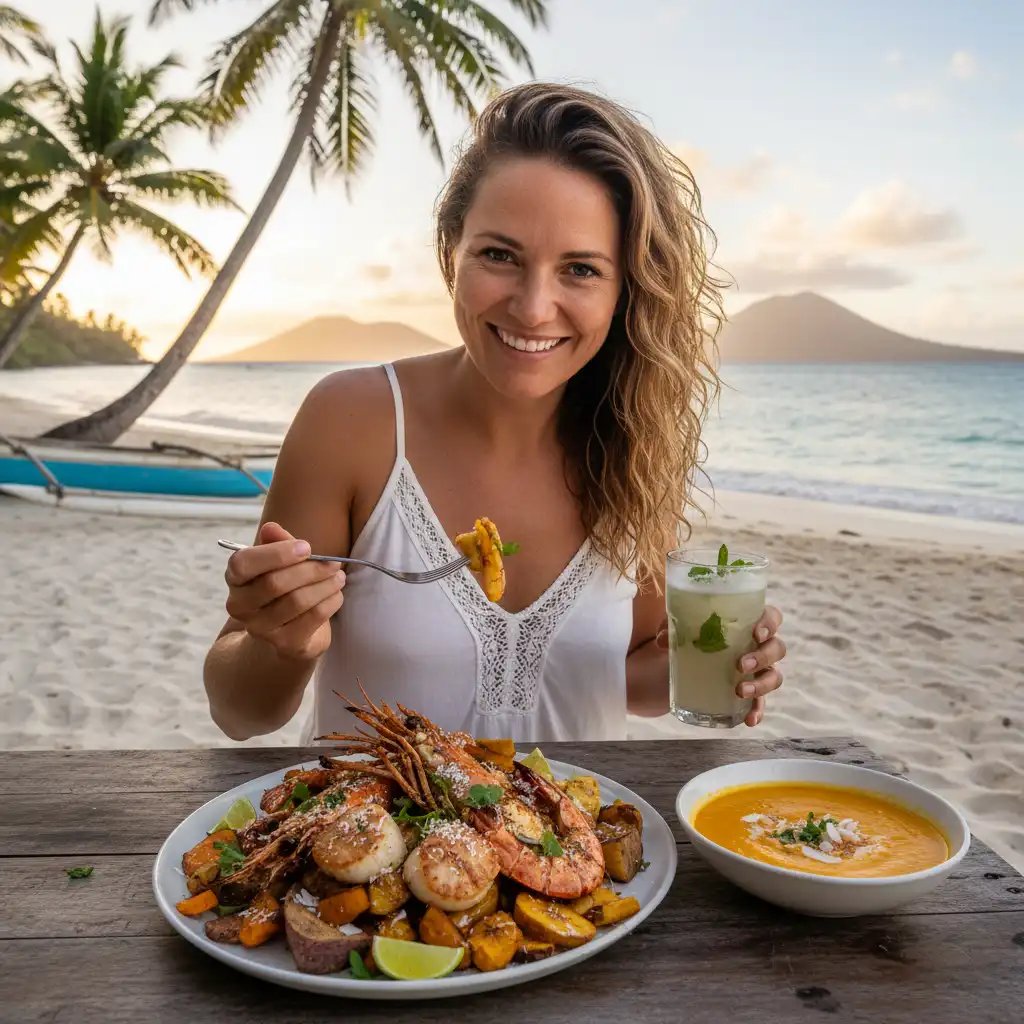
What are the primary gluten-free food options in Vanuatu? The local diet heavily features fresh seafood, root vegetables like taro, yam, kumala (sweet potato), and manioc (cassava), as well as an abundance of tropical fruits. These staples are naturally free from gluten and form the backbone of many traditional dishes. Seafood, often grilled or baked with minimal seasoning, is a safe bet. Similarly, roasted or boiled root vegetables are excellent gluten-free carbohydrate sources. Look for dishes like ‘laplap’, a traditional baked pudding made from grated root vegetables mixed with coconut milk and often wrapped in banana leaves, which is typically gluten-free, though always confirm ingredients for any flour-based thickeners or additions. Local chicken and beef, often prepared simply, can also be good options.
However, be mindful of processed items like soy sauce (unless tamari is specified), certain marinades, or breaded and fried foods, which are common sources of hidden gluten. While rice is available, it’s not always a primary staple in all local dishes. When dining at resorts and larger hotels, you’ll likely find more understanding and potentially dedicated gluten-free options, especially for breakfast buffets. Local markets offer a fantastic array of fresh produce, allowing you to prepare your own meals if you have self-catering facilities, giving you complete control over ingredients.
Understanding Local Cuisine and Ingredients
Vanuatu’s cuisine is characterized by its freshness and simplicity. The ‘farm-to-table’ concept is inherent here, with many ingredients sourced directly from local gardens and the surrounding ocean. Key ingredients to be aware of for gluten-free eating include:
- Root Vegetables: Taro, yam, kumala (sweet potato), manioc (cassava), and island cabbage (aibika) are fundamental and naturally gluten-free.
- Protein Sources: Fresh fish (tuna, snapper, mahi-mahi), prawns, crabs, local beef (often grass-fed), and chicken are commonly available.
- Fruits: A vast array of tropical fruits like papaya, pineapple, mango, banana, and coconut are plentiful and safe.
- Coconut: Coconut milk, cream, and grated coconut are used extensively in cooking and are gluten-free.
When ordering, focus on dishes that are grilled, roasted, or boiled. Be cautious of anything described as ‘fried’ or ‘stewed,’ as these can sometimes contain thickeners or be cooked in shared fryers. Always ask for plain preparations where possible.
Essential Phrases for Gluten-Free Diners
While English and French are widely spoken, particularly in tourist areas, learning a few phrases in Bislama, Vanuatu’s national language, can be incredibly helpful and shows respect for local culture. Here are some key phrases for gluten-free travelers:
- Mi no save kakae flaoa / Mi gat sik blong flaoa. (I cannot eat flour / I have an illness from flour.)
- Sori, mi no save kakae samting we gat gluten. (Sorry, I cannot eat anything with gluten.)
- Gat gluten long hem? (Does it have gluten?)
- Yu save kukim mi wanem we i no gat gluten? (Can you cook something for me that has no gluten?)
- Mi no save kakae bred. (I cannot eat bread.)
- Mi save kakae raes mo fis. (I can eat rice and fish.)
It’s also advisable to carry a ‘dietary card’ in English and Bislama (and potentially French) explaining your gluten-free needs clearly. This can be shown to restaurant staff or chefs to avoid misunderstandings.
Are Vegan Options Plentiful in Vanuatu?
For vegan travelers, Vanuatu offers a vibrant array of plant-based foods, primarily due to its abundant fresh produce. While dedicated vegan restaurants are rare outside of larger resorts, the opportunity to enjoy naturally vegan dishes is high. The key is to communicate your dietary preferences clearly and embrace the bounty of local fruits and vegetables.
Are there readily available vegan options in Vanuatu? Absolutely. The foundation of the traditional diet, rich in root vegetables, leafy greens (like island cabbage), and tropical fruits, is inherently vegan. Many local dishes, when prepared without meat or fish, are naturally plant-based. Dishes like ‘laplap’ can be vegan if prepared with coconut milk and vegetables only. Fresh salads, often made with locally grown greens, tomatoes, cucumbers, and avocados, are also widely available. However, be aware that some dressings may contain non-vegan ingredients, so ask for oil and vinegar or just lime juice.
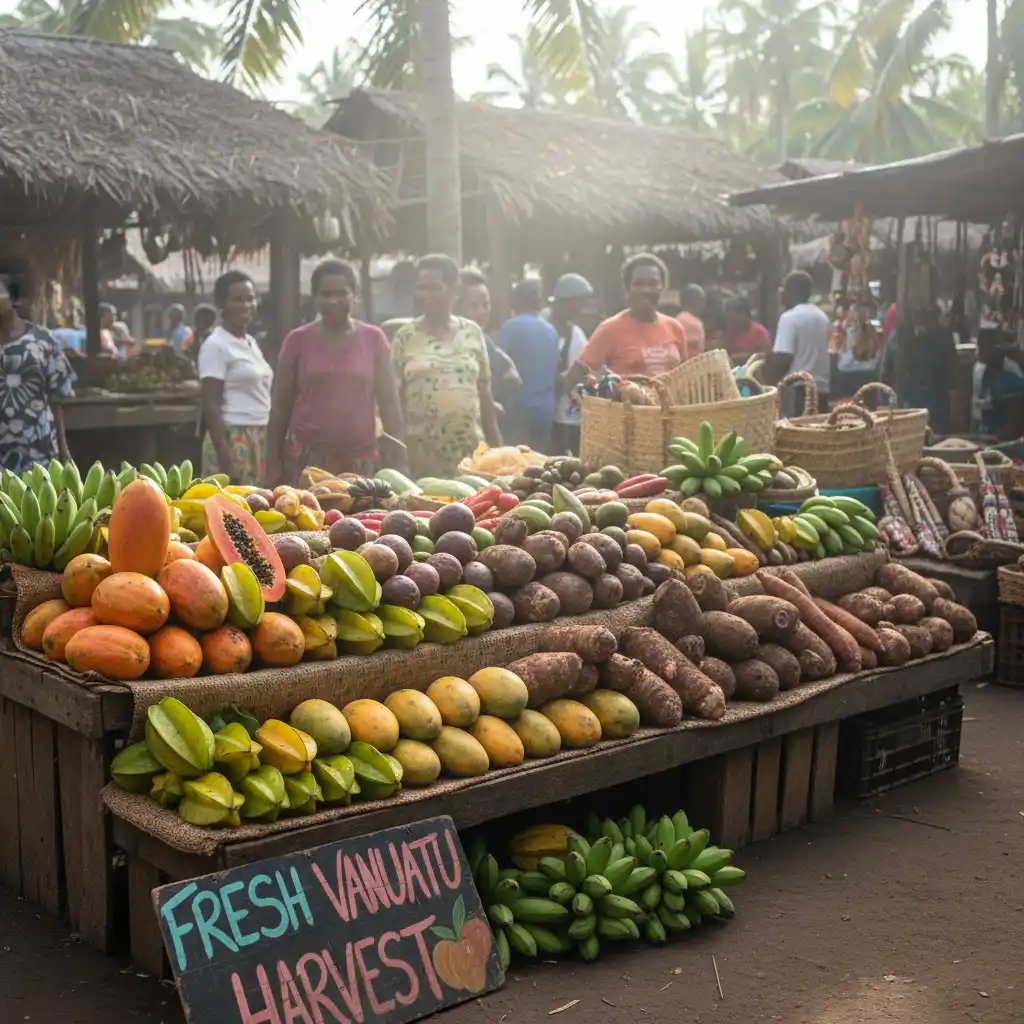
Coconut plays a crucial role in Vanuatu cuisine, providing a rich, creamy base for many dishes, making it an excellent plant-based alternative to dairy. Coconut milk curries with vegetables are often a safe and delicious vegan choice. Markets are a vegan’s paradise, offering an overwhelming selection of fresh, seasonal produce at very reasonable prices. This provides an excellent opportunity to buy ingredients and prepare your own plant-based meals if you have access to a kitchen.
Embracing Plant-Based Eating with Local Produce
The variety of fresh produce in Vanuatu is a vegan’s dream. Here’s how to make the most of it:
- Market Exploration: Visit local markets like Port Vila’s central market or Luganville’s main market. You’ll find an incredible selection of seasonal fruits (mangoes, papayas, pineapples, passion fruit, bananas, plantains) and vegetables (taro, yam, sweet potato, cassava, green beans, tomatoes, cucumbers, eggplants, local spinach, island cabbage, breadfruit).
- Coconut Products: Fresh coconut water, coconut flesh, and coconut milk are readily available. These are versatile ingredients for snacks, drinks, and cooking.
- Legumes: While not as prevalent as root vegetables, some markets may offer dried beans or lentils. However, relying on fresh produce is generally easier.
- Preparation: When dining out, specify