
Since gaining independence in 1980, Vanuatu development post independence has been characterized by a transition from a colonial agrarian economy to a service-based model driven by tourism and construction. While achieving significant political stability and graduating from Least Developed Country status in 2020, the nation continues to navigate challenges related to infrastructure gaps, high vulnerability to natural disasters, and the need for sustainable economic diversification.
The Republic of Vanuatu, an archipelago of 83 islands in the South Pacific, represents a unique case study in post-colonial nation-building. Emerging from the complex “Condominium” governance of France and the United Kingdom, the nation has spent the last four decades forging a distinct national identity while grappling with the realities of the global economy. This comprehensive analysis explores the multifaceted journey of the nation, examining the economic milestones, social strides, and environmental hurdles that define modern Vanuatu.
Economic Evolution: From Plantations to Services
The economic landscape of Vanuatu has undergone a profound transformation since the lowering of the British and French flags in 1980. Initially, the economy was heavily reliant on copra plantations and subsistence agriculture, a legacy of the colonial era. However, the post-independence era has seen a strategic pivot toward diversifying revenue streams, with varying degrees of success.
How has the primary sector adapted to modern markets?
Agriculture remains the backbone of the Ni-Vanuatu livelihood, employing approximately 75% of the population. However, the nature of this agriculture has shifted. While copra exports have fluctuated due to volatile global prices, there has been a significant resurgence in kava cultivation. Once primarily a ceremonial drink, kava has become a major export commodity, particularly to markets in the United States and Europe. Furthermore, the beef industry in Vanuatu is often cited as a post-independence success story, with organic Vanuatu beef gaining a reputation for high quality across the Pacific region.
Despite these successes, the primary sector faces hurdles. Limited mechanization, land disputes arising from complex customary land tenure systems, and high inter-island transport costs continue to inhibit the scalability of agricultural production. The government has implemented various initiatives to support value-added processing—such as coconut oil and cocoa production—to retain more economic value within the country.
What role does tourism play in the national economy?
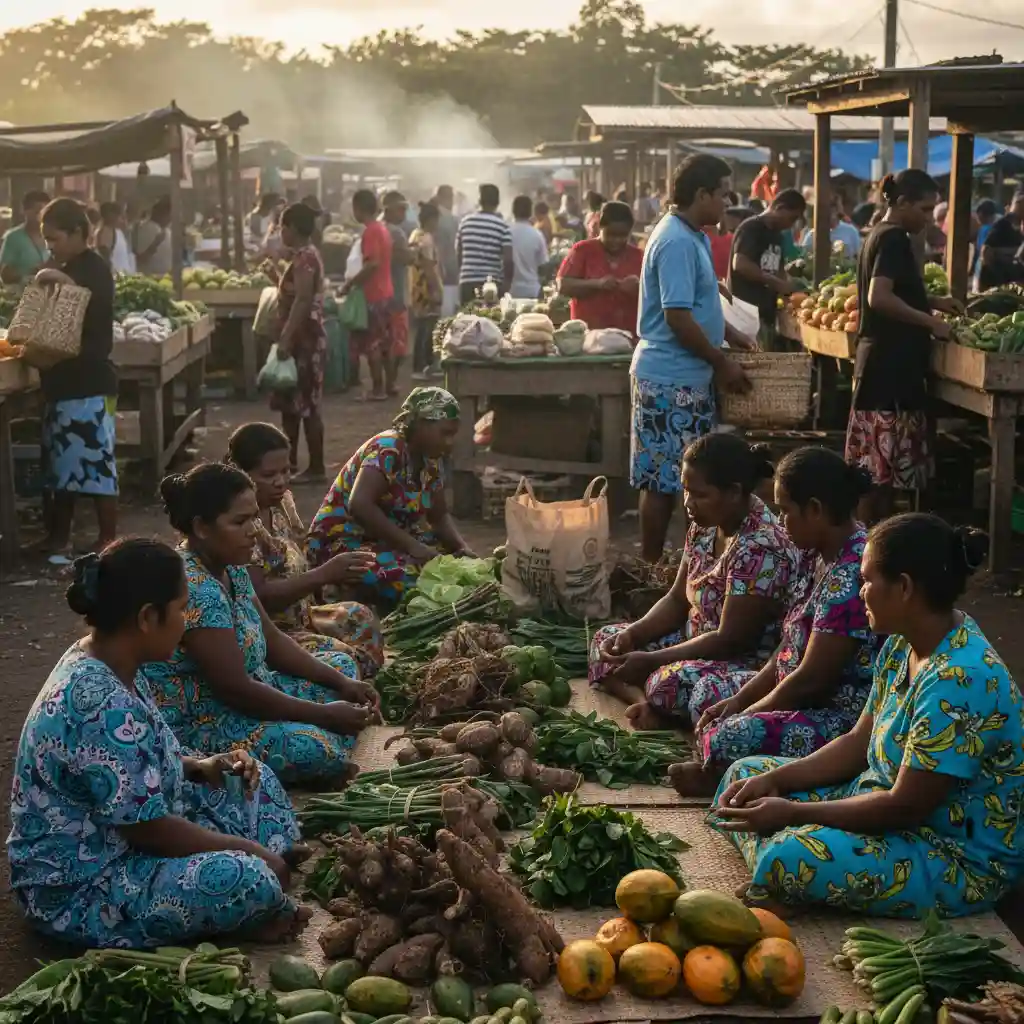
Tourism has emerged as the primary driver of foreign exchange earnings. Post-independence governments identified the pristine environment and unique “Kastom” culture as key assets. The development of Port Vila as a cruise ship hub and the promotion of boutique resorts on outer islands like Espiritu Santo and Tanna have been central to this strategy. Before the global pandemic of 2020, tourism accounted for a substantial portion of the GDP. The challenge remains in decentralizing tourism benefits, which are currently concentrated heavily in Shefa and Sanma provinces, leaving more remote islands economically marginalized.
The Impact of Citizenship by Investment Programs
A controversial yet fiscally significant development in the last decade has been the introduction of Citizenship by Investment (CBI) programs. These initiatives have provided the government with substantial liquidity, often generating revenue surpluses that have been used to pay down debt and fund disaster recovery efforts. While this has bolstered the country’s fiscal position, it has also raised questions regarding long-term sustainability and reliance on volatile revenue sources.
Social Progress and Human Capital
Development is not merely measured in GDP but in the well-being of the populace. Vanuatu’s social indicators post-independence reveal a nation striving to deliver modern services across a geographically fragmented archipelago.
What gains have been made in education and literacy?
Upon independence, the education system was a disjointed mix of French and British curriculums. A major achievement of the post-independence era has been the unification of the curriculum and the expansion of access to primary education. Literacy rates have steadily improved, and the government has prioritized the preservation of indigenous languages alongside the official languages of Bislama, English, and French. However, secondary and tertiary education access remains a bottleneck. The establishment of the National University of Vanuatu represents a significant milestone in developing local human capital, reducing the need for students to travel to Fiji or Australia for higher education.

How has healthcare delivery evolved?
Delivering healthcare to 83 islands is a logistical nightmare. Since 1980, there has been a concerted effort to establish aid posts and dispensaries in rural areas. Life expectancy has risen, and infant mortality rates have dropped significantly compared to pre-independence figures. The success of vaccination campaigns and the management of tropical diseases like malaria demonstrate the effectiveness of the public health sector. Nevertheless, the system remains heavily reliant on donor aid for infrastructure and specialized treatments, highlighting a continued area for development.
Environmental Challenges & Climate Resilience
Perhaps the most critical aspect of Vanuatu development post independence is the existential threat posed by climate change. Vanuatu is consistently ranked as one of the world’s most at-risk nations for natural disasters.
Why is disaster risk reduction central to development?
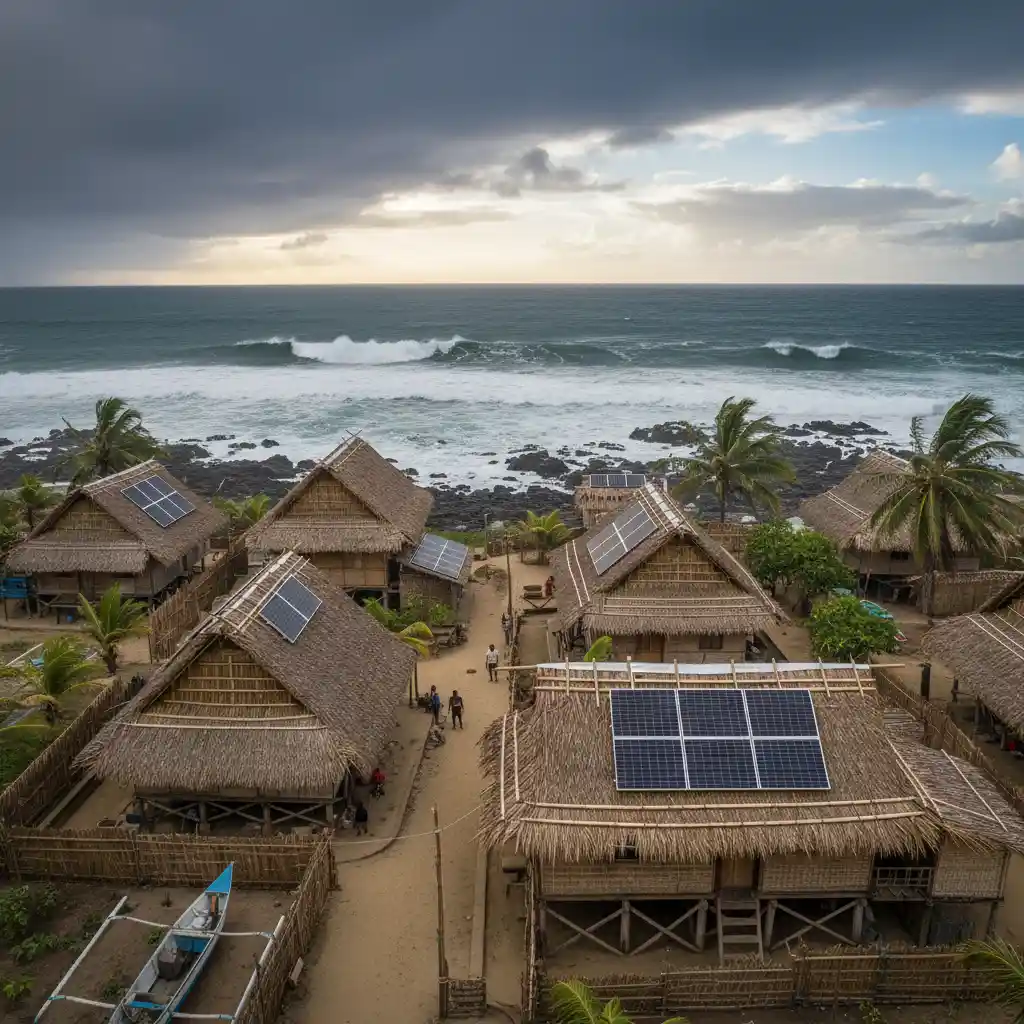
The archipelago sits on the Pacific “Ring of Fire” and within the cyclone belt. The economic history of the nation is punctuated by disasters, most notably Cyclone Pam in 2015 and Cyclone Harold in 2020. These events caused damage equivalent to more than 60% of the country’s GDP, wiping out years of infrastructure development in hours. Consequently, post-independence development cannot be separated from disaster resilience. Building codes have been updated, and traditional architecture—which is often more cyclone-resistant—is being reintegrated with modern engineering.
Leading the Global Climate Conversation
Despite its small size, Vanuatu has achieved global prominence through its climate diplomacy. The nation has been a vocal advocate in international forums, successfully leading the initiative to ask the International Court of Justice for an advisory opinion on climate change obligations. This diplomatic achievement underscores a maturity in governance and a proactive approach to protecting the nation’s future development.
Infrastructure and Digital Connectivity
Connecting the islands physically and digitally has been a monumental task for successive governments.
The Digital Revolution
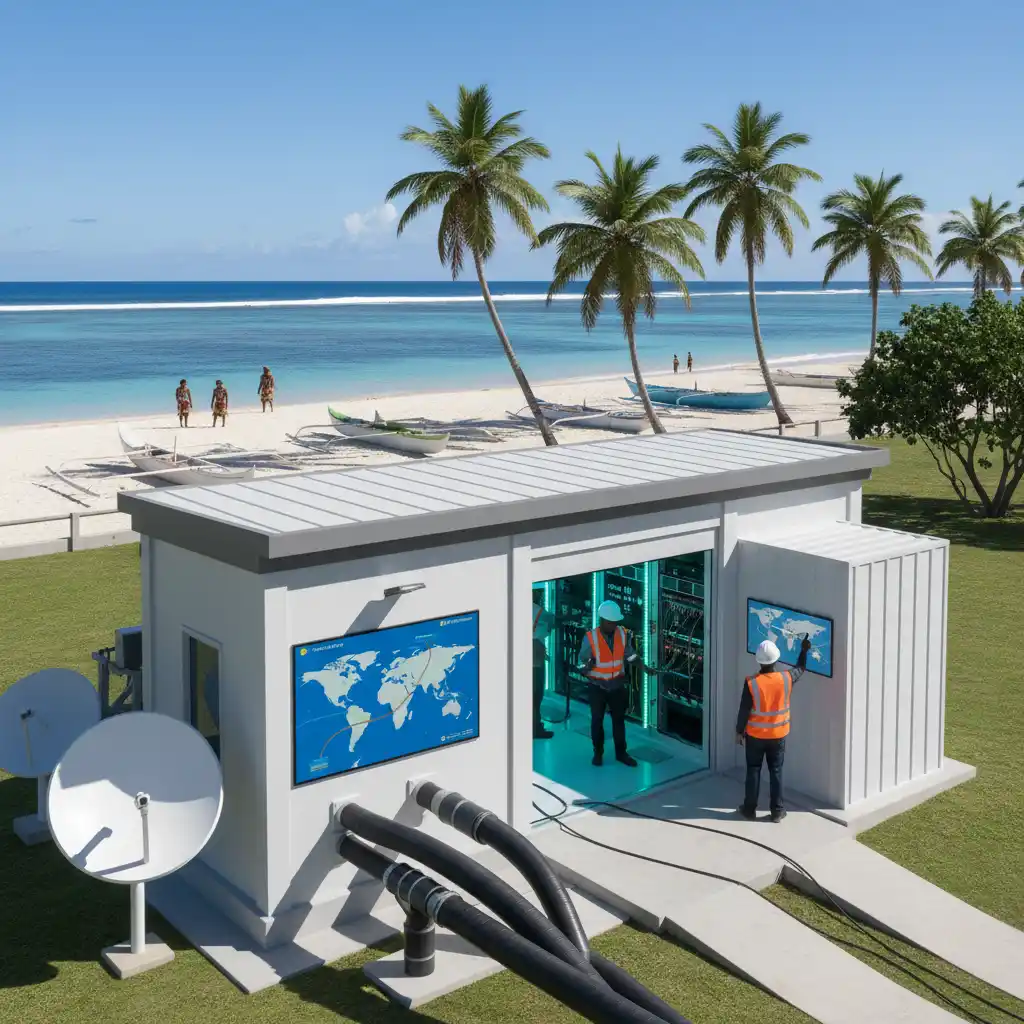
One of the most rapid changes occurred with the liberalization of the telecommunications market in the early 2000s. The subsequent arrival of submarine fiber-optic cables has revolutionized connectivity. Mobile phone penetration is now high even in rural areas, facilitating mobile banking and improving market access for farmers. This digital leapfrog is a key component of modern Vanuatu development post independence, allowing for the growth of a digital nomad sector and better government service delivery.
Transport Infrastructure Gaps
While digital roads are being built, physical roads remain a challenge. Major donor-funded projects have improved the ring roads on Efate and Santo, but inter-island shipping remains unreliable and expensive. The reliability of Air Vanuatu is critical for the tourism sector and domestic connectivity, yet the national carrier has faced chronic financial instability, representing a significant hurdle for consistent economic growth.
Future Aspirations: Vanuatu 2030
Looking ahead, the nation’s trajectory is guided by “Vanuatu 2030: The People’s Plan.” This National Sustainable Development Plan prioritizes a balance between economic growth, environmental stewardship, and cultural preservation.
Graduation from LDC Status
In December 2020, Vanuatu officially graduated from the United Nations list of Least Developed Countries (LDC). This milestone is a testament to the progress made in human assets and income levels. However, it also brings the challenge of losing access to certain concessionary financing and trade preferences. The future of Vanuatu development post independence will depend on navigating this new status, fostering a private sector that is less reliant on government contracts, and ensuring that the benefits of growth reach the most remote villages.
The journey since 1980 has been arduous but spirited. From the ashes of the Condominium to a sovereign nation fighting for climate justice, Vanuatu’s story is one of resilience. The path forward requires a delicate balancing act: leveraging global opportunities like tourism and digital trade while fiercely protecting the land and “Kastom” that define the Ni-Vanuatu identity.
People Also Ask
When did Vanuatu gain independence and from whom?
Vanuatu gained independence on July 30, 1980. It was previously known as the New Hebrides and was governed by a unique condominium administration jointly run by France and the United Kingdom.
What are the main economic challenges facing Vanuatu today?
The main economic challenges include a narrow economic base reliant on tourism and agriculture, vulnerability to natural disasters, high infrastructure costs due to its archipelagic nature, and reliance on donor aid.
How has Vanuatu’s tourism industry developed since independence?
Tourism has grown from a niche sector to the largest contributor to GDP. Development has focused on cruise tourism in Port Vila and eco-tourism in outer islands, though it remains vulnerable to global shocks like pandemics and cyclones.
What is the Vanuatu 2030 plan?
Vanuatu 2030, also known as “The People’s Plan,” is the National Sustainable Development Plan. It serves as the overarching policy framework for the country’s development, focusing on social, economic, and environmental pillars.
Is Vanuatu still considered a Least Developed Country (LDC)?
No, Vanuatu officially graduated from the Least Developed Country (LDC) category on December 4, 2020, marking a significant milestone in its development journey.
How does climate change affect Vanuatu’s development?
Climate change poses an existential threat through rising sea levels, ocean acidification affecting fisheries, and increased frequency of severe cyclones, all of which divert funds from development to disaster recovery.