
The best Vanuatu islands to visit depend on your specific travel goals. Efate serves as the convenient gateway with luxury resorts, while Espiritu Santo is essential for world-class diving and pristine beaches. Seekers of raw adventure should prioritize Tanna for its active volcano, whereas cultural enthusiasts will find the most authentic experiences on Malekula and Pentecost.
For New Zealand travelers, Vanuatu represents an accessible tropical paradise just a short flight from Auckland. Yet, with 83 islands in the archipelago, deciding where to touch down can be overwhelming. While many visitors never leave the main island of Efate, the true magic of this South Pacific nation lies in its diversity. From the underwater relics of WWII in Santo to the rumbling ash plains of Tanna, each region offers a distinct personality.
Efate: Port Vila & Surrounds
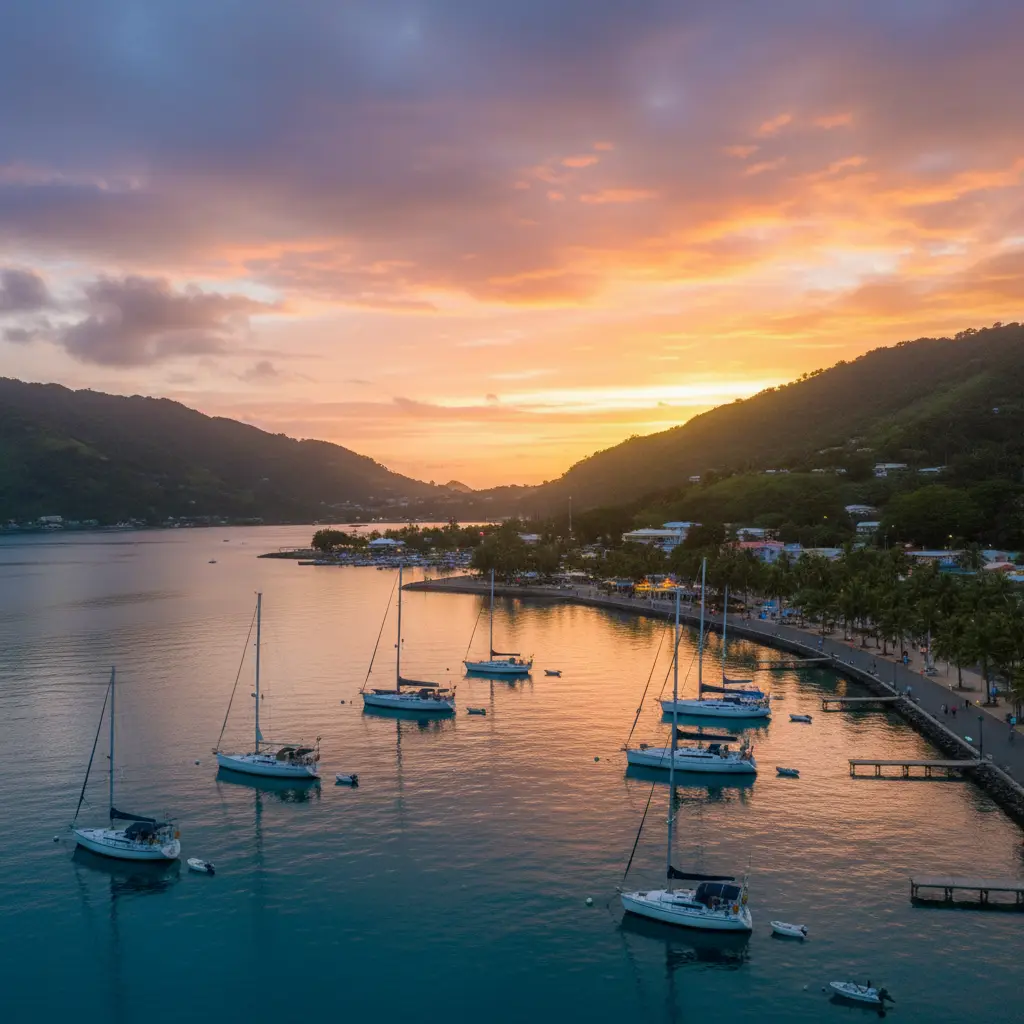
For the majority of travelers, Efate is the entry point and the beating heart of Vanuatu. Home to the capital, Port Vila, this island offers the most developed infrastructure, making it the safest bet for families or those seeking a “fly and flop” holiday with modern conveniences. It is the perfect blend of Melanesian culture and French cosmopolitan influence.
What are the top attractions in Efate?
Efate is encircled by a sealed ring road, making it incredibly easy to explore via a hired car or a guided tour. Key highlights include:
- The Blue Lagoon: A natural swimming hole where fresh water meets salt water, famous for its vibrant turquoise hue and rope swings.
- Mele Cascades: A series of terraced waterfalls leading to a 35-meter drop. It requires a short hike but rewards visitors with refreshing plunge pools.
- Hideaway Island: Located within a marine sanctuary, this island houses the world’s only underwater post office. It is accessible via a short ferry ride from the mainland.
- Port Vila Markets: Open 24/7 (except Sundays), these markets are the best place to buy organic fruit, vegetables, and authentic handicrafts.
Dining and Accommodation
Port Vila is often cited as the culinary capital of the South Pacific. The influence of French colonization is evident in the bakeries and fine dining establishments that line the harbor. For New Zealanders used to high coffee standards, Vila does not disappoint. Accommodation ranges from budget-friendly guesthouses to 5-star luxury resorts like The Havannah and Iririki Island Resort.
Espiritu Santo: Luganville & Dive Sites
Espiritu Santo, often referred to simply as “Santo,” is the largest island in the archipelago and arguably the most visually stunning. It is less commercialized than Efate, moving at a slower, more rhythmic pace. For divers and beach connoisseurs, Santo is non-negotiable when shortlisting Vanuatu islands to visit.
Why is Santo famous for diving?
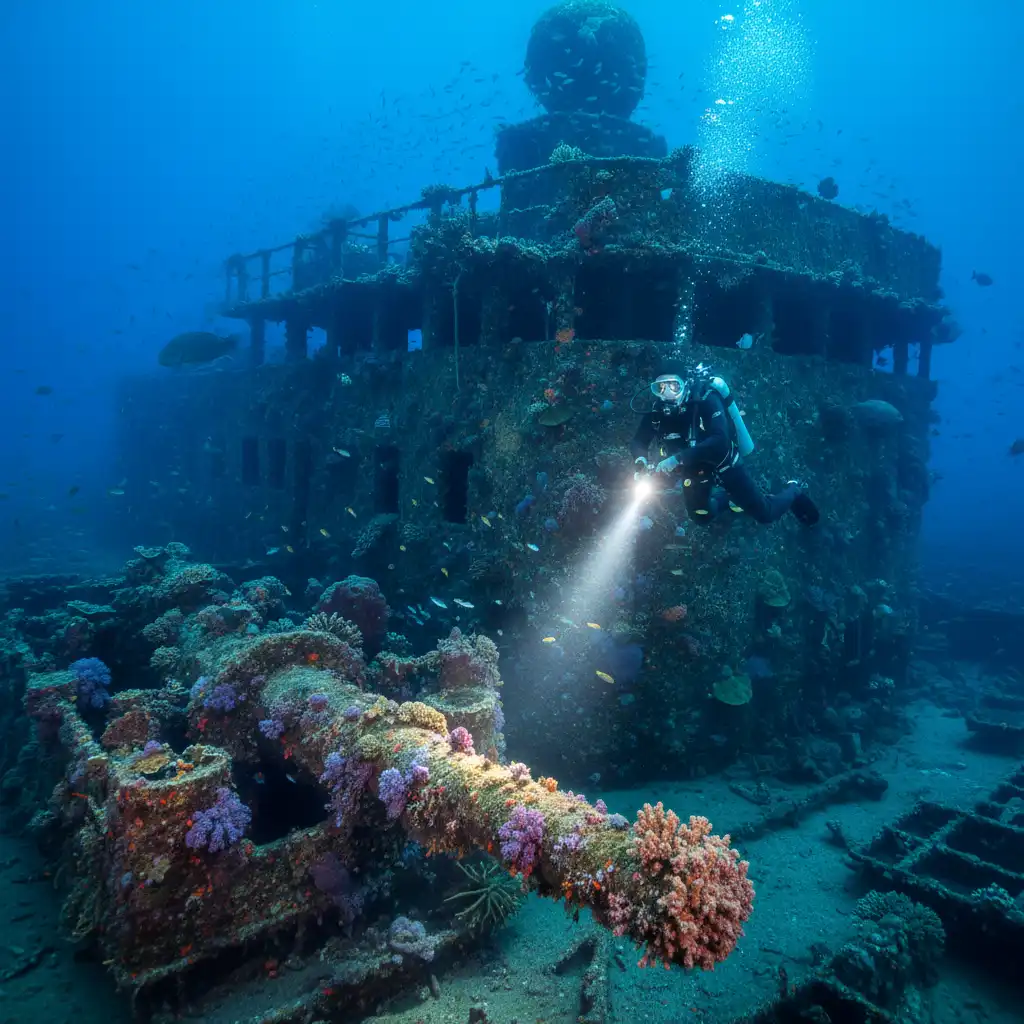
Santo is the final resting place of the SS President Coolidge, a luxury liner converted into a troopship that sank during WWII. It is one of the largest and most accessible wreck dives in the world. Divers can explore the cargo holds, the medical bay, and even see “The Lady,” a porcelain relief still intact in the first-class dining room. Nearby, Million Dollar Point offers a surreal snorkeling experience where the US military dumped tons of equipment—jeeps, bulldozers, and trucks—into the ocean after the war.
Champagne Beach and Blue Holes
Beyond the history, Santo boasts Champagne Beach, frequently voted among the best beaches globally. The water is crystal clear, and volcanic gas vents on the ocean floor can make the water fizz at low tide, resembling champagne. Inland, the island is dotted with “Blue Holes”—limestone filtration pools like Nanda and Riri Blue Hole—that offer impossibly clear, sapphire waters surrounded by dense jungle.
Tanna: Volcano & Yakel Village
If Efate is the head and Santo is the beauty, Tanna is the soul of Vanuatu. This island offers a raw, primal energy that is difficult to find elsewhere in the Pacific. It is the destination for adventure seekers and those wanting to witness the sheer power of nature.
Is Mount Yasur accessible?
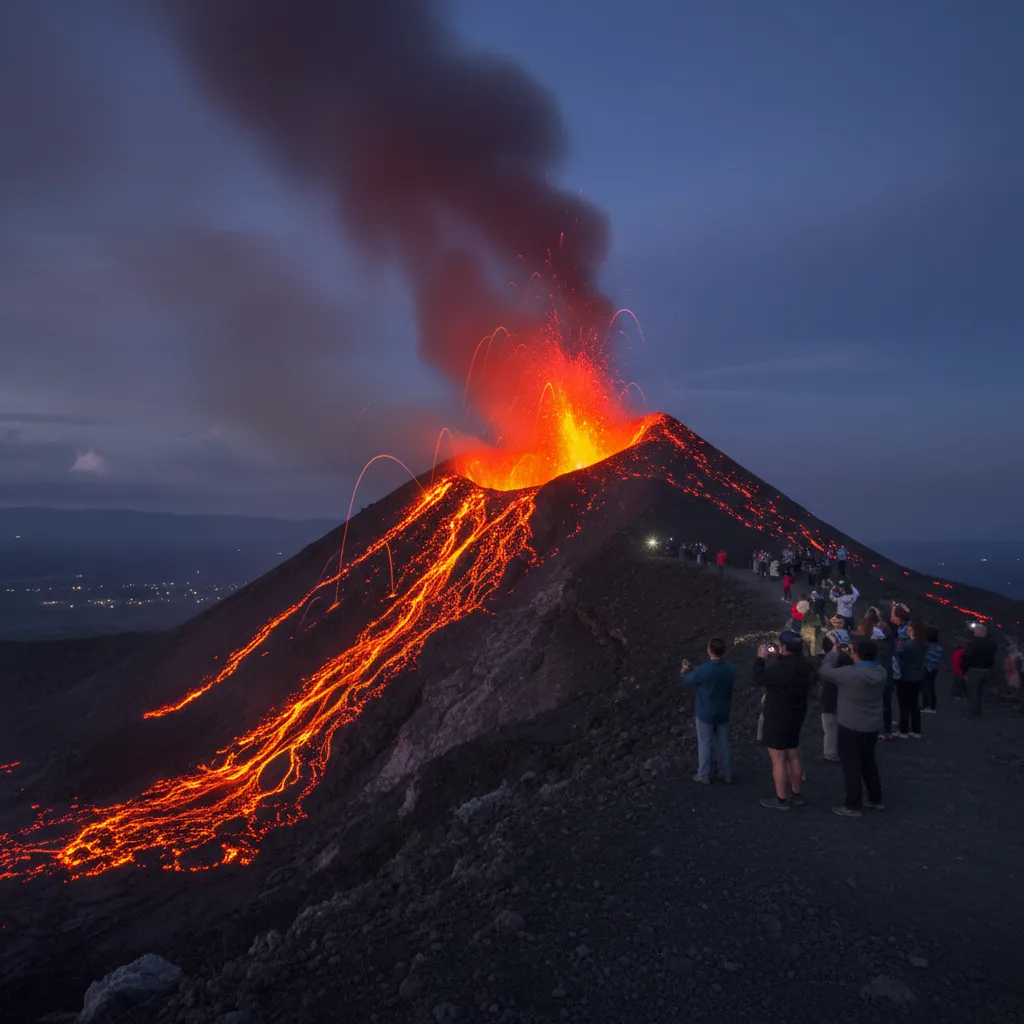
Mount Yasur is one of the world’s most accessible active volcanoes. Unlike many volcanoes that require grueling multi-day treks, Yasur can be accessed via a 4WD vehicle that takes you within a 15-minute walk of the crater rim. Standing on the edge at twilight, watching lava bombs explode into the sky while the ground shakes beneath your feet, is a bucket-list experience. It is crucial to respect local guides and safety warnings regarding ash and lava activity levels.
The Blue Cave and Kastom Culture
Tanna is also home to the Blue Cave, a stunning sea cave accessible by swimming underwater for a brief moment to emerge into a sunlit cavern. Culturally, Tanna is deeply traditional. Villages like Yakel reject modern life, preferring to live according to “Kastom” (traditional custom). Visitors are welcome but must show immense respect. This is also the home of the Prince Philip Movement, a cargo cult that worshipped the late Duke of Edinburgh.
Pentecost: Land Diving Festival
Pentecost Island is world-famous for one specific event: the Nagol, or land diving. This ritual is the ancestor of modern bungee jumping and is a spectacular display of courage and tradition.
When is the best time to visit Pentecost?
To witness the land diving, you must time your visit between April and June. During the yam harvest, men construct towering wooden towers (up to 30 meters high) held together only by vines. They tie vines to their ankles and jump, aiming to brush their shoulders against the earth to ensure a bountiful yam harvest. It is a mesmerizing and terrifying spectacle. Outside of these months, Pentecost is a quiet, rugged island with few tourist facilities, suitable only for the most intrepid travelers.
Malekula: Custom Villages & Nambas
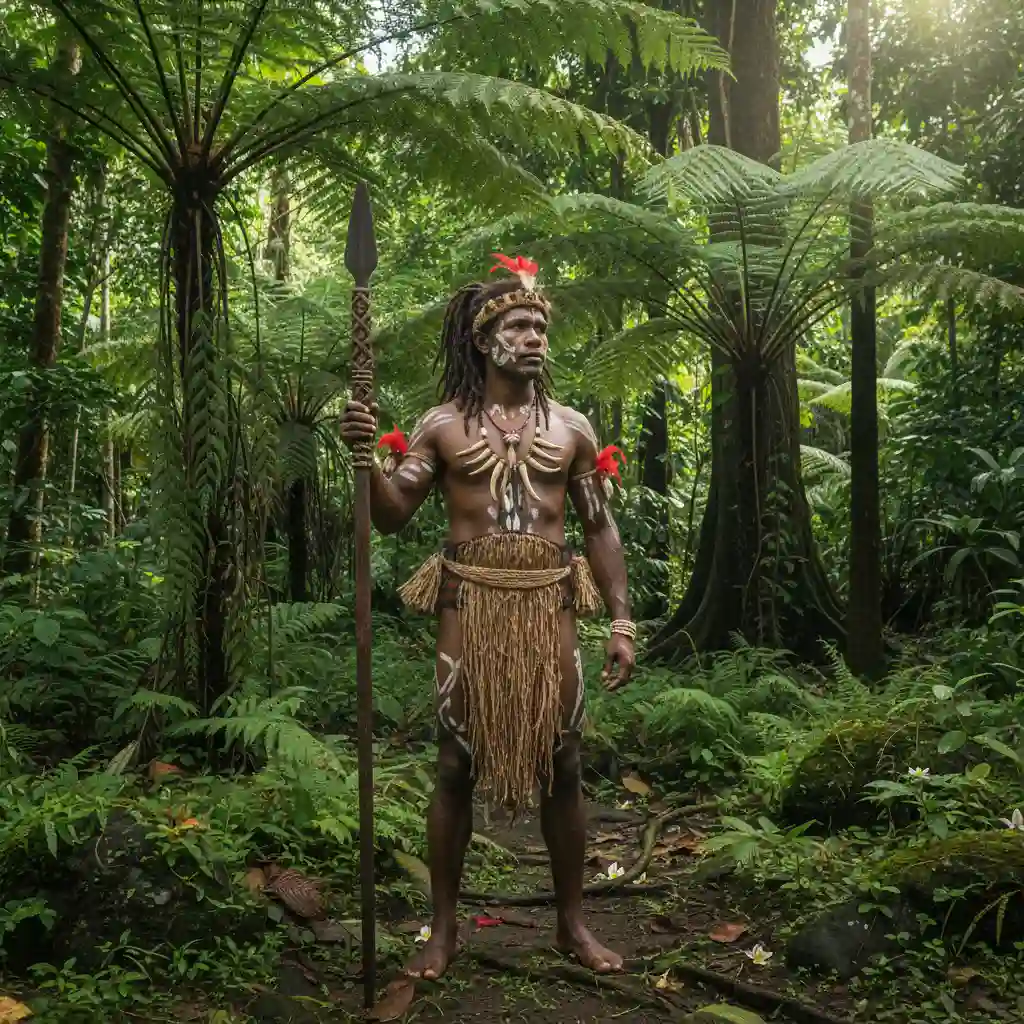
Malekula is the second-largest island and arguably the most culturally diverse. It is known as the “Island of Custom” and is historically famous for its history of cannibalism (which ended in the late 1960s) and its distinct tribal groups: the Big Nambas and the Small Nambas.
What is the difference between Big and Small Nambas?
The names refer to the size of the namba (penis sheath) worn by the men in traditional ceremonies. The tribes have distinct languages, customs, and histories. The Big Nambas in the north were historically more warlike, while the Small Nambas in the south are known for their elaborate headdresses and complex funerary rituals. Visiting Malekula often involves trekking through dense rainforest to visit remote villages, hearing stories of the island’s fierce past, and witnessing ceremonial dances that have remained unchanged for centuries.
Other Islands: Ambrym, Epi, Gaua
For those who have already visited the main islands or seek absolute solitude, the outer islands offer unique rewards.
Ambrym: The Island of Magic
Ambrym is known as the “Black Island” due to its volcanic ash soil and its reputation for sorcery and black magic. It boasts two active volcanoes, Marum and Benbow, which feature massive lava lakes. Trekking here is demanding but rewarding.
Epi: Swimming with Dugongs
Located just north of Efate, Epi is a tranquil island known for its marine life. Lamen Bay is one of the best places in the Pacific to swim with wild dugongs and sea turtles. The island offers simple guesthouses and a very relaxed atmosphere.
Gaua: Waterfalls and Lakes
Part of the Banks Islands in the far north, Gaua is home to Lake Letas, one of the largest crater lakes in the Pacific, and the magnificent Siri Waterfall, which drops 120 meters directly from the lake.
Choosing Your Island Itinerary
Constructing the perfect itinerary depends on your time and budget. Domestic travel in Vanuatu can be expensive, and island hopping requires patience.
- The 7-Day Intro: Spend 5 days in Efate (Port Vila, Blue Lagoon, Havannah Harbour) and take a day trip or overnight trip to Tanna for the volcano.
- The 10-Day Diver/Beach Lover: Fly directly to Santo (if coming from Brisbane) or connect via Vila. Spend 6 days in Santo exploring wrecks and Blue Holes, then 4 days relaxing in Efate.
- The 14-Day Adventure: Efate (3 days), Tanna (3 days), Santo (5 days), and a side trip to Pentecost (if in season) or Malekula (3 days).
Getting Between Islands
Understanding the logistics is vital for a smooth trip. While ferries exist, they are often irregular, slow, and safety standards can vary. They are generally not recommended for short-term tourists.
Domestic Flights
Air Vanuatu is the primary carrier for domestic travel. They operate flights to most inhabited islands. It is highly recommended to book these flights well in advance, especially during peak seasons (NZ school holidays). Be prepared for “island time”—delays can happen, so leave buffer days in your itinerary before your international flight home. Note that baggage allowances on smaller planes (Twin Otters) are often lower than international standards.
People Also Ask
What is the best month to visit Vanuatu?
The best time to visit Vanuatu is during the dry season, from April to October. During these months, the humidity is lower, temperatures are comfortable (around 20-28°C), and rainfall is minimal. This period also coincides with the land diving season on Pentecost Island.
Do I need a visa for Vanuatu from New Zealand?
No, New Zealand passport holders do not need a visa for tourist stays of up to 30 days. You will be granted a visitor permit on arrival. Ensure your passport has at least six months of validity remaining from your date of entry.
Is Vanuatu safe for tourists?
Vanuatu is generally very safe for tourists. The crime rate is low, and the locals are known for their friendliness. However, petty theft can occur, so standard precautions should be taken. The biggest risks are usually environmental (sunburn, currents, or coral cuts).
How many days do you need in Vanuatu?
A minimum of 7 to 10 days is recommended. This allows you enough time to explore the main island of Efate and visit at least one outer island like Tanna or Espiritu Santo. Two weeks is ideal for a more relaxed pace and deeper exploration.
Can you drink the tap water in Vanuatu?
In Port Vila, the tap water is generally treated and considered safe to drink, though many tourists prefer bottled water to be safe. On outer islands and in rural areas, you should strictly avoid tap water and drink only bottled, boiled, or purified water.
What currency is used in Vanuatu?
The currency is the Vanuatu Vatu (VUV). Australian Dollars and sometimes NZ Dollars are accepted in major tourist spots in Port Vila, but you will need Vatu for markets, buses, and travel to outer islands. ATMs are available in Port Vila and Luganville (Santo) but are scarce elsewhere.