
Traditional Ni-Vanuatu cuisine is a rich tapestry of indigenous flavors, heavily reliant on a bounty of fresh, locally sourced ingredients. Characterized by its use of root crops like taro and yam, tropical fruits, abundant seafood, and unique cooking methods such as earth ovens, it offers a deeply authentic culinary journey reflecting the islands’ agricultural heritage and close connection to the land and sea.
What Defines Traditional Ni-Vanuatu Cuisine?
Traditional Ni-Vanuatu cuisine is primarily defined by its unparalleled freshness, reliance on indigenous ingredients, and a culinary philosophy that prioritizes natural flavors and communal preparation. Unlike many global cuisines that utilize complex spices and elaborate sauces, Ni-Vanuatu cooking celebrates the inherent taste of its core components: nutrient-dense root crops, an abundance of fresh seafood from pristine waters, and a vibrant array of tropical fruits and vegetables. The techniques are often simple yet highly effective, with steaming, baking in earth ovens, and grilling over open fires being commonplace. Coconut cream features prominently, acting as a rich, binding agent and flavor enhancer in many dishes, imparting a subtle sweetness and creamy texture that is characteristic of Pacific island cooking. The strong emphasis on local sourcing means that meals are inherently seasonal and sustainable, reflecting a deep respect for the land and its resources. This approach not only ensures extreme freshness but also provides a unique farm-to-table or ocean-to-table experience for anyone exploring the culinary landscape of Vanuatu, making it a distinctive and healthful cuisine.
Delving into Vanuatu’s Iconic Dishes
Among the myriad of delightful dishes found across the islands of Vanuatu, two stand out as quintessential examples of the nation’s culinary heritage: Laplap and Tuluk. These dishes are not merely meals; they are cultural touchstones, embodying the communal spirit and traditional cooking techniques passed down through generations. Exploring these iconic preparations offers a true taste of Ni-Vanuatu life and hospitality, providing visitors with an authentic connection to the islands’ traditions.
What is Laplap and How is it Prepared?
Laplap is unequivocally the national dish of Vanuatu, a staple with deep cultural significance often prepared for celebrations, feasts, and important family gatherings. It is a dense, savory pudding-like dish made from grated root crops, primarily taro, yam, or cassava (manioc), often mixed with local greens like island cabbage or spinach. The grated root vegetable forms the base, which is then generously combined with coconut cream, providing a rich, creamy texture and sweet undertone. The protein component is flexible, typically consisting of fish, chicken, beef, or even flying fox (fruit bat), depending on availability and preference. These ingredients are meticulously wrapped in large taro or banana leaves, forming individual parcels that are then slow-cooked for several hours in an underground earth oven, known locally as a laplap oven or motu. This traditional cooking method imparts a unique smoky flavor and ensures that the laplap emerges incredibly tender and moist. The steaming process within the sealed leaves allows the flavors to meld beautifully, creating a hearty, satisfying meal that is both nourishing and deeply flavorful. The preparation of Laplap is often a communal affair, symbolizing unity and shared heritage, making its consumption an experience far beyond mere dining.

Exploring the Savory Depths of Tuluk
Tuluk, while sharing some similarities with Laplap in its core ingredients and traditional cooking methods, offers a distinct culinary experience that showcases another facet of Ni-Vanuatu ingenuity. Originating primarily from the northern islands, particularly Santo, Tuluk is often described as a richer, more compact dumpling or sausage-like dish. The base is predominantly made from grated manioc (cassava), known for its slightly denser texture when cooked. This grated manioc is mixed with finely chopped meat, typically beef, pork, or occasionally fish, which is often seasoned with salt and perhaps a hint of ginger or other local aromatics. Unlike Laplap, Tuluk is usually formed into a more cylindrical or elongated shape before being wrapped tightly in banana leaves. These parcels are then steamed or boiled, rather than baked in an earth oven, although regional variations may exist. The result is a substantial, savory dish with a satisfyingly chewy texture and a concentrated flavor profile from the meat and manioc. Tuluk is a robust meal, popular for its hearty nature and often enjoyed as a standalone dish or accompanied by a simple side of greens. Its preparation is a testament to the efficient and resourceful use of available ingredients, creating a fulfilling meal that is deeply embedded in the local dietary traditions and a must-try for any adventurous foodie visiting Vanuatu.
The Staple Foundations: Root Crops of Vanuatu
The culinary backbone of Ni-Vanuatu cuisine unequivocally rests upon its diverse and abundant root crops. These starchy tubers are far more than mere side dishes; they are the primary source of carbohydrates and a fundamental element of nearly every traditional meal. The fertile volcanic soils and tropical climate of Vanuatu provide ideal conditions for cultivating a remarkable variety of these crops, ensuring food security and a rich dietary foundation for the local population. Their versatility allows them to be used in various preparations, from savory puddings and stews to simple boiled or baked accompaniments, making them indispensable to the daily diet.
What are the Primary Root Crops in Ni-Vanuatu Diet?
The primary root crops that form the cornerstone of the Ni-Vanuatu diet include taro, yam, kumala (sweet potato), and cassava (manioc). Each of these contributes its unique texture and flavor profile to the cuisine. Taro, with its slightly sticky texture and earthy taste, is perhaps the most revered, commonly used in dishes like Laplap. Yams are celebrated for their drier, floury texture and often prepared by boiling or baking. Kumala, the local sweet potato, offers a naturally sweet and softer alternative, frequently enjoyed boiled or roasted. Cassava, or manioc, is highly versatile, used in both savory dishes like Tuluk and sometimes processed into flour. These crops are not just food; they represent resilience, self-sufficiency, and a deep connection to the land. They are cultivated using traditional methods, often in family gardens, ensuring a continuous supply of fresh, organic produce. Their preparation is generally simple, focusing on boiling, baking, or grating, allowing their natural flavors to shine. The rich nutritional content of these root crops provides sustained energy and essential vitamins, underscoring their importance not just culturally but also as a vital component of a healthy, balanced diet in Vanuatu. Exploring local markets reveals the sheer variety and freshness of these foundational ingredients, offering a fascinating insight into the daily life and culinary practices of the Ni-Vanuatu people.

Bountiful Harvests: Fresh Seafood and Local Produce
Vanuatu, an archipelago nation surrounded by the pristine waters of the South Pacific, naturally boasts an extraordinary abundance of fresh seafood. This oceanic bounty, combined with the lush fertility of its volcanic islands, provides an incredible array of local fruits and vegetables, making for a diet that is both healthful and intensely flavorful. The close proximity to both the ocean and fertile land means that ingredients are often consumed mere hours after being harvested or caught, guaranteeing an unparalleled level of freshness that is a hallmark of Ni-Vanuatu cuisine.
How Does Fresh Seafood Shape Ni-Vanuatu Meals?
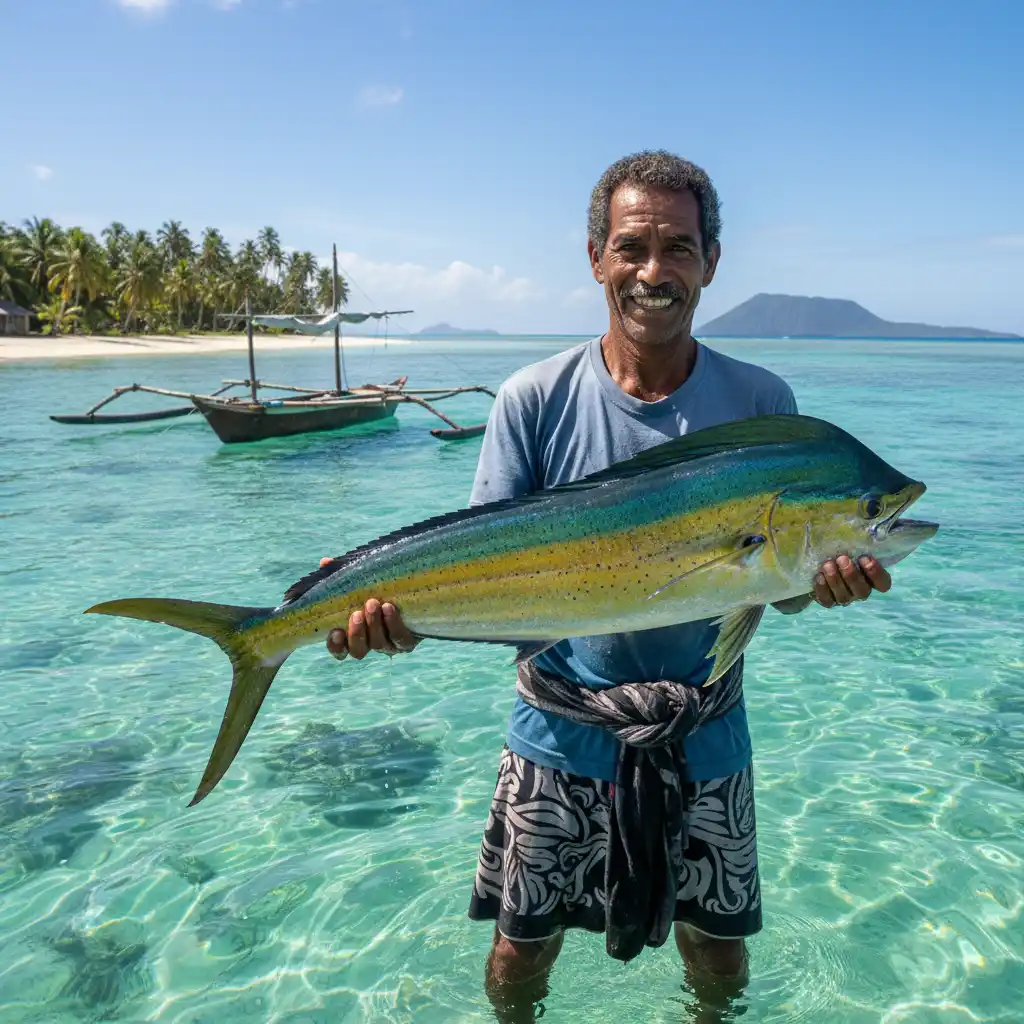
Given Vanuatu’s island geography, fresh seafood plays an absolutely central role in the Ni-Vanuatu diet, influencing everything from daily meals to celebratory feasts. The surrounding coral reefs and deep-sea waters yield an incredible variety of fish, including snapper, tuna, mahi-mahi, and parrotfish, as well as an assortment of shellfish, crabs, and lobsters. Seafood is typically prepared with minimal fuss, allowing its natural delicate flavors to dominate. Common cooking methods include grilling over an open fire, often wrapped in banana leaves to keep it moist and infuse a subtle smoky aroma, or steaming with coconut milk and local herbs. Raw fish dishes, similar to ceviche or sashimi, are also enjoyed, particularly in coastal areas, showcasing the extreme freshness of the catch. The practice of sustainable fishing is deeply ingrained in local traditions, ensuring that these vital marine resources are preserved for future generations. For visitors, enjoying a freshly caught fish, grilled to perfection on a beachside barbecue, is an essential and unforgettable part of the Ni-Vanuatu culinary experience. The simplicity of preparation highlights the quality of the ingredients, a testament to the rich marine biodiversity surrounding these beautiful islands.
What Local Fruits and Vegetables are Integral to Ni-Vanuatu Dishes?
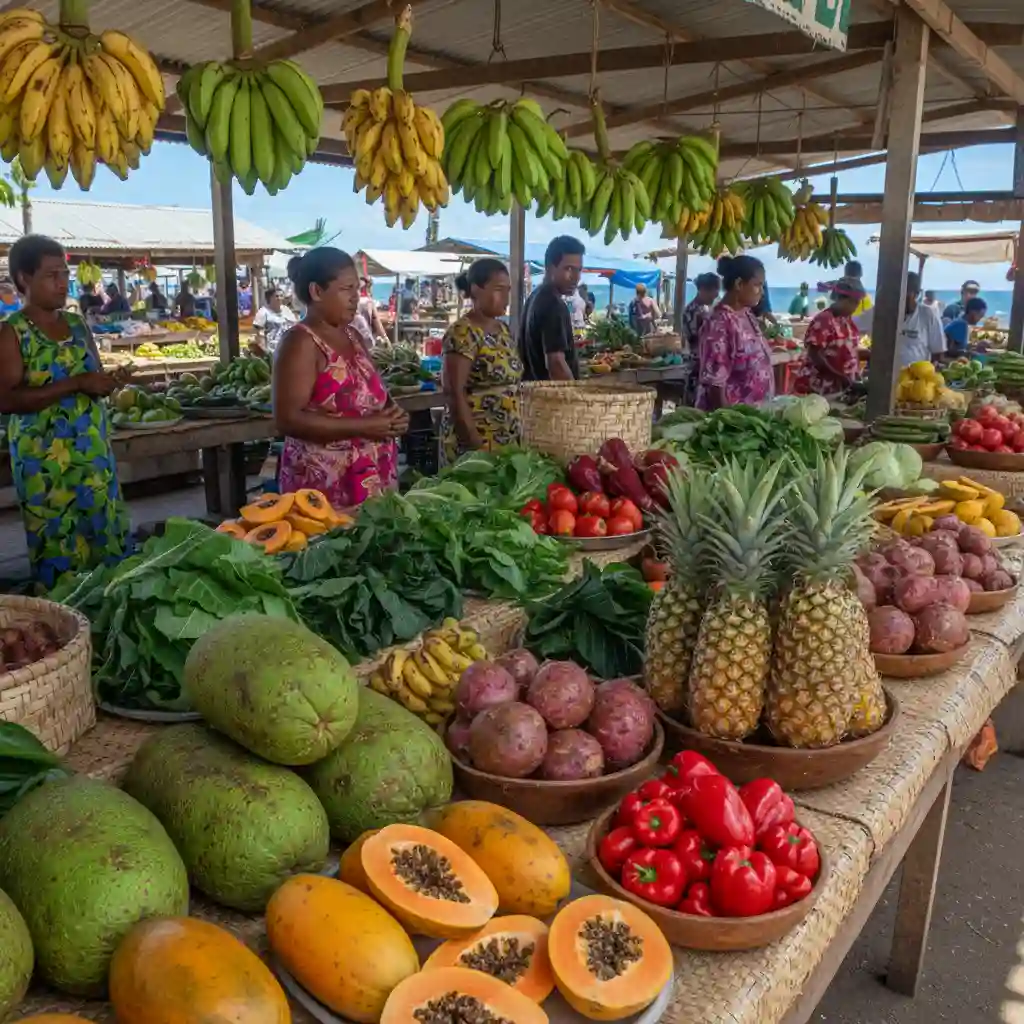
Beyond the staple root crops, Ni-Vanuatu cuisine is richly enhanced by a vibrant array of local fruits and vegetables, each contributing essential nutrients, flavors, and textures. Tropical fruits like breadfruit, pawpaw (papaya), bananas, and pineapples are consumed widely, both fresh and in cooked preparations. Breadfruit, often roasted or boiled, serves as a versatile starchy accompaniment, while ripe pawpaw and bananas are enjoyed for their natural sweetness. The islands also boast a variety of leafy greens, such as island cabbage (local spinach) and fern shoots, which are frequently incorporated into stews or steamed with coconut cream. Tomatoes, cucumbers, and green beans are also cultivated and used in fresh salads or light cooking. Unique to the region are nuts like Nangae nuts, a prized local delicacy, often roasted and enjoyed as a snack or incorporated into savory dishes for added richness and crunch. These ingredients are primarily sourced from local gardens and small-scale farms, emphasizing organic practices and a direct connection between producer and consumer. The abundant availability of such diverse produce ensures a diet rich in vitamins and minerals, contributing to the overall health and well-being of the Ni-Vanuatu people. Exploring the local markets provides a kaleidoscope of colors and aromas, offering visitors a sensory immersion into the fresh and vibrant agricultural heart of Vanuatu.
Traditional Cooking Methods and Their Cultural Significance
The traditional cooking methods employed in Ni-Vanuatu cuisine are as fundamental to its identity as the ingredients themselves. These techniques are not merely practical ways to prepare food; they are deeply intertwined with cultural practices, community building, and the preservation of ancestral knowledge. The absence of modern kitchen appliances in many traditional settings has led to the mastery of elemental cooking, utilizing earth, fire, and natural materials to transform raw ingredients into nourishing meals.
Foremost among these methods is the use of the earth oven, known as a laplap oven or motu. This ancient technique involves heating stones in a pit with fire, then layering the food, often wrapped in banana or taro leaves, on top of the hot stones, covering it with more leaves and earth to seal in the heat. The slow, even cooking process can take several hours, resulting in incredibly tender and flavorful dishes, particularly Laplap. This method is highly communal; the digging of the pit, gathering of wood, preparation of ingredients, and the shared anticipation of the meal foster strong social bonds. It’s a symbol of celebration and hospitality, often used for feasts and special occasions, where large quantities of food are prepared to feed entire communities.
Open fire cooking and grilling are also prevalent, especially for fresh seafood and root crops. Fish is often skewered or wrapped in leaves and placed directly over coals or on a grill, imparting a distinct smoky char. This method is quick, efficient, and perfect for outdoor cooking, often accompanying beachside gatherings. Steaming, particularly in banana leaves, is another gentle method that preserves the natural moisture and delicate flavors of ingredients like fish, chicken, and greens, often infused with coconut cream. This method is especially popular for dishes like Tuluk, where a more compact and moist texture is desired.
These cooking methods represent a sustainable and resourceful approach to food preparation, minimizing waste and maximizing flavor using what is naturally available. They are not just about feeding the body but also about nurturing the community, sharing stories, and continuing a legacy that connects the Ni-Vanuatu people to their land, their ancestors, and each other. For visitors, observing or participating in these traditional cooking processes offers an invaluable insight into the heart of Vanuatu’s cultural identity.
The Role of Food in Ni-Vanuatu Culture and Society
In Ni-Vanuatu culture, food extends far beyond mere sustenance; it is a fundamental pillar of social interaction, a language of hospitality, and a crucial element in maintaining community cohesion and traditional values. The preparation, sharing, and consumption of food are deeply embedded in daily life, as well as in significant ceremonies and celebrations, reflecting a worldview where generosity and communal well-being are paramount.
Hospitality is a cornerstone of Ni-Vanuatu society, and offering food is the most profound expression of welcoming a guest. Whether it’s a simple meal shared with a visiting neighbor or an elaborate feast for a dignitary, food is presented as a symbol of respect and friendship. To decline food can be seen as an affront, highlighting the deep cultural significance attached to shared meals. This tradition fosters a sense of belonging and strengthens inter-personal relationships across villages and islands.
Food plays a central role in various rites of passage and cultural ceremonies. From birth celebrations and coming-of-age rituals to marriages and funerals, specific dishes and elaborate feasts mark these important life events. The preparation of large quantities of traditional foods, particularly Laplap, is common for these occasions, symbolizing abundance, continuity, and collective participation. Even conflicts or disputes can be resolved through the ceremonial sharing of food, underscoring its power as a mediator and unifier.
The act of communal food preparation, especially when utilizing earth ovens, transforms cooking into a collective effort that reinforces social structures. Children learn from elders, men and women share specific tasks, and the entire process becomes a bonding experience. This passing down of culinary knowledge is vital for preserving cultural heritage and ensuring that traditional practices endure. Furthermore, the reliance on locally grown and wild-harvested ingredients reinforces a strong connection to the land and sea, promoting sustainable living and respect for natural resources.
In essence, Ni-Vanuatu cuisine is a living testament to the islands’ rich cultural heritage. Each dish tells a story of tradition, community, and the intimate relationship between the people and their environment. For those visiting Vanuatu, engaging with its food culture offers an unparalleled opportunity to connect with the heart and soul of this vibrant South Pacific nation.
Savoring the Authentic Ni-Vanuatu Experience
Exploring traditional Ni-Vanuatu cuisine is an adventure into the heart of a culture deeply rooted in its land and sea. From the iconic, earthy flavors of Laplap and the hearty density of Tuluk, to the simple nourishment of root crops and the exquisite freshness of tropical seafood and produce, every dish tells a story. This cuisine, characterized by its natural ingredients, communal cooking methods, and a profound emphasis on freshness and sustainability, offers a unique and unforgettable culinary journey. It’s a testament to the ingenuity and resourcefulness of the Ni-Vanuatu people, showcasing their deep connection to their environment and their rich cultural heritage. For travelers from the NZ market planning a trip to Vanuatu, delving into these authentic flavors is not just about eating; it’s about experiencing the true essence of island life, hospitality, and tradition, creating memories that are as rich and satisfying as the cuisine itself.
People Also Ask
What are the staple foods in Vanuatu?
The staple foods in Vanuatu primarily consist of root crops such as taro, yam, kumala (sweet potato), and cassava (manioc). These are supplemented by fresh seafood, tropical fruits like breadfruit and bananas, and local green vegetables.
Is Ni-Vanuatu food healthy?
Yes, Ni-Vanuatu food is generally considered very healthy. It is characterized by fresh, organic, unprocessed ingredients, including lean protein from seafood and local meats, complex carbohydrates from root crops, and abundant vitamins from fruits and vegetables, often cooked using simple, healthy methods like steaming or baking.
Can tourists try traditional Ni-Vanuatu cuisine?
Absolutely. Tourists can experience traditional Ni-Vanuatu cuisine at local markets, small roadside stalls, village guesthouses, and cultural tours. Many resorts also offer traditional dishes, and participating in a village visit often includes a demonstration or sharing of local food.
What is the most famous dish in Vanuatu?
Laplap is widely considered the national and most famous dish of Vanuatu. It is a savory pudding made from grated root crops mixed with coconut cream and protein, slow-cooked in an earth oven, and holds significant cultural importance.
What kind of meat is eaten in Vanuatu?
Common meats consumed in Vanuatu include fish and other seafood (snapper, tuna, crabs, lobster), chicken, beef (often local organic Vanuatu beef), pork, and occasionally game like flying fox (fruit bat) in traditional settings.
Are there vegetarian options in Ni-Vanuatu cuisine?
Yes, Ni-Vanuatu cuisine offers many natural vegetarian options, as root crops, fruits, and vegetables form a significant part of the diet. Dishes can be easily adapted to exclude meat, with staples like laplap, various root crop preparations, and fresh salads being naturally vegetarian-friendly.