
Vanuatu’s blue holes are natural, freshwater swimming pools renowned for their startlingly clear, vibrant blue water, often formed by underground springs bubbling to the surface through limestone. Complementing these are the nation’s majestic waterfalls, tropical havens offering refreshing cascades amidst lush rainforests, creating unforgettable experiences for visitors seeking natural beauty and adventure.
For New Zealand travellers seeking an exotic yet accessible island escape, Vanuatu presents an unparalleled array of natural wonders. From the serene, cerulean depths of its famous blue holes to the thunderous beauty of its jungle-clad waterfalls, this Melanesian gem offers a diverse landscape ripe for exploration. This comprehensive guide delves into the must-visit aquatic attractions across Efate and Espiritu Santo, providing expert insights to help you plan an unforgettable adventure into the heart of Vanuatu’s pristine environment.
What are Vanuatu’s Blue Holes and Waterfalls?
Vanuatu’s geological makeup, characterized by volcanic activity and porous limestone, creates ideal conditions for the formation of its distinctive natural attractions. Blue holes are essentially cenotes or karst windows, where underground freshwater rivers emerge into surface depressions. The water’s astonishing clarity and intense blue hue are attributed to the limestone acting as a natural filter, stripping away impurities, and refracting sunlight in a mesmerizing way. These unique swimming spots are often surrounded by dense tropical foliage, providing a secluded, almost magical atmosphere. Waterfalls, on the other hand, are dramatic expressions of the islands’ abundant rainfall and rugged topography, carving their paths through lush rainforests and culminating in refreshing pools perfect for a dip. Both offer a profound connection to Vanuatu’s vibrant ecosystem and a tranquil escape from the everyday.
The appeal of these natural wonders extends beyond their aesthetic beauty. They are vital ecological sites, supporting diverse plant and animal life, and hold cultural significance for local communities. Visitors are encouraged to engage respectfully with these sites, often managed by local landowners, ensuring their preservation for future generations. Understanding their origins and importance enhances the appreciation of their unique charm, making a visit to a blue hole or waterfall in Vanuatu more than just a swim – it’s an immersive cultural and environmental experience.
Exploring Efate’s Pristine Waterfalls: Mele Cascades
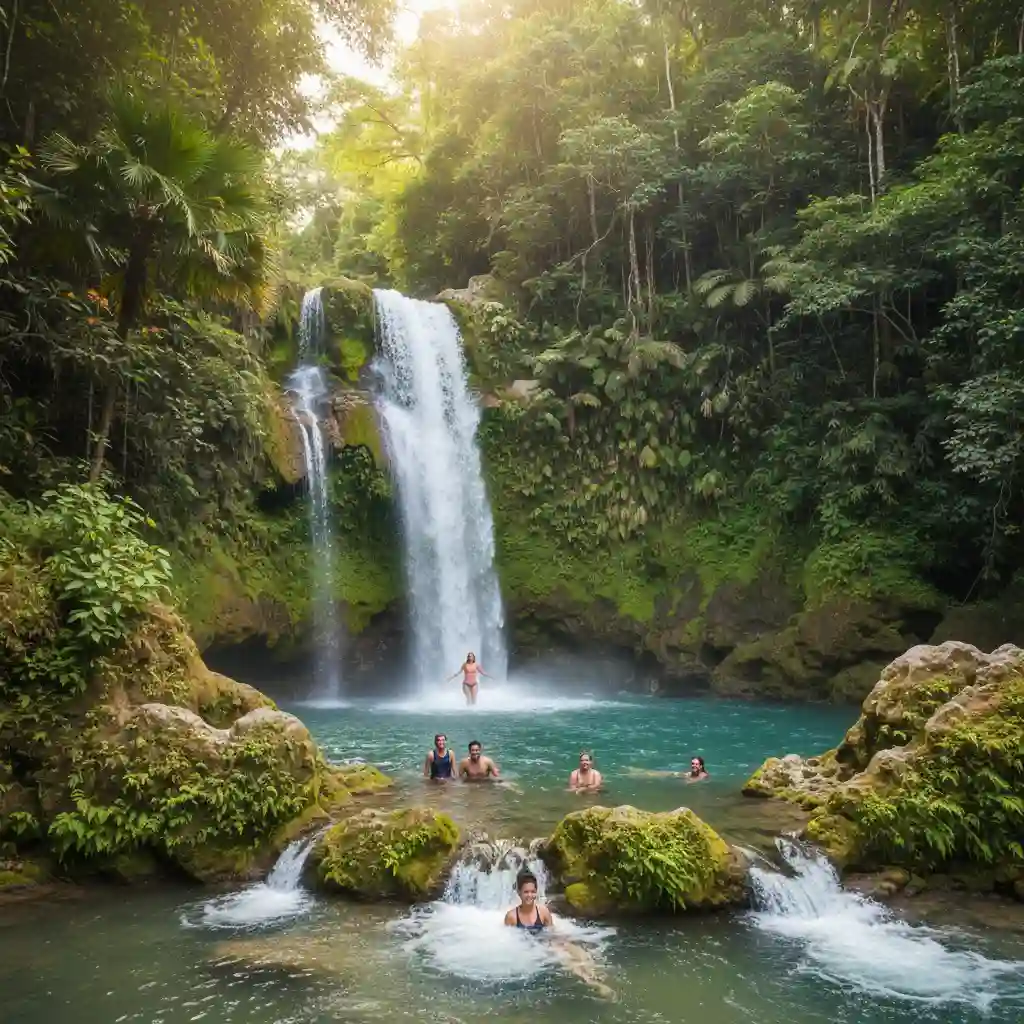
Situated just a short drive from Port Vila, Efate’s capital, Mele Cascades is one of Vanuatu’s most accessible and stunning natural attractions. This multi-tiered waterfall tumbles down a series of travertine steps, culminating in crystal-clear emerald pools perfect for swimming and cooling off. The journey to the top is an adventure in itself, involving a scenic walk through lush tropical gardens, crossing small streams, and navigating gentle inclines, often guided by ropes.
The vibrant greenery, diverse flora, and the constant soothing sound of rushing water create a truly idyllic setting. Many visitors spend hours here, relaxing in the natural pools, enjoying a picnic, or simply soaking in the serene atmosphere. The site is well-maintained, offering amenities like changing rooms and a café, making it an ideal family-friendly destination. The view from the top of the main cascade provides panoramic vistas of the surrounding valley and out to Mele Bay, a truly rewarding sight after the short climb.
How to Get to Mele Cascades from Port Vila?
Reaching Mele Cascades from Port Vila is straightforward and takes approximately 20-30 minutes by car. The most common methods are:
- Local Buses (Minivans): These are abundant in Port Vila and can be hailed from the street. Simply tell the driver ‘Mele Cascades,’ and they will take you there for a small fare.
- Taxis: Taxis offer a more direct and comfortable ride, though at a higher cost. Many drivers will wait for you or arrange a pick-up time.
- Organized Tours: Several tour operators in Port Vila offer half-day trips to Mele Cascades, often combined with other attractions like Hideaway Island or the Secret Garden. This can be a convenient option for those who prefer guided experiences.
- Rental Car: For independent exploration, renting a car provides flexibility to visit at your own pace. The route is well-signposted.
What Activities Can You Enjoy at Mele Cascades?
Mele Cascades offers a range of activities for all ages:
- Swimming: Dive into the refreshing natural pools at various levels of the cascades. The main pool at the base is expansive and perfect for a leisurely swim.
- Waterfall Climbing: For the adventurous, you can carefully ascend the travertine terraces, using ropes to assist, to reach higher pools and the main waterfall viewpoint.
- Photography: The lush tropical setting and cascading waters provide endless opportunities for stunning photographs.
- Picnic: Bring your own snacks and drinks to enjoy amidst the beautiful surroundings. There are designated picnic areas.
- Relaxation: Find a quiet spot by the water’s edge and simply unwind, listening to the sounds of nature.
The Enchanting Blue Holes of Espiritu Santo
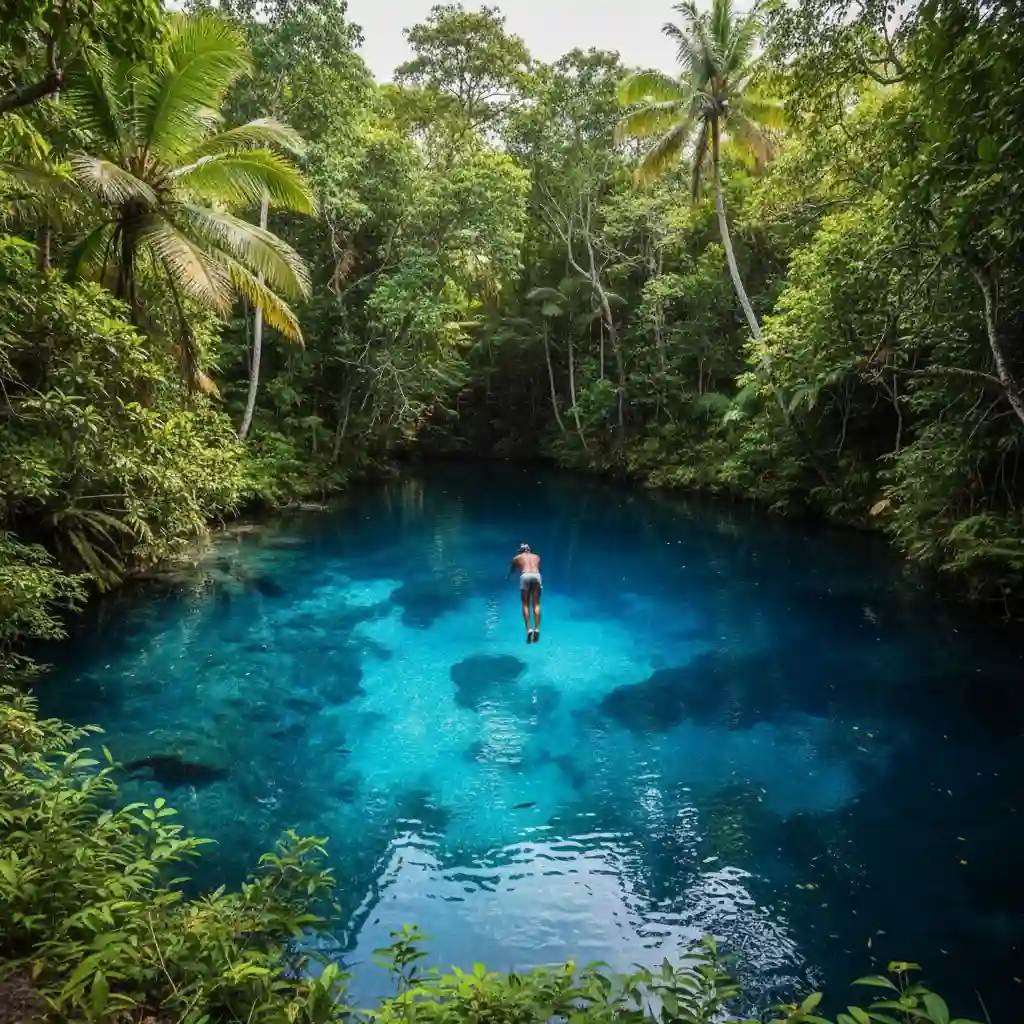
Espiritu Santo, Vanuatu’s largest island, is renowned for its proliferation of spectacular blue holes, each possessing its own unique charm and allure. These natural wonders are a testament to the island’s pristine environment, offering visitors unparalleled opportunities for swimming, snorkeling, and simply marveling at nature’s artistry. The striking clarity and vivid blue hues of these freshwater springs make them incredibly inviting, providing a cool and refreshing escape from the tropical heat. Santo’s blue holes are often nestled deep within lush jungle, accessed via picturesque paths, enhancing their sense of discovery and seclusion.
The concentration of these blue holes on Santo makes it a prime destination for exploration, with several easily accessible from the main town of Luganville. Each hole, while sharing the characteristic brilliant blue, offers subtle differences in size, depth, and surrounding landscape, ensuring that every visit is a unique experience. Visitors can enjoy rope swings, jumping platforms, or simply wading into the gentle shallows. The local communities often manage these sites, and a small entry fee typically contributes to their upkeep and local welfare, ensuring a sustainable tourism model.
Discovering Matevulu Blue Hole: Santo’s Sapphire Gem
Matevulu Blue Hole is arguably the most famous and largest of Espiritu Santo’s blue holes, a true sapphire gem nestled amidst an ancient banyan tree forest. Its expansive pool of strikingly clear, deep blue water is a photographer’s dream and a swimmer’s paradise. The depth of Matevulu makes it ideal for diving and jumping from the sturdy rope swing suspended from a towering tree limb, adding an element of exhilarating fun to its tranquil beauty.
The approach to Matevulu is as scenic as the hole itself, leading through a well-maintained path bordered by lush tropical vegetation. Upon arrival, visitors are greeted by a large wooden deck, providing easy access to the water. The surrounding area is perfect for relaxing, picnicking, and observing the abundant freshwater fish that inhabit the hole. Matevulu’s size also allows for kayaking, offering a unique perspective of its pristine waters and surrounding jungle canopy. Its sheer beauty and range of activities make it a must-visit for any traveller to Santo.
Nanda Blue Hole (Jackie’s Blue Hole): A Tranquil Oasis
Also known as Jackie’s Blue Hole, Nanda offers a slightly different, perhaps even more tranquil, experience compared to its larger cousin, Matevulu. While equally stunning in its vivid blue colour and clarity, Nanda is characterized by its slightly shallower, more intimate setting, making it particularly appealing for families with younger children or those seeking a more serene swim. The entry to Nanda is gentle, with sandy banks leading into the cool, clear water.
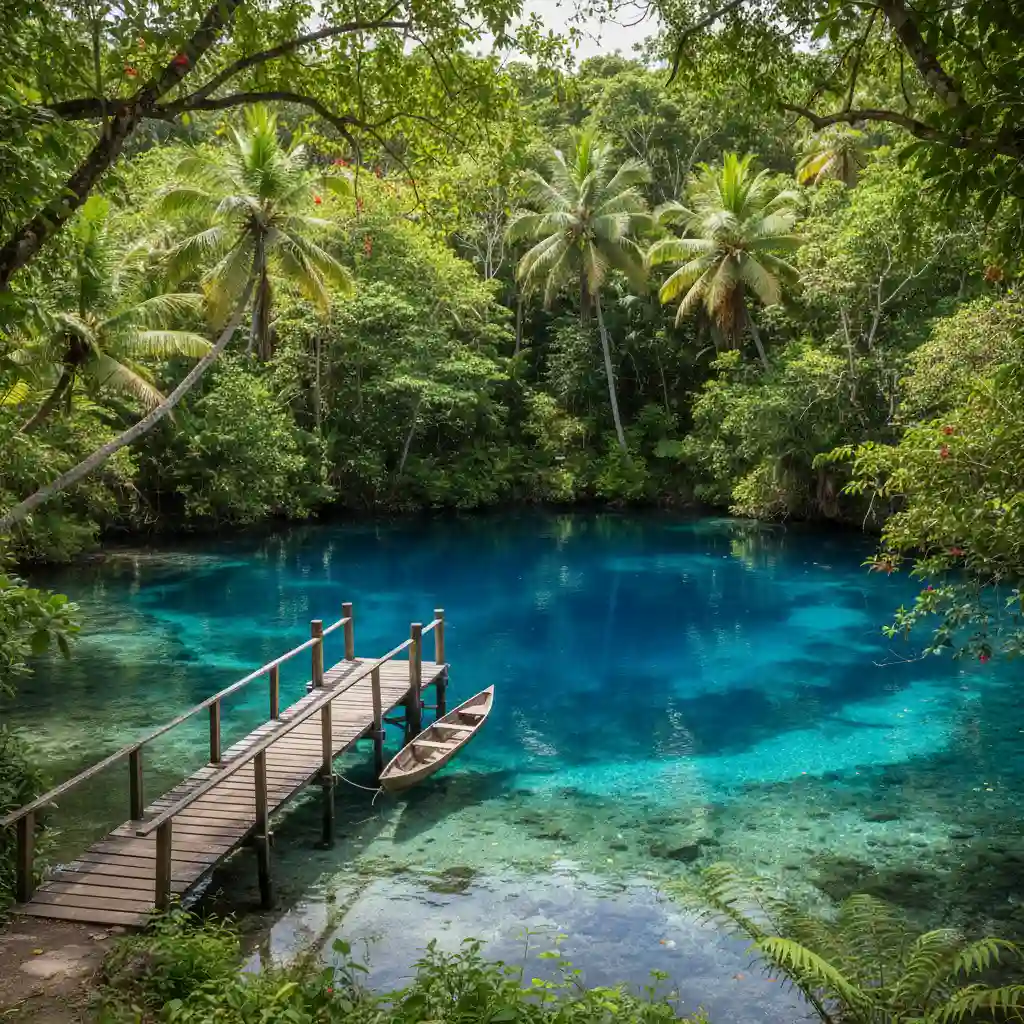
Nanda Blue Hole is meticulously maintained by the local family who own the land, evident in the immaculate grounds, picnic tables, and shaded areas provided for visitors. There’s a charming bamboo jetty and a small rope swing, adding to the relaxed, idyllic atmosphere. The surrounding gardens are beautifully kept, showcasing a variety of tropical plants and flowers. A visit to Nanda provides a peaceful retreat, allowing guests to fully immerse themselves in the natural beauty and calm of Vanuatu’s interior. It’s an ideal spot for leisurely swimming, relaxing by the water, and enjoying the sounds of nature without the crowds.
Adventure Awaits: Millennium Cave Tour on Espiritu Santo
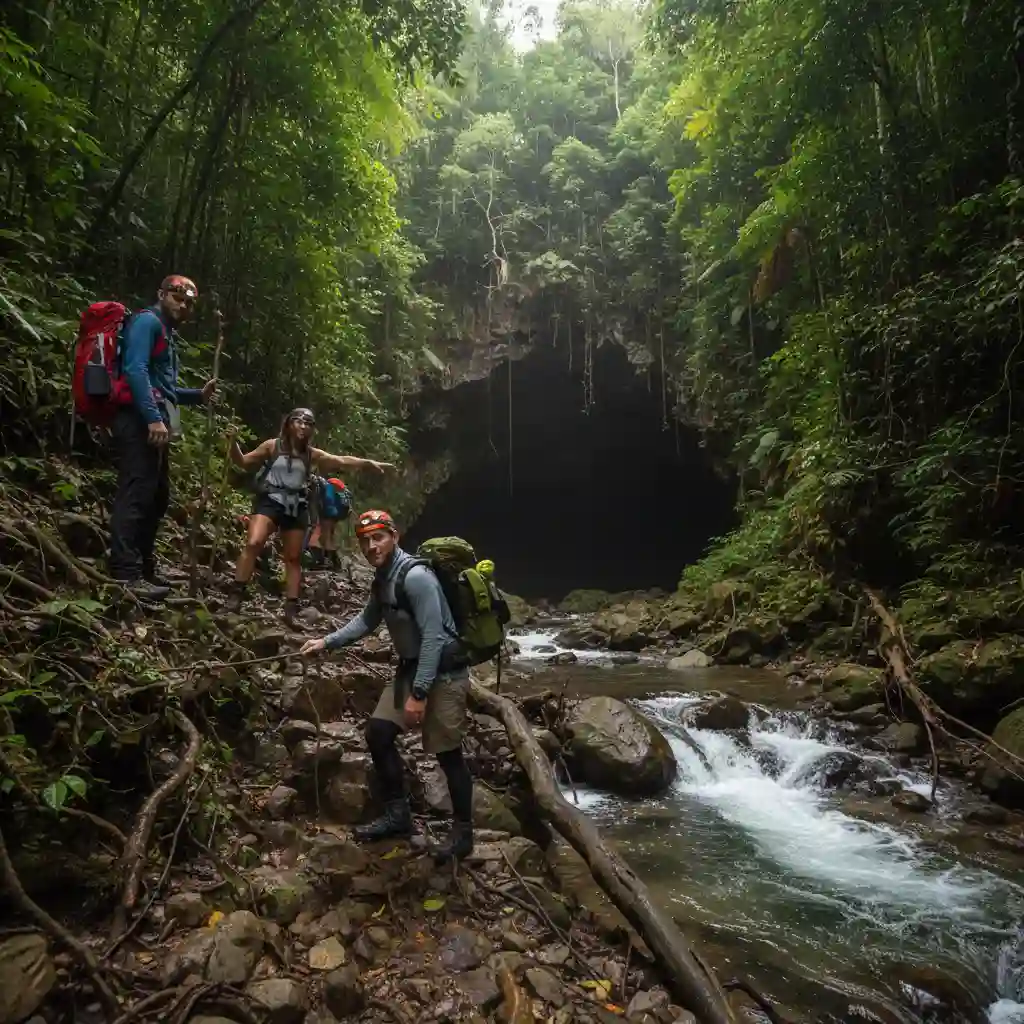
For the truly adventurous, the Millennium Cave Tour on Espiritu Santo offers an unforgettable, full-day expedition into Vanuatu’s rugged interior. This is not merely a cave visit, but a comprehensive cultural and physical adventure that combines jungle trekking, river canyoning, swimming through dark caves, and rappelling (optional, depending on conditions and guide). The tour begins with a challenging but rewarding trek through dense rainforest, crossing rivers and navigating slippery terrain, often with the assistance of local guides who lead the way.
Upon reaching the entrance of the cave, participants are equipped with headlamps before embarking on the most exhilarating part of the journey: swimming and wading through the vast, dark caverns of Millennium Cave. The sheer scale of the cave, with its towering stalactites and stalagmites, is awe-inspiring. The tour culminates in a refreshing swim down a natural river, past stunning rock formations and through small rapids, eventually emerging into daylight. This experience is deeply immersive, offering a unique insight into the pristine wilderness and local customs of Santo. It’s a challenging but immensely rewarding adventure that stands out as a highlight for many visitors to Vanuatu.
Is the Millennium Cave Tour Suitable for Everyone?
The Millennium Cave Tour requires a reasonable level of physical fitness and a sense of adventure. It involves:
- Strenuous Trekking: Several hours of walking through uneven, often muddy and slippery jungle terrain, including uphill and downhill sections.
- River Crossings: Multiple crossings of varying depths, which may require swimming.
- Cave Swimming: Swimming and wading through sections of the dark cave. Headlamps are provided, but comfort in water and confined spaces is essential.
- Heights: Some sections involve climbing or descending with ropes.
While guides are highly experienced and supportive, individuals with significant mobility issues, severe claustrophobia, or a strong aversion to physical exertion might find the tour challenging. Children who are strong swimmers and accustomed to adventurous activities typically enjoy it, but parental discretion is advised. It’s crucial to disclose any health concerns to your tour operator beforehand. For those who meet the physical requirements, it’s an unparalleled, adrenaline-pumping immersion into Vanuatu’s natural beauty.
Planning Your Vanuatu Waterfall & Blue Hole Tours from New Zealand
For New Zealand travellers, planning a trip to Vanuatu to explore its incredible waterfalls and blue holes is a dream easily realized. Direct flights from Auckland to Port Vila make the journey convenient, and the relatively short flight time means you can be immersed in island paradise in just a few hours. A well-planned itinerary typically combines stays on Efate, to experience Mele Cascades and the capital’s vibrancy, with a domestic flight to Espiritu Santo for its renowned blue holes and the adventurous Millennium Cave tour.
Consider allocating sufficient time for each island to truly appreciate its unique offerings – typically 3-4 days on Efate and 4-5 days on Santo would provide a balanced experience. Booking accommodations and internal flights in advance, especially during peak season, is highly recommended. Many tour operators in Vanuatu offer comprehensive packages that can take the stress out of planning, arranging everything from transport to guided excursions, ensuring you maximize your time exploring these natural wonders.
Best Time to Visit Vanuatu for Waterfalls and Blue Holes?
The dry season, from April to October, is generally considered the best time to visit Vanuatu. During these months, the weather is typically sunny with lower humidity, making outdoor activities like trekking to waterfalls and swimming in blue holes more comfortable. Rainfall is minimal, ensuring clear waters and easier access to trails.
However, the wet season (November to March) also has its advantages. While there’s a higher chance of rain and humidity, the waterfalls are often at their most spectacular, flowing with greater volume. The blue holes remain stunning year-round, as their water source is typically underground springs, less affected by surface rainfall. If you visit during the wet season, be prepared for potential muddy trails and bring appropriate gear. Regardless of the season, the tropical climate ensures warm temperatures perfect for swimming.
Essential Tips for a Smooth Vanuatu Adventure
- Pack Appropriately: Bring swimwear, quick-dry clothing, sturdy walking shoes or reef shoes for slippery paths, insect repellent, sunscreen, a wide-brimmed hat, and a reusable water bottle. For Millennium Cave, consider waterproof bags for electronics.
- Local Currency: The local currency is the Vatu (VUV). While credit cards are accepted in major resorts and some shops, cash is essential for local markets, small vendors, and many blue hole/waterfall entrance fees.
- Respect Local Customs: Vanuatu is a culturally rich nation. Always ask for permission before taking photos of people, dress modestly when visiting villages, and be mindful of local traditions.
- Stay Hydrated: The tropical climate can lead to dehydration. Drink plenty of bottled or purified water.
- Safety First: Always follow the advice of local guides, especially during adventurous tours like Millennium Cave. Be aware of slippery surfaces around waterfalls and blue holes.
- Sun Protection: The sun in Vanuatu is strong. Use high-SPF sunscreen, wear protective clothing, and seek shade during peak hours.
- Connectivity: While Wi-Fi is available in most hotels and resorts, it can be sporadic. Consider purchasing a local SIM card for better connectivity if needed.
Vanuatu’s waterfalls and blue holes are more than just attractions; they are integral parts of the islands’ soul, offering glimpses into a world of pristine natural beauty and vibrant cultural heritage. For New Zealand travellers, the ease of access combined with the sheer diversity of experiences available makes Vanuatu an irresistible destination. Whether you seek the gentle embrace of a tranquil blue hole, the invigorating spray of a cascading waterfall, or the thrill of an epic cave adventure, Vanuatu promises an unforgettable journey into its aquatic heart. Embrace the spirit of ‘Vanuatu time’ and let the islands’ natural wonders captivate your senses, creating memories that will last a lifetime.
People Also Ask
What is the best way to get around Espiritu Santo to see the blue holes?
The best way to get around Espiritu Santo to see the blue holes is typically by local bus (often a shared minivan), taxi, or by hiring a rental car. Local buses are budget-friendly and can be hailed from Luganville, while taxis offer more direct routes. A rental car provides the most flexibility for exploring at your own pace. Many accommodations can also arrange transport or tours.
Are Vanuatu’s blue holes safe for swimming?
Yes, Vanuatu’s blue holes are generally very safe for swimming. The water is fresh, incredibly clear, and often calm. The biggest considerations are slippery rocks around the edges and varying depths. Always exercise caution, especially with children, and adhere to any local safety advice or signage. Most blue holes have easy access points and are well-maintained.
What should I pack for a waterfall and blue hole tour in Vanuatu?
For waterfall and blue hole tours, pack swimwear, quick-drying clothes, reef shoes or sturdy walking sandals (for grip on wet/slippery surfaces), sunscreen, insect repellent, a hat, sunglasses, a towel, and a reusable water bottle. A waterproof bag for your phone, camera, and valuables is highly recommended, especially for tours like Millennium Cave.
Is Vanuatu a good destination for adventure tourism from New Zealand?
Absolutely! Vanuatu is an excellent destination for adventure tourism from New Zealand. It offers a wide range of activities including snorkeling and diving pristine reefs, exploring active volcanoes (like Mt Yasur), challenging treks to waterfalls and caves (e.g., Millennium Cave), kayaking, paddleboarding, and cultural village visits. The diverse landscapes and unique experiences cater well to adventurous travellers.
What is the entrance fee for Mele Cascades and the blue holes?
Entrance fees for Mele Cascades and the blue holes typically vary but are generally affordable. For Mele Cascades, expect to pay around 2,500-3,000 Vatu (approximately NZD 30-35). For blue holes like Matevulu and Nanda on Santo, fees are usually around 500-1,000 Vatu (approximately NZD 6-12) per person. These fees contribute directly to the maintenance of the sites and support local communities.
Can I visit Vanuatu’s blue holes independently, or do I need a tour guide?
Many of Vanuatu’s blue holes, especially on Espiritu Santo, can be visited independently. They are often well-signposted from main roads, and locals can provide directions. However, for more remote or adventurous locations like the Millennium Cave, a guided tour is essential for safety, navigation, and to respect local land ownership and customs. Even for accessible blue holes, a local guide can enhance the experience with cultural insights.