
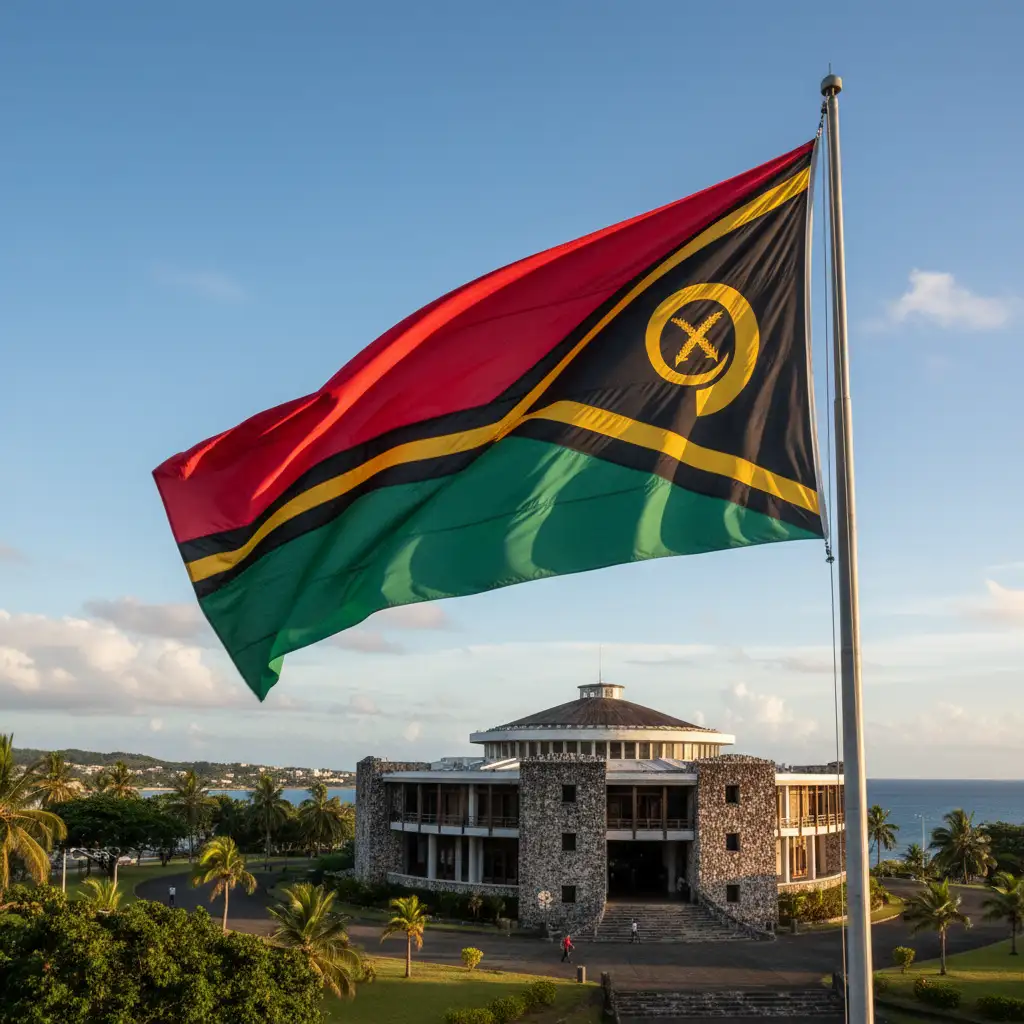
Vanuatu maintains a foreign policy rooted in non-alignment, guided by the maxim “friends to all, enemies to none.” As a strategic Melanesian nation, it balances security and economic ties with traditional partners like Australia and New Zealand while actively engaging China for infrastructure development. Furthermore, Vanuatu has emerged as a global moral leader in climate change diplomacy.
Since gaining independence in 1980, the Republic of Vanuatu has navigated the complex geopolitical waters of the Pacific with a strategy defined by sovereignty and diversification. Unlike many smaller nations that align strictly with a single superpower, Vanuatu actively cultivates a broad spectrum of diplomatic relationships to maximize development aid and preserve its political autonomy.
What is the Core Philosophy of Vanuatu’s Foreign Policy?
Vanuatu’s diplomatic stance is historically rooted in the principles of Melanesian socialism and anti-colonialism, championed by its founding father, Walter Lini. The nation’s foreign policy framework is designed to protect its hard-won sovereignty while seeking economic opportunities from diverse partners.
The guiding principle of “friends to all, enemies to none” allows Port Vila to engage with conflicting global powers without formally picking sides. This non-aligned status is not passive; it is an active diplomatic strategy that leverages Vanuatu’s strategic location in the South Pacific to attract attention and resources from competing powers, primarily the Western bloc (USA, Australia, France) and Asian powers (China, Indonesia).
The Role of the Melanesian Spearhead Group (MSG)
Regionally, Vanuatu is a founding and influential member of the Melanesian Spearhead Group (MSG). Through the MSG, Vanuatu advocates for regional solidarity and decolonization. A critical and often controversial aspect of this policy is Vanuatu’s staunch support for the independence movement in West Papua. This stance frequently creates diplomatic friction with Indonesia but underscores Vanuatu’s commitment to self-determination principles over pure economic expediency.
How Does Vanuatu Manage Relations with Australia and New Zealand?
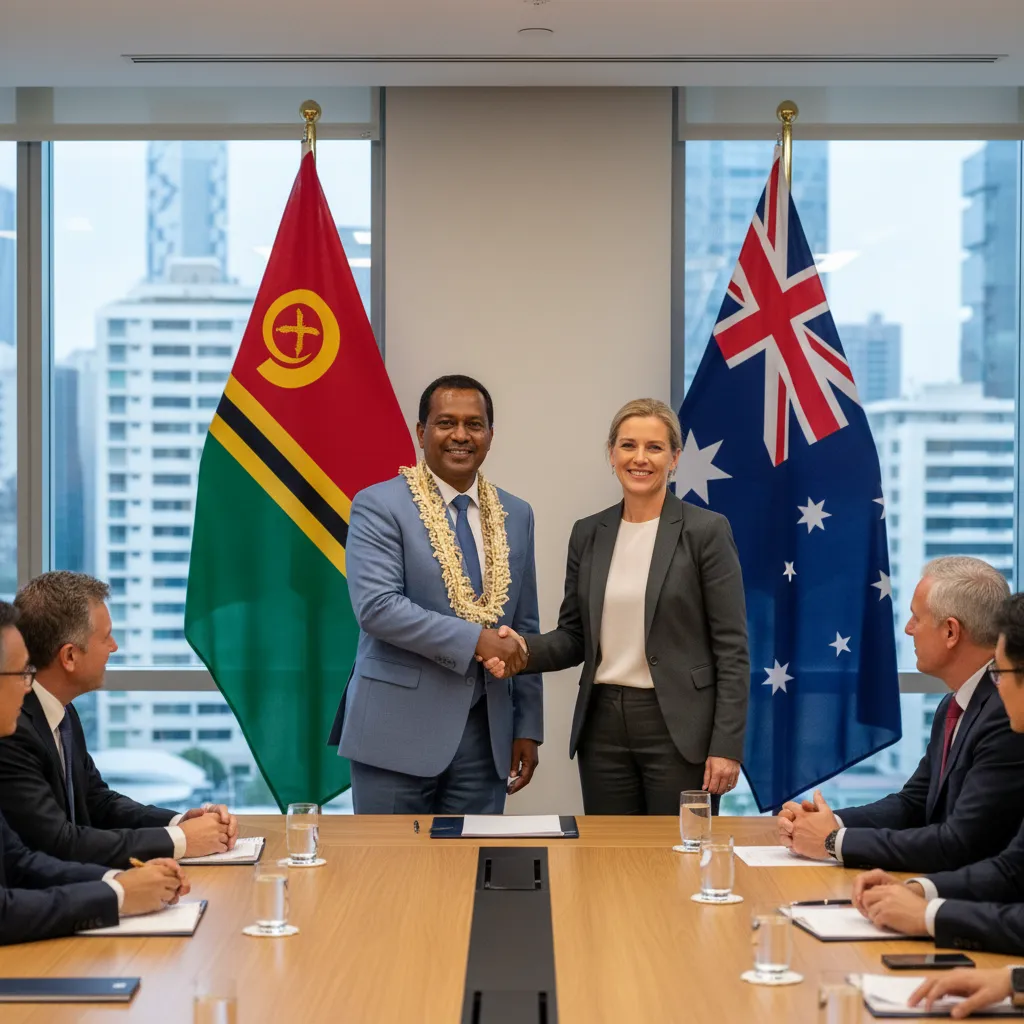
Australia and New Zealand remain Vanuatu’s most significant partners in terms of development aid, disaster relief, and maritime security. These relationships are deeply entrenched, historically complex, and vital for the Vanuatu economy.
Security and Defense Cooperation
Australia is Vanuatu’s primary security partner. Under the Pacific Maritime Security Program, Australia provides Guardian-class patrol boats to the Vanuatu Police Force, essential for patrolling the nation’s vast Exclusive Economic Zone (EEZ) against illegal fishing. Recently, the two nations signed a Bilateral Security Agreement, reflecting Australia’s desire to cement its role as the “partner of choice” amidst growing geopolitical competition.
Labor Mobility Schemes
Perhaps the most tangible connection for the average Ni-Vanuatu citizen is labor mobility. Programs like Australia’s Pacific Australia Labour Mobility (PALM) scheme and New Zealand’s Recognized Seasonal Employer (RSE) scheme are cornerstones of bilateral relations. These programs allow thousands of Ni-Vanuatu workers to undertake seasonal work in agriculture and horticulture abroad.
The remittances sent home constitute a massive portion of Vanuatu’s GDP, fueling construction and school fees in rural villages. However, this has also led to diplomatic discussions regarding “brain drain” and the social costs of family separation, prompting periodic reviews of the policy frameworks governing these exchanges.
What Role Does China Play in Vanuatu’s Diplomacy?
In the last two decades, the People’s Republic of China (PRC) has become a pivotal player in Vanuatu’s foreign relations. This relationship is characterized by significant infrastructure projects and increasing financial ties, often viewed through the lens of the broader US-China rivalry in the Pacific.
Infrastructure and Development Aid
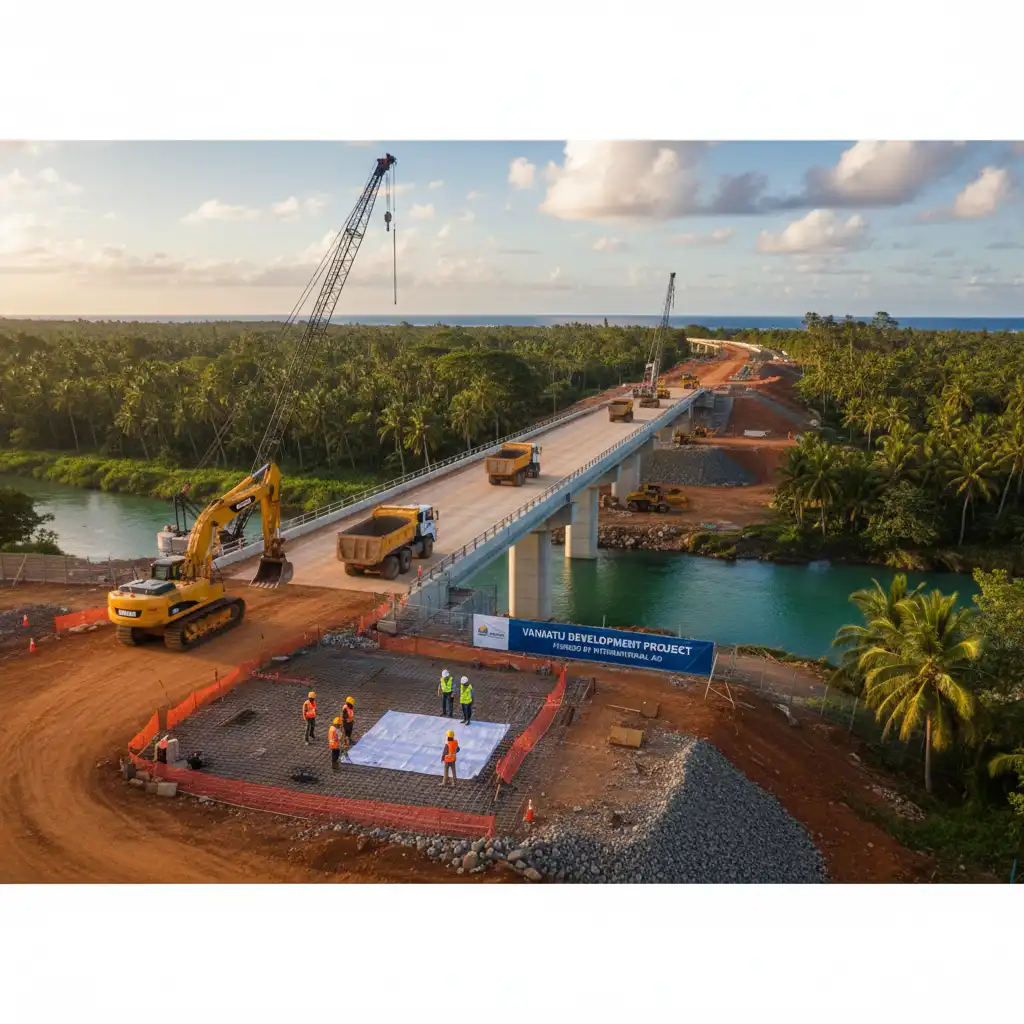
China’s footprint is visible throughout Port Vila and Luganville. Major projects, such as the Korman Stadium, the Prime Minister’s Office complex, and extensive road upgrades on Tanna and Malekula, have been funded through Chinese grants and concessional loans. For Vanuatu, Beijing offers a source of development capital that is often faster to deploy and comes with fewer governance-related conditionalities compared to Western aid.
Geopolitical Balancing Act
Vanuatu adheres strictly to the “One China” policy. In return, it receives substantial bilateral support. However, this relationship has sparked concern among Western allies regarding potential “debt diplomacy” and military ambitions—speculations that the Vanuatu government has consistently and vehemently denied. The government maintains that its engagement with China is purely developmental and economic, refusing to be treated as a pawn in a geopolitical chess game.
How Is Vanuatu Leading Global Climate Change Advocacy?
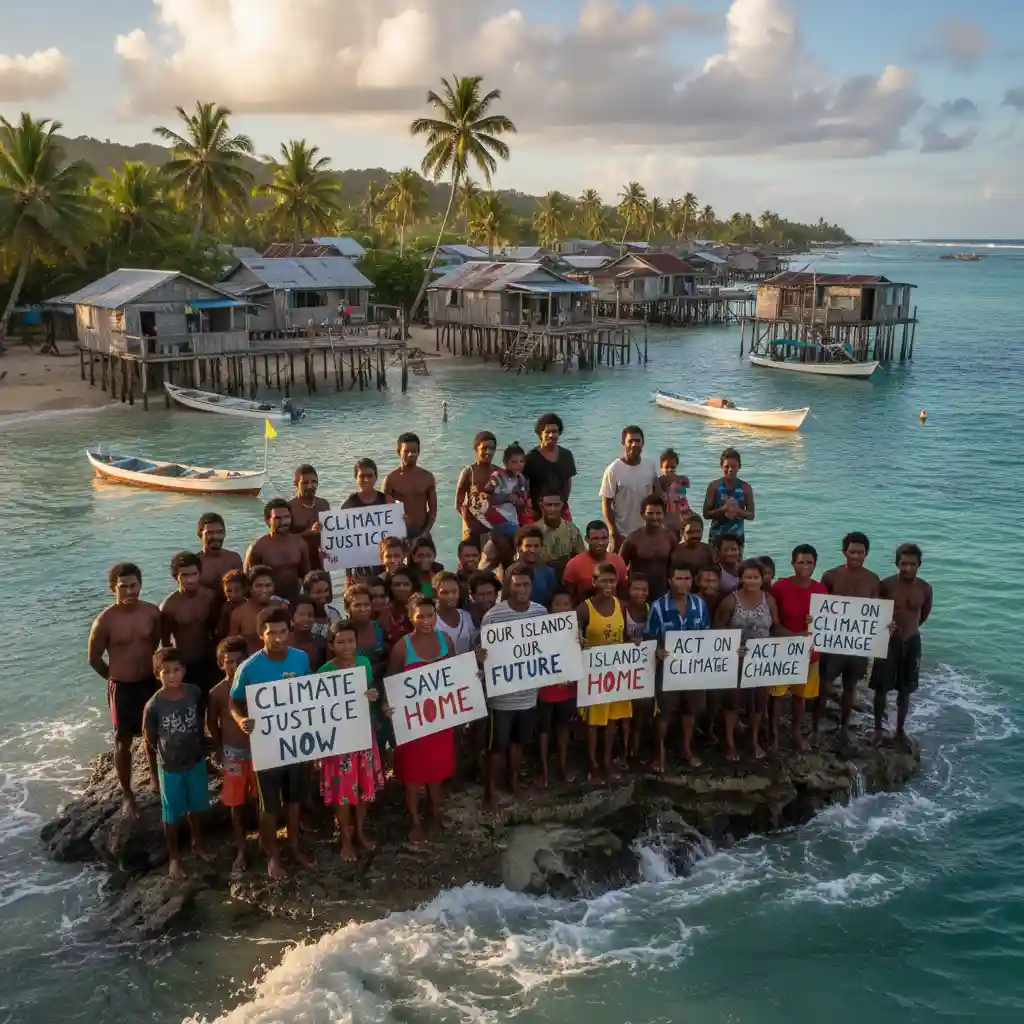
Despite its small size, Vanuatu is a superpower in the realm of climate diplomacy. Ranked consistently as one of the most disaster-prone nations on Earth, Vanuatu has transitioned from a victim of climate change to a proactive global leader demanding accountability.
The ICJ Advisory Opinion Initiative
The crown jewel of Vanuatu’s foreign policy in recent years was its successful campaign to ask the International Court of Justice (ICJ) for an advisory opinion on the legal obligations of states regarding climate change. This historic initiative began in Vanuatu and gained the sponsorship of over 120 nations before being adopted by consensus at the UN General Assembly in 2023.
This move signaled a shift in Pacific diplomacy from requesting aid to demanding legal justice. It positions Vanuatu not just as a participant in international forums, but as an agenda-setter, leveraging international law to protect vulnerable island states from the existential threat of rising sea levels.
What is Vanuatu’s Status in the UN and International Bodies?
Vanuatu became a member of the United Nations in 1981, shortly after independence. Its multilateral diplomacy is characterized by its dual heritage; it is the only designated bilingual country in the region, holding membership in both the Commonwealth of Nations and the Organisation internationale de la Francophonie.
Bridging the Anglophone and Francophone Worlds
This unique position allows Vanuatu to bridge the divide between Anglophone and Francophone partners. It maintains close ties with France, despite historical tensions regarding the decolonization process (specifically the Matthew and Hunter Islands dispute). Membership in the Francophonie opens doors to European markets and diplomatic channels that are less accessible to its purely Anglophone neighbors.
Small Island Developing States (SIDS)
Within the UN, Vanuatu operates effectively within the Small Island Developing States (SIDS) bloc. It uses this platform to amplify calls for sustainable development goals (SDGs), ocean conservation, and climate finance. The nation’s diplomats are highly regarded for their ability to build coalitions among developing nations to pressure larger economies on environmental issues.
How Do Citizenship Programs Affect International Standing?
A contentious element of Vanuatu’s interaction with the world is its Citizenship by Investment (CBI) program, often referred to as “Golden Passports.” While this program generates a substantial portion of government revenue (sometimes exceeding 40%), it has strained relations with key partners, particularly the European Union.
The EU Visa Waiver Suspension
The integrity of the CBI program raised security concerns in Europe, leading the European Council to suspend its visa-waiver agreement with Vanuatu. The EU cited insufficient background checks and the granting of citizenship to individuals listed in Interpol databases. This diplomatic blow highlighted the friction between Vanuatu’s domestic economic strategies and its international reputational standing.
In response, the Vanuatu government has established a Citizenship Commission to reform the program, engaging international due diligence firms to restore trust. This situation illustrates the delicate trade-offs Vanuatu faces: the immediate need for revenue versus the long-term value of global mobility and diplomatic trust.
Frequently Asked Questions
Is Vanuatu an ally of China or Australia?
Vanuatu is officially non-aligned. It maintains strong security and economic ties with Australia (its largest aid donor) while simultaneously engaging with China for infrastructure development and trade. It refuses to choose one side to the exclusion of the other.
What is the dispute over Matthew and Hunter Islands?
The Matthew and Hunter Islands are uninhabited volcanic islands claimed by both Vanuatu and France (via New Caledonia). Vanuatu considers them part of its Tafea Province based on traditional connections and geography, while France claims them as part of its territory.
Does Vanuatu have a military?
Vanuatu does not have a standing military. Instead, it relies on the Vanuatu Mobile Force (VMF), a paramilitary wing of the Vanuatu Police Force, for internal security and defense. External defense is bolstered by security partnerships, primarily with Australia.
Why is Vanuatu important to global geopolitics?
Vanuatu’s location in the South Pacific is strategically significant for maritime routes and naval influence. As competition heats up between the US/Australia and China, Vanuatu’s deep-water ports and political allegiance have become highly valuable assets.
What is Vanuatu’s stance on West Papua?
Vanuatu is the most vocal supporter of West Papuan independence in the Pacific. It frequently raises human rights concerns regarding West Papua at the UN and within the Melanesian Spearhead Group, often causing diplomatic tension with Indonesia.
How does the US engage with Vanuatu?
Historically, US engagement was limited, but it has recently increased significantly. The US opened an embassy in Port Vila in 2024 and re-established Peace Corps programs, aiming to counter Chinese influence and support climate resilience and development.