
Gaua Island’s Lake Letas is Vanuatu’s largest freshwater lake, a breathtaking caldera lake nestled within an active volcano. A UNESCO-nominated site, it offers unparalleled natural beauty and cultural immersion. Trekking to Lake Letas, often combined with a visit to the magnificent Siri Waterfall, provides adventurous travellers with a profound connection to Vanuatu’s pristine environment and the rich traditions of the Banks Islands.
Gaua Island, a verdant jewel in Vanuatu’s northern Banks Islands, offers an extraordinary escape for those seeking adventure, natural beauty, and profound cultural immersion. Renowned for its captivating Lake Letas and the dramatic Siri Waterfall, Gaua presents an untouched frontier for eco-tourism. This comprehensive guide delves into the heart of Gaua, providing an authoritative resource for planning an unforgettable journey to one of the South Pacific’s most remarkable destinations, specifically tailored for the discerning New Zealand traveller.
What is Gaua Island, and Where is it Located?
Gaua is the largest island in Vanuatu’s remote Banks Islands group, situated in the Torba Province, approximately 300 kilometres north of the capital, Port Vila. It is a volcanic island, characterised by its rugged interior, dense rainforests, and a unique geological feature: a massive caldera that cradles Lake Letas. Administratively part of the wider Banks and Torres Islands archipelago, Gaua is a testament to Vanuatu’s raw, untamed natural beauty. Its isolation has preserved a vibrant kastom (traditional culture) and pristine ecosystems, making it a destination of choice for those seeking authenticity and adventure away from the more trodden tourist paths.

Unveiling Lake Letas: Vanuatu’s Largest Freshwater Lake
Lake Letas holds the distinction of being Vanuatu’s largest freshwater lake and one of its most enigmatic natural wonders. Nestled within the expansive caldera of Mount Garet, an active volcano, Lake Letas is a truly remarkable sight. Its waters, varying in shades of deep blue and green, stretch for approximately 9 kilometres in diameter, covering an area of around 19 square kilometres. The lake’s unique ecosystem supports diverse flora and fauna, making it a significant site for biodiversity, and it is currently nominated for UNESCO World Heritage status. The serene expanse of Lake Letas, often shrouded in a mystical mist in the early mornings, offers a profound sense of peace and a dramatic backdrop for adventure.
Embarking on the Lake Letas Trek: What to Expect
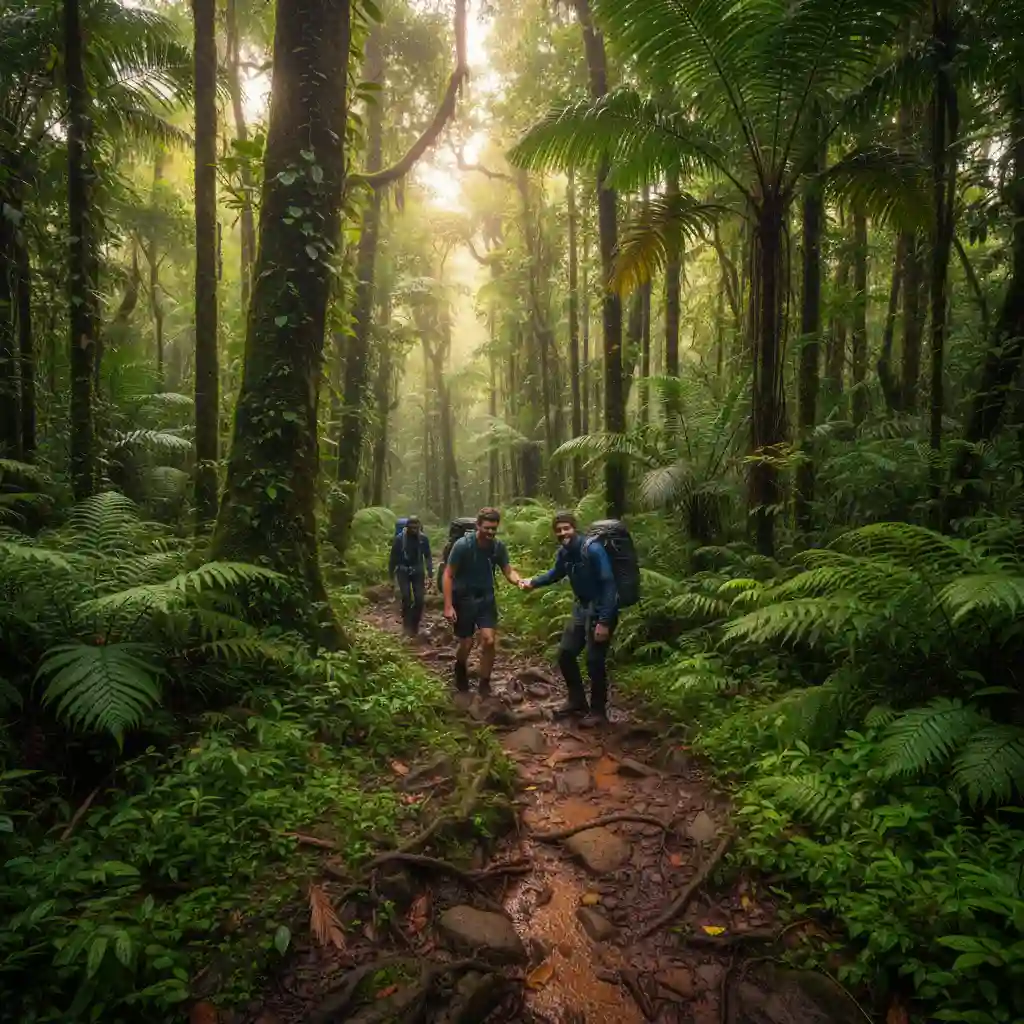
The trek to Lake Letas is not merely a walk; it is an expedition into the heart of Gaua’s wilderness and culture. Typically commencing from local villages such as Joli or Masele, the journey involves navigating challenging terrain, including muddy tracks, river crossings, and dense rainforest. A local guide is indispensable, not only for navigation but also for cultural interpretation and safety. The trek can range from a full day to an overnight camping experience by the lake shore, offering unparalleled opportunities for stargazing and experiencing the profound silence of the remote wilderness. Trekkers should be prepared for varying weather conditions and physically demanding ascents and descents. The reward is the awe-inspiring panorama of Lake Letas and the satisfaction of reaching one of the Pacific’s most secluded natural marvels.
Throughout the trek, travellers will encounter a rich tapestry of life, from vibrant bird species to unique plant life, guided by the sounds of the jungle. The local communities surrounding the lake are stewards of this incredible environment, and engaging with them offers insights into their traditional land management practices and sustainable way of life. This trek is more than just physical exertion; it is a journey of discovery and connection, leaving a lasting impression on all who undertake it.
The Majestic Siri Waterfall: A Jewel of Gaua
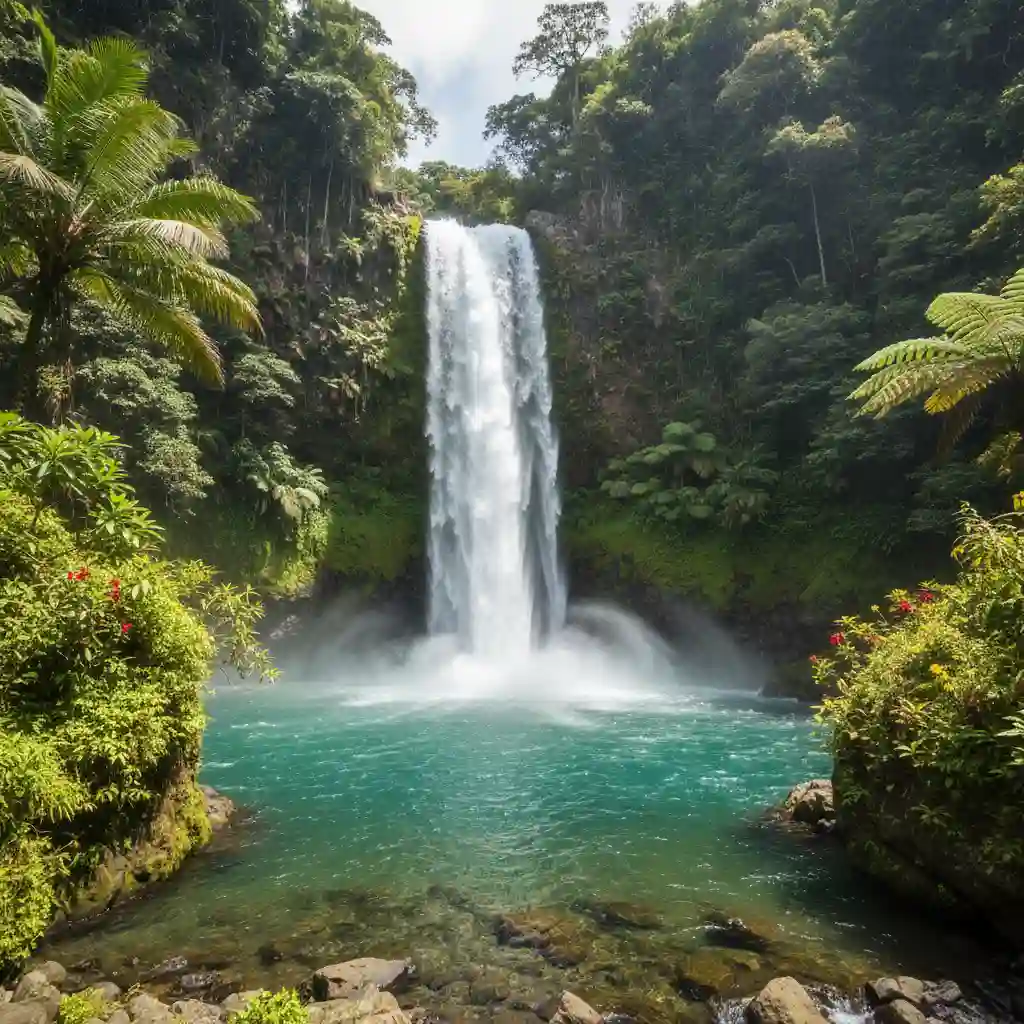
Cascading dramatically from a height of approximately 120 metres, Siri Waterfall is a breathtaking natural spectacle and one of Gaua Island’s most iconic attractions. Often visited as part of the Lake Letas trek, Siri Waterfall emerges from the lush volcanic slopes, its powerful flow carving through ancient rock formations before plunging into a pristine pool below. The sheer scale and raw power of Siri make it an unforgettable experience, offering incredible photographic opportunities and a chance to cool off in its invigorating waters.
Reaching Siri Waterfall typically involves a hike from Lake Letas, navigating through more of Gaua’s enchanting rainforest. The path can be slippery and challenging, but the reward of witnessing this majestic cascade is well worth the effort. The area around the waterfall is rich in vegetation, creating a serene and almost prehistoric atmosphere. Visitors are encouraged to take a refreshing dip in the natural swimming pools at the base of the falls, a truly exhilarating experience after a day of trekking. The cultural significance of such natural landmarks to the local people adds another layer of appreciation to its grandeur, often being sites of traditional stories and spiritual importance.
Planning Your Expedition: A Comprehensive Gaua Travel Guide
Venturing to Gaua Island requires careful planning due to its remote location and limited infrastructure. However, with the right preparation, the experience is incredibly rewarding, offering a glimpse into a side of Vanuatu few ever witness. This section provides essential information for New Zealand travellers eager to explore Gaua.
Getting to Gaua Island
The primary access point to Gaua is via air. Domestic flights operate from Port Vila (Vanuatu’s capital) or Luganville (Santo) to Gaua’s tiny airport, Koki (GAU). These flights are often on smaller, propeller-driven aircraft and can be subject to delays or cancellations due to weather or operational issues. It is advisable to book flights well in advance and build in buffer days for your itinerary. Travellers from New Zealand will typically fly into Port Vila (Bauerfield International Airport, VLI) first, then connect to a domestic flight.
Accommodation on Gaua
Accommodation options on Gaua are rustic and community-based, aligning with its eco-tourism focus. There are no large resorts or hotels. Instead, visitors can stay in local guesthouses or bungalows, often managed by families in villages like Joli, Masele, or other coastal communities. These accommodations offer a unique opportunity to immerse oneself in local life, though facilities are basic, typically without electricity (or limited generator power), hot water, or modern amenities. Booking these through a local tour operator or by directly contacting the island’s tourism office (often facilitated via Port Vila) is highly recommended. Expect simple meals prepared with local produce, a truly authentic taste of Vanuatu.
Best Time to Visit
The dry season, from April to October, is generally considered the best time to visit Gaua. During these months, the weather is cooler and drier, making trekking conditions more favourable and reducing the likelihood of muddy trails. The wet season, from November to March, brings higher humidity, more rainfall, and an increased risk of cyclones. While the rainforest is at its most vibrant during this period, trekking can be significantly more challenging, and flights may be more prone to disruption.
Essential Packing List
Given the nature of travel on Gaua, a well-thought-out packing list is crucial:
- Hiking Gear: Sturdy, waterproof hiking boots are paramount. Lightweight, quick-drying clothing is essential.
- Rain Gear: A waterproof jacket and trousers, regardless of the season.
- Insect Repellent: High DEET content is recommended for mosquitoes and other insects.
- Sun Protection: Hat, sunglasses, and high-SPF sunscreen.
- Medical Kit: Personal medications, basic first-aid supplies (antiseptics, bandages, pain relievers).
- Water Bottle/Purification: Reliable water bottle, and possibly purification tablets or a filter.
- Torch/Headlamp: For evenings, as electricity is limited.
- Cash (Vatu): There are no ATMs on Gaua. Bring sufficient Vatu for accommodation, guides, food, and small purchases.
- Snacks: High-energy snacks for trekking.
- Light Towel & Swimwear: For Siri Waterfall.
Navigating the Banks Islands Archipelago
Gaua is part of the larger Banks Islands group, which includes other fascinating islands like Vanua Lava and Mota Lava. While Gaua offers significant attractions, travellers with more time might consider exploring these neighbouring islands, each with its unique charm and cultural practices. Inter-island travel within the Banks is primarily by small, open motorboats (banana boats). This can be an adventurous but sometimes rough journey. Always check sea conditions and travel with reputable local operators. Gaua serves as an excellent base for exploring the rich biodiversity and diverse cultures of the entire Banks archipelago, but requires flexible planning.
Embracing Indigenous Culture on Gaua Island
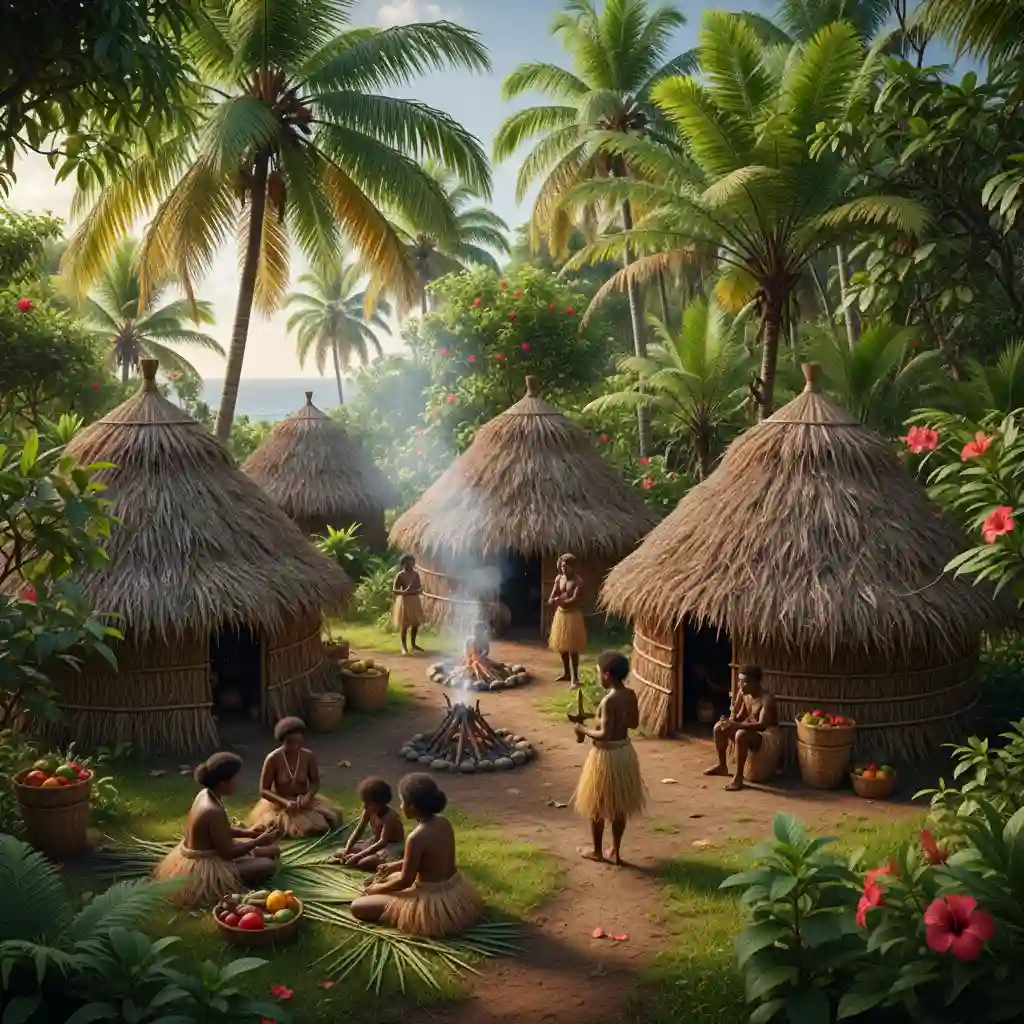
Beyond its natural wonders, Gaua Island is a vibrant hub of indigenous culture. The local people, known as the Gauans, maintain a strong connection to their kastom, or traditional ways of life. Visitors have a unique opportunity to experience this rich heritage firsthand, making their journey much more profound than a simple nature trek.
Community visits are a highlight of any trip to Gaua. Travellers can observe traditional dances, witness kastom ceremonies, and learn about the intricate social structures and belief systems that have governed island life for centuries. The ‘water music’ performed by women in the shallow waters, unique to the Banks and Torres Islands, is a particularly enchanting experience, a UNESCO-recognised intangible cultural heritage that blends rhythm, song, and the natural environment. Engaging with local artisans producing woven mats, baskets, and intricate carvings provides insight into their craftsmanship and offers opportunities for meaningful souvenirs.
Respect for local customs is paramount. Dressing modestly, especially when visiting villages, and always asking permission before taking photographs of people are crucial. Guides often facilitate these cultural exchanges, acting as invaluable bridges between visitors and the community. Participating in a nakamal ceremony (traditional kava drinking) offers a glimpse into local social life, typically an evening ritual for men, but sometimes women visitors are welcomed depending on the village. This deep dive into Gaua’s living culture adds an incomparable dimension to the adventure, transforming a beautiful hike into a truly holistic travel experience.
Sustainable Tourism and Responsible Travel on Gaua
Gaua Island’s pristine environment and vibrant culture are fragile. As a destination gaining recognition, it is vital that tourism contributes positively to its preservation and the well-being of its communities. Responsible travel practices are not just encouraged but essential on Gaua.
Visitors are urged to minimise their environmental footprint by sticking to marked trails, properly disposing of all waste (or ideally, packing it out), and conserving water and energy. Supporting local guides, guesthouses, and artisans directly benefits the community and fosters sustainable economic development. Engaging in fair trade practices when purchasing souvenirs ensures that the economic benefits remain within the local economy.
Furthermore, cultural sensitivity and respect for local traditions play a crucial role. Learning a few basic Bislama phrases (Vanuatu’s lingua franca), understanding local etiquette, and approaching interactions with humility and an open mind can significantly enhance the experience for both visitors and hosts. By choosing to travel responsibly, New Zealanders visiting Gaua can ensure that this incredible island remains a pristine and culturally rich destination for generations to come, embodying the spirit of true eco-adventure.
Frequently Asked Questions About Gaua Island and Lake Letas
How do you get to Lake Letas on Gaua Island?
Accessing Lake Letas typically involves flying into Gaua’s Koki airport (GAU) from Port Vila or Luganville, then arranging a local transfer and guide from coastal villages like Joli or Masele. The trek to the lake itself is a multi-hour to full-day hike through dense rainforest, requiring good physical fitness and a mandatory local guide for navigation and safety.
What is the best time of year to visit Gaua Island?
The optimal time to visit Gaua Island is during Vanuatu’s dry season, from April to October. This period offers cooler temperatures, lower humidity, and less rainfall, making trekking conditions to Lake Letas and Siri Waterfall significantly more comfortable and reducing the risk of muddy, slippery trails and flight disruptions.
Is it safe to swim in Siri Waterfall?
Yes, it is generally safe and highly recommended to swim in the natural pools at the base of Siri Waterfall. The water is fresh, cool, and invigorating, providing a perfect respite after a challenging trek. Always exercise caution, be mindful of slippery rocks, and follow any advice given by your local guide regarding currents or specific safe swimming areas.
What kind of accommodation is available on Gaua?
Accommodation on Gaua Island is basic and community-run, consisting primarily of local guesthouses and bungalows in villages. These offer an authentic cultural experience with simple facilities, often without continuous electricity or hot water. Bookings are typically made through local tour operators or direct village contacts, rather than online hotel platforms.
Do I need a local guide for trekking on Gaua Island?
Yes, hiring a local guide is absolutely essential and mandatory for trekking on Gaua Island, especially for journeys to Lake Letas and Siri Waterfall. Guides possess invaluable knowledge of the terrain, local customs, and safety protocols, and their support is vital for both navigation and enhancing your cultural understanding of the island.
What is special about the Banks Islands of Vanuatu?
The Banks Islands, including Gaua, are renowned for their incredible natural beauty, including volcanic landscapes, pristine rainforests, and dramatic waterfalls. They are also exceptional for their rich, well-preserved indigenous kastom (traditional culture), unique ‘water music’ traditions, and remote, authentic travel experiences that offer a deep dive into Vanuatu’s heritage away from mass tourism.