
Vanuatu travel safety is generally rated favorably, with low violent crime rates compared to many global destinations. However, travelers must prioritize health precautions against tropical diseases like malaria and dengue fever, secure comprehensive medical evacuation insurance due to limited local healthcare infrastructure, and remain vigilant regarding natural hazards, specifically cyclones and seismic activity.
Traveling to the archipelago of Vanuatu offers an unparalleled experience of Melanesian culture, active volcanoes, and pristine blue holes. However, as an isolated island nation situated on the Pacific Ring of Fire, it presents a unique set of health and safety challenges that require preparation. This comprehensive guide serves as your authoritative resource for navigating risk mitigation, medical preparedness, and personal security while exploring these islands.
What Vaccinations and Health Precautions are Required for Vanuatu?
The cornerstone of a safe trip to Vanuatu is preventative health management. Unlike developed urban destinations, the tropical environment of Vanuatu supports various vector-borne diseases. While there are no mandatory vaccinations for entry (unless arriving from a Yellow Fever zone), specific immunizations and prophylactic measures are strongly recommended by the World Health Organization (WHO) and the Centers for Disease Control and Prevention (CDC).

Vector-Borne Diseases: Malaria and Dengue
Mosquito-borne illnesses represent the primary health risk for travelers in Vanuatu. Understanding the distinction between the islands is crucial for your medical strategy.
Malaria Risk Profile
Malaria is present throughout most of Vanuatu, particularly in the outer islands. The risk is lower in the capital, Port Vila, but it is not non-existent. The predominant strain is P. vivax, though P. falciparum also occurs.
- Prophylaxis: It is highly advised to take prescription antimalarial medication. Common options include Doxycycline, Atovaquone-proguanil (Malarone), or Mefloquine. Consult a travel doctor 4-6 weeks before departure to determine the best option for your medical history.
- Behavioral Defense: Medication is not 100% effective. You must rely on bite prevention. Mosquitoes carrying malaria are typically active from dusk to dawn.
Dengue Fever and Zika Virus
Unlike malaria, Dengue Fever is transmitted by Aedes mosquitoes, which are aggressive daytime biters. There is no vaccine widely available for travelers for Dengue, making physical barriers your only defense. Outbreaks occur periodically, often during the wet season (November to April).
Essential Bite Prevention Protocol:
- Use insect repellent containing at least 20-30% DEET or Picaridin.
- Wear long-sleeved shirts and long pants treated with Permethrin, especially when hiking or visiting rural villages.
- Sleep under insecticide-treated bed nets if your accommodation is not screened or air-conditioned.
Recommended Vaccinations
Before traveling, ensure your routine vaccinations (MMR, Diphtheria-Tetanus-Pertussis, Varicella, Polio) are up to date. Additionally, the following are recommended:
- Hepatitis A: Transmitted through contaminated food and water. Highly recommended for all travelers.
- Typhoid: Recommended for most travelers, especially those staying with locals or eating in rural areas.
- Hepatitis B: Recommended for those who might have new sexual partners, get tattoos/piercings, or require medical procedures.
How Reliable are Medical Facilities in Vanuatu?
Understanding the limitations of Vanuatu’s healthcare system is vital for risk assessment. While the local medical staff are dedicated and professional, the infrastructure is limited compared to Western standards.
Hospital Capabilities
There are two main referral hospitals in the country:
- Vila Central Hospital (Port Vila, Efate): This is the primary facility. It handles general medicine, surgery, and trauma. However, it frequently faces shortages of medication, blood supplies, and diagnostic equipment.
- Northern Provincial Hospital (Luganville, Espiritu Santo): This facility serves the northern islands but has fewer resources than Vila Central.
In rural areas and outer islands, healthcare is provided by small dispensaries or aid posts. These are often staffed by a single nurse and equipped only for basic first aid. Serious injuries or illnesses in these areas require immediate transport to Port Vila.

The Necessity of Medical Evacuation Insurance
This is the single most critical safety tip for Vanuatu: Do not travel without comprehensive medical travel insurance that includes air evacuation.
If you suffer a severe trauma (such as a diving accident requiring a hyperbaric chamber not available locally), a complex fracture, or a severe tropical illness, local hospitals may not be able to treat you effectively. You will need to be airlifted to Australia or New Zealand.
Cost Reality: A private air ambulance evacuation from Vanuatu to Brisbane or Sydney can cost upwards of $50,000 to $100,000 USD. Without insurance, this cost must be paid upfront. ensure your policy explicitly covers “medical repatriation” and “emergency evacuation.”
Pharmacies and Medication
Port Vila has several well-stocked pharmacies (e.g., Vanuatu Medical & Drug Supplier, Healthwise Pharmacy). However, specific prescription brands may not be available. Always carry a sufficient supply of your personal prescription medications in their original packaging, accompanied by a letter from your doctor.
How to Prepare for Natural Disasters in Vanuatu?
Vanuatu is ranked as one of the world’s most at-risk nations for natural disasters. It sits squarely on the Pacific Ring of Fire and within the tropical cyclone belt. Awareness is not meant to induce panic, but to ensure readiness.
Cyclone Safety (November to April)
The tropical cyclone season officially runs from November to April, though storms can occur outside this window. Cyclones can bring destructive winds, severe flooding, and landslides.
Traveler Protocols during Cyclone Season:
- Monitor Weather: Check the Vanuatu Meteorology and Geo-Hazards Department (VMGD) website daily.
- Accommodation Choice: Stay in hotels constructed of concrete rather than traditional thatch (bure) if a storm is forecast.
- The “Blue Alert”: Vanuatu uses a color-coded warning system. A Blue Alert means a cyclone is possible within 24 hours. Prepare your emergency kit (water, non-perishable food, flashlight).
- Registration: Register your travel plans with your country’s embassy or consulate upon arrival.
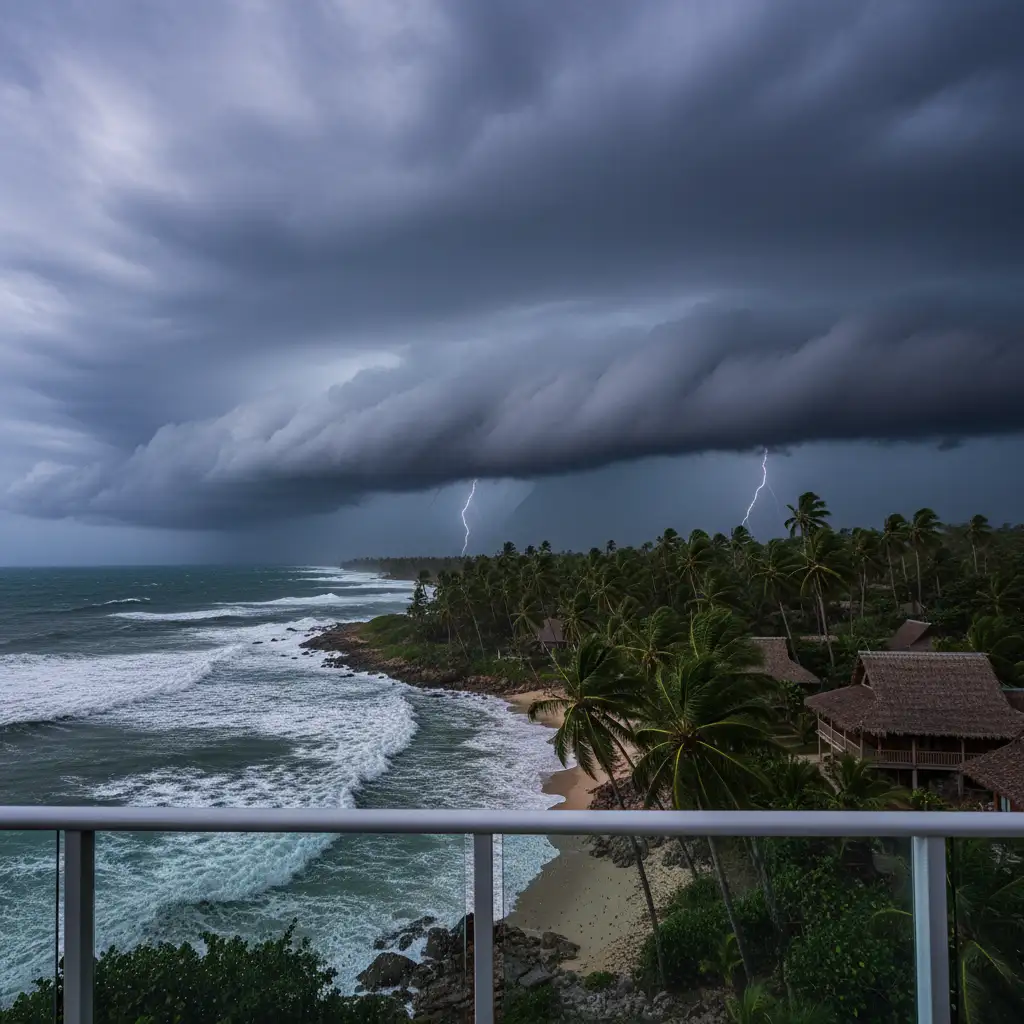
Seismic Activity: Earthquakes and Volcanoes
Earthquakes are frequent but usually small. However, large tremors can generate tsunamis. If you feel a strong earthquake while on the coast (strong enough to make standing difficult), move to higher ground immediately; do not wait for a siren.
Volcanic Tourism:
Visiting Mount Yasur on Tanna or Mount Benbow on Ambrym is a highlight for many. However, these are active volcanoes. Safety depends on strict adherence to exclusion zones.
- Level 0-1: Generally safe for crater rim approach.
- Level 2: Major unrest; access restricted.
- Level 3+: Eruption imminent or occurring; total exclusion.
Always utilize certified local guides. They understand the mountain’s moods and will prevent you from standing in areas prone to “lava bombs” or toxic gas plumes.
Is Water and Food Safe in Vanuatu?
Gastrointestinal issues are the most common complaint among travelers. Implementing strict hygiene standards will prevent “traveler’s tummy” from ruining your itinerary.
Drinking Water
Is tap water safe in Vanuatu? generally, the tap water in Port Vila is treated and considered safe for consumption by locals. However, for short-term travelers whose gut biomes are not acclimated, it is safer to avoid it.
- Recommendation: Drink bottled water, boiled water, or water treated with purification tablets/UV filters.
- Ice: In reputable hotels and resorts in Port Vila, ice is usually made from filtered water. In rural areas or market stalls, avoid ice.
Food Safety: Ciguatera Poisoning
Beyond basic food hygiene, travelers must be aware of Ciguatera fish poisoning. This is caused by eating reef fish that have consumed toxic algae. The toxin is heat-stable, meaning cooking does not destroy it.
- Risk: Barracuda, Grouper, and Red Snapper are higher risk.
- Prevention: Avoid eating large reef fish. Pelagic fish like Tuna, Mahi Mahi, and Wahoo are generally safe. Ask local advice—villagers know which reefs are currently “hot” with ciguatera.
Personal Safety and Cultural Etiquette
Vanuatu is culturally distinct from Western nations. Safety often correlates with respect for local customs, known as “Kastom.”
Crime and Security
Violent crime against tourists is rare. The most common issues are petty theft and opportunistic burglary.
- Lock Up: Keep hotel windows and doors locked at night, even on upper floors.
- Valuables: Do not leave bags unattended on beaches while swimming.
- Night Safety: Avoid walking alone at night in unlit areas of Port Vila or Luganville. While generally safe, stray dogs and uneven footpaths pose more risk than criminals.

Cultural Laws and Taboos
Dress Code: Vanuatu is a conservative Christian society. While swimwear is acceptable at resorts, it is offensive to wear bikinis or go shirtless in villages, markets, or town centers. Women should cover their shoulders and knees when outside resort grounds to avoid unwanted attention and show respect.
Kava Bars (Nakamals): Kava is a traditional drink with a sedative effect. Visiting a Nakamal is a great cultural experience, but be aware that it is traditionally a male-dominated space, though women are increasingly welcome in urban areas. Ask your hotel for a recommendation of a “tourist-friendly” Nakamal. Do not drive after consuming strong Kava.
Water Safety
The ocean demands respect. Strong currents (rips) can occur, particularly on beaches facing the open ocean.
- Coral Cuts: Coral cuts can easily become infected in the tropical humidity. Treat any cut immediately with antiseptic.
- Marine Life: Stonefish and cone shells are present. Wear reef shoes when walking in shallow water to avoid stepping on venomous creatures.
People Also Ask
Is Vanuatu safe for solo female travelers?
Yes, Vanuatu is generally safe for solo female travelers. However, harassment can occur. It is advisable to dress modestly (covering shoulders and knees) outside of resorts to respect local culture and minimize attention. Avoid walking alone at night in isolated areas and use reputable transport services.
Do I need malaria pills for Vanuatu?
Yes, malaria prophylaxis is strongly recommended for all areas of Vanuatu except for the southern province of Tafea (though checking current CDC maps is advised). The risk is higher in the outer islands and rural areas. Consult a doctor for prescriptions like Doxycycline or Malarone.
What is the emergency number in Vanuatu?
The general emergency number for Police is 111. For Ambulance services, the number is 112. However, response times can be slow. It is often faster to arrange private transport to the nearest hospital if possible. Keep the number of your travel insurance emergency hotline handy.
Can you drink the tap water in Port Vila?
While the utility company treats the water in Port Vila and locals drink it, short-term visitors are advised to stick to bottled or boiled water to avoid stomach upsets caused by different mineral content or minor bacterial variances that local immune systems are used to.
Are there poisonous snakes in Vanuatu?
Vanuatu is one of the few tropical destinations that is largely free of venomous land snakes. There are two species of land snakes, but they are harmless. However, venomous sea snakes are common; they are generally docile but should not be handled.
Is it safe to drive in Vanuatu?
Driving is done on the right side of the road. Roads in Port Vila are paved but can have potholes. Rural roads are often unsealed tracks requiring 4WD. Drivers should be cautious of pedestrians and livestock on the road. Avoid driving at night due to poor lighting.