
The impact of modernity on Vanuatu kastom involves a complex negotiation between preserving ancestral traditions and adapting to globalization. While Western influences like the cash economy and digital technology challenge customary practices, they also provide new tools for cultural documentation and revitalization, creating a dynamic, evolving identity for Ni-Vanuatu communities.
Vanuatu stands as one of the most culturally diverse nations on Earth, a kaleidoscope of languages and traditions rooted in what is locally known as kastom. This term encompasses much more than just tradition; it is the binding legal, spiritual, and social framework that has governed life across the archipelago for millennia. However, the rapid encroachment of the 21st century has brought profound changes. The intersection of modernity, Vanuatu, and kastom is not merely a clash of eras but a sophisticated dialogue where ancient wisdom meets contemporary necessity. From the remote highlands of Espiritu Santo to the bustling streets of Port Vila, the nation is forging a path that honors the past while navigating the future.
What is Kastom in the Context of Modern Vanuatu?
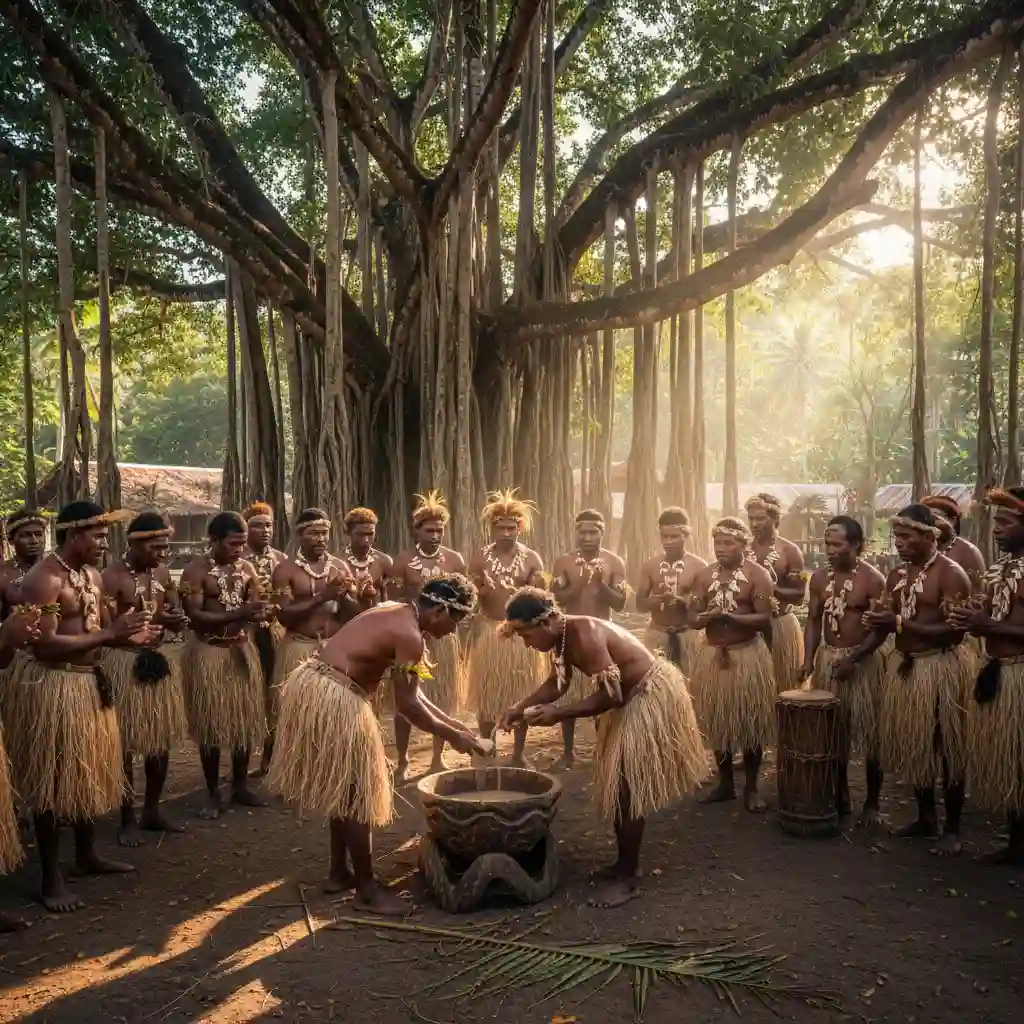
To understand the impact of modernity, one must first define the scope of kastom. It refers to traditional culture, including religion, economics, art, and magic. In the modern context, kastom has become a symbol of national identity, distinct from the colonial history of the New Hebrides. It is the mechanism through which land disputes are settled, chiefs exercise authority, and communities find cohesion.
However, the definition is fluid. Today, kastom is often bifurcated into “lived kastom”—the daily practices of village life—and “codified kastom”—the formalized version supported by the state and tourism. Modernity has forced a re-evaluation of what is considered authentic. For instance, is a ceremony performed for tourists still kastom? Anthropologists and local chiefs alike argue that adaptability is a core feature of Melanesian culture, suggesting that kastom is resilient precisely because it can absorb modern elements without losing its essence.

How is Globalisation Influencing Traditions?
Globalisation acts as a double-edged sword for Vanuatu’s cultural heritage. On one side, it offers exposure and economic opportunity; on the other, it threatens the transmission of oral histories and localized knowledge.
The Digital Divide and Cultural Access
The arrival of submarine fiber optic cables and the proliferation of 4G networks have connected even remote islands to the global village. Social media platforms have become spaces for cultural expression, where young Ni-Vanuatu share videos of traditional dances and songs. This digital archiving helps preserve aspects of culture that might otherwise fade. However, the influx of Western media also promotes individualism and consumerism, values that often conflict with the communal nature of kastom.
Tourism as a Cultural Modifier
Tourism is a primary driver of the Vanuatu economy, heavily leveraging the exotic appeal of kastom. Activities like the Nagol land diving in Pentecost have become world-famous. While this provides revenue that supports village infrastructure and school fees, it risks commodifying sacred rituals. When a ritual is performed on a schedule to suit cruise ship arrivals rather than in response to agricultural cycles or ancestral mandates, its spiritual significance can be diluted. Yet, many communities manage this strictly, delineating between public performances and private, sacred rites to protect the core of their spirituality.
Preserving Traditions Amidst Rapid Change
Preservation in the face of modernity requires active effort. It is no longer enough to rely solely on oral transmission; proactive strategies are being employed across the archipelago.
Cultural centers and fieldworkers play a pivotal role. The Vanuatu Kaljoral Senta (Vanuatu Cultural Centre) operates a unique program where volunteer fieldworkers live in their own communities to document dictionary entries, myths, and genealogy. This grassroots approach ensures that the recording of kastom is led by the people, for the people, rather than by external academics. This method empowers communities to define for themselves how modernity interacts with their heritage.
Furthermore, the integration of kastom into the formal justice system demonstrates a hybrid approach to governance. In many rural areas, the state police and courts are distant and expensive. Consequently, village courts run by chiefs settle the vast majority of disputes using customary law. This preservation of judicial kastom maintains social order and reaffirms the relevance of traditional leadership structures in a modern democracy.
What is the Role of Youth Engagement in Kastom?
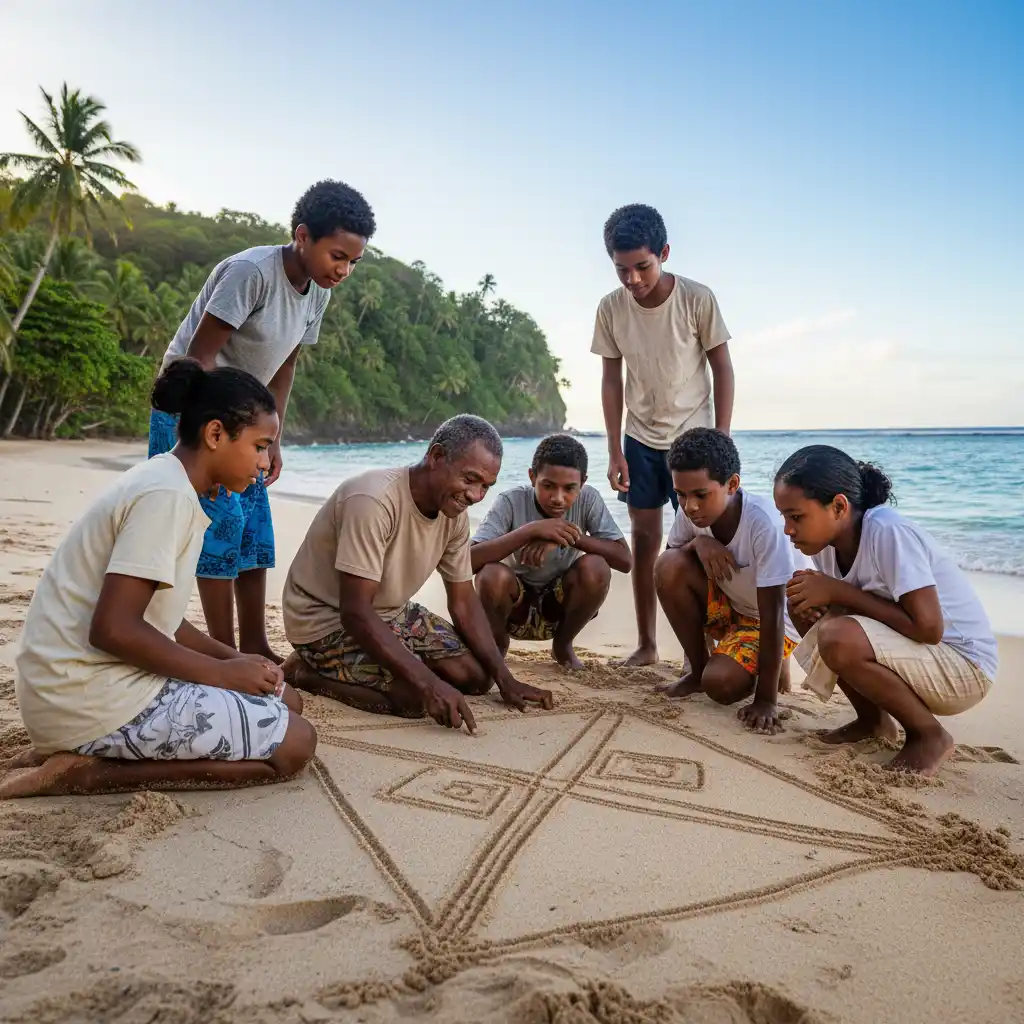
The survival of kastom depends entirely on the next generation. Youth engagement is a critical area of concern and opportunity. Statistics show a demographic shift, with a significant portion of the population under the age of 30. As these young people move to urban centers like Port Vila and Luganville for education and employment, the transmission of traditional knowledge is interrupted.
Education vs. Traditional Knowledge
The formal education system, largely modeled on Western curriculums, historically marginalized indigenous knowledge. Students spend hours learning English or French and mathematics, often at the expense of learning agricultural practices, weaving, or traditional medicine. This has created a “knowledge gap” where youth may be literate in a global sense but illiterate in their own culture.
Revitalization Efforts
To counter this, there is a growing movement to integrate kastom into the school curriculum. “Kastom schools” and cultural festivals specifically targeting youth are gaining traction. These initiatives aim to instill pride in indigenous identity. Moreover, urban youth are creating new subcultures that blend kastom with reggae, hip-hop, and modern art, creating a distinct “urban kastom” that respects roots while embracing contemporary expression. This evolution is vital; if kastom is to survive, it must be relevant to the youth, not just a museum piece.
How Does the Government Support Kastom?
The Republic of Vanuatu is unique in that its constitution explicitly recognizes the role of custom chiefs and customary law. The government’s support for kastom is structural, legal, and symbolic.
The Malvatumauri Council of Chiefs
The Malvatumauri is a constitutional body composed of custom chiefs elected by their peers. They advise the government on all matters relating to custom and land. This ensures that modernity—in the form of parliamentary legislation—does not steamroll traditional values. The Council acts as a guardian, debating how issues like land registration or family law align with customary principles. Their influence signifies that in Vanuatu, the modern state and traditional hierarchy are partners, not adversaries.
Land Laws and Customary Ownership
Land is the foundation of Ni-Vanuatu identity. Following independence in 1980, the constitution declared that all land belongs to the indigenous custom owners. Recent land reform laws continue to strengthen this, requiring that any modern development or lease must have the consent of the customary owners. This legal framework forces modern investors to engage with kastom structures, ensuring that economic development does not lead to the dispossession of heritage.
Economic Impacts on Customary Exchange
The introduction of the cash economy has fundamentally altered traditional exchange systems. In the past, wealth and status were measured in pigs, mats, and yams. Ceremonies involving the exchange of these items cemented alliances and settled debts.
Today, cash is increasingly required for school fees, medical bills, and manufactured goods. This has led to the “monetization of kastom.” In some weddings or grade-taking ceremonies, cash is now exchanged alongside, or sometimes in place of, traditional items. While purists may view this as a degradation, others see it as a necessary adaptation. The use of money allows participation in the modern economy while maintaining the structure of the reciprocal obligation. The danger lies in the potential for wealth to replace hereditary right or ritual knowledge as the primary path to status, which could destabilize traditional social hierarchies.

The Future of Kastom in a Digital Age
As Vanuatu looks toward the future, the narrative is not one of loss, but of transformation. The resilience of kastom lies in its ability to provide a sense of belonging in a rapidly changing world. Climate change, for example, is a modern threat where traditional knowledge of weather patterns and resilient crop varieties is proving invaluable, merging with modern climate science to protect communities.
The impact of modernity on Vanuatu kastom is a continuous process of negotiation. It involves making deliberate choices about what to keep, what to adapt, and what to let go. By leveraging technology to archive history, using tourism to fund cultural transmission, and embedding custom into national law, Vanuatu offers a model for how indigenous cultures can thrive in the 21st century. The spirit of the ancestors remains present, not as ghosts of the past, but as guiding forces for the future.
People Also Ask
What is the meaning of kastom in Vanuatu?
Kastom refers to the traditional culture, religion, arts, and community structure of Vanuatu. It encompasses customary laws, rituals, magic, and social obligations that define the indigenous way of life.
How does modernization affect traditional culture in Vanuatu?
Modernization introduces cash economies, western education, and technology, which can dilute oral traditions. However, it also provides tools for preservation and creates new “urban kastom” identities.
Is kastom recognized by the Vanuatu government?
Yes, the Vanuatu Constitution recognizes customary law and land ownership. The Malvatumauri Council of Chiefs is a constitutional body that advises Parliament on cultural matters.
What is the role of the Malvatumauri Council of Chiefs?
The Malvatumauri Council of Chiefs preserves and promotes kastom, advising the government on land tenure and cultural preservation to ensure laws respect traditional values.
How is tourism impacting kastom in Vanuatu?
Tourism provides economic incentives to maintain traditions like dances and crafts but risks commodifying sacred rituals. Communities often separate public performances from private sacred ceremonies to manage this.
Why is land ownership important to kastom?
Land is considered the mother of life in Vanuatu culture. Customary land ownership is tied to ancestry, identity, and spiritual connection, making it central to the preservation of kastom.