
Vanuatu custom dining refers to the authentic, culturally rich culinary experiences deeply rooted in the traditions of the ni-Vanuatu people. It encompasses everything from communal earth oven feasts and hands-on cooking classes with locals to exploring traditional food preparation techniques and participating in bespoke cultural dining tours, offering a unique taste of the archipelago’s heritage.
What is Earth Oven Cooking in Vanuatu (Kumala)?
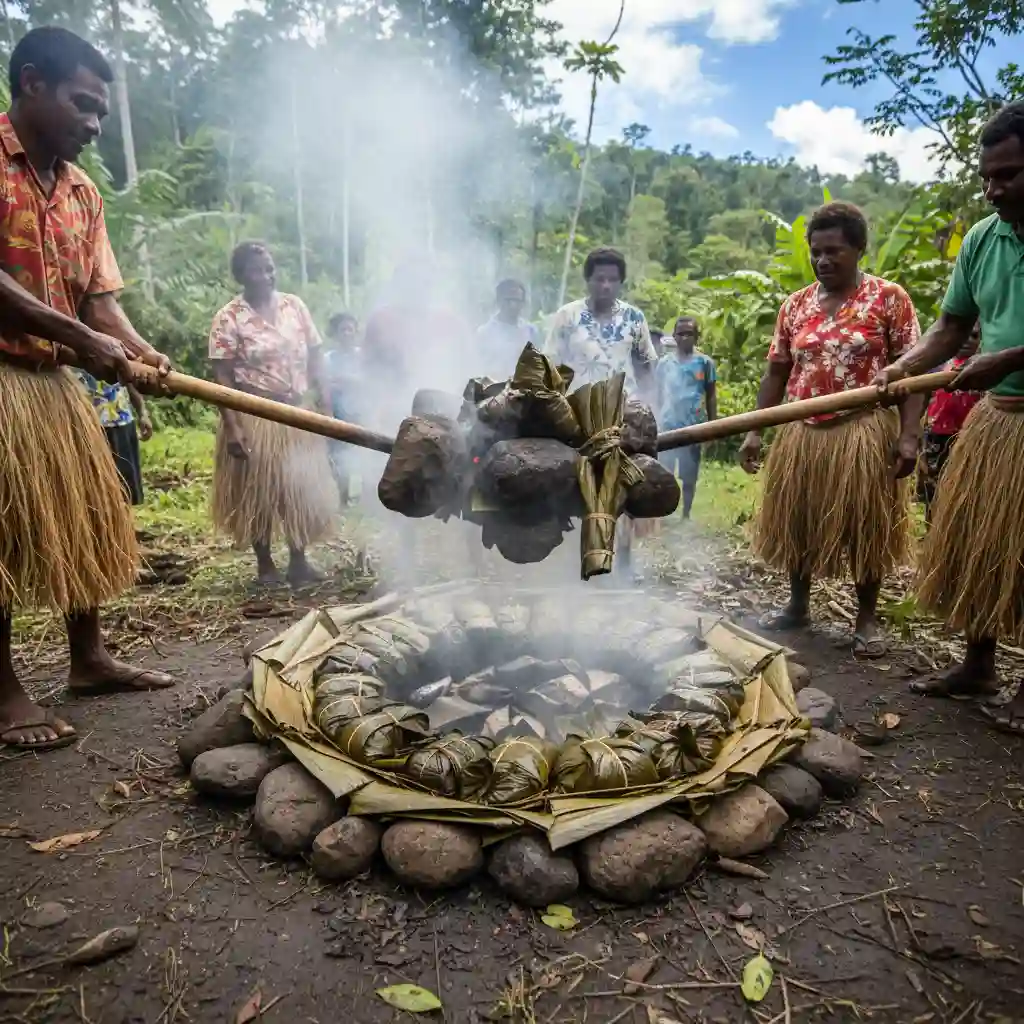
Earth oven cooking, known locally as ‘laplap’ when referring to the dish, or simply ‘earth oven’ for the method, is a cornerstone of Vanuatu custom dining. This ancient culinary technique involves slow-cooking food underground, utilizing heated volcanic stones to create a natural, steaming oven. The result is incredibly tender, flavourful dishes that are not just food, but a deep connection to the land and tradition.
The Art of Preparing a Vanuatu Earth Oven
The process of setting up an earth oven is an intricate ritual passed down through generations. First, a pit is dug in the ground, and a fire is lit within it to heat carefully selected volcanic stones to searing temperatures. Once the stones are glowing hot, the embers are removed, and a layer of fresh banana leaves or other native foliage is placed over the stones. This layer acts as a natural steamer, imparting subtle flavours and protecting the food.
Key Ingredients and the Iconic Laplap
While many ingredients can be cooked in an earth oven, the most iconic dish is ‘laplap’. This staple of Vanuatu custom dining typically consists of grated root vegetables such as kumala (sweet potato), taro, yam, or manioc, mixed with coconut cream and sometimes spinach, meat (pork or chicken), or fish. The mixture is then wrapped tightly in banana or wild taro leaves and placed directly onto the hot leaves in the oven. The lid of the oven, often more leaves and soil, is then sealed, trapping the heat and steam to slow-cook the food for several hours. This method ensures the ingredients become incredibly tender and infused with a unique, earthy aroma.
Beyond laplap, other items like whole fish, breadfruit, and other root vegetables are often prepared in the earth oven, each emerging with a distinct, smoky sweetness and succulence that cannot be replicated by modern cooking methods. Participating in or witnessing an earth oven preparation offers a profound insight into the sustainable and communal aspects of Vanuatu’s food culture.
Experiencing Authentic Village Feasts in Vanuatu
Village feasts are central to the social fabric and an unparalleled aspect of Vanuatu custom dining. These aren’t just meals; they are vibrant communal celebrations, integral to ceremonies, welcoming visitors, or marking significant life events. Participating in a village feast offers a deep immersion into the ni-Vanuatu way of life, showcasing their hospitality, traditions, and the rich tapestry of their culinary heritage.
The Atmosphere and Significance of a Village Feast
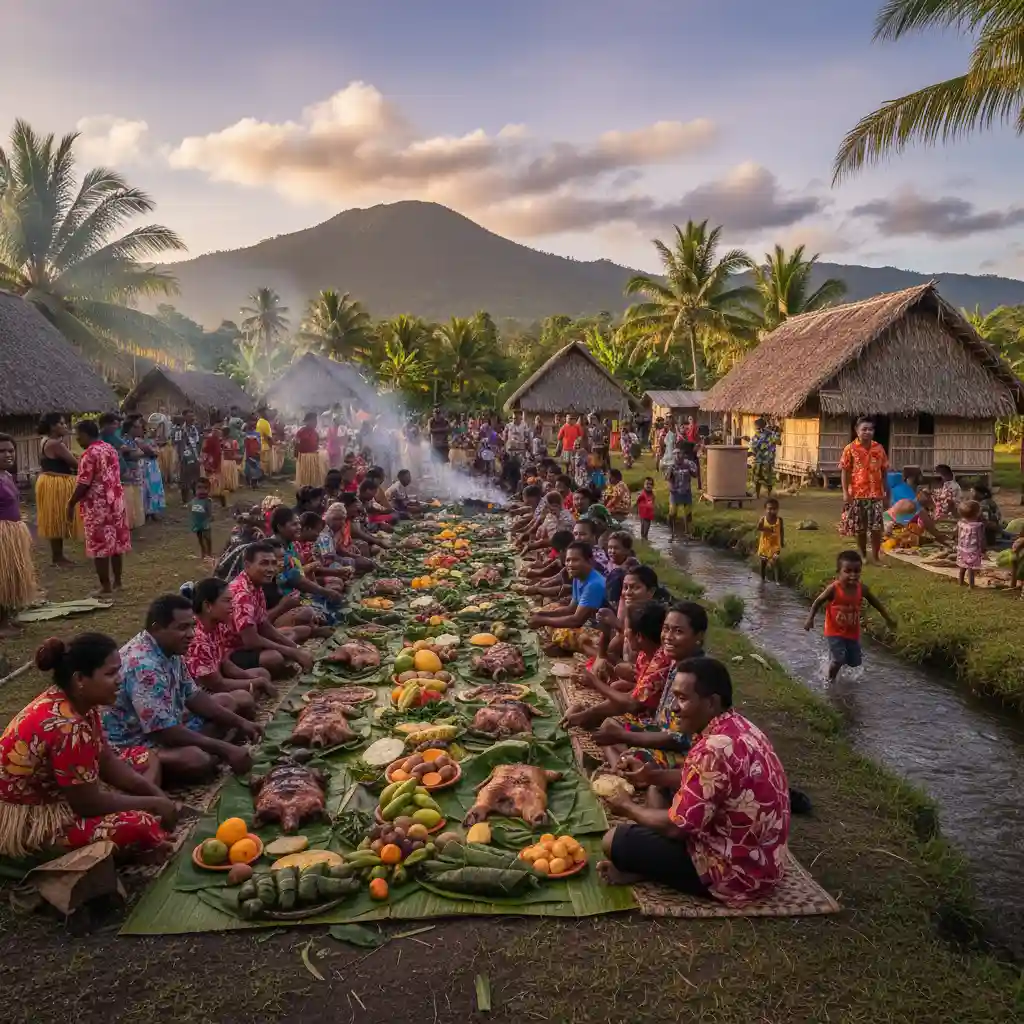
Stepping into a Vanuatu village feast is to enter a world of genuine warmth and vibrant community spirit. The air is often filled with the sounds of laughter, traditional music, and the enticing aromas of food cooked with care and passion. Feasts are deeply symbolic, representing unity, sharing, and respect. They are occasions where social bonds are strengthened, stories are shared, and cultural traditions are proudly upheld. Visitors are not merely observers but are often invited to share in the communal experience, offering a truly authentic interaction with local customs and people.
A Culinary Kaleidoscope: Dishes Served at Feasts
The spread at a village feast is a testament to the bounty of Vanuatu’s fertile lands and abundant waters. While laplap from the earth oven is almost always a highlight, the variety extends far beyond. You can expect to find succulent roasted pork or chicken, fresh fish grilled over open fires, an array of seasonal fruits like pawpaw, pineapple, and mango, and a vibrant selection of local greens. Dishes often feature fresh coconut milk, adding a creamy richness and tropical flavour to everything from curries to steamed vegetables. The emphasis is always on fresh, locally sourced ingredients, prepared with traditional methods, showcasing the pure, unadulterated flavours of the islands. Each dish tells a story, reflecting the island’s unique ecosystem and the ingenuity of its people in utilizing natural resources.
Communal Dining Etiquette and Traditions
Communal dining is a hallmark of Vanuatu custom dining, particularly during feasts. Food is typically laid out on woven mats or banana leaves, and everyone gathers to share in the bounty. While specific customs may vary slightly between villages and islands, a common thread is the spirit of generosity and sharing. Often, men and women may eat in separate groups, and visitors are generally encouraged to follow the lead of their hosts. It’s an opportunity to observe and respectfully participate in age-old traditions, from how food is served to the quiet conversations and respectful interactions that define these gatherings. Engaging in a village feast is not just about eating; it’s about connecting with the heart and soul of Vanuatu.
How Can You Learn Cooking with Locals in Vanuatu?
For those seeking a truly immersive experience in Vanuatu custom dining, learning to cook with locals offers an unparalleled opportunity. These hands-on classes and cultural exchanges go beyond mere tasting; they provide practical skills, cultural insights, and direct interaction with the people who keep these culinary traditions alive. It’s an enriching way to understand the ingredients, techniques, and philosophy behind the unique flavours of Vanuatu.
Benefits of Hands-On Culinary Experiences
Participating in a cooking class with local ni-Vanuatu people offers numerous benefits. Firstly, it demystifies traditional dishes, allowing you to learn the authentic methods firsthand. You’ll gain an appreciation for the simplicity and ingenuity of Vanuatu cuisine, often utilizing basic tools and fresh, natural ingredients. Secondly, these experiences foster genuine cultural exchange, allowing for personal connections with community members. You’ll hear stories, learn about local life, and contribute directly to the local economy. Moreover, the skills you acquire can be taken home, allowing you to recreate a taste of Vanuatu long after your holiday ends, making it a truly memorable souvenir.
Finding Opportunities for Local Cooking Classes
Opportunities to cook with locals can be found in various settings across Vanuatu. Many eco-lodges and guesthouses, particularly in more remote or culturally focused areas, offer guest cooking demonstrations or classes as part of their experience packages. Cultural villages, designed to showcase ni-Vanuatu traditions to visitors, often include cooking as a key activity. Furthermore, bespoke cultural tours, which can be arranged through local tour operators, frequently incorporate a hands-on cooking component, allowing you to learn directly from a village family. It’s advisable to inquire in advance, especially when planning to visit outer islands, to ensure availability and secure your spot.
What to Expect to Prepare and Learn
During a cooking session with locals, you can expect to delve into the preparation of staple dishes. This often includes learning to make laplap from scratch, grating root vegetables, mixing with fresh coconut cream, and wrapping it precisely in leaves before it enters an earth oven. You might also learn to prepare other common dishes such as tuluk (a traditional steamed dish), various fish preparations, or simple stir-fries using local greens and seasonings. A significant part of the experience often involves sourcing ingredients directly from a village garden or local market, highlighting the farm-to-table or ocean-to-table philosophy that is inherent in Vanuatu custom dining. This full-circle approach ensures you understand not just the cooking, but the entire ecosystem of local food.
Exploring Traditional Food Preparation Techniques
Beyond the iconic earth oven, Vanuatu custom dining is characterized by a fascinating array of traditional food preparation techniques that highlight the resourcefulness and deep culinary knowledge of the ni-Vanuatu people. These methods, honed over centuries, are intrinsically linked to the availability of natural ingredients and the cultural context of island life, offering a pure and unadulterated gastronomic journey.
Beyond the Earth Oven: Grating, Mashing, and Steaming
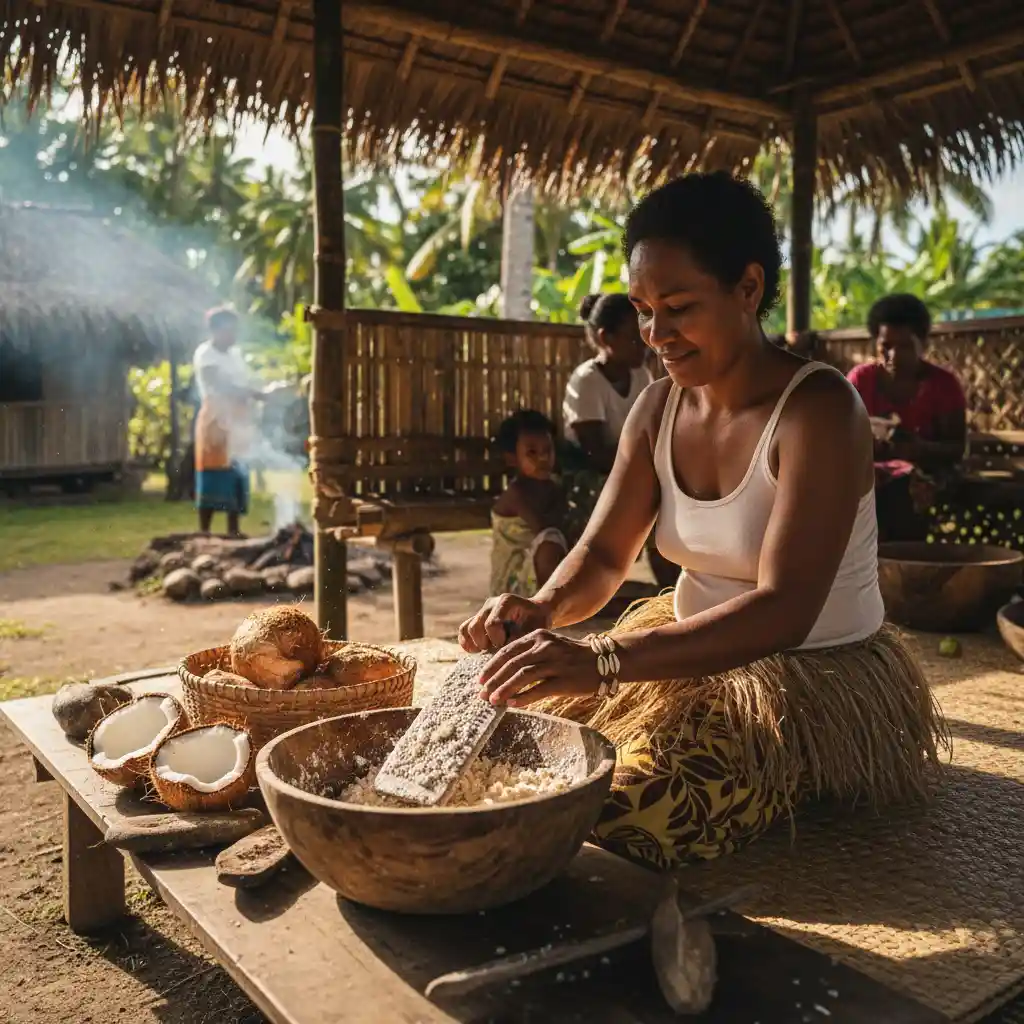
While the earth oven is central, many dishes are prepared using simpler, yet equally effective, traditional techniques. Grating is fundamental, particularly for root vegetables like taro, yam, and kumala, which form the base of many starchy dishes. Tools for grating are often rudimentary, made from local wood or shell, demonstrating an elegant efficiency. Mashing is another common method, used to create porridges or soft accompaniments, often blending cooked root vegetables with fresh coconut cream. Steaming, often done by wrapping ingredients in banana or wild taro leaves and placing them over hot stones or simmering water, is a gentle way to cook delicate fish, leafy greens, and certain root crops, preserving their natural moisture and flavour. These techniques underscore a commitment to minimal processing and maximum natural flavour.
Key Ingredients of the Vanuatu Pantry
The traditional Vanuatu pantry is abundant and vibrant, primarily relying on fresh, seasonal produce from land and sea. Root vegetables are king, providing essential carbohydrates. Alongside taro, yam, kumala, and manioc, staples include breadfruit, plantains, and sago. Coconut is omnipresent, with its milk and flesh used in countless dishes for flavour, richness, and moisture. Fresh seafood, including various reef fish, crabs, and shellfish, are vital protein sources, often caught daily. Leafy greens like island cabbage (aibika) and watercress add vitamins and freshness. Fruits such as pawpaw, mango, pineapple, and passionfruit provide natural sweetness and refreshing complements to meals. Spices are generally subtle, with a reliance on the inherent flavours of the high-quality ingredients.
Tools of the Trade and Their Cultural Significance
The tools used in traditional Vanuatu custom dining are often crafted from natural materials, reflecting a sustainable approach to cooking. Graters made from rough coral or sharp-edged wood are common. Pestles and mortars, often carved from hardwood, are used for pounding ingredients. Traditional knives, sometimes made from sharpened bamboo or shell, are utilized for cutting and peeling. Beyond their practical function, many of these tools hold cultural significance, passed down through generations, embodying the continuity of tradition and connection to the environment. Understanding these tools and techniques offers a deeper appreciation for the ingenuity and heritage behind every meal.
Discovering Cultural Dining Tours for Vanuatu Custom Dining
For visitors keen to explore the full spectrum of Vanuatu custom dining, cultural dining tours offer a structured and enriching pathway. These tours are expertly curated to provide an immersive experience, combining culinary exploration with cultural interaction. They are an ideal way to access authentic village life, understand traditional food practices, and taste the true flavours of Vanuatu, all while ensuring responsible and respectful engagement with local communities.
Types of Cultural Dining Tours Available
Vanuatu offers a range of cultural dining tours, catering to different interests and timeframes. Some tours focus on specific culinary aspects, such as a