
The Malekula Nambas refer to the indigenous communities of Malekula Island in Vanuatu, famously distinguished by their traditional attire, particularly the woven ‘nambas’ or penis sheath worn by men. This unique cultural group, encompassing both Big and Small Nambas, maintains ancient kastom, intricate rituals, and a profound connection to their ancestral lands, offering a rare glimpse into a living heritage within the Pacific.
What Are the Nambas of Malekula Island?
Malekula Island, the second-largest island in Vanuatu, is renowned globally for its extraordinarily diverse and vibrant cultures, particularly those of the Nambas. The term ‘Nambas’ refers to the traditional woven penis sheath worn by men, which became a distinguishing feature for outsiders to categorize the various tribal groups on the island. While many communities across Malekula historically wore such attire, two primary cultural blocs emerged as ‘Big Nambas’ and ‘Small Nambas’, largely due to the varying size of their traditional nambas and their distinct cultural practices. These designations, though originating from colonial observations, highlight the profound cultural differences that have persisted for centuries. Exploring Malekula means stepping into a living museum where ancient traditions, intricate kastom, and a deep reverence for ancestral ways of life continue to shape daily existence. For those from New Zealand and beyond seeking an authentic cultural experience in Vanuatu, understanding the Nambas is paramount to appreciating Malekula’s unique charm.

Exploring the Rich Heritage of Big Nambas Villages
The Big Nambas, historically inhabiting the northern regions of Malekula, are one of the island’s most distinctive cultural groups. Their name is derived from the comparatively large woven nambas worn by their men, a symbol of their unique identity and social structure. These communities have long been characterized by their elaborate ceremonies, intricate social hierarchies, and a strong adherence to ancestral kastom. Visiting a Big Nambas village offers an unparalleled opportunity to witness traditions that have remained largely unchanged for generations, providing deep insight into the resilience of Vanuatu’s indigenous cultures. The villages often feature Nakamals, traditional meeting houses where men gather to drink kava and discuss community matters, and ceremonial dancing grounds where significant rituals are performed.
Social Structure and Graded Societies
Central to Big Nambas society is the concept of a graded society, often referred to as ‘Maki’ or ‘Nimangki’. This system involves a series of complex rituals and ceremonies through which men can ascend social ranks. Each ascension requires significant investment, often involving the sacrifice of pigs, particularly tusked pigs which are highly valued. These ceremonies are not merely about personal status; they are fundamental to maintaining social order, distributing wealth, and affirming leadership within the community. Through the Maki, individuals gain spiritual power, prestige, and influence, contributing to the overall strength and cohesion of the village. Women also hold specific roles and participate in their own distinct social structures, often complementing the men’s graded system.
Distinctive Attire and Ceremonial Dress
Beyond the characteristic large nambas, Big Nambas people adorn themselves with various traditional ornaments, especially during ceremonies. Headwear often includes intricate feather arrangements, while necklaces of shell money, boar tusks, and carved wooden pendants are common. Body paint, using natural pigments, is also applied for ritualistic purposes, transforming individuals into living representations of their ancestral spirits. The ceremonial attire is not merely decorative; each element carries symbolic meaning, reflecting status, clan affiliation, and the specific ritual being performed. Witnessing these elaborate costumes during a custom dance or ceremony is a truly breathtaking experience, offering a window into the spiritual and artistic richness of Big Nambas culture.
Understanding the Distinct Culture of Small Nambas
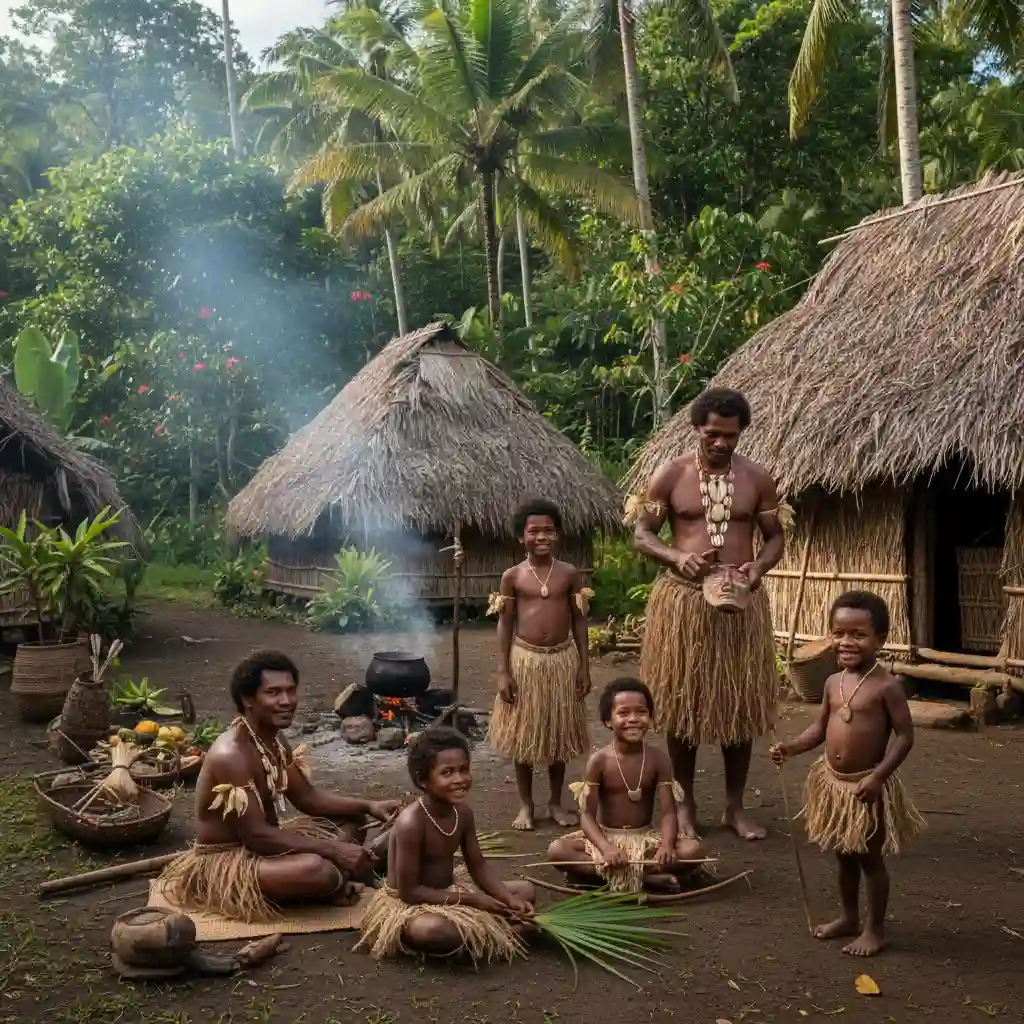
In contrast to their northern counterparts, the Small Nambas primarily inhabit the interior and southern parts of Malekula. Their name, again derived from the size of the men’s nambas, belies a culture that is equally rich and complex, albeit with distinct customs and social nuances. Historically, the Small Nambas were known for their fierce independence and, at times, their isolation from external influences. Their villages, often nestled deep within the island’s rugged interior, have preserved a unique way of life centered around subsistence farming, intricate kinship systems, and a profound connection to the land and its spirits. While their nambas may be smaller, their cultural impact and historical significance are immense, offering a fascinating counterpoint to the Big Nambas traditions.
Contrasting Traditions
While both Big and Small Nambas adhere to kastom, the specific manifestations of these traditions differ significantly. The Small Nambas, for instance, often emphasize different ceremonial cycles and have distinct forms of graded societies, or in some areas, more egalitarian leadership structures. Their artistic expressions, particularly in carving and weaving, also possess unique styles and symbolic meanings. Inter-group relations between Big and Small Nambas were historically complex, ranging from trade to conflict, further solidifying their distinct identities. Understanding these subtle yet profound differences is key to appreciating the astonishing cultural diversity concentrated on Malekula Island.
The Mask Dances and Nembe Custom
One of the most captivating aspects of Small Nambas culture, particularly in areas like the south-west, is their tradition of elaborate mask dances. These dances, often associated with initiation rites, funeral ceremonies, or other significant community events, involve intricately carved wooden masks, vibrant costumes, and rhythmic drumming. The masks represent ancestral spirits or mythical beings, and the dancers act as intermediaries between the human and spirit worlds. Another significant custom is the ‘Nembe’, a ceremonial gathering and exchange system, which, while sharing similarities with the Maki, has its own unique structure and rituals. These customs are vital for maintaining social cohesion, transmitting knowledge, and reinforcing the community’s spiritual connection to their ancestors and land.
The Enduring Power of Malekula Kastom and Ancient Rituals
Kastom is more than just tradition in Vanuatu; it is the foundational legal, social, and spiritual framework that governs daily life, land ownership, conflict resolution, and ceremonial practices. On Malekula, kastom is particularly robust, intertwining every aspect of community existence with a profound respect for ancestral ways and the natural world. It dictates everything from who can marry whom, to the protocols for pig sacrifices, to the intricate dances performed during coming-of-age ceremonies. This living heritage provides a sense of identity, continuity, and belonging that is increasingly rare in the modern world, making Malekula a potent symbol of Vanuatu’s cultural resilience.
Kastom as a Governing Principle
In many Malekulan villages, kastom law operates parallel to, and often takes precedence over, national law, particularly in matters of land disputes, family issues, and local governance. Village chiefs, guided by generations of accumulated knowledge and spiritual insight, serve as custodians of kastom, mediating disputes and upholding community harmony. Their decisions are rooted in ancient precedents and the collective wisdom of their ancestors. This decentralized system of governance emphasizes consensus-building, respect for elders, and the importance of collective well-being over individual gain. For visitors, understanding this profound adherence to kastom is crucial for respectful engagement with local communities.
Ceremonial Life and Spiritual Connections
Ancient rituals are the pulsating heart of Malekulan kastom. These ceremonies, often involving elaborate costumes, music, dance, and the consumption of kava, are not mere performances but sacred acts that reaffirm spiritual connections, honour ancestors, and ensure the prosperity of the community. From initiation ceremonies that mark the transition from boyhood to manhood, to funerary rites that guide the deceased’s spirit, each ritual is imbued with deep symbolic meaning. These practices reinforce the intricate web of relationships between the living, the dead, and the spirit world, ensuring the continuation of cosmic balance. The authenticity and intensity of these rituals are a testament to the enduring spiritual vitality of Malekula’s people.
Addressing the History of Cannibalism in Vanuatu
The history of cannibalism in Vanuatu, particularly on islands like Malekula, is a complex and often misunderstood aspect of the past. While it is a sensitive topic, it is important to address it factually and within its historical and cultural context, rather than sensationalizing it. Anthropological records and oral histories confirm that ritualistic cannibalism, specifically of enemies captured in warfare, was practiced by some communities on Malekula and other islands until the early 20th century. This was not driven by hunger but was deeply intertwined with spiritual beliefs, notions of power, and warfare. The practice was a means of absorbing the strength or spirit of a vanquished foe, asserting dominance, and was an integral part of specific funerary or retaliatory rituals.
Ritualistic Practices and Their Decline
The consumption of human flesh, known as ‘nakaimas’ in some local languages, was typically part of elaborate ceremonies following inter-tribal conflicts. It was often restricted to specific individuals or groups within the community and was highly ritualized. The decline of cannibalism was a gradual process, influenced by a combination of factors including increased contact with missionaries, colonial administration, and the eventual cessation of inter-tribal warfare. By the mid-20th century, the practice had largely disappeared, though echoes of these historical narratives persist in oral traditions and some cultural artefacts. It is a closed chapter in Vanuatu’s history, one that is now studied rather than practiced.
Modern Perspectives and Cultural Sensitivity
Today, visitors to Malekula will find welcoming communities eager to share their vibrant living culture, which is profoundly peaceful and deeply rooted in kastom. Discussing the past practice of cannibalism requires immense cultural sensitivity and respect. Local communities may have differing comfort levels in addressing this topic with outsiders. It is crucial for travellers to approach such historical discussions with reverence, understanding that it is a part of their ancestors’ story, not their present reality. Focus should be on the thriving contemporary culture and the incredible efforts made to preserve kastom in a rapidly changing world. Misrepresentations or sensationalism do a great disservice to the rich and complex heritage of the Malekula Nambas.
Discovering the Natural Beauty of Amelbati Waterfall
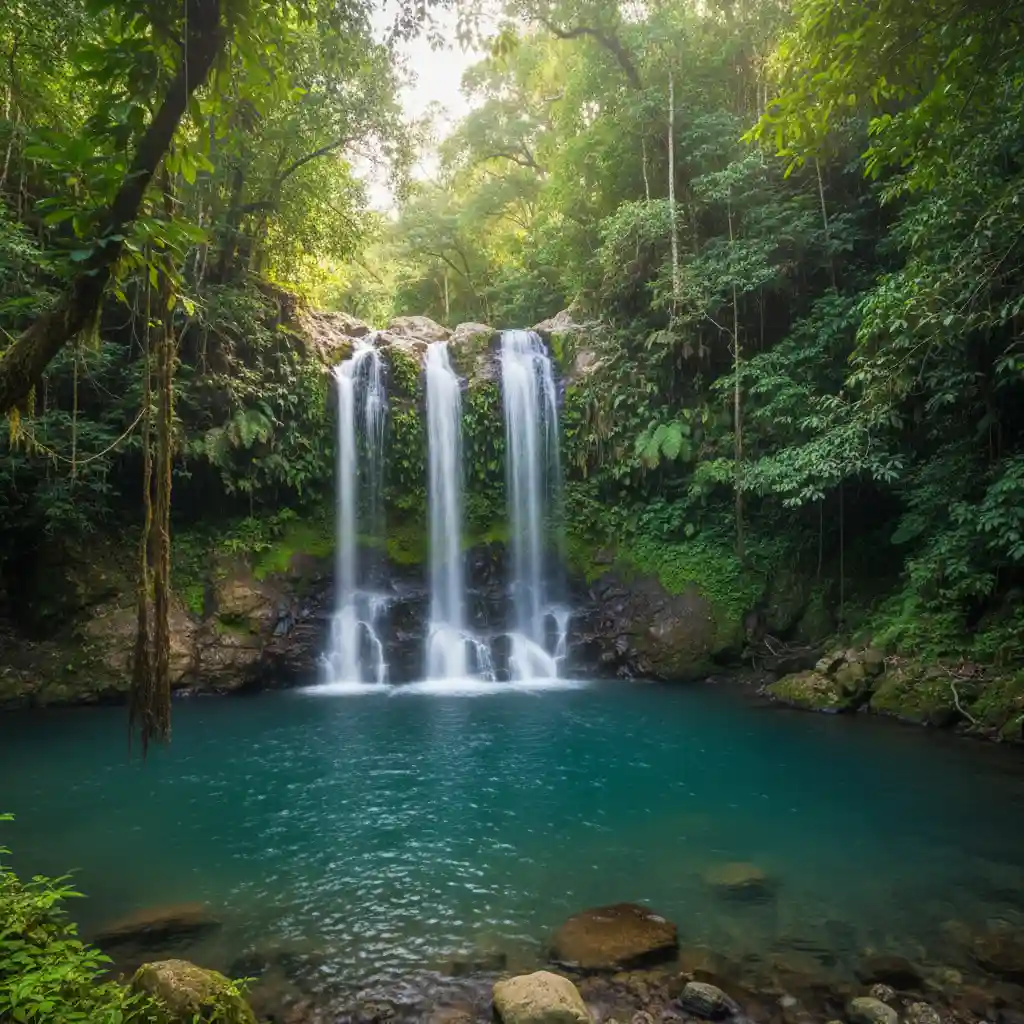
Beyond its profound cultural offerings, Malekula also boasts breathtaking natural landscapes, one of the most prominent being the majestic Amelbati Waterfall. Located in the island’s lush interior, this stunning cascade offers a refreshing contrast to the cultural immersion of village visits and provides an opportunity for adventurous exploration. The journey to Amelbati is an experience in itself, often involving a hike through dense tropical rainforests, across rivers, and past traditional gardens, allowing visitors to appreciate the island’s pristine biodiversity. It’s a perfect example of Malekula’s dual appeal: a destination rich in both human history and untouched natural wonders.
A Jungle Oasis
Amelbati Waterfall plunges into a series of clear, cool pools, inviting visitors to swim and relax in its invigorating waters. The surrounding environment is a symphony of tropical sounds – the chirping of insects, the calls of exotic birds, and the rustle of leaves in the gentle breeze. The air is fresh and humid, carrying the scent of rich earth and blooming flora. This natural oasis provides a perfect retreat after the warmth of the day’s cultural explorations. The sheer volume of water cascading over the rock face, particularly during the wet season, is a truly impressive sight, showcasing the raw power and beauty of nature in Vanuatu.
Experiencing Amelbati
Access to Amelbati Waterfall is typically arranged through local guides, which is highly recommended not only for navigation but also for cultural insight and to ensure respectful access to customary land. The walk can be challenging in places, requiring sturdy footwear and a reasonable level of fitness, but the reward of reaching the falls is well worth the effort. Along the way, guides often share knowledge about local flora and fauna, traditional medicine, and the stories associated with the surrounding landscapes. A visit to Amelbati Waterfall complements the cultural experiences of Malekula, offering a complete picture of the island’s diverse attractions for the New Zealand traveller seeking adventure.
Planning Your Journey to Malekula Island
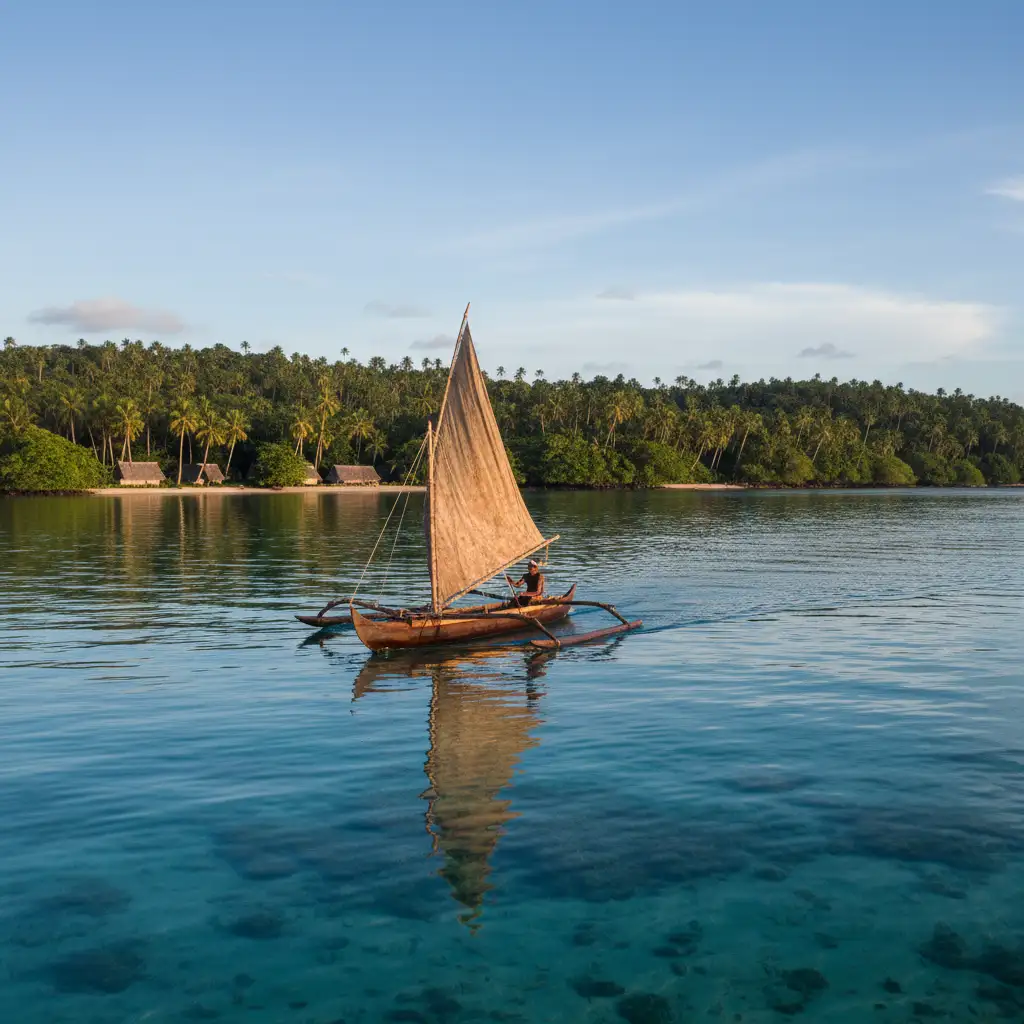
For New Zealand travellers eager to delve into the authentic heart of Vanuatu, Malekula Island presents an unparalleled opportunity. Unlike some of the more frequented tourist destinations, Malekula offers a deeply immersive experience, demanding a spirit of adventure and a willingness to embrace a different pace of life. Direct flights to Malekula are available from Port Vila via Air Vanuatu to airports such as Norsup (northern Malekula) or Malekula (southern Malekula). Once on the island, transport can be challenging but rewarding, often involving 4WD vehicles or boats, emphasizing the importance of pre-arranged tours or local guides. Planning is crucial to ensure a smooth and enriching journey to this culturally significant destination.
Respectful Travel and Cultural Etiquette
Visiting Malekula’s traditional villages requires a high degree of cultural sensitivity and respect for local kastom. It is essential to engage with communities through established channels, typically via a reputable tour operator or a local guide who can facilitate appropriate introductions. Dress modestly, especially when visiting villages; shoulders and knees should ideally be covered. Always ask for permission before taking photographs of people, and be prepared to offer a small gift (kastom fee) to the village chief upon arrival, which is a customary sign of respect. Embracing these etiquettes ensures a positive interaction and demonstrates your appreciation for their unique way of life, fostering a deeper connection with the Malekula Nambas.
Logistics and Accommodation
Accommodation options on Malekula are generally simple but provide an authentic experience. Guesthouses, bungalows, and even homestays within villages offer a chance to live closer to the local culture. It’s advisable to book accommodation and tours in advance, particularly during peak travel seasons. Most services are cash-based, so ensure you have sufficient Vanuatu Vatu. Electricity and mobile connectivity can be intermittent, so embracing a digital detox is often part of the Malekula experience. Despite these logistical considerations, the rewards of exploring Malekula’s Nambas culture, ancient rituals, and natural beauty far outweigh any minor inconveniences, promising an unforgettable adventure for the discerning New Zealand traveller.
Conclusion: A Journey into Malekula’s Soul
Malekula Island stands as a testament to the enduring power of kastom and the vibrant resilience of Vanuatu’s indigenous cultures. From the distinct traditions of the Big and Small Nambas, to the intricate web of ancient rituals that govern daily life, and the serene beauty of natural wonders like Amelbati Waterfall, Malekula offers a journey far beyond the ordinary. It’s a destination where history is not just preserved in museums but lives and breathes within its communities, inviting visitors to respectfully engage with a world shaped by ancestral wisdom. For those seeking a truly profound cultural immersion, a deep dive into the heart of the Malekula Nambas’ world promises not just a trip, but a transformative experience that resonates long after the journey ends. The island’s rich tapestry of customs, landscapes, and stories makes it an essential pilgrimage for anyone wishing to understand the soul of Vanuatu.
People Also Ask About Malekula Nambas and Kastom
What is the significance of the ‘nambas’ attire on Malekula Island?
The ‘nambas’ is a traditional woven penis sheath worn by men on Malekula Island, serving as a powerful symbol of identity, cultural distinction, and adherence to kastom. Its size, design, and accompanying ceremonial attire often denote tribal affiliation, social status, and participation in specific rituals, particularly among the Big and Small Nambas groups.
Is it safe to visit Malekula Island and its traditional villages?
Yes, Malekula Island is generally safe for visitors, provided respectful cultural etiquette is observed. Local communities are welcoming, but it’s crucial to travel with reputable guides or tour operators, seek permission before entering villages or taking photos, and dress modestly. Adherence to local kastom ensures a safe and enriching experience.
What does ‘kastom’ mean in the context of Vanuatu and Malekula?
‘Kastom’ refers to the traditional customs, laws, beliefs, and practices that form the foundational social, legal, and spiritual framework of indigenous communities in Vanuatu. On Malekula, kastom dictates everything from land ownership and governance to ceremonies, rituals, and daily social interactions, upholding ancestral ways of life.
Are there still practices of cannibalism on Malekula Island today?
No, the practice of ritualistic cannibalism, which historically occurred during inter-tribal warfare on Malekula and other islands until the early 20th century, has long ceased. Today, Malekulan communities are peaceful and welcoming, focusing on preserving their living kastom and cultural heritage through ceremonies, dances, and traditional ways of life.
How can visitors respectfully engage with the Malekula Nambas culture?
Respectful engagement involves hiring local guides, arranging village visits through official channels, dressing modestly, and always asking for permission before taking photographs. It is customary to offer a small ‘kastom fee’ to village chiefs as a sign of respect and to be open to learning about their traditions with genuine interest and humility.
What unique cultural experiences can be found on Malekula compared to other Vanuatu islands?
Malekula offers an exceptionally deep and diverse cultural immersion, particularly with its distinct Big Nambas and Small Nambas traditions. Visitors can witness elaborate graded society ceremonies (Maki/Nimangki), intricate mask dances, and robust kastom governance, providing an unparalleled glimpse into ancient Pacific island life that is less common elsewhere.