
New Zealand experiential itineraries are meticulously crafted travel plans designed to immerse visitors deeply into the country’s unique landscapes, culture, and adventure opportunities, moving beyond passive sightseeing. They prioritize active engagement, local interactions, and authentic experiences, allowing travelers to truly feel the spirit of Aotearoa through personalized journeys tailored to their interests and desired level of immersion.
Introduction to New Zealand Trip Planning
New Zealand, a land of unparalleled natural beauty and vibrant culture, offers an extraordinary canvas for experiential travel. From the majestic fiords of the South Island to the geothermal wonders and rich Māori heritage of the North, every corner promises an adventure waiting to be discovered. Planning a trip to Aotearoa, the Land of the Long White Cloud, is more than just booking flights and hotels; it’s about curating a journey that resonates with your personal aspirations for exploration, learning, and connection.
Why Choose New Zealand for Experiential Travel?
New Zealand stands out as a premier destination for those seeking more than just a holiday. Its compact size belies an incredible diversity of landscapes and activities, allowing travelers to transition from alpine peaks to pristine beaches, ancient forests to bustling cities, all within a relatively short distance. The emphasis on conservation, outdoor adventure, and a welcoming local culture makes it an ideal setting for authentic, hands-on experiences. Whether you’re drawn to adrenaline-pumping activities, deep cultural dives, or serene nature escapes, New Zealand delivers an enriching journey that goes far beyond the typical tourist trail. The country’s commitment to sustainable tourism further ensures that these precious environments and cultural traditions are preserved for future generations, enhancing the value of every experiential itinerary.
Understanding the North vs. South Island
A fundamental decision in planning your New Zealand itinerary involves understanding the distinct characters of its two main islands. The North Island is often characterized by its volcanic landscapes, geothermal activity, rich Māori culture, and larger urban centers. Here, you’ll find iconic Rotorua, the Waitomo Caves, the vibrant capital of Wellington, and the expansive Bay of Islands. Experiential travel here might involve a hāngī feast, exploring volcanic terrains, or sailing through a sub-tropical paradise.
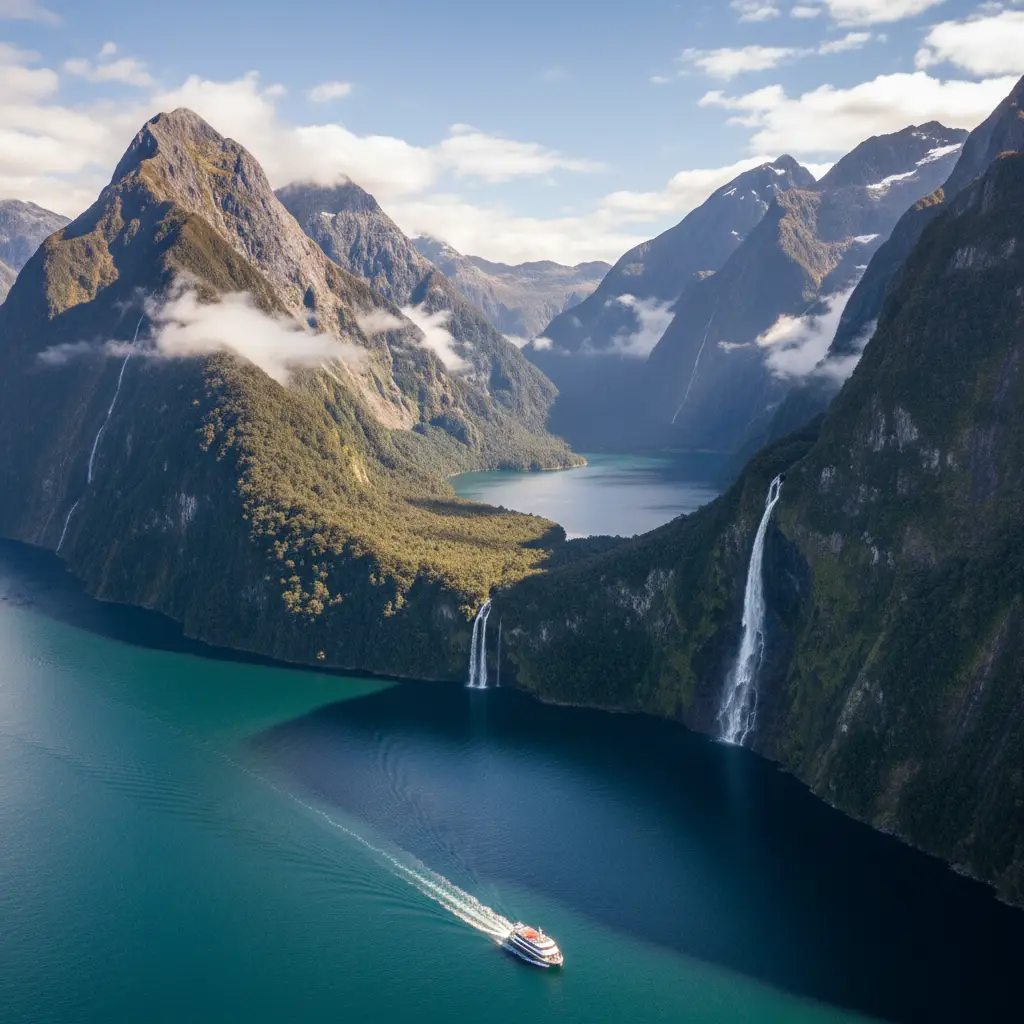
The South Island, in contrast, is celebrated for its dramatic, untamed natural beauty. Home to the Southern Alps, Milford Sound, Queenstown (the adventure capital), and the West Coast glaciers, it offers breathtaking scenery at every turn. Experiences range from hiking world-renowned tracks like the Milford Track, bungy jumping, whale watching, or exploring the remote beauty of Fiordland National Park. Many comprehensive New Zealand itineraries will skillfully blend experiences from both islands to provide a holistic view of the country’s diverse offerings.
Customizing Your New Zealand Experiential Itinerary
The beauty of an experiential itinerary lies in its adaptability. While pre-designed tours offer convenience, crafting a personalized journey allows you to align every activity with your specific interests, pace, and budget. This section delves into the critical considerations for tailoring an unforgettable New Zealand adventure.
How do I determine my travel style for a New Zealand trip?
Identifying your travel style is the cornerstone of a successful experiential itinerary. Are you a thrill-seeker, a culture enthusiast, a nature lover, or someone seeking relaxation and luxury? Consider your comfort level with physical activity, your preferred pace of travel, and how much you enjoy structured vs. spontaneous exploration.
- Adventure Seeker: Focus on Queenstown for bungy jumping, white-water rafting, skydiving; Rotorua for zorbing and mountain biking; or hiking in national parks.
- Cultural Immersion: Prioritize Rotorua for Māori cultural experiences, visiting marae (meeting grounds), attending kapa haka performances, and engaging with local communities.
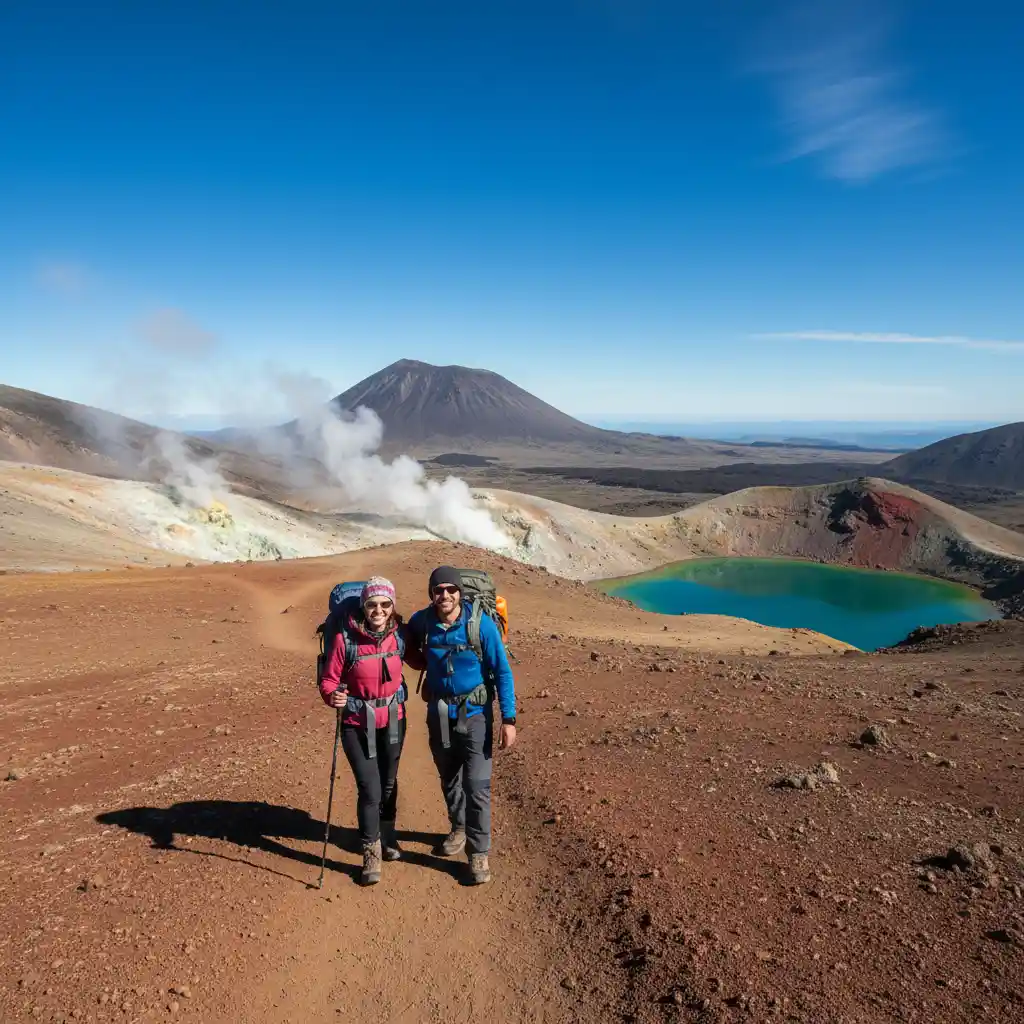
- Nature Lover: Emphasize walks and hikes (e.g., Tongariro Alpine Crossing, Abel Tasman Coastal Track), wildlife tours (Kaikoura for marine life, Oamaru for penguins), and scenic drives through national parks.
- Luxury Traveler: Look for boutique lodges, helicopter tours, private culinary experiences, and exclusive access to remote natural wonders.
- Budget Traveler: Opt for campervan travel, hostels, free hiking trails, self-catering, and early bookings for cheaper activities.
- Family-Friendly: Seek out animal encounters, accessible walks, safe adventure parks, and educational experiences that cater to all ages.
- Solo Traveler: Consider group tours for social connection, safe outdoor activities, and vibrant city experiences.
How long should I spend in New Zealand?
The ideal duration for a New Zealand trip largely depends on how much you want to see and experience. While a comprehensive journey might require several weeks, even shorter trips can be incredibly rewarding with careful planning.
- 7 Days: Best for focusing on one island or a specific region (e.g., North Island cultural highlights or South Island adventure circuit). This will be fast-paced, covering key attractions.
- 10-14 Days: Allows for a more balanced exploration of either the North or South Island, or a rushed highlights tour of both. You can delve deeper into a few regions and enjoy a mix of activities.
- 3 Weeks or More: This is the recommended duration for a truly immersive, experiential journey covering both islands at a comfortable pace. It allows for multi-day hikes, deeper cultural engagements, and spontaneous detours, truly letting you absorb the country’s essence.
What are the key regions to consider for an experiential journey?
New Zealand is a tapestry of diverse regions, each offering unique experiential opportunities. Tailor your itinerary by selecting regions that align with your primary interests.
- North Island Highlights:
- Auckland: The ‘City of Sails,’ a vibrant multicultural hub offering urban adventures, island hopping to Waiheke for wine tasting, and cultural experiences.
- Rotorua: The heart of Māori culture and geothermal activity. Engage in traditional ceremonies, explore geysers, and experience wellness retreats.
- Taupo: Great Lake Taupo offers fishing, kayaking, and proximity to the Tongariro National Park for hiking.
- Wellington: New Zealand’s creative capital. Discover thriving arts, culinary scenes, and fascinating museums like Te Papa.
- Bay of Islands: Historical sites, pristine beaches, and marine adventures like dolphin swimming and sailing.
- South Island Highlights:
- Queenstown: The undisputed adventure capital. Bungee jumping, skydiving, jet boating, and skiing in winter.
- Fiordland National Park (Milford/Doubtful Sound): Majestic fiords, ancient rainforests, and incredible wildlife. Kayak, cruise, or fly over these natural wonders.
- Wanaka: A more laid-back alternative to Queenstown, offering stunning lake views, hiking, and watersports.
- West Coast Glaciers (Franz Josef & Fox): Experience temperate rainforests meeting glaciers, with options for heli-hiking and scenic flights.
- Marlborough: New Zealand’s premier wine region. Indulge in wine tours, gourmet dining, and explore the Marlborough Sounds.
- Canterbury (Christchurch & Mt Cook): From the regenerating city of Christchurch to the towering peaks of Aoraki/Mount Cook, offering hiking, stargazing, and alpine experiences.
Popular Themed Experiential Itineraries
To help visualize your dream trip, here are a few popular themed itineraries that highlight New Zealand’s diverse offerings, designed to cater to specific interests and provide deeply engaging experiences.
Adventure Seeker’s Itinerary: Thrills and Spills (14 Days)
For those whose hearts beat faster at the thought of adrenaline, this itinerary focuses on New Zealand’s most iconic adventure hubs.
- Days 1-3: Queenstown – Arrive in the ‘adventure capital.’ Bungy jump from Kawarau Bridge, jet boat on Shotover River, paraglide over Lake Wakatipu, and hike a scenic trail like Ben Lomond.
- Days 4-5: Wanaka – Drive to Wanaka for a more relaxed adventure. Skydiving, canyoning, or explore Roy’s Peak track for stunning views.
- Days 6-7: Franz Josef/Fox Glaciers – Heli-hike on a glacier or take a scenic flight for breathtaking views. Kayak on a glacier lake.
- Days 8-9: Rotorua – Experience zorbing, luging, or mountain biking in the Redwood Forest. White-water raft down the Kaituna River.
- Days 10-11: Tongariro National Park – Conquer the Tongariro Alpine Crossing, one of the world’s best day hikes, or explore other volcanic trails.
- Days 12-14: Taupo/Wellington – Bungee jump over the Waikato River or skydive in Taupo. Head to Wellington for urban adventures, including city walks and exploring Te Papa museum.
Cultural Immersion Itinerary: Māori Heritage & Local Life (14 Days)
Delve into the rich indigenous culture and history of New Zealand, engaging directly with Māori traditions and local communities.
- Days 1-3: Auckland & Waitakere Ranges – Explore Auckland’s museums and galleries, visit a marae, and take a guided walk through the Waitakere Ranges to learn about native flora and fauna.
- Days 4-6: Rotorua – Immerse yourself in Māori culture with a hāngī dinner, cultural performance, and a visit to Te Puia or Whakarewarewa Living Village. Explore geothermal wonders.
- Days 7-8: Taupo/Napier – Visit the sacred Māori rock carvings at Mine Bay (accessible by boat/kayak). Drive to Napier to explore Art Deco architecture and its unique history.
- Days 9-11: Wellington – Discover Te Papa Museum, a national treasure showcasing Māori and Pacific cultures, and explore the city’s vibrant arts scene.
- Days 12-14: South Island (Kaikoura/Christchurch) – Experience a guided Māori tour in Kaikoura, learning about local legends and marine life. In Christchurch, explore Māori art and heritage in the regenerating city.
Nature Lover’s Itinerary: Fjords, Forests & Beaches (21 Days)
This extended journey allows you to deeply connect with New Zealand’s diverse and pristine natural environments.
- Days 1-4: Bay of Islands – Explore pristine beaches, take a dolphin-watching cruise, and visit historic Waitangi Treaty Grounds. Kayak through mangrove forests.
- Days 5-7: Coromandel Peninsula – Dig your own spa pool at Hot Water Beach, hike to Cathedral Cove, and explore native forests.
- Days 8-10: Abel Tasman National Park – Kayak along golden beaches, hike a portion of the Coastal Track, and spot seals and penguins.
- Days 11-14: West Coast Glaciers & Haast Pass – Experience the unique ecosystem where glaciers meet rainforest. Explore Lake Matheson and drive through the stunning Haast Pass.
- Days 15-18: Fiordland National Park (Milford/Doubtful Sound) – Take an overnight cruise in Doubtful Sound for unparalleled serenity, or kayak in Milford Sound. Hike part of the Routeburn or Kepler Track.
- Days 19-21: Aoraki/Mount Cook National Park – Trek to Hooker Valley Glacier Lake, take a scenic flight, or simply soak in the grandeur of New Zealand’s highest peak. Stargaze in the Dark Sky Reserve.
Foodie & Wine Enthusiast’s Itinerary: Taste of New Zealand (10-14 Days)
Savor the flavors of New Zealand, from world-class wines to fresh seafood and unique local produce.
- Days 1-3: Waiheke Island (near Auckland) – Ferry to Waiheke for boutique vineyards, olive groves, and gourmet dining experiences.
- Days 4-6: Hawke’s Bay – Cycle through vineyards, taste award-winning wines, and enjoy farm-to-table cuisine. Explore the Art Deco city of Napier.
- Days 7-9: Marlborough – The country’s largest wine region, famous for Sauvignon Blanc. Take a guided wine tour, enjoy fine dining, and explore the Marlborough Sounds.
- Days 10-12: Kaikoura & Canterbury – Indulge in fresh crayfish in Kaikoura after a whale-watching tour. Explore Christchurch’s evolving culinary scene, including farmers’ markets and innovative restaurants.
- Days 13-14: Central Otago – Known for Pinot Noir. Visit vineyards around Queenstown and Cromwell, pairing wines with local cheeses and produce.
Luxury Escape Itinerary: Indulgence & Relaxation (10 Days)
For those seeking the finest experiences, combining exquisite accommodation with bespoke adventures.
- Days 1-3: Northland/Bay of Islands – Stay at a luxurious lodge overlooking the Bay of Islands. Enjoy private yacht charters, helicopter tours to remote beaches, and gourmet dining.
- Days 4-5: Rotorua – Experience a private Māori cultural tour, indulge in a geothermal spa, and dine at a top restaurant.
- Days 6-8: Queenstown/Wanaka – Stay in a premium lakeside villa. Enjoy private guided hikes, heli-skiing (seasonal), private wine tours in Central Otago, and fine dining.
- Days 9-10: Fiordland/Aoraki/Mt Cook – Take a private scenic flight over Milford Sound. Conclude your trip with a stay at a luxury alpine lodge, offering unparalleled views and exclusive experiences like stargazing tours.
Family-Friendly Fun Itinerary: Activities for All Ages (14 Days)
An itinerary crafted to ensure enjoyment and engagement for families with children, balancing adventure with relaxation.
- Days 1-3: Auckland – Visit Kelly Tarlton’s Sea Life Aquarium, explore Auckland Museum, and take a ferry to Rangitoto Island for an easy volcanic cone hike.
- Days 4-6: Rotorua – Experience Wai-O-Tapu Thermal Wonderland, visit the Redwood Forest for easy walks and treetop adventures, and enjoy a gentle Māori cultural show.
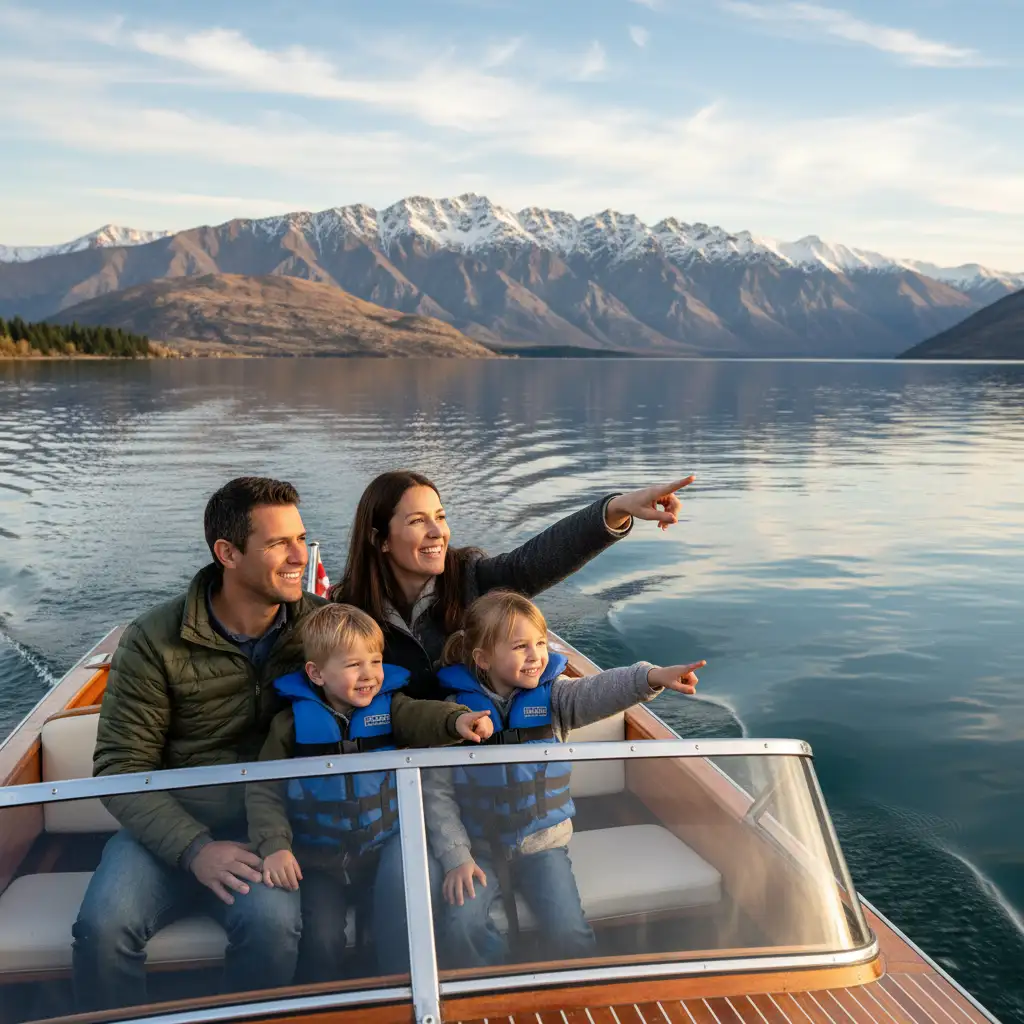
- Days 7-8: Taupo – Visit Huka Falls, take a scenic boat cruise on Lake Taupo, and try trout fishing (guided options available).
- Days 9-11: Christchurch & Akaroa – Explore Christchurch’s Botanic Gardens, take the gondola, and enjoy the wildlife cruise in Akaroa to see Hector’s dolphins.
- Days 12-14: Queenstown – Enjoy the Skyline Gondola and Luge, take a TSS Earnslaw lake cruise to Walter Peak High Country Farm, and perhaps a family-friendly jet boat ride.
Seasonal Travel Guides for Experiential Journeys
New Zealand’s distinct seasons offer different experiential opportunities and influence travel conditions. Understanding these variations is key to planning an itinerary that aligns with your preferred activities and interests.
What can I expect traveling in Summer (December-February)?
Summer (December-February) is New Zealand’s peak travel season, characterized by long, warm, sunny days. This is ideal for beach activities, hiking (including multi-day Great Walks), watersports, and exploring national parks. Expect vibrant outdoor festivals and events. However, popularity means higher prices for accommodation and activities, and essential bookings well in advance. Key experiences include kayaking Abel Tasman, swimming with dolphins in the Bay of Islands, and enjoying the lively atmosphere of Queenstown.
What are the benefits of traveling in Autumn (March-May)?
Autumn (March-May) offers a more serene travel experience with fewer crowds and often pleasant, settled weather. The landscapes transform with stunning fall foliage, particularly in regions like Central Otago and Hawke’s Bay, making it perfect for scenic drives, wine tasting, and photography. Temperatures are cooler but still comfortable for hiking and cycling. This season is excellent for foodies, as harvest festivals are common. It’s a sweet spot for those seeking quality experiences without the summer rush.
Is New Zealand good for winter travel (June-August)?
Winter (June-August) transforms parts of New Zealand into a winter wonderland, particularly the South Island. This is prime season for skiing and snowboarding in Queenstown, Wanaka, and Canterbury. The Southern Alps are snow-capped and majestic, making it ideal for scenic flights over Milford Sound or enjoying cozy fireside retreats. While some hiking tracks may be inaccessible due to snow, unique winter experiences like hot pools, stargazing in Dark Sky Reserves, and exploring festive towns are abundant. Accommodation prices might be lower outside of ski resorts, offering a different kind of experiential value.
What to see during Spring in New Zealand (September-November)?
Spring (September-November) is a season of renewal, with blossoming flowers, newborn lambs, and awakening landscapes. The weather can be variable, but generally offers mild temperatures. It’s an excellent time for white-water rafting as rivers swell with snowmelt, and for exploring gardens and nature reserves. Hiking trails begin to open up fully, though alpine areas may still have snow. Fewer crowds than summer mean more intimate experiences. Watch for vibrant lupin fields in the Mackenzie Region or enjoy whale watching as migratory patterns continue. This is a great shoulder season for a balance of good weather and fewer tourists.

Booking & Practical Tips for Your Experiential Trip
Executing a well-planned experiential itinerary requires attention to logistical details. These practical tips will help ensure your New Zealand adventure runs smoothly and remains stress-free.
How do I book accommodations and activities in New Zealand?
Booking in advance is crucial, especially during peak seasons (summer, school holidays, major events) and for popular activities or accommodations. Online travel agencies (OTAs), direct booking on company websites, and local tourism information centers (i-SITEs) are your primary resources.
- Accommodation: Websites like Booking.com, Airbnb, and Expedia offer a wide range. For unique experiential stays, consider boutique lodges, farm stays, or eco-retreats often found on specialized platforms or direct sites.
- Activities: Book popular tours (e.g., Milford Sound cruises, Hobbiton, bungy jumping) several weeks or even months ahead. Many operators offer online booking. Local i-SITE visitor centers can also assist with last-minute bookings and provide invaluable local insights.
- Flexibility: While booking ahead is wise, consider having some flexibility in your itinerary, particularly if you’re traveling during shoulder seasons, to allow for spontaneous discoveries or weather-dependent activity changes.
Transportation in New Zealand: What are my options?
New Zealand offers various transportation methods, each impacting your experiential journey differently.
- Rental Car/Campervan: This is by far the most popular and recommended option for experiential travel, offering ultimate flexibility to explore off-the-beaten-path destinations. Roads are well-maintained, but be prepared for winding mountain passes and left-hand driving. A campervan combines accommodation and transport, ideal for budget-conscious or freedom-seeking travelers.
- Buses: Intercity and regional bus services (e.g., InterCity, Nakedbus, Stray, Kiwi Experience) connect major towns and tourist destinations. They are a good option for solo travelers or those on a budget, though less flexible.
- Flights: For covering long distances quickly, domestic flights between major cities (e.g., Auckland, Wellington, Christchurch, Queenstown) are efficient. Consider this if time is limited for cross-island travel.
- Ferries: The Interislander and Bluebridge ferries connect the North and South Islands across the Cook Strait (Wellington to Picton). This is a scenic journey and essential if you’re traveling with a vehicle.
Packing Essentials for Your NZ Trip
New Zealand’s weather can be notoriously changeable, sometimes experiencing ‘four seasons in one day.’ Layering is key.
- Clothing: Pack quick-drying layers, including thermals, fleece, waterproof and windproof jacket/trousers. Even in summer, a warm layer is essential. For winter, add serious cold-weather gear.
- Footwear: Sturdy, comfortable walking shoes or hiking boots are a must. Sandals or flip-flops for casual wear.
- Sun Protection: The UV index in New Zealand is high. Bring a wide-brimmed hat, sunglasses, and high-SPF sunscreen.
- Gear: Reusable water bottle, day pack, insect repellent (especially for sandflies on the West Coast), camera, and power adapters (Type I plug).
- Swimwear: Even if not beach-focused, many geothermal pools or hot springs offer inviting dips.
Visa & Entry Requirements
Most visitors will need a valid passport and an NZeTA (New Zealand Electronic Travel Authority) before arriving, unless they hold an Australian passport or are a New Zealand citizen. The NZeTA is required for visa-waiver travelers and cruise ship passengers. Check the official New Zealand Immigration website for the most up-to-date information specific to your nationality.
Budgeting for Your New Zealand Adventure
New Zealand can be an expensive destination, but costs vary widely depending on your travel style.
- Accommodation: Hostels/campervans (budget), motels/B&Bs (mid-range), luxury lodges (high-end).
- Food: Self-catering (budget-friendly in campervans/apartments), casual dining/cafes (mid-range), fine dining (high-end).
- Activities: Many outdoor activities like hiking are free, while adventure sports, guided tours, and national park passes can add up quickly. Factor these into your daily budget.
- Transportation: Fuel costs, rental car insurance, and domestic flights can be significant.
- Rough Estimates (per person, per day, excluding international flights):
- Budget: NZD 80-150 (hostels, self-catering, free activities, bus transport)
- Mid-Range: NZD 150-300 (motels, mix of self-catering/casual dining, rental car, some paid activities)
- Luxury: NZD 300+ (boutique hotels, fine dining, premium activities, private transfers)
Thorough planning and booking in advance can help manage costs. Look for package deals, consider a smaller vehicle for fuel efficiency, and prioritize a few ‘splurge’ activities over many smaller ones.
People Also Ask
What is the best way to travel around New Zealand for an immersive experience?
The best way to travel around New Zealand for an immersive experience is generally by renting a car or campervan. This provides the flexibility to explore off-the-beaten-path locations, stop spontaneously, and tailor your pace to your interests. For deeper cultural immersion, consider incorporating local guides or staying at a Māori-owned accommodation.
How can I include Māori cultural experiences in my New Zealand itinerary?
To include Māori cultural experiences, focus on regions like Rotorua, known as the heartland of Māori culture, where you can attend hāngī dinners, cultural performances, and visit living Māori villages. Engage with local iwi (tribes) through guided tours, learn about the land and traditions, and visit significant historical sites like the Waitangi Treaty Grounds.
What are the must-do adventure activities for an experiential trip to New Zealand?
Must-do adventure activities in New Zealand include bungy jumping in Queenstown, white-water rafting on the Kaituna River, heli-hiking on a glacier (Franz Josef or Fox), skydiving over Lake Taupo or Queenstown, and hiking a Great Walk like the Tongariro Alpine Crossing or Routeburn Track. These activities offer unparalleled adrenaline and scenic beauty.
Is New Zealand suitable for a luxury experiential vacation?
Yes, New Zealand is exceptionally suitable for luxury experiential vacations. The country boasts world-class boutique lodges, exclusive private tours (e.g., helicopter flights to remote fiords, private yacht charters), bespoke culinary experiences, and high-end wellness retreats, all set against breathtaking natural backdrops. Many luxury operators can tailor every detail to your preferences.
How far in advance should I plan and book my New Zealand experiential itinerary?
It’s highly recommended to plan and book your New Zealand experiential itinerary at least 6-12 months in advance, especially if you’re traveling during peak season (December-February) or if your trip includes popular activities, multi-day hikes, or specific unique accommodations. This ensures availability and often secures better prices.
What are some unique wildlife experiences in New Zealand?
Unique wildlife experiences include whale watching and swimming with dolphins in Kaikoura, spotting rare yellow-eyed penguins and fur seals on the Otago Peninsula, observing glowworms in the Waitomo Caves, and encountering kiwis (the bird!) in wildlife sanctuaries. Conservation efforts mean many experiences are guided and respectful of the animals’ natural habitats.