
Lesser known Vanuatu islands refer to the remote, culturally distinct archipelagos outside the main tourism hubs of Efate and Espiritu Santo. These destinations, including the Shepherd Group, Epi Island, and the Banks Islands (Gaua and Vanua Lava), offer travelers pristine eco-tourism experiences, rare wildlife encounters like dugongs, and unique cultural heritage such as the famous women’s water music.
While the bustling streets of Port Vila and the wreck dives of Santo attract the majority of international visitors, the true soul of Vanuatu lies in its outer islands. For the intrepid traveler, venturing beyond the standard itinerary reveals a world of active volcanoes, black sand beaches, and ancient traditions that have remained largely unchanged for centuries. This guide serves as the definitive resource for exploring these hidden gems.
The Shepherd Group: Volcanic Peaks and Polynesian Outliers
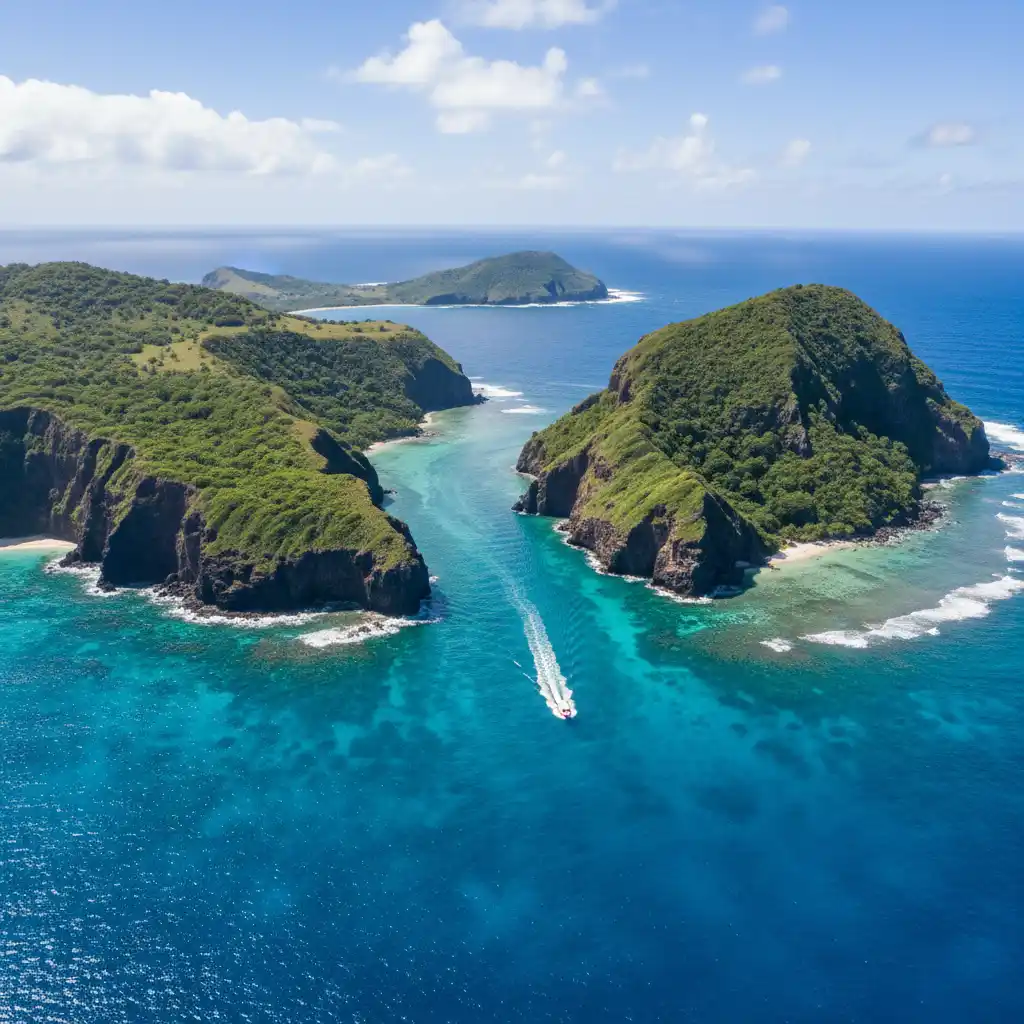
Located just north of Efate, the Shepherd Islands are often visible on a clear day from the mainland, yet they remain infrequently visited by the average tourist. Geologically, this group is fascinating; many of the islands are the shattered remnants of the massive Kuwae volcano, which erupted cataclysmically in the 15th century. This violent history has left behind a dramatic landscape of steep cliffs, rich volcanic soil, and vibrant underwater ecosystems.
Tongoa and the Kuwae Legend
Tongoa is the largest island in the Shepherd group and the cultural heart of the region. It is famous for its connection to the Kuwae eruption, a global event that affected climates as far away as Europe and China. Visitors to Tongoa can hike to the rim of the ancient caldera and witness the geothermal activity that still simmers beneath the surface. The island is also renowned for its woven mats and traditional dress, which differ slightly from the customs found on Efate.
Emae: A Polynesian Outlier
One of the most unique aspects of the Shepherd Group is the island of Emae. Unlike its Melanesian neighbors, Emae is a Polynesian outlier. The inhabitants speak a language closely related to Samoan and Tongan, and their physical features and cultural customs reflect this heritage. This linguistic and cultural pocket offers a fascinating study for anthropologists and curious travelers alike. The island boasts three main mountains—Maunga Lasi being the highest—offering hiking trails that reward trekkers with panoramic views of the entire archipelago.
Nguna and Pele: Marine Conservation
While technically just off the coast of Efate, Nguna and Pele are often grouped with the Shepherds in terms of geography and travel logistics. These islands are home to the Nguna-Pele Marine Protected Area, one of the most successful community-managed conservation projects in the Pacific. Here, the focus is on sustainability. Travelers can swim in protected reserves where fishing is banned, resulting in a density of fish and coral health that surpasses many other dive sites in the country.
Epi Island: A Sanctuary for Dugongs and Dolphins
Moving northward from the Shepherds, we encounter Epi Island. Known as the “Garden Island” due to its lush vegetation and fertile soil, Epi offers a slower, more tranquil pace of life. However, its primary claim to fame is not on land, but in the water.
Lamen Bay: The Marine Interaction Capital
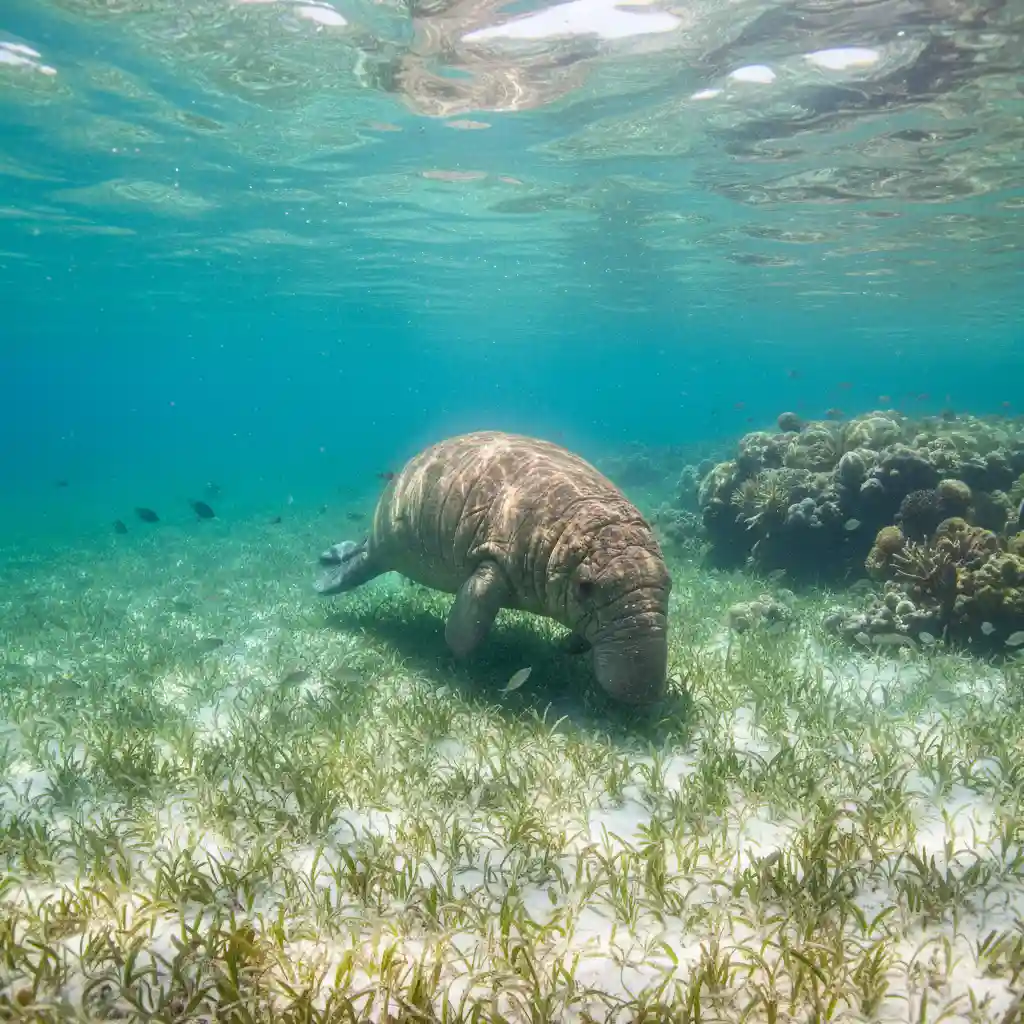
Lamen Bay, located on the northwest tip of Epi, is arguably the best place in Vanuatu—and perhaps the South Pacific—to swim with wild marine mammals in their natural habitat without the use of baiting or enclosures. The bay is home to a resident population of Green Turtles and, most notably, Dugongs (sea cows).
The dugongs of Lamen Bay have become accustomed to human presence over decades of peaceful coexistence. Snorkeling here requires patience and respect; chasing the animals is strictly forbidden. However, if you float quietly, these gentle giants often approach swimmers out of curiosity. Alongside the dugongs, the bay is frequently visited by spinner dolphins, particularly in the early morning hours.
The Contrast of Beaches
Epi presents a stunning geological contrast. The western coast is fringed with white sandy beaches and calm lagoons perfect for swimming. In contrast, the eastern coast, exposed to the trade winds and volcanic activity, features dramatic black sand beaches. This dichotomy allows travelers to experience two distinct tropical environments on a single island. The interior of Epi is crisscrossed with trails leading to hidden waterfalls and small, self-sustaining villages where electricity is rare, and tradition is paramount.
Gaua: The Home of Water Music and Volcanic Lakes
Part of the Banks Islands in the far north of Vanuatu, Gaua is a destination for the true adventurer. It is an island dominated by the active Mount Garet volcano and the massive crater lake, Lake Letas.
What is Vanuatu Water Music?
Gaua is the birthplace of Etetung, or Water Music. This is a unique musical form performed exclusively by the women of the Banks Islands. Standing waist-deep in water, the women use their hands to strike the surface in rhythmic patterns, creating a variety of sounds that mimic nature—the splash of a whale, the sound of rain, or the thunder of a waterfall. This is not merely a performance for tourists; it is a living cultural practice passed down through generations. The visuals of the women in traditional leaf dresses, splashing in perfect unison against a backdrop of jungle, is one of the most iconic images of Vanuatu culture.

Lake Letas and Siri Waterfall
Geographically, Gaua is impressive. Lake Letas is the largest freshwater lake in the Pacific Island nations (excluding Papua New Guinea). It sits in the crescent of the volcanic crater. Trekking to the lake is a demanding muddy hike through dense rainforest, usually requiring a guide. From the lake flows the Siri Waterfall, a magnificent cascade dropping 120 meters. The combination of the active volcano, the sulfur-tinged lake, and the massive waterfall creates a Jurassic-like atmosphere that feels entirely removed from the modern world.
Vanua Lava: Waterfalls and Raw Wilderness
Vanua Lava is the second-largest island in the Banks group and offers a rugged, untamed beauty. It represents the frontier of Vanuatu tourism, where infrastructure is minimal, and the experiences are raw.
The Twin Waterfalls
The Waterfall Bay area is famous for the Twin Waterfalls (Sasara). These thunderous falls cascade directly into the ocean, a rare geological phenomenon. Access is typically by boat, and the sight of fresh water plunging into the salty sea is spectacular. Visitors can swim in the pools at the base or hike up the slippery rocks to explore the upper tiers.
Mount Sere Ama and Saltwater Crocodiles
Vanua Lava is also home to Mount Sere Ama, an active volcano that can be climbed by experienced hikers. The path traverses sulfur rivers and yellow ash plains, offering a stark contrast to the surrounding green jungle. Uniquely, the rivers of Vanua Lava are among the few places in Vanuatu where saltwater crocodiles were historically found, introduced by Bishop Patterson in the 19th century, though sightings today are extremely rare and they are largely confined to specific brackish areas. The island serves as a reminder of nature’s power, with few roads and a reliance on small motorboats for transport between coastal villages.

Logistics of Remote Island Exploration
Visiting the lesser known Vanuatu islands requires more planning than a trip to Port Vila. These are not package-holiday destinations; they are expeditions.
Getting There
Air Travel: Air Vanuatu operates domestic flights to these islands, but schedules can be subject to change due to weather or maintenance. The airstrips are often grass fields. For the Banks Islands (Gaua and Vanua Lava), flights usually route through Santo (Pekoa Airport). For Epi and the Shepherds, flights depart from Port Vila.
Sea Travel: Cargo ships travel between the islands, offering a much cheaper but significantly slower and less comfortable option. This is only recommended for travelers with ample time and a high tolerance for discomfort.
Accommodation and Etiquette
Accommodation in these regions consists primarily of locally owned bungalows. Do not expect air conditioning, hot water, or reliable Wi-Fi. Instead, expect warm hospitality, home-cooked organic meals, and kerosene lamps. When visiting villages, it is crucial to dress modestly (covering shoulders and knees) and to ask for permission before taking photographs of people. Bringing small gifts (kava, rice, or school supplies) for the village chief is a respectful custom that goes a long way in establishing a connection.
People Also Ask
How do you get to the Banks Islands?
To reach the Banks Islands, you typically fly with Air Vanuatu from Port Vila to Espiritu Santo (Pekoa Airport), and then take a connecting domestic flight to either Gaua or Vanua Lava. There are also inter-island speedboats and cargo ships, though these are weather-dependent and take much longer.
What is Vanuatu Water Music?
Vanuatu Water Music, or Etetung, is a traditional musical performance originating from the Banks Islands, specifically Gaua. Women stand waist-deep in water and slap the surface with their hands to create rhythmic percussive sounds that mimic natural elements like rain, waterfalls, and animals.
Are there dugongs in Vanuatu?
Yes, Vanuatu has a significant population of dugongs. The most famous and accessible place to see them is Lamen Bay on Epi Island, where a resident population coexists with the local village. They can also be found in the Maskelyne Islands and parts of Efate.
Is Epi island worth visiting?
Absolutely. Epi Island is worth visiting for travelers seeking a blend of marine wildlife and relaxation. It offers the unique opportunity to swim with dugongs and turtles in Lamen Bay, explore diverse black and white sand beaches, and experience authentic village life without the crowds of the main islands.
What is the Shepherd Group known for?
The Shepherd Group is known for its dramatic volcanic landscapes, resulting from the massive Kuwae eruption in the 15th century. It is also famous for the Nguna-Pele Marine Protected Area, offering some of the best-preserved coral reefs and snorkeling experiences in the country.
Do you need a guide for remote Vanuatu islands?
While you can book flights and some bungalows independently, hiring a local guide is highly recommended for activities like hiking volcanoes, trekking to waterfalls (like Siri Waterfall on Gaua), or navigating village protocols. Guides ensure your safety and help bridge the cultural and linguistic gap.