
Responsible tourism in Vanuatu involves traveling with a conscious commitment to preserving the archipelago’s pristine environment, respecting the deep-rooted Kastom culture, and contributing directly to the local Ni-Vanuatu economy. It requires adhering to village protocols, minimizing plastic waste, and engaging in ethical interactions with local communities to ensure long-term sustainability.
Vanuatu is not merely a tropical getaway; it is a complex tapestry of ancient traditions, active geology, and fragile ecosystems. As one of the few places on Earth where traditional culture—known as Kastom—still dictates daily life, the archipelago requires a specific approach to travel. Visitors are guests in a home that has been carefully guarded for millennia. This guide serves as the definitive resource for navigating the islands with integrity, ensuring that your footprint remains light while your impact on the local community is positive.
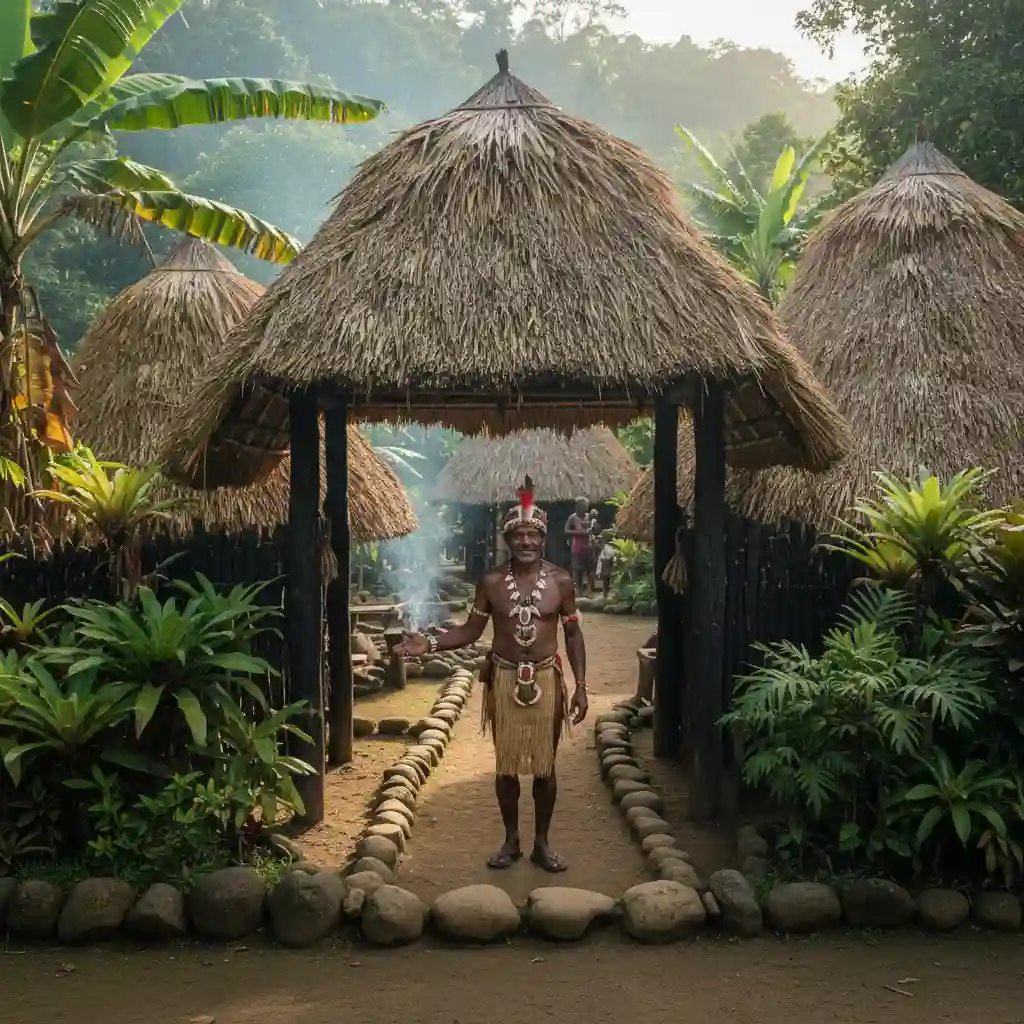
What is Cultural Sensitivity in the Context of Kastom?
To practice responsible tourism in Vanuatu, one must first understand Kastom. This Pidgin term encompasses the traditional culture, arts, religion, and social structure of the indigenous population. Unlike many tourist destinations where culture is performed for visitors, here it is lived. Kastom governs land rights, conflict resolution, and ceremonial life.
The Dress Code: Modesty Matters
While swimwear is acceptable within the confines of a resort or on a designated tourist beach, it is culturally inappropriate in villages, town centers like Port Vila or Luganville, and public spaces. The Ni-Vanuatu people are generally conservative.
- For Women: When leaving the resort, wear clothing that covers the shoulders and knees. A sarong (lavalava) is an essential travel item; it can be quickly wrapped around the waist over shorts when entering a village.
- For Men: Shirts should be worn at all times outside of the water or beach areas. Walking through a village shirtless is considered disrespectful.
Sunday Observance
Religion plays a central role in Vanuatu society, with the majority of the population being Christian. Sundays are days of rest and worship. Most shops, markets, and tours will be closed. Responsible travelers should respect this quiet time. It is not the appropriate day to enter a village uninvited or expect full tourism services. Instead, attend a local church service if you wish to experience the community spirit—the choral singing is often spectacular and visitors are warmly welcomed.
How to Minimize Environmental Impact in Vanuatu?
Vanuatu is on the front lines of climate change. Rising sea levels and extreme weather events pose existential threats to these islands. Consequently, the government and local communities have taken aggressive steps to protect their environment, including some of the world’s strictest bans on single-use plastics.
Adhering to the Plastic Ban
In 2018, Vanuatu announced a ban on single-use plastic bags, straws, and polystyrene takeaway boxes. This was later expanded to include single-use diapers and plastic cutlery. As a responsible tourist:
- Bring Reusables: Carry your own water bottle, reusable shopping bag, and metal or bamboo straw.
- Pack It In, Pack It Out: Waste management infrastructure is limited, especially on outer islands. If you bring specialized batteries, electronics, or excessive plastic packaging, take it back home with you where it can be recycled properly.
- Water Consumption: Fresh water is a precious resource on many islands. Limit shower times and reuse towels in accommodation to reduce water and energy usage.
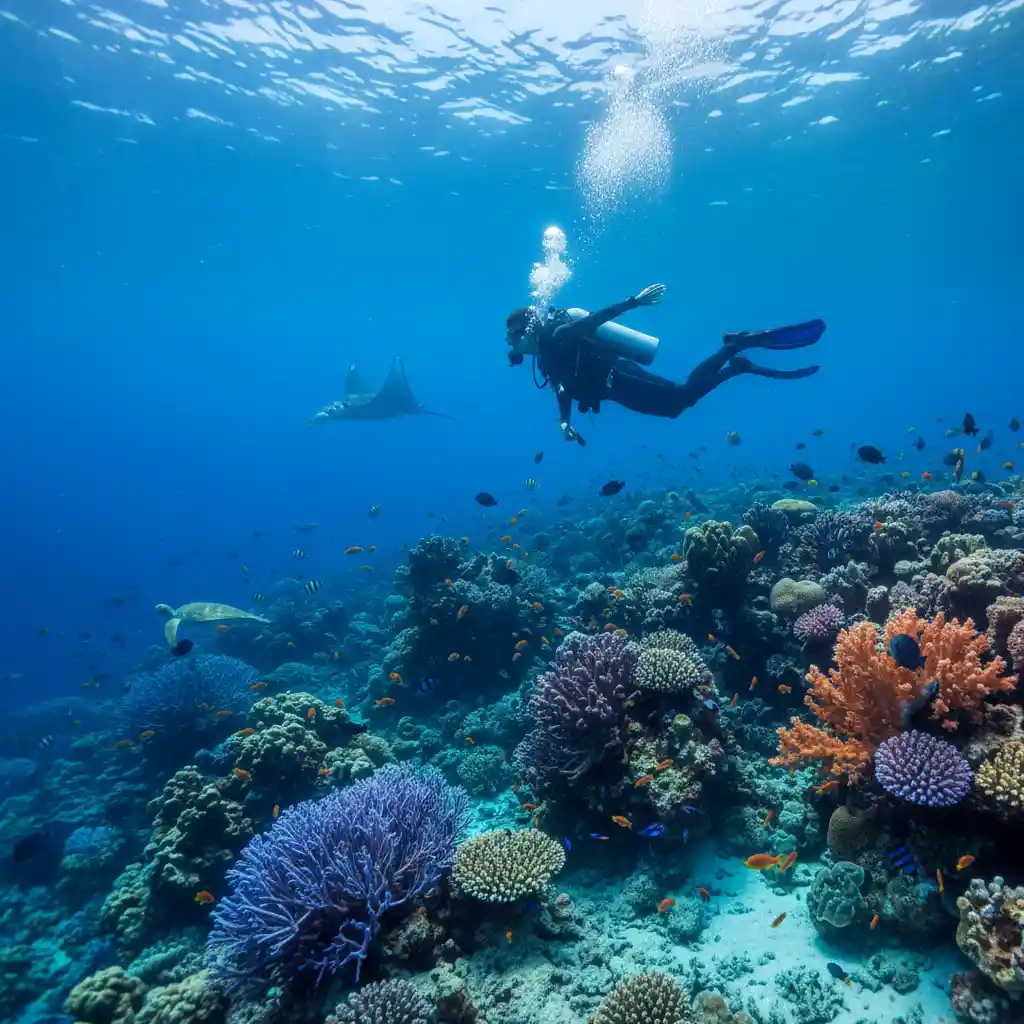
Reef Safe Practices
The coral reefs of Vanuatu are vital for food security and coastal protection. Chemical sunscreens containing oxybenzone and octinoxate are toxic to coral larvae, contributing to bleaching.
- Sun Protection: Use “Reef Safe” labeled mineral sunscreen (zinc oxide or titanium dioxide based) or, better yet, wear a rash guard (swim shirt) to minimize the need for lotion.
- No Touch Policy: Never stand on, touch, or break coral. Even a slight touch can remove the protective mucous layer of the coral polyp, leading to infection and death.
- Marine Life: Do not feed fish or turtles. Human food disrupts their digestive systems and alters natural behaviors.
How to Support Local Communities Ethically?
Economic leakage—where money spent by tourists leaves the country via foreign-owned hotels and imported goods—is a major issue in global tourism. In Vanuatu, you have the unique opportunity to put money directly into the hands of local families.
Stay in Locally Owned Bungalows
While international resorts offer luxury, staying in a locally owned island bungalow offers authenticity. These accommodations are usually built using traditional materials and methods. By staying here, your accommodation fees go directly to the family and the village, paying for school fees and healthcare.
Buy Local, Eat Local
Vanuatu’s soil is incredibly fertile, producing organic fruits, vegetables, and beef that rival the best in the world.
- Markets over Supermarkets: Purchase your produce at the “Mama’s Markets” found in Port Vila and Luganville. The money goes directly to the women who grew the crops.
- Handicrafts: Buy souvenirs from local artisans. Look for woven baskets, mats, and carvings. Ensure the wood used is sustainable (avoid rare hardwoods unless certified). Do not buy shells or coral products, as this encourages the depletion of marine life.

The Truth About Tipping
Tipping is not a part of Vanuatu’s custom (Kastom) and is generally not expected. In fact, in some traditional contexts, it can be seen as creating an unequal relationship or an unearned gift that requires reciprocity. A warm smile and a sincere “Tankyu Tumas” (Thank you very much) are the best rewards. However, if you feel compelled to give back, consider donating school supplies to a village school or contributing to a community project box often found at reception desks.
What is the Photography Etiquette in Vanuatu?
Vanuatu is undeniably photogenic, but the people are not props. Treating locals with dignity is the cornerstone of responsible tourism in Vanuatu.
The Concept of Consent
Always ask for permission before taking a photo of a person, especially children. In some remote areas, there may be superstitious beliefs regarding photography and the “capturing of the spirit.” A simple gesture of holding up your camera and asking “Ale?” (Is it okay?) usually suffices. If they decline, respect their decision immediately and with a smile.
Sacred Ceremonies and Taboo Sites
Some ceremonies are public celebrations, while others are sacred rituals forbidden to outsiders or women. For example, the Rom Dance on Ambrym or the Naghol (Land Diving) on Pentecost have specific rules.
- Listen to Guides: Your guide acts as a cultural bridge. If they say “no photos,” it is not a suggestion; it is a rule.
- Taboo Signs: Watch for Namele leaves (cycad leaves). When crossed or placed at an entrance, they signify a “Taboo” (Tabu) area. This acts as a stern “Do Not Enter” sign. Violating a Taboo is a serious offense in Custom Law and can result in heavy fines (often paid in pigs or kava) for the local community hosting you.

Navigating Village Entry Protocols
Land ownership in Vanuatu is communal. There is very little “public land” outside of the main roads. Beaches, waterfalls, and hiking trails almost certainly belong to a specific family or clan.
The Chief’s Permission
You cannot simply wander into a village. The correct protocol involves being introduced. If you are on a tour, your guide handles this. If you are independent:
- Wait at the edge of the village.
- Ask to speak to the Chief or a representative.
- Present yourself and your reason for visiting.
- Often, a small “Kastom fee” (entrance fee) is requested. This is legitimate and contributes to community maintenance. Always carry small change (Vatu coins) for this purpose.
Kava Drinking Etiquette
Kava is a sedative drink made from the root of the piper methysticum plant and is central to Vanuatu social life. While Kava bars (Nakamals) in towns are open to men and women (usually tourists), traditional Nakamals in villages may be restricted to men only. Always observe the local dynamic. When drinking Kava, it is a quiet, contemplative time. Loud voices and bright lights are frowned upon inside the Nakamal.
Final Thoughts on Responsible Travel
Responsible tourism in Vanuatu is about slowing down. It is about realizing that your schedule is secondary to the island’s rhythm. By respecting the environment, adhering to Kastom, and engaging with the Ni-Vanuatu people as equals rather than service providers, you ensure that this archipelago remains the “Happiest Place on Earth” for generations to come. Your journey here should leave the islands as beautiful as you found them, and the people glad that you came.
Is it safe to drink tap water in Vanuatu?
In Port Vila, the tap water is generally treated and considered safe for consumption, though many tourists prefer bottled or filtered water to be cautious. In rural areas and outer islands, tap water is mostly rainwater collected in tanks and should be boiled or purified before drinking to avoid waterborne illnesses.
Do you tip in Vanuatu?
Tipping is not customary in Vanuatu and is contrary to the traditional culture of Melanesian reciprocity. It is not expected at hotels or restaurants. However, excellent service can be rewarded with a warm verbal thank you, or by purchasing local goods to support the economy directly.
What is the dress code for tourists in Vanuatu?
Resort wear (swimsuits, skimpy clothing) is acceptable only within resorts. When visiting villages, markets, or town centers, modest dress is required. Women should cover shoulders and knees, and men should wear shirts. This demonstrates respect for the conservative Christian and Kastom values of the locals.
Can I take photos of the local people?
You must always ask for permission before taking photos of individuals, especially children. Some locals may believe photography captures a part of their spirit, while others simply value privacy. Always respect a refusal. Special permission is often required for cultural ceremonies.
What is a Kastom fee?
A Kastom fee is a small access charge paid to the traditional landowners for the privilege of visiting a specific site, such as a beach, waterfall, or village. Since land is communally owned, this fee supports the family or clan responsible for maintaining the area.
Is Vanuatu eco-friendly?
Vanuatu is a global leader in environmental policy, having implemented one of the world’s strictest bans on single-use plastics. The country is aggressively pursuing renewable energy goals and sustainable tourism practices to combat the effects of climate change, making it a very eco-conscious destination.