
The Torres and Banks Islands, collectively known as Torba Province, represent Vanuatu’s northernmost and most remote archipelago. These islands offer intrepid travelers a rare glimpse into untouched Pacific life, featuring the active Mount Garet volcano, the massive freshwater Lake Letas, and rich, preserved cultural traditions unlike anywhere else in Melanesia.
For those seeking the ultimate off-the-beaten-path adventure, the northern frontier of Vanuatu offers an experience defined by raw volcanic power, ancient mystique, and a way of life that has remained largely unchanged for centuries. Far removed from the resorts of Port Vila, the Torres Banks Islands Vanuatu region is a sanctuary for eco-tourists, anthropologists at heart, and anyone willing to trade comfort for authenticity.
What Defines the Torres and Banks Islands?
The Torba Province is a cluster of volcanic islands and coral atolls that form the northern border of Vanuatu. Geographically closer to the Solomon Islands than to Vanuatu’s capital, this region is a world apart. The Banks group is dominated by high volcanic islands with lush rainforests, while the Torres group consists of lower-lying limestone islands with spectacular white sand beaches.
This region is not for the faint of heart. Infrastructure is minimal, electricity is often solar-only, and transport can be unpredictable. However, the rewards are immense: swimming in thermal hot springs, witnessing the mesmerizing women’s water music (distinct to this region), and trekking through jungles that feel prehistoric.

Gaua Island & Lake Letas: The Volcanic Heart
Gaua is perhaps the most geographically dramatic island in the Banks group. It is home to a unique geological formation: a volcano within a lake, on an island. This rugged terrain makes it a premier destination for hikers and adventurers looking to conquer the elements.
What is Lake Letas?
Lake Letas is the largest freshwater lake in the Pacific Island nations (excluding Papua New Guinea). Shaped like a crescent moon, it sits in the caldera of the island’s central volcano at an altitude of approximately 418 meters. The lake is a stunning emerald expanse surrounded by dense cloud forest.
To reach Lake Letas, visitors must undertake a challenging trek. The hike usually begins from the eastern coast and involves a steady climb through coconut plantations, dense bush, and slippery volcanic soil. Guides are mandatory, not only for navigation but to negotiate with local landowners and ensure safety around the geothermal areas.
Mount Garet and Siri Waterfall
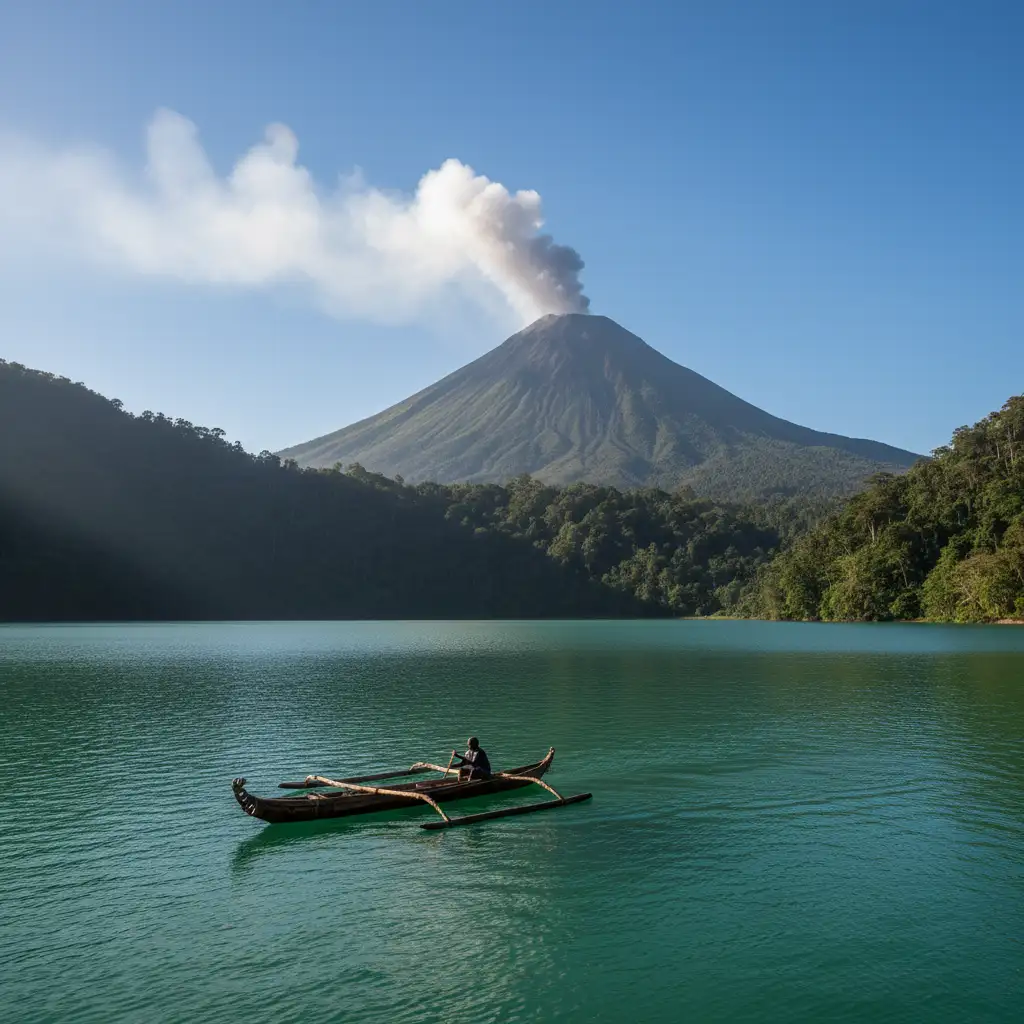
Rising from the western side of Lake Letas is Mount Garet, an active volcano that frequently emits steam and ash. Adventurous travelers can cross the lake via local outrigger canoes to hike up the slopes of Mount Garet. The terrain here is stark and otherworldly, a sharp contrast to the lush jungle below. The heat from the ground is palpable, a reminder of the tectonic forces at play.
On the eastern overflow of the lake lies Siri Waterfall. Water from the lake cascades over 120 meters down a sheer cliff face, creating a thunderous roar that can be heard from miles away. It is one of the highest waterfalls in Vanuatu and a spectacular spot for lunch after a morning trek. The mist from the falls creates a permanent microclimate of moss and ferns, adding to the Jurassic atmosphere.
Vanua Lava: The Sleeping Giant
North of Gaua lies Vanua Lava, the second-largest island in the Banks group. It is an island of extremes, featuring the towering Mount Sere’ama, saltwater crocodiles, and the administrative center of Sola.
Exploring Sola and the Twin Waterfalls
Sola serves as the provincial capital, though it feels more like a sleepy village than a town. It is the primary entry point for flights into the Banks Islands. From here, visitors can arrange excursions to the interior.
One of the main attractions on Vanua Lava is the Waterfall Bay area. Here, the famous Twin Waterfalls plummet directly into the sea (or close to it, depending on the tide). This natural wonder allows you to swim in fresh mountain water while looking out at the ocean. The journey to the falls often involves a boat ride, offering scenic views of the island’s rugged coastline.
The Legend of the Saltwater Crocodiles
Vanua Lava is the only place in Vanuatu where saltwater crocodiles are found naturally, specifically in the Selva and Pattua rivers. Local legends say the crocodiles were brought here by a bishop or early explorers, but they have thrived in the brackish mangroves. While attacks are rare, it adds an element of danger and excitement to river explorations. Guides know the safe spots and can often lead wildlife-spotting tours for those hoping to glimpse these elusive reptiles.
The Torres Group: The Northern Frontier
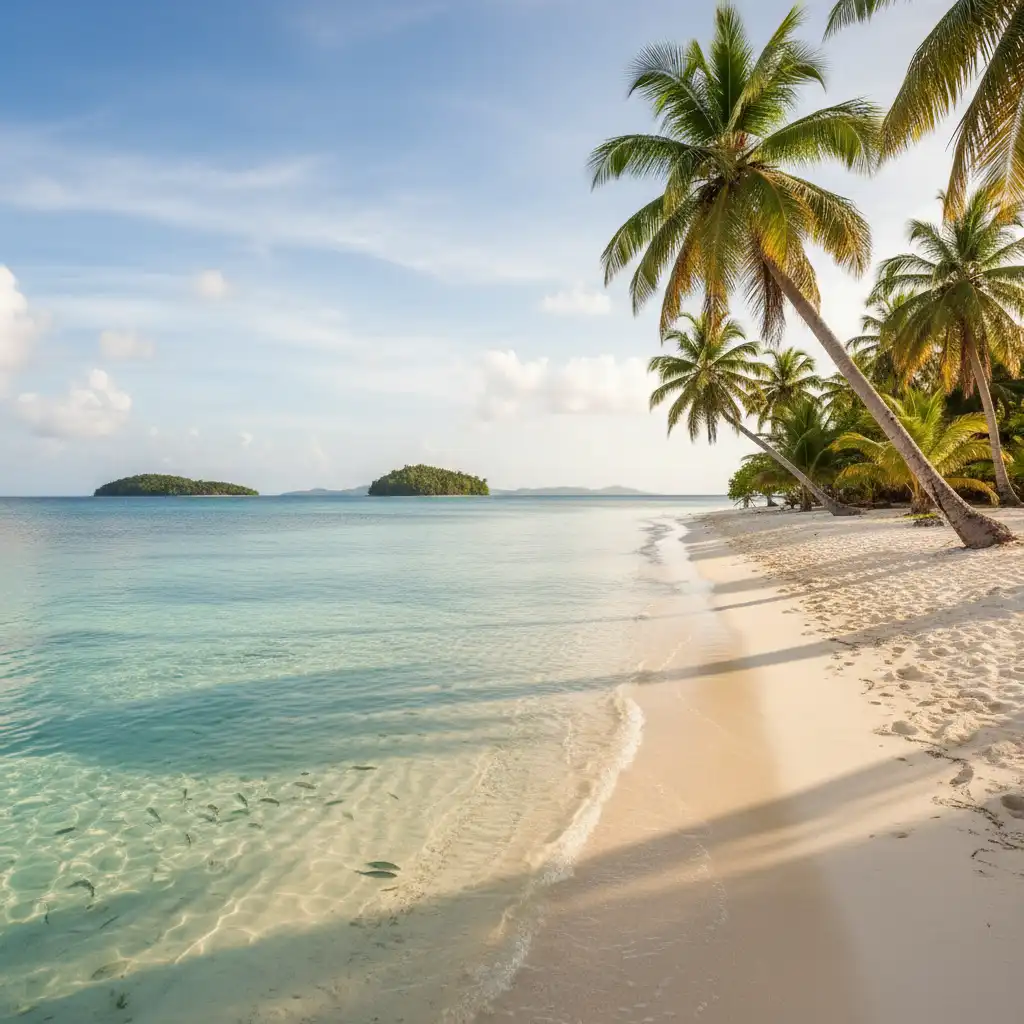
Even more remote than the Banks are the Torres Islands. This chain includes Hiw, Metoma, Tegua, Loh, and Toga. Because they are less volcanic and more coral-based, the beaches here are superior, boasting powdery white sand and crystal-clear lagoons.
Loh and Toga Islands
Loh is the hub of the Torres group, home to the small airstrip at Linua (accessible by wading across a shallow channel at low tide). The village of Lungharik is known for its hospitality. Here, the pace of life slows to a crawl. There is no internet, no noise, just the sound of the ocean and the wind in the casuarina trees.
Toga, the southernmost island of the Torres chain, is wilder and harder to reach. It is famous for its rugged cliffs and deep caves, which locals have used for shelter during cyclones for generations. The isolation here is absolute, making it a perfect destination for those wanting to disconnect completely from the modern world.
Traditional Canoeing and Authentic Customs
The Torres Banks Islands Vanuatu region is a stronghold of “Kastom” (traditional culture). Because of the distance from the capital, western influence is less pervasive here than in other parts of the archipelago.
Seafaring Heritage
The ocean is the lifeblood of the Torba people. Traditional canoeing is not just a tourist attraction; it is a daily necessity. The canoes are typically outriggers carved from breadfruit or other hardwood trees. In the past, massive war canoes facilitated trade and warfare between the islands. Today, you can witness the skill of local boatmen as they navigate the often-treacherous channels between islands using knowledge passed down through oral history.
The Snake Dance and Custom Arts
The Banks Islands are famous for their specific cultural ceremonies. The Snake Dance, performed by men painted in black and white stripes, is a hypnotic ritual meant to mimic the movements of the sea snake, a creature of great spiritual significance.
Another unique cultural asset is the production of shell money. In some parts of the Banks, red feather money and shell currency are still used for bride price and settling disputes. Visitors are often welcomed with a formal ceremony involving the drinking of Kava—but be warned, the Kava in the northern islands is known to be the strongest in Vanuatu.

Authentic Village Life: What to Expect
Visiting the Torres and Banks Islands is an exercise in cultural immersion. There are no 5-star hotels. Accommodation consists almost exclusively of simplistic island bungalows run by local families.
Accommodation Standards
Expect a thatched roof, bamboo walls, and a mattress with a mosquito net. Amenities are basic: bucket showers and long-drop toilets are common. However, the hospitality is world-class. Your hosts will cook for you, guide you, and treat you as extended family. This is sustainable tourism in its purest form, where your money goes directly to the village economy.
Dining on the Islands
Food is organic and locally sourced. You will eat what is caught or harvested that day. Staples include Laplap (a root vegetable cake cooked in earth ovens), fresh lobster, coconut crab (though consumption is regulated to protect the species), and an abundance of tropical fruits like papaya, pineapple, and nangae nuts.
Logistics: How to Get There
Travel to the Torres Banks Islands requires patience. Air Vanuatu operates flights to Sola (Vanua Lava), Gaua, and Linua (Torres) from Santo (Pekoa International Airport). Flights are small Twin Otter planes and schedules can change due to weather.
Pro Tip: Always carry extra cash (Vatu). There are no ATMs in the outer islands. You will need cash for boat transfers, custom fees for visiting sites like Lake Letas, and paying your bungalow hosts. Plan for delays; bring a good book and a flexible attitude. The remoteness is what protects this region’s charm, and the journey is part of the adventure.
People Also Ask
How do you get to the Banks Islands?
The primary way to reach the Banks Islands is via domestic flight from Espiritu Santo (Santo). Air Vanuatu flies to Sola on Vanua Lava and the airfield on Gaua. From these hubs, inter-island travel is typically done by small fiberglass banana boats.
Is it safe to visit Torba Province?
Yes, it is generally very safe. The crime rate is virtually non-existent against tourists. The main risks are environmental (tropical weather, slippery hiking trails) and medical, as healthcare facilities are basic. Comprehensive travel insurance with evacuation cover is essential.
What is the best time to visit the Torres and Banks Islands?
The best time to visit is during the dry season, from May to October. This period offers cooler temperatures and less rainfall, making hiking and boat travel safer and more comfortable. The wet season (November to April) can bring cyclones and flight cancellations.
Can you swim in Lake Letas?
Yes, you can swim in Lake Letas. However, be aware that the water can be slightly sulfurous near the volcanic vents. Always ask your local guide for the safest and most pleasant swimming spots.
What language is spoken in the Torres and Banks Islands?
While Bislama (Vanuatu pidgin) is widely spoken and understood, the region is home to several distinct vernacular languages. English is taught in schools, so most younger people and tour guides will have a good command of English.
Are there resorts in the Torres and Banks Islands?
No, there are no commercial resorts in the traditional sense. Accommodation is provided by locally owned bungalows and guesthouses. This ensures a culturally authentic experience but requires travelers to be comfortable with basic amenities.