
Vanuatu traditional chiefs are the custodians of Kastom, serving as the primary authority on land rights, dispute resolution, and community harmony across the archipelago. Operating through a hierarchy often determined by the Nimangki grade-taking system or lineage, they enforce customary laws that function alongside the modern parliamentary government to maintain social order.
In the archipelago of Vanuatu, traditional leadership is not merely a relic of the past; it is the living, breathing backbone of society. While the nation operates under a democratic parliamentary system, the influence of Vanuatu traditional chiefs permeates every village, island, and urban center. These leaders bridge the gap between ancient ancestral traditions, known locally as Kastom, and the demands of the modern world.
Understanding the role of these chiefs is essential for anyone seeking to comprehend the true socio-political landscape of this Pacific nation. From the graded societies of the north to the hereditary lines of the south, the chief is the ultimate arbiter of peace, the protector of land, and the voice of the ancestors.
The Foundation of Vanuatu Society: Kastom and Leadership
To understand the authority of Vanuatu traditional chiefs, one must first grasp the concept of Kastom. This pidgin term encompasses traditional culture, religion, art, economics, and magic. It is the holistic worldview that dictates how a Ni-Vanuatu (citizen of Vanuatu) interacts with their community and environment.
Chiefs are the vessels through which Kastom is interpreted and enforced. Unlike Western political leaders who may be elected for short terms, a chief’s authority is often lifelong and deeply spiritual. They are responsible for preserving the “mana” (spiritual power) of their people. This involves organizing ceremonies, ensuring the fertility of the land through ritual taboos, and maintaining social cohesion.
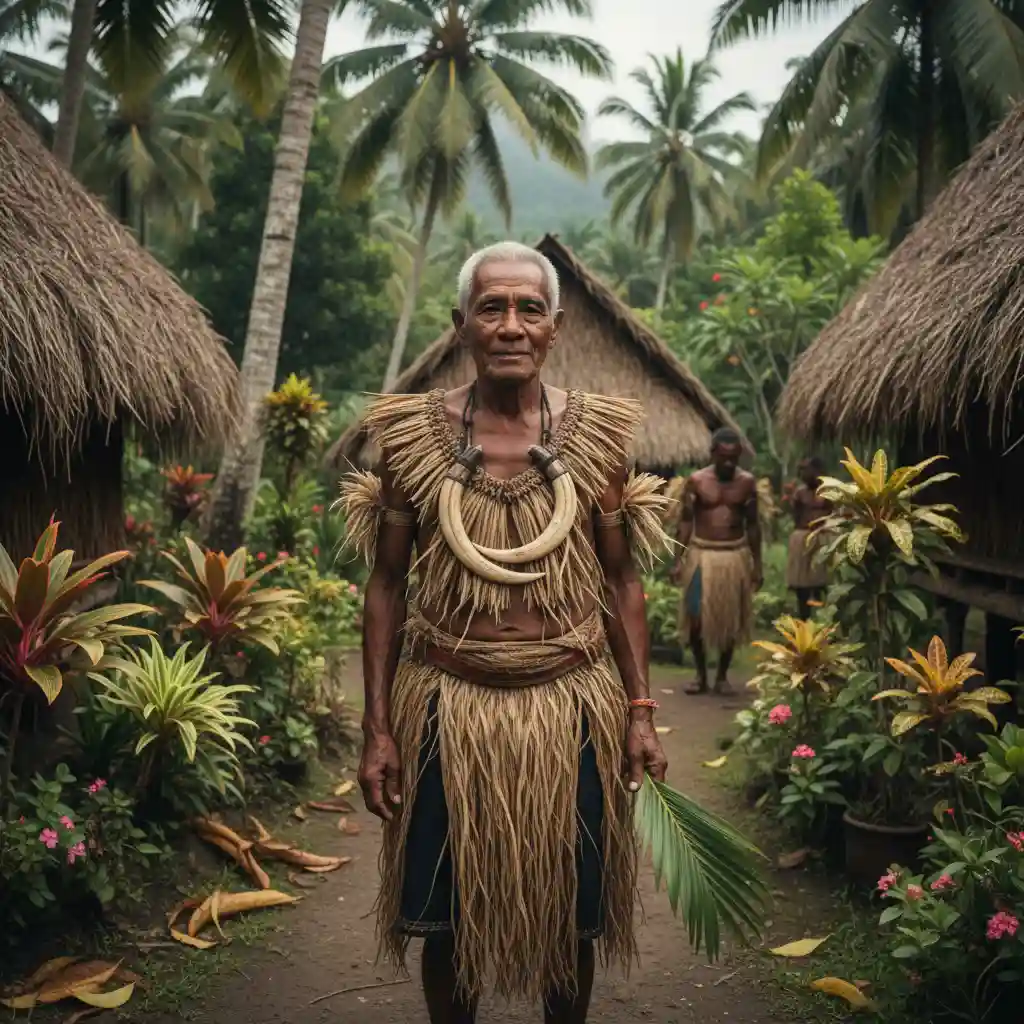
The respect commanded by a chief is absolute in many rural areas. When a chief speaks in the Nakamal (the traditional meeting house), the community listens. Their power is not derived from a written constitution but from centuries of oral history and the tangible exchange of wealth, primarily in the form of pigs, mats, and kava.
Understanding the Hierarchy of Chiefs
The structure of leadership in Vanuatu is not monolithic. It varies significantly from island to island, showcasing a rich diversity of political systems. Generally, these systems fall into two main categories: the merit-based societies of the north and the hereditary systems of the south.
The Nimangki System: Earning Rank Through Merit
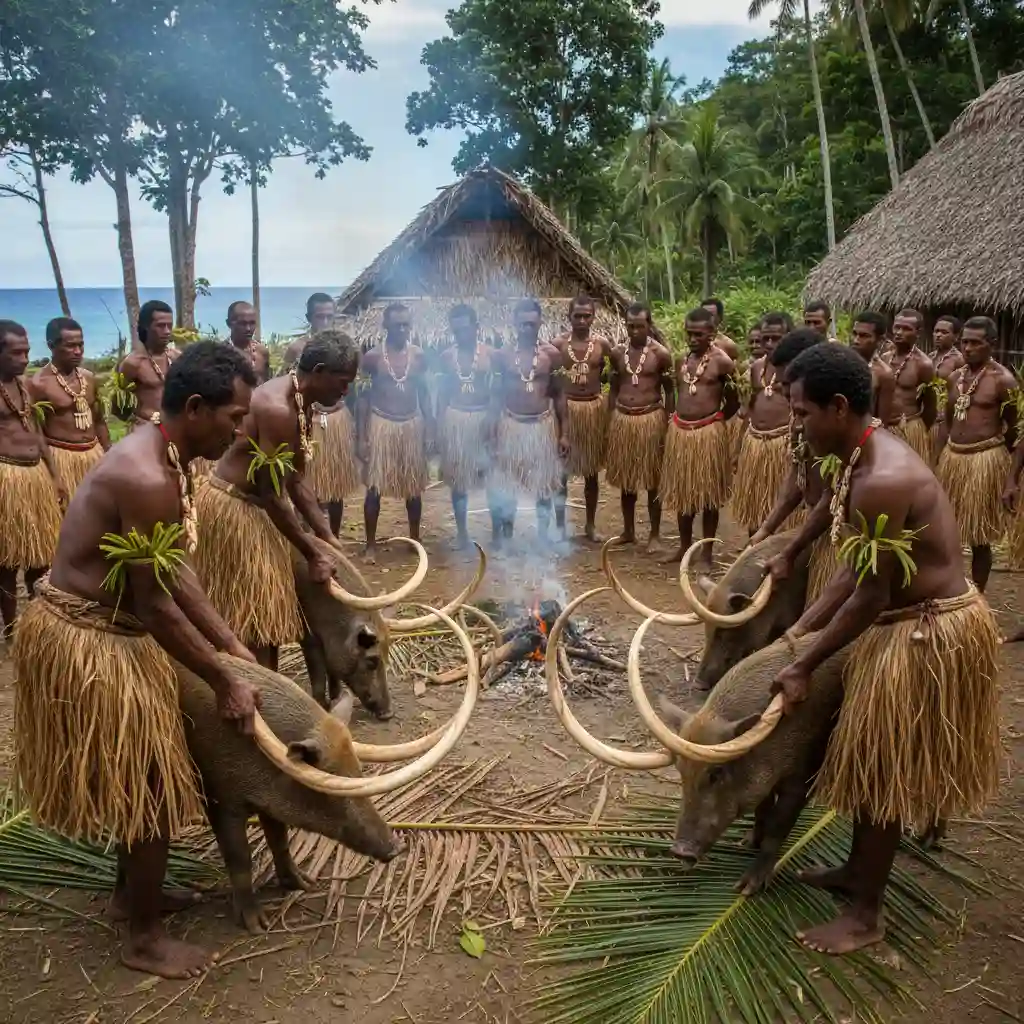
In the northern islands, particularly Malekula and Ambrym, leadership is often achieved through a graded society known as the Nimangki (or similar variations like the Sukwe). This is a status-alteration system where men ascend through ranks by purchasing titles.
This “purchase” is not a simple commercial transaction but a complex ritual involving the sacrifice of pigs, particularly those with curved tusks. The curvature of the tusk represents value; a tusk that curves around to re-enter the jaw is of the highest worth. To become a high-ranking chief, a man must demonstrate immense wealth, organizational skill, and ritual knowledge. He must feast the community and pay the existing chiefs for the right to ascend.
This system ensures that chiefs are not just born into power but have proven their capability to mobilize resources and maintain social networks. A high-ranking chief in the Nimangki system is a self-made leader who has demonstrated economic and spiritual prowess.
Hereditary Leadership Styles in the South
In contrast, the southern islands, such as Tanna and Aneityum, lean more towards hereditary leadership titles. Here, the title of chief is often passed down through specific lineages, usually from father to son (patrilineal), though matrilineal influences exist in central areas.
However, even in hereditary systems, the chief must prove his worthiness. A designated heir who shows poor judgment or a lack of knowledge regarding custom may be bypassed in favor of a more capable relative. The title belongs to the clan or family line, and the individual is merely the holder of that title for his lifetime.
Customary Law: The Unwritten Constitution
Vanuatu traditional chiefs operate under customary law, a legal system that predates European contact. While the official state courts handle serious crimes like murder, customary law handles the vast majority of civil disputes, land issues, and minor criminal offenses in rural areas.
The Role of Taboos (Tabu) in Resource Management
One of the most visible applications of customary law is the use of the Tabu (taboo). A chief has the power to place a tabu on a specific area of land or sea. This might be done to allow fish stocks to regenerate, to protect a sacred site, or to prepare for a future feast.
When a chief places a namele leaf (a symbol of peace and authority) on a reef or a garden, it is a legally binding prohibition under custom. Violating a tabu is a severe offense, punishable by fines in pigs, kava, or cash. This traditional practice is increasingly recognized by modern conservationists as an effective method of sustainable resource management.
Land Tenure and Custodianship
Land in Vanuatu is inalienable; it belongs to the indigenous custom owners and cannot be sold freehold, only leased. Vanuatu traditional chiefs play a critical role in determining land boundaries and ownership lineage. Because land ownership is based on oral history rather than title deeds, the chief’s knowledge of genealogy and historical boundaries is the final word in land disputes.
Dispute Resolution and Restorative Justice
The Western legal system focuses on guilt and punishment. The Vanuatu customary system focuses on the restoration of harmony. When a dispute arises—whether it is theft, adultery, or a land argument—the goal of the chief is not necessarily to punish the offender but to repair the fractured relationship between the families involved.
The Nakamal: A Sacred Space for Dialogue
Dispute resolution takes place in the Nakamal. This is a physical structure, often a large open-air building, but it also represents the institution of governance. In the Nakamal, all men are equal under the chief’s moderation. The process involves long discussions where all parties are allowed to speak until a consensus is reached.

Kava, a mild narcotic drink made from the root of the piper methysticum plant, plays a central role here. It is drunk to calm tempers and open the channel to the ancestors. The atmosphere in a Nakamal is one of hushed reverence; raised voices are rare.
Rituals of Atonement and Exchange
Once a judgment is made, the offender must make restitution. This is almost always a form of compensation paid to the victim’s family. Items of traditional wealth—pigs, woven mats, shell money, and kava—are exchanged. The acceptance of these items signifies that the matter is closed. Unlike a prison sentence, which removes a man from his community, this system keeps him within the social fabric, ensuring he contributes to the restitution of the victim.
The Malvatumauri: Impact on Modern Governance
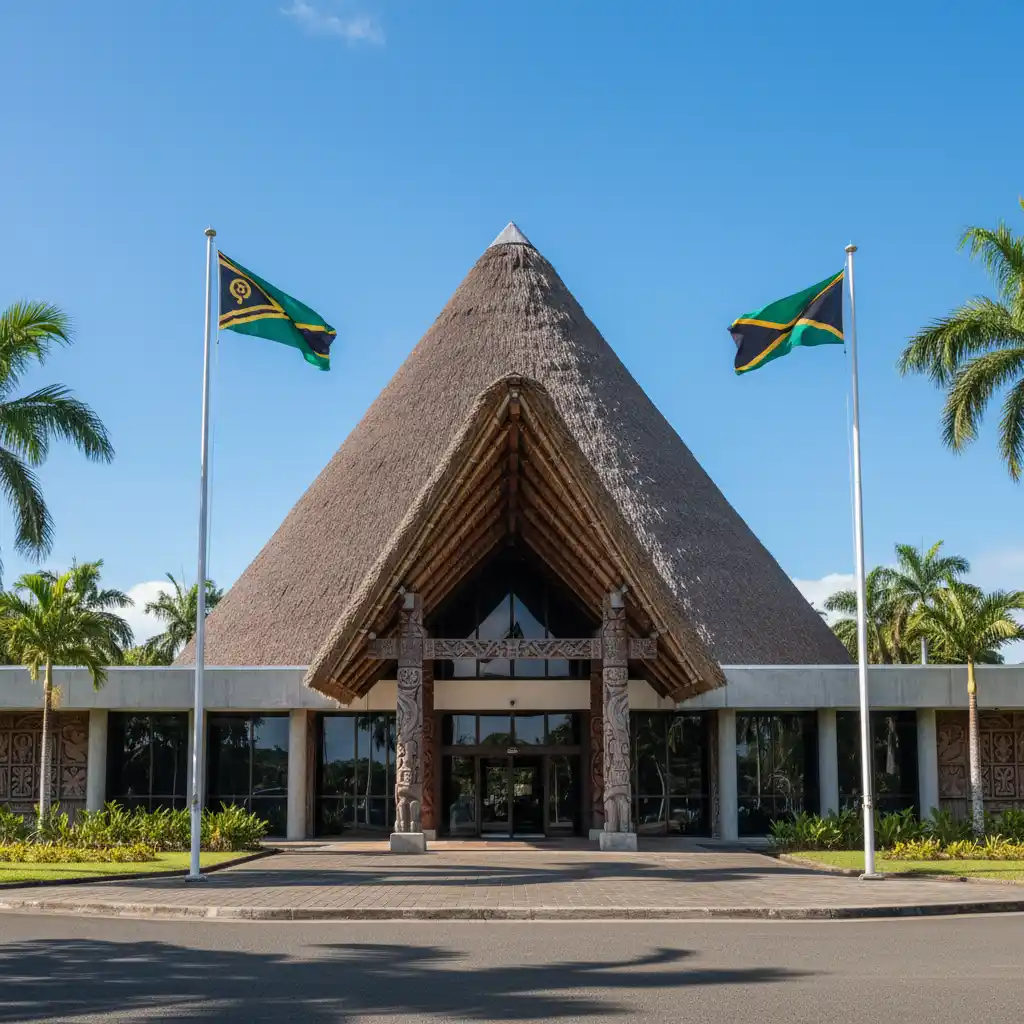
Vanuatu is unique in that it formally integrates traditional leadership into its modern political structure. The Malvatumauri Council of Chiefs is a constitutional body composed of custom chiefs elected by their peers from district councils throughout the islands.
Constitutional Recognition and Powers
Established under the Constitution of Vanuatu, the Malvatumauri has a mandate to advise the Parliament and the Government on all matters relating to Vanuatu custom and languages. While they do not have legislative power to pass laws, their advisory role is powerful. Parliament is required to consult the Malvatumauri before making any changes to land laws.
This integration is a safeguard against the erosion of culture. It ensures that as Vanuatu modernizes, it does not lose its identity. The President of the Malvatumauri is a figure of high national standing, often accorded similar protocol respect to the Head of State.
Navigating the Dual Legal System
The existence of two legal systems—state law and customary law—can lead to friction. For example, a chief might resolve a case of assault through compensation, considering the matter closed. However, the state police might still pursue criminal charges. Navigating this duality is one of the primary functions of the Malvatumauri, who work to harmonize traditional values with human rights and modern legal standards.
Challenges and the Future of Traditional Leadership
Despite their entrenched status, Vanuatu traditional chiefs face modern challenges. Urbanization represents a significant threat; as young people move to Port Vila or Luganville, they become disconnected from the village structures that give chiefs their authority. In urban settlements, chiefs from different islands must cooperate to manage diverse communities, leading to the formation of “Town Chiefs.”
Furthermore, the monetization of the economy challenges the traditional wealth systems. Young men with money from seasonal work in Australia or New Zealand can sometimes bypass the traditional steps of the Nimangki, disrupting the established hierarchy. However, the resilience of the system is evident. Chiefs continue to adapt, ensuring that Kastom remains the bedrock of Vanuatu’s identity.
In conclusion, Vanuatu traditional chiefs are more than ceremonial figureheads. They are the judicial, spiritual, and administrative leaders of their communities. Their ability to maintain peace through restorative justice and manage resources through customary taboos offers valuable lessons for the modern world. As Vanuatu moves forward, the chiefs stand as the guardians of the past, guiding the nation into the future.
People Also Ask
What is the role of a chief in Vanuatu?
A chief in Vanuatu acts as the head of the community, responsible for preserving custom (Kastom), resolving disputes, allocating land, and maintaining social order. They are the bridge between the spiritual and physical worlds and serve as the primary authority in village life.
How do you become a chief in Vanuatu?
Becoming a chief depends on the island. In northern islands, men earn the title through the Nimangki system by purchasing ranks with pigs and traditional wealth. In southern islands, chieftainship is typically hereditary, passed down through bloodlines, though merit and capability still play a role.
What is the Malvatumauri Council of Chiefs?
The Malvatumauri is a constitutional body in Vanuatu composed of elected custom chiefs. They advise the government and parliament on all matters concerning traditional customs, culture, and land tenure, ensuring that modern laws respect indigenous traditions.
What is the Nakamal in Vanuatu culture?
The Nakamal is the traditional meeting place or men’s house where chiefs and community members gather. It is a sacred space used for governance, dispute resolution, and the drinking of kava. It serves as the political and social hub of the village.
What is the significance of pig tusks in Vanuatu?
Curved pig tusks are a primary symbol of wealth and status in Vanuatu. They are used in the Nimangki grade-taking ceremonies to purchase rank. The tusk is so culturally significant that it appears on the Vanuatu national flag, representing prosperity and peace.
Does Vanuatu have a king?
No, Vanuatu does not have a single king. It is a republic with a parliamentary democracy. However, it has hundreds of traditional chiefs who hold authority within their own tribes, villages, and islands, operating alongside the central government.