
Vanuatu eco resorts are environmentally conscious accommodation options that prioritise sustainability, local community engagement, and the preservation of Vanuatu’s pristine natural and cultural heritage. They offer travellers from New Zealand and beyond the chance to experience the archipelago’s beauty responsibly, often featuring off-grid living, traditional architecture, and a strong commitment to ecological practices.
As global awareness of environmental impact grows, the desire for responsible travel experiences has never been stronger. Vanuatu, an archipelago nation celebrated for its untouched beauty, vibrant culture, and welcoming people, stands out as a prime destination for eco-conscious travellers, particularly those from New Zealand seeking ethical and immersive holidays. The rise of Vanuatu eco resorts and sustainable stays offers a unique opportunity to explore this Pacific paradise while actively contributing to its preservation and the well-being of its communities. This comprehensive guide will delve into what makes these accommodations special, highlighting the unique off-grid experiences, the power of community-based tourism, and the vital eco-friendly practices that define a truly sustainable Vanuatu adventure.
What Defines a Vanuatu Eco Resort?
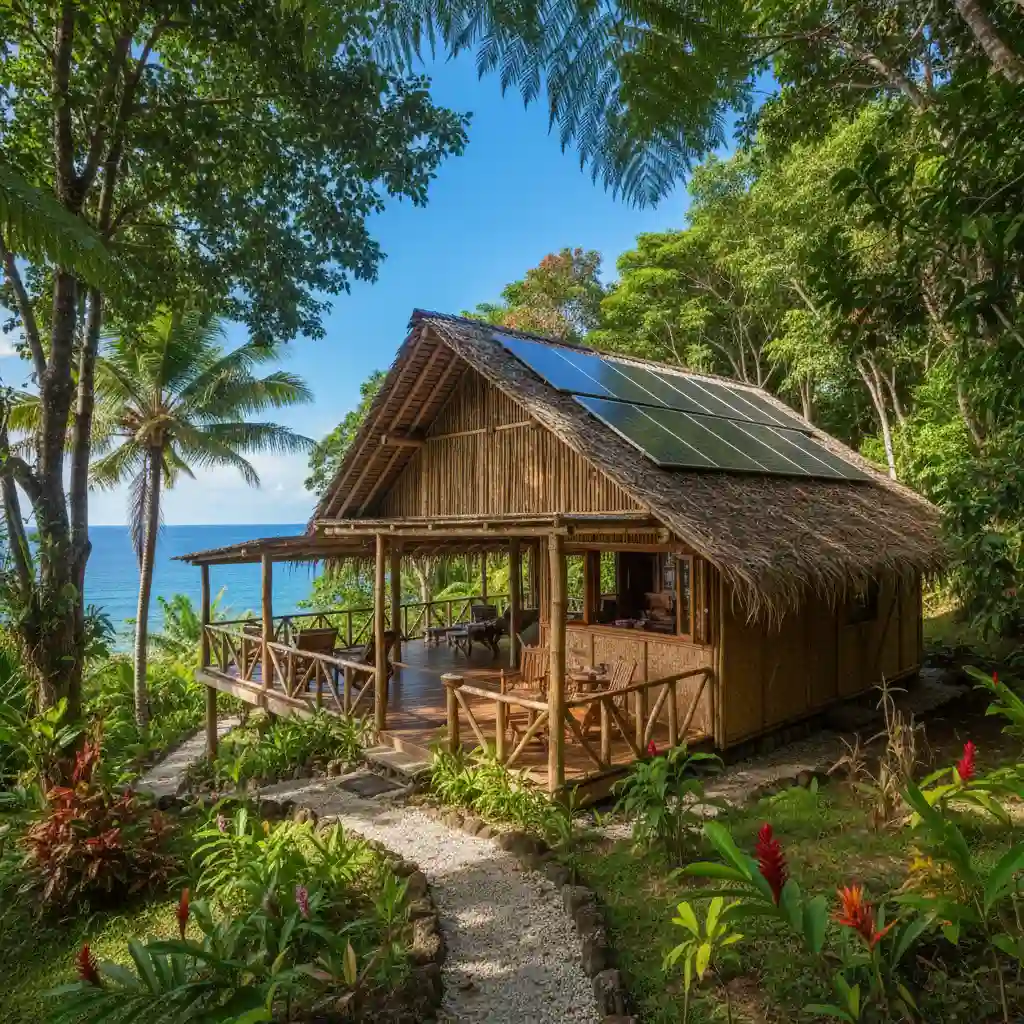
A true Vanuatu eco resort transcends mere aesthetics; it embodies a philosophy of minimal environmental footprint and maximum positive social impact. These establishments are meticulously designed to blend seamlessly with their natural surroundings, often utilising traditional building techniques and locally sourced materials. They are committed to reducing their consumption of resources, managing waste effectively, and supporting the local economy in meaningful ways. For travellers, this translates into an authentic and enriching experience that prioritises connection with nature and culture over excessive luxury.
Core Pillars of Sustainability
The foundation of any reputable eco resort in Vanuatu rests upon several key principles. Firstly, environmental stewardship is paramount. This includes rigorous waste reduction programmes, often involving composting organic waste and sophisticated recycling systems. Energy efficiency is another critical component, with many resorts relying on solar power, wind energy, or other renewable sources, and implementing design choices that minimise the need for artificial heating or cooling. Water conservation is also a major focus, utilising rainwater harvesting, greywater recycling, and efficient plumbing fixtures.
Beyond environmental concerns, social and economic sustainability are equally vital. Ethical employment practices, fair wages, and opportunities for local staff development are standard. Many eco resorts actively engage with neighbouring communities, purchasing produce from local farmers, hiring local guides, and supporting local artisans. This symbiotic relationship ensures that tourism benefits the broader community, fostering a sense of ownership and pride in the sustainable tourism model.
Beyond Greenwashing: True Eco-Credentials
Distinguishing genuine Vanuatu sustainable stays from those merely employing ‘greenwashing’ tactics requires a closer look at their operational practices and transparency. Legitimate eco resorts will often possess certifications from recognised international or regional eco-tourism bodies, or they will openly publish their sustainability reports and initiatives. They are not just about having a few solar panels; they integrate sustainability into every aspect of their operation, from procurement to guest education. For the discerning New Zealand traveller, researching these credentials provides assurance that their holiday choice truly aligns with their values. Look for evidence of long-term commitment, community partnerships, and measurable environmental targets rather than just vague claims of ‘being green’.
Embracing Off-Grid Experiences in Vanuatu
For many, the allure of Vanuatu eco resorts lies in the opportunity to disconnect from the modern world and truly embrace an off-grid experience. These retreats are often situated in remote, pristine locations where reliance on centralised utilities is minimal, if not non-existent. This offers a profound sense of peace and a chance to reconnect with oneself and nature, far from the constant demands of digital life. It’s an opportunity to live simply, powered by the sun, drawing water from the rain, and eating produce grown just steps away.
The Appeal of Digital Detox
In an increasingly connected world, the concept of a ‘digital detox’ has gained significant traction. Vanuatu eco-lodges are ideal for this, intentionally providing limited or no Wi-Fi and phone signal. This encourages guests to put away their devices and immerse themselves fully in their surroundings. The benefits are numerous: increased mindfulness, deeper conversations, a heightened appreciation for the natural environment, and a profound sense of relaxation. Instead of scrolling, guests might find themselves reading a book under a palm tree, snorkelling in crystal-clear waters, or engaging with local villagers.
Real-World Examples of Off-Grid Living
Many Vanuatu eco resorts exemplify off-grid living through innovative and sustainable practices. For instance, some may harvest rainwater for all their needs, filter it for drinking, and use composting toilets to minimise water waste and return nutrients to the earth. Electricity often comes entirely from solar arrays, sometimes supplemented by micro-hydro systems, ensuring that even lighting and essential appliances have a renewable power source. Food often comes from on-site organic gardens or local farms, reducing food miles and supporting local agriculture. These practices not only minimise environmental impact but also educate guests on sustainable living, often inspiring changes in their own lives back home.
The Heart of Vanuatu: Community-Based Tourism
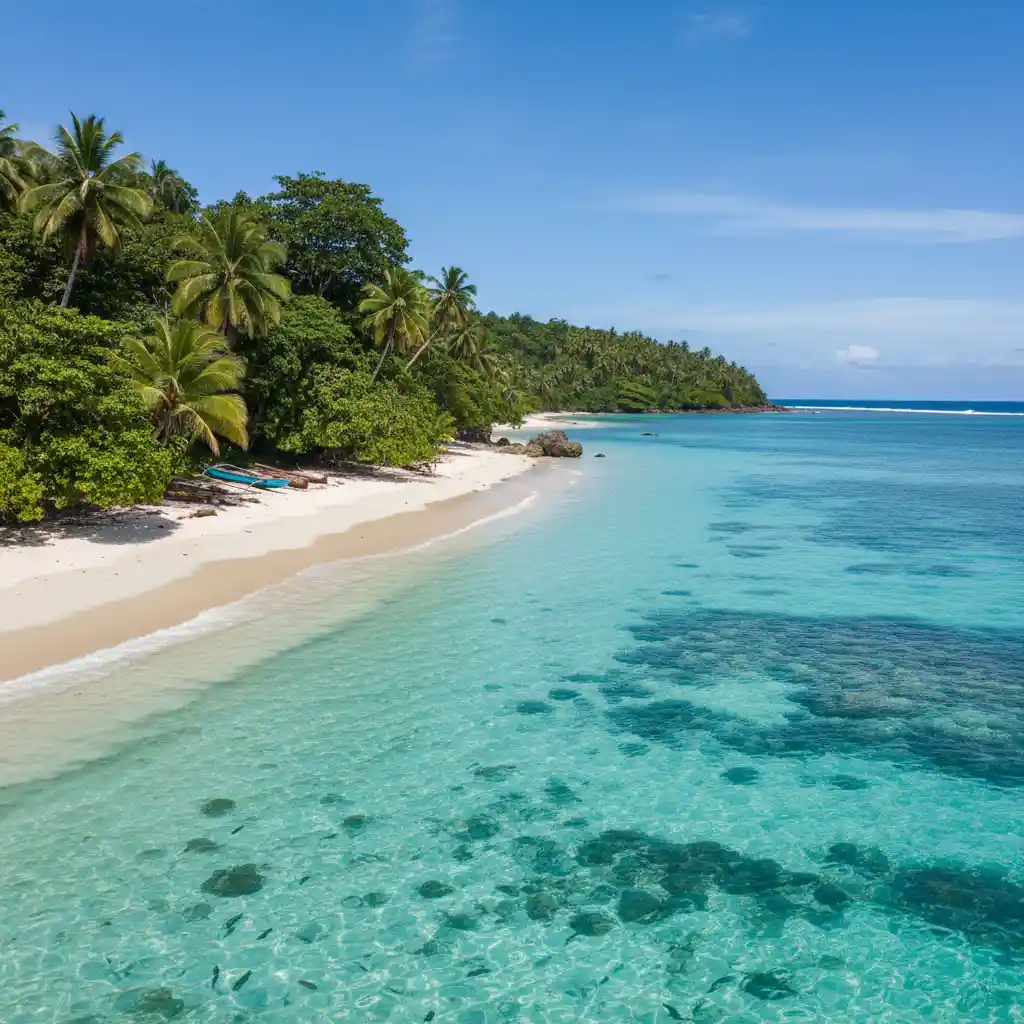
One of the most enriching aspects of choosing Vanuatu eco resorts is the opportunity to engage with authentic community-based tourism. Unlike conventional tourism, which can sometimes bypass local populations, community-based tourism directly involves local people in planning and managing tourism activities, ensuring that the economic, social, and cultural benefits remain within the community. This approach fosters genuine cultural exchange and provides visitors with unique insights into Vanuatu’s rich traditions and daily life.
Direct Impact on Local Livelihoods
When you stay at a sustainable lodge or participate in a community-run tour, your tourism dollars directly support local families and villages. This can take many forms: purchasing handmade crafts from local artisans, dining at village-run eateries, hiring local guides for hikes or cultural tours, or simply buying fresh produce from market vendors. This direct financial injection helps improve livelihoods, provides educational opportunities for children, and supports essential community services. For New Zealand travellers, this means their holiday contributes positively and tangibly to the well-being of their Pacific neighbours.
Authentic Cultural Immersion
Community-based tourism offers a level of cultural immersion that larger, more commercial operations often cannot match. Guests might be invited to participate in traditional kastom ceremonies, learn local weaving techniques, try preparing traditional laplap, or share stories around a campfire. These experiences are not staged performances but genuine interactions that offer a profound understanding and appreciation of Vanuatu’s diverse cultures. It’s an opportunity to move beyond being a passive observer and become an active participant in the local way of life, fostering mutual respect and understanding.
Eco-Friendly Practices: Making a Difference
The commitment of Vanuatu eco resorts to sustainable living is evident in their daily operations and long-term strategies. These practices extend beyond visible signs like solar panels to encompass every aspect of their environmental footprint, ensuring that the natural beauty and ecological integrity of Vanuatu are preserved for future generations of both locals and visitors. Understanding these practices helps travellers appreciate the depth of their sustainable choice.
Waste Management and Circular Economy
Effective waste management is a cornerstone of sustainable accommodation. Many Vanuatu eco-lodges implement comprehensive strategies to minimise waste sent to landfills. This often includes diligent recycling of plastics, glass, and metals, which can be challenging in remote island settings. Composting organic waste for use in on-site gardens is a common practice, creating a closed-loop system that enriches soil and reduces waste volume. Furthermore, resorts often encourage guests to participate by providing separate bins and educational materials, fostering a collective responsibility for waste reduction.
Beyond traditional recycling, some innovative resorts embrace circular economy principles, finding creative ways to reuse materials or repurpose items that would otherwise be discarded. This might involve using reclaimed timber for construction, turning old fishing nets into decorative elements, or even upcycling glass bottles into unique lighting fixtures. These initiatives not only reduce waste but also add to the unique character and story of the resort.
Conserving Pristine Marine and Land Environments
Given Vanuatu’s incredible biodiversity, particularly its vibrant coral reefs and lush rainforests, conservation efforts are paramount. Eco resorts actively engage in protecting these critical habitats. On the marine front, this includes responsible snorkelling and diving guidelines, support for marine protected areas, and initiatives to restore coral reefs. Some resorts might partner with conservation organisations to monitor marine life or educate guests on sustainable fishing practices.
On land, conservation efforts focus on protecting native flora and fauna. This might involve tree-planting programmes, maintaining natural vegetation to prevent erosion, and educating guests about local wildlife. Many properties operate with strict ‘no-take’ policies within their boundaries, ensuring that plants and animals remain undisturbed. By actively managing their surrounding ecosystems, these resorts contribute significantly to the long-term health of Vanuatu’s natural heritage.
Nature Retreats: Immersing in Vanuatu’s Biodiversity
Vanuatu’s diverse landscapes offer unparalleled opportunities for nature retreats. From active volcanoes and dense rainforests to pristine beaches and vibrant coral reefs, the archipelago is a biodiversity hotspot. Vanuatu eco resorts are strategically placed to offer guests direct access to these natural wonders, providing an immersive experience that highlights the importance of preserving such environments.
Lush Rainforests and Volcanic Landscapes
Many eco-lodges are nestled within or adjacent to Vanuatu’s expansive rainforests, offering guests a chance to wake up to the sounds of tropical birds and explore ancient trees. Guided walks often reveal hidden waterfalls, traditional medicinal plants, and fascinating insect life. On islands like Tanna, resorts provide access to the active Yasur Volcano, allowing for breathtaking and responsible visits to this natural spectacle. These experiences connect visitors deeply with the land, fostering an appreciation for its raw power and delicate ecosystems.
Underwater Wonders and Marine Protection
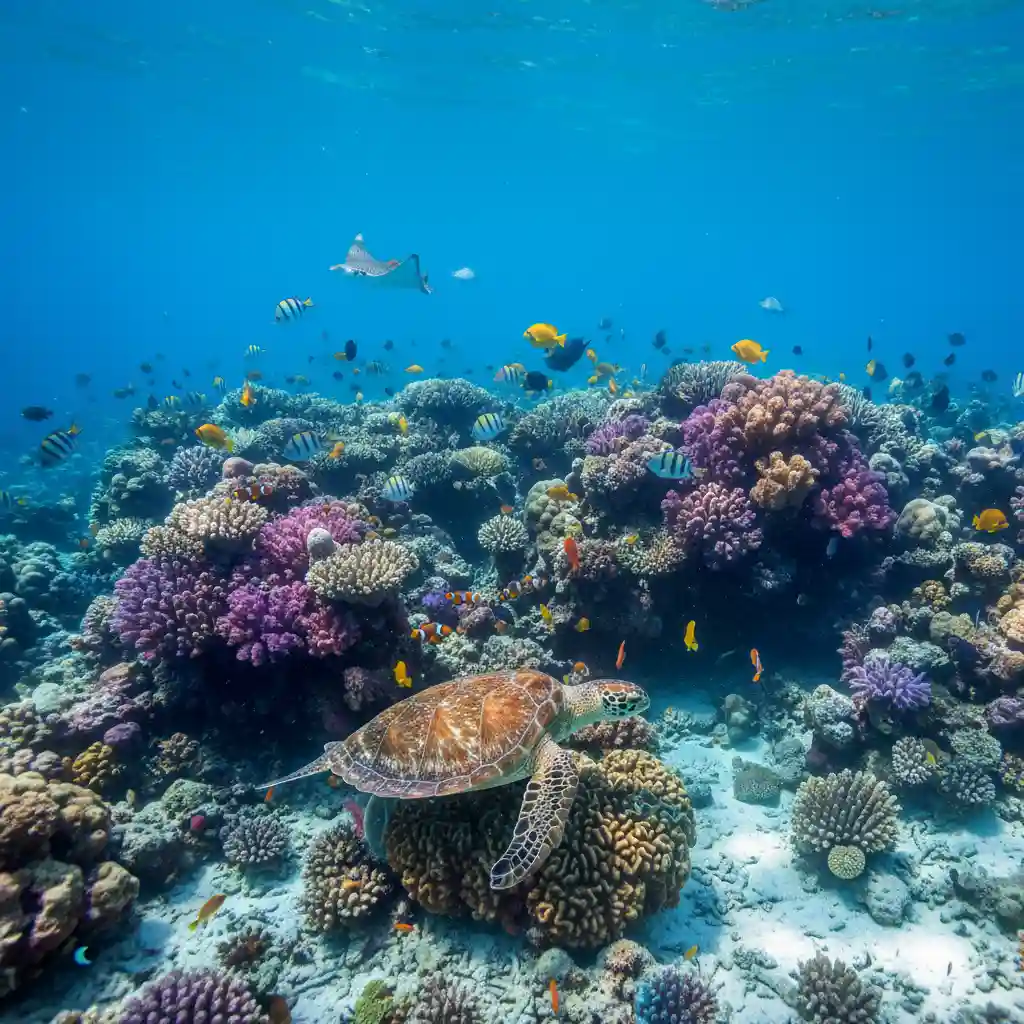
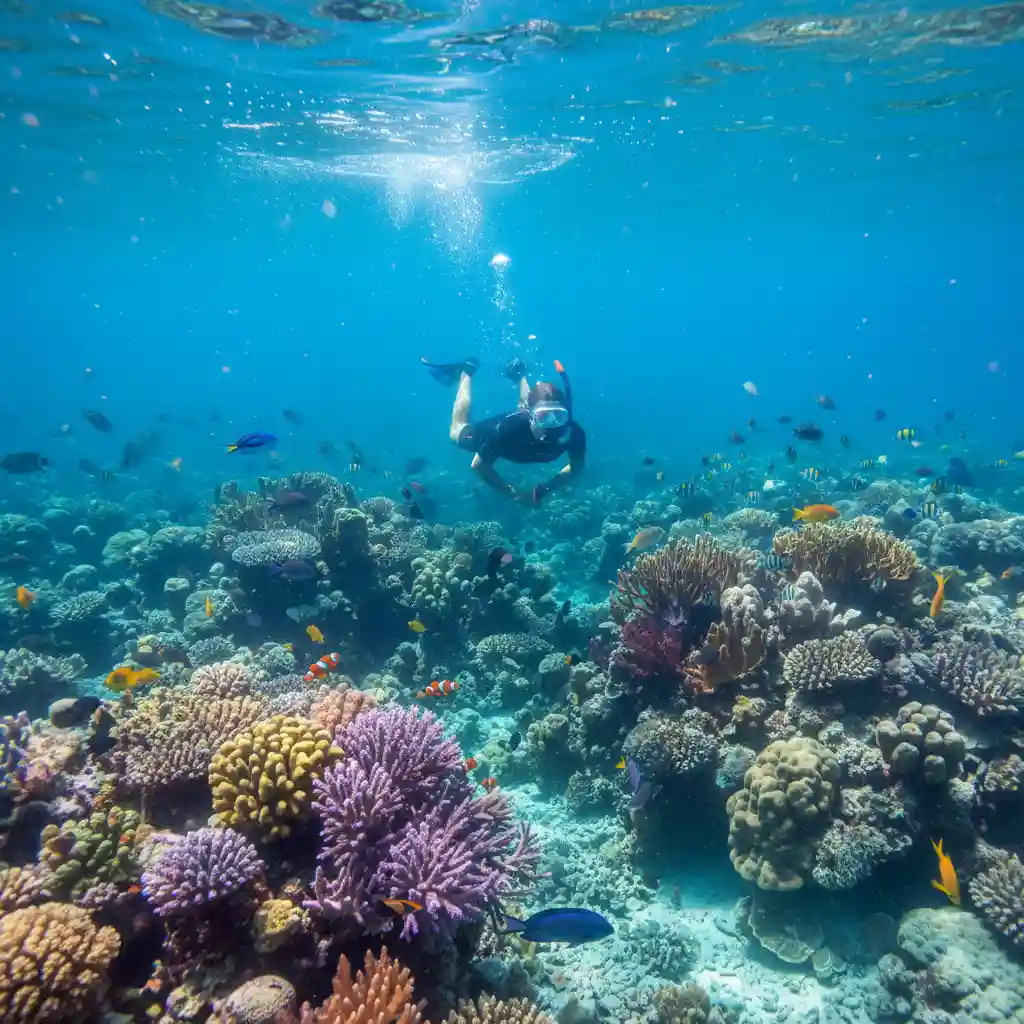
Vanuatu is renowned for its spectacular underwater world, making it a diver’s and snorkeller’s paradise. Eco resorts often facilitate access to these marine environments, ensuring that all activities are conducted responsibly. This includes working with certified dive operators who adhere to strict environmental guidelines, such as avoiding touching coral and not disturbing marine life. Many resorts are located near healthy reef systems, offering guided tours that educate guests on marine ecology and the importance of coral conservation. Experiencing these wonders firsthand often inspires visitors to become advocates for marine protection, ensuring the vibrancy of Vanuatu’s underwater world for years to come.
Choosing Your Ideal Vanuatu Eco-Lodge
Selecting the right Vanuatu eco resort for your sustainable stay involves considering several factors to ensure it aligns with your travel preferences and ethical considerations. The variety of options means there is something for every taste, from rustic charm to understated luxury, all united by a commitment to sustainability.
Questions to Ask Before Booking
To make an informed choice, consider asking prospective eco-lodges about their specific sustainability practices. Inquire about their energy sources, waste management policies, water conservation methods, and how they engage with local communities. Ask if they have any certifications or partnerships with environmental organisations. Reviews from previous guests can also provide valuable insights into the authenticity of their claims. For New Zealand travellers, understanding their proximity to key attractions, transport options, and the types of activities offered can also be crucial for planning.
Balancing Comfort with Conscience
Sustainable travel doesn’t necessarily mean sacrificing comfort. Many Vanuatu eco resorts blend eco-friendly practices with thoughtful amenities, offering a comfortable yet low-impact experience. This might include beautifully designed bungalows built from sustainable materials, delicious meals prepared with fresh local produce, and unique activities that connect you with nature and culture. The key is to find a balance that meets your expectations for a relaxing holiday while ensuring your visit contributes positively to the destination. Research what level of ‘off-grid’ you are comfortable with – some resorts offer limited electricity and basic facilities, while others provide more amenities while still adhering to strict eco-principles.

Planning Your Sustainable Vanuatu Adventure from New Zealand
For New Zealanders, Vanuatu is a relatively short flight away, making it an accessible and attractive destination for a sustainable getaway. Thoughtful planning can enhance the eco-friendly aspect of your trip, ensuring a responsible and rewarding experience from start to finish.
Getting There: Flights from NZ
Direct flights from Auckland to Port Vila, Vanuatu’s capital, make the journey convenient for New Zealand travellers. When booking flights, consider opting for direct routes to minimise your carbon footprint. While in Vanuatu, consider local transport options such as local buses (buses in Vanuatu are typically minivans), walking, or bicycles offered by resorts, rather than relying solely on private vehicles. Some eco-lodges in more remote locations might arrange boat transfers, which can also be an adventure in themselves.
Cultural Sensitivities and Responsible Visitor Behaviour
Beyond choosing sustainable accommodation, responsible visitor behaviour is crucial. Familiarise yourself with local customs and etiquette before you arrive. Dress modestly, especially when visiting villages. Always ask permission before taking photographs of people. Learn a few words of Bislama, the national language, as a gesture of respect. Support local businesses and artisans by purchasing locally made goods. Be mindful of your waste; pack out what you pack in, and avoid leaving any rubbish behind. By being a respectful and conscious traveller, you contribute significantly to the positive impact of tourism in Vanuatu.
People Also Ask About Vanuatu Eco Resorts
What is the best time of year to visit Vanuatu for an eco-friendly holiday?
The dry season, from April to October, is generally considered the best time to visit Vanuatu. The weather is cooler and less humid, making it ideal for outdoor activities and exploring nature retreats. This period also has fewer cyclones, ensuring a more reliable travel experience for your sustainable stay.
Are there family-friendly Vanuatu eco resorts?
Yes, many Vanuatu eco resorts cater to families, offering activities that educate children about sustainability and local culture in an engaging way. Look for resorts with bungalows, child-friendly excursions, and safe environments that allow families to enjoy nature together while minimising their impact.
How can I ensure my visit truly supports local communities?
To genuinely support local communities, choose eco resorts that are transparent about their community engagement and provide direct employment. Participate in community-run tours, buy local crafts and produce, and engage respectfully with villagers. Your direct patronage makes a tangible difference.
What kind of wildlife can I expect to see at Vanuatu nature retreats?
Vanuatu’s nature retreats offer sightings of diverse wildlife, including colourful tropical birds, fruit bats, and unique insects. Underwater, you can expect to see vibrant coral reefs teeming with a multitude of fish species, sea turtles, and occasionally dugongs or dolphins, especially in protected marine areas.
Do Vanuatu eco-lodges provide vegetarian or vegan food options?
Given their emphasis on local and fresh produce, most Vanuatu eco-lodges are highly accommodating to dietary requirements, including vegetarian and vegan options. It is always best to communicate your dietary needs in advance when booking to ensure they can adequately cater to you.
What should I pack for a sustainable stay in Vanuatu?
Pack light, breathable clothing made from natural fibres. Include reef-safe sunscreen, a reusable water bottle, a small backpack for day trips, insect repellent, and comfortable walking shoes. Consider a sarong or lightweight towel and a basic first-aid kit. Leave single-use plastics at home.