
The Vanuatu kava ceremony is a deeply ingrained cultural ritual centered around the consumption of kava, a traditional beverage derived from the root of the Piper methysticum plant. It serves as a vital social lubricant, fostering community, facilitating decision-making, and connecting individuals to their heritage in a profound and respectful manner, reflecting centuries of tradition and local custom.
For visitors to Vanuatu, experiencing a traditional kava ceremony offers an unparalleled glimpse into the heart of Melanesian culture. Far more than just a drink, kava represents community, respect, and a connection to the land and ancestors. This guide delves into the rich traditions and essential etiquette surrounding the Vanuatu kava ceremony, ensuring you can participate respectfully and gain a deeper appreciation for this unique cultural cornerstone.
What is the Ancient History of Kava in Vanuatu?
The history of kava in Vanuatu is as old and rich as the islands themselves, deeply woven into the fabric of its indigenous societies. Originating in the Pacific, likely in Vanuatu or Papua New Guinea, kava has been cultivated and consumed for thousands of years. Archaeological evidence suggests its presence dates back over 3,000 years, indicating its long-standing significance. For centuries, kava was not merely a recreational drink but a sacred component of religious ceremonies, peace treaties, and social gatherings, believed to facilitate communication with ancestral spirits and promote harmony within communities. Its roots are steeped in myth and legend, often linked to creation stories and the origins of cultural practices.
Tracing Kava’s Roots: From Myth to Modernity
Vanuatu, often referred to as the “home of kava,” boasts the greatest genetic diversity of the kava plant, underscoring its pivotal role in the plant’s evolution and dissemination across the Pacific. Traditional narratives often speak of kava being a gift from the gods or a sacred discovery, passed down through generations. Early European explorers documented kava consumption, observing its ceremonial importance and the profound respect accorded to it by local populations. While its use has evolved, adapting to modern contexts, the core reverence for kava and its traditions remains steadfast in Vanuatu, a testament to its enduring cultural power.
Kava’s Role in Traditional Vanuatu Societies
In traditional Vanuatu societies, kava served multiple vital functions. It was central to custom ceremonies, including initiations, weddings, funerals, and negotiations between tribes. Chiefs and elders would gather in dedicated spaces, known as nakamals, to discuss community matters, resolve disputes, and make important decisions, all under the influence of kava. Beyond its ceremonial uses, kava also played a role in traditional medicine, used to treat various ailments, and as a social unifier, bringing people together in a tranquil and contemplative atmosphere. This multifaceted role cemented kava’s status as an indispensable cultural institution.
How is Traditional Vanuatu Kava Prepared?
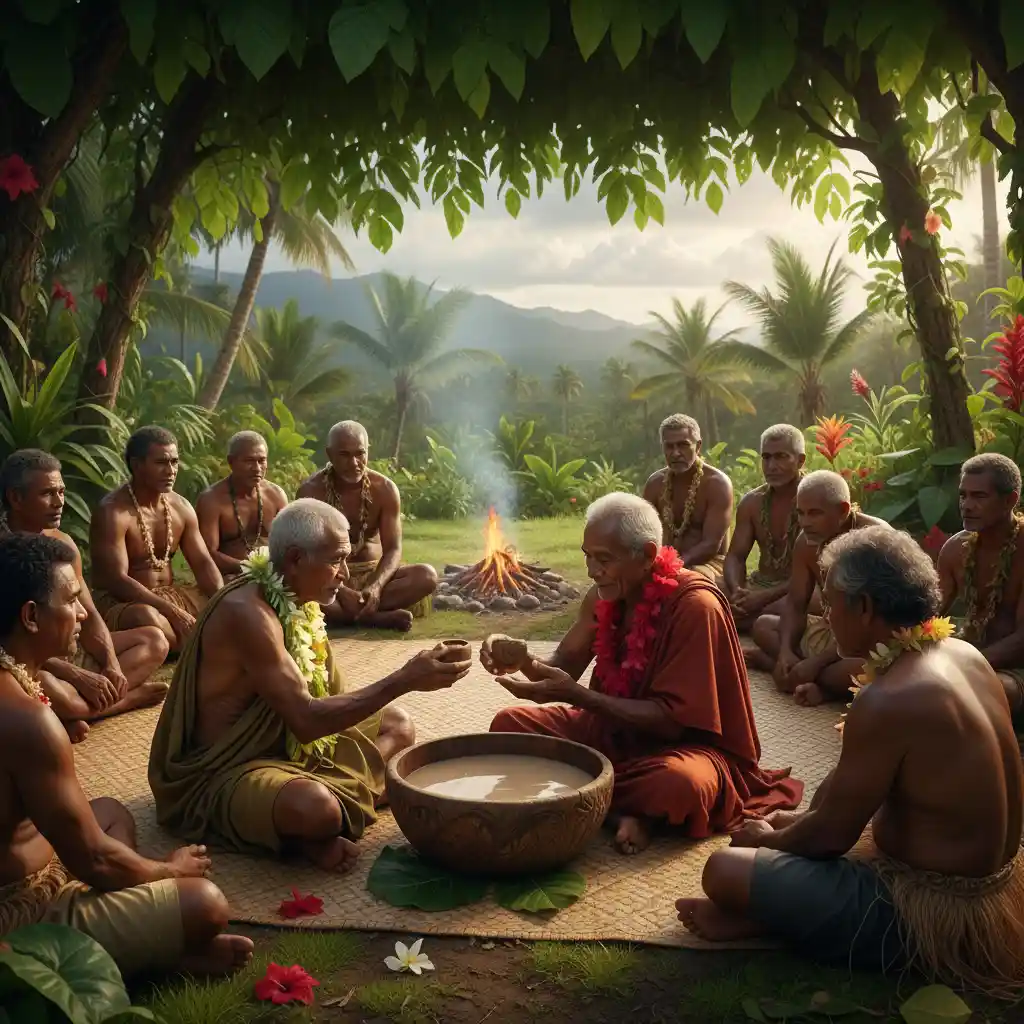
The preparation of kava in Vanuatu is an art form, a ritual in itself that has been passed down through countless generations. The traditional method, still widely practiced, emphasizes freshness and meticulous care, which significantly contributes to the potency and quality of the final beverage. It begins with the selection of mature kava roots, typically from plants that are at least three to five years old, ensuring a higher concentration of kavalactones – the active compounds responsible for kava’s effects. Only the lateral roots and basal stump, known as the “waka” or “lawena” depending on the part, are used. These are carefully harvested, cleaned, and prepared for processing.
From Root to Bowl: The Ritual of Kava Making
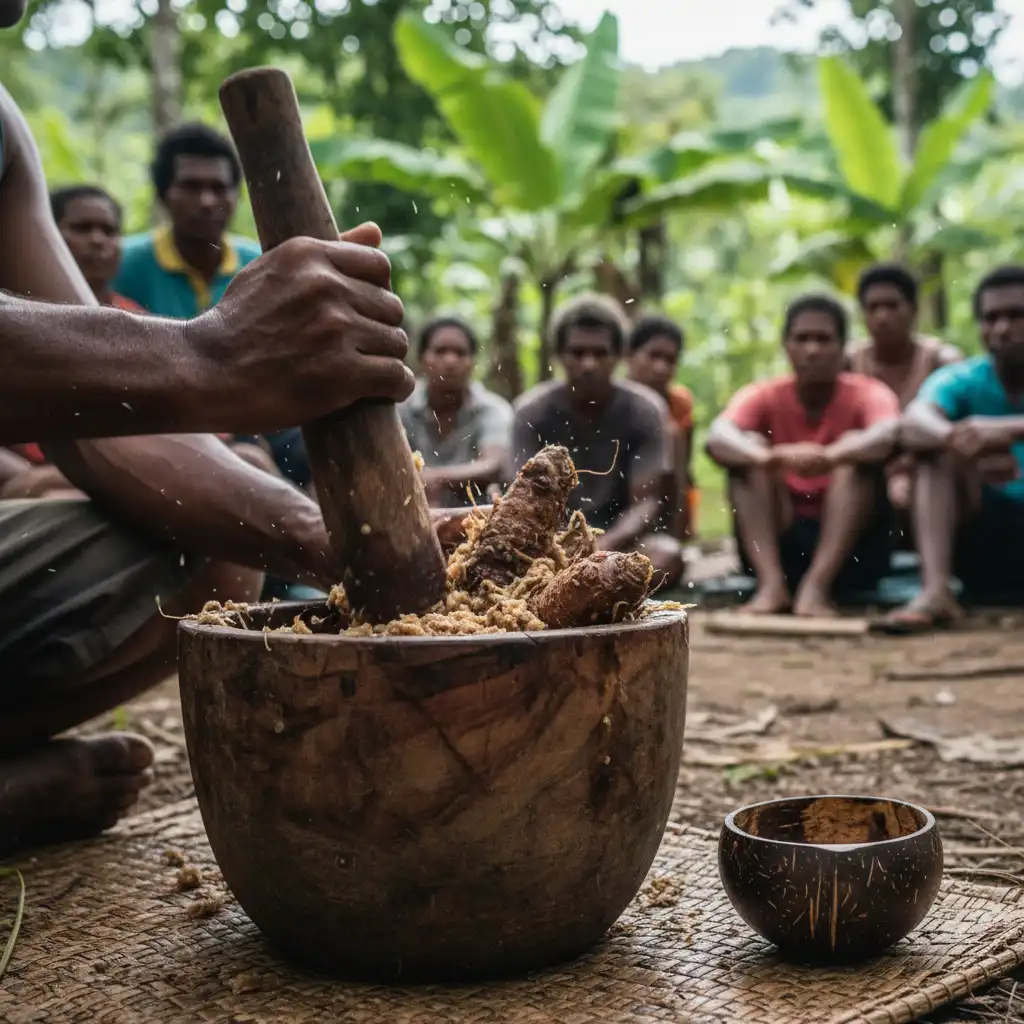
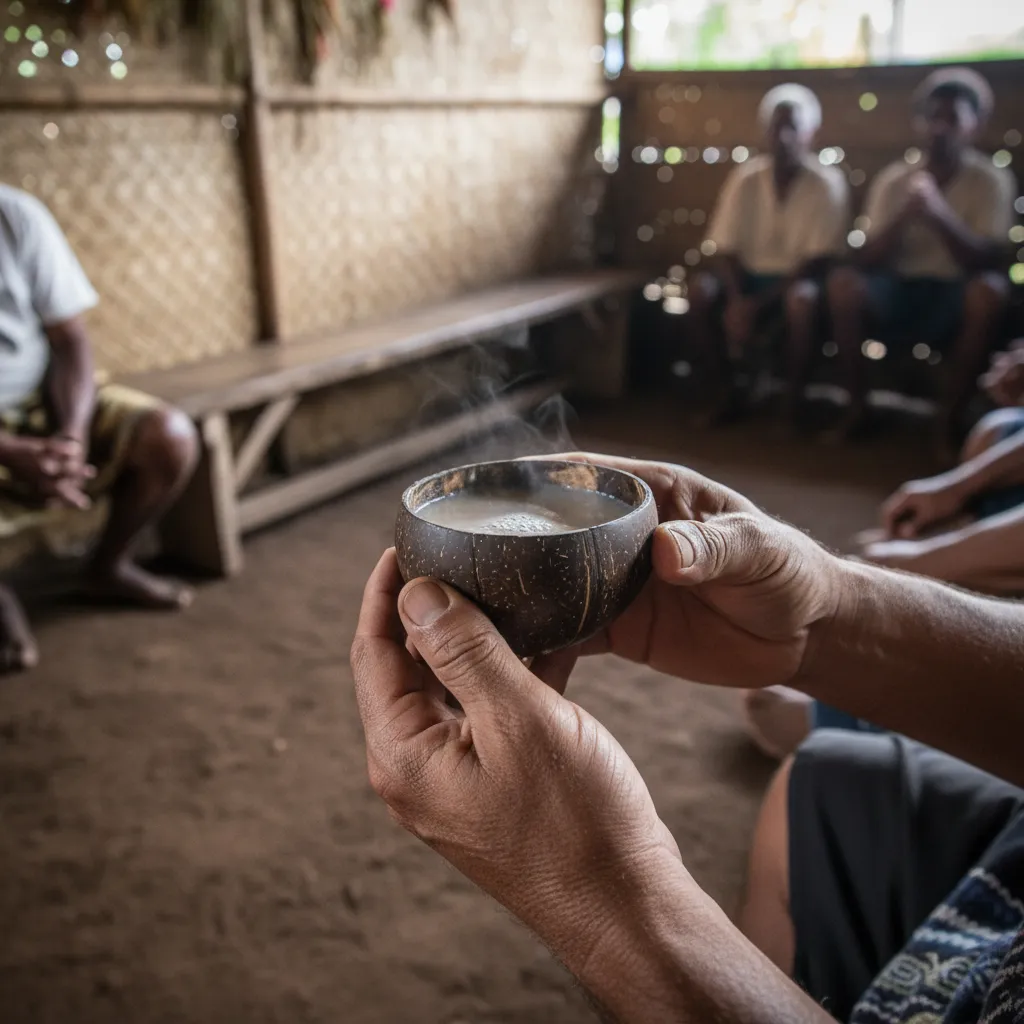
Traditionally, kava roots were chewed by young men and women, a process that released the kavalactones. While this method is largely replaced by mechanical grinders in commercial settings, many rural communities and traditional nakamals still practice hand-pounding using a mortar and pestle. The pounded or ground kava root material is then placed into a cloth or a fine mesh bag and kneaded vigorously in a bowl of fresh water. This process extracts the kavalactones into the water, creating a milky, earthy-brown liquid. The strained kava is then ready for consumption, often served in a half coconut shell, known as a ‘bilo’. The entire preparation process is often performed with a quiet reverence, reflecting the drink’s cultural significance.
Varieties and Potency: Understanding Kava Strains
Vanuatu is renowned for its diverse range of kava varieties, each with distinct characteristics in terms of flavour, aroma, and effect. These varieties are often named after the islands or regions where they are cultivated, such as Tanna, Pentecost, or Malekula. Some strains, like ‘Borogu’, are known for their strong, heavy, and sedating effects, making them popular for evening consumption. Others, like ‘Melomelo’, are considered milder and more ‘heady’, inducing a sense of relaxation without significant sedation. Local kava makers are experts in identifying and preparing these varieties, often blending them to achieve specific desired effects. Understanding these nuances can enhance a visitor’s appreciation of the kava experience, though most first-timers will simply be offered a standard, well-balanced preparation.
Where Can You Experience a Kava Ceremony in Vanuatu?
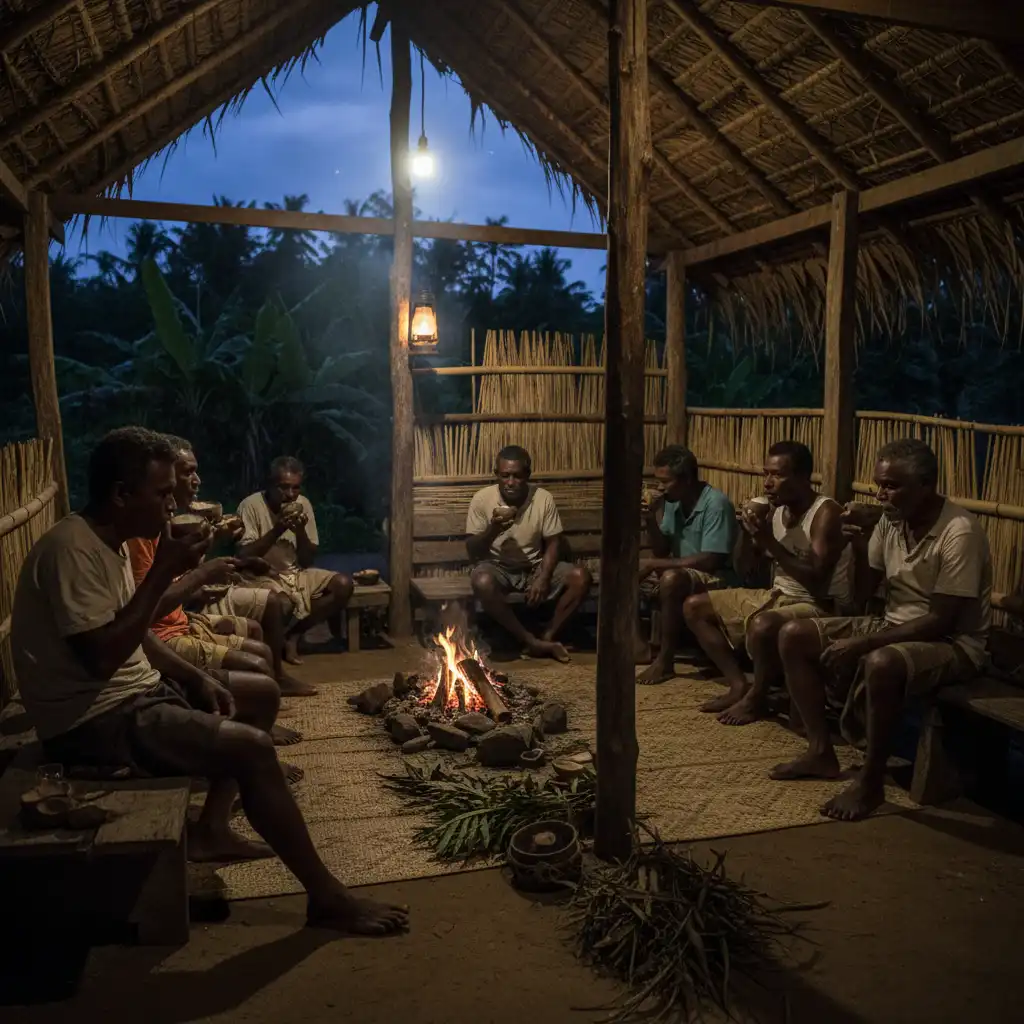
To truly immerse oneself in the Vanuatu kava experience, one must visit a nakamal. Nakamals are traditional kava establishments, serving as the social and cultural heartbeats of communities across Vanuatu. They are typically humble, open-air structures, often just a simple hut or a designated clearing under a tree, designed to be discreet and conducive to quiet contemplation and respectful conversation. In urban centers like Port Vila and Luganville, you’ll find more commercialized “kava bars,” which cater more overtly to tourists while still maintaining some traditional aspects. Regardless of the setting, the essence of the experience—a shared moment of relaxation and community—remains consistent.
The Nakamal: A Sacred Space for Community and Connection
A nakamal is far more than just a place to drink kava; it is a sacred space where men (and increasingly, women in some areas, especially tourist-oriented ones) gather to unwind, discuss daily life, and address community issues away from the distractions of home. The atmosphere is typically subdued, with conversations held in low tones or even in silence, reflecting the introspective nature of kava consumption. There’s a strong sense of camaraderie and respect amongst patrons. While traditional nakamals might feel intimidating to outsiders due to their informal nature and local clientele, they offer the most authentic experience. Look for signs that simply say “Kava” or “Nakamal” off main roads, particularly as dusk settles.
Navigating Vanuatu’s Kava Scene as a Visitor
For visitors, especially those from New Zealand, approaching a nakamal can be a unique adventure. It’s advisable to go with a local guide or someone familiar with the customs for your first visit. In tourist-heavy areas, some kava bars have adapted to accommodate international visitors, providing explanations of the ritual. When entering a nakamal, observe the existing patrons and their demeanor. Men and women often sit separately, though this varies. The kava is usually ordered by asking for a ‘bilo’ (coconut shell cup) and specifying your desired strength if you know the varieties. Payment is typically made upfront, often a small sum for a single bilo. Remember that the primary goal is to observe and participate respectfully, not to treat it as a typical bar experience.
What is the Proper Etiquette for a Vanuatu Kava Ceremony?
Participating in a Vanuatu kava ceremony requires an understanding and adherence to local etiquette, which is paramount to showing respect for the culture and the traditions. The atmosphere in a nakamal is one of peace and quiet contemplation, distinctly different from the boisterous environment of a typical bar. Understanding these unspoken rules ensures a respectful and enriching experience for both visitors and locals alike. Observing locals and emulating their actions is often the best approach, but here are some key guidelines.
Understanding the Unspoken Rules of Kava Consumption
Firstly, dress modestly. While there’s no strict dress code, conservative attire is generally appreciated, especially in more traditional nakamals. Upon entering, men and women often sit in designated areas; generally, women sit further back or in separate sections. When you receive your bilo of kava, it’s customary to lightly clap your hands once (or twice on some islands) before taking the cup. The kava is traditionally consumed in one swift gulp (“down in one”), followed by another light clap, and sometimes a ritualistic spit or rinse of the mouth to clear the taste. It’s considered rude to sip slowly or engage in loud conversation immediately after consumption. The focus is on the communal experience and the contemplative effects of the kava.
Interacting with Locals: Showing Respect in the Nakamal
Silence is golden in a nakamal. Loud talking, boisterous laughter, or using mobile phones loudly are generally frowned upon as they disrupt the tranquil atmosphere. If you wish to converse, do so in hushed tones. It’s also customary to avoid pointing with your finger; instead, use your chin or a sweeping hand gesture. When passing items, use your right hand. Do not walk between individuals who are conversing or sitting together without excusing yourself. Children are usually not present in traditional nakamals. Remember, you are a guest in a deeply cultural setting, and respectful observation and participation are key. If in doubt, simply watch what the locals do and follow suit, or politely ask your guide for advice. This demonstration of respect will be greatly appreciated.
What are the Effects and Benefits of Drinking Vanuatu Kava?
The effects of Vanuatu kava are distinct from those of alcohol and other recreational substances, offering a unique path to relaxation and mental clarity. Kava is a natural sedative and anxiolytic (anxiety-reducing) without impairing cognitive function in the same way alcohol does. The primary compounds responsible for these effects are kavalactones, which interact with neurotransmitters in the brain to produce a sense of calm and well-being. For first-time drinkers, the initial sensation is often a numbing or tingling feeling in the mouth and on the lips, which quickly subsides.
The Kava Sensation: From Numbness to Tranquility
Following the initial numbing, kava typically induces a profound state of relaxation. Users often describe feeling a gentle release of tension in their muscles and a calming of the mind, leading to increased introspection. It’s a “heavy” feeling that settles the body, often making one desire to sit still and contemplate. Despite the physical relaxation, mental alertness and clarity are generally maintained, which is why kava is traditionally used for important discussions and decision-making. Unlike alcohol, kava does not cause hangovers in the conventional sense, though overconsumption can lead to lethargy the next day.
Dispelling Myths: Kava vs. Alcohol
It’s crucial to understand that kava is not an intoxicant like alcohol. While it alters perception and induces relaxation, it does not typically lead to aggression, loss of coordination, or impaired judgment in the same way. Kava is traditionally consumed as a social lubricant and a means to achieve a state of peaceful contemplation, fostering connection rather than disinhibition. It allows for clearer thought processes and more meaningful conversation, often referred to as “thinking straight” while relaxed. This fundamental difference underscores its revered status in Vanuatu culture as a beneficial plant, not a vice.
Responsible Kava Consumption: Tips for First-Timers
For visitors, especially first-timers from New Zealand, it’s advisable to start with a single ‘bilo’ and wait to observe its effects before considering a second. Kava potency can vary significantly, and individual reactions differ. It’s best consumed on an empty or light stomach for optimal absorption. Some people may experience mild nausea initially, which usually passes quickly. Staying hydrated with water is always a good idea. While kava is generally safe, it’s wise to avoid combining it with alcohol or prescription medications without professional advice. Embrace the experience with an open mind and allow the gentle effects of this ancient beverage to transport you to a state of calm reflection, truly understanding the essence of the Vanuatu kava ceremony.
The Vanuatu kava ceremony offers an extraordinary journey into the heart of Melanesian identity. By understanding its profound history, meticulous preparation, the significance of its social spaces, and the essential etiquette, visitors can participate respectfully and gain an authentic appreciation for this cherished tradition. It is an invitation to slow down, connect, and experience a unique form of social ritual that has shaped the islands for millennia.
People Also Ask About Vanuatu Kava Ceremonies
Is kava safe to drink in Vanuatu?
Yes, kava is generally considered safe when consumed responsibly and in its traditional form in Vanuatu. It has been consumed for thousands of years without widespread issues. However, moderation is key, especially for first-timers, and avoid mixing it with alcohol or certain medications.
Can women drink kava in Vanuatu?
Traditionally, kava consumption in nakamals was largely reserved for men. However, in more tourist-oriented kava bars and some modern nakamals, it is increasingly common and acceptable for women to drink kava. It’s best to observe local customs in the specific nakamal you visit or ask a local guide.
What does kava taste like?
Kava has a distinct earthy, peppery, and slightly bitter taste. Many describe it as having a muddy or rooty flavour. It’s not typically consumed for its taste but rather for its relaxing effects. The initial numbing sensation on the tongue and lips is also a characteristic part of the experience.
How many bilos of kava should a first-timer drink?
For first-timers, it is highly recommended to start with just one ‘bilo’ (coconut shell cup) of kava. Wait for about 20-30 minutes to understand its effects on your body before considering a second. Kava potency varies, so starting slow is the safest approach.
Are there any negative side effects of kava?
While generally safe, some common side effects, especially for first-timers or with overconsumption, include mild nausea, lethargy the following day, or temporary dry, flaky skin (kava dermopathy) with chronic, heavy use. Liver issues linked to kava have generally been associated with non-traditional preparations using stems and leaves, not the root. Stick to traditional, root-only kava from reputable sources.
Where is the best place to experience kava in Vanuatu?
The most authentic kava experience is found in local nakamals, especially in less tourist-heavy areas or on islands outside of Port Vila. These offer a genuine glimpse into daily life and traditional custom. In Port Vila, look for smaller, discreet nakamals frequented by locals, or ask your accommodation for recommendations on respectful places to visit.