
Vanuatu traditional beliefs, collectively known as “kastom,” are rooted in animism and ancestor worship, emphasizing that spirits inhabit natural objects like trees, stones, and the ocean. While Christianity is the dominant organized religion today, kastom remains a vital cultural and spiritual framework, governing social hierarchy, land rights, and community rituals across the archipelago.
What Defines Vanuatu Traditional Beliefs (Kastom)?
To truly understand the spiritual landscape of Vanuatu, one must first grasp the concept of “kastom.” In the context of Vanuatu traditional beliefs, kastom is not merely a religion; it is an all-encompassing way of life. It represents the indigenous knowledge, history, and legal systems that sustained the Melanesian people for thousands of years before European contact.
Kastom dictates how communities interact with one another, how disputes are settled, and how the environment is managed. At its core, it is a spiritual connection to the earth and the lineage of ancestors who came before. Unlike Western religious structures that often separate the sacred from the secular, kastom integrates the spiritual world into every aspect of daily existence, from gardening and fishing to marriage and architecture.
The Foundation: Animism, Ancestors, and the Land
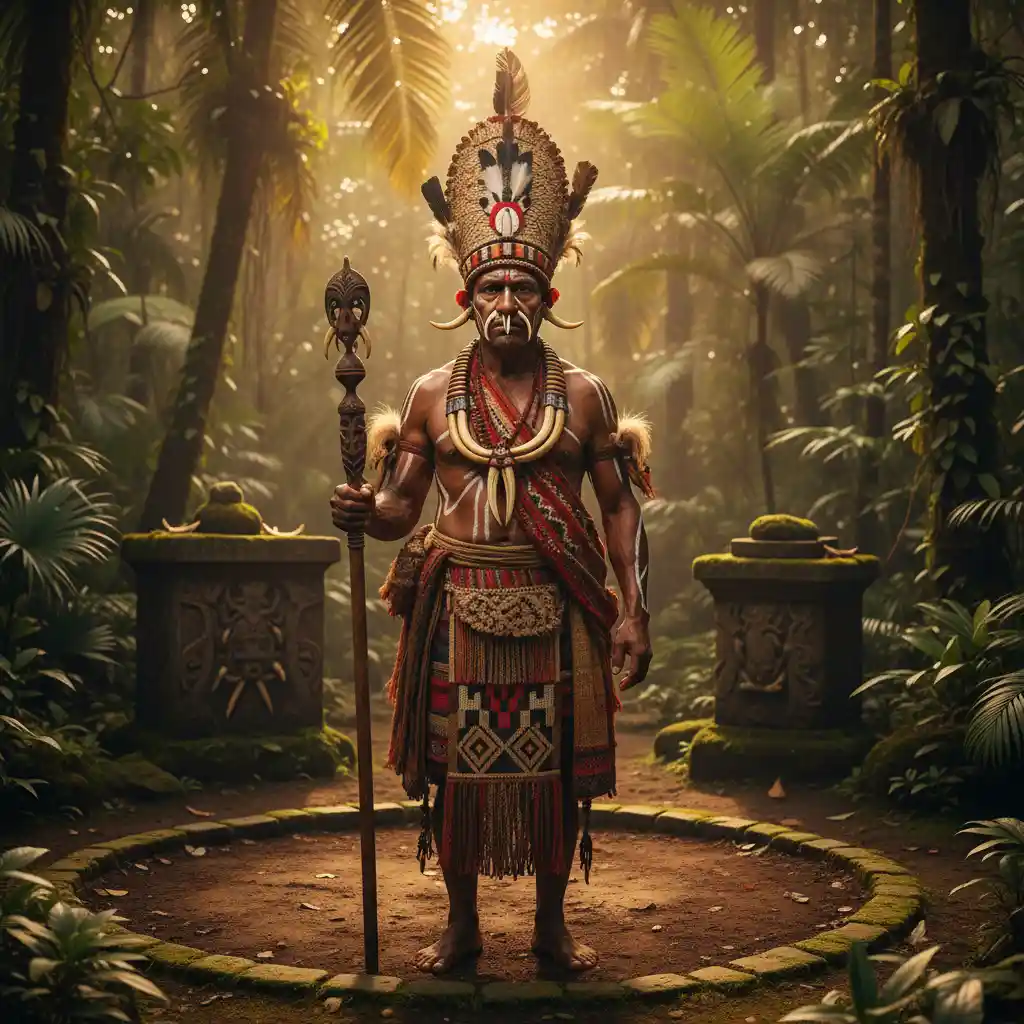
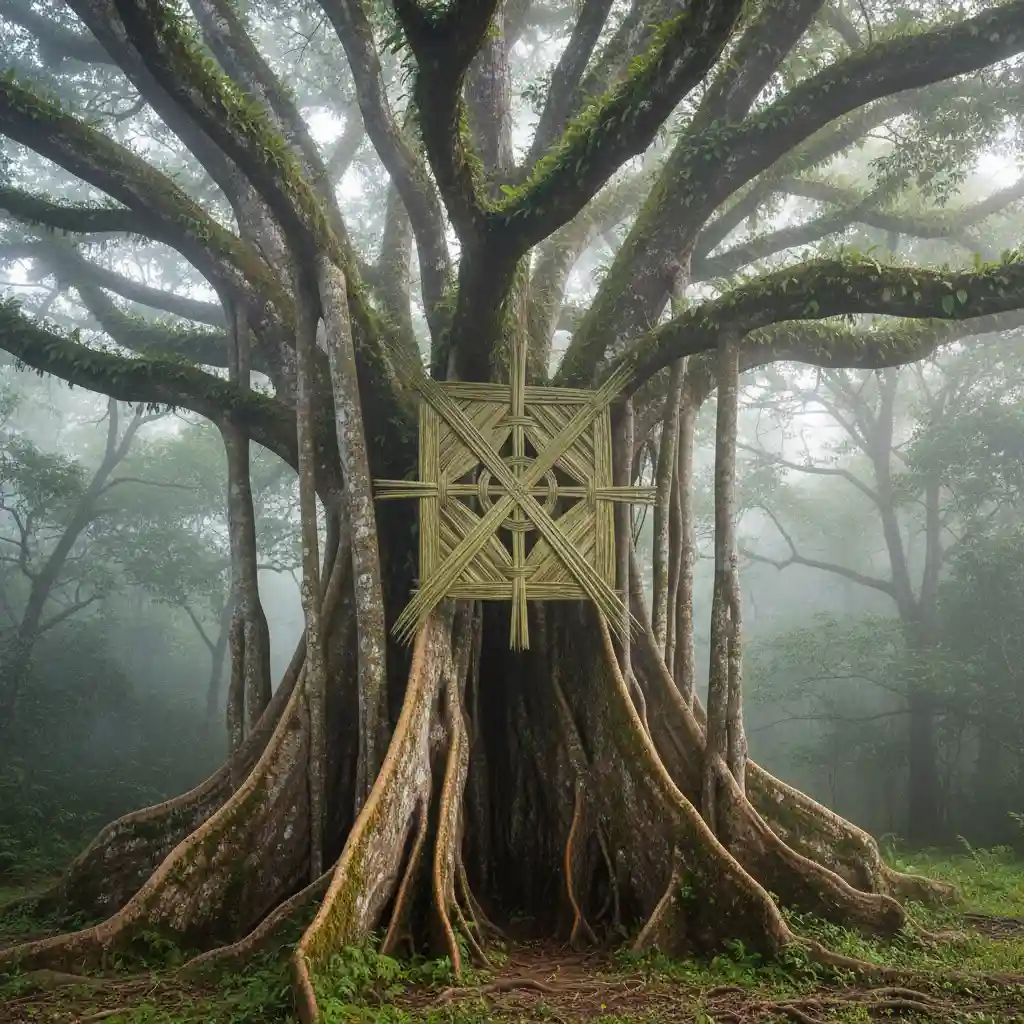
The bedrock of Vanuatu traditional beliefs is animism. This belief system posits that the physical world is imbued with spiritual energy. Rocks, rivers, banyan trees, and mountains are not inanimate objects; they possess consciousness and power. This spiritual energy is often referred to as “mana,” a concept shared across many Pacific cultures, representing a supernatural force that can be cultivated or inherited.
The Role of Ancestral Spirits
Ancestors play a pivotal role in the daily lives of the Ni-Vanuatu people. Death is viewed not as an end, but as a transition into a spiritual realm where the deceased continue to influence the living. Ancestral spirits can bring blessings, such as a bountiful yam harvest or protection during cyclones, but they can also inflict punishment in the form of illness or bad luck if kastom is violated.
Communication with these spirits often occurs in the nasara, a traditional ceremonial clearing and dancing ground found in villages. Here, elaborate rituals involving kava drinking connect the physical and spiritual planes. The kava consumed in Vanuatu is more than a relaxant; it is a sacrament, a medium through which the living speak to the silent listeners of the spirit world.
The Significance of Pigs and Grade-Taking
In many islands, particularly Malekula and Ambrym, spiritual hierarchy is established through grade-taking ceremonies, such as the Nimangki. A man’s spiritual power and social standing are determined by his ability to accumulate wealth—specifically in the form of pigs with curved tusks—and ritually sacrifice them. The tusked pig is a sacred animal in Vanuatu traditional beliefs, symbolizing the ultimate offering to the ancestors. As a man ascends through the grades, he acquires more mana, moving closer to the status of an ancestor spirit while still alive.
The Missionary Era: Christianity’s Arrival and Impact
The religious landscape of Vanuatu underwent a seismic shift in the 19th century with the arrival of European missionaries. The introduction of Christianity was neither smooth nor immediate. Early missionaries, such as John Williams of the London Missionary Society, were famously killed upon arrival at Erromango in 1839, highlighting the initial clash between foreign evangelism and indigenous defense of kastom.
However, over the subsequent decades, Christianity took deep root. Today, Vanuatu is statistically one of the most Christian nations in the world, with over 80% of the population identifying with a Christian denomination. The Presbyterian Church is the largest, followed by Anglican, Roman Catholic, and Seventh-day Adventist communities.
Syncretism: The Blending of Faiths
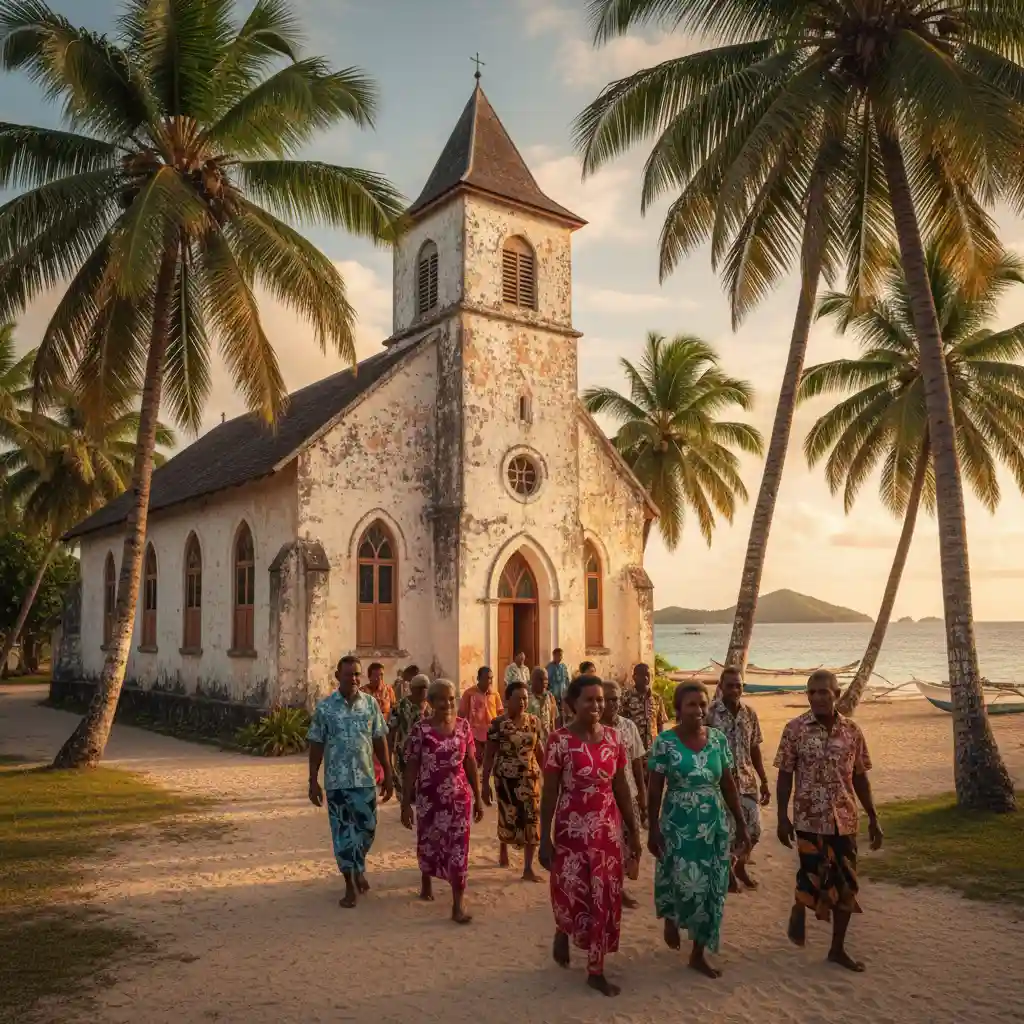
What makes religion in Vanuatu unique is the phenomenon of syncretism—the blending of Christian doctrine with traditional beliefs. For many Ni-Vanuatu, there is no contradiction in attending church on Sunday morning and consulting a kastom healer on Monday. The God of the Bible is often viewed as the supreme chief, fitting into the existing hierarchical structure of Melanesian society.
This duality is evident in village life where church leaders and kastom chiefs often share authority. While the church tends to spiritual morality and salvation, the chief manages land disputes and community harmony through traditional laws. This coexistence ensures that while the method of worship has changed for many, the underlying cultural identity remains distinctly Melanesian.
Understanding Cargo Cults: John Frum and Prince Philip
Perhaps the most anthropologically fascinating aspect of Vanuatu traditional beliefs is the emergence of “Cargo Cults.” These movements arose primarily during and after World War II, sparked by the sudden influx of American military wealth (cargo) into the islands. Indigenous populations observed that the soldiers did not work in gardens or fish, yet they possessed endless supplies of food, clothing, and machinery. The local conclusion was that this cargo was spiritual in origin, sent by ancestors but intercepted by the foreigners.
Who is John Frum?
The John Frum movement, centered on the island of Tanna, is the most enduring of these belief systems. Followers believe in a messianic figure named John Frum—often depicted as an American serviceman—who will return to Tanna to bring wealth and liberation from Western influence. The origins of the name are debated, with some suggesting it derived from “John from (America).”
Every year on February 15th, John Frum Day is celebrated with elaborate parades. Adherents march in formation, carrying bamboo rifles and raising the US flag alongside the flag of Vanuatu. This is not a mockery of the military but a serious religious ritual designed to honor the promise of John Frum and induce his return. It represents a form of resistance against colonial authority and a reassertion of indigenous dignity.

The Prince Philip Movement
Another distinct sect on Tanna, specifically in the village of Yaohnanen, worshipped Prince Philip, the late Duke of Edinburgh. Based on an ancient prophecy about the son of a mountain spirit traveling over the seas to marry a powerful woman, villagers concluded that Prince Philip was this figure. For decades, the tribe exchanged gifts and letters with the Prince. Upon his death in 2021, the movement entered a period of mourning and transition, debating whether his spirit would return to the island or pass to his son, King Charles III.
The Role of Sorcery (Nakaimas) and Taboo
While often hidden from the casual tourist’s view, the belief in magic and sorcery, known locally as nakaimas, is a potent reality in Vanuatu. This aspect of Vanuatu traditional beliefs is treated with immense seriousness and fear. Nakaimas involves the manipulation of spirits or elements to cause harm, illness, or death to enemies.
The fear of sorcery serves as a mechanism for social control. It discourages individuals from hoarding wealth, displaying excessive pride, or violating social norms, as doing so might attract the envy and magical retaliation of others. Consequently, many illnesses that Western medicine might diagnose as viral or bacterial are often interpreted locally as the result of a spiritual attack or a breach of taboo.
Tapu (Taboo)
Closely related to magic is the concept of tapu or taboo. A chief can place a taboo on a reef to prevent fishing, allowing the ecosystem to recover, or on a specific tree. Violating a taboo is believed to invite spiritual retribution. This traditional system has been recognized by modern conservationists as an effective, centuries-old method of environmental management.
Contemporary Religious Diversity in Vanuatu
In the 21st century, Vanuatu is a nation of religious plurality. While the historic mission churches remain dominant, there is a growing presence of newer religious movements. The Baha’i Faith has a significant history in the islands, promoting unity and education. Islam is also establishing a small but growing presence in Port Vila and rural areas.
Despite this diversity, the preamble of the Vanuatu Constitution explicitly states that the republic is founded on “traditional Melanesian values, faith in God, and Christian principles.” This constitutional acknowledgment cements the dual identity of the nation: one that looks upward to the Christian God while keeping its feet firmly planted in the kastom of the ancestors.
Frequently Asked Questions
What is the main religion in Vanuatu?
Christianity is the main religion in Vanuatu, with approximately 82% of the population identifying as Christian. The largest denominations are Presbyterian, Anglican, Roman Catholic, and Seventh-day Adventist. However, these Christian beliefs are often practiced alongside traditional kastom beliefs.
Do people in Vanuatu still practice cannibalism?
No, cannibalism is not practiced in Vanuatu today. While it was a part of traditional warfare and ritual in the distant past (the last recorded instances occurred in the late 19th and very early 20th centuries), it has been completely abandoned. Today, Vanuatu is known for its friendliness and hospitality.
What is the John Frum cargo cult?
The John Frum cult is a religious movement on Tanna Island that began in the early 20th century. Followers believe that an American figure named John Frum will return to the island bringing wealth (cargo) and freedom. They are known for their annual parade on February 15th featuring bamboo rifles and American flags.
What is the difference between Kastom and religion in Vanuatu?
Kastom refers to the traditional indigenous culture, laws, and beliefs of Vanuatu, including animism and ancestor worship. “Religion” usually refers to introduced faiths like Christianity. In daily life, most Ni-Vanuatu people practice a blend of both, using kastom for social and land matters and Christianity for spiritual worship.
Are tourists allowed to witness traditional ceremonies?
Yes, tourists are often welcomed to witness specific traditional ceremonies, such as the Nagol (land diving) on Pentecost Island or the Rom dance on Ambrym. However, visitors must always ask for permission, respect local taboos, and dress modestly. Some sacred rituals remain private for initiated members only.
What is the significance of kava in Vanuatu religion?
Kava is a sacred beverage made from the root of the Piper methysticum plant. In Vanuatu traditional beliefs, it is not just a social drink but a vehicle for communicating with the spirit world and ancestors. It is used to seal agreements, settle disputes, and open traditional ceremonies.