
Vanuatu kastom culture refers to the traditional customs, beliefs, and practices that govern indigenous Ni-Vanuatu life. It encompasses everything from village hierarchy, land ownership, and ceremonial rites like the Nagol land diving, to the sacred consumption of kava and the preservation of ancestral spirits through storytelling, sand drawing, and communal governance.
For New Zealand travelers seeking an immersive experience beyond the resort pool, Vanuatu offers a profound connection to ancient Melanesian heritage. Just a short flight from Auckland, these islands preserve a way of life that has remained largely unchanged for centuries. Understanding kastom is essential for any visitor wishing to truly appreciate the depth of Ni-Vanuatu society.
What is the Significance of Kastom in Vanuatu?
To the casual observer, Vanuatu is a tropical paradise defined by blue lagoons and volcanic landscapes. However, the true heartbeat of the nation is “kastom.” Derived from the English word “custom,” this concept is far more than just a set of traditions or folklore. It is the comprehensive legal, spiritual, and social framework that dictates how life is lived in the archipelago.
Kastom governs land rights, marriage rites, conflict resolution, and the relationship between the physical and spiritual worlds. Unlike many modern societies where culture is separated from governance, in Vanuatu, the two are inextricably linked. The Malvatumauri (National Council of Chiefs) advises the government on matters concerning kastom, ensuring that modernization does not erode the indigenous identity.
For Kiwi travelers, recognizing the weight of kastom changes the travel experience from simple sightseeing to cultural witnessing. It explains why certain areas are taboo (tapu), why permission must be sought before entering specific grounds, and why the village chief commands such absolute respect.
Traditional Villages & Ceremonies
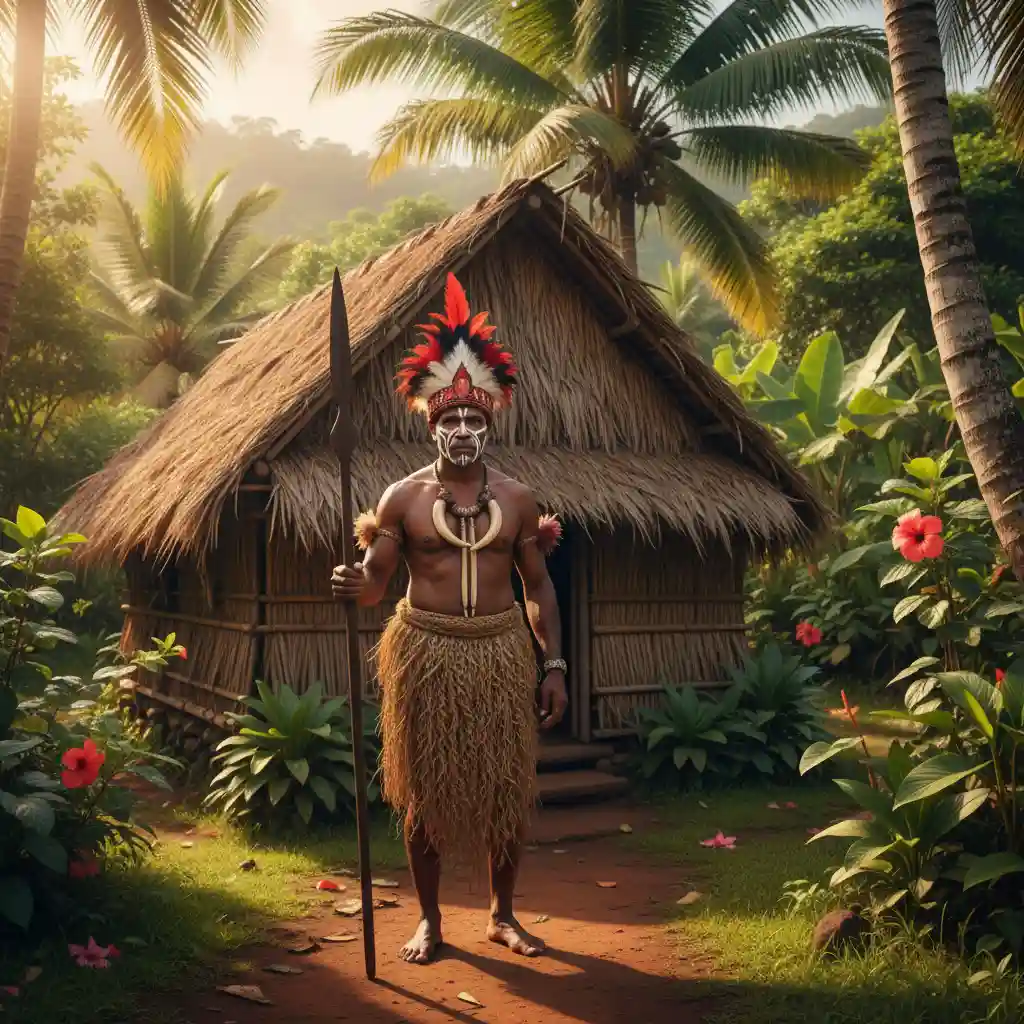
Vanuatu is an archipelago of 83 islands, and kastom varies significantly from one island to the next. However, the village remains the central unit of society. Here, life revolves around the nasara, a ceremonial clearing used for dancing, meetings, and rituals.
The Nagol Land Diving (Pentecost Island)
Perhaps the most famous manifestation of Vanuatu kastom culture is the Nagol, or land diving, which takes place on Pentecost Island between April and June. Often cited as the precursor to modern bungee jumping, this ceremony is a fertility rite for the yam harvest. Men jump from wooden towers up to 30 meters high, with only tree vines wrapped around their ankles. The goal is for their shoulders to brush the earth, blessing the soil for a bountiful crop. It is a spectacular display of faith and bravery that attracts travelers worldwide.
The Rom Dance (Ambrym)
On the island of Ambrym, known as the island of black magic, the Rom dance is a secretive and sacred event. Dancers wear elaborate conical masks and costumes made of dried banana leaves. The masks are believed to carry spirits, and the identity of the dancer is strictly guarded. This ceremony is deeply tied to the grading systems of the chiefs and involves complex rhythms beaten on slit drums.
Tokoka Dance (Tanna)
On Tanna Island, near the active Mount Yasur volcano, traditional life is fiercely protected. The Tokoka dance involves hundreds of villagers stomping the earth in unison, chanting to the spirits. Tanna is also home to the Yakel village, famously featured in the movie “Tanna,” where residents live entirely according to kastom, rejecting modern conveniences.
Art, Crafts & Music
Art in Vanuatu is rarely created for art’s sake alone; it serves a functional or ritualistic purpose. The visual language of the islands is complex and deeply symbolic.
UNESCO Recognized Sand Drawing
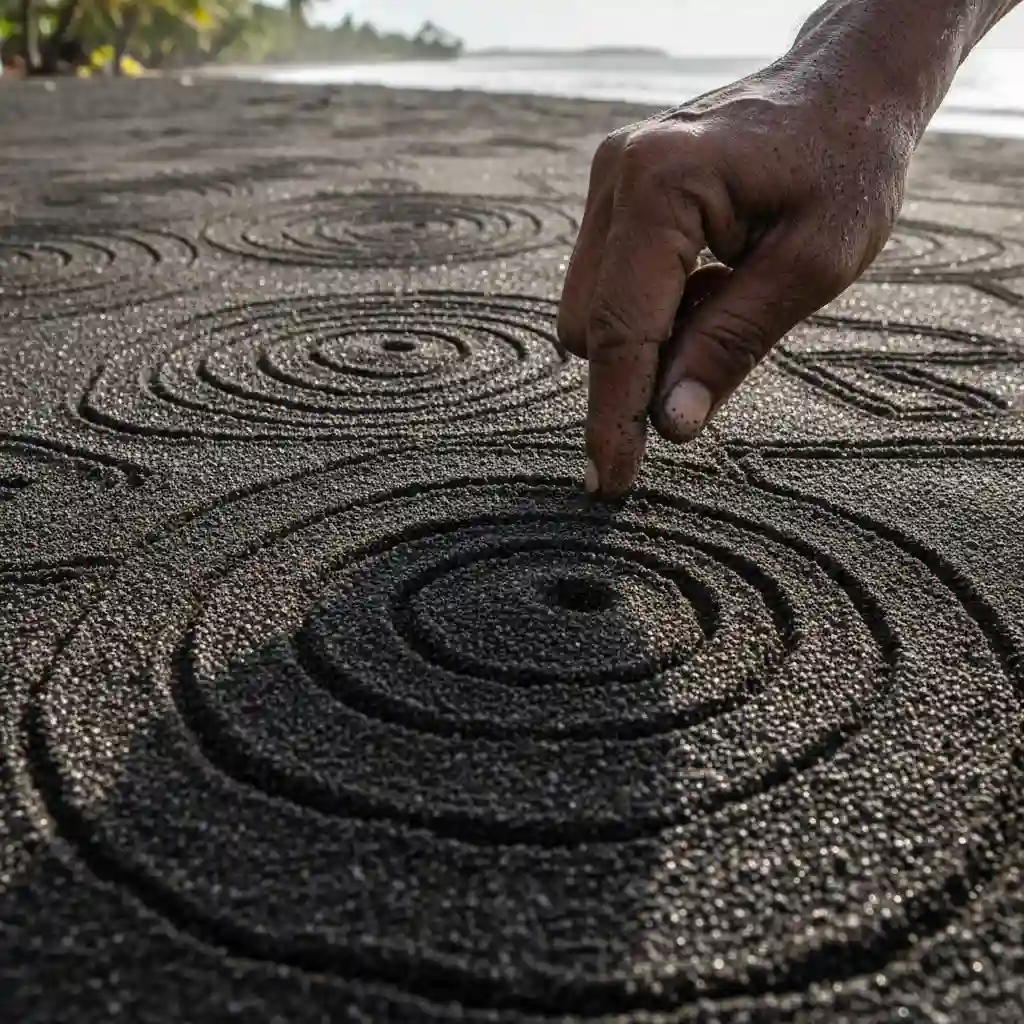
Vanuatu’s sand drawing tradition (Sroing) is recognized by UNESCO as a Masterpiece of the Oral and Intangible Heritage of Humanity. Primarily practiced in the central islands, this unique form of communication involves drawing a continuous geometric line in the sand or volcanic ash with a single finger. The artist traces complex patterns without lifting their finger, illustrating legends, songs, and genealogies. It serves as a mnemonic device to record history and facilitate communication between language groups.
Slit Drums (Tam Tam)
The towering slit drums of Ambrym are iconic symbols of Vanuatu. Carved from breadfruit tree trunks, these drums can stand several meters tall and are topped with stylized faces featuring large, round eyes. They are used to send coded messages across villages and valleys, announcing births, deaths, or ceremonial gatherings. The resonance of a Tam Tam is the voice of the ancestors speaking to the living.
Local Languages & Greetings
Vanuatu is the most linguistically dense nation on Earth per capita, with over 110 distinct vernacular languages spoken across a population of roughly 300,000. To bridge this gap, Bislama (a form of Pigeon English) developed as the lingua franca.
For New Zealanders, learning a few phrases of Bislama is a fantastic way to show respect and build rapport with locals. It is an expressive and often humorous language that describes the function of objects.
- Halo – Hello
- Tankyu tumas – Thank you very much
- Nem blong yu wanem? – What is your name?
- Mi stap long NZ – I am from New Zealand
- Ale – Okay / Goodbye / All right
Kava Culture Explained
In New Zealand, kava is often consumed socially or medicinally, but in Vanuatu, the kava culture is significantly more potent and ritualized. Vanuatu kava is renowned for being the strongest in the South Pacific.
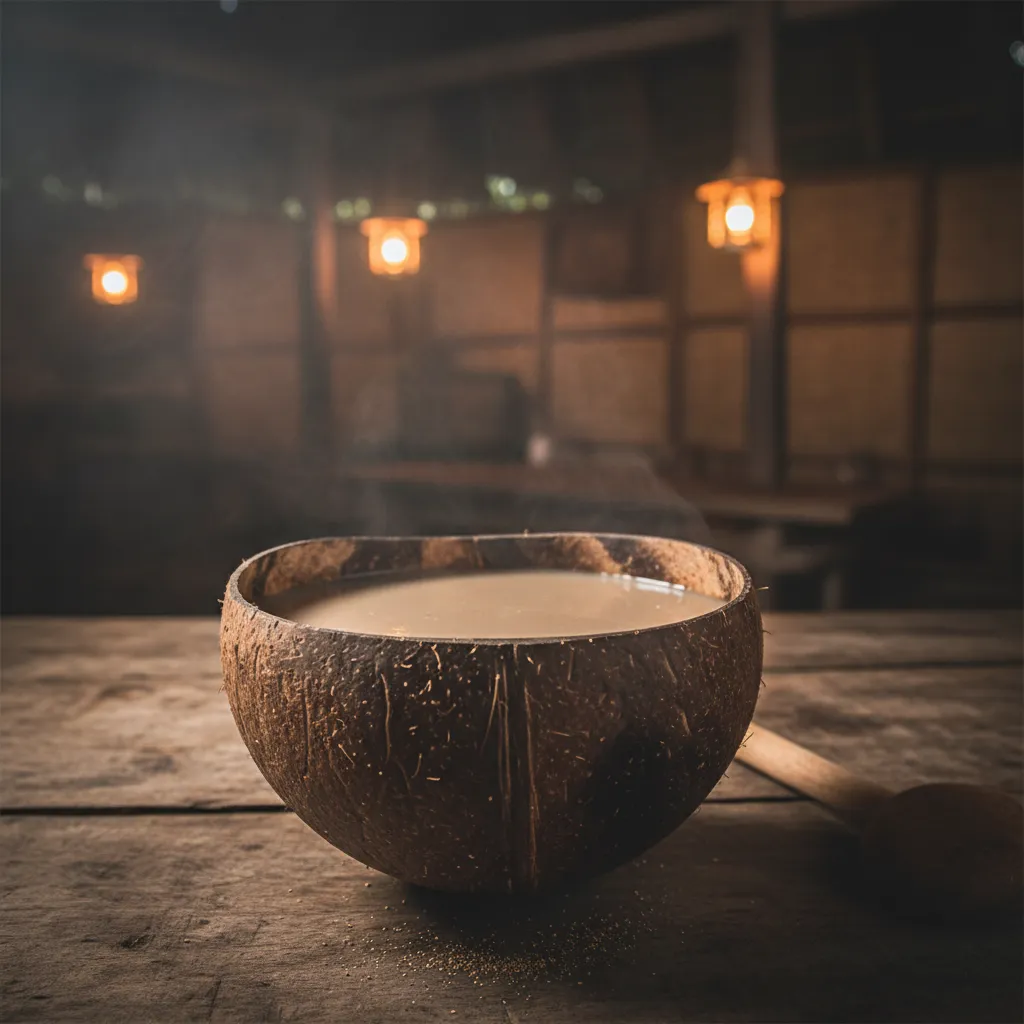
Traditionally, kava (known as aelan kava) is prepared in a nakamal (kava bar or meeting place). In the strictest kastom villages, the roots are chewed by young virgin boys to soften them before being mixed with water, though in urban areas like Port Vila, meat grinders are used. The drink is consumed from a coconut shell at sunset.
Unlike the social buzzing of a pub, a nakamal is a place of quiet reflection. After drinking a “shell,” patrons often sit in silence to listen to the kava (karen), allowing the sedative effects to wash over them. It is a time for men—and increasingly women in urban areas—to decompress and resolve community disputes calmly.
Kastom Storytelling & Mythology
Oral history is the library of Vanuatu. Legends are passed down through generations, explaining the origins of islands, the nature of volcanoes, and the lineage of chiefs. One of the most famous legends is that of Roy Mata, a powerful 13th-century chief whose life and death are etched into the landscape.
Roy Mata united the warring tribes of Efate and the surrounding islands. His burial site on Retoka Island is a UNESCO World Heritage site. Local kastom forbade anyone from living on the island for centuries due to the tapu placed upon it, a restriction that preserved the archaeological integrity of the site until it was scientifically excavated, confirming the oral histories were accurate down to the smallest detail.
The Role of Chiefs Today
The Chief is the cornerstone of kastom. Becoming a chief is not always hereditary; in many islands, particularly in the north, it is achieved through a graded system called the Nimangki. Men must earn their status by accumulating wealth (often in the form of pigs with curved tusks), hosting feasts, and demonstrating leadership.
The curvature of a pig’s tusk is a supreme symbol of value. A tusk that curves around to form a full circle is prized; one that circles twice is priceless. This symbol is even featured on the Vanuatu flag. Today, chiefs work alongside the parliamentary government, handling domestic disputes and land issues, ensuring that the thread of kastom remains unbroken in modern governance.
Respectful Tourism & Etiquette
As a visitor, respecting kastom is crucial. The Ni-Vanuatu are incredibly hospitable, but breaches of protocol can cause offense.
Dress Code
While swimwear is acceptable at resorts, it is inappropriate in villages and towns. Women should dress modestly, covering shoulders and knees when outside tourist zones. Men should traditionally avoid walking around shirtless in villages.
Photography
Always ask for permission before taking photos of people, especially in remote villages. In some kastom areas, photographing certain sacred sites or ceremonies is strictly forbidden to protect the sanctity of the ritual.
Sunday Observance
Vanuatu is a deeply Christian nation, and Sunday is a day of rest and church. Many shops and tours will be closed. Use this day to relax or attend a church service to experience the incredible choral singing.
Best Cultural Tours for Kiwis
For New Zealanders engaging in commercial investigation for their itinerary, selecting the right tour is key to an authentic experience. Avoid “human zoo” style attractions; instead, opt for community-led tours where funds go directly to the village.
1. Ekasup Cultural Village (Efate)
Located just minutes from Port Vila, Ekasup offers an accessible introduction to kastom. Villagers in traditional dress demonstrate hunting traps, food preservation, and weaving. It is educational and family-friendly, perfect for those on a shorter trip.
2. Yakel Village (Tanna)
For a raw, unfiltered experience, Yakel village on Tanna is unparalleled. The residents live without electricity or modern buildings. Visits here are intense and profound, offering a window into a Neolithic lifestyle that has refused to die out.
3. Rah Island Snake Dance (Banks Islands)
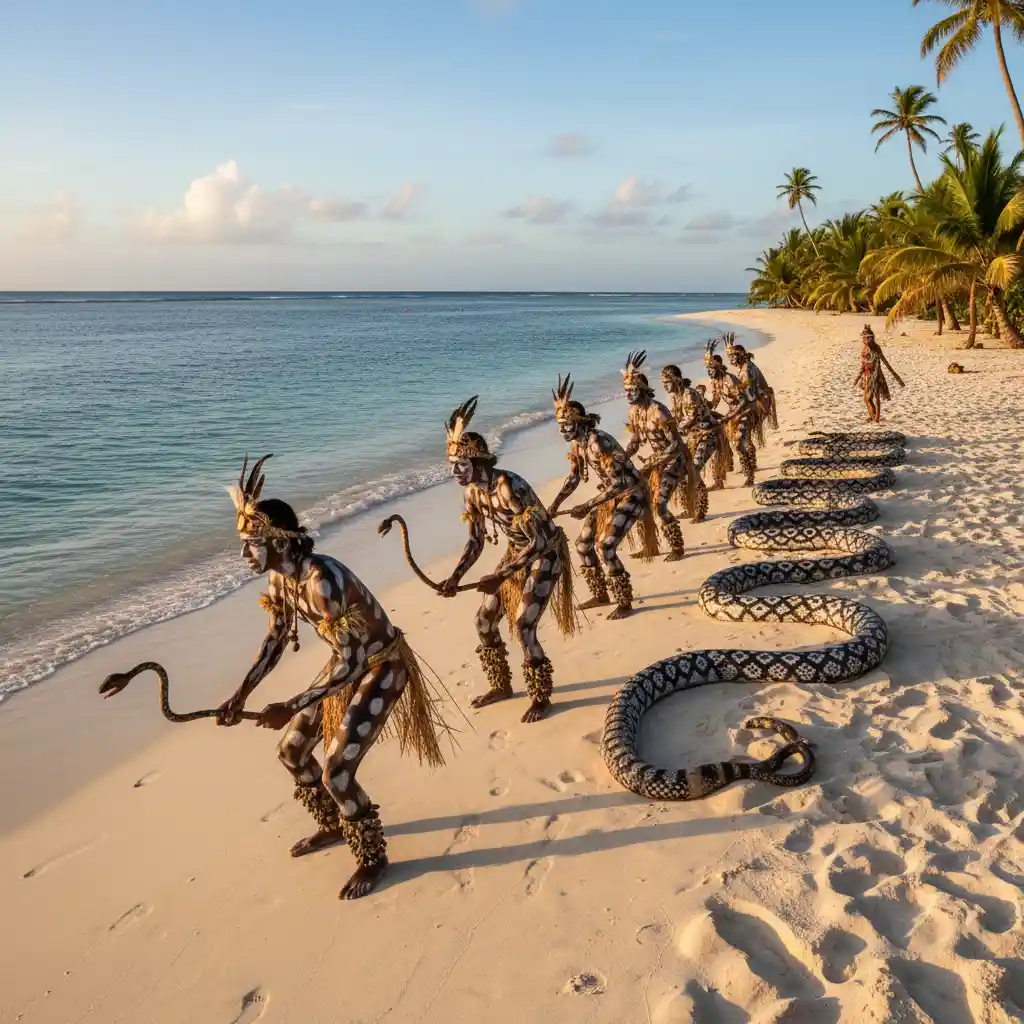
For the adventurous traveler heading north, the Banks Islands offer the famous Snake Dance. Men painted in black and white stripes mimic the movements of the sea snake. It is less commercialized and offers a genuine interaction with the remote communities of the north.
People Also Ask
Is kava legal in New Zealand and can I bring it back?
Yes, kava is legal in New Zealand. Travelers are generally allowed to bring a personal quantity of dried kava powder into NZ, but it must be declared at customs. Biosecurity rules are strict, so ensure it is commercially packaged and labeled. Liquid kava is usually not permitted.
What is the main religion in Vanuatu?
Christianity is the predominant religion, with Presbyterian, Anglican, and Catholic denominations being most common. However, Christianity is often practiced alongside traditional kastom beliefs, creating a unique syncretic spiritual life.
Do I need a guide to visit traditional villages?
Yes, it is highly recommended and often mandatory to have a local guide. A guide acts as a cultural bridge, ensuring you follow proper protocol, ask the right questions, and do not accidentally trespass on taboo land (tapu).
What is the best time to see the Land Diving (Nagol)?
The Nagol ceremony takes place on Pentecost Island on Saturdays between April and June. The vines are most supple during these months. It is essential to book flights and accommodation well in advance as this is a peak cultural season.
Is Bislama difficult for English speakers to learn?
No, Bislama is an English-based creole and is relatively easy for English speakers to pick up. Many words are phonetic spellings of English words. Listening carefully will often reveal the meaning.
Is it safe to drink kava in Vanuatu?
Generally, yes. However, Vanuatu kava is very potent. First-time drinkers should start with a small amount (half a shell) to gauge their reaction. Ensure you drink it at a reputable nakamal using clean water.