Volunteering in Vanuatu offers travelers a unique opportunity to engage in meaningful conservation efforts, such as coral reef restoration, sea turtle protection, and community development. These projects allow high-value tourists to contribute to the preservation of Vanuatu’s pristine biodiversity and cultural integrity while enjoying an immersive and impactful South Pacific holiday experience.
What are the best opportunities for coral planting and marine restoration in Vanuatu?
Vanuatu’s underwater world is its greatest treasure, but like many Pacific nations, its reefs face threats from climate change and invasive species. Volunteering in Vanuatu for coral restoration involves working with local marine biologists to rehabilitate damaged reef sections using innovative gardening techniques. This hands-on approach is vital for maintaining the ecological balance of the archipelago’s 83 islands.
The process of coral gardening in Vanuatu typically begins with the collection of “corals of opportunity”—fragments that have naturally broken off the main reef due to wave action or storm surges. Volunteers are trained to identify healthy fragments and attach them to underwater nurseries, often constructed from specialized metal frames or concrete structures. These nurseries provide a stable environment where the coral can grow safely away from predators and sediment. Once the fragments reach a certain size and maturity, they are carefully transplanted back onto the natural reef, helping to jumpstart the recovery of degraded areas.
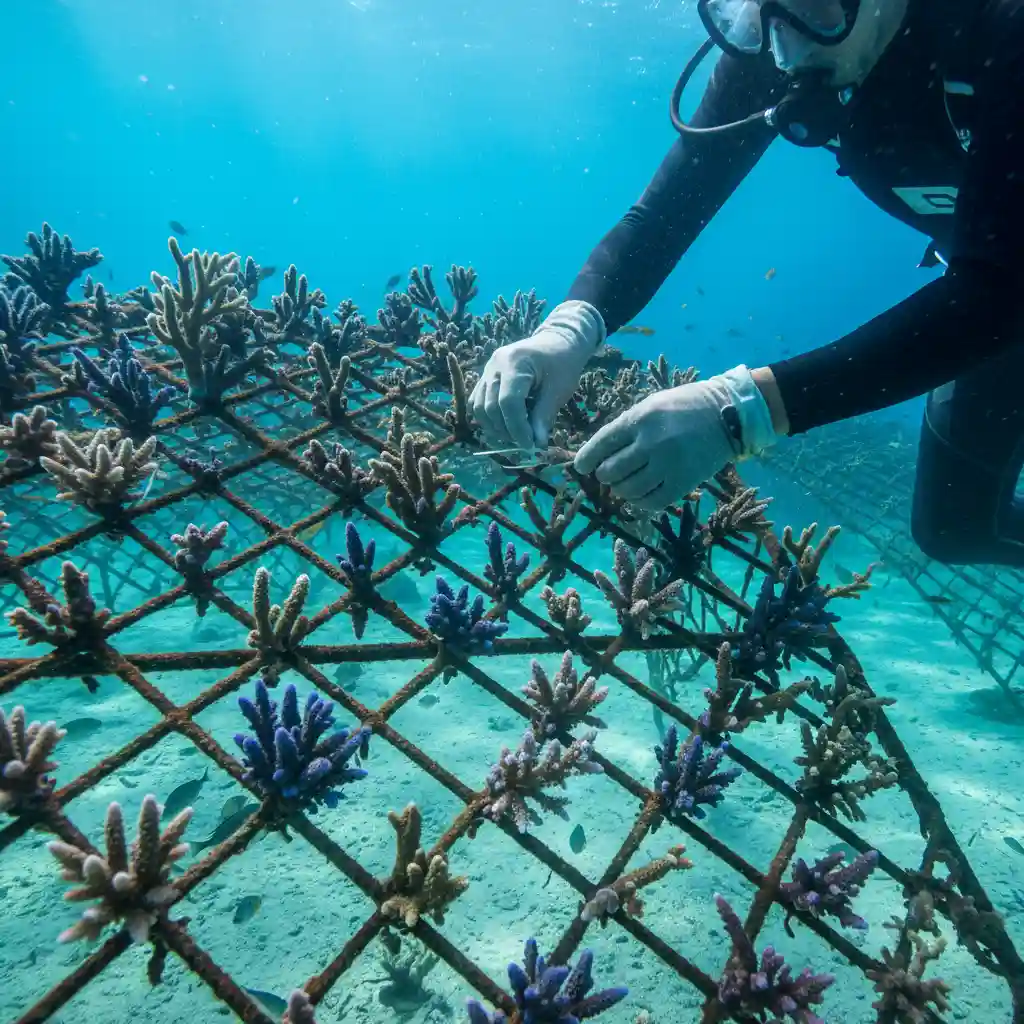
For high-value travelers from Australia and New Zealand, several eco-resorts on Efate and Espiritu Santo offer integrated coral planting programs. These initiatives are often part of a broader “Reef Resilience” strategy that includes monitoring water temperatures and controlling the population of the Crown-of-Thorns Starfish (COTS), a coral-eating predator. By participating in these programs, tourists gain a deep understanding of marine biology while contributing to the long-term health of the South Pacific’s coral ecosystems. The sense of accomplishment that comes from seeing a thriving reef section that you helped plant is a highlight of any sustainable travel itinerary.
Where can you participate in sea turtle conservation in Vanuatu?
Sea turtle conservation is one of the most popular and rewarding forms of volunteering in Vanuatu. The islands serve as critical nesting grounds for several endangered species, including the Hawksbill and Green turtles. Programs focused on their protection are primarily located on Moso Island and the northern shores of Efate, where local communities have established sanctuaries to protect hatchlings from predators and human interference.
Vanuatu’s turtle conservation efforts are deeply rooted in the traditional “Tabu” system, which uses customary laws to manage natural resources. In many villages, community leaders have declared certain beaches as protected areas, prohibiting the harvesting of turtle eggs and meat. Volunteers play a crucial role in these sanctuaries by assisting with the daily care of juvenile turtles. This includes cleaning the tanks, preparing food (often locally sourced seagrass or fish), and conducting health checks. One of the most moving experiences for any volunteer is participating in a turtle release, where young turtles that have reached a safe size are returned to the wild.
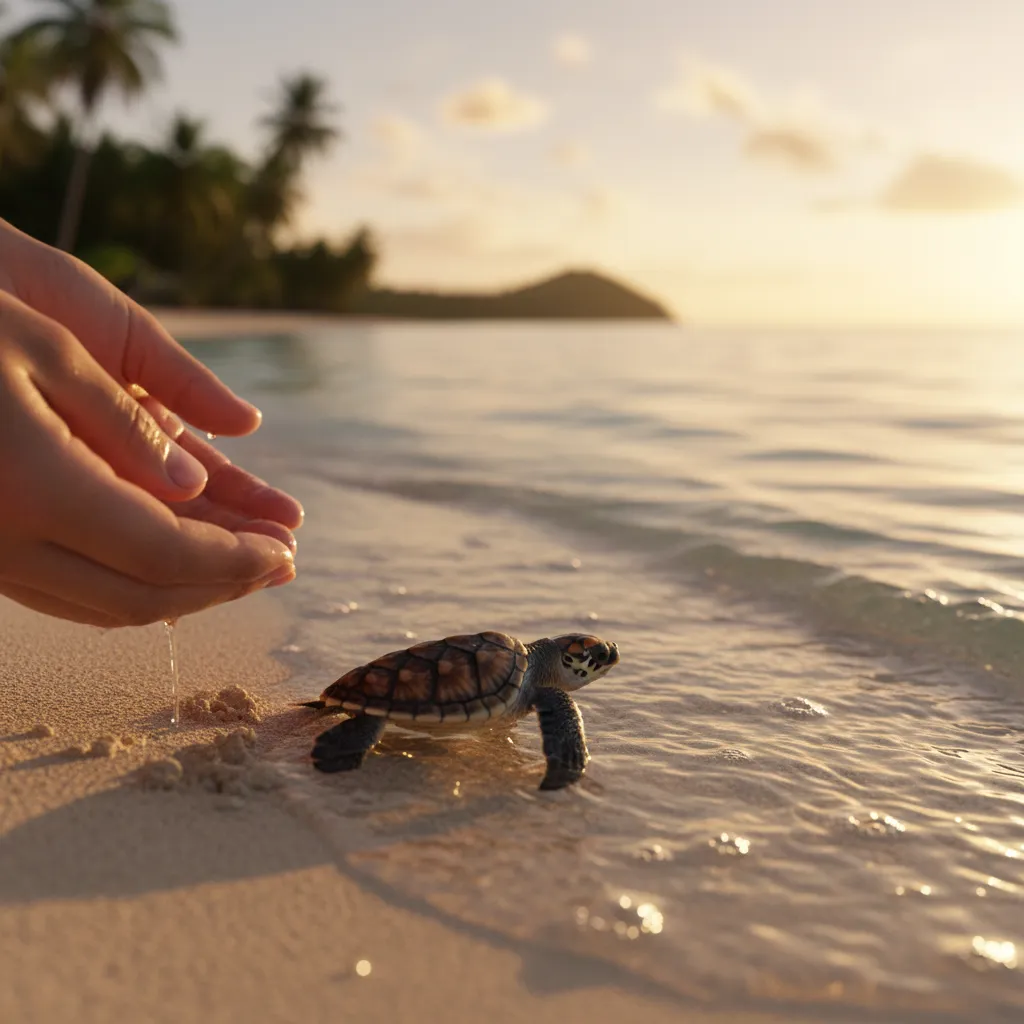
Beyond the immediate care of the turtles, volunteering in Vanuatu also involves data collection and community outreach. High-value segments often appreciate the scientific rigor behind these projects. Volunteers may help record nesting locations, count egg clutches, and tag adult turtles for migratory tracking. This data is essential for organizations like the Vanuatu Environmental Science Society (VESS) to develop regional conservation strategies. Engaging with these projects provides a rare window into the intersection of modern science and ancient Melanesian traditions, ensuring that the “ancient mariners” of the Pacific continue to thrive for generations to come.
What community development projects are available for tourists in Vanuatu?
Community volunteering in Vanuatu focuses on empowering local Ni-Vanuatu people through education, infrastructure, and sustainable livelihoods. Unlike traditional tourism, which can sometimes be transactional, community projects foster a deep sense of connection and mutual respect. These initiatives are often centered around rural villages where access to resources can be limited, making the contribution of international volunteers particularly impactful.
Education is a primary focus for many community-based volunteering programs. Volunteers may assist in local schools by providing English or literacy support, helping with computer training, or organizing sports and arts programs for children. In Vanuatu, the “Kastom” (customary) culture is central to everyday life, and volunteers are often invited to participate in cultural exchanges where they learn about traditional weaving, cooking, and storytelling while sharing their own skills. This reciprocal learning environment is a hallmark of high-quality volunteering in Vanuatu, offering a level of cultural immersion that standard tours cannot match.
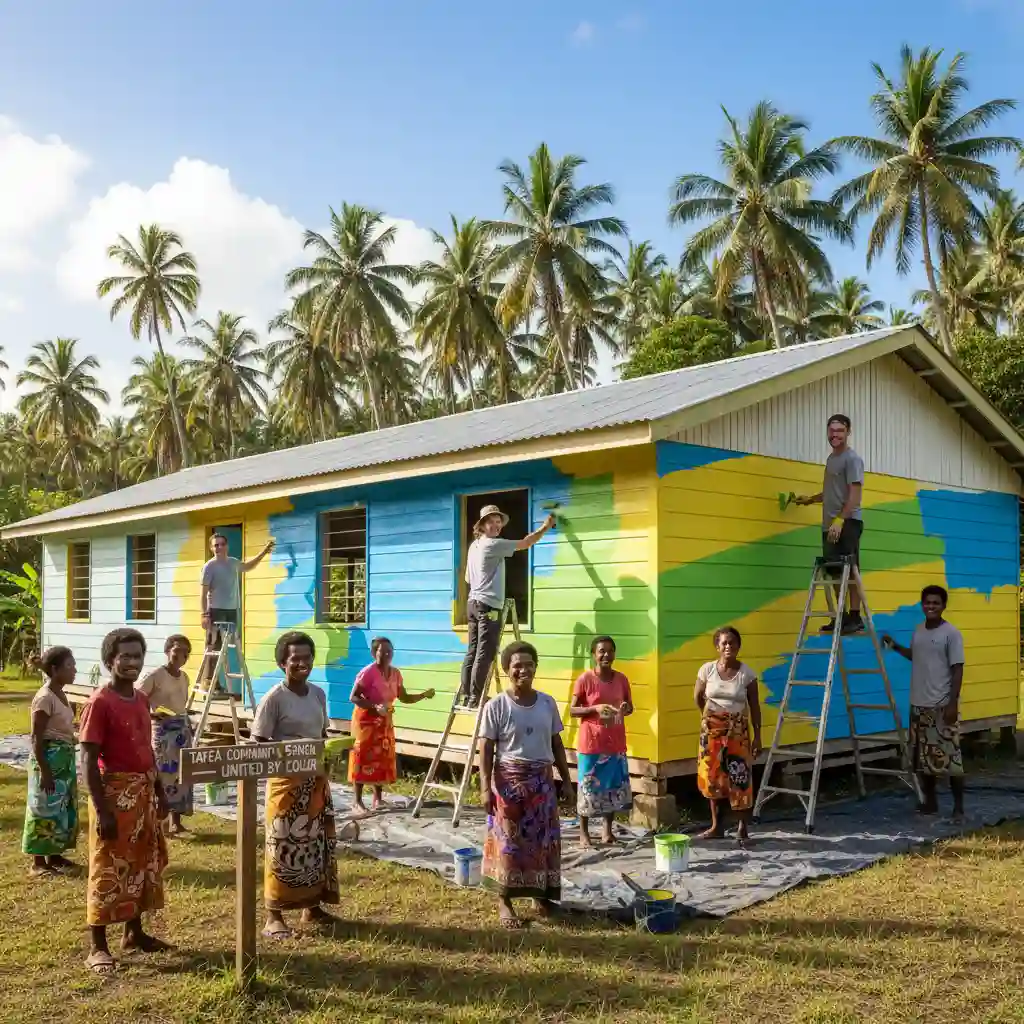
Infrastructure projects also offer significant opportunities for those looking to make a physical impact. This might include helping to build water catchment systems to provide clean drinking water, repairing community halls, or assisting in the development of sustainable agriculture plots. Many of these projects are managed by local NGOs like Wan Smolbag, which uses theatre and community outreach to address social and environmental issues. For the AU/NZ market, these projects represent a chance to engage in “Impact Travel,” where the luxury of the experience is measured by the positive change left behind. Whether it’s improving a village’s sanitation or helping a small business develop its marketing strategy, the outcomes are tangible and long-lasting.
How do you participate in Vanuatu conservation projects ethically?
To participate in volunteering in Vanuatu ethically, travelers should prioritize programs that are community-led and demonstrate long-term sustainability. It is essential to choose organizations that work in partnership with the Ni-Vanuatu people rather than imposing external solutions. Ethical volunteering ensures that the presence of tourists does not disrupt local economies or create dependencies, but rather supports the self-determined goals of the community.
Prospective volunteers should start by researching reputable local and international organizations that have a physical presence in Vanuatu. Many high-end eco-resorts act as facilitators for these projects, ensuring that the volunteering experience is seamless and professional. When booking, ask about the project’s impact reports and how they manage volunteer contributions. It is also important to consider the duration of your stay; while short-term volunteering can be beneficial, longer commitments often lead to more significant outcomes and deeper relationships. For high-value travelers, combining a stay at a luxury lodge with a dedicated week of conservation work is an increasingly popular way to balance relaxation with purpose.
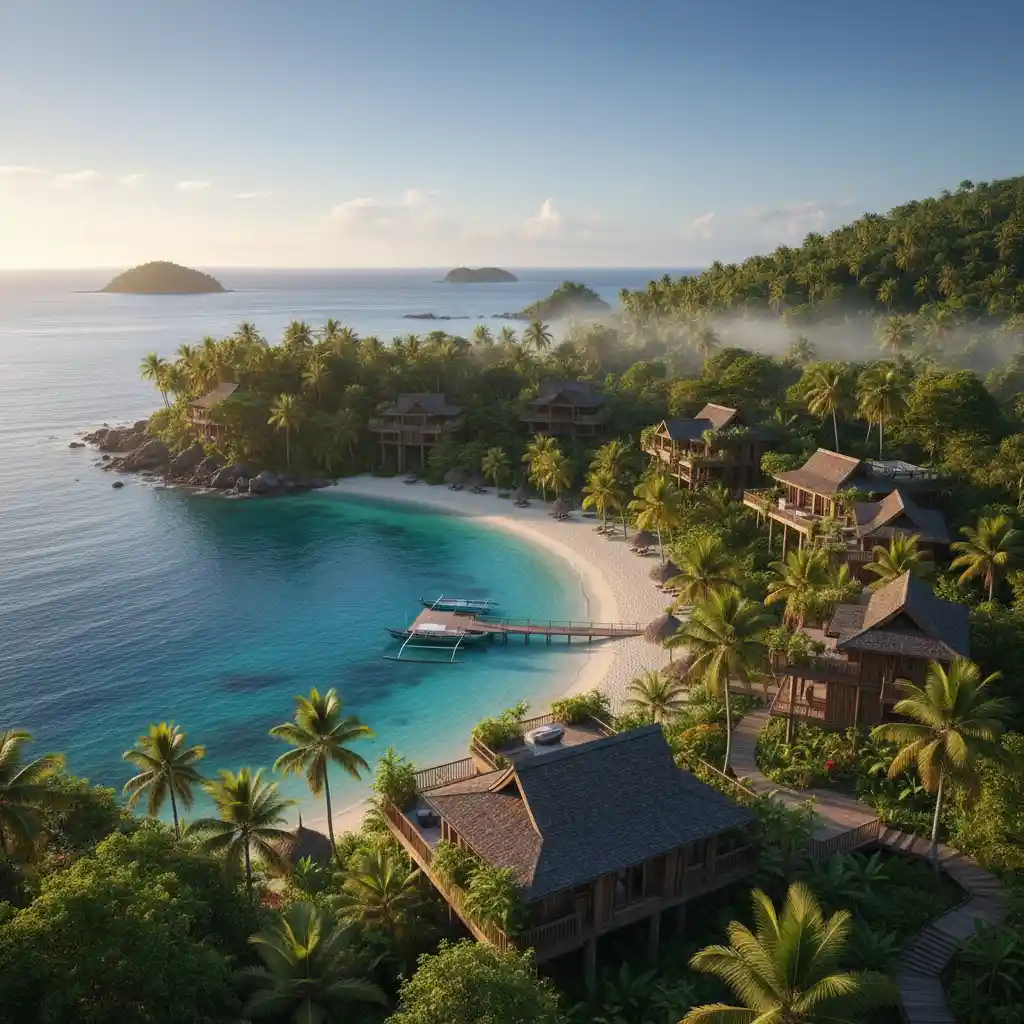
Logistically, volunteering in Vanuatu is relatively straightforward for Australian and New Zealand citizens, who typically receive a visa on arrival for tourism purposes. However, if the volunteering is part of a formal, long-term program, a different visa category may be required. Essential items to pack include reef-safe sunscreen to protect the fragile marine environment, sturdy footwear for community work, and a respectful attitude toward local customs. By approaching volunteering with humility and a desire to learn, tourists can ensure their visit to Vanuatu is not just a holiday, but a contribution to the preservation of one of the world’s most beautiful and culturally rich nations. The integration of luxury and legacy is the future of travel in the South Pacific.
People Also Ask
What is the best time of year for volunteering in Vanuatu?
The best time for volunteering in Vanuatu is during the dry season, from May to October. The weather is cooler and less humid, making outdoor conservation and community work more comfortable. This period also coincides with the peak nesting and hatching seasons for sea turtles, providing more opportunities for wildlife-focused projects.
Do I need professional diving certification to plant coral?
While professional diving certification (like PADI Open Water) is required for deep-water coral restoration, many programs offer shallow-water coral gardening that only requires snorkeling skills. Some resorts even provide basic training for beginners to participate in reef cleaning and monitoring in protected lagoons.
Are there age restrictions for turtle conservation programs?
Most turtle conservation programs in Vanuatu are family-friendly and welcome volunteers of all ages. However, children must be supervised by adults. Some specific scientific data collection tasks may require volunteers to be at least 18 years old or have a background in biological sciences.
How do these projects benefit the local Ni-Vanuatu people?
These projects benefit local communities by providing employment, improving infrastructure (like schools and water systems), and preserving the natural resources that the Ni-Vanuatu people rely on for food and tourism. They also empower locals through education and the sharing of sustainable practices.
Can I combine a luxury holiday with conservation volunteering?
Yes, many of Vanuatu’s premier eco-resorts offer “voluntourism” packages. These allow guests to stay in high-end accommodation while spending part of their day engaged in coral planting, turtle monitoring, or village visits, providing a perfect balance of luxury and social responsibility.
What are the most reputable organizations for volunteering in Vanuatu?
Reputable organizations include the Vanuatu Environmental Science Society (VESS), Wan Smolbag Theatre, and various community-run sanctuaries like the Moso Island Turtle Sanctuary. Many travelers also book through established eco-tourism operators that have long-standing partnerships with local chiefs.