Vanuatu wildlife encompasses a diverse range of endemic bird species, marine mammals, and nesting sea turtles across its 83 islands. From the elusive dugongs of Epi Island to the vibrant birdlife of Espiritu Santo, the archipelago offers unique eco-tourism opportunities for nature enthusiasts seeking pristine, untouched tropical ecosystems and rare biological diversity.
The Unique Biodiversity of the Vanuatu Archipelago
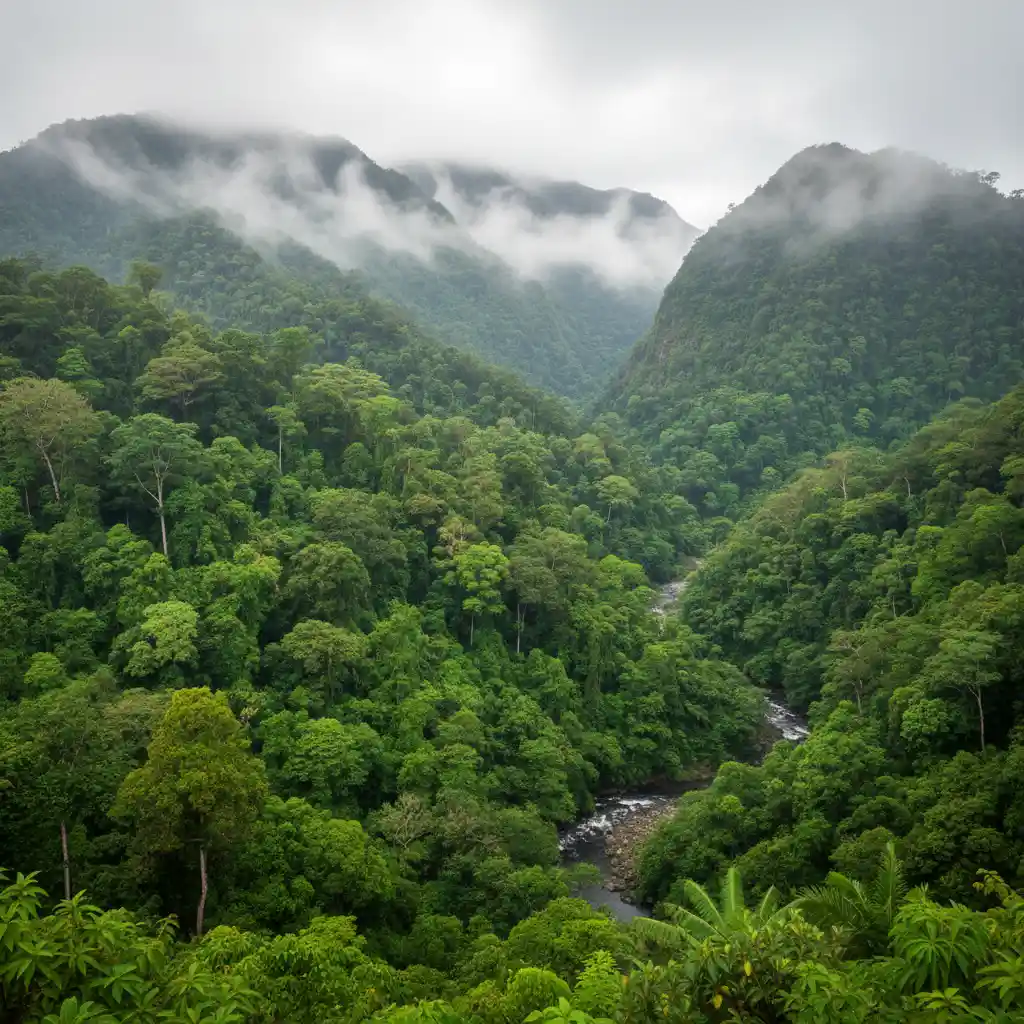
Vanuatu is a jewel of the South Pacific, an archipelago that remains one of the last frontiers for authentic wildlife experiences. For the discerning traveler from Australia or New Zealand, the appeal lies not just in the proximity, but in the raw, unscripted nature of the encounters. Unlike more commercialized destinations, Vanuatu wildlife watching is characterized by its intimacy. Here, the lack of large predatory land mammals has allowed a unique evolutionary path for birds, reptiles, and marine life. The islands are part of the East Melanesian Islands biodiversity hotspot, a designation that highlights both the incredible richness of the local flora and fauna and the urgent need for its protection. The volcanic origins of the islands have created a rugged landscape where isolated pockets of rainforest serve as sanctuaries for species found nowhere else on Earth. For high-value travelers, this means the opportunity to engage with nature in a way that feels like a private discovery, far from the madding crowds of typical tourist circuits.
Premier Birdwatching Spots in Vanuatu
Vanuatu is a paradise for ornithologists and casual birdwatchers alike, boasting over 120 species of birds, including several endemics. The diversity is spread across the islands, with each major landmass offering a different set of avian treasures.
Espiritu Santo: The Gateway to Endemism
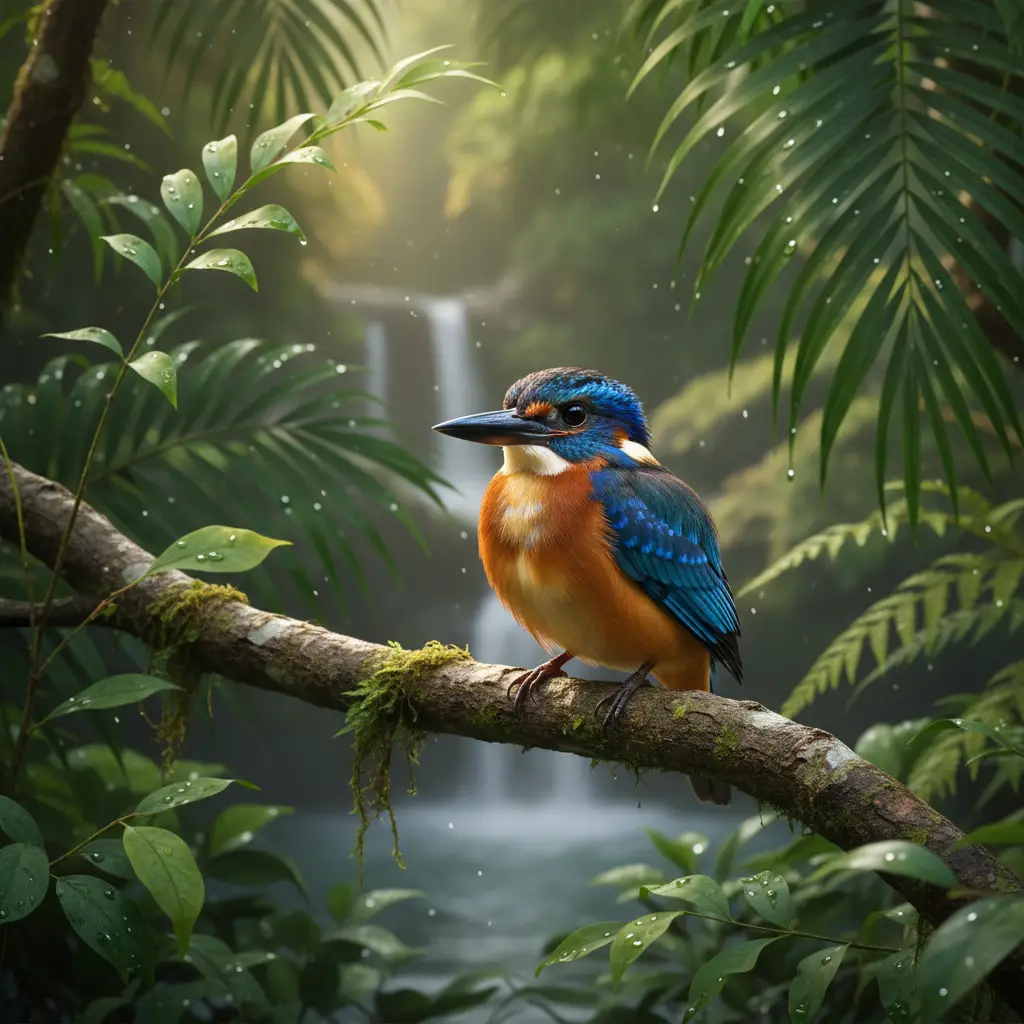
Espiritu Santo, the largest island, is perhaps the most significant for birdwatching. The Vatthe Conservation Area, a vast expanse of lowland alluvial rainforest, is home to the Vanuatu Megapode (Namalao). This ground-dwelling bird is famous for its unique nesting habits, using volcanic heat or decomposing organic matter to incubate its eggs. Travelers can also spot the Santo Mountain Starling and the Vanuatu Imperial Pigeon. Private guided tours through the Loru Conservation Area offer a chance to see the beautiful Tanna Fruit Dove and the colorful Vanuatu Kingfisher. For those staying in luxury boutiques on the island, bespoke early-morning excursions can be arranged to catch the dawn chorus, a symphonic experience that defines the tropical morning.
Tanna Island: Volcanic Vistas and Avian Life
While Tanna is world-famous for Mount Yasur, its forests hold their own secrets. The Tanna Fruit Dove is a highlight here, often seen in the fruiting trees near the base of the volcano. The contrast between the stark, ash-covered plains and the lush green fringes where birds congregate makes for spectacular photography. Birdwatching here is often combined with cultural visits, allowing travelers to see how the local Ni-Vanuatu people live in harmony with these species.
Gaua and the Northern Islands
For the truly adventurous, the northern island of Gaua offers the chance to see the endemic Gaua Hornbill. These remote locations require more logistical planning, often involving private charters or local domestic flights, but the reward is a wildlife experience that few people on the planet ever witness. The dense forests surrounding Lake Letas are particularly rich in biodiversity.
Dugong Encounters in Remote Bays
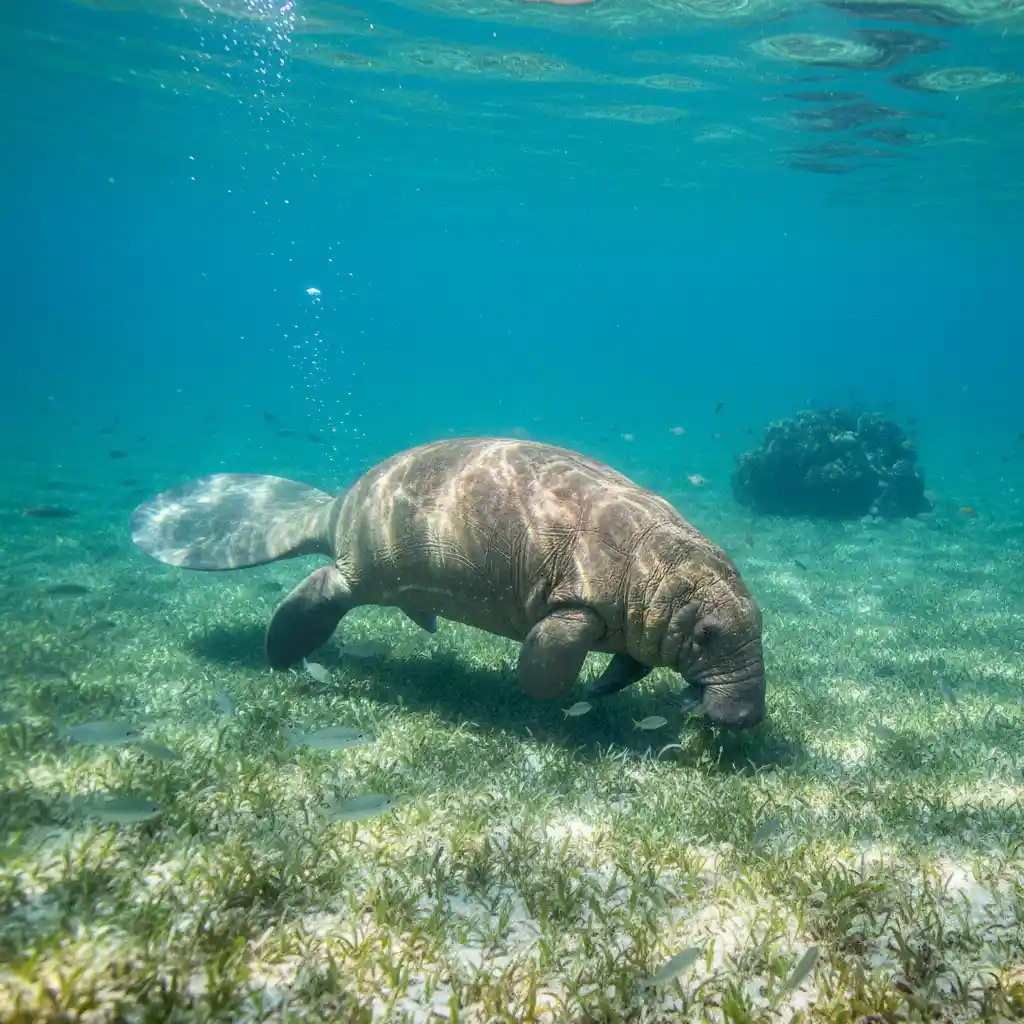
One of the most sought-after wildlife experiences in Vanuatu is the chance to see the elusive dugong. Often referred to as “sea cows,” these gentle marine mammals are found in the shallow, seagrass-rich coastal waters of the archipelago.
Epi Island: The Dugong Capital
Epi Island is globally recognized as one of the best places to encounter dugongs in their natural habitat. Lamen Bay, on the island’s west coast, is home to several resident dugongs that are remarkably habituated to human presence. Unlike the highly regulated and crowded tours found in other parts of the world, swimming with dugongs in Epi is a quiet, respectful affair. Local guides ensure that the animals are not stressed, allowing for a peaceful interaction where the dugong might approach curious snorkelers. This experience is particularly popular with Australian and Kiwi travelers who appreciate the raw authenticity of the encounter.
Malekula and the Maskelyne Islands
The Maskelyne Islands, off the coast of south Malekula, offer another prime location for dugong sightings. The extensive seagrass beds in the protected lagoons provide the perfect grazing ground for these mammals. The Maskelynes are also home to vibrant coral reefs and a community-led conservation project that protects the local marine life. Staying in an eco-lodge here allows travelers to integrate their wildlife watching with a deep dive into the local culture, including the famous dances of the Small Nambas and Big Nambas tribes.
Turtle Nesting and Conservation Efforts
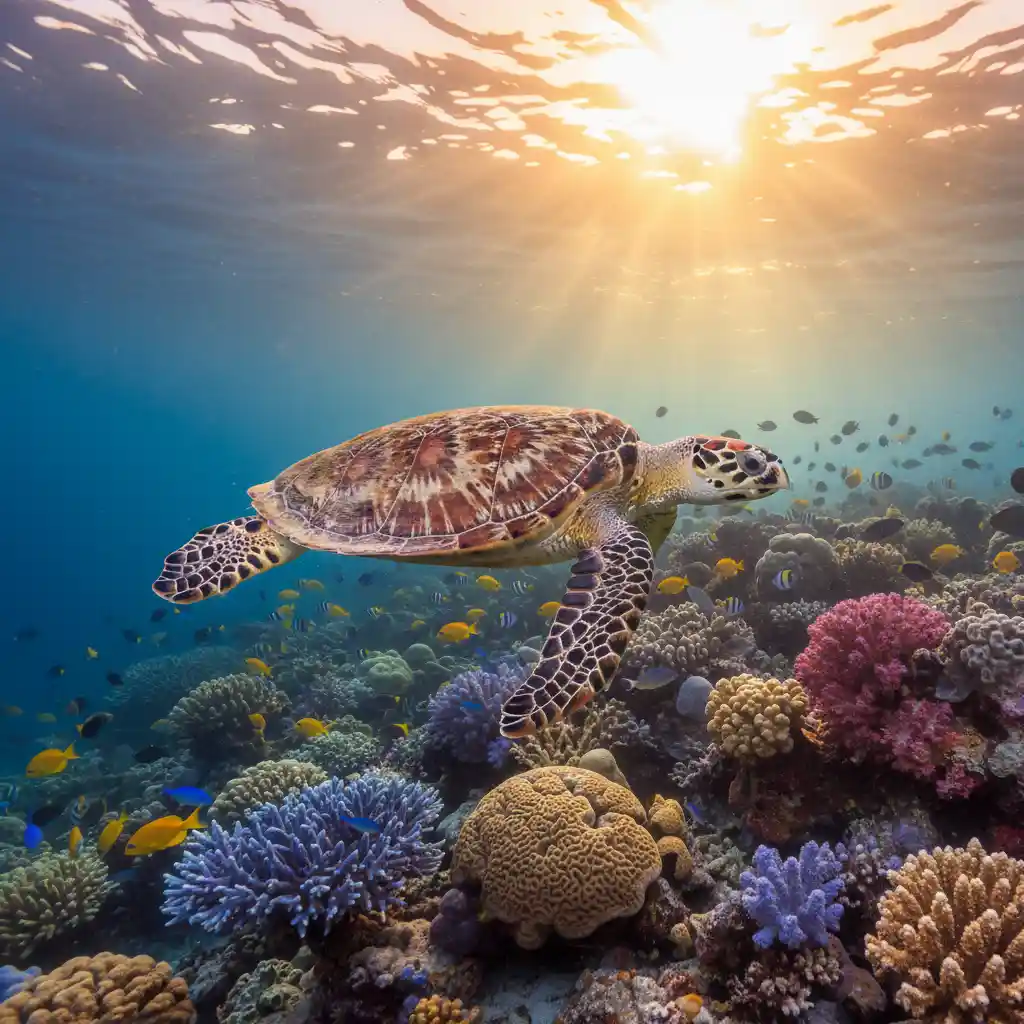
Vanuatu serves as a critical nesting site for several species of sea turtles, primarily the Green Turtle and the Hawksbill Turtle. The conservation of these ancient mariners is a priority for many local communities.
Moso Island and the Tasiriki Community
Moso Island, located just off the coast of North Efate, is a focal point for turtle conservation. The Tranquility Eco Resort runs a successful turtle sanctuary where hatchlings are raised until they are large enough to have a higher chance of survival in the wild. Visitors can participate in the release of these young turtles, a moving experience that resonates deeply with families and eco-conscious travelers. The beaches of Moso also serve as natural nesting grounds during the summer months.
North Efate and the Bamboo Bay Project
Further north on the main island of Efate, the Bamboo Bay area is known for its rugged coastline and turtle activity. Community-managed marine protected areas (MPAs) have seen a resurgence in turtle populations. Snorkeling in these areas often results in sightings of Hawksbill turtles foraging among the coral gardens. For high-end travelers based in Port Vila, private boat charters can easily access these pristine spots for a day of luxury snorkeling and wildlife spotting.
Best Seasons for Wildlife Watching in Vanuatu
Timing is crucial for a successful wildlife-focused trip to Vanuatu. The archipelago experiences two distinct seasons: the dry season and the wet season, each offering different opportunities for nature enthusiasts.
The Dry Season (May to October)
This is generally considered the best time for wildlife watching. The weather is cooler and less humid, making trekking through the rainforests of Santo or Malekula much more comfortable. For birdwatchers, the visibility is better as the foliage is less dense. This period also coincides with the humpback whale migration (July to September), where these majestic giants can be seen breaching in the waters between the islands. The sea conditions are typically calmer, which is ideal for boat-based excursions to see dugongs or to reach remote nesting sites.
The Wet Season (November to April)
While the humidity rises and rain is more frequent, the wet season is the peak time for turtle nesting and hatching. If your primary goal is to see turtles laying eggs on the beaches of Moso or to witness the frantic scramble of hatchlings toward the ocean, the months of December and January are optimal. The rainforests are also at their most lush and vibrant during this time, though the heat can be intense for long treks. It is important to note that this is also cyclone season, so flexible travel plans and comprehensive insurance are recommended for travelers during this period.
Terrestrial Wonders: Flying Foxes and Land Crabs
Beyond the birds and marine life, Vanuatu’s terrestrial wildlife includes fascinating species that are often overlooked. The Flying Fox, or fruit bat, is a common sight across many islands. These large bats play a vital role in the ecosystem as pollinators and seed dispersers. At dusk, watching thousands of flying foxes take to the sky from their roosts in the giant banyan trees is a spectacular sight. On islands like Tanna and Santo, the Coconut Crab—the largest land-living arthropod in the world—can be found. These impressive creatures are known for their ability to crack coconuts with their powerful claws. Many high-end resorts offer guided night walks to spot these nocturnal giants in their natural habitat, providing a unique glimpse into the islands’ night-time ecology.
Marine Majesty: Beyond the Dugongs
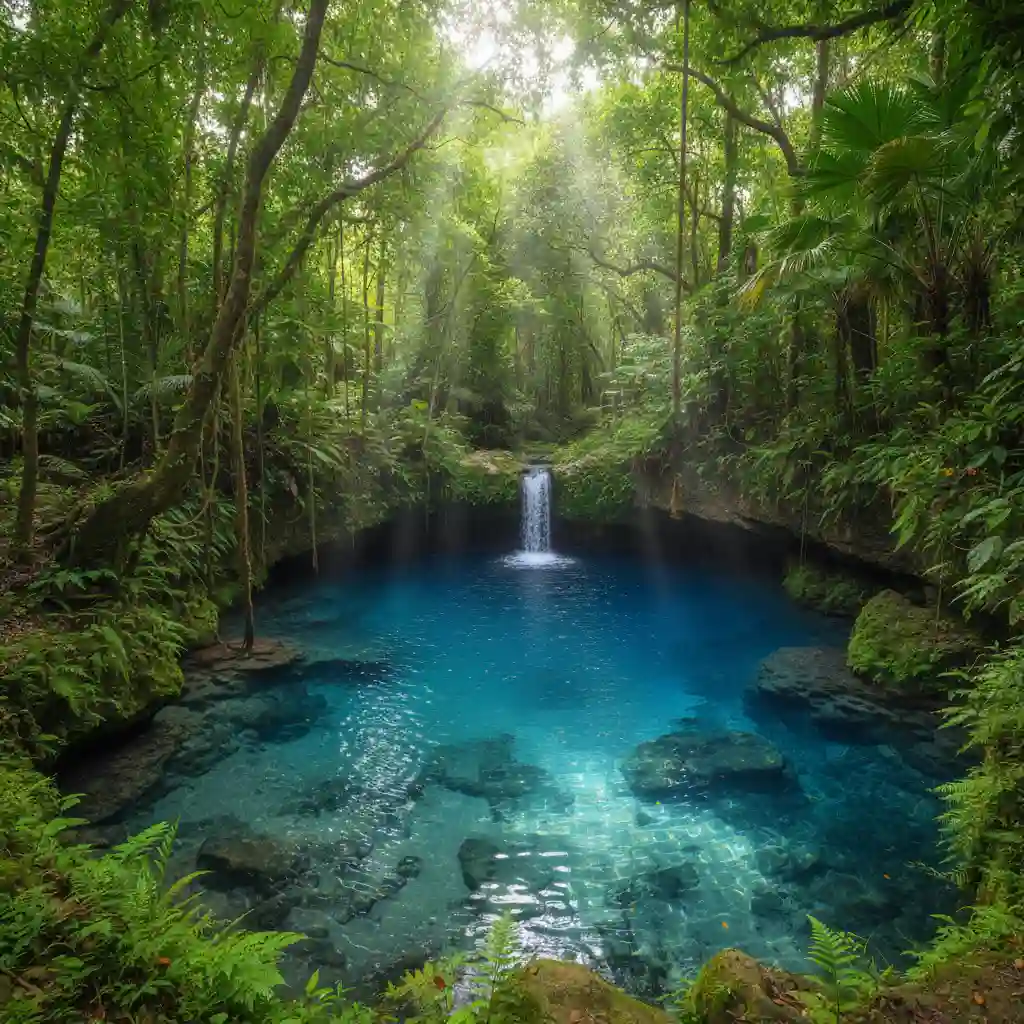
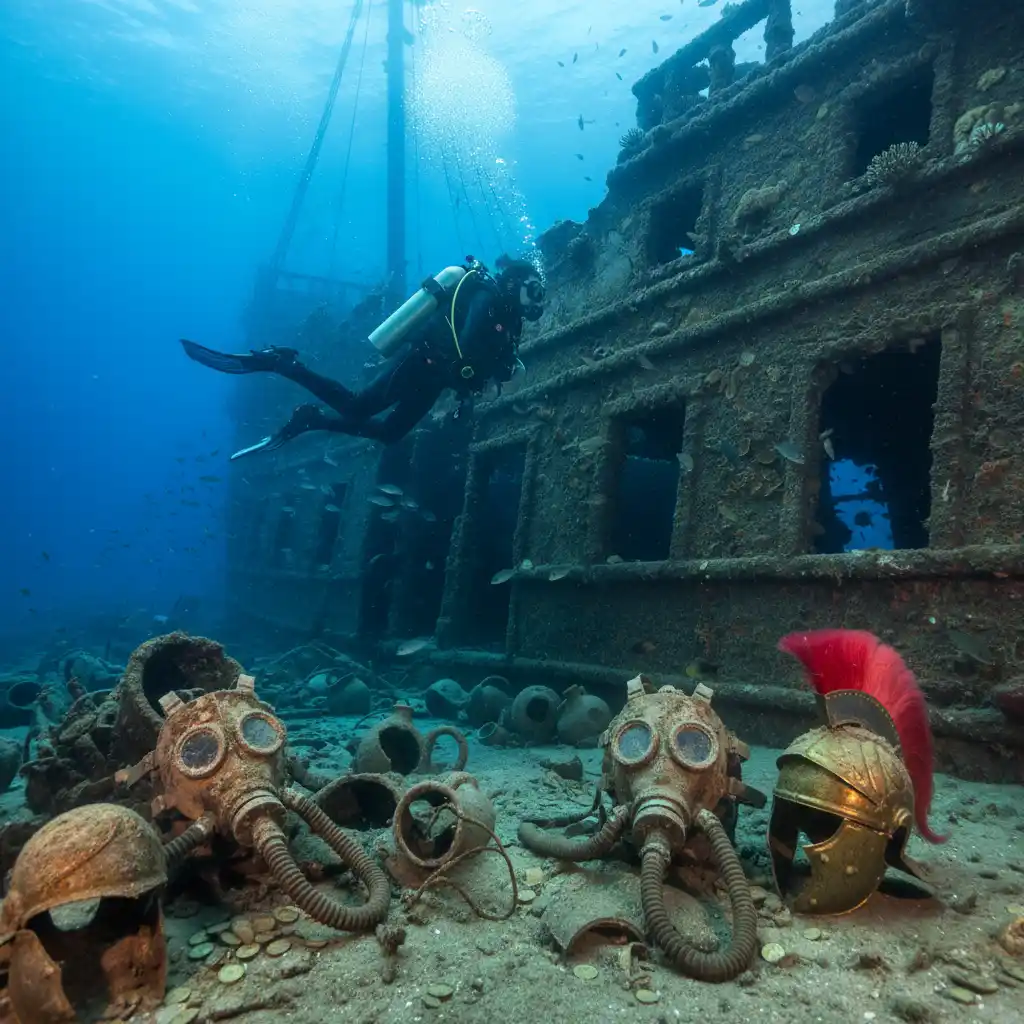
The underwater world of Vanuatu is a kaleidoscope of biodiversity. While dugongs are the stars, the coral reefs host an incredible array of life. Divers and snorkelers can encounter reef sharks, eagle rays, and schools of barracuda. The “Million Dollar Point” and the “SS President Coolidge” wreck off Espiritu Santo are not only historical sites but have become artificial reefs teeming with marine life. For those seeking a more serene experience, the blue holes of Santo offer crystal-clear freshwater environments where unique species of fish and shrimp can be observed in a tranquil, sapphire-colored setting. These blue holes are a must-visit for any nature lover, providing a stark contrast to the salty adventures of the coast.
Responsible Wildlife Tourism in Vanuatu
As tourism grows, the importance of responsible practices cannot be overstated. Vanuatu has made significant strides in community-led conservation. When booking a wildlife tour, it is essential to choose operators who prioritize the welfare of the animals and the environment. This means maintaining a respectful distance from dugongs, avoiding the use of flash photography with nesting turtles, and supporting local conservation fees that go directly back into protecting the habitats. For the AU/NZ market, which increasingly values sustainability, Vanuatu offers a chance to see how tourism can be a force for good. By choosing eco-certified lodges and local guides, travelers contribute to the preservation of this unique natural heritage for future generations.
What is the best time of year to see wildlife in Vanuatu?
The best time for birdwatching and seeing dugongs is the dry season from May to October. For turtle nesting and hatching, the peak season is during the warmer months from November to February.
Where can I swim with dugongs in Vanuatu?
Lamen Bay on Epi Island is the most famous spot for swimming with resident dugongs. The Maskelyne Islands off Malekula also offer excellent opportunities for sightings in a remote setting.
Are there any dangerous animals in Vanuatu?
Vanuatu is remarkably safe. There are no large land predators, venomous snakes, or dangerous spiders. The main considerations are marine-based, such as being mindful of stonefish or jellyfish during certain seasons.
What birds are endemic to Vanuatu?
Key endemic species include the Vanuatu Megapode, the Tanna Fruit Dove, the Vanuatu Kingfisher, and the Gaua Hornbill. Many of these are found in protected conservation areas on Santo and Gaua.
Can you see whales in Vanuatu?
Yes, Humpback whales migrate through Vanuatu waters between July and September. They can often be seen from the shores of Efate and Santo or on dedicated whale-watching boat tours.
Where is the best place for turtle watching in Vanuatu?
Moso Island and the North Efate coastline are premier locations. Moso Island features a turtle sanctuary and hatchery, while the surrounding reefs are home to foraging Green and Hawksbill turtles.