Vanuatu traditional dance, known as ‘kastom danis,’ is a central pillar of Ni-Vanuatu culture, representing ancestral stories, social status, and spiritual connection. These rhythmic performances combine intricate footwork, vocal chanting, and striking costumes, serving as vital ceremonial rites for events like weddings, funerals, and the annual harvest cycles across the archipelago’s 83 islands.
What is the cultural meaning of Vanuatu traditional dance?
In the Republic of Vanuatu, dance is far more than a form of entertainment; it is the living vessel of ‘Kastom’—the traditional laws, legends, and social structures that have governed the islands for millennia. For the Ni-Vanuatu people, every movement, rhythm, and costume choice carries deep symbolic weight. Dance serves as a primary method of oral history, passing down the stories of ancestors, the origins of specific tribes, and the spiritual laws of the land to the younger generation.
One of the most profound aspects of Vanuatu traditional dance is its role in the ‘Nimangki’ or grade-taking ceremonies. In many northern and central islands, social status is not inherited but earned through the sacrifice of tusked pigs and the hosting of elaborate feasts. Dance is the ceremonial climax of these events, where the performer’s regalia—including specific masks, feathers, and body paint—signals their newly attained rank within the community. For high-value travelers from Australia and New Zealand, understanding this hierarchy adds a layer of appreciation for the complexity of the performances witnessed.
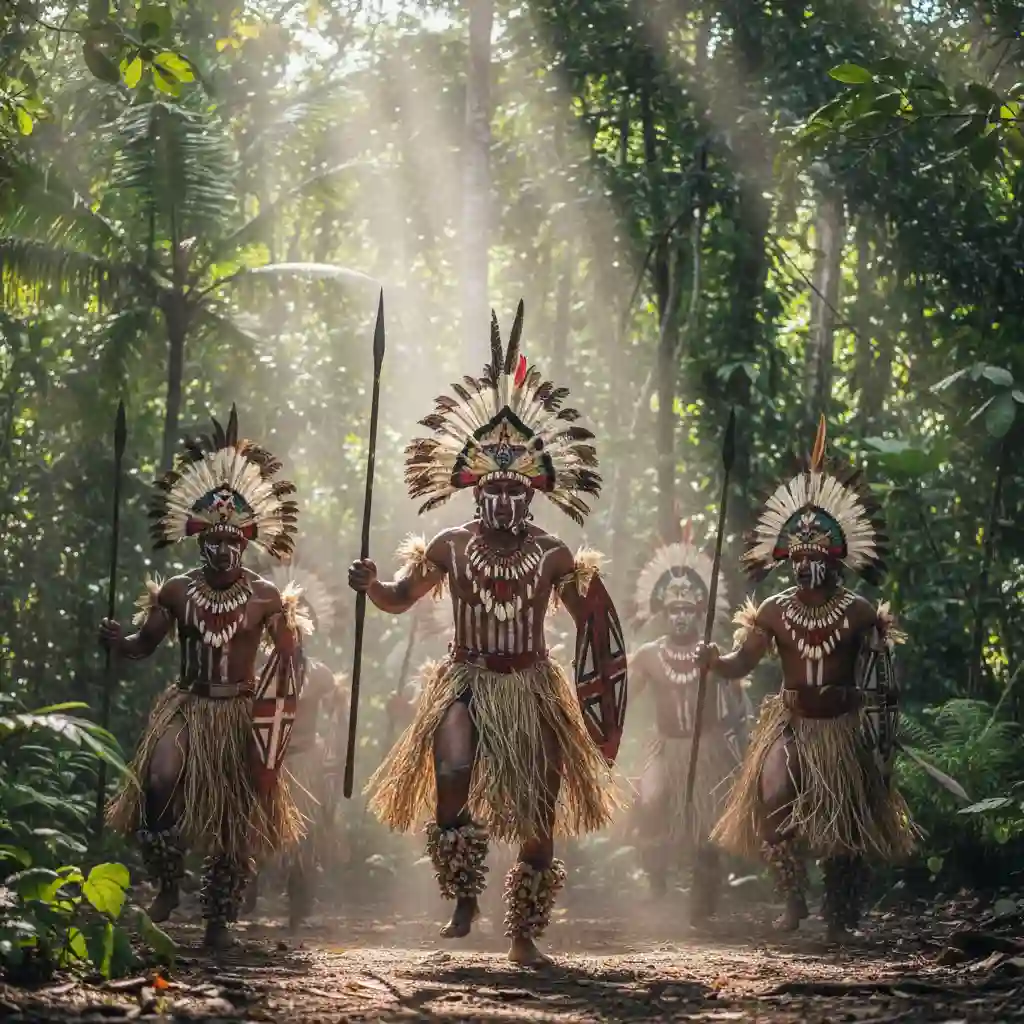
Furthermore, dance is intrinsically linked to the agricultural calendar. The seasons of the yam harvest, the arrival of certain migratory birds, or the flowering of specific trees are all marked by communal dances. These performances are believed to appease the spirits of the ancestors and ensure the continued fertility of the soil and the sea. The spiritual connection is palpable; when a dancer dons a mask, they are often seen as embodying the spirit itself, transcending the physical realm to bridge the gap between the living and the dead.
What are the most famous Vanuatu dance styles?
Vanuatu’s geographic diversity has led to a stunning array of distinct dance styles, each unique to its specific island or even a single village. For visitors, recognizing these differences is key to appreciating the archipelago’s rich cultural tapestry.
The Rom Dance of Ambrym
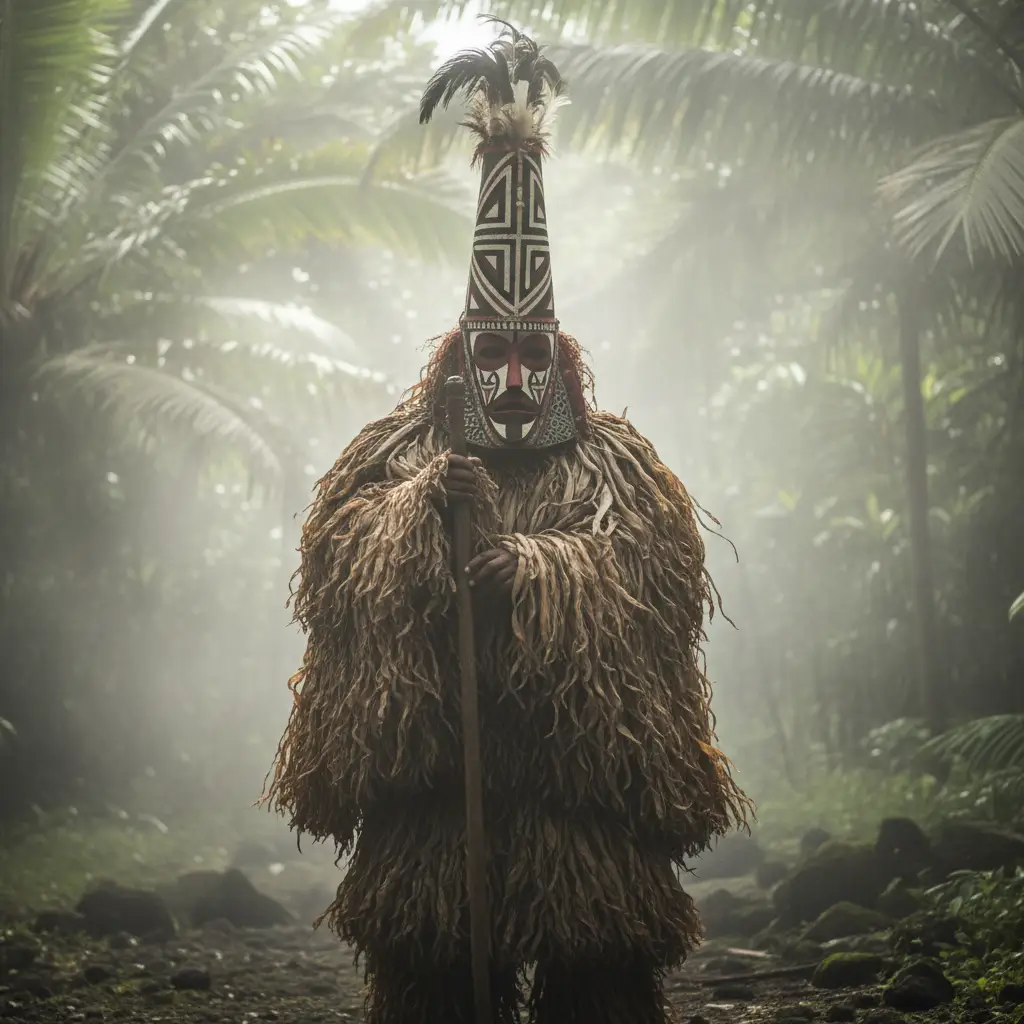
Ambrym, known as the ‘Island of Magic,’ is home to the enigmatic Rom dance. This performance is historically linked to secret societies and male initiation rites. The dancers wear towering, conical masks made of banana leaves and intricate wood carvings, draped in dried banana fiber cloaks that hide their entire bodies. The Rom dance is a rhythmic, stomping display accompanied by the deep resonance of slit drums. It is a protected cultural intellectual property; traditionally, the right to perform the dance or create the masks must be purchased through the pig-grading system.
The Toka Dance of Tanna
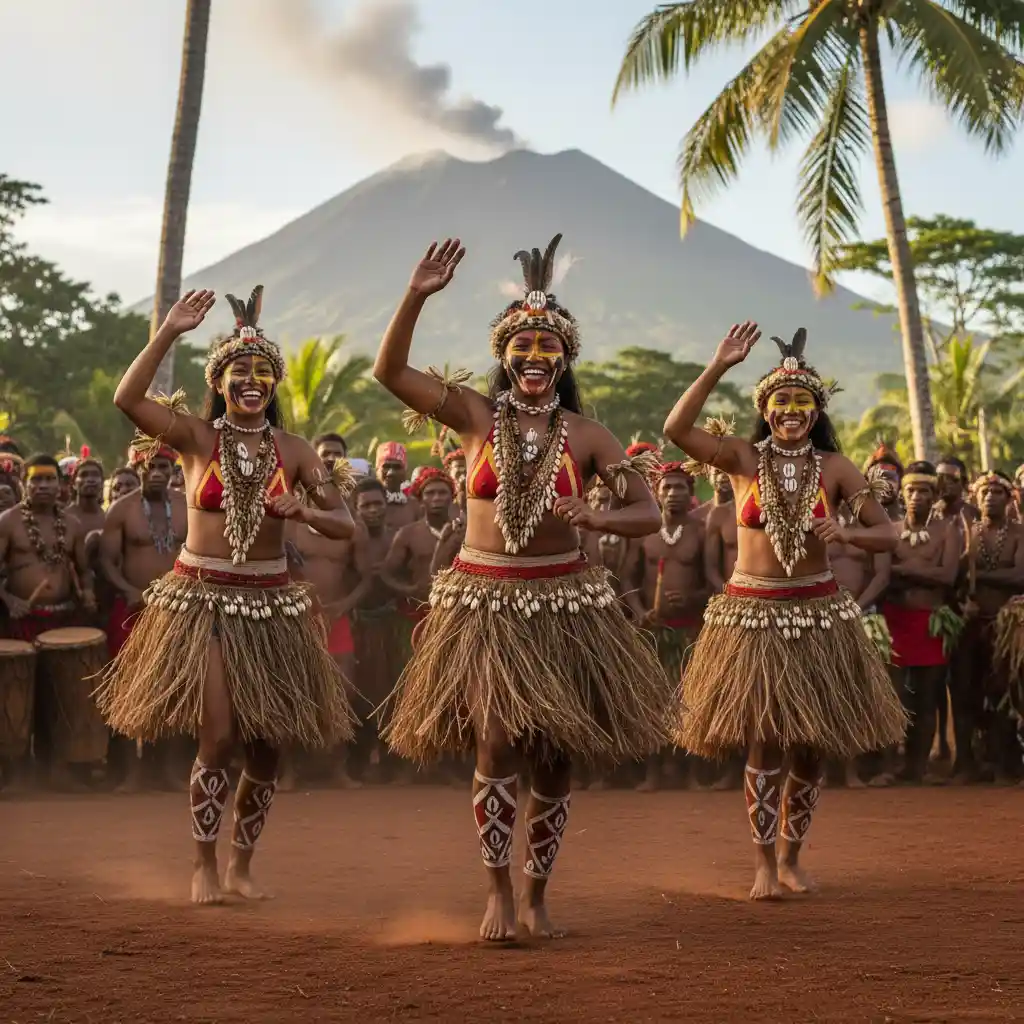
On the island of Tanna, the Toka dance is one of the most significant cultural events in the South Pacific. It is a massive festival of alliance and friendship between different tribes, sometimes involving hundreds of performers. The Toka is characterized by its endurance—dances can last for days—and the vibrant facial paintings of the women, who use bright yellows, reds, and blacks to create geometric patterns. The dance symbolizes the ending of hostilities and the sealing of peace treaties, making it a powerful display of social cohesion.
The Snake Dance of Mota Lava
In the northern Banks Islands, the Snake Dance of Mota Lava is a visual marvel. Dancers paint their bodies in black and white stripes to mimic the sea krait, a sacred creature in local mythology. Moving in a serpentine line, the dancers weave through the village, replicating the fluid motions of the snake. This dance is often performed to celebrate the opening of a new ‘nasara’ (sacred meeting ground) or a significant community milestone.
The Water Music of Gaua
While not a ‘dance’ in the conventional sense of footwork, the Water Music performed by the women of Gaua is a rhythmic performance that involves using the surface of the water as a percussion instrument. Standing waist-deep in a river or the ocean, the women use specific hand splashes and cupping techniques to create a range of sounds, from deep thuds to sharp cracks. This performance is often accompanied by synchronized movements and chanting, representing the sounds of the environment and the daily lives of women.
Which traditional musical instruments are used in Vanuatu?
The soundscape of a Vanuatu performance is organic and percussive, relying on instruments crafted from the natural materials found within the islands’ lush ecosystems. There are no string instruments in traditional ‘kastom’ music; instead, the focus is on rhythm and resonance.
The Tamtam (Slit Drum)
The Tamtam is the heartbeat of Vanuatu. Carved from the trunks of massive breadfruit trees, these vertical slit drums can stand over three meters tall. The top of the drum is often carved into a stylized human face representing an ancestor. When struck with a wooden mallet, the hollowed-out trunk produces a deep, booming sound that can travel for kilometers through the jungle. Tamtams are not just instruments; they are communication tools used to signal the start of a ceremony, announce a death, or call a village meeting.

Bamboo Flutes and Panpipes
In more melodic performances, particularly in the northern islands, bamboo flutes and panpipes provide a haunting accompaniment. These are often used in smaller, more intimate ceremonies or as a backdrop to storytelling. The scales used are unique to each island, often mimicking the calls of local birds or the whistling of the wind through the highlands.
Percussive Body Instruments
The dancers themselves are often part of the orchestra. Dried seed pods (known as ‘navat’ or ‘rattle seeds’) are tied around the ankles, creating a sharp, rhythmic clicking with every step. Additionally, the clapping of hands and the rhythmic slapping of thighs provide the foundational beat for many dances where drums are absent. The human voice, through polyphonic chanting and call-and-response patterns, adds the final layer to this complex auditory experience.
Where can travelers see traditional dance in Vanuatu?
For the discerning traveler seeking authenticity, there are several ways to experience Vanuatu traditional dance, ranging from organized cultural centers to remote village invitations.
The Vanuatu Cultural Centre (Port Vila)
Located in the capital on Efate, the Vanuatu Cultural Centre (VKS) is an essential first stop. While it is primarily a museum and research facility, it frequently hosts demonstrations of sand drawing (a UNESCO-recognized intangible heritage) and traditional music. It provides the necessary context to understand the dances you will see later in your journey.
Ipayo and Lowinio Villages (Tanna)
Tanna is perhaps the best island for witnessing living culture. Villages like Ipayo offer ‘Kastom’ tours that are managed by the local community. Here, the performances are not staged for tourists in a vacuum; they are demonstrations of the dances the villagers perform for their own ceremonies. The setting—usually a dusty clearing under the shadow of a giant banyan tree—is incredibly atmospheric.
The Fanla Village (Ambrym)
For those willing to travel further afield, Fanla in North Ambrym is the traditional seat of the Rom dance. Visiting here requires a local guide and a deep respect for local protocols. The experience of seeing the Rom masks emerge from the forest mist is widely considered one of the most powerful cultural encounters in the South Pacific.
Cultural Festivals
Timing your visit with a national or island-specific festival is the best way to see multiple dance styles in one location. The Vanuatu National Arts Festival (held every few years) and the Toka Festival (which occurs every few years based on the harvest) are pinnacle events. Additionally, the St. Andrew’s Day celebrations on Rah and Mota Lava in November offer a fantastic display of the Snake Dance and local hospitality.
What is the etiquette for attending a traditional dance?
As a guest in a ‘Kastom’ environment, following local etiquette is crucial for ensuring a respectful exchange. Ni-Vanuatu people are famously warm and welcoming, but their traditions are sacred.
- Ask Permission for Photos: While many villages allow photography, always ask your guide or the village chief first. Some sacred dances or specific masks may be off-limits for digital recording.
- Dress Modestly: When visiting a traditional village, both men and women should dress modestly. For women, this usually means covering the shoulders and wearing skirts or shorts that reach the knee.
- Respect the Nasara: The ‘nasara’ is the sacred dancing ground. Never walk across the center of it unless invited; always walk around the perimeter.
- Financial Contributions: Many dances are the intellectual property of the tribe. If a fee is requested for a performance, understand that this money often goes directly to community projects, schools, or the maintenance of the cultural site.
- Observe Silence: During certain parts of a ceremony, the chanting or the drum beats may be the only sounds allowed. Follow the lead of the locals regarding when it is appropriate to talk or applaud.
By approaching Vanuatu traditional dance with curiosity and respect, travelers from Australia and New Zealand can gain a profound insight into a culture that has remained resilient and vibrant for thousands of years. It is an experience that transcends typical tourism, offering a rare glimpse into the spiritual heart of the Pacific.
People Also Ask
What is the most famous dance in Vanuatu?
The Rom dance of Ambrym is arguably the most famous due to its striking conical masks and its association with the island’s reputation for ‘black magic’ and ancient secret societies.
Can women participate in Vanuatu traditional dances?
Yes, women have their own distinct dances, such as the Toka in Tanna and the Water Music in Gaua. However, many ‘kastom’ dances are gender-segregated, with specific rites reserved exclusively for men or women.
What are Vanuatu dance masks made of?
Masks are typically crafted from sustainable local materials including wood, tree fern trunks, bamboo, banana leaves, and spider webs, then decorated with natural pigments and feathers.
Is it okay to tip the dancers in Vanuatu?
Tipping is not a traditional practice in Vanuatu. Instead, pay the agreed-upon entrance or performance fee, which is often managed by the village chief for the benefit of the entire community.
When is the best time of year to see traditional dancing?
The dry season (May to October) is the best time, as this coincides with major cultural festivals, the yam harvest, and the famous land-diving (Nagol) ceremonies on Pentecost Island.
Are the dances performed today authentic?
Yes. While some performances are organized for visitors, the dances themselves are the same ones used in actual village ceremonies, maintained through strict adherence to ‘Kastom’ laws.