Community tourism in Vanuatu is a sustainable travel model where local indigenous communities own and manage tourism enterprises. This approach ensures that economic benefits remain within the village, preserves traditional Kastom culture, and offers visitors authentic immersion into the Ni-Vanuatu way of life through homestays, cultural tours, and eco-adventures.
Why Choose Community Tourism in Vanuatu?
For high-value travelers from Australia and New Zealand, the allure of Vanuatu has traditionally been its proximity and its pristine beaches. However, a deeper trend is emerging: the move toward community tourism. Unlike the isolated luxury of a gated resort, community-based tourism (CBT) invites the traveler to step into the living history of the archipelago. It is an invitation to witness the “Kastom”—the traditional laws, spirituality, and social structures that have governed these islands for millennia.
Vanuatu is unique in the Pacific for its cultural diversity, with over 113 distinct languages and countless variations of traditional dance, music, and cuisine. By engaging with community projects, you aren’t just a spectator; you become a vital contributor to the preservation of this heritage. This style of travel appeals to those who value authenticity over artifice and seek to understand the world through the eyes of its original custodians.
What are the Benefits of Community Tourism?
The benefits of community tourism in Vanuatu are three-fold, impacting the economy, the culture, and the environment. For the visitor, it offers a transformative experience that standard tourism models simply cannot replicate.
Economic Empowerment and Resilience
In many rural parts of Vanuatu, formal employment is scarce. Community tourism provides a direct revenue stream to villages. Unlike international hotel chains where a significant portion of the profit leaves the country, CBT ensures that the majority of the spend stays within the local economy. This money pays for school fees, medical supplies, and infrastructure like solar power or clean water systems. It empowers women and youth by creating roles in hospitality, guiding, and artisanal crafts without requiring them to migrate to urban centers like Port Vila.
Cultural Preservation and Pride
When a community sees that international visitors are willing to travel thousands of miles to witness their traditional dances (like the Rom dance of Ambrym) or learn about their ancestral farming techniques, it reinforces the value of those traditions. This encourages the younger generation to maintain their heritage rather than abandoning it for Westernized lifestyles. It creates a bridge between the past and the future, ensuring that the Ni-Vanuatu identity remains vibrant and intact.
Environmental Stewardship
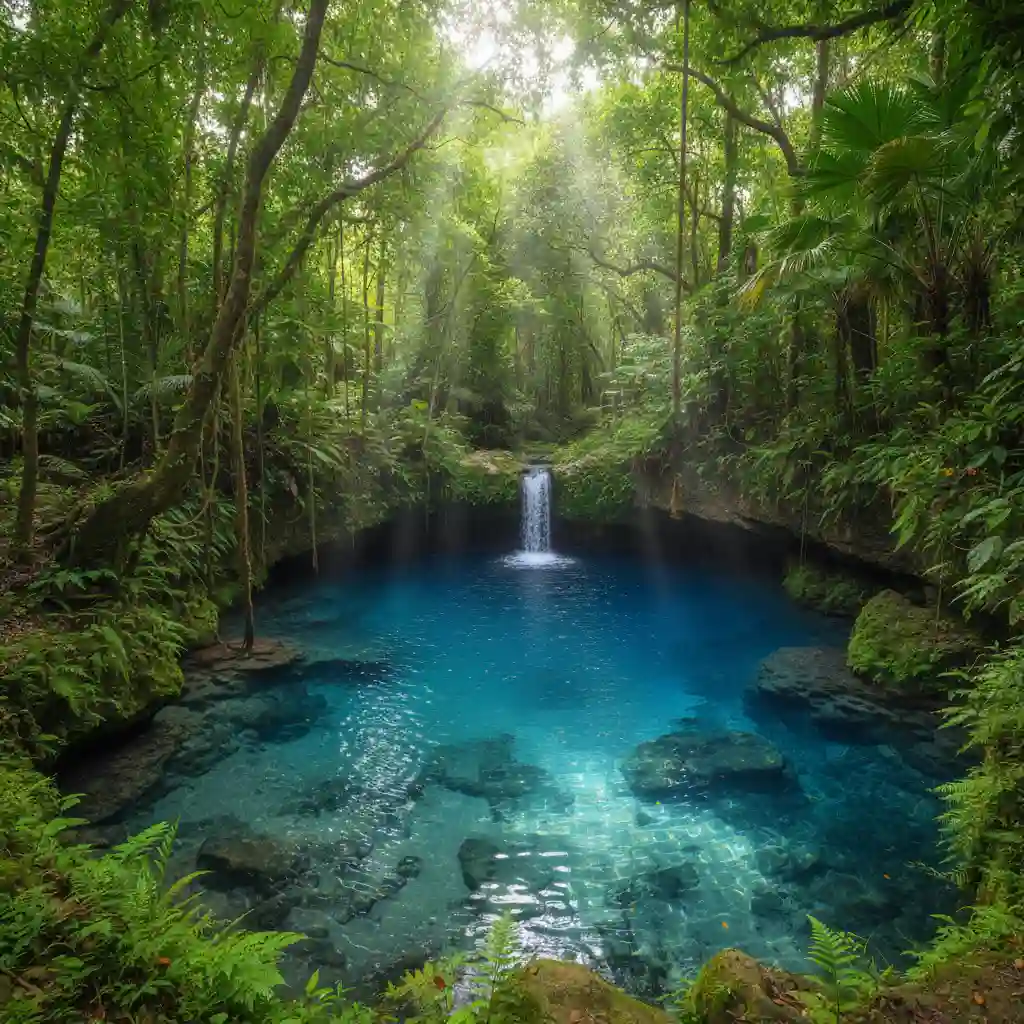
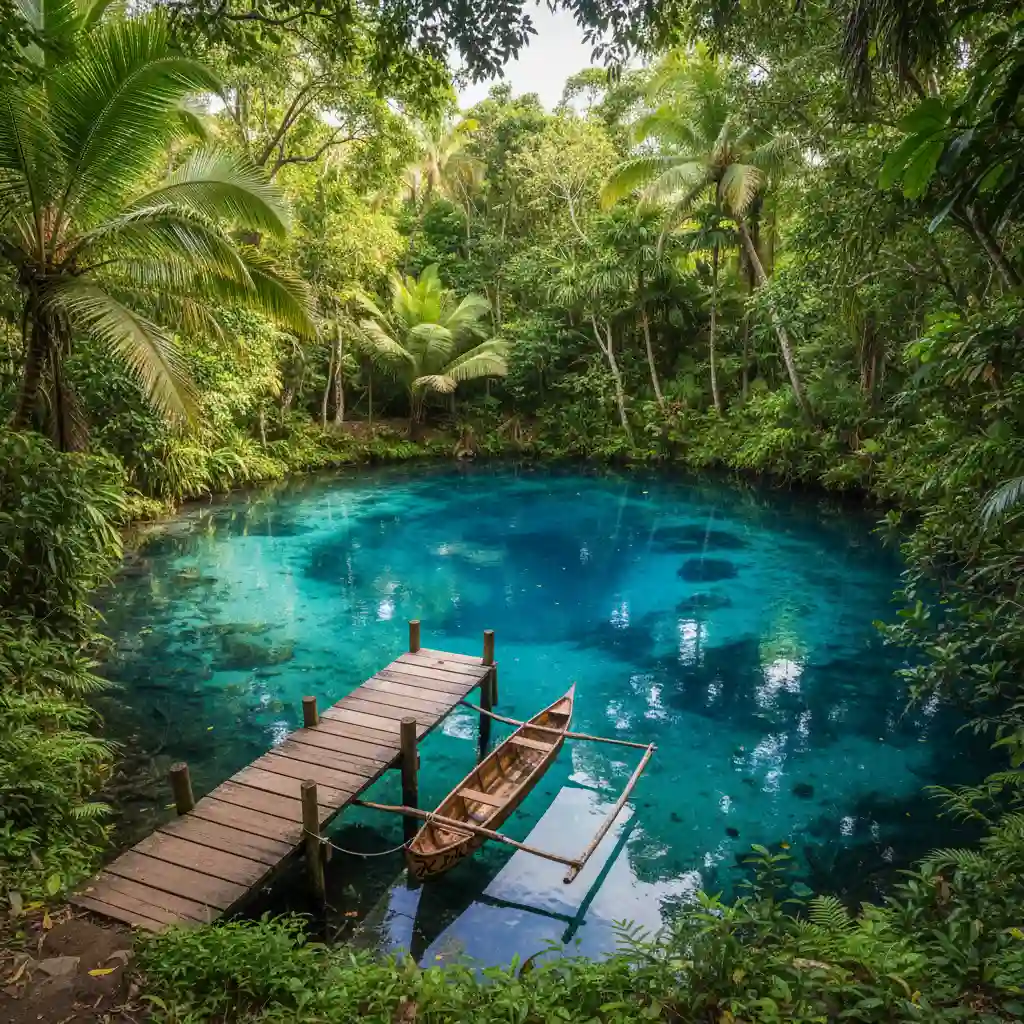
Communities that rely on their natural surroundings for tourism revenue have a vested interest in protecting those resources. Whether it is a marine protected area for snorkeling or a pristine rainforest for trekking, community tourism incentivizes conservation. Many projects incorporate traditional ecological knowledge, teaching visitors about the medicinal uses of plants and the importance of biodiversity in the Pacific ecosystem.
Top Community-Based Tourism Projects in Vanuatu
Vanuatu’s islands offer a diverse array of community-led experiences. Here are some of the most impactful and well-regarded projects currently available for the discerning traveler.
The Millennium Cave Challenge (Espiritu Santo)
Located on the island of Espiritu Santo, the Millennium Cave tour is perhaps the most famous community-managed adventure in the country. This is not just a hike; it is a full-day odyssey through tropical rainforest, massive limestone caves, and refreshing river canyons. The project is owned and operated by the Vunaspef community. Every guide is a local villager, and the proceeds have funded the village’s primary school and health clinic. It is a grueling but rewarding experience that places you directly in the heart of the Santo wilderness.
Yakel Village (Tanna)
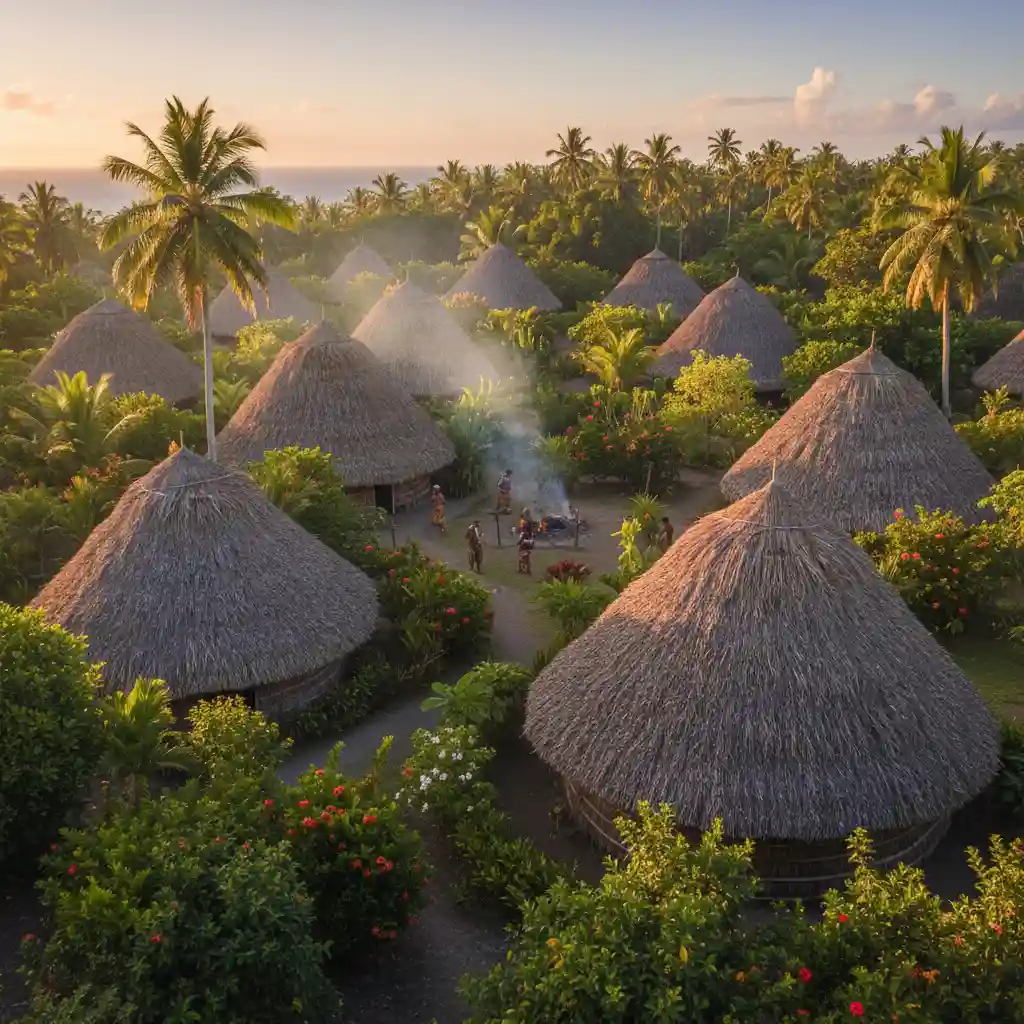
Tanna is an island where time feels like a secondary concern. Yakel Village is a “Kastom” village that has consciously chosen to maintain a traditional lifestyle, eschewing modern clothing and technology. Visitors are welcomed into the village to observe daily life, see traditional houses made of local materials, and learn about the profound connection the people have with the nearby Mt. Yasur volcano. This project is a masterclass in how tourism can coexist with a deeply traditional society without eroding its core values.
Small Nambas and Big Nambas (Malekula)
Malekula is the island of mystery and history. The community tourism projects here focus heavily on the complex social hierarchies and rituals of the Small Nambas and Big Nambas tribes. Visitors can participate in cultural tours that showcase ancient dancing grounds (nasaras), traditional food preparation in ground ovens (laplap), and the intricate sand drawing art form, which is recognized by UNESCO as a Masterpiece of the Oral and Intangible Heritage of Humanity.
The Pentecost Land Diving (Nagol)
While often seen as a spectacle, the Nagol (land diving) on Pentecost Island is a deeply spiritual community event held between April and June. It is the precursor to modern bungee jumping, but with much higher stakes and spiritual significance. Visiting during this time through a community-sanctioned tour ensures that your presence supports the specific villages that build the towers and maintain the ritual, rather than just external tour operators.
How to Book Community Tourism Experiences
Booking community tourism in Vanuatu requires a slightly different approach than booking a standard hotel. Because many of these communities are in remote areas with limited internet access, the process is often more personal and relies on local networks.
Utilizing the Vanuatu Tourism Office (VTO)
The VTO is the primary resource for identifying accredited community projects. They maintain a list of operators who meet safety and quality standards while ensuring the community benefit remains the priority. Their website provides contact details for provincial tourism offices, which are essential for reaching remote island projects.
Working with Specialized Travel Agents
For high-value travelers from Australia and New Zealand, working with a travel designer who specializes in the South Pacific is often the best route. These agents have direct relationships with community leaders and can coordinate the complex logistics of domestic flights (via Air Vanuatu), boat transfers, and local guides. They can also ensure that your visit aligns with local customs and taboos.
Direct Engagement and Local Cooperatives
In hubs like Luganville or Port Vila, you can find tourism cooperatives. For example, the Sanma Travel Centre in Luganville can help book trips to community sites across Espiritu Santo. When booking directly, it is important to clarify what is included (meals, transport, fees) and to bring local currency (Vatu), as many remote villages do not have credit card facilities.
Impact Stories: Real Change in the Islands
The true value of community tourism is best understood through the stories of the people it affects. In the village of Vunaspef (Millennium Cave), the revenue from tourism has transformed the community’s future. Before the project, children had to walk hours to reach the nearest school. Today, the village has its own classroom and a dedicated teacher paid for by tour fees. This has significantly increased literacy rates in the area.
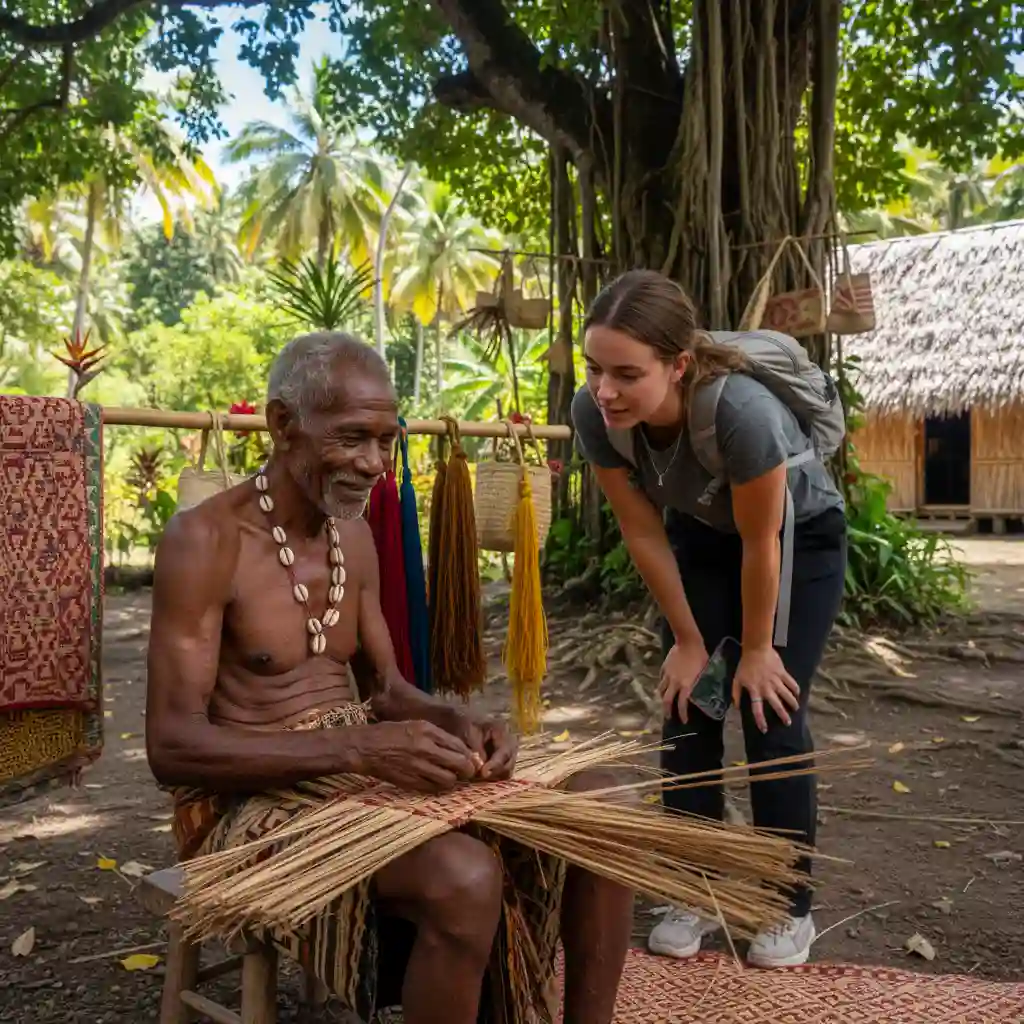
On the island of Tanna, a women’s cooperative focused on traditional weaving has allowed mothers to earn an independent income. This money is often used to buy solar lanterns, allowing children to study after sunset and reducing the reliance on expensive and smoky kerosene lamps. These stories highlight that a holiday in Vanuatu can be more than just a break from work; it can be a catalyst for positive development in one of the world’s most culturally rich nations.
Sustainable Travel Tips for AU/NZ Visitors
To ensure your visit to a community is respectful and beneficial, consider the following guidelines:
- Respect the Kastom: Always ask for permission before taking photos of people or sacred sites. Dress modestly when entering villages (covering shoulders and knees is generally preferred).
- Minimize Waste: Remote islands have no waste management infrastructure. Take any plastic or non-biodegradable waste back to the main towns or, better yet, back home to Australia or New Zealand.
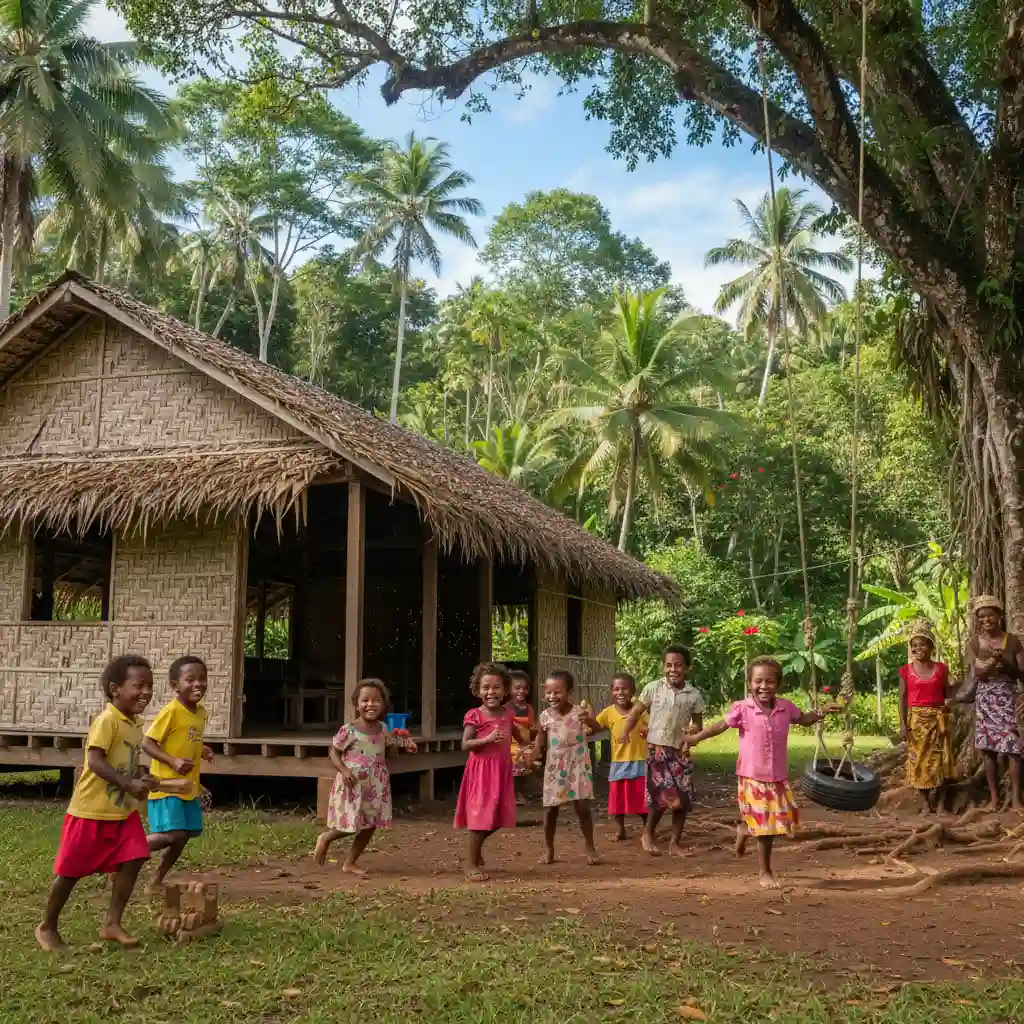
- Gift Giving: If you wish to give back, avoid giving candy or money to children. Instead, donate useful items like school supplies, books, or medical kits to the village headman or the local school.
- Support Local Artisans: Buy crafts directly from the makers. This ensures the artist receives the full value of their work and helps keep traditional skills alive.
- Be Patient: “Island Time” is a real concept. Schedules may shift due to weather or community events. Embrace the slower pace as part of the experience.
By choosing community tourism, you are choosing a path of mutual respect and shared prosperity. You leave Vanuatu not just with photos of a beautiful beach, but with a deeper connection to the human spirit and the enduring power of culture.
People Also Asked (PAA)
Is community tourism in Vanuatu safe for solo travelers?
Yes, community tourism is generally very safe. Ni-Vanuatu people are known for their hospitality and friendliness. When staying in a community, you are often treated as an honored guest and looked after by the entire village. However, it is always recommended to book through recognized operators and inform someone of your travel plans.
What should I pack for a community homestay in Vanuatu?
Pack light, breathable clothing, a sturdy pair of walking shoes, a waterproof jacket, and a headlamp. Include high-quality insect repellent, sun protection, and any personal medications. A reusable water bottle with a built-in filter is also highly recommended for remote areas.
Do I need to speak the local language?
While there are over 100 languages, Bislama is the national language, and English and French are widely spoken in tourism contexts. Most community guides speak excellent English, but learning a few phrases in Bislama (like ‘Halo’ for hello and ‘Tangkyu tumas’ for thank you very much) is greatly appreciated.
How does community tourism help the environment?
It provides an alternative income to destructive practices like logging or overfishing. When a community earns money from showing visitors their pristine forests or coral reefs, they are more likely to protect those areas through traditional taboos or formal conservation zones.
Can I visit a Kastom village at any time of year?
Most villages are open year-round, but the best time to visit is during the dry season (May to October). Some specific rituals, like the Land Diving on Pentecost, only happen between April and June. Always check local calendars as some villages may close to visitors during significant local funerals or festivals.
Is it expensive to participate in community tourism?
Community tourism offers a range of price points. While homestays are often more affordable than luxury resorts, the logistical costs of reaching remote islands (flights and boat charters) can add up. However, the value is found in the exclusivity and depth of the experience, which many high-value travelers find well worth the investment.