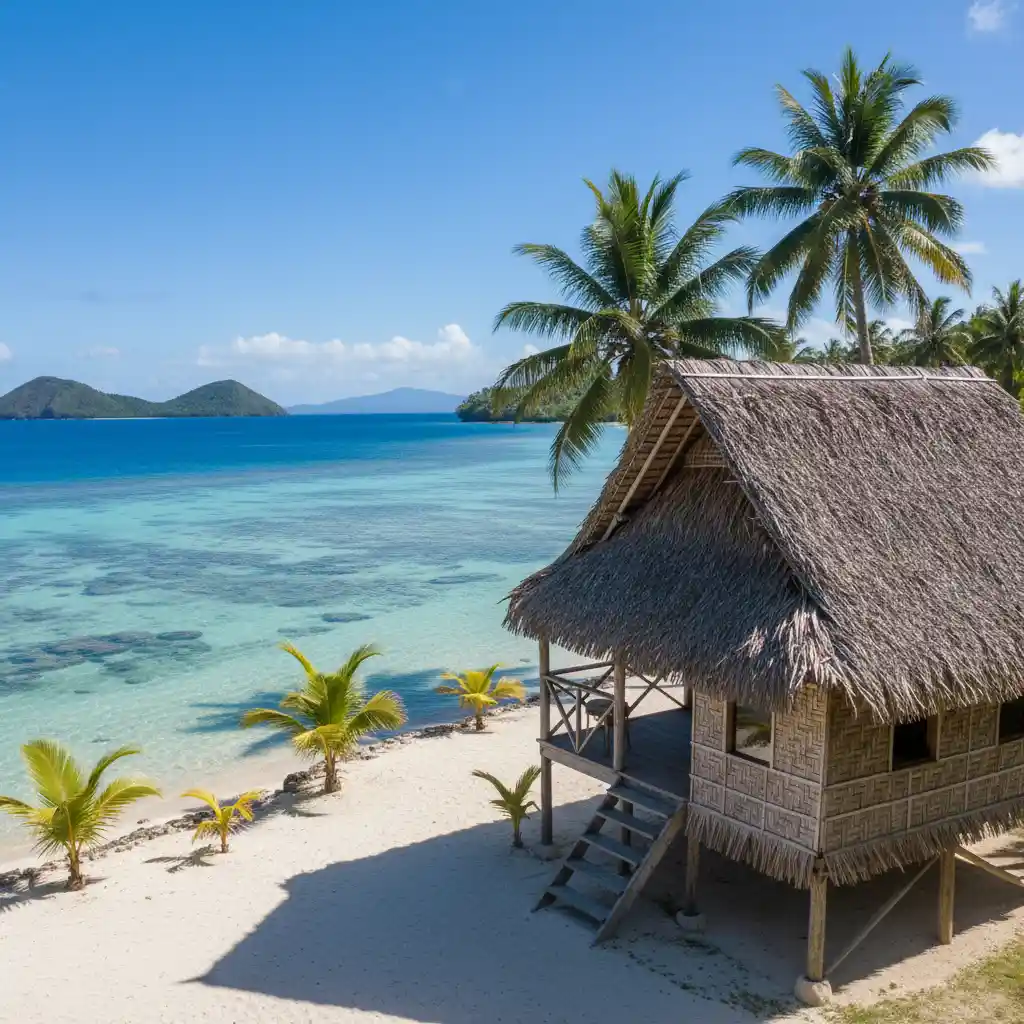
Eco lodges in Vanuatu are sustainable accommodations designed to minimize environmental impact while maximizing cultural immersion for travelers. These lodges typically utilize solar energy, rainwater harvesting, and traditional Ni-Vanuatu building materials, offering guests a unique opportunity to stay within pristine natural environments while directly supporting local island communities and preserving indigenous heritage.
Top Eco-Friendly Accommodations in Vanuatu
Vanuatu is an archipelago that defines raw, untouched beauty. For the conscious traveler, the choice of accommodation is the single most significant factor in shaping the experience. Unlike generic concrete resorts found elsewhere in the Pacific, eco lodges in Vanuatu offer a seamless integration with the jungle, the reef, and the volcanic landscapes. From luxury glamping on private islands to rustic treehouses on the slopes of active volcanoes, the options cater to a wide range of budgets and comfort levels.
The Luxury Eco-Resort Experience
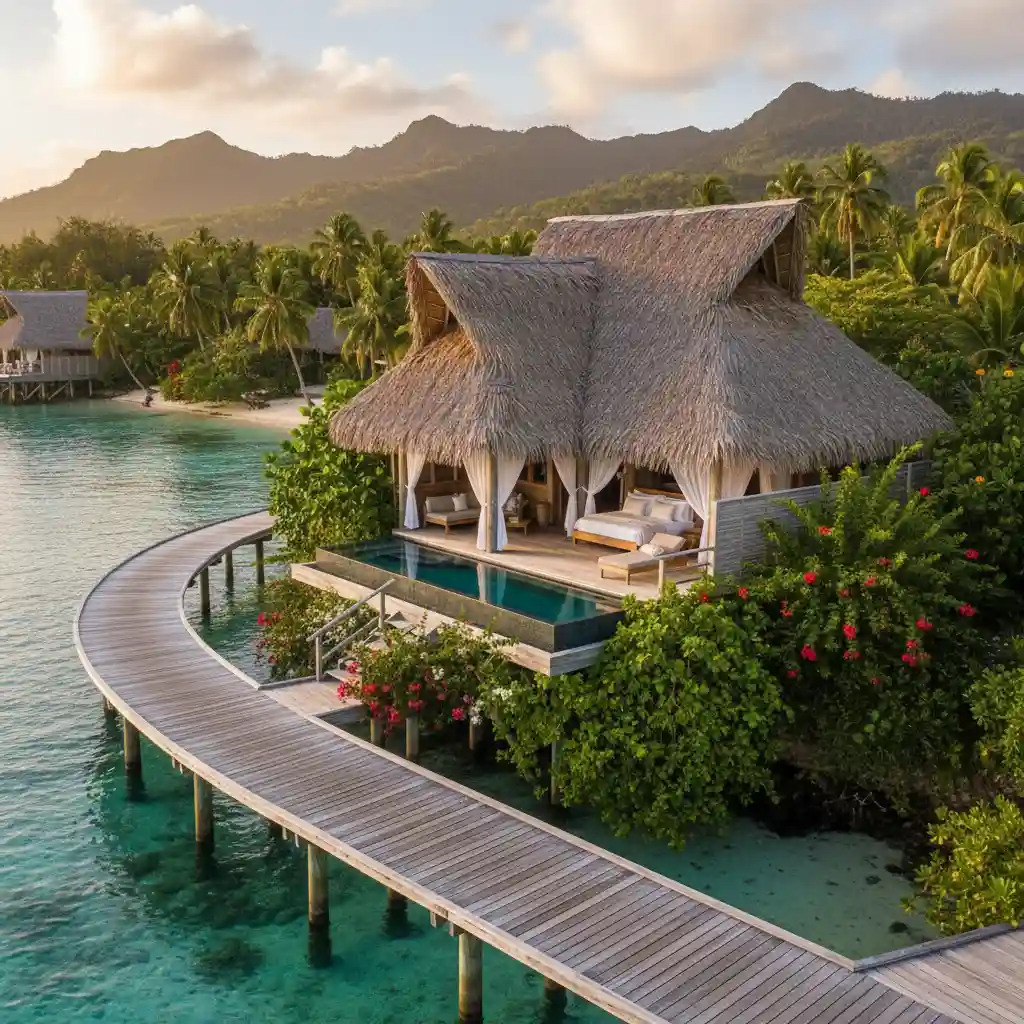
For those seeking sustainability without sacrificing comfort, islands like Espiritu Santo and private islets off Efate offer high-end eco-resorts. These establishments prove that luxury does not require a heavy carbon footprint. Places like Ratua Island Resort and Spa (located on a private island near Santo) exemplify this balance. They often feature 200-year-old teak villas transported from Indonesia, running entirely on solar power and sourcing all produce from on-site organic gardens.
Key features of luxury eco-lodges include:
- Energy Independence: extensive solar arrays and battery banks providing 24/7 power.
- Gourmet Organic Dining: Farm-to-table menus featuring Santo beef, fresh lobster, and organic vegetables grown in volcanic soil.
- Conservation Activities: Private turtle sanctuaries, coral gardening programs, and guided blue hole excursions.
Mid-Range Boutique Bungalows
Moving away from the ultra-luxury market, the heart of Vanuatu’s tourism lies in mid-range boutique bungalows. These are often family-run businesses that have upgraded traditional structures to include modern amenities like ensuite bathrooms and Wi-Fi, while retaining the “natangora” (thatched roof) aesthetic. Located heavily around Port Vila and the coasts of Tanna, these lodges offer the perfect compromise for travelers who want adventure with a soft landing at the end of the day.
Remote Adventure Lodges on Tanna
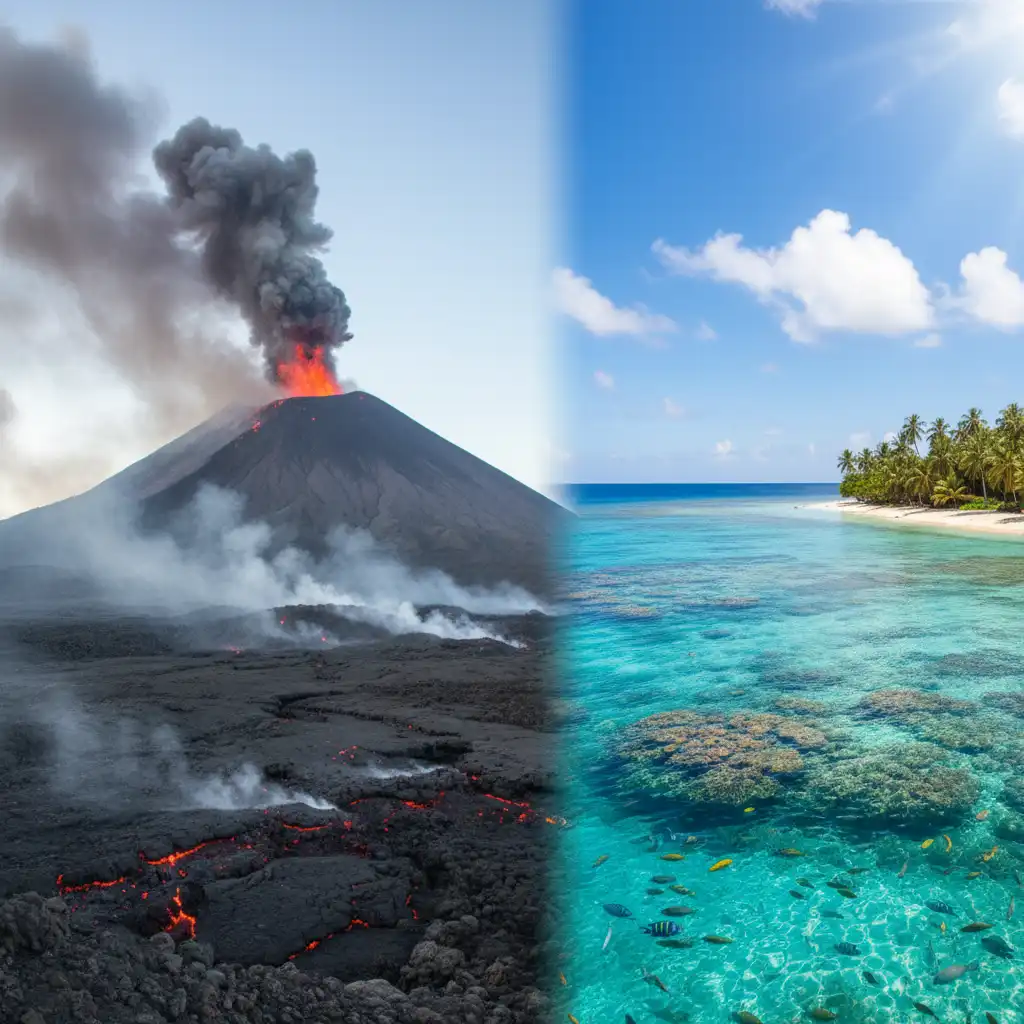
Tanna Island is famous for Mount Yasur, one of the world’s most accessible active volcanoes. The eco-lodges here are designed to enhance the visceral experience of the island. Many are situated in the treetops or on high ridges, offering views of the glowing volcano at night. Accommodations like the Tanna Tree Top Lodge or White Grass Ocean Resort focus on low-impact construction. By using local timber and weaving techniques, these structures can withstand the elements while blending into the dense canopy.
What to Expect in a Village Homestay
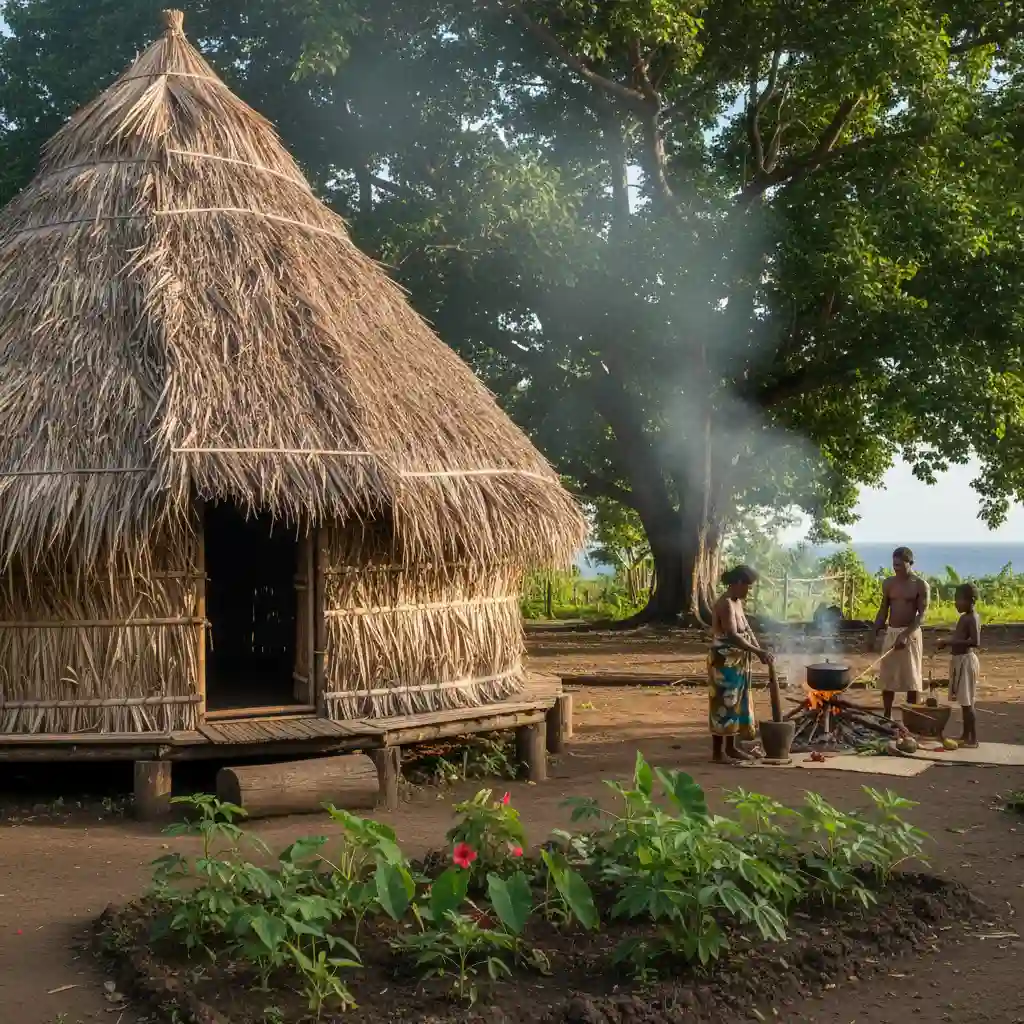
If your goal is true cultural immersion, booking a village homestay is the most authentic way to experience the archipelago. However, travelers must manage their expectations. A homestay is not a hotel; it is an invitation into a family’s daily life. This is “slow travel” in its purest form.
Facilities and Amenities
In a traditional village bungalow, amenities are basic but functional. Understanding this beforehand is crucial for a positive experience.
- Sleeping Arrangements: You will typically stay in a bamboo or wooden bungalow separate from the main family house. Beds are usually equipped with mosquito nets, clean sheets, and pillows.
- Electricity: Many remote villages (especially on islands like Malekula or Pentecost) do not have grid power. Lighting is often provided by solar lanterns or small generators that run for a few hours in the evening to charge phones.
- Hygiene: “Bucket showers” are common in remote areas, though many established homestays now have gravity-fed tanks with shower heads. Toilets may be flush (using a bucket of water) or well-maintained long-drop composting toilets.
- Water: While rainwater tanks are common, it is highly recommended that travelers bring water purification tablets or a filtered water bottle to ensure safety without adding to plastic waste.
The Culinary Experience
Food is a highlight of the homestay experience. You will eat what the family eats, which is generally organic, fresh, and locally sourced. Expect root vegetables like taro, yam, and manioc, often prepared as Laplap (Vanuatu’s national dish made by grating root crops, mixing with coconut milk, and baking in stone ovens). Fresh fish, island cabbage (bele), and tropical fruits like papaya and pawpaw are staples. This is a diet free from preservatives and processed sugars.
Cultural Etiquette for Village Guests
Vanuatu is a nation deeply rooted in Kastom (custom/tradition). When staying in an eco-lodge or village, you are entering a space governed by unwritten social rules. Respecting these norms ensures a warm welcome and a deeper connection with your hosts.
Dress Codes and Modesty
While resort areas in Port Vila are relaxed, village life is conservative. Walking around a village in swimwear is considered disrespectful. Women should ideally wear shorts that reach the knee or a sarong (lavalava) and t-shirts that cover the shoulders. Men should also wear shirts when walking through the village communal areas. Swimwear is appropriate only at the beach or designated swimming holes.
The Significance of Kava
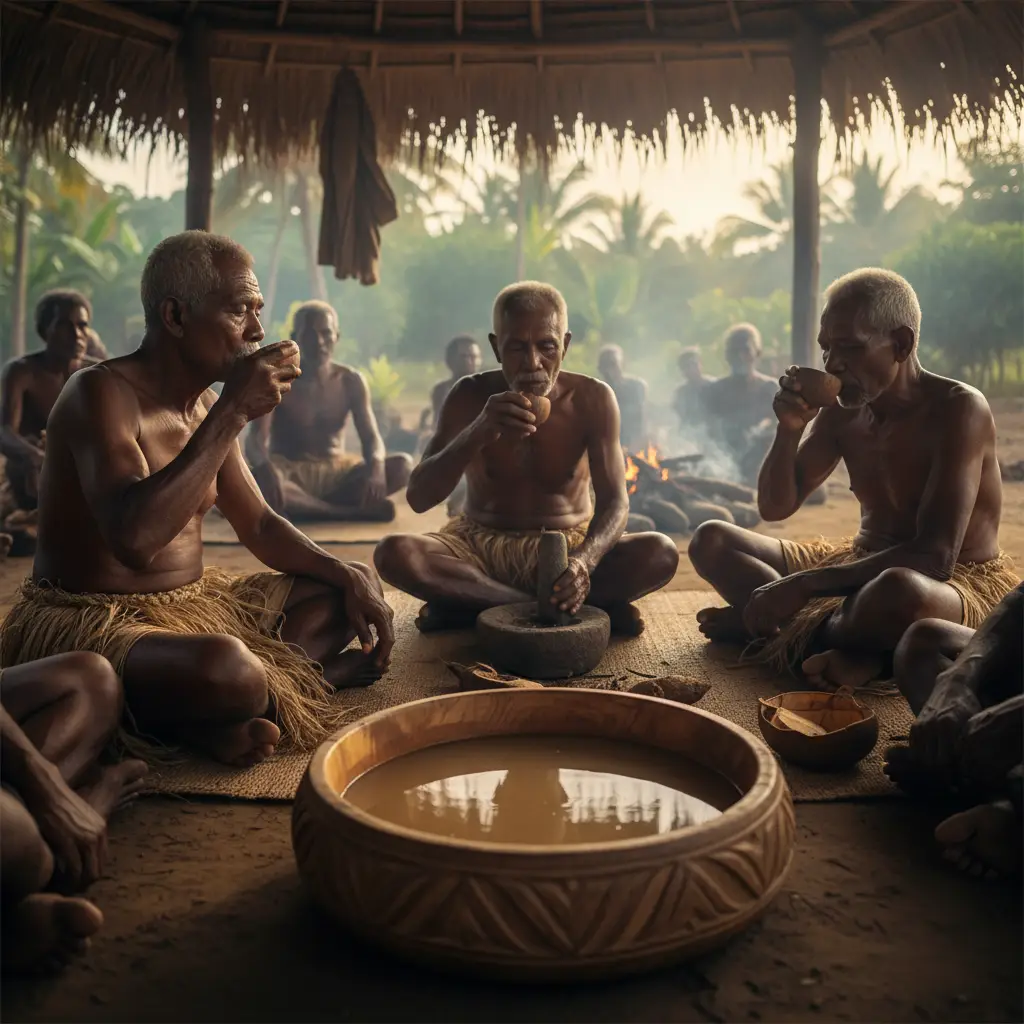
Kava is more than a drink in Vanuatu; it is a ritual. In many villages, the Nakamal (Kava bar or meeting house) is a sacred space. Historically, these were men-only areas, though rules have relaxed in some tourist-friendly spots. If invited to drink Kava, accept it as a gesture of friendship. It is a non-alcoholic sedative made from the pepper plant root. Drink it in one go, and follow the local lead on quiet contemplation afterward.
Respecting “Tabu” Areas
You may see namele leaves (fern-like leaves) tied to trees or posts. This signifies a Tabu (taboo) area. It might mean the area is restricted for a ceremony, fishing is currently banned to replenish stocks, or it is private property. Never cross a Tabu marker. If you are unsure where you can wander, simply ask your host or guide.
Sustainability and Environmental Impact
True eco-lodges in Vanuatu are defined by their operational systems. Because many islands are isolated from the main grid, sustainability is often a necessity rather than just a marketing buzzword.
Building Materials and Architecture
The architecture of Vanuatu is naturally eco-friendly. Lodges utilize Natangora (Sago palm) for roofing, which provides excellent insulation against the tropical heat, reducing the need for air conditioning. Walls are often woven from bamboo or wild cane. These materials are biodegradable, renewable, and carbon-neutral. Unlike concrete, which retains heat and requires importation, traditional materials breathe, keeping the interiors cool.
Water and Waste Management
Water conservation is critical on the outer islands. Most eco-lodges rely on rainwater harvesting systems. Greywater (from sinks and showers) is often filtered through natural reed beds and used to irrigate gardens. Waste management is a challenge in the Pacific, so responsible lodges compost all organic waste and ask guests to carry out non-biodegradable trash (like batteries and plastics) back to Port Vila for proper disposal.
Supporting Local Communities Directly
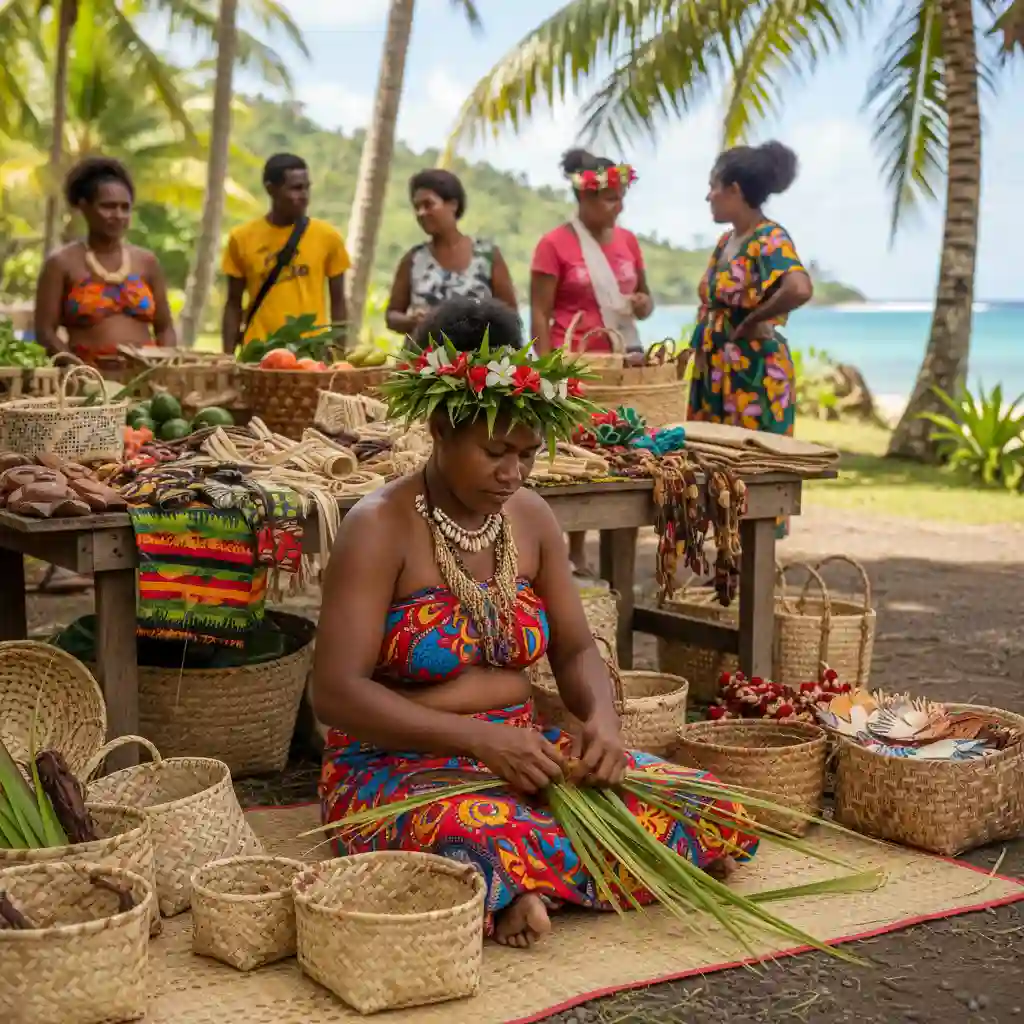
Choosing an eco-lodge or village homestay is a direct injection of capital into the local economy. In the “fly-in, fly-out” tourism model, much of the revenue leaks out to foreign-owned hotel chains. In contrast, Vanuatu’s bungalow accreditation system ensures that money stays within the community.
The Economic Multiplier Effect
When you pay for a night in a village bungalow, that money pays for school fees, medical supplies, and community infrastructure. Furthermore, these lodges employ local staff, purchase food from local farmers, and hire local guides for tours to waterfalls, volcanoes, and reefs. This creates a sustainable economic ecosystem that reduces reliance on foreign aid.
Booking and Logistics
Booking these smaller lodges can sometimes be tricky as not all are listed on major aggregators like Booking.com. The Department of Tourism in Vanuatu has an accreditation program, and many bungalows can be booked through local tourism hubs or specialized travel agents. It is often worth contacting the provincial tourism office (e.g., Tafea Tourism for Tanna, Sanma Tourism for Santo) to get the most updated contact details for smaller operators.
People Also Ask
How much does it cost to stay in an eco lodge in Vanuatu?
Prices vary significantly based on luxury levels. Basic village bungalows and homestays can cost between $30 to $60 USD per night, often including breakfast. Mid-range eco-lodges range from $100 to $250 USD per night. Luxury private island eco-resorts can range from $400 to over $1,000 USD per night.
Is there electricity and Wi-Fi in Vanuatu village homestays?
Most authentic village homestays do not have 24/7 grid electricity. They typically use solar power for lighting and may have a generator for charging devices for a few hours. Wi-Fi is rare in remote villages, though 3G/4G mobile data coverage is improving across the islands (Digicel and Vodafone).
Are eco lodges in Vanuatu safe for solo travelers?
Yes, Vanuatu is generally very safe for solo travelers. The Ni-Vanuatu people are renowned for their friendliness and hospitality. Staying in a village homestay or eco-lodge provides a community environment where hosts look after their guests. However, standard travel precautions regarding valuables should always be taken.
What is the best island in Vanuatu for eco-tourism?
Espiritu Santo is widely considered the best for a mix of luxury and rugged eco-tourism due to its blue holes and rainforests. Tanna is best for volcanic adventures and traditional village life. Malekula and Pentecost offer the most rugged, culturally immersive, and rustic homestay experiences.
Do I need to bring my own food to a village homestay?
Generally, no. Your host family will provide meals, which is usually part of the accommodation fee. However, it is a kind gesture to bring some snacks (biscuits, tea, coffee) to share with the family, or to bring specific dietary items if you have strict allergies, as village supplies are limited.
What is the best time of year to visit Vanuatu eco lodges?
The best time to visit is during the dry season, from April to October. The weather is cooler and less humid, making sleeping in non-air-conditioned eco-lodges comfortable. The wet season (November to March) can be hot and humid, with a higher risk of cyclones, which can impact travel logistics to outer islands.