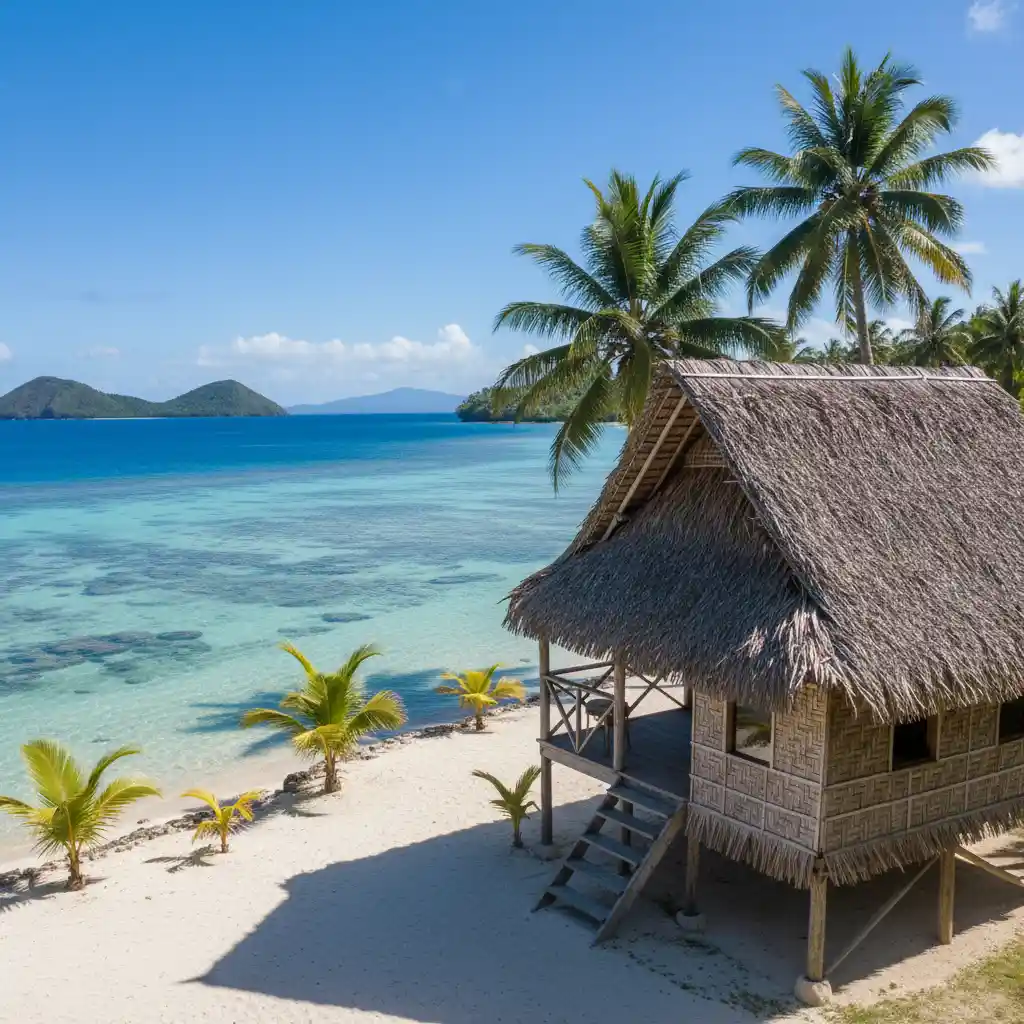
Accommodation in Espiritu Santo varies from upscale private island resorts to authentic, locally owned beach bungalows. For a genuine experience, travelers favor traditional bungalows at Lonnoc Beach and Port Olry. These accommodations offer direct beachfront access, essential amenities, and immersive ni-Vanuatu hospitality, providing a budget-friendly yet spectacular alternative to standard commercial hotels.
Espiritu Santo, the largest island in Vanuatu, is a destination defined by its raw, untouched beauty. Unlike the bustling tourism hubs of Port Vila, Santo offers a slower pace where the jungle meets the reef. Finding the right accommodation in Espiritu Santo is critical to your experience. While luxury resorts exist, the true heart of the island lies in its small, locally owned beach bungalows. These structures, often built from local timber and natangura leaf, place you mere steps from the world’s most pristine turquoise waters.
This guide serves as a comprehensive resource for commercial travelers and holidaymakers seeking to book stays that offer both comfort and cultural immersion. We will explore the nuances of staying at Lonnoc Beach versus Champagne Beach, manage expectations regarding island facilities, and provide actionable advice on securing reservations with small operators.
What defines the accommodation landscape in Espiritu Santo?
When searching for accommodation in Espiritu Santo, it is essential to understand the geographical and stylistic split of the island. The main town, Luganville, serves as the commercial hub and offers standard motel-style lodging suitable for business travelers or divers focusing solely on the SS President Coolidge. However, the iconic imagery of Santo—white sand beaches and electric blue water—is located up the East Coast.
The accommodation landscape is bifurcated into two distinct categories: managed resorts and island bungalows. Managed resorts, such as Aore Island Resort or Barrier Beach Resort, offer Western standards of luxury, air conditioning, and full-service restaurants. In contrast, the “island bungalow” sector is comprised of small family-run businesses. These are not merely places to sleep; they are cultural experiences. They are typically located on prime real estate that large hotel chains cannot access due to custom land ownership laws.

Lonnoc Beach vs. Champagne Beach: Where should you stay?
A common confusion for first-time visitors is the relationship between Lonnoc Beach and Champagne Beach. These are two of the most famous stretches of sand in the South Pacific, yet they offer very different accommodation profiles.
Is there accommodation directly on Champagne Beach?
Technically, Champagne Beach is famous for its powdery sand and frequent visits by cruise ships. It is a day-trip destination par excellence. While there have been sporadic attempts at small camping or very basic huts, Champagne Beach is primarily a recreational reserve rather than a residential hub. Most travelers do not stay on Champagne Beach overnight due to a lack of established infrastructure compared to its neighbor.
What does Lonnoc Beach offer?
Lonnoc Beach is the practical and beautiful solution for those wanting to be near Champagne Beach. Located just around the headland—a short 10-15 minute walk or a 2-minute drive—Lonnoc Beach is the epicenter of locally owned accommodation in Espiritu Santo.
Lonnoc offers a sheltered bay that is often calmer than Champagne Beach, making it ideal for swimming and kayaking. The beach is lined with several family-run bungalow operations. Staying here gives you the unique advantage of walking over to Champagne Beach early in the morning or late in the afternoon, allowing you to enjoy the world-famous site without the crowds of day-trippers or cruise ship passengers.
Why choose authentic locally owned bungalows?
Choosing locally owned accommodation in Espiritu Santo supports the local economy directly and offers an experience that sterilized resorts cannot match. These businesses are usually built on ancestral land, and the hosts take immense pride in sharing their corner of paradise with guests.
The value proposition includes:
- Proximity to Nature: Bungalows are often situated within 10 meters of the high-tide mark. The sound of the ocean is your soundtrack.
- Cultural Exchange: Your hosts are local ni-Vanuatu families. This provides opportunities to learn about custom stories, local cuisine, and the island way of life.
- Cost-Effectiveness: Prices for bungalows are significantly lower than resorts, often ranging from $40 to $100 USD per night, depending on the level of amenities.
- Privacy: Unlike large resorts with hundreds of guests, many bungalow operations have only 3 to 5 units, ensuring peace and solitude.

Top Rated Beach Bungalows and Locations
While Lonnoc is the most famous hub, the road north to Port Olry opens up even more spectacular options. Here are the key areas to consider when booking accommodation in Espiritu Santo.
Lonnoc Beach Bungalows
Several operators share this beach. Lonnoc Beach Bungalows is the largest and most established, featuring a restaurant that serves breakfast, lunch, and dinner. Other operators like Lonnoc Ocean View Bungalows offer similar views with a slightly more rustic charm. The vibe here is communal and friendly, with travelers often gathering in the open-air dining areas in the evening.
Port Olry: The Rising Star
Further north lies Port Olry, a French-speaking village with arguably the most stunning beach on the island. Accommodation here has boomed in recent years. Places like Little Paradise Bungalows and Port Olry Beach Bungalows offer treehouse-style or beachfront huts. The sand at Port Olry stretches for miles, and you can walk to nearby islands at low tide. The local beach restaurants here are famous for their coconut crab dishes.
What facilities can you expect regarding electricity and water?
Managing expectations is crucial for enjoying your stay in these remote locations. “Commercial” in Santo does not always mean “modern” in the Western sense. When booking accommodation in Espiritu Santo’s bungalow sector, be prepared for the following infrastructure realities.
Do bungalows have 24-hour electricity?
Generally, no. Most beach bungalows rely on solar power or diesel generators.
- Solar Systems: Many bungalows now use solar for lighting. This means you will have lights at night, but you may not be able to charge high-draw devices like laptops. USB charging for phones is usually available.
- Generator Hours: Some locations run a generator from sunset (approx 6:00 PM) until around 9:00 PM or 10:00 PM. This is your window to charge cameras and phones.
- Air Conditioning: It is rare to find air conditioning in traditional bungalows. Instead, they rely on ocean breezes and fans (if power permits). The open architecture allows airflow, but it also means you are closer to the elements.

Is the water safe and hot?
Water supply in these remote areas usually comes from rainwater tanks or local springs.
- Showers: “Cold” showers are the standard. In the tropical heat of Vanuatu, this is often refreshing rather than problematic. Some upgraded bungalows may offer gas-heated showers, but you should verify this before booking if it is a deal-breaker.
- Drinkability: While rainwater is generally pure, commercial travelers are advised to drink bottled water or use purification tablets to avoid any stomach upsets that could derail a trip.
How to book small operators effectively?
One of the biggest challenges with accommodation in Espiritu Santo is the booking process. The digital divide is real. While the larger resorts are instantly bookable on platforms like Booking.com or Expedia, the smaller, authentic bungalows often have a fragmented digital presence.
Direct Contact Strategies
Many local operators manage their businesses primarily through Facebook rather than dedicated websites or email.
- Facebook Messenger: This is often the most reliable way to get a response. Search for the bungalow name on Facebook and send a direct message.
- Phone Calls: If you are already in Vanuatu, a phone call is the most effective method. Digicel is the primary carrier.
- Patience is Key: “Island time” applies to administrative tasks. Do not panic if you don’t receive an email reply within 24 hours. A follow-up message after a few days is acceptable.
Cash vs. Card
While booking might be digital, payment often isn’t. Small operators rarely have EFTPOS machines due to connectivity issues. Always confirm payment methods beforehand. In most cases, you will need to withdraw Vatu (local currency) in Luganville before heading north. Cash is king in the bungalow sector.
Planning your logistics: Transport and Dining
Once your accommodation is secured, you must plan the logistics of reaching these remote paradises. Lonnoc and Port Olry are roughly 45 to 60 minutes north of the Pekoa International Airport (SON) in Luganville.
Getting There
You can arrange airport transfers directly through your accommodation host—this is often the smoothest option as they have trusted drivers. Alternatively, taxis are available at the airport. For the adventurous, public transport (buses/trucks) runs from the Unity Shell station in town, but schedules are erratic.
Dining Options
Most bungalows have an attached restaurant or “kitchen.” The menu usually depends on the catch of the day. Do not expect a 10-page menu. Expect fresh lobster, coconut crab, island cabbage (simboro), and tropical fruits. If you have specific dietary requirements, you must communicate these well in advance, as supermarkets are an hour away.

By choosing to stay in beach bungalows, you are opting for an adventure that prioritizes location and authenticity over standardized luxury. It is an experience that defines the true spirit of Espiritu Santo.
Frequently Asked Questions
What is the best area to stay in Espiritu Santo for beaches?
The East Coast Road, specifically the areas around Lonnoc Beach and Port Olry, offers the best beach accommodation. These locations provide direct access to white sand beaches and are close to major attractions like the Blue Holes and Champagne Beach.
Are Espiritu Santo bungalows safe for tourists?
Yes, Espiritu Santo is generally very safe. Bungalow owners live on-site or nearby and look after their guests. However, standard travel precautions should be taken regarding valuables, and it is advisable to lock your bungalow when absent.
How much does accommodation cost in Espiritu Santo?
Costs vary significantly. Budget beach bungalows can range from 4,000 to 10,000 VT (approx. $35-$90 USD) per night. Mid-range hotels and resorts in Luganville or Aore Island generally range from $150 to $400 USD per night.
Do I need a power adapter for Vanuatu accommodation?
Yes, Vanuatu uses the same plug type as Australia and New Zealand (Type I). The voltage is 220-240V. If you are traveling from the US or Europe, you will need an adapter and potentially a voltage converter.
Is there internet access at beach bungalows?
Wi-Fi is becoming more common but is not guaranteed and can be slow. Many travelers find it more reliable to purchase a local SIM card (Digicel or Vodafone) at the airport, as 4G coverage extends to most parts of Lonnoc and Port Olry.
Can I book Espiritu Santo accommodation on arrival?
While possible during the low season, it is highly risky during peak periods (Australian school holidays and the dry season). Because small bungalows have limited capacity (often only 3-5 rooms), booking in advance is strongly recommended.