Vanuatu is generally considered moderately expensive compared to Southeast Asia, but more affordable than premium South Pacific destinations like Tahiti. While luxury resorts charge international rates, budget travelers can comfortably explore for $80–$100 USD per day by utilizing local markets, public minibuses, and family-run island bungalows rather than Western-style hotels.
The South Pacific often conjures images of exclusive luxury and exorbitant price tags. While Vanuatu certainly offers five-star experiences that cater to the luxury market, labeling the entire archipelago as “expensive” is an oversimplification. The true cost of a trip to Vanuatu depends heavily on your travel style, your choice of islands, and your willingness to embrace local customs over imported comforts.
For travelers planning a getaway to this volcanic paradise, understanding the economic landscape is crucial. Unlike Bali or Thailand, where the exchange rate heavily favors Western currencies, Vanuatu operates on the Vatu (VUV), and the cost of living in the capital, Port Vila, can rival parts of Australia or New Zealand. However, venture slightly off the beaten path, and the financial picture changes.
The Verdict: Is Vanuatu Expensive Compared to Other Islands?
To answer the question “is Vanuatu expensive” accurately, we must establish a baseline. If your reference point is Vietnam or the Philippines, Vanuatu will feel pricey. A simple lunch might cost $15 USD, and a dorm bed can run $25-$30 USD. However, if you compare it to Hawaii, French Polynesia (Tahiti/Bora Bora), or even high-end parts of Fiji, Vanuatu offers significant value.
The primary driver of cost in Vanuatu is importation. As an island nation, fuel, electronics, and many food items are imported, incurring shipping costs and taxes. This is most evident in Port Vila on the island of Efate. However, the outer islands (like Tanna and Espiritu Santo) operate differently. While logistics to get there are costly, the daily cost of living can be lower if you stick to local resources.
Accommodation Costs: From Bungalows to Resorts
Accommodation will likely be your largest expense. The disparity between the high end and the low end is massive.
Luxury Resorts and Boutique Hotels
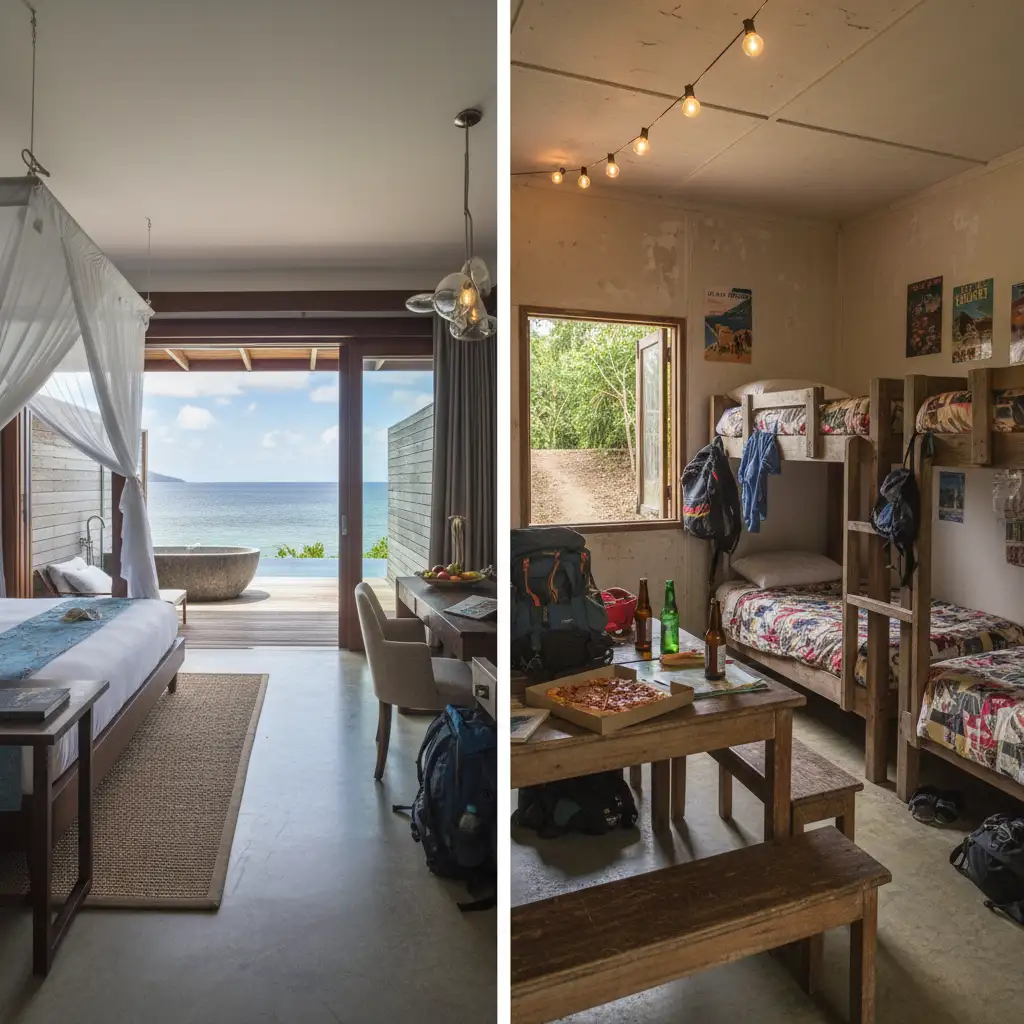
Port Vila and Espiritu Santo host several world-class resorts. These properties cater to Australian and Kiwi tourists and price their rooms accordingly. You can expect to pay anywhere from $250 to $800 USD per night. These prices usually include air conditioning, swimming pools, and extensive amenities. Overwater villas or private island resorts will be at the top of this range.
Mid-Range Hotels and Motels
For the average traveler, mid-range options are plentiful, particularly in Luganville and Port Vila. Prices typically range from $100 to $200 USD per night. These establishments are clean, comfortable, and often include breakfast, but they may lack the sprawling grounds of the luxury resorts.
Budget Guesthouses and Island Bungalows
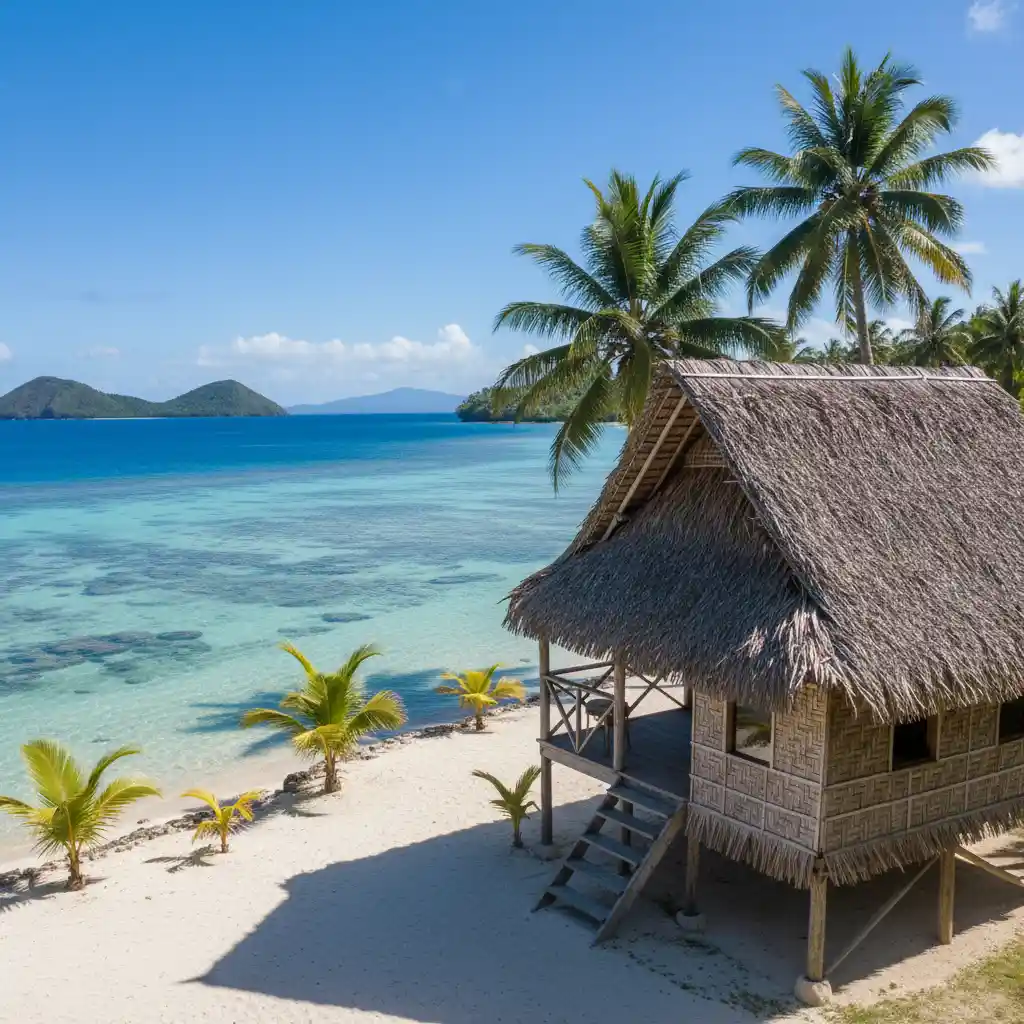
This is where the real adventure—and savings—lies. In the outer islands, the standard accommodation is a locally built bungalow. These are often simple structures with thatched roofs, mosquito nets, and sometimes shared bathroom facilities. Prices can be as low as $30 to $60 USD per night. Not only are these affordable, but the money goes directly to local families rather than international corporations.
Food and Drink Prices: Supermarkets vs. Restaurants
Food costs in Vanuatu can shock unprepared travelers. If you insist on eating imported steak, cheese, and drinking wine, your grocery bill will exceed what you pay at home.
Restaurant Dining
Dining out in Port Vila is a cosmopolitan experience with French, Melanesian, and Asian influences. However, it comes at a price.
- High-end dinner: $40–$70 USD per person (excluding alcohol).
- Casual cafe lunch: $15–$25 USD.
- Resort meal: Often inflated by 20-30% compared to town restaurants.
The Market Advantage
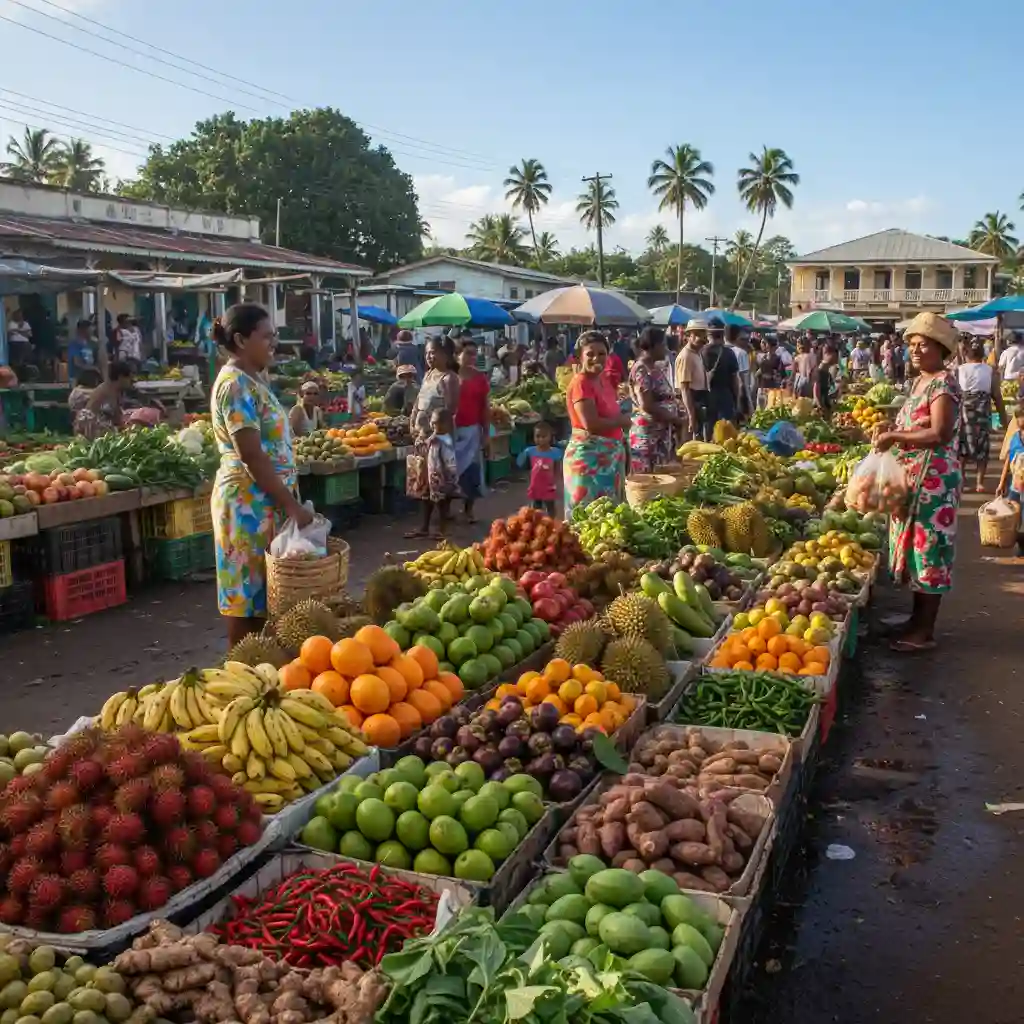
To save money, you must eat like a local. The Port Vila Market operates 24/7 (except Sundays) and offers an abundance of organic tropical fruits, vegetables, and prepared meals. You can buy a massive bundle of bananas or pawpaw (papaya) for under $2 USD. “Tuluk” (minced meat wrapped in cassava dough) is a delicious local staple that costs roughly $1–$2 USD.
Alcohol and Kava
Alcohol is heavily taxed. A case of beer (Tusker is the local brand) is expensive, and a cocktail at a bar will cost $12–$18 USD. Conversely, Kava, the traditional psychoactive drink of the Pacific, is incredibly cheap. A shell of Kava at a local “Nakamal” (Kava bar) costs about $1–$2 USD. It is the social lubricant of choice and a cultural must-do that saves your wallet.
Getting Around: Flights, Buses, and Transfers
Transportation costs vary wildly depending on whether you stay on the main island or go island hopping.
Inter-Island Flights
Air Vanuatu is the primary carrier connecting the islands. These flights are the most expensive part of a multi-island itinerary. A return flight from Port Vila to Tanna (to see the volcano) or Santo (for the beaches) can cost between $200 and $400 USD. These prices rarely drop, even when booked in advance.
Public Transport (The “B” Buses)
On Efate and Santo, the public transport system is excellent and cheap. Look for minivans with a red “B” on their license plate. There are no fixed routes; you simply flag one down and tell the driver where you want to go. A trip around town costs roughly 150 Vatu ($1.30 USD). It is significantly cheaper than taxis and a great way to interact with locals.
Car Rentals
Renting a car gives you freedom but is pricey. Expect to pay $70–$100 USD per day for a small vehicle. Additionally, fuel prices are higher than in the US or Australia due to importation costs. Road conditions outside of the main paved ring road can be rough, often requiring a 4WD which increases the cost further.
Activity Costs: Tours and Entry Fees
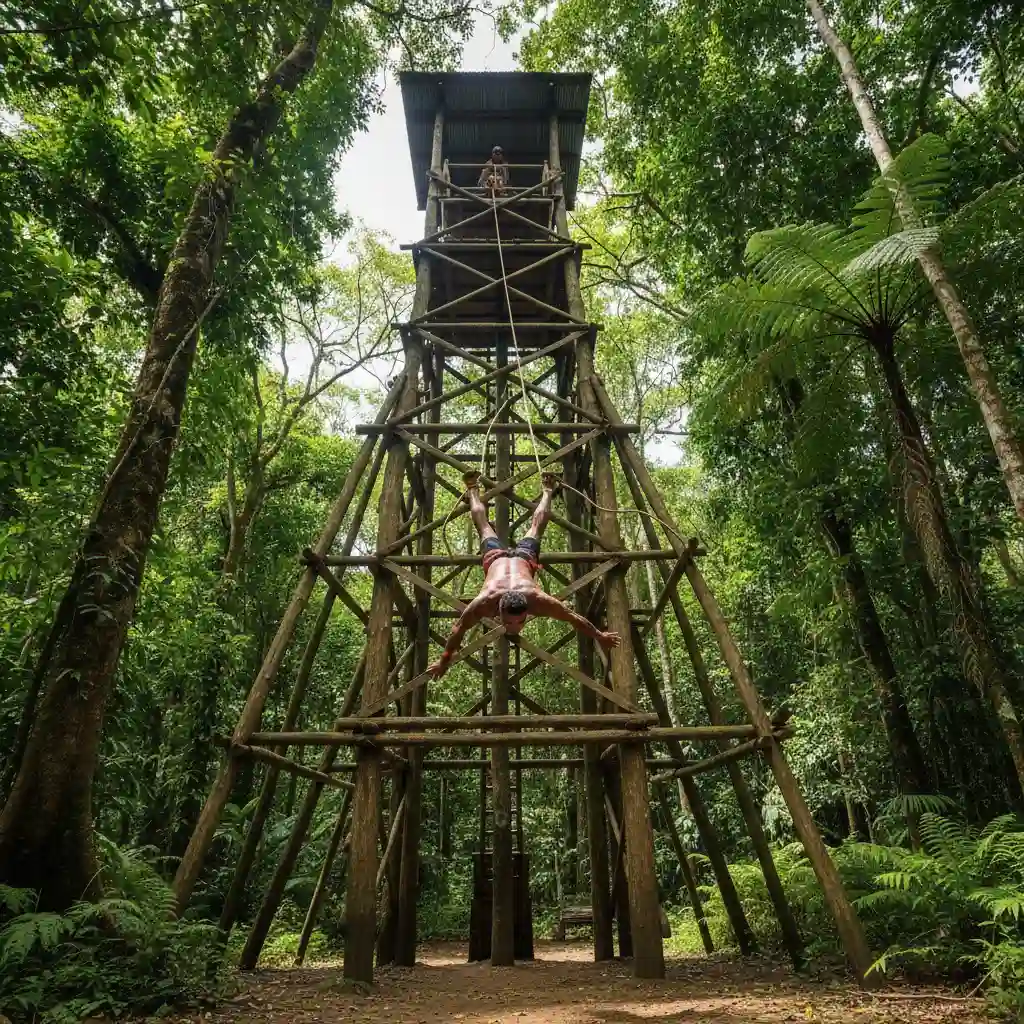
Vanuatu is an activity-rich destination, but nearly every natural attraction sits on customary land, meaning land-owners charge entry fees (Kustom fees).
Mount Yasur Volcano
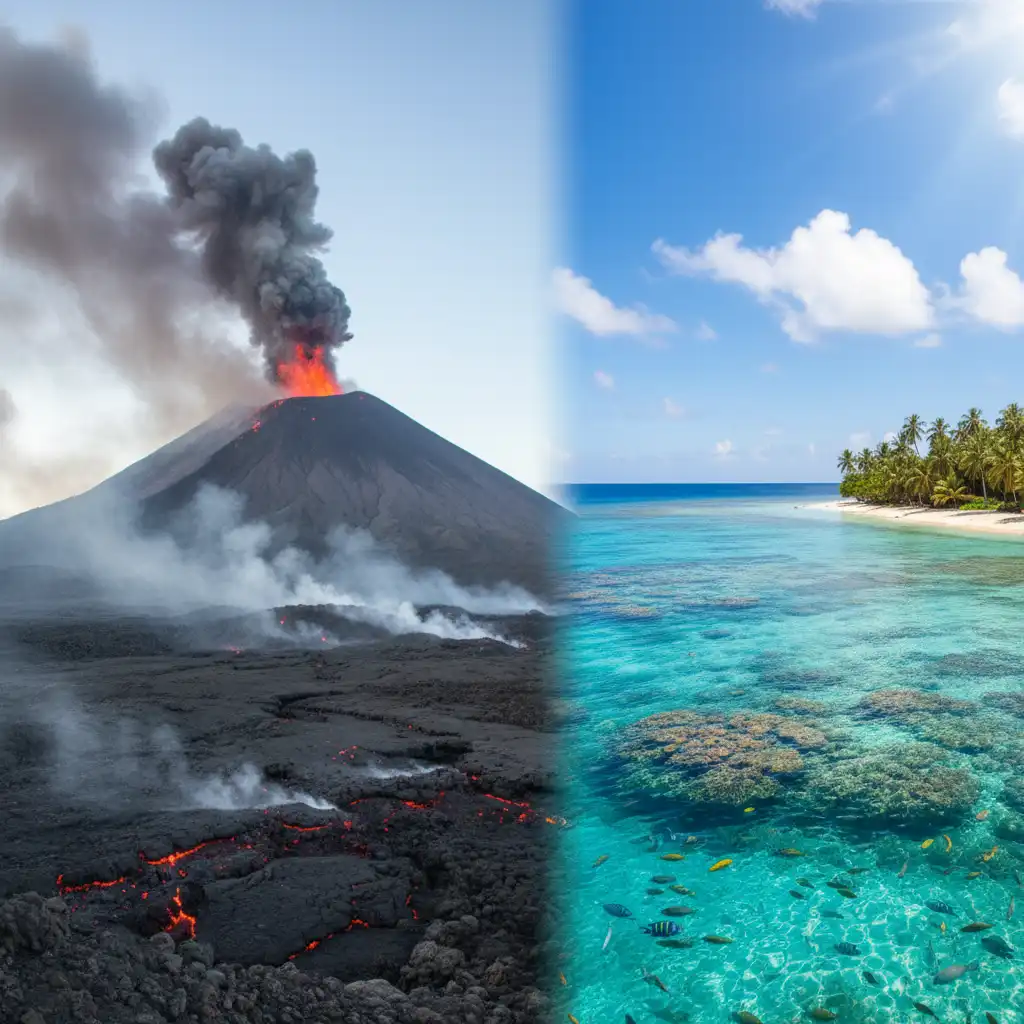
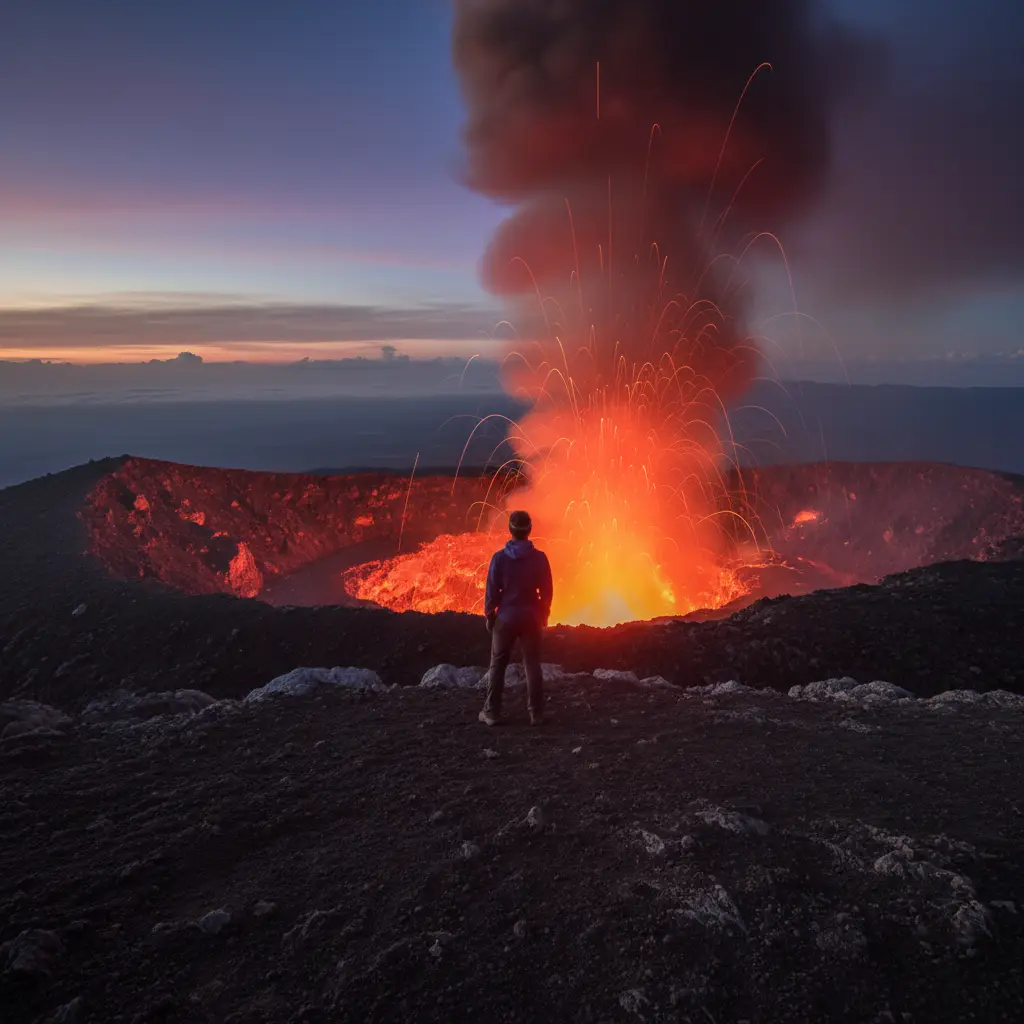
The most famous attraction in Vanuatu, Mount Yasur on Tanna Island, is one of the world’s most accessible active volcanoes. The entrance fee is steep—approximately $100 USD per person for a guided twilight tour. While expensive, most travelers agree it is a once-in-a-lifetime experience that justifies the cost.
Blue Holes and Waterfalls
On Espiritu Santo, the famous Blue Holes (Nanda, Riri, Matevulu) usually charge an entry fee of $5–$15 USD. The Mele Cascades in Port Vila charge around $25 USD for entry. These fees go towards maintaining the paths and supporting the local land-owning community.
Scuba Diving
Vanuatu offers world-class diving, including the SS President Coolidge wreck. A two-tank boat dive typically costs between $120 and $160 USD, including equipment hire. This is on par with international diving standards.
Sample Budgets for 1 Week
To help you plan, here are three budget tiers for a 7-day trip (excluding international flights to arrive in Vanuatu).
The Backpacker Budget (Approx. $600 – $800 USD)
- Accommodation: Dorms or shared bungalows ($30/night).
- Food: Market produce, street food, self-catering ($20/day).
- Transport: Local “B” buses, walking, ferries where possible.
- Activities: Free beaches, hiking, one major paid tour.
- Focus: Cultural immersion and nature.
The Mid-Range Flashpacker (Approx. $1,200 – $1,800 USD)
- Accommodation: Private motel rooms or nice bungalows ($100/night).
- Food: Mix of cafes and nice dinners ($60/day).
- Transport: One return inter-island flight, occasional taxi.
- Activities: Mt Yasur tour, Blue Holes, reef snorkeling.
- Focus: Comfort and seeing the main sights.
The Luxury Traveler (Approx. $3,000+ USD)
- Accommodation: 4-5 star resorts or boutique villas ($350+/night).
- Food: Fine dining, cocktails, resort breakfasts ($150/day).
- Transport: Private drivers, multiple inter-island flights, car rental.
- Activities: Private boat charters, scuba diving packages, spa treatments.
- Focus: Relaxation, privacy, and premium service.
Money-Saving Tips for Vanuatu
Traveling to Vanuatu doesn’t have to break the bank if you are strategic. Here are professional tips to keep costs down:
- Bring Duty-Free Alcohol: If you enjoy a drink, buy your allowance at the airport before you arrive. Alcohol prices in Vanuatu shops are high.
- Use Local Currency: While some tourist spots accept Australian dollars, the exchange rate will be poor. Always withdraw Vatu from ATMs in Port Vila or Luganville.
- Avoid Resort Food: Step outside your resort. A meal across the street at a local eatery might cost half the price of the same meal inside the hotel gates.
- Snorkel from the Shore: You don’t always need a boat tour. Many of the best reefs, like those off Hideaway Island, are accessible by swimming from the shore.
- Book Flights with the Pass: If you fly internationally with Air Vanuatu, you may be eligible for significant discounts on domestic inter-island flights.
People Also Ask
Is Vanuatu cheaper than Fiji?
Generally, Fiji is slightly cheaper than Vanuatu for budget travelers because Fiji has a more developed tourism infrastructure with more competition among hostels and budget operators. However, high-end luxury in Fiji can be more expensive than Vanuatu. For food and groceries, Vanuatu is typically more expensive than Fiji.
How much is a beer in Vanuatu?
In a supermarket, a bottle of local Tusker beer costs around 250–300 Vatu ($2.50 USD). In a bar or restaurant, expect to pay between 600 and 900 Vatu ($5.00–$8.00 USD). Prices at resorts will be higher.
Do I need cash in Vanuatu?
Yes, cash is king in Vanuatu. While major resorts and supermarkets in Port Vila accept credit cards (often with a 3-5% surcharge), you will need Vatu for markets, buses, village tours, and almost everything on the outer islands.
Is tipping required in Vanuatu?
No, tipping is not a Melanesian custom and is generally not expected. In fact, it can sometimes cause confusion. However, smiling and saying “Thank you” (Tankyu Tumas) is highly valued. If you receive exceptional service, a small gift is often preferred over cash.
What is the currency used in Vanuatu?
The currency is the Vanuatu Vatu (VUV). As of 2024, 100 Vatu is roughly equivalent to $0.85 USD or $1.30 AUD. It is helpful to think of 1,000 Vatu as approximately $10 USD for quick mental math.
How much does it cost to visit the Blue Holes?
Entry fees for the Blue Holes on Espiritu Santo (like Nanda or Riri) typically range from 500 to 1,500 Vatu ($5 to $13 USD) per person. Some may charge extra for canoe rentals.