Land diving in Vanuatu, known locally as Naghol, typically occurs every Saturday between April and June annually on Pentecost Island. The optimal land diving Vanuatu dates are usually in May when the liana vines possess the perfect elasticity. Travelers must book specific tour packages in advance to access these regulated cultural sites.
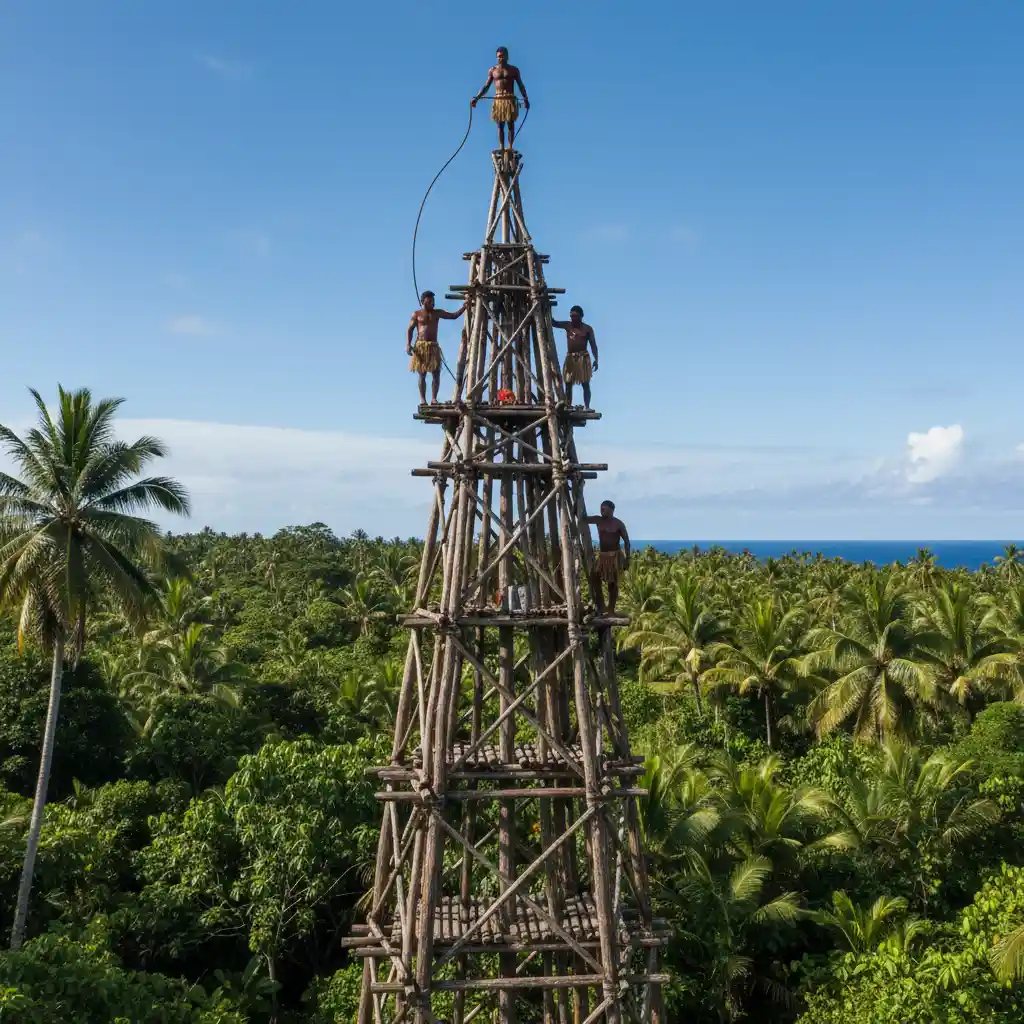
Witnessing the Naghol—the precursor to modern bungee jumping—is one of the most visceral and exclusive travel experiences on the planet. Deep in the jungles of Pentecost Island, men defy death by leaping from wooden towers up to 30 meters high, tethered only by forest vines. This guide provides the essential logistical framework for planning a trip to this remote archipelago, ensuring you secure the correct dates, respectful access, and reliable transport.
Official Land Diving Vanuatu Dates & Seasonality
Planning a trip to witness the Naghol requires precision timing. Unlike commercial tourist attractions that operate year-round, land diving is a seasonal ritual tied intrinsically to the agricultural cycle of the yam harvest. If you arrive outside the designated window, there are no towers, no vines, and no jumps.
When is the Season?
The season strictly runs from April to June. The rituals are almost exclusively performed on Saturdays, though occasionally special jumps are arranged for visiting dignitaries or large film crews, but these are rare exceptions.
- April: The beginning of the season. The vines are fresh, but the towers are sometimes still being finalized. The jumps in early April may be from lower platforms as the divers build confidence and the vines are tested.
- May: Widely considered the peak month for land diving Vanuatu dates. The vines have reached optimal moisture content, providing the perfect elasticity to ensure the safety of the divers. The atmosphere is electric, and the towers are fully constructed to their maximum heights.
- June: The end of the season. By late June, the vines begin to dry out and become brittle, making the jump too dangerous. The towers are dismantled shortly after the final jump.
Why These Specific Dates?
The timing is not arbitrary; it is dictated by the biology of the liana vines. If the vines are too wet (early season), they may stretch too much; if they are too dry (post-June), they may snap. The village elders and ‘Kastom’ chiefs inspect the vines daily. If they deem the vines unsafe due to weather anomalies, a scheduled jump may be cancelled. Therefore, when planning your trip, it is advisable to aim for the middle of the season (May) to minimize the risk of cancellation due to vine integrity.
Logistics: Reaching Pentecost Island
Pentecost Island is remote. It is not serviced by international flights, and infrastructure is basic. Getting there requires a combination of international travel to the capital and domestic island-hopping.
Step 1: International Arrival
Your journey begins by flying into Port Vila (VLI), the capital of Vanuatu located on the island of Efate. Major connections fly from Brisbane, Sydney, Auckland, and Nadi (Fiji). It is highly recommended to arrive in Port Vila at least two days before your intended Saturday visit to Pentecost to account for any international delays.
Step 2: Domestic Connection
From Port Vila, you must take a domestic flight to Pentecost Island. The island has two airfields: Lonorore (LNE) in the southwest and Sara (SSR) in the north. The land diving sites are predominantly located in the south, near Lonorore.
Critical Warning: Domestic flights in Vanuatu can be subject to schedule changes or cancellations due to weather or maintenance. Flights to Pentecost are small propeller planes (Twin Otters or Islanders) with limited seating. Booking these flights months in advance is mandatory during the Naghol season.

Itinerary Strategy: Day Trips vs. Staying on Pentecost
One of the biggest decisions travelers face is whether to do a “fly-in, fly-out” day trip or to stay on the island. Both have distinct advantages and drawbacks depending on your comfort levels and budget.
Option A: The Saturday Day Trip
This is the most popular option for tourists who prefer modern amenities.
- The Schedule: You depart Port Vila early Saturday morning (around 6:00 or 7:00 AM), fly 60 minutes to Lonorore, transfer by 4WD truck to the land diving site, witness the ceremony, have a simple lunch, and fly back to Port Vila by late afternoon.
- Pros: You return to a hotel with air conditioning, hot showers, and Wi-Fi in the evening. It minimizes exposure to insects and rough living conditions.
- Cons: It is expensive due to the charter nature of the flights. It can feel rushed. If the weather is bad and the flight is cancelled, you miss the window entirely.
Option B: Staying on Pentecost
For the adventurous traveler, staying 2-3 nights on Pentecost offers a deeper cultural immersion.
- The Experience: You arrive on a Friday, settle into a village bungalow, and wake up already on the island for the Saturday ceremony. You can spend Sunday exploring waterfalls or interacting with locals.
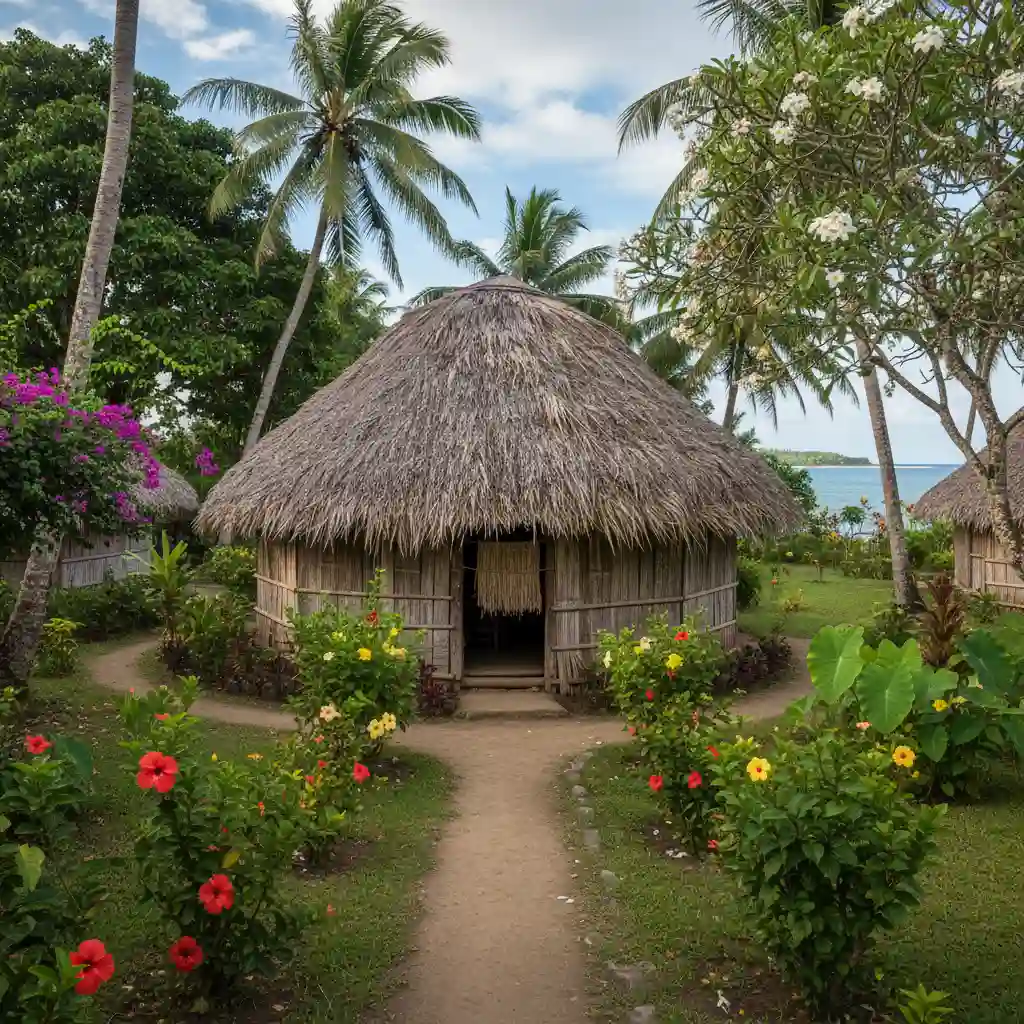
- Accommodation Standards: Expect “island style” bungalows. This usually means no electricity (or limited solar), cold water showers (or bucket showers), pit toilets, and basic meals (rice, laplap, fish).
- Pros: Authentic connection with the Ni-Vanuatu people. You are not rushed at the ceremony site. It is generally cheaper than a private charter day trip.
- Cons: Very low comfort level. High humidity and mosquitoes. Strict cultural rules apply within the villages.
Cultural Significance and Visitor Etiquette
It is vital to understand that Naghol is not a show put on for tourists; it is a sacred fertility ritual. The jump ensures a bountiful yam harvest. When the diver touches the ground, he is said to fertilize the earth. As a visitor, you are a guest at a religious ceremony.
Rules of Conduct
- Respect the Space: There is a designated area for tourists. Do not cross into the preparation area or approach the tower unless invited. The space around the tower is tapu (sacred/forbidden).
- Photography Fees: While most tour packages include a spectator fee, professional photography or large tripods may incur extra costs. Drone usage is strictly regulated and often banned to prevent distracting the divers. Always ask the chief for permission before flying a drone.
- Dress Modestly: While the divers wear only nambas (penis sheaths), visitors should dress conservatively. Swimwear is not appropriate. Shorts and t-shirts are acceptable, but women should avoid overly revealing clothing out of respect for village tradition.
- Silence During Jumps: While chanting and dancing occur before the jump, there is often a moment of intense concentration right before the leap. Follow the cues of the crowd.
- No Clapping: In some villages, clapping is considered bad luck or disrespectful during the ritual. Whistling and cheering are the norm. Watch what the locals do and follow suit.
Booking Reliable Tour Operators & Costs
Because of the logistical complexity, booking through a reputable operator is the safest way to ensure you actually see the dive. Trying to organize this independently (showing up at the airport hoping for a truck) is highly risky and not recommended.
Recommended Booking Channels
Most transactions should be routed through agencies based in Port Vila. Reliable operators usually include:
- Air Vanuatu Tours: Often sells packaged deals including flights and entry fees.
- Melanesian Tours / Atmosphere: High-end operators that manage logistics seamlessly.
- Direct Bungalow Booking: If staying on the island, your bungalow host can often arrange the airport transfer and entry permit, but you must book your own flights.
Cost Breakdown
This is a premium experience. Budget accordingly.
- Entrance Fee: The cost to enter the land diving site is typically around 10,000 to 12,000 Vatu (approx. $85 – $100 USD) per person. This money goes directly to the village and the divers.
- Day Trip Packages: A full day trip from Port Vila (flights + transfer + entry + lunch) usually costs between $350 and $500 USD per person.
- Accommodation: Island bungalows range from $30 to $80 USD per night.
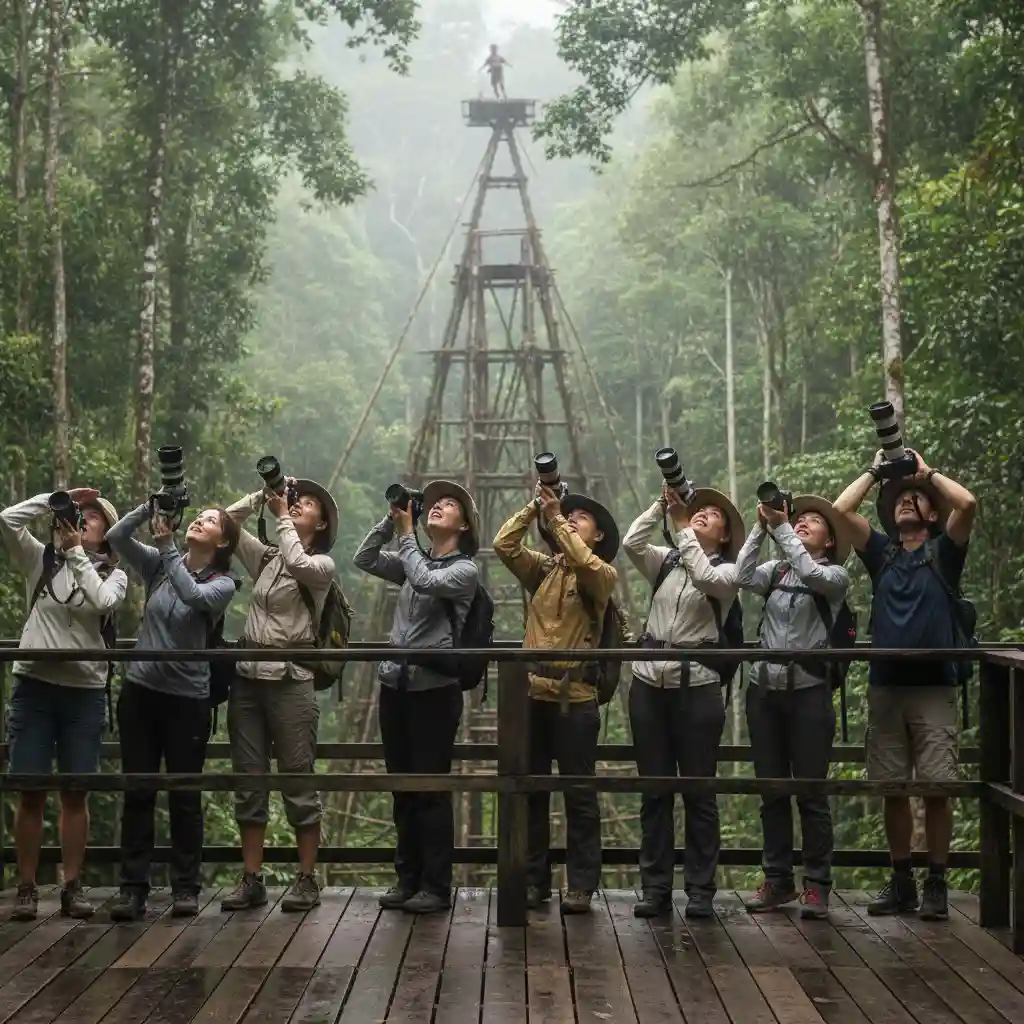
Packing Essentials for the Jungle
Pentecost is a tropical rainforest environment. The weather is hot, humid, and prone to sudden downpours. To ensure your experience remains focused on the spectacle rather than your discomfort, pack the following:
- Insect Repellent: Malaria is present in Vanuatu, particularly on outer islands like Pentecost. High-DEET repellent is non-negotiable.
- Cash (Vatu): There are no ATMs near the diving sites. Bring enough cash for souvenirs, tips, and emergency food. Small denominations are best.
- Sturdy Footwear: The ground can be muddy and uneven. Hiking sandals or old sneakers are ideal.
- Rain Gear: A lightweight poncho is essential. Umbrellas block the view of others and are discouraged.
- Water and Snacks: While tours provide lunch, the heat is draining. Bring extra water and non-perishable snacks.
People Also Ask
Is land diving in Vanuatu safe for tourists to watch?
Yes, it is safe for tourists to watch. There are designated viewing areas kept at a safe distance from the tower. However, the activity itself is dangerous for the divers. Medical facilities on the island are basic, so tourists should be cautious when walking on uneven jungle terrain to avoid personal injury.
How much does it cost to see land diving in Vanuatu?
A complete day-trip package from Port Vila typically costs between $350 and $500 USD per person. This includes return flights, airport transfers on Pentecost, the village entry fee (which is roughly $100 USD on its own), and lunch. If you arrange your own travel, you must still pay the entry fee in cash at the site.
Can women watch the land diving ceremony?
Yes, women are permitted to watch the ceremony. However, they must stand in the designated spectator areas. According to local custom, women are not allowed near the tower or the vines during preparation, as it is believed their presence could bring bad luck to the divers.
What is the best month to see Naghol land diving?
May is widely considered the best month. In April, the vines may be too fresh and the towers lower. In June, the vines start to dry out. May offers the perfect balance of vine elasticity and full-height jumps, providing the most spectacular viewing experience.
How long is the flight from Port Vila to Pentecost?
The flight from Port Vila (VLI) to Lonorore Airport (LNE) on Pentecost Island takes approximately 60 minutes. It is a scenic flight over the archipelago, usually operated by small twin-engine aircraft.
Do I need a visa to visit Pentecost Island?
International travelers need a visa to enter Vanuatu (many nationalities get a visa on arrival), but no separate visa is required for Pentecost Island. However, you are essentially entering a tribal area, so respecting the ‘Kastom’ rules acts as your cultural permit.